

P0603 on 2006-2011 Honda Civic: Keep Alive Memory (KAM) Error Causes and Fixes
On a 2006-2011 Honda Civic, code P0603 almost always points to a weak or failing battery, or loose/corroded battery terminals. Before suspecting the car's computer (PCM), fully test the battery, clean all connections, and check the specific 10A 'BACKUP' fuse in the under-hood fuse box. A new Group Size 51R battery is the most common fix.
- P0603 is a memory error code, almost always caused by a power supply problem.
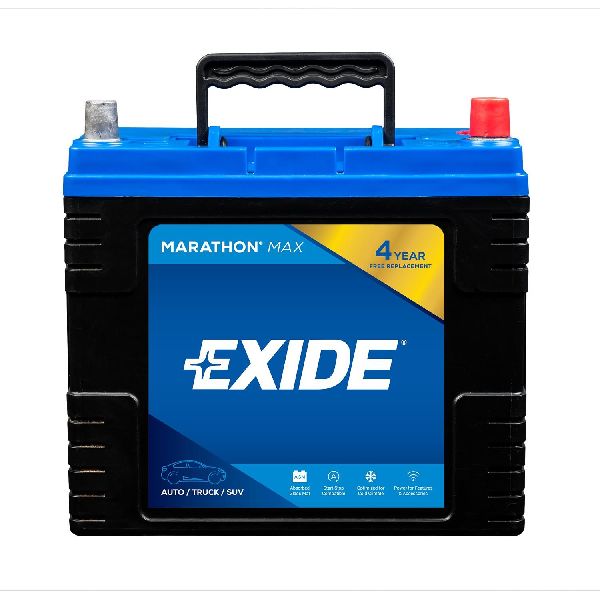
- The first and most important step is to test your battery (Group Size 51R). A weak battery is the #1 cause.
- Clean and tighten your battery terminals and main engine/chassis ground straps before replacing any parts.
- Check the 10A 'BACKUP' fuse (#23) in the under-hood fuse box.
- Do not assume the PCM (computer) is bad; it is the least likely point of failure.
- This is a highly DIY-friendly fix, usually requiring only basic hand tools and a multimeter.
What's Unique About the 2006-2011 Honda Civic
For the 8th generation (2006-2011) Honda Civic, the P0603 code is not indicative of a complex, model-specific flaw. Instead, it's most often a straightforward electrical issue. The primary cause is typically an aging battery (Group Size 51R) that can no longer provide the stable, constant voltage the PCM requires to maintain its memory. Owners should rule out these simple power supply issues before suspecting a more serious computer failure.
Symptoms You May Notice
- Check Engine Light is on
- Engine is hard to start or won't start
- Rough idle
- Hesitation during acceleration
- Increased fuel consumption
- Erratic or harsh transmission shifting
- Illuminated ABS or Traction Control light in some cases
- Replacing the PCM first. The PCM is rarely the root cause; the problem is almost always with the power supplied to it.
- Ignoring a recent battery disconnect. The code can sometimes set after a battery is disconnected or replaced and may clear on its own after a few drive cycles.
Most Likely Causes
- Weak or Failing Battery 🔴 High Probability → Shop Vehicle Battery The OEM battery for this generation has a modest capacity and is known to drain relatively fast. As it ages (typically 3-5 years), its ability to hold a stable voltage above 12.4V when off diminishes, which is the most common trigger for a KAM error.
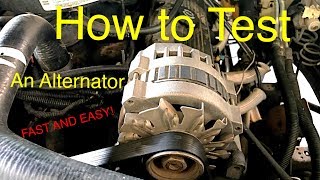
How to confirm: Use a multimeter to test the battery voltage with the engine off. A healthy battery should read above 12.4 volts (ideally 12.6V). Perform a load test, as a battery can show a good static voltage but fail under load. Many auto parts stores offer free battery testing. 🎬 Watch: How to test your alternator and battery with a multimeter.
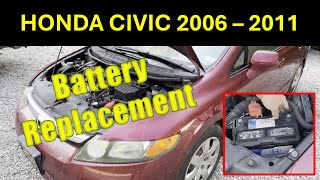
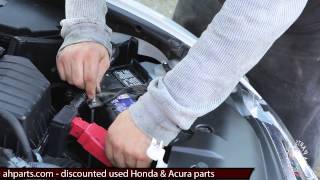
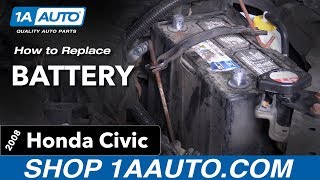
Typical fix: Replace the battery with a new Group Size 51R battery. 🎬 See this easy DIY battery replacement walkthrough for 8th gen Civics.
Est. part cost: $120-$250 - Loose or Corroded Battery Terminals/Grounds 🟡 Medium Probability → Shop Vehicle Battery
How to confirm: Visually inspect the battery terminals for white or blue-green corrosion. Check if the terminal clamps can be twisted or moved by hand. Follow the main negative cable to its chassis and transmission grounding points; ensure they are clean and tight.
Typical fix: Disconnect the battery (negative first), clean the terminals, clamps, and chassis ground points with a wire brush, then reconnect securely (positive first). Apply dielectric grease to prevent future corrosion.
Est. part cost: $5-$15 - Blown 'BACKUP' Fuse ⚪ Low Probability This fuse can blow due to a short in a related circuit, such as interior lights or the audio system, which shares the backup power line.
How to confirm: Locate the under-hood fuse box near the driver's side strut tower. Check fuse #23, a 10A fuse. This fuse is responsible for providing constant power to the PCM for its memory.
Typical fix: Replace the 10A fuse. If it blows again, further diagnosis is needed to find the short circuit.
Est. part cost: $1-$5 - Faulty Charging System (Alternator) ⚪ Low Probability
How to confirm: With the engine running, test the voltage across the battery terminals. A healthy alternator should provide between 13.8 and 14.5 volts. If the voltage is low, high, or fluctuates wildly, the alternator may be failing.
Typical fix: Replace the alternator.
Est. part cost: $200-$400
Rare But Worth Checking
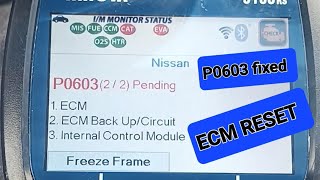
- Faulty Powertrain Control Module (PCM): → Shop Engine Control Module (ECM) This is the least likely cause. The PCM itself can fail internally, but all power 🎬 Watch: A quick guide to P0603 causes and fixes. and ground-related issues must be exhaustively ruled out first before condemning the computer. A professional diagnosis is recommended if the PCM is suspected.
- Aftermarket Engine Tuners/Programmers: Performance chips or flash programmers that modify the PCM's software can sometimes cause this code to appear, either as a byproduct of the tuning process or if the device is faulty or improperly installed. If you have such a device, removing it and returning the PCM to its stock programming can be a valid diagnostic step.
Diagnosis Steps
- Read the code with an OBD-II scanner to confirm P0603 is present.
- Visually inspect the battery terminals for corrosion and tightness. Clean and tighten as necessary.
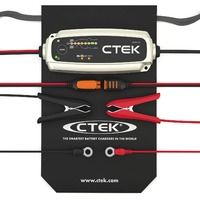
- With the engine off, use a multimeter to check the battery's static voltage. It should be at least 12.4V. If it's lower, charge the battery and perform a load test. If it doesn't hold a charge or fails the load test, replace it.
- Start the engine and measure the voltage at the battery terminals. It should be between 13.8V and 14.5V to confirm the alternator is charging correctly.
- Inspect the main engine ground straps. Key locations on the R18 engine are from the battery negative terminal to the chassis, from the chassis to the transmission housing, and a smaller ground on the thermostat housing. Ensure these are clean, unfrayed, and tight.
- Check the fuse for the PCM's keep-alive memory. In the under-hood fuse box, locate fuse #23 (10A), often labeled 'BACKUP'. Visually inspect it and test for continuity.
- If a new battery was recently installed and the code appeared, clear the code and perform several drive cycles. The PCM may need to complete its internal self-tests.
- If all of the above steps fail to resolve the issue, the problem may be with the PCM wiring or the PCM itself, which may require professional diagnosis.
Parts You'll Likely Need
- 12V Automotive Battery (Group Size 51R)
(OEM #31500-SR1-100M)— This is the most common cause for a P0603 code, as a weak battery fails to supply the constant power needed for the PCM's Keep Alive Memory. The correct size for this vehicle is Group 51R.
Trusted brands: Honda OEM, DieHard, Duralast, Optima
OEM price range: $160-$220
Aftermarket price range: $120-$250 - Battery Terminal Cleaner — Corroded terminals and ground points are a frequent cause of intermittent power loss, leading to the P0603 code.
Trusted brands: CRC, NOCO
OEM price range: $5-$15
Aftermarket price range: $5-$15 - 10 Amp Mini Fuse — If the 'BACKUP' fuse (#23 in the under-hood box) is blown, it will cut constant power to the PCM, triggering P0603.
Trusted brands: Bussmann, Littlefuse
OEM price range: $1-$5
Aftermarket price range: $1-$5
Platform-Specific Known Issues
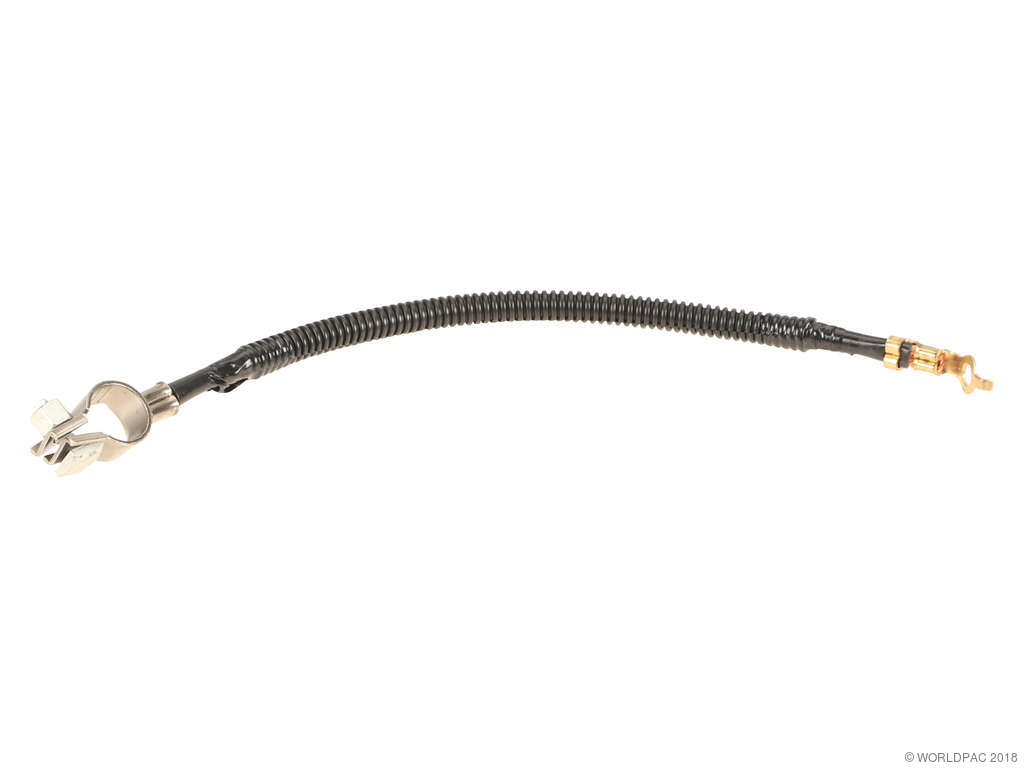
- Main Ground Strap Locations: → Shop Engine Ground Strap The primary ground points that can cause this issue are the main battery-to-chassis ground and the chassis-to-transmission ground. These are known to corrode or loosen over time. A thorough inspection and cleaning of these points is a critical diagnostic step.
- Code After Battery Replacement: → Shop Vehicle Battery It is common for P0603 to appear immediately after replacing a dead battery or disconnecting the battery for service. This is because the KAM has been intentionally cleared. The code should go away on its own after a few complete drive cycles. If it persists, it indicates an underlying issue was not resolved by the battery replacement.
Mechanic-Grade Diagnostic Values
- Battery Voltage (Engine Off) — expected: >12.4V (12.6V is ideal for a fully charged battery). Failure: A reading below 12.4V indicates a discharged or failing battery that cannot maintain KAM power.
- Charging System Voltage (Engine Running at Idle) — expected: 13.8V - 14.5V. Failure: Voltage below 13.8V or above 14.5V suggests a faulty alternator or voltage regulator, which can cause electrical instability and trigger P0603.
- PCM Keep Alive Memory (KAM) Power Supply — expected: Constant Battery Voltage (12V+). Failure: 0V or fluctuating voltage indicates a blown fuse (Under-hood #23), a wiring open/short, or a bad connection.
- Parasitic Draw — expected: < 50mA (milliamps) after all modules go to sleep (approx. 15-30 mins). Failure: A draw significantly higher than 50mA can drain the battery overnight, causing its voltage to drop low enough to trigger a P0603 on the next startup.
Scan Tool Commands That Help
- Honda Diagnostic System (HDS): Clear DTCs — After performing a repair (like replacing the battery or cleaning grounds), use the HDS to clear the P0603 code. Unlike generic scanners, this ensures the command is properly received by the PCM.
- Honda Diagnostic System (HDS): Check for PCM Software Update — In rare cases, especially if other electrical codes are present, a software glitch can cause P0603. The official Honda service procedure suggests checking for and applying any available PCM software updates as a diagnostic step before replacing the module.
Wiring & Ground Locations
- Fuse #23 (10A) — Under-hood fuse/relay box, located near the driver's side strut tower.. This is the specific 'BACKUP' fuse that provides constant battery power to the PCM for the Keep Alive Memory. If this fuse is blown, the PCM loses memory every time the ignition is turned off, directly causing P0603.
- G101 — On the thermostat housing on the 1.8L (R18) engine. It's a critical engine and PCM ground point.. A loose or corroded G101 ground can cause a floating or unstable ground reference for the PCM and various sensors. This electrical instability can lead to a variety of codes, including P0603, even if the battery and power feeds are good.
- Battery Negative to Chassis/Transmission Ground — The main heavy-gauge cable from the battery's negative terminal bolts directly to the vehicle's chassis near the battery tray and also connects to the transmission case.. This is the primary return path for all electrical current. Corrosion or looseness at these main connection points creates high resistance, leading to voltage drops across the entire electrical system and starving the PCM of stable power.
- PCM Connector A, Pin 9 (White wire) — This is the pin on the main PCM connector that receives constant power from the #23 BACKUP fuse.. When diagnosing a persistent P0603 where the fuse is good, a technician would back-probe this pin to verify it has constant battery voltage with the key off. A lack of voltage here points to a break in the wire between the fuse box and the PCM.
Real Owner Repair Stories
- Reddit r/CarAV (Honda Civic (year not specified, but behavior is relevant)) — Check Engine Light with code P0603 appeared after installing an aftermarket amplifier and speakers.
❌ Tried (didn't work) Not specified, user was asking for initial advice.
✅ What actually fixed it The issue was traced to the amplifier's remote turn-on wire being connected to a circuit that interfered with the PCM's power supply or by creating a parasitic draw that weakened the battery over time. Ensuring aftermarket accessories are wired to proper, isolated power sources is critical.
OEM Part Supersession History
e.g., 37820-RNA-A01 through A05→e.g., 37820-RNA-A59— PCMs for the 2006-2008 models were superseded by later part numbers due to hardware or software revisions.
Heads up: PCMs are generally not cross-compatible between the 2006-2008 (pre-facelift) and 2009-2011 (post-facelift) models due to wiring and feature differences. For example, a 2009+ PCM (e.g., 37820-RNA-A8x series) will not work in a 2007 car. Always match the part number or use a specific VIN-programmed replacement.
Model Year Variations Within This Range
- 2009-2011: The 2009 model year marked a mid-cycle refresh with revised styling, new wheel designs, and interior changes like standard USB audio input. While the core electrical system related to P0603 remained similar, PCM part numbers changed.
- 2006-early 2009: The 1.8L R18A1 engines in these earlier models were known to be susceptible to engine block cracking, leading to coolant leaks. While not directly related to P0603, it's a major issue for this specific year range. Honda issued a warranty extension for this problem. Engines from later 2009-2011 are considered to have a revised block design.
Diagnostic Flowchart
Real Owner Stories
Aggregated from forums and TSBs cited above. Mileages and costs reflect what owners reported in those sources.
8th Gen Honda Civic
Symptoms: The car struggled to start and threw a P0603 code.
What fixed it: Replacing the original, aging battery.
Source hint: 8thcivic.com: Thread 'P0603 Code'
2006 Honda Civic
Symptoms: Check Engine Light came on with code P0603.
What fixed it: Installed a new battery after the community suggested the old one was weak.
Source hint: civicforums.com: Thread 'Check Engine Light - Code P0603'
Honda Accord (Related Platform)
Symptoms: P0603 Internal Control Module Keep Alive Memory (KAM) Error appeared.
What fixed it: Replaced a failing battery that showed good static voltage but failed a load test, after initially troubleshooting fuses and grounds.
Source hint: driveaccord.net: Thread 'P0603 Internal Control Module Keep Alive Memory (KAM) Error'
Related OBD-II Codes
Frequently Asked Questions
I just replaced the battery in my 2006-2011 Civic and got the P0603 code. Is my new battery bad?
What size battery does the 8th generation Honda Civic use, and why does it trigger this code?
Where are the main ground straps located on the Civic's R18 engine that I should check for P0603?
Which fuse controls the PCM memory on the 8th gen Civic?
My Civic has a P0603 code and the ABS and Traction Control lights are also on. Is this normal?
Does the Acura CSX share this P0603 issue with the Civic?
Helpful Videos


![What is P0603 Engine Code [Quick Guide]](https://img.youtube.com/vi/lS7cL5QWKhQ/mqdefault.jpg)

Used OEM Parts in Stock
New Aftermarket Parts Available


The information in this article is provided for general reference and educational purposes only. Vehicle specifications, procedures, and part compatibility can vary by production date, trim level, and region. Always consult your vehicle's factory service manual and verify part numbers before purchasing or performing repairs. Safety-critical components such as airbags, seat belts, and braking systems should be installed by a qualified professional.
- Honda Civic:
- 🧭 Diagnostic Flowchart
- 🎬 Helpful Videos
- 🛍️ Shop This Part
- What's Unique About the 2006-2011 Honda Civic
- Symptoms You May Notice
- Most Likely Causes
- Rare But Worth Checking
- Diagnosis Steps
- Parts You'll Likely Need
- Platform-Specific Known Issues
- Mechanic-Grade Diagnostic Values
- Scan Tool Commands That Help
- Wiring & Ground Locations
- Real Owner Repair Stories
- OEM Part Supersession History
- Model Year Variations Within This Range
- Real Owner Stories
- 8th Gen Honda Civic
- 2006 Honda Civic
- Honda Accord (Related Platform)
- Related OBD-II Codes
- Frequently Asked Questions
- 🎟️ Get 5% Off