

P0603 on 2016-2020 Kia Optima: Keep Alive Memory (KAM) Error Causes and Fixes
On a 2016-2020 Kia Optima, code P0603 almost always points to a power supply problem for the engine computer, most often a weak or failing battery. Before suspecting an expensive computer failure, fully test the battery, its connections, and the charging system. This code is also expected to appear temporarily after disconnecting the battery for any reason; clear the code and see if it returns.
- P0603 means the engine computer is losing its memory, usually due to a power interruption.
- The most likely cause by far is a weak or dying battery. Always test the battery and charging system first.
- Check for simple, inexpensive fixes like loose or corroded battery terminals before considering expensive repairs.
- Driving with this code can lead to poor performance and fuel economy, and potentially leave you stranded.
- Do not immediately assume the engine computer (PCM) is bad; it is the least likely and most expensive cause.
What's Unique About the 2016-2020 Kia Optima
For the 2016-2020 Kia Optima (JF generation), the P0603 code is not tied to a specific, unique design flaw. Like most modern vehicles, its complex electronics are highly sensitive to voltage. The appearance of this code is overwhelmingly linked to general electrical system health rather than a specific faulty Kia component. Owner experiences and technical service bulletins for other manufacturers consistently show that low battery voltage is the primary trigger. This generation of Optima is also known for underlying engine issues that can cause a variety of electrical and performance problems, but P0603 itself is almost always an electrical supply fault.
Symptoms You May Notice
- Check Engine Light is on
- Rough or unstable idle, especially after starting
- Engine hesitates or stumbles during acceleration
- Harsh or erratic automatic transmission shifting
- Reduced fuel economy
- Difficulty starting the engine, or a no-start condition
- Battery drains or other electrical malfunctions are noticed
- Illuminated ABS or traction control light in some cases.
- Normal to appear after disconnecting the battery for service; should clear and not return.
- Replacing the PCM first. The PCM is rarely the root cause. The issue is almost always related to the power supplied to the PCM, not the PCM itself.
Most Likely Causes
- Weak or Failing Battery 🔴 High Probability → Shop Vehicle Battery Modern vehicles have a significant parasitic draw to maintain various electronic modules. An aging battery (typically 3-5 years old) may not hold a sufficient charge to power the ECM's Keep Alive Memory when the car is off. Voltage drops during cranking are a very common trigger.
How to confirm: Use a multimeter to check the battery voltage with the engine off; it should be above 12.4 volts. A reading of 12.6V is ideal. For a definitive test, have the battery load tested at an auto parts store, which is often a free service.
Typical fix: Replace the vehicle's 12-volt battery.
Est. part cost: $150-$250 - Loose or Corroded Battery Terminals/Cables 🟡 Medium Probability → Shop Vehicle Battery Corrosion is a common issue on all vehicles and acts as a resistor, impeding the flow of electricity to and from the battery. A loose connection can cause intermittent power loss to the PCM.
How to confirm: Visually inspect the battery terminals and cable ends for white or greenish crust (corrosion) and ensure the clamps are tight and cannot be moved by hand. A loose negative terminal is a frequently reported cause.
Typical fix: Clean the battery posts and terminals with a wire brush and a mixture of baking soda and water. Securely tighten the terminal clamps. Replace terminals if they are damaged or cannot be tightened.
Est. part cost: $5-$20 - Charging System Malfunction (Alternator) ⚪ Low Probability An alternator that is failing may not adequately recharge the battery while the engine is running, leading to a low voltage state that triggers the P0603 code. Signs of a failing alternator can include dimming lights or a burning rubber/electrical smell.
How to confirm: With the engine running, use a multimeter to check the voltage at the battery terminals. A healthy alternator should produce between 13.5 and 14.5 volts. Readings outside this range indicate a problem with the alternator or voltage regulator.
Typical fix: Replace the alternator.
Est. part cost: $250-$500
Rare But Worth Checking
- Blown Fuse for ECM/PCM Power: A dedicated fuse often protects the ECM's constant power circuit. For the 2016-2020 Optima, check the 'ECU 1' (20A) fuse in the engine bay fuse box and the 'MODULE 5' (10A) fuse in the interior panel. While rare for it to blow without a reason, it's a quick and easy check.
- Faulty Powertrain Control Module (PCM): → Shop Engine Control Module (ECM) This is a last-resort diagnosis. The PCM itself could have an internal fault preventing it from retaining memory. This should only be considered after all power supply, wiring, and ground issues have been definitively ruled out.
- Aftermarket Performance Tuner: If the vehicle has an aftermarket engine tune or performance chip installed, it can sometimes interfere with the PCM's self-check processes and trigger a P0603 code. Removing the tuner and returning the PCM to its stock programming can resolve the issue.
- Poor ECM/PCM Ground Connection: A corroded or loose ground wire for the PCM can cause intermittent voltage issues, triggering the P0603 code. Inspect the main ground straps from the battery and the specific ground points for the PCM harness.
Diagnosis Steps
- Check for other DTCs: Use an OBD-II scanner to see if any other codes are present that could point to a specific system failure.
- Clear the Code and Test: If the battery was recently disconnected or jumped, the code is expected. Clear the code with the scanner and drive the vehicle to see if it returns.
- Inspect Battery and Terminals: Visually inspect the battery for signs of damage or leaking. Check the terminals for corrosion and ensure the cable clamps are tight and cannot be wiggled by hand.
- Test Battery Voltage: With the engine off, use a multimeter to check battery voltage. A reading below 12.4V indicates a discharged or weak battery. Get a professional load test to confirm its health.
- Test Charging System: Start the engine and measure the voltage at the battery terminals. It should be approximately 13.5V-14.5V. If it's lower or higher, the alternator or voltage regulator may be faulty.
- Check Fuses: Locate the engine compartment and interior fuse boxes. Specifically check fuses labeled for the ECU/PCM, such as 'ECU 1' and 'MODULE 5'.
- Inspect Wiring and Grounds: Check the wiring harness leading to the ECM for any visible damage, chafing, or loose connections. Trace and inspect the main engine and PCM ground straps for corrosion and tightness.
- Remove Aftermarket Devices: If any aftermarket performance tuners are installed, remove them and return the vehicle to its stock configuration.
- Suspect PCM: If all previous steps check out and the code persists, the PCM may be faulty. This step often requires professional diagnosis with advanced tools.
Parts You'll Likely Need
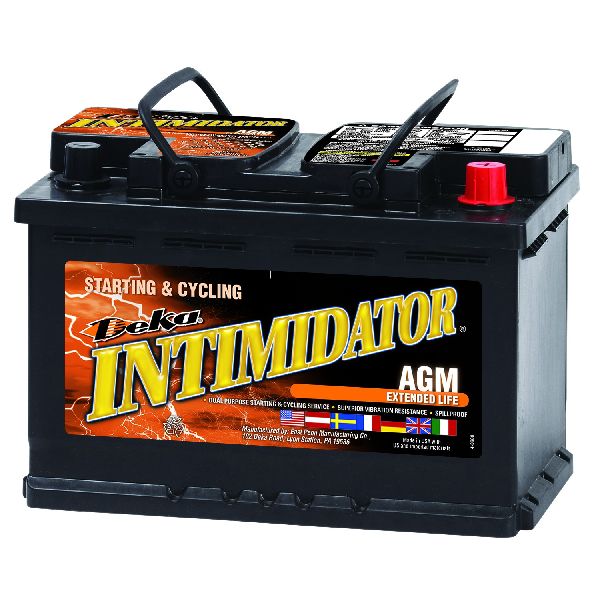
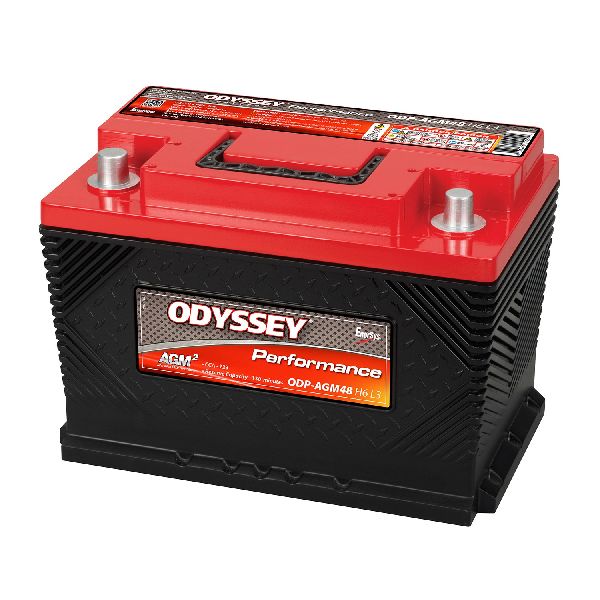
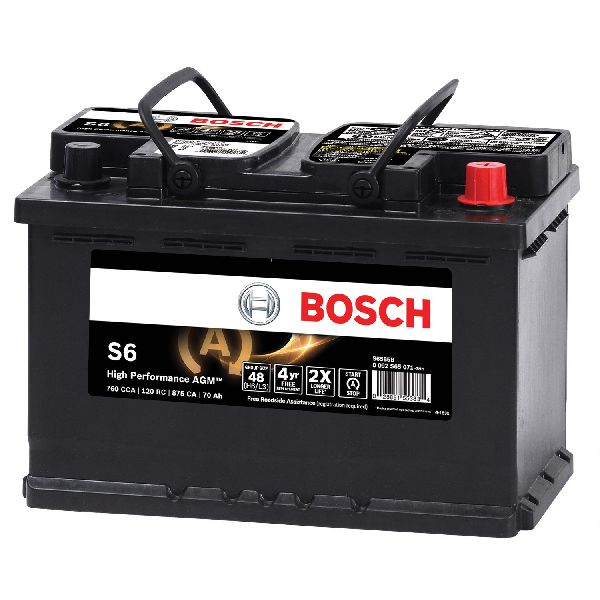
- 12V Automotive Battery — This is the most common cause. The ECM requires a stable voltage to retain its memory, and a weak battery cannot provide it when the car is off.
Trusted brands: Interstate, DieHard, Duralast, Bosch
OEM price range: $200-$300
Aftermarket price range: $150-$250
Mechanic-Grade Diagnostic Values
- Parasitic Current Draw — expected: Under 50mA after the vehicle enters sleep mode (typically after 15-30 minutes).. Failure: A sustained reading over 50mA indicates a module or component is not shutting down correctly and is draining the battery, which can cause the P0603 code.
- Voltage Drop Test on PCM Power/Ground Circuits — expected: Less than 0.1V (100mV) on the ground side and less than 0.2V (200mV) on the power side.. Failure: A higher voltage drop reading indicates excessive resistance in the wiring or connections (e.g., corrosion, loose pins) that can starve the PCM of stable voltage, triggering a P0603.
Scan Tool Commands That Help
- Kia Diagnostic System (KDS): ECU Upgrade / Reprogramming — Used to apply software updates issued by Kia, such as logic improvements for the knock sensor system (PI1803). This is relevant to P0603 because TSBs for these updates explicitly warn that a fully charged battery and a power supply are required during the flash; attempting it with unstable voltage can cause permanent PCM failure.
- High-End Aftermarket Scanner or KDS: PCM Replacement / Immobilizer Programming — This function is required if the PCM is replaced, especially with a used unit. The vehicle's VIN and security key information must be programmed into the replacement PCM for the engine to start. Failure to do so will result in a no-start condition.
Wiring & Ground Locations
- Interior Fuse Box — Located on the driver's side of the dashboard, behind a removable panel to the left of the steering column.. This panel contains fuses for various modules, including a potential constant power fuse for the PCM's memory circuit (e.g., 'MODULE 5'). A fault in this circuit can cause KAM loss.
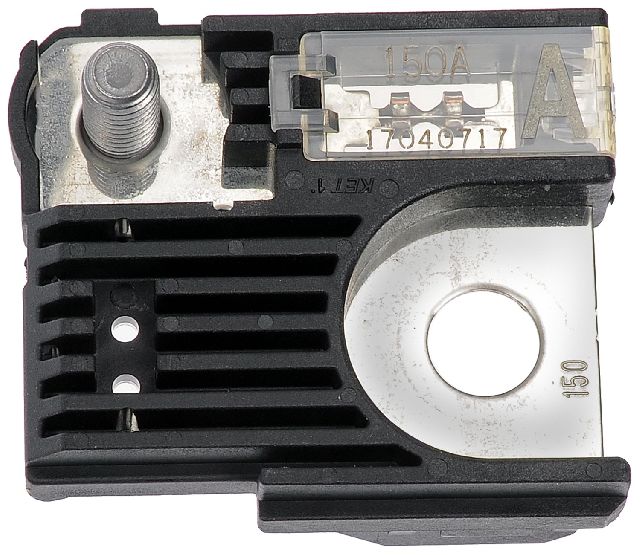
- Engine Compartment Fuse Box — Located in the engine bay, typically near the battery.. This box houses the main, high-amperage fuses for the ECU/PCM (e.g., 'ECU 1') and other critical engine systems. A poor connection or faulty multi-fuse in this box can interrupt power to the PCM.
- Main Engine/Chassis Grounds — Key ground points include the strap from the negative battery terminal to the chassis and a strap from the engine block to the chassis. The PCM will also have dedicated ground wires in its harness.. A loose or corroded ground is a common cause of intermittent and low-voltage electrical problems that can trigger P0603. Ensuring these connections are clean and tight is a critical diagnostic step.
Real Owner Repair Stories
- Reddit user ckillabrew (2016 Kia Optima, <50,000 miles) — Brought car to dealer for an oil pressure light issue, but the dealer was unable to perform proper diagnostics.
❌ Tried (didn't work) Initial diagnostics failed.
✅ What actually fixed it The dealership discovered that the PCM installed in the car was not the correct one for the vehicle's VIN. Because the car was sold as a Certified Pre-Owned, the dealer replaced the incorrect PCM with the correct OEM unit at no cost, which then allowed for proper vehicle function and diagnostics. - Reddit user on r/AskMechanics (2015 Infiniti Q50 3.7 (Principle is universal)) — P0603 code appeared as a pending code after the Check Engine Light went away on its own.
❌ Tried (didn't work) Tightening the negative battery terminal clamp, which remained loose.
✅ What actually fixed it The confirmed root cause was a loose negative battery terminal that could not be properly tightened. The fix was to replace the battery terminal clamp to ensure a solid, uninterrupted electrical connection, which resolved the KAM error.
Model Year Variations Within This Range
- 2019-2020: The 2019 model year introduced a mid-generation facelift. While the core powertrain and electrical architecture remained similar, changes included a standard 8-inch UVO infotainment system and the standardization of several Advanced Driver Assistance Systems (ADAS). This increase in standard electronic modules could potentially lead to a slightly higher baseline parasitic draw, making these later models more sensitive to battery degradation.
Diagnostic Flowchart
Other Known Issues on This Vehicle
Issues unrelated to this code that are worth knowing about as an owner of this generation:
- Engine Failure (Theta II GDI Engines) 🔴 High — Widespread issue affecting 2.4L and 2.0L Turbo engines. Can occur at various mileages, often preceded by knocking sounds. Manufacturing debris can block oil passages, leading to bearing failure. (Ref: Multiple recalls (e.g., SC147) and class-action lawsuits have been issued. Kia extended the engine warranty for affected vehicles.)
- Excessive Oil Consumption 🔴 High — Commonly reported on the 2.4L and 2.0L engines, with owners noting oil levels dropping significantly between changes, sometimes requiring a quart every 1,000-2,000 miles. Often a precursor to engine failure. (Ref: Covered under the engine class-action lawsuit settlement and extended warranty, but often requires owners to complete a lengthy oil consumption test at a dealership.)
- Knock Sensor Detection System (KSDS) Issues 🟠 Medium — The KSDS software was implemented to detect early signs of engine failure. However, the sensor or software can be faulty, sometimes putting the car into limp mode unnecessarily. (Ref: Kia issued a product improvement campaign to update the KSDS software, which also provides a lifetime warranty for the engine's short block assembly if failure is confirmed.)
- Electrical System Problems 🟡 Low — Owners report various electrical gremlins, including infotainment systems freezing, backup camera failures, and parasitic battery drains. These are often inconsistent and difficult to diagnose.
- Weak Alternators 🟠 Medium → Shop Alternator — Some owners have reported premature alternator failure, leading to starting issues and dead batteries. This can be a direct cause of the P0603 code.
Used vs. New Parts: Buying Guide for This Vehicle
When a used part is the smart pick: A used PCM from a junkyard is a potential cost-saving measure ONLY if the original PCM has been definitively diagnosed as faulty, which is rare for code P0603. It is not a recommended first step. For all other common causes like the battery or alternator, new parts are strongly recommended.
Donor-vehicle mileage cap: roughly under 80000 miles for the part to have meaningful remaining life.
What to inspect on the donor part:
- Ensure the part number on the donor PCM EXACTLY matches the original part number.
- Inspect the donor PCM's connectors for any signs of corrosion, bent pins, or water damage.
- Obtain the VIN of the donor vehicle if possible, as this can sometimes help the programmer.
- Source from a reputable recycler that offers a warranty.
OEM-only on this vehicle (don't cheap out):
- Powertrain Control Module (PCM): While a used OEM part can work if reprogrammed, using a new OEM part from a dealer is the most straightforward and guaranteed-to-work solution. Aftermarket 'remanufactured' PCMs can be a gamble on quality and programmability.
Aftermarket brands forum-validated for this vehicle:
- For batteries: Interstate, Bosch, DieHard, Duralast are all reputable brands.
- For PCM replacement services (programming/cloning): Companies like Flagship One specialize in this service, providing a more reliable alternative to a random junkyard part.
Brands owners have reported issues with on this vehicle:
- Avoid unbranded, suspiciously cheap 'rebuilt' PCMs from online marketplaces with no warranty or programming support.
Real Owner Stories
Aggregated from forums and TSBs cited above. Mileages and costs reflect what owners reported in those sources.
2016 Kia Optima LX
Symptoms: Check engine light with codes P2122, P2127, and P0603. The car had problems with acceleration and power, shaking at low speeds, and a slower-than-normal crank when starting.
What fixed it: The source suggests a diagnostic path focusing on the throttle body or pedal sensors, but notes P0603 specifically relates to the PCM memory power.
Source hint: Reddit r/MechanicAdvice
2016-2020 Kia Optima (General)
Symptoms: The negative battery terminal remained loose even after attempting to tighten it.
What fixed it: Replacing the battery terminal rather than the PCM.
Source hint: Reddit r/AskMechanics - Code P0603
Related OBD-II Codes
Frequently Asked Questions
I just replaced the battery in my 2016 Kia Optima and now P0603 is showing. Is my PCM bad?
My 2017 Optima has a loose negative battery terminal that won't stay tight. Could this cause the P0603 code?
Is there a recall for the engine issues that might be related to my electrical codes?
How can I tell if my Optima's alternator is causing the P0603 code?
Which fuses should I check on my Kia Optima for a P0603 Keep Alive Memory error?
Can aftermarket tuners cause this code on a 2016-2020 Optima?
Helpful Videos

We Have This Part in Stock



The information in this article is provided for general reference and educational purposes only. Vehicle specifications, procedures, and part compatibility can vary by production date, trim level, and region. Always consult your vehicle's factory service manual and verify part numbers before purchasing or performing repairs. Safety-critical components such as airbags, seat belts, and braking systems should be installed by a qualified professional.
- Kia Optima:
- 🧭 Diagnostic Flowchart
- 🎬 Helpful Videos
- 🛍️ Shop This Part
- What's Unique About the 2016-2020 Kia Optima
- Symptoms You May Notice
- Most Likely Causes
- Rare But Worth Checking
- Diagnosis Steps
- Parts You'll Likely Need
- Mechanic-Grade Diagnostic Values
- Scan Tool Commands That Help
- Wiring & Ground Locations
- Real Owner Repair Stories
- Model Year Variations Within This Range
- Other Known Issues on This Vehicle
- Used vs. New Parts: Buying Guide for This Vehicle
- Real Owner Stories
- 2016 Kia Optima LX
- 2016-2020 Kia Optima (General)
- Related OBD-II Codes
- Frequently Asked Questions
- 🎟️ Get 5% Off