

P0604 on 2007-2011 Cadillac DTS: Internal RAM Error Causes and Fixes
This code indicates an internal memory error in a control module, often triggered by low battery voltage. Before suspecting an expensive module failure, fully test the battery and check all power and ground connections. A weak battery or poor ground connection is the most common and cheapest fix. On the DTS, the Transmission Control Module (TCM) is a frequent source of this code if electrical issues are ruled out.
- P0604 is a serious internal memory error, but it does not automatically mean the main computer has failed.
- The most common and cheapest-to-fix cause is a weak battery or poor electrical connections. Always test the battery and clean ground connections first.
- A professional scan tool is needed to see which module (e.g., engine or transmission) logged the code, which is critical for diagnosis.
- If a module must be replaced, it is not a simple swap. It requires professional programming to work with your specific vehicle.
What's Unique About the 2007-2011 Cadillac DTS
On this generation of Cadillac DTS, which is built on the GM K-platform, the electronics are notoriously sensitive to voltage fluctuations. GM Technical Service Bulletin (TSB) #05-06-04-060A specifically notes that P0604 is part of a family of internal module faults that can be set across multiple different computers (ECM, TCM, etc.). This bulletin cautions technicians against immediately replacing a module, emphasizing that issues like low system voltage can be the root cause. Unlike many other GM vehicles of the era where the TCM is internal to the transmission (a TEHCM), the 2006-2011 DTS features an externally mounted T42 TCM, located under the hood on the driver's side, making it more accessible for diagnosis and replacement.
Diagnostic Flowchart
Tap your situation to follow the diagnostic path that matches what you're seeing on this vehicle.
Symptoms You May Notice
- Check Engine Light is on
- Vehicle may not start
- Engine may stall or run rough
- Harsh or erratic transmission shifting, sometimes slamming into gear
- ABS or Traction Control lights may activate
- Vehicle enters 'limp mode,' often stuck in a single gear
- Immediately replacing the PCM or TCM without thoroughly testing the battery, charging system, and all main power/ground connections. This is an expensive and common mistake, as a weak battery or a corroded ground strap is a very frequent trigger for this code.
Most Likely Causes
- Low Battery Voltage or Poor Connections 🔴 High Probability → Shop Vehicle Battery The complex electronics in the DTS are highly sensitive to voltage. A weak battery, failing alternator, or corroded ground can cause memory corruption during startup, triggering a P0604 code before any module has actually failed. This is the most common trigger and should always be the first area of investigation.
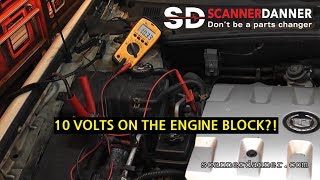
How to confirm: Test the battery voltage with the engine off; it should be above 12.4V. With the engine running, voltage should be stable between 13.5V and 14.5V. Perform a load test on the battery at an auto parts store. Visually inspect and clean battery terminals and the main engine-to-frame ground strap, which on the DTS is located on the front frame rail and connects to the engine block. 🎬 Watch: How to find and fix this common ground issue.
Typical fix: Clean battery terminals and all major chassis/engine ground connections with a wire brush. Recharge or replace a weak battery.
Est. part cost: $150-$300 - Faulty Transmission Control Module (TCM) 🟡 Medium Probability → Shop Transmission Assembly GM TSBs on similar platforms often point to the TCM as a common source for P0604, especially if transmission symptoms are present. The external T42 TCM on the DTS is subjected to engine bay heat and vibration, which can lead to internal failure over time.
How to confirm: Use a professional scan tool to determine if the P0604 code is stored specifically in the TCM. The TCM is located under the hood on the driver's side. Check for any available software updates for the module. If power and grounds to the module are good and the code persists, the TCM is the likely cause.
Typical fix: A technician may first attempt to reprogram the TCM with updated software. If the code returns, the TCM will need to be replaced and programmed to the vehicle. Many vendors sell pre-programmed TCMs that only require installation.
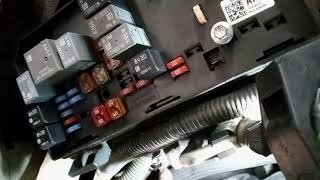
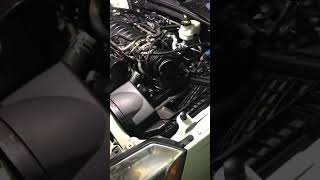
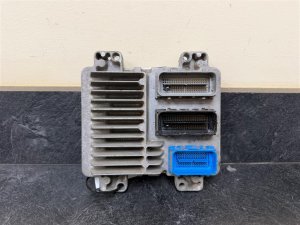
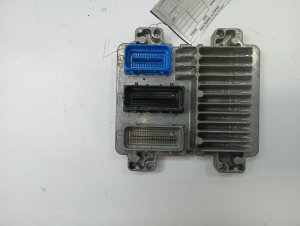
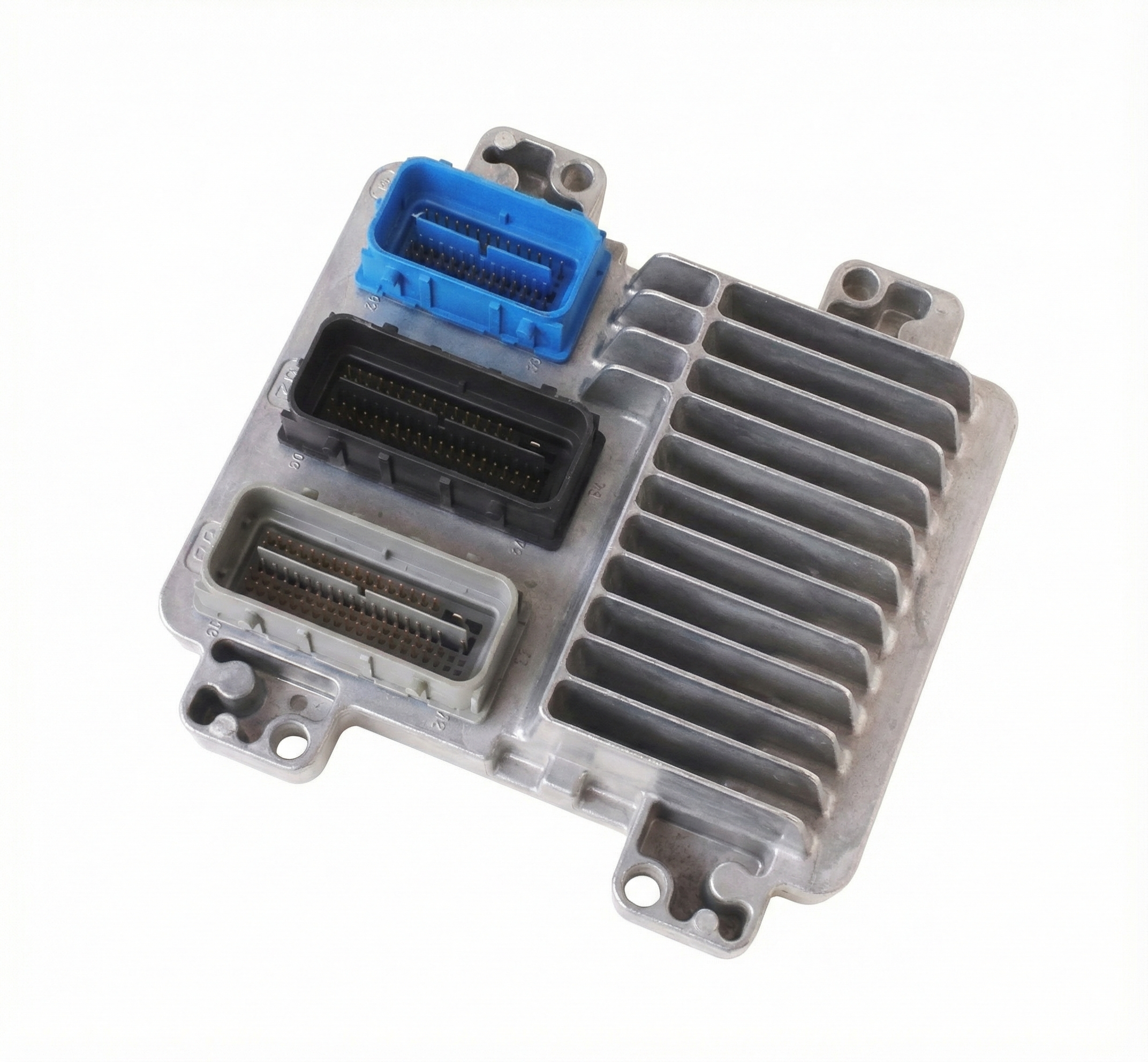
Est. part cost: $400-$1200 - Faulty Powertrain Control Module (PCM) ⚪ Low Probability → Shop Engine Control Module (ECM) While less common than electrical issues or a TCM fault, the PCM (also called ECM) can fail internally, causing a true RAM error. On the DTS, the PCM/ECM is located under the airbox in the engine compartment. 🎬 See this quick guide to locating the ECM and BCM.
How to confirm: This is a diagnosis of exclusion. If the battery, charging system, grounds, and TCM have all been ruled out, and the code persists, the PCM is the likely culprit. A scan tool will show the code originating from the PCM.
Typical fix: Replace the PCM. The new module must be programmed by a dealer or qualified shop with the vehicle's VIN and specific software.
Est. part cost: $500-$1000
Rare But Worth Checking
- Failing Alternator: → Shop Alternator An alternator producing unstable or incorrect voltage (spikes or drops) can corrupt module memory. If battery issues are present, the alternator's output should be carefully checked with a multimeter while the engine is running.
- Aftermarket Engine/Transmission Tuning: → Shop Transmission Assembly A non-factory software program loaded onto the PCM or TCM can sometimes cause memory conflicts or corruption, leading to a P0604 code. Reverting to the stock tune can be a valid diagnostic step.
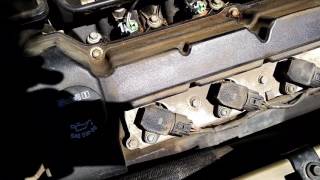
- Faulty Ignition Coil: In one documented case for a 2008 DTS, a failing ignition coil caused a misfire that led to severe transmission shifting issues and other electrical faults. Replacing the single bad coil resolved all symptoms. While not a direct cause 🎬 Watch: How a bad ignition coil can mimic transmission failure. of P0604, the resulting electrical noise and performance issues can trigger a variety of codes.
Diagnosis Steps
- Check Battery and Charging System Health: Using a multimeter, verify battery voltage is above 12.4V with the engine off and between 13.5-14.5V with the engine running. Get the battery professionally load tested.
- Inspect Power and Ground Connections: Clean and tighten battery terminals. Locate and inspect the main engine-to-frame ground strap for corrosion or looseness. On the DTS, this is typically on the front frame rail. Also check grounds for the underhood fuse block.
- Scan for Codes in All Modules: Use a professional-grade scan tool to determine which specific module (PCM, TCM, etc.) has stored the P0604 code. This is a crucial step to narrow the diagnosis.
- Clear Codes and Test Drive: Clear the DTCs and drive the vehicle to see if the code returns. If it does not, it may have been an intermittent issue caused by a temporary voltage drop (e.g., from a jump start).
- Check for Software Updates: A dealer or qualified shop can check if there are any available software updates for the module that set the code. Reprogramming can sometimes fix software glitches that cause memory errors.
- Isolate the Faulty Module: If all electrical inputs (power and ground) are good and the code persists after a software check, the module that stored the code is likely faulty and requires replacement.
Parts You'll Likely Need
- Battery — A weak or failing battery is the most common trigger for this code due to unstable voltage supplied to the vehicle's control modules.
Trusted brands: ACDelco, Interstate, DieHard
OEM price range: $200-$350
Aftermarket price range: $150-$250 - Transmission Control Module (TCM)
(OEM #24230461 (example for 2010 model, check VIN for exact match))— On the DTS, the external T42 TCM is a known failure point for this code, especially if transmission-related symptoms are present. It requires programming upon replacement.
Trusted brands: ACDelco, GM Genuine Parts
OEM price range: $600-$1200
Aftermarket price range: $400-$800 - Powertrain Control Module (PCM) — If all electrical inputs are verified as good and the TCM is ruled out, the PCM itself may have an internal hardware failure, requiring replacement. This part must be programmed to the vehicle.
Trusted brands: ACDelco, GM Genuine Parts
OEM price range: $500-$1000
Aftermarket price range: $300-$600
Related Codes That Often Appear With This One
- P0601 — This is an 'Internal Control Module Memory Check Sum Error'. Both P0601 and P0604 are internal memory fault codes cited in the same GM TSBs, often indicating a general module failure or significant electrical issue.
- U0100 — This means 'Lost Communication With ECM/PCM'. If the PCM is the source of the P0604 fault, it may stop communicating on the vehicle's network, causing other modules to log this code.
- U0101 — This means 'Lost Communication with TCM'. If the Transmission Control Module is failing and setting the P0604, it will likely also stop communicating with the PCM and other modules.
Technical Service Bulletins (TSBs) & Recalls
- 05-06-04-060A: An informational bulletin from GM explaining that P0604 (and similar codes like P0601) are not specific to one module and can be shared across the ECM, TCM, and others, often triggered by system-wide issues like low voltage. It explicitly warns against immediately replacing a module for this code without a full electrical system diagnosis.
Platform-Specific Known Issues
- The external T42 Transmission Control Module (TCM) is located under the hood on the driver's side, making it more accessible than the internal TEHCM units found in other GM models of the same era.
- The main engine ground strap connects from the engine block to the front frame rail and is a critical point to check for corrosion, which can cause this code.
Mechanic-Grade Diagnostic Values
- CAN Bus Network Resistance — expected: Approximately 60 Ohms. Failure: A reading of 120 Ohms indicates one of the two terminating resistors (usually in the ECM or TCM) is offline. Readings other than 60 or 120 Ohms suggest a wiring issue.
- CAN Bus Voltage (Key On, Engine Off) — expected: CAN High (e.g., Pin 7 on T42 TCM) should be ~2.5V to 3.5V. CAN Low (e.g., Pin 6 on T42 TCM) should be ~1.5V to 2.5V.. Failure: A faulty module can pull the bus voltage high. One documented case showed a bad TCM pulling the CAN bus bias voltage up to ~4.2V, causing a no-communication fault.
- TCM Ground Circuit Resistance — expected: Less than 3 Ohms. Failure: Resistance greater than 3 Ohms between the TCM ground pins and the negative battery post indicates a poor ground connection.
Scan Tool Commands That Help
- GDS2 / Tech2: Module Setup / SPS (Service Programming System) — This is required after replacing a PCM or TCM. The new module must be programmed with the vehicle's VIN and the correct software calibration.
- GDS2 / Tech2: Idle Learn Reset — After replacing and programming a new PCM, this function must be run to allow the engine to relearn the proper idle speed.
- GDS2 / Tech2: Crankshaft Position Variation Learn — This procedure is mandatory after PCM replacement to calibrate the crankshaft position sensor, ensuring accurate misfire detection. Failure to perform this will often leave the Check Engine Light on.
- GDS2 / Tech2: Theft Deterrent Relearn — After replacing the PCM, the vehicle's anti-theft system must be synchronized with the new module, or the vehicle will not start.
Wiring & Ground Locations
- T42 TCM Connector — On the external Transmission Control Module, located on the driver's side strut tower in the engine compartment.. This is the main connection point for the TCM. Key pins for testing include Pin 31 (Ignition 1 Voltage), Pins 6 & 7 (High Speed GMLAN Data Bus), and various ground pins. A poor connection here can cause P0604.
- Main Ground Under Fuse Block — A ground wire attached to the frame directly below the underhood fuse block (right side of engine compartment).. This ground is known to corrode and break, causing a variety of issues including no-start, no-charge, and intermittent electrical faults that can trigger memory codes like P0604. Sparks may be visible from this ground during cranking if it is failing.
- G112 — A ground point located directly on the transaxle case.. As a primary ground for the transmission itself, a poor connection at G112 can cause erratic behavior and fault codes related to the TCM and internal transmission components.
- ECM/TCM Fuse F28 — In the underhood fuse block, located on the right side of the engine compartment.. This 15A fuse supplies power to both the Engine Control Module and Transmission Control Module. A fault with this fuse will cause a no-communication and no-start condition.
Real Owner Repair Stories
- ScannerDanner Forum (2009 Cadillac DTS) — No start, no communication with ECM or TCM.
❌ Tried (didn't work) Initial checks showed 5V reference signals and fuel pressure were present, but communication was impossible.
✅ What actually fixed it The root cause was cut wires in the harness that runs over the rear cylinder head, damaged by a previous shop during an intake manifold replacement. The ECM was missing its power supply from the rear fuse box. Running a temporary power wire to the ECM restored communication, confirming the open circuit in the harness was the fault.
OEM Part Supersession History
24230461→24234274, 24235340, 24239224, 24240400, 24241806, 24252114, 24256960, and others.— Standard part evolution for reliability improvements and consolidation of part numbers.
Heads up: While many part numbers are interchangeable for the T42 TCM, the module MUST be programmed with the vehicle's specific VIN and calibration files to function. A used module from another vehicle will not work without being reprogrammed.
Model Year Variations Within This Range
- 2007-2009: The primary factory diagnostic tool for these years is the Tech2 handheld scanner.
- 2010-2011: These later models require the PC-based GDS2 (Global Diagnostic System 2) software for full diagnostic and programming capabilities.
Helpful Videos
Used OEM Parts in Stock
New Aftermarket Parts Available


The information in this article is provided for general reference and educational purposes only. Vehicle specifications, procedures, and part compatibility can vary by production date, trim level, and region. Always consult your vehicle's factory service manual and verify part numbers before purchasing or performing repairs. Safety-critical components such as airbags, seat belts, and braking systems should be installed by a qualified professional.
- Cadillac DTS:
- 🧭 Diagnostic Flowchart
- 🎬 Helpful Videos
- 🛍️ Shop This Part
- What's Unique About the 2007-2011 Cadillac DTS
- Symptoms You May Notice
- Most Likely Causes
- Rare But Worth Checking
- Diagnosis Steps
- Parts You'll Likely Need
- Related Codes That Often Appear With This One
- Technical Service Bulletins (TSBs) & Recalls
- Platform-Specific Known Issues
- Mechanic-Grade Diagnostic Values
- Scan Tool Commands That Help
- Wiring & Ground Locations
- Real Owner Repair Stories
- OEM Part Supersession History
- Model Year Variations Within This Range
- 🎟️ Get 5% Off