

P0604 on 2007-2014 Cadillac Escalade: Internal RAM Error Causes and Fixes
This code indicates an internal memory error in a control module, often the Transmission Control Module (TCM) on this Escalade. Before replacing the module, check for low battery voltage or bad connections, as these are common triggers. A module replacement, if needed, requires professional programming.
- P0604 on a Cadillac Escalade means a control module's internal memory has failed a self-test.
- Always check the battery and charging system first; low voltage is a very common cause and an easy fix.
- On this vehicle, the Transmission Control Module (TCM) is a frequent source of this code, as noted in GM service bulletins. [TSB #PIP4653E]
- If a module (TCM or PCM) needs to be replaced, it must be professionally programmed to the vehicle's VIN.
- Do not drive extensively with this code, as it can lead to stalling or unpredictable transmission behavior.
What's Unique About the 2007-2014 Cadillac ESCALADE
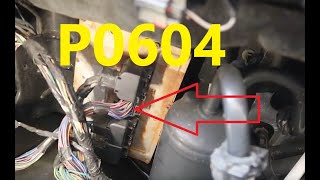
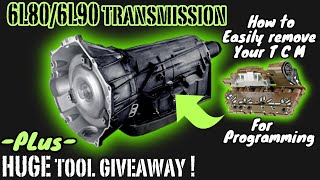
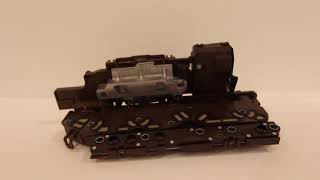
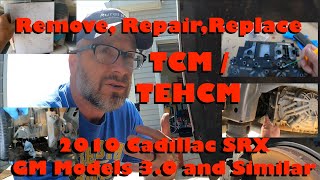
While P0604 is a generic code, on the 2007-2014 Escalade and its GMT900 platform mates, it has a documented association with the Transmission Control Module (TCM). The TCM is not a separate, externally-mounted box but is part of the TEHCM (Transmission Electro-Hydraulic Control Module) located inside the 6L80 transmission's oil pan. This internal location exposes the module to significant heat and vibration, making it a common failure point. Manufacturer bulletins specifically point to this code appearing in the TCM, often alongside other module communication codes. [TSB #PIP4653E] This means that unlike in some other vehicles where the Engine Control Module (ECM) is the default suspect, the TCM and 🎬 Watch: Understanding the P0604 RAM error and common fixes transmission-related symptoms should be given primary attention during diagnosis.
Diagnostic Flowchart
Tap your situation to follow the diagnostic path that matches what you're seeing on this vehicle.
Symptoms You May Notice
- Check Engine Light is on
- Transmission may shift harshly, erratically, or get stuck in one gear ('limp mode')
- Engine may stall intermittently, especially at idle or low speeds
- Hard starting or a complete no-start condition
- ABS, Traction Control, or 'Service Stabilitrak' lights may illuminate
- Vehicle takes off very slowly, as if starting in a higher gear
- Immediately replacing the PCM or TCM without first thoroughly testing the battery, alternator, and all major ground connections. Many owners have fixed this code simply by cleaning a corroded frame ground or replacing a weak battery.
Most Likely Causes
- Low Battery Voltage or Failing Alternator 🔴 High Probability → Shop Alternator Control modules on the GMT900 platform are highly sensitive to voltage. A weak battery or unstable alternator output can cause voltage drops during startup, corrupting the module's RAM and triggering a false P0604 code. This is a very common first thing to check.
How to confirm: With the engine off, test the battery voltage with a multimeter; it should be above 12.4V. With the engine running, test the alternator output; it should be between 13.5V and 14.5V. Check battery terminals and the main chassis ground connections for corrosion and tightness.
Typical fix: Recharge or replace the battery. Replace the alternator if its output is out of range. Clean all related ground points.
Est. part cost: $150-$400 - Faulty Transmission Control Module (TCM/TEHCM) 🔴 High Probability → Shop Transmission Assembly GM TSB #PIP4653E specifically identifies the TCM as a module where P0604 may be stored. [TSB #PIP4653E] The TCM is part of the TEHCM assembly located inside the 6L80 transmission, where it is subjected to constant heat and vibration, leading to a higher failure rate of its internal electronics and solder joints.
How to confirm: After confirming power and grounds are good, a professional scan tool is needed to communicate with the TCM. If the code is isolated to the TCM and cannot be cleared, or returns immediately after a software reflash, the TEHCM itself has likely failed.
Typical fix: Replace the Transmission Electro-Hydraulic Control Module (TEHCM) inside the transmission pan and program it to the vehicle.
Est. part cost: $350-$600 - Corrupted Software 🟡 Medium Probability
How to confirm: This is a diagnosis of exclusion. If the module has good power and ground, a technician with a factory-level scan tool (like a Tech 2 or MDI with GDS2) can check if a software update (reflash) is available from GM.
Typical fix: Reprogramming the affected module (TCM or PCM) with the latest software calibration. This must be done at a dealership or a qualified independent shop with a J2534 pass-thru device.
Est. part cost: $0 (labor only) - Wiring Issues (Poor Grounds, Damaged Harness) ⚪ Low Probability
How to confirm: Visually inspect the wiring harnesses leading to the PCM and transmission for any signs of chafing, corrosion, or damage. Pay special attention to the main engine-to-chassis ground straps (G104, G108) and frame grounds under the driver's side door, which are known to corrode on GMT900 trucks.
Typical fix: Repair the damaged section of the harness or clean/tighten the ground connections. A common fix involves removing the ground bolt, grinding the frame to bare metal, and re-securing the connection.
Est. part cost: $20-$200 - Faulty Powertrain Control Module (PCM) ⚪ Low Probability → Shop Engine Control Module (ECM)
How to confirm: Similar to the TCM, this is diagnosed after ruling out all power, ground, and wiring issues. If the code points to the PCM and persists after a reflash attempt, the PCM is the likely cause. This is less common than TCM failure for this specific code on this platform.
Typical fix: Replace the Powertrain Control Module and perform all necessary programming and relearn procedures (theft deterrent, crankshaft position, etc.).
Est. part cost: $300-$700
Rare But Worth Checking
- Aftermarket tuners or performance programmers can sometimes corrupt the module's memory, leading to a P0604 code.
- A faulty aftermarket CAN-bus connected device, such as a remote start or stereo, can interfere with module communication and trigger various codes, including P0604.
Diagnosis Steps
- Read all stored fault codes with an OBD-II scanner. Note if P0604 is present alone or with other codes, and which module is reporting the fault (PCM or TCM).
- Crucial First Step: Check the battery and charging system. Ensure battery voltage is above 12.4V (engine off) and alternator output is stable (13.5V-14.5V engine running). A weak battery is a very common cause.
- Inspect battery terminals and main power/ground connections. On GMT900 trucks, pay special attention to the ground straps on the frame under the driver's side door and the engine ground strap (G104) at the rear of the left cylinder head. These are known to corrode and cause widespread electrical issues.
- Clear the codes and test drive the vehicle. If the code does not return, the issue was likely a temporary voltage problem or poor connection.
- If the code returns, visually inspect the wiring and connectors at the PCM (driver's side of the engine bay) and the main transmission harness connector.
- If wiring and grounds are confirmed good, the next step is to attempt a software reflash of the suspect module (usually the TCM/TEHCM) with the latest GM calibration. This requires a professional scan tool and a subscription to GM's service information.
- If the code persists after a reflash, the module itself has an internal hardware fault. If the code was in the TCM, the TEHCM inside the transmission must be replaced and programmed.
Parts You'll Likely Need
- Transmission Electro-Hydraulic Control Module (TEHCM)
(OEM #24256939 (Superseded by multiple numbers, check VIN))— TSB #PIP4653E specifically calls out the TCM as a location for this code. The TEHCM contains the TCM and is a known failure point inside the 6L80 transmission due to heat and vibration.
Trusted brands: ACDelco (OEM), Sonnax (Remanufactured)
OEM price range: $400-$600
Aftermarket price range: $350-$500 - Battery — A weak or failing battery is a primary cause of transient, false module codes due to low voltage during cranking. Always rule this out first.
Trusted brands: ACDelco, DieHard, Interstate
OEM price range: $200-$300
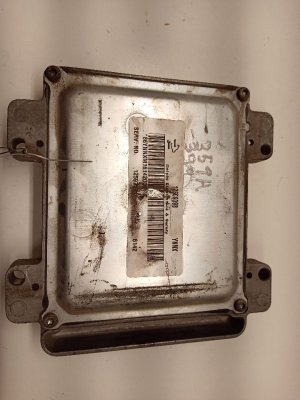
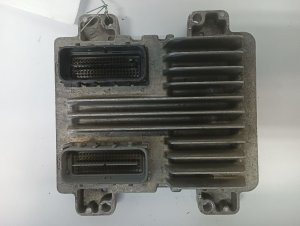
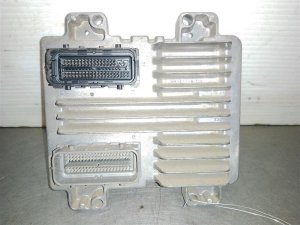
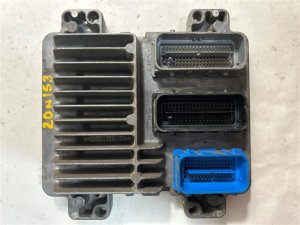
Aftermarket price range: $150-$250 - Powertrain Control Module (PCM/ECM) — If the code is not isolated to the TCM or if there are no transmission symptoms, the main engine computer (PCM) is the next most likely component to have failed, though less common for P0604 on this platform.
Trusted brands: ACDelco
OEM price range: $400-$700
Aftermarket price range: $250-$500
Related Codes That Often Appear With This One
- P0601 — This code indicates an Internal Control Module Memory Check Sum Error, another type of internal module fault. TSB #PIP4653E and #05-06-04-060A list it alongside P0604, often pointing to the same root cause.
- U-codes (e.g., U0100, U0101) — U-codes indicate a loss of communication with other modules. If the PCM or TCM is failing, it can stop communicating on the vehicle's CAN bus network, triggering these codes simultaneously.
- P0700 — This is a generic transmission fault code requested by the TCM. It often appears with more specific transmission codes like P0604 when the fault originates in the transmission's control system.
Technical Service Bulletins (TSBs) & Recalls
- PIP4653E: Mentions that DTCs P0601, P0603, P0604, P062F or P1621 may be stored in the Transmission Control Module (TCM). This is the key document pointing diagnosis towards the transmission.
- 05-06-04-060A: Notes that DTCs like P0604 can be shared across multiple control modules, confirming it's a generic fault but doesn't override the platform-specific guidance of PIP4653E.
Platform-Specific Known Issues
- TEHCM Failure in 6L80 Transmission: → Shop Transmission Assembly The Transmission Control Module (TCM) is integrated into the TEHCM, which lives inside the transmission oil pan. This environment subjects the electronics to extreme heat and vibration, leading to a high failure rate of internal components and solder joints, which can directly cause a P0604 RAM error.
Mechanic-Grade Diagnostic Values
- 6L80 TEHCM On/Off Shift Solenoid Resistance — expected: 20 - 40 Ω. Failure: A reading outside this range indicates a failed solenoid, requiring TEHCM replacement.
- 6L80 TEHCM PWM Solenoid Resistance (Pressure Control, TCC) — expected: 3 - 8 Ω. Failure: A reading outside this range points to an internal solenoid failure within the TEHCM.
- Control Module Ground Circuit Resistance — expected: < 0.1 Ω. Failure: Resistance higher than 0.1 Ω indicates a poor ground connection that can cause voltage drops and module errors.
- Control Module Voltage During Cranking — expected: > 9.0 V. Failure: Voltage dropping below 9.0V while cranking can corrupt module RAM and trigger a false P0604.
- TEHCM Solenoid Operating Voltage — expected: 8.3 - 9.3 V. Failure: This is the regulated voltage supplied by the TCM to the solenoids; deviation could indicate an internal TCM fault.
Scan Tool Commands That Help
- GM GDS2/Tech2: Service Programming System (SPS) — This function is mandatory after replacing the TCM/TEHCM or PCM. It downloads the correct VIN-specific software and calibration files to the new module. Failure to perform this step will result in a no-start or immediate limp mode.
- GM GDS2/Tech2: Crankshaft Position Variation Learn — This must be performed after replacing or reprogramming the PCM to synchronize it with the engine's crankshaft position sensor, preventing misfire codes and ensuring proper timing.
- GM GDS2/Tech2: Idle Learn Reset — Required after PCM replacement or reprogramming to allow the module to learn the new baseline for idle control.
- GM GDS2/Tech2: Solenoid Automated Cleaning — If a solenoid performance DTC is present, this function can be used before replacing the TEHCM. It cycles all solenoids to flush out potential debris that may be causing them to stick.
Wiring & Ground Locations
- G104 — At the rear of the left (driver's side) cylinder head. A ground strap connects from here to G108 on the firewall.. This is a primary engine ground. A poor connection here can cause unstable voltage to multiple components, including the PCM and TCM, triggering memory codes.
- G108 — On the firewall in the left rear of the engine compartment, where the strap from G104 attaches.. This is the engine-to-body ground point. Corrosion here can isolate the engine block electrically from the rest of the vehicle's ground plane.
- G103 — On the front of the right (passenger's side) cylinder head.. Another critical engine ground point that ensures a stable reference voltage for various sensors and modules.
- G101 / G102 — Located on the lower left front of the engine block.. Service information indicates G101 is a ground point for both the Engine Control Module (ECM) and Transmission Control Module (TCM). A fault here directly impacts the modules that set P0604.
Real Owner Repair Stories
- TahoeYukonForum.com user (2011 Chevrolet Tahoe) — Check engine light with code P0604, transmission stuck in 3rd gear (limp mode).
❌ Tried (didn't work) Not specified, but diagnosis led directly to the TCM.
✅ What actually fixed it The vehicle was taken to a transmission shop that diagnosed a failed Transmission Control Module (TCM). Replacing and programming the new TEHCM resolved all symptoms and cleared the code. - YouTube channel 'WeberAuto' (2010 Chevrolet Silverado (GMT900 Platform)) — Check engine light with only code P0604 after an alternator replacement. No other drivability issues initially.
❌ Tried (didn't work) Removing aftermarket wiring., Reprogramming/updating the software on the original Engine Control Module (ECM). The code returned immediately.
✅ What actually fixed it The persistent code after a reflash attempt confirmed a hardware fault. The problem was solved by replacing the Engine Control Module (ECM/PCM) and performing the necessary programming and relearn procedures (Idle Learn, Crank Position Learn, Theft Deterrent).
OEM Part Supersession History
24256939 (and others from 2010-2013)→Multiple numbers, including remanufactured units like Sonnax GM6L-TEHCM-C6.— GM made several hardware and software revisions to the TEHCM to improve reliability.
Heads up: TEHCMs are NOT interchangeable between year groups. A 2007-2009 unit is different from a 2010-2013 unit, and 2014+ units are different again. Installing the wrong year TEHCM will result in a no-start condition or immediate limp mode, even if it physically fits.
Model Year Variations Within This Range
- 2007-2009: These models use the first generation 6L80 TEHCM, which is known to be more prone to pressure switch failures and TCC solenoid issues under heat.
- 2010-2013: These models use an updated TEHCM (including part number 24256939) with improved solenoids and a better pressure manifold gasket for increased durability.
- 2014: The 2014 model year marked another significant change in the TEHCM, with different internal calibrations. These modules are not backward-compatible with pre-2014 models.
Helpful Videos
Used OEM Parts in Stock
New Aftermarket Parts Available



The information in this article is provided for general reference and educational purposes only. Vehicle specifications, procedures, and part compatibility can vary by production date, trim level, and region. Always consult your vehicle's factory service manual and verify part numbers before purchasing or performing repairs. Safety-critical components such as airbags, seat belts, and braking systems should be installed by a qualified professional.
- Cadillac ESCALADE:
- 🧭 Diagnostic Flowchart
- 🎬 Helpful Videos
- 🛍️ Shop This Part
- What's Unique About the 2007-2014 Cadillac ESCALADE
- Symptoms You May Notice
- Most Likely Causes
- Rare But Worth Checking
- Diagnosis Steps
- Parts You'll Likely Need
- Related Codes That Often Appear With This One
- Technical Service Bulletins (TSBs) & Recalls
- Platform-Specific Known Issues
- Mechanic-Grade Diagnostic Values
- Scan Tool Commands That Help
- Wiring & Ground Locations
- Real Owner Repair Stories
- OEM Part Supersession History
- Model Year Variations Within This Range
- 🎟️ Get 5% Off