

P0604 on 2007-2011 GMC Savana: Internal RAM Error Causes and Fixes
P0604 indicates an internal memory error in a control module, most often the Powertrain Control Module (PCM) or Transmission Control Module (TCM). Before replacing any expensive modules, always test the battery and check all main power and ground connections, as low voltage is a very common cause. On this GM platform, the TCM is a more frequent culprit than the PCM.
- P0604 means a control module has an internal memory error, but the cause is often external.
- Always start diagnosis by testing the battery and checking main power and ground connections. This is the most common and cheapest fix.
- On this GMC platform, the code could be from the main engine computer (PCM) or the transmission computer (TCM). Professional diagnosis is needed to tell which one.
- Do not drive extensively with this code. The vehicle could stall or enter a no-start condition without warning.
- Any replacement control module (PCM or TCM) will require professional programming to work with your specific vehicle.
What's Unique About the 2007-2011 Gmc SAVANA
For this generation of GM vans and trucks (GMT900 platform), including the Savana, the P0604 code has specific nuances. While generic, GM has issued technical service bulletins indicating this code frequently points to the Transmission Control Module (TCM). TSB #05-06-04-060A notes that P0604 can be shared among different modules, complicating diagnosis. Furthermore, TSB #PIP4653E specifically highlights the TCM as a source for P0604. This makes it crucial to avoid immediately blaming the main engine computer (PCM) and to investigate the TCM and the vehicle's overall electrical stability first.
Diagnostic Flowchart
Tap your situation to follow the diagnostic path that matches what you're seeing on this vehicle.
Symptoms You May Notice
- Check Engine Light is on
- Vehicle may not start or may be hard to start
- Engine may stall intermittently or shut off while driving
- Erratic or harsh transmission shifting
- Reduced engine power or 'limp mode'
- Activation of the traction control or anti-lock brake system light
- Gauges may drop to zero and other electrical oddities may occur
- Replacing the PCM without first verifying battery health and ground connections. A weak battery is a very common cause for this code and is much cheaper to fix.
- Assuming the code is for the PCM when it may have originated in the TCM. A proper diagnosis with a capable scan tool is needed to see which module set the code, and on this platform, the TCM is a frequent source.
Most Likely Causes
- Low Battery Voltage or Poor Connections 🔴 High Probability → Shop Vehicle Battery Work vans like the Savana often have heavy electrical loads from aftermarket equipment, which can strain the battery and charging system. All modern control modules are sensitive to voltage, and a drop during cranking or even a slow discharge/recharge cycle can corrupt a module's RAM self-test, triggering a false P0604.
How to confirm: Test the battery with a multimeter; it should show at least 12.4 volts with the engine off. During cranking, voltage should not drop below 9.6V. With the engine running, the alternator should produce between 13.5 and 14.5 volts. Perform a voltage drop test on the main ground straps; resistance should be less than 0.2V 🎬 Watch: A pro guide on testing automotive ground connections., with ideal readings under 0.1 Ω.
Typical fix: Clean or tighten battery terminals and ground connections. If the battery fails a load test, replace it. A real-world fix reported on a GM vehicle involved disconnecting a low battery, fully charging it with a proper (non-trickle) charger, and reconnecting it to clear the scrambled RAM.
Est. part cost: $150-$400 - Faulty Transmission Control Module (TCM) 🟡 Medium Probability → Shop Transmission Assembly On this GM platform, TSBs #PIP4653E and #05-06-04-060A specifically mention that P0604 can be set by the TCM. The TCM (often a T42 or T43 type) can be located inside the transmission oil pan, where it is exposed to heat and fluid, potentially leading to a higher failure rate.
How to confirm: Use an advanced scan tool that can communicate directly with the TCM to see if the code originated there. This is often the case if transmission-specific symptoms are present. Diagnosis requires ruling out all power and ground issues first.
Typical fix: Replace the Transmission Control Module. This often involves removing the transmission pan and valve body. 🎬 See this walkthrough for replacing a GM transmission control module. The new TCM must be programmed to the vehicle's VIN.
Est. part cost: $200-$700 - Faulty Powertrain Control Module (PCM/ECM) ⚪ Low Probability → Shop Engine Control Module (ECM) While less common than electrical supply or TCM issues for this specific code, internal hardware failure of the PCM (often an E38 controller) can occur due to heat, vibration, or age.
How to confirm: This is a process of elimination. After confirming the battery, charging system, and all related wiring and grounds are in perfect condition, and that the code is not originating from the TCM, the PCM itself becomes the primary suspect.
Typical fix: Replace the Powertrain Control Module. The new module will require programming to the vehicle's VIN and may require a security relearn procedure.
Est. part cost: $300-$800 - Wiring or Fuse Issues ⚪ Low Probability Savana vans are often modified for commercial use, which can lead to damaged or improperly routed wiring harnesses. A real-world example on a platform-mate involved a poorly wired aftermarket GPS tracker causing a host of electrical issues, including a P0604 code. Age and heat can also make wires brittle.
How to confirm: Visually inspect the wiring harness to and from the PCM and TCM for any signs of chafing, melting, or corrosion. Check all fuses related to the control modules in the under-hood fuse box.
Typical fix: Repair the damaged section of the wiring harness or remove faulty aftermarket electronics. Replace any blown fuses and diagnose the cause of the over-current condition.
Est. part cost: $10-$100
Rare But Worth Checking
- Improper DTC Clearing Procedure: A GM TSB (21-NA-106) notes that if a DTC clear is attempted on the TCM while the ignition is on, or if the module is not allowed to 'sleep' (by turning the ignition off for at least 10 minutes), codes including P0604 may not clear or may reappear on the next start. This is a procedural issue, not a part failure.
- Aftermarket Performance Tunes: Improperly written software from an aftermarket performance tune can sometimes corrupt the module's memory or cause conflicts during self-tests, leading to internal fault codes like P0604. A user on a forum noted their truck had a tune when the code appeared, complicating the diagnosis.
Diagnosis Steps
- Check for other DTCs. Address any communication (U-codes) or power-related codes first.
- Thoroughly test the battery and charging system. Ensure battery voltage is above 12.4V (engine off) and stays above 9.6V during cranking. Alternator output should be 13.5V-14.5V (engine running).
- Inspect all battery terminals, main power cables, and chassis/engine ground straps. Clean and tighten any that are loose or corroded. Perform a voltage drop test on key ground points.
- Clear the DTCs. Disconnect the negative battery terminal for 30 minutes to perform a hard reset, which can sometimes clear a scrambled memory module. Perform a test drive.
- If the code returns, use a professional scan tool to determine which module (PCM, TCM, etc.) stored the P0604 code.
- Inspect the wiring harness and connectors for the suspect module for any visible damage, corrosion, or loose pins. Check for faulty aftermarket wiring.
- If a software update is available for the suspect module, flashing it with the latest calibration can sometimes resolve software-induced glitches.
- If all wiring and power/ground inputs to the module are confirmed good and a reflash does not help, the module itself is likely faulty and requires replacement and programming.
Parts You'll Likely Need
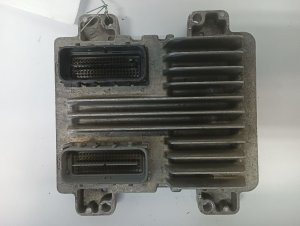
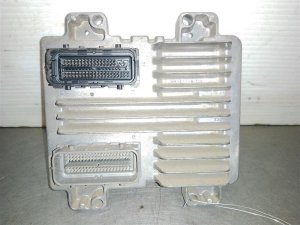
- Powertrain Control Module (PCM)
(OEM #Varies by engine/year. Examples: 12612384, 12625455, 12633238 (ACDelco E38 family))— If electrical inputs are verified as good and the TCM is ruled out, the PCM's internal memory has likely failed, which is the direct definition of the code.
Trusted brands: ACDelco, Cardone
OEM price range: $400-$800
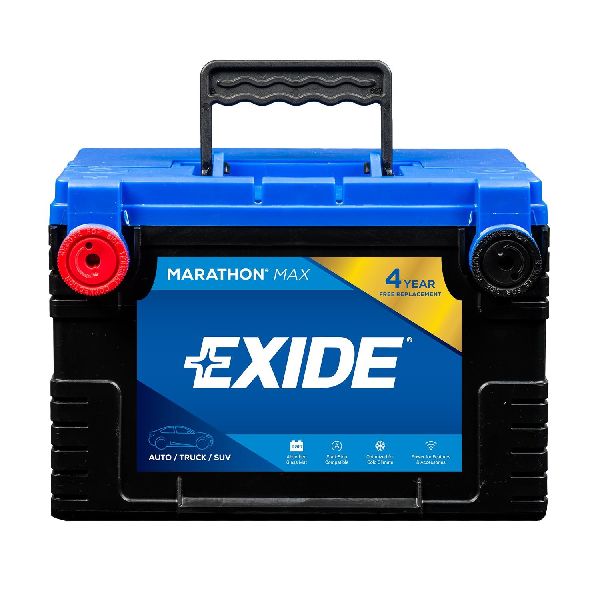
Aftermarket price range: $250-$500 - Battery — A weak or failing battery is a primary cause of low system voltage, which can trigger false P0604 codes during startup.
Trusted brands: ACDelco, DieHard, Interstate
OEM price range: $200-$300
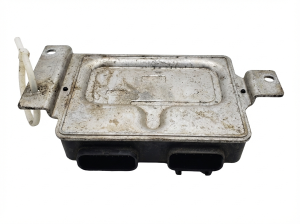
Aftermarket price range: $150-$250 - Transmission Control Module (TCM)
(OEM #Varies by transmission/year. Examples: 24256861 (T43), 24252114, 24235732 (T42 family))— GM TSBs indicate this code can originate in the TCM on this platform, making it a likely culprit if transmission symptoms are present.
Trusted brands: ACDelco, Dorman
OEM price range: $300-$700
Aftermarket price range: $200-$500
Related Codes That Often Appear With This One
- U0100 — Lost Communication With ECM/PCM. This often appears with P0604 if the module is failing and intermittently dropping off the vehicle's communication network.
- U0101 — Lost Communication with TCM. This code points more specifically to a TCM-related issue, which is a known possibility for P0604 on this platform.
- P1621 — A GM-specific code for 'Control Module Long Term Memory Performance.' TSBs group this code with P0604 as a known issue that often originates in the TCM.
Technical Service Bulletins (TSBs) & Recalls
- 05-06-04-060A: An informational bulletin that communicates that P0604 and other internal module DTCs can be shared in multiple modules, complicating diagnosis.
- PIP4653E: A technical service bulletin that specifically identifies the Transmission Control Module (TCM) as a potential source for code P0604 on this GM platform.
- 21-NA-106: Notes that improper DTC clearing procedures (e.g., not letting the module 'sleep') can cause codes like P0604 to reappear, which is a procedural issue, not a part failure.
Platform-Specific Known Issues
- A 2009 Chevrolet Suburban owner on Reddit reported a persistent P0604 code that did not resolve even after replacing the ECM with a dealer unit, flashing it, removing an aftermarket radio, and checking all grounds. This highlights that diagnosis can be complex and frustrating, and the fault may lie in an unexpected area of the vehicle's network or wiring.
Mechanic-Grade Diagnostic Values
- Module Ground Circuit Resistance — expected: < 0.1 Ω. Failure: A reading higher than 0.1 Ohms indicates excessive resistance that can cause module malfunction. Some sources allow up to 0.5 ohms.
- Battery Voltage During Cranking — expected: Above 9.6V. Failure: Voltage dropping below 9.6V can cause control modules to reset or store false memory error codes like P0604.
- Alternator Output Voltage (Engine Running) — expected: 13.5V - 14.7V. Failure: Voltage spikes above 15.0V or dropping below 13.5V can corrupt module memory or indicate a failing alternator.
Scan Tool Commands That Help
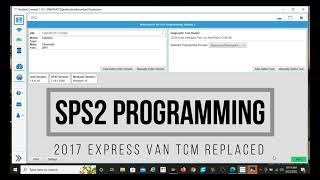
- GM Tech 2 / GDS2: Service Programming System (SPS) — This function is mandatory after replacing either the PCM or TCM. It downloads the correct VIN-specific software and calibrations to the new module. Failure to perform this step will result in a no-start or immediate limp mode.
- GM Tech 2 / GDS2: Crankshaft Position Variation Learn — This must be performed after replacing or reprogramming the PCM (E38). It synchronizes the new module with the crankshaft position sensor to ensure accurate timing and misfire detection. A check engine light for the crank sensor may appear if this is skipped.
- GM Tech 2 / GDS2: Reset Transmission Adaptive Values — After replacing the TCM, this function clears the old learned shift data. A drive cycle is then required for the new TCM to learn shift pressures and timing.
Wiring & Ground Locations
- G103 — On the rear of the right (passenger side) cylinder head.. This is a primary engine ground point. A poor connection here can cause unstable voltage to the PCM and TCM, directly leading to memory corruption codes like P0604. A GM service bulletin specifically calls out checking the G103 connection for tightness and cleanliness.
- G104 / G105 — Located on the front of the engine block or cylinder heads. G104 is often on the left (driver side) cylinder head.. These grounds are essential for the main engine harness, which includes power and ground circuits for the PCM and other critical components. Corrosion or looseness here is a common cause of intermittent electrical faults.
- Under-hood Fuse Block (UBEC) — Located in the engine compartment, typically on the driver's side.. This block contains the primary fuses and relays for the PCM and TCM. Beyond just a blown fuse, the block itself can suffer from internal corrosion, creating high resistance and causing low voltage to the modules, which can trigger a P0604 code even when all fuses appear intact.
Real Owner Repair Stories
- YouTube user 'TheShopWorldwide' (2007-2011 GMC Sierra 1500 (platform mate)) — No gear indicator display on the dash, vehicle in limp mode, communication codes with TCM present.
❌ Tried (didn't work) Thoroughly checked all wiring harnesses for damage., Inspected and tested all related ground connections.
✅ What actually fixed it Replacing the Transmission Control Module (TCM) with a remanufactured unit resolved all symptoms and cleared the codes. - YouTube user 'Pine Hollow Auto Diagnostics' (2010 Chevrolet Silverado (platform mate)) — Check Engine Light with only code P0604 present. No drivability issues initially.
❌ Tried (didn't work) Checked alternator output (was good at 14.9V)., Removed aftermarket wiring., Reprogrammed/updated the existing ECM software.
✅ What actually fixed it Replacing the Engine Control Module (ECM/PCM) and performing the necessary post-install procedures (crank relearn, idle learn) ultimately fixed the problem.
OEM Part Supersession History
Varies (e.g., 12597121, 12612384)→Varies (e.g., 12633238 for 2010-2012 models)— Hardware updates and software compatibility improvements.
Heads up: For the E38 PCM, not all service numbers are interchangeable. While a PCM from a truck might physically fit a Corvette of the same era, there can be internal hardware differences. It is critical to use a module with a service number specified for the vehicle's platform (truck/van) or use a VIN-based lookup to get the correct, latest part number.
Helpful Videos
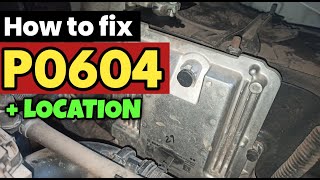
Used OEM Parts in Stock
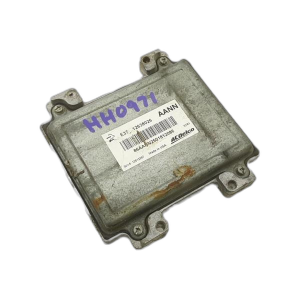
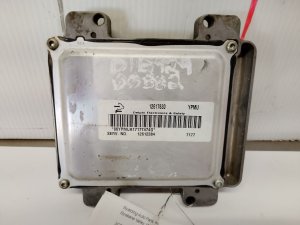
New Aftermarket Parts Available




The information in this article is provided for general reference and educational purposes only. Vehicle specifications, procedures, and part compatibility can vary by production date, trim level, and region. Always consult your vehicle's factory service manual and verify part numbers before purchasing or performing repairs. Safety-critical components such as airbags, seat belts, and braking systems should be installed by a qualified professional.
- Gmc SAVANA:
- 🧭 Diagnostic Flowchart
- 🎬 Helpful Videos
- 🛍️ Shop This Part
- What's Unique About the 2007-2011 Gmc SAVANA
- Symptoms You May Notice
- Most Likely Causes
- Rare But Worth Checking
- Diagnosis Steps
- Parts You'll Likely Need
- Related Codes That Often Appear With This One
- Technical Service Bulletins (TSBs) & Recalls
- Platform-Specific Known Issues
- Mechanic-Grade Diagnostic Values
- Scan Tool Commands That Help
- Wiring & Ground Locations
- Real Owner Repair Stories
- OEM Part Supersession History
- 🎟️ Get 5% Off