

P0604 on 2015-2018 GMC Yukon: Internal Memory Error Causes and Fixes
On a 2015-2018 GMC Yukon, code P0604 indicates an internal RAM error in a control module, often the ECM or TCM. Before replacing any expensive modules, check for low battery voltage and inspect the module's electrical connections and grounds, as recommended by GM Technical Service Bulletins. This is a common issue on the GM K2XX platform, and simple electrical fixes often resolve the code.
- P0604 means there is a Random Access Memory (RAM) error in a control module, usually the ECM or TCM.
- Before suspecting a bad module, always test the battery and check all power and ground connections for tightness and corrosion.
- GM has issued multiple service bulletins (TSBs) related to this code, often pointing to electrical connection or software issues rather than module failure.
- This is not a simple DIY fix. Proper diagnosis requires a professional scan tool, and replacing a module requires expensive programming.
What's Unique About the 2015-2018 Gmc YUKON
For this generation of GMC Yukon, built on the K2XX platform, manufacturer documents specifically highlight that P0604 can be set by either the Engine Control Module (ECM) or the Transmission Control Module (TCM). Technical Service Bulletins (TSBs) frequently point towards issues with electrical connections or software glitches rather than outright module failure. This makes it crucial to check for simple electrical issues before condemning an expensive control unit, a common theme for owners of these vehicles and their platform mates like the Chevrolet Tahoe and Cadillac Escalade.
Diagnostic Flowchart
Tap your situation to follow the diagnostic path that matches what you're seeing on this vehicle.
Symptoms You May Notice
- Check Engine Light is on
- Vehicle may enter 'limp mode,' getting stuck in a single gear
- Harsh or erratic transmission shifting
- Engine may stall, hesitate, or have trouble starting
- Stabilitrak/Traction Control warning lights may illuminate
- No-start condition where the engine cranks but does not fire
- Replacing the Engine Control Module (ECM) when the Transmission Control Module (TCM) is the actual cause, or vice-versa. It is critical to use a scan tool that can identify which module stored the code.
- Immediately replacing a control module without first thoroughly testing the battery and charging system. Voltage issues are a very common cause and a much cheaper fix.
Most Likely Causes
- Low Battery Voltage or Poor Connections 🔴 High Probability → Shop Vehicle Battery The complex electronics in modern Yukons are highly sensitive to voltage fluctuations. A weak battery, corroded terminals, or a failing alternator can cause temporary memory corruption in control modules, triggering a P0604 code. This is a widely reported first-step fix on owner forums.
How to confirm: Test the battery voltage with a multimeter; it should be above 12.4V with the engine off and not drop below 9.6V during cranking. With the engine running, alternator output should be between 13.5V and 14.5V. Inspect battery terminals and main ground straps (engine block to chassis, battery to chassis) for corrosion or looseness.
Typical fix: Clean or tighten battery terminals and ground connections. Replace the battery if it fails a load test.
Est. part cost: $0-$250 - Poor Electrical Connections at the Control Module 🟡 Medium Probability GM TSB #PIP5609 specifically calls for dealers to inspect the engine control module's electrical connections when codes like P0604 appear, suggesting this is a known point of failure. Vibration and heat can cause pins to loosen or corrode over time.
How to confirm: Visually inspect the connectors at the ECM and TCM for any signs of corrosion, moisture, or pushed-out pins. Disconnect the battery, then disconnect, inspect, and securely reconnect the module connectors.
Typical fix: Clean the connector terminals with an approved electrical contact cleaner and ensure a secure connection. Apply dielectric grease to the connector seal to prevent future moisture intrusion. Repair any damaged wiring.
Est. part cost: $0-$50 - Control Module Software Glitch 🟡 Medium Probability Outdated or corrupted software can cause a module to write invalid data to its RAM, triggering a P0604 code. TSBs often address such issues with software updates. A YouTube repair video for a similar GM truck showed that even after a software update, the code returned, pointing to a hardware issue, but updating is a required diagnostic step.
How to confirm: A professional repair shop or dealership can check for available software updates (reflashes) for the ECM or TCM using a specialized scan tool and GM's service information system.
Typical fix: Update the control module's software to the latest version. This is a dealer or qualified shop-only repair.
Est. part cost: $0 (if under warranty) - $200 - Faulty Control Module (ECM or TCM) ⚪ Low Probability While less common than the other causes, an internal hardware failure within the ECM or TCM can be the root cause. This should be the last item to consider after all other possibilities are exhausted. Heat and vibration are the primary enemies of these modules.
How to confirm: If the battery, connections, and software are all confirmed to be good, and the code returns immediately after being cleared, the module itself is likely faulty. A professional scan tool can help isolate which module is setting the code, which is critical for diagnosis.
Typical fix: Replace the faulty control module (ECM or TCM) and program the new unit to the vehicle. This requires VIN-specific programming.
Est. part cost: $400-$1000
Rare But Worth Checking
- Faulty Aftermarket Tuner/Programmer:
Diagnosis Steps
- Check and record all stored Diagnostic Trouble Codes (DTCs) with a scanner capable of reading all modules (ECM, TCM, BCM, etc.). Note which specific module stored the P0604.
- Clear the codes and perform a test drive to see if the P0604 code returns. An immediate return suggests a hard fault.
- Thoroughly test the battery and charging system. Ensure voltage is stable and above 12.4V at rest and 13.5V-14.5V when running. Check for a voltage drop below 9.6V during cranking.
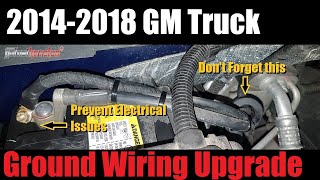
- Inspect and clean the battery terminals and all major engine and chassis ground connections. A common ground point to check on this platform is on the driver's side frame rail.
- Following the guidance of TSB #PIP5609, carefully inspect the electrical connectors at both the Engine Control Module (ECM) and Transmission Control Module (TCM) for damage, corrosion, or loose pins.
- If an aftermarket tuner is present, return the vehicle to its stock tune and remove the device.
- If all connections and voltages are good, consult a professional shop to check for available software updates for the module that set the code.
- If the code persists after a software update, the control module itself is the most likely culprit and will require replacement and programming.
Parts You'll Likely Need
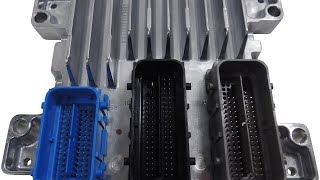
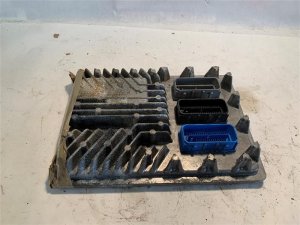
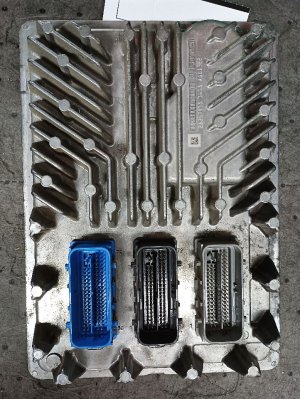
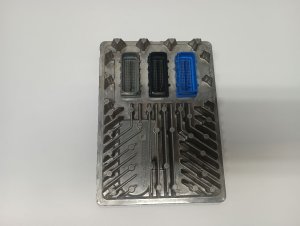
- Engine Control Module (ECM)
(OEM #12682376, 12704476)— If diagnosis confirms an internal ECM failure after ruling out power, ground, and software issues, replacement is the only fix.
Trusted brands: ACDelco (GM Genuine)
OEM price range: $350-$600
Aftermarket price range: $300-$700 - Transmission Control Module (TCM)
(OEM #24279973)— TSB #PIP4653E notes that P0604 can be stored in the TCM. If diagnosis points to the transmission module (T87A for 8/10-speed transmissions), it will need to be replaced.
Trusted brands: ACDelco (GM Genuine)
OEM price range: $170-$450
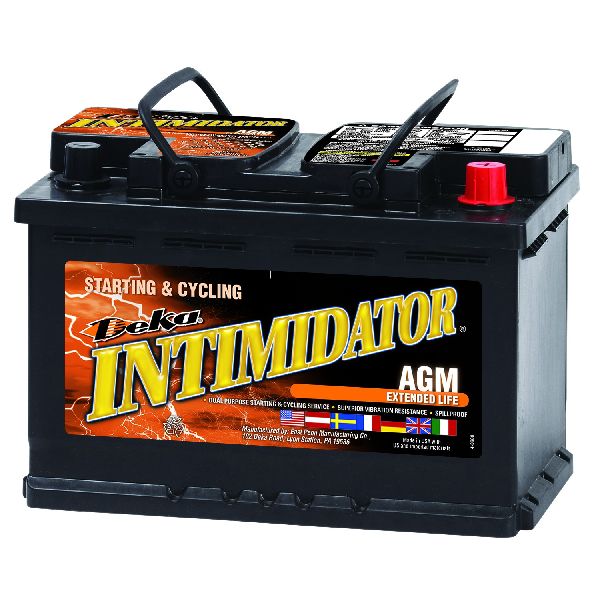
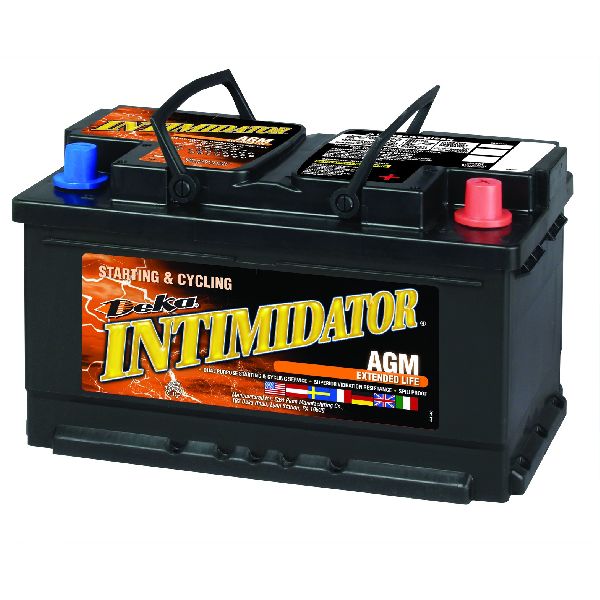
Aftermarket price range: $250-$600 - Battery — A weak or failing battery is a very common cause of module memory errors due to unstable voltage. This should be one of the first parts tested and is a frequent fix.
Trusted brands: ACDelco
OEM price range: $200-$300
Aftermarket price range: $150-$250
Related Codes That Often Appear With This One
- P0700 — This code means 'Transmission Control System Malfunction' and is often set by the ECM when it receives a fault request from the TCM. Its presence alongside P0604 strongly suggests the issue lies within the transmission controls.
- P0601, P0603, P0606 — These are all internal control module error codes. Their appearance together points strongly to a failing ECM or TCM, as noted in GM TSB #05-06-04-060A.
- U-codes (e.g., U0100, U0101) — These codes indicate a loss of communication with a specific module. If the P0604 fault is severe, the module may stop communicating on the vehicle's network, triggering these codes in other modules.
Platform-Specific Known Issues
- TSB #PIP5609: This bulletin advises technicians to inspect the engine control module's electrical connections and verify proper power and ground when codes P0601-P0604 are present.
- TSB #05-06-04-060A: This informational bulletin
Mechanic-Grade Diagnostic Values
- Alternator Output Voltage at Idle — expected: 13.5V - 14.5V (a reading of 14.9V was also noted as acceptable on a similar platform truck). Failure: Voltage consistently below 13.2V or above 15.0V indicates a charging system problem that can trigger module memory errors.
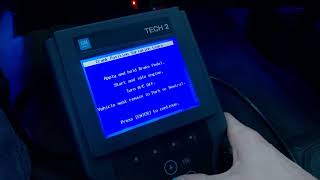
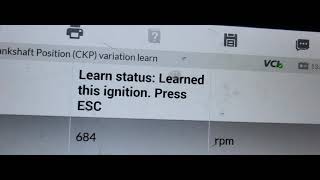
- Engine Coolant Temperature for Crankshaft Position Variation Learn — expected: Above 70°C (158°F), with one example showing the procedure performed at 163°F.. Failure: The scan tool will not allow the procedure to run if the engine is not at operating temperature.
Hidden / Shadow Codes Worth Checking
- Symptom Bytes (e.g., '71'): GM uses two-digit hexadecimal symptom bytes to add detail to a DTC. For example, P0604 with symptom byte '71' can mean 'Invalid Serial Data Received', pointing more toward a software or communication issue rather than a pure hardware failure. (see via A dealer-level scan tool like the GM GDS2 (Global Diagnostic System 2) is required to view these symptom bytes.)
Scan Tool Commands That Help
- GDS2 / Tech2Win: Crankshaft Position Variation Learn — This is a mandatory procedure after replacing the Engine Control Module (ECM). Failure to perform this learn will leave the Check Engine Light illuminated and may cause performance issues.
- GDS2 / Tech2Win: Idle Learn Reset — Used after replacing the ECM or disconnecting the battery for an extended period to reset the learned idle values in the module's memory.
- GM Service Programming System (SPS): Module Programming (ECM/TCM) — When a new ECM or TCM is installed, it must be programmed with the vehicle's specific VIN and the latest software calibration. This function downloads the correct software from GM's servers to the new module.
- GDS2: Bidirectional Controls / Actuator Tests — To test the functionality of components controlled by a module (like relays, solenoids, or lights) without having to physically access them. This helps confirm if the module's output drivers are working correctly.
Wiring & Ground Locations
- G103 / G104 — Key engine bay grounds. G103 is often located on the rear of the driver's side (LH) engine head or on the cowl above the brake booster. G104 is often on the rear of the driver-side cylinder head. Locations can vary slightly by year and engine.. These are primary grounds for the engine and control modules. TSBs for various electrical issues, including module communication, frequently advise checking the integrity of these connections. A poor connection here can cause unstable voltage to the ECM/TCM.
- G218 — Located behind the driver's side lower kick panel, near the A-pillar.. This is a primary ground for the Body Control Module (BCM). While not directly for the ECM/TCM, a bad BCM ground can cause widespread electrical network chaos, potentially contributing to communication errors and codes in other modules.
- Frame Grounds near Front Wheels — On the frame rails, located just behind both front wheels.. These grounds are in a location highly susceptible to corrosion from road spray. Forum users report that cleaning these grounds can solve a multitude of strange electrical issues that could mimic module failure.
- ECM/PCM Ground — A critical ground wire that is part of the main wiring loom and connects directly on top of the engine.. This is the most direct ground for the engine computer. If this specific ground is broken or corroded, it is a very common cause of multiple, seemingly random sensor codes and computer-related faults like P0604.
Real Owner Repair Stories
- YouTube video featuring 'DanielJaegerFilms' / 'Dan's Vlog' (2010 Chevrolet Silverado (GMT900 platform, similar architecture)) — Check Engine Light with only code P0604 present. Vehicle had previously died at idle but was running okay otherwise.
❌ Tried (didn't work) Checking the alternator (tested good at 14.9V)., Removing aftermarket wiring., Reprogramming (reflashing) the existing ECM with updated software; the P0604 code returned immediately.
✅ What actually fixed it The final fix was replacing the Engine Control Module (ECM) with a new unit, followed by all required setup procedures: VIN programming, idle learn, and the crankshaft position variation learn.
When the Usual Fixes Don't Work
- While the standard diagnostic procedure correctly advises checking power, grounds, and software before condemning a control module, a documented repair on a similar GM truck shows that these steps do not always resolve the issue. In that case, the alternator tested good, aftermarket wiring was removed, and a software reflash was performed, but the P0604 code returned immediately. The ultimate and final fix was the replacement of the Engine Control Module, confirming that while it should be the last step, outright module failure is a real possibility and not just a misdiagnosis.
Model Year Variations Within This Range
- 2015-2018: The 2015-2018 Yukons primarily used the 8-speed 8L90 automatic transmission, but the 10-speed 10L90 was introduced near the end of this range (around 2018). Both use a T87A Transmission Control Module (TCM). While the P0604 code can occur on both, diagnosis must confirm the correct TCM part number based on the specific transmission (8-speed or 10-speed) installed in the vehicle.
Helpful Videos

Used OEM Parts in Stock
New Aftermarket Parts Available

The information in this article is provided for general reference and educational purposes only. Vehicle specifications, procedures, and part compatibility can vary by production date, trim level, and region. Always consult your vehicle's factory service manual and verify part numbers before purchasing or performing repairs. Safety-critical components such as airbags, seat belts, and braking systems should be installed by a qualified professional.
- Gmc YUKON:
- 🧭 Diagnostic Flowchart
- 🎬 Helpful Videos
- 🛍️ Shop This Part
- What's Unique About the 2015-2018 Gmc YUKON
- Symptoms You May Notice
- Most Likely Causes
- Rare But Worth Checking
- Diagnosis Steps
- Parts You'll Likely Need
- Related Codes That Often Appear With This One
- Platform-Specific Known Issues
- Mechanic-Grade Diagnostic Values
- Hidden / Shadow Codes Worth Checking
- Scan Tool Commands That Help
- Wiring & Ground Locations
- Real Owner Repair Stories
- When the Usual Fixes Don't Work
- Model Year Variations Within This Range
- 🎟️ Get 5% Off