

P0604 on 2019-2021 Kia Forte: Internal RAM Error Causes and Fixes
This code indicates a Random Access Memory (RAM) error in the Powertrain Control Module (PCM). Before condemning the expensive PCM, first check for a weak battery, poor electrical connections, or available software updates from a Kia dealer, as these are common triggers. The code often appears after a battery disconnect or jump-start due to temporary voltage instability.
- P0604 indicates a critical memory error in your Forte's main engine computer (PCM).
- DO NOT assume the PCM is bad. The most common triggers are a weak battery, bad alternator, or loose/corroded electrical connections.
- Always start diagnosis by testing the battery and charging system. This simple step can save you from a very expensive and unnecessary PCM replacement.
- Check with a Kia dealer to see if your vehicle needs a PCM software update. This is a common fix for various electronic issues.
- This is not a DIY-friendly repair. Diagnosing and replacing a PCM requires specialized tools and programming.
What's Unique About the 2019-2021 Kia Forte
For the third-generation Kia Forte (2019-2021), the P0604 code is a serious but infrequent issue. While the code points to an internal module fault, these vehicles are highly sensitive to electrical system stability. Unstable voltage from a weak battery or poor ground connections are frequent culprits that can mimic a PCM failure and should be ruled out first. Additionally, Kia has issued several software updates for the engine control logic on this platform. A key example is TSB FUE047 for the 2.0L MPI engine, which addresses overly sensitive diagnostic logic that can trigger other false codes, highlighting the importance of ensuring the latest software is installed before replacing hardware. A trip to the dealer to check for the latest software is a critical early diagnostic step.
Symptoms You May Notice
- Check Engine Light is on.
- Engine may not start, or may crank but not fire.
- Intermittent stalling, sometimes after running for a short period.
- Rough idling or engine misfires.
- Noticeable loss of power and poor acceleration.
- Harsh or erratic transmission shifting.
- Vehicle may enter 'limp mode', limiting engine power and speed.
- Unresponsive dashboard electronics or gauges.
- Replacing the PCM without first testing the battery and charging system. A weak battery is a much more common and cheaper fix.
- Replacing sensors like the crankshaft or camshaft position sensor. While these can cause similar symptoms like stalling, they will typically set their own specific codes.
Most Likely Causes
- Low Battery Voltage or Unstable Power Supply 🔴 High Probability → Shop Vehicle Battery Modern vehicles like the Forte are highly sensitive to voltage. A weak or failing battery, or a faulty alternator, can cause voltage drops ('brown-outs') that corrupt the PCM's RAM during startup or operation. This code frequently appears after a battery replacement or jump-start.
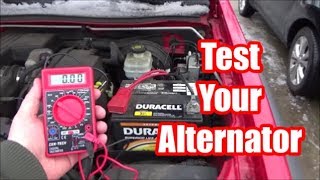
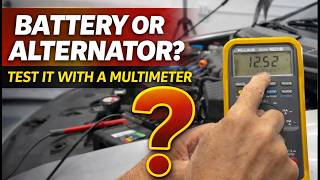
How to confirm: Test the battery voltage with a multimeter. 🎬 Watch: How to test your battery and alternator with a multimeter. It should be above 12.4V with the engine off and between 13.5V-14.5V when running. A load test is the most definitive way to confirm battery health. Also, check battery terminals for corrosion and tightness.
Typical fix: Clean battery terminals and cable ends. If the battery is old (4-5 years) or fails a load test, replace it. Ensure the new battery meets or exceeds OEM specifications.
Est. part cost: $150-$250 - Corrupted or Outdated PCM Software 🟡 Medium Probability Kia has released multiple software updates for the ECU/PCM on this generation of Forte to fix bugs and improve diagnostic logic. An outdated software version can sometimes lead to internal memory errors or other false codes. TSB FUE047 is a specific example for the 2.0L engine that corrects sensitive monitoring logic.
How to confirm: A Kia dealership or a qualified shop with a factory scan tool (KDS) can check the current software Calibration ID (ROM ID) against the latest available version for your vehicle's VIN.
Typical fix: Update or 'reflash' the PCM with the latest manufacturer software. This is a dealer or specialist-level repair.
Est. part cost: $150-$275 (Labor for flashing) - Poor PCM Power or Ground Connections 🟡 Medium Probability
How to confirm: Inspect the wiring harness and connectors at the PCM for any signs of corrosion, moisture, or loose pins. Perform a voltage drop test on the main power and ground circuits for the PCM to ensure resistance is minimal (ideally below 0.1-0.2 ohms). Check chassis ground straps for tightness and corrosion.
Typical fix: Clean, repair, or tighten the affected wiring and connectors. Ensure all ground straps from the engine to the chassis are clean and secure.
Est. part cost: $0-$100 - Internal PCM Failure ⚪ Low Probability While less common than external factors, the RAM chip inside the PCM can fail due to age, heat, or voltage spikes. This is a diagnosis of exclusion after all other possibilities are exhausted.
How to confirm: This is a last resort diagnosis. If the battery, charging system, all connections, and software have been confirmed to be good, and the P0604 code returns immediately after being cleared, the PCM itself is likely faulty.
Typical fix: Replace the Powertrain Control Module. The new module must be programmed to the vehicle's VIN and security system. A dealership quoted this repair at around $1,900 for a 2021 Forte in one owner's experience.
Est. part cost: $800-$1400+
Rare But Worth Checking
- Faulty Aftermarket Tuner or Electronic Device:
Diagnosis Steps
- Scan for all stored trouble codes. Note any other codes that appear alongside P0604, as they can provide clues.
- Thoroughly inspect the battery. Check its state of charge (should be >12.4V) and perform a load test to confirm its health. 🎬 Check out this guide for testing your battery and alternator. Clean any corrosion from terminals and ensure connections are tight.
- With the engine running, test the alternator output. It should be stable and within the 13.5V-14.5V range. An overcharging condition (>15V) can also damage modules.
- Inspect all power and ground connections to the PCM. Look for any loose, corroded, or damaged wires. Check the main engine-to-chassis ground strap.
- Clear the trouble codes. Disconnecting the battery for 15-30 minutes can sometimes clear a temporary glitch. Drive the vehicle to see if the code returns.
- Contact a Kia dealership with your VIN to check for any open recalls or Technical Service Bulletins (TSBs). Specifically ask if TSB FUE047 (ECU logic update) or any other PCM software updates are available and have not been performed.
- If an aftermarket tuner is installed, remove it completely, clear codes, and re-test.
- If all external electrical inputs are good, connections are clean, and the software is up to date, the final step is to suspect a faulty PCM. Replacement and programming by a professional is required.
Parts You'll Likely Need
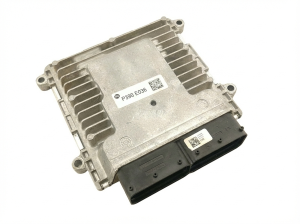
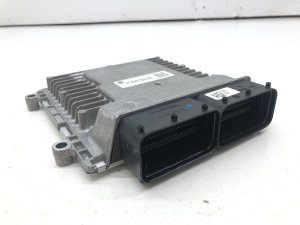
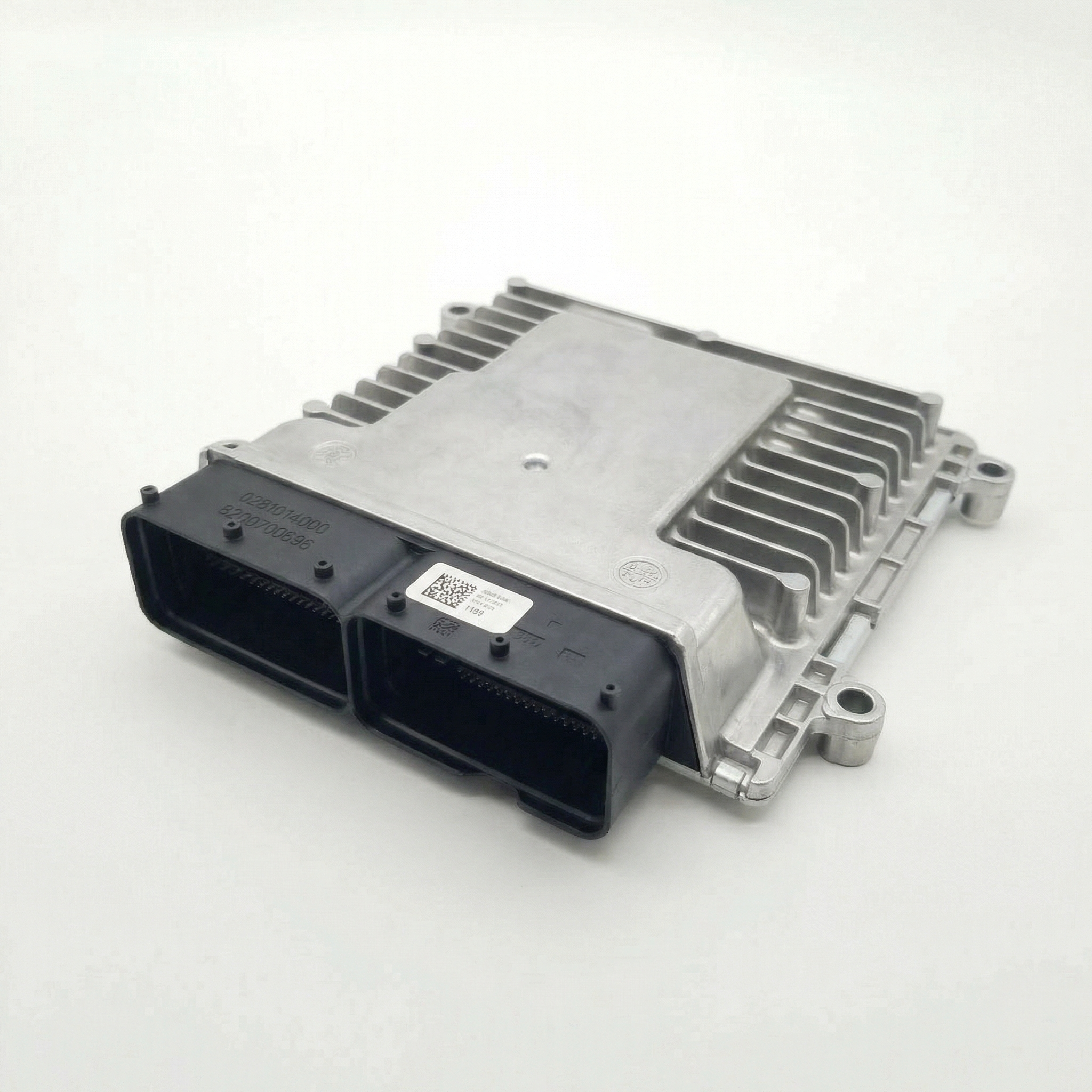
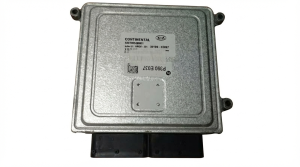
- Powertrain Control Module (PCM)
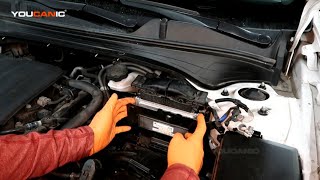
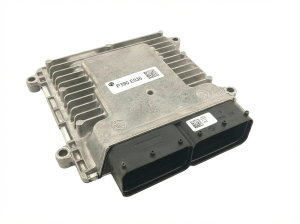
(OEM #39171-2ECE0, 39171-2ECD0)— This is the part that must be replaced if the internal RAM has failed and all other causes have been ruled out. The part number is an example and must be verified 🎬 See this walkthrough on how to replace the ECU yourself. with your VIN. 39171-2ECE0 is for models with push-button start, while 39171-2ECD0 is for SULEV models with CVT.
Trusted brands: Kia (OEM)
OEM price range: $800-$1400
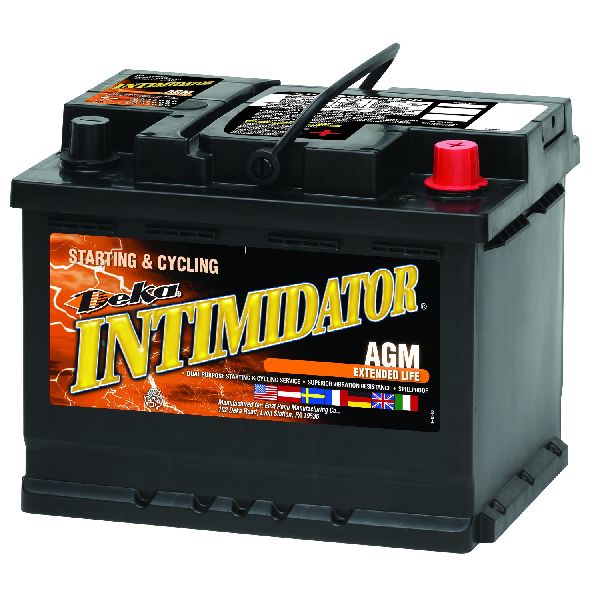
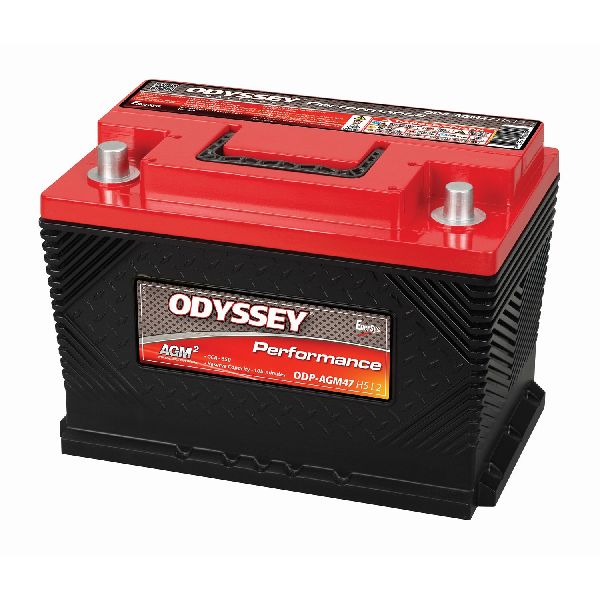
Aftermarket price range: $500-$800 (Remanufactured) - Automotive Battery — A weak or failing battery is a very common trigger for this code due to unstable voltage. It should always be checked first.
Trusted brands: Interstate, DieHard, Duralast
OEM price range: $200-$300
Aftermarket price range: $150-$250
Related Codes That Often Appear With This One
- U0100 — This code indicates a loss of communication with the ECM/PCM. It can appear with P0604 if the internal RAM error is severe enough to disrupt the module's ability to communicate on the vehicle's CAN bus network.
- P0601 — This code indicates an 'Internal Control Module Memory Check Sum Error'. Both P0601 and P0604 point to internal PCM faults, and seeing them together strongly suggests the PCM has failed.
- P0605 — This code indicates an 'Internal Control Module Read Only Memory (ROM) Error'. Similar to P0601, this points to a critical internal failure of the PCM.
Technical Service Bulletins (TSBs) & Recalls
- TSB FUE047: For 2019-2020 Forte 2.0L MPI models, this TSB provides an ECM software update to improve diagnostic logic and prevent false codes like P0106. This is highly relevant as it shows a history of software fixes for the ECU.
- TSB TRA102 (Rev 1): For 2019-2021 Forte models, this TSB addresses issues with the IVT transmission by updating the Transmission Control Module (TCM) software. Since the TCM and PCM work together, a TCM update can be relevant to overall powertrain health.
- TSB ENG222_R5: This bulletin addresses procedures for diagnosing excessive oil consumption on Nu engines, a known platform issue.
- Service Campaign SC199: A voluntary campaign to improve the IVT transmission software logic, which communicates with the PCM.
Platform-Specific Known Issues
- Kia has issued several service campaigns and recalls for this generation of Forte that involve updating the Engine Control Module (ECM/PCM) software. It is crucial to ensure the vehicle has the latest software before condemning the hardware.
- TSB FUE047 was released for the 2019-2020 Forte 2.0L MPI to fix an overly sensitive diagnostic logic in the ECU that could falsely set other codes (P0106, P0101, P0068). This highlights the history of software-related fixes for this powertrain.
- Many engine-related recalls, like SC200 and SC218, involve installing a Knock Sensor Detection System (KSDS) via an ECU software update to monitor for early signs of engine failure. While not directly for P0604, it shows
Mechanic-Grade Diagnostic Values
- PCM Power Supply Voltage (during cranking) — expected: Should remain above 9.6 Volts.. Failure: A drop below 9.6V during engine cranking points to a weak battery or excessive starter draw, a primary trigger for P0604.
- PCM Power Ground Resistance — expected: Less than 0.1 Ω.. Failure: Resistance higher than 0.1 Ohms indicates a poor ground connection, which can cause floating voltage and module errors.
- Alternator AC Ripple Voltage — expected: Less than 100 millivolts (0.1V) AC with engine running and electrical loads on.. Failure: A reading consistently above 100mV AC, and especially over 500mV (0.5V) AC, indicates failing diodes in the alternator's rectifier. This 'dirty' power can corrupt PCM memory.
- Battery Voltage (engine off) — expected: Above 12.4V.. Failure: A reading below 12.4V indicates a discharged or failing battery that needs to be charged and load tested.
Scan Tool Commands That Help
- Kia GDS (Global Diagnostic System): ECU Upgrade / Vehicle S/W Management — Used to check the current software version of the PCM and to perform a 'reflash' or update to the latest version from Kia. This is a critical step before condemning the PCM, as outdated software can cause false codes.
- Kia GDS (Global Diagnostic System): Resetting Adaptive Values — After repairs or if trying to resolve a glitch, this function in the 'Vehicle S/W Management' menu resets the PCM's learned values. This can sometimes clear temporary memory corruption after the root cause (like a weak battery) has been fixed.
Wiring & Ground Locations
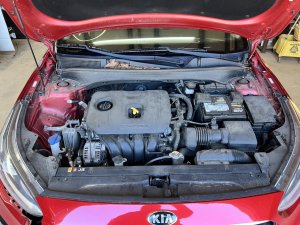
- Powertrain Control Module (PCM/ECU) — Located in the engine bay, mounted to a bracket behind the battery. Removing the battery provides better access for replacement.. This is the module setting the code. All power, ground, and communication wires connect here. The connectors must be clean, dry, and fully seated.
- Main Chassis/Engine Ground — A primary ground strap typically connects the engine block to the chassis near the engine mount or firewall. Specific diagrams for the 2019-2021 Forte are needed for the exact location, but this is a critical point to inspect.. A corroded or loose main ground strap is a common cause of unstable voltage to all electronic modules, including the PCM, which can directly trigger a P0604 error.
- PCM Fuse — Located in the engine room fuse/relay block. The fuse is labeled 'ECU5' (10A) for the 2.0L MPI engine.. This fuse supplies power to the PCM. While a blown fuse would likely cause a no-communication issue, a poor connection at the fuse terminals could cause intermittent power loss and trigger memory errors.
Real Owner Repair Stories
- Generic P0604 diagnostic procedure (General vehicle, applicable to the Forte) — Check Engine Light with P0604, possibly a no-start or stalling.
❌ Tried (didn't work) Assuming the PCM is bad and replacing it without further diagnosis.
✅ What actually fixed it After clearing the code, the code did not return. The initial cause was determined to be a temporary battery connectivity issue that was resolved by disconnecting and reconnecting the battery. - Cross-Manufacturer Reference (Kia Optima) — An owner reported that their vehicle was not holding oil, jerking, and acting like it would cut off while driving; the vehicle was diagnosed with P0604 (NHTSA ODI #11727436).
Model Year Variations Within This Range
- 2019-2020: TSB FUE047, which addresses overly sensitive ECU diagnostic logic for other codes, was released specifically for the 2019-2020 Forte with the 2.0L MPI engine. While the P0604 code is different, this highlights a history of software refinements early in this generation's life cycle.
Diagnostic Flowchart
Other Known Issues on This Vehicle
Issues unrelated to this code that are worth knowing about as an owner of this generation:
- Premature Intelligent Variable Transmission (IVT) Failure 🔴 High → Shop Transmission Assembly — Widespread enough to trigger multiple service actions and class-action investigations. Can occur at very low mileage (<20,000 miles). (Ref: TSB TRA102 / SA424 / SC199)
- Excessive Oil Consumption 🟠 Medium — A known issue with the 2.0L Nu MPI engine family. May become noticeable after 50,000-75,000 miles. A Canadian recall was issued for defective piston oil rings. (Ref: TSB ENG222_R5 / Transport Canada Recall 2021225)
- Engine Failure / Fire Risk (Knock Sensor Detection) 🔴 High — Affects a broad range of Kia/Hyundai engines, including the Nu family. Led to massive recalls to install Knock Sensor Detection System (KSDS) software to provide early warning (DTC P1326) of bearing failure. (Ref: Recall SC200 / SC218)
- Vulnerability to Theft ('Kia Boyz' issue) 🔴 High — Affects models with a turn-key ignition (not push-button start) due to a lack of a factory engine immobilizer. Very common in certain regions. (Ref: Software Update Campaign CS2305)
Used vs. New Parts: Buying Guide for This Vehicle
When a used part is the smart pick: For this specific repair, a used part is almost never a smart choice. The primary part that fails, the PCM, is VIN-locked and tied to the immobilizer. Other common causes like the battery should always be purchased new.
OEM-only on this vehicle (don't cheap out):
- Powertrain Control Module (PCM): A used PCM from a junkyard will not work without specialized, dealer-level programming to match it to the vehicle's VIN and security system. It is strongly recommended to use a new OEM part or a professionally remanufactured unit that is pre-programmed to your VIN.
Aftermarket brands forum-validated for this vehicle:
- For the battery, brands like Interstate, DieHard, and Duralast are reliable choices.
Brands owners have reported issues with on this vehicle:
- Avoid unbranded, 'no-name' electronic components from online marketplaces, especially for critical parts like the PCM.
Real Owner Stories
Aggregated from forums and TSBs cited above. Mileages and costs reflect what owners reported in those sources.
2021 Kia Forte
Symptoms: The owner was experiencing issues related to EGR codes (P0490, P0489, P049D, P0406) and was told by a dealer that the PCM required replacement.
What fixed it: The dealer recommended a full PCM replacement and programming to the vehicle's VIN.
Cost: $1,900-$1,900
Source hint: Reddit r/MechanicAdvice: 2021 Kia Forte needs a new PCM??
2019 Kia Forte
Symptoms: The vehicle entered limp mode and experienced reduced power after a sensor became wet.
What fixed it: The issue was traced to a crank position sensor getting wet, illustrating how external sensor issues can mimic PCM-related failures.
Source hint: Reddit r/Kia: Has Kia redesigned their engines to fix the oil consumption issue?
Related OBD-II Codes
Frequently Asked Questions
Does TSB FUE047 apply to my 2019 Kia Forte with the 2.0L engine?
Can a weak battery cause a P0604 code on my 2021 Forte?
Is there a software update for the transmission that might affect the PCM?
What is the Knock Sensor Detection System (KSDS) update I keep hearing about?
How much does a dealership charge to replace the PCM on a 2021 Kia Forte?
Could a wet sensor cause symptoms similar to a PCM failure on my 2019 Forte?
Helpful Videos
Used OEM Parts in Stock
New Aftermarket Parts Available


The information in this article is provided for general reference and educational purposes only. Vehicle specifications, procedures, and part compatibility can vary by production date, trim level, and region. Always consult your vehicle's factory service manual and verify part numbers before purchasing or performing repairs. Safety-critical components such as airbags, seat belts, and braking systems should be installed by a qualified professional.
- Kia Forte:
- 🧭 Diagnostic Flowchart
- 🎬 Helpful Videos
- 🛍️ Shop This Part
- What's Unique About the 2019-2021 Kia Forte
- Symptoms You May Notice
- Most Likely Causes
- Rare But Worth Checking
- Diagnosis Steps
- Parts You'll Likely Need
- Related Codes That Often Appear With This One
- Technical Service Bulletins (TSBs) & Recalls
- Platform-Specific Known Issues
- Mechanic-Grade Diagnostic Values
- Scan Tool Commands That Help
- Wiring & Ground Locations
- Real Owner Repair Stories
- Model Year Variations Within This Range
- Other Known Issues on This Vehicle
- Used vs. New Parts: Buying Guide for This Vehicle
- Real Owner Stories
- 2021 Kia Forte
- 2019 Kia Forte
- Related OBD-II Codes
- Frequently Asked Questions
- 🎟️ Get 5% Off