

P0604 on 2011-2025 Kia Sorento: Internal RAM Error Causes and Fixes
P0604 indicates a memory error in the main engine computer (PCM). Before suspecting an expensive PCM failure, thoroughly check the battery, its connections, and all main power/ground wires. An unstable power supply is the most common trigger for this code on a Kia Sorento, often caused by a weak battery dropping below 9.5V during cranking.
- P0604 is a critical code that makes the vehicle unsafe to drive due to the risk of sudden stalling.
- The most common cause is not a bad computer, but an unstable power supply. Always test the battery, alternator, and ground connections before considering PCM replacement.
- The 2011-2025 Sorento has a history of other electrical module recalls and service campaigns, making a thorough electrical system check essential.
- If the PCM does need to be replaced, it is not a DIY job. The new module must be professionally programmed to your vehicle's VIN.
- Clearing the code and seeing if it returns can help determine the fault's nature. An immediate return suggests a hardware failure, while an intermittent return may point to a connection or voltage issue.
What's Unique About the 2011-2025 Kia Sorento
While no recalls or service bulletins directly address code P0604 on the Sorento, the 2011-2025 models have a documented history of other electrical module issues. Recalls for the HECU (anti-lock brake module) on 2011-2015 models point to vulnerabilities from electrical shorts caused by internal brake fluid leaks or other malfunctions. Similarly, newer 2024-2025 models have service campaigns for software errors in the Body Domain Control Unit (BDC) that can cause headlights to fail. This history of sensitive electronics makes the Sorento particularly susceptible to P0604 being triggered by an unstable power supply from a weak battery or poor ground, a far more common cause than an actual PCM failure.
Generation note: This guide covers three generations of the Kia Sorento: - 2nd Gen (XM; 2011-2015): This generation has specific recalls (SC197, SC284) related to the HECU module that can cause electrical shorts, highlighting the importance of checking the vehicle's electrical stability. These models are also known for Theta II engine issues, which can sometimes present with complex electrical codes. - 3rd Gen (UM; 2016-2020): General diagnostic principles apply. These models are also sensitive to battery voltage and ground issues. Some 2.4L GDI engines in this generation are prone to timing chain tensioner failure, which can cause erratic engine behavior. - 4th Gen (MQ4; 2021-2025): These models have a more complex electronic architecture, built on a new platform. They have documented software issues in other modules like the BDC, making software glitches a possible, though less common, cause for a P0604 code.
Symptoms You May Notice
- Check Engine Light is on
- Engine stalls intermittently or dies while driving
- No-start or hard-starting condition, where the engine cranks but won't fire 🎬 Watch: Diagnostic steps for a Sorento no-start with PCM codes
- Rough idle or engine misfires
- Noticeable loss of power and acceleration
- Harsh or erratic transmission shifting
- ABS or Traction Control lights may also illuminate
- Vehicle enters 'limp mode' with severely restricted power
- Replacing the PCM without first testing the battery and charging system. An unstable power supply is a far more common cause of P0604 than an actual PCM failure.
Most Likely Causes
- Low or Unstable Battery Voltage 🔴 High Probability → Shop Vehicle Battery Control modules are highly sensitive to voltage. A weak battery, failing alternator, or corroded terminals can cause voltage drops or spikes that corrupt the PCM's RAM during startup or operation. A voltage drop below 9.5V during cranking is a known trigger for this code.
How to confirm: Test the battery with a digital multimeter or electronic tester. It should read ~12.6V when off and 13.5V-14.8V when running. Perform a load test to ensure it holds a charge under stress. A simple check is to see if the code returns immediately after clearing; if it only appears after a start-up attempt, low cranking voltage is a strong suspect.
Typical fix: Charge or replace the battery. Clean all battery terminals and cable ends until they are bright metal.
Est. part cost: $150-$350 - Poor PCM Power or Ground Connections 🟡 Medium Probability Vehicle vibrations and exposure to the elements can cause critical ground straps (from the engine to the chassis, and battery to the chassis) to become loose or corroded, starving the PCM of a stable connection. Forum discussions often point to cleaning grounds as a fix for intermittent electrical issues on these vehicles.
How to confirm: Visually inspect all major ground straps for tightness and corrosion. Key locations include the main battery-to-chassis ground, engine block-to-chassis ground, and smaller grounds near the fuse panel. Perform a voltage drop test on the PCM's power and ground circuits; resistance should be less than 0.1 Ω.
Typical fix: Clean the contact points of ground connections with a wire brush and tighten them securely. Repair any corroded or damaged wiring to the PCM. Some OEM ground cables for the Sorento include part numbers like 91865-C6520 for 2019-2020 models.
Est. part cost: $10-$70 - Faulty Powertrain Control Module (PCM) ⚪ Low Probability → Shop Engine Control Module (ECM) While less common, the PCM can fail internally due to age, heat cycles, or voltage spikes. This is a diagnosis of last resort after all other causes are eliminated. Given the Sorento's history of other electrical module failures (HECU, BDC), an internal PCM fault is possible but not probable.
How to confirm: This is confirmed by a professional technician after verifying that the battery, charging system, grounds, and wiring to the PCM are all in perfect condition. If the code returns immediately after clearing with a stable power supply, a hard internal fault is likely.
Typical fix: Replace the PCM. The new unit must be programmed by a dealer or a qualified shop with the vehicle's specific VIN and immobilizer information.
Est. part cost: $800-$1500
Rare But Worth Checking
- PCM Software Corruption: A previously failed software update or a random glitch can corrupt the PCM's programming. Before replacing the PCM, it's worth asking a dealer if any software updates (reflashes) are available for your vehicle, which can sometimes resolve these errors. This is a known fix for similar codes on other vehicle makes.
- Aftermarket Electronics Interference: Improperly installed aftermarket alarms, remote starters, or audio systems can backfeed voltage or create electrical noise on shared power or data lines, corrupting the PCM's memory. If the vehicle has any aftermarket electronics, they should be inspected and possibly disconnected to see if the P0604 code disappears.
Diagnosis Steps
- Read all stored fault codes and freeze-frame data with a quality OBD-II scanner.
- Clear the codes. Disconnect the negative battery terminal for 15 minutes to reset all modules, then reconnect.
- Attempt to start the engine. Note if the P0604 code returns immediately (indicating a hard fault) or intermittently (suggesting a connection or voltage issue).
- Perform a complete battery and charging system test. Ensure battery voltage is above 12.6V with the engine off and between 13.5V-14.8V when running. Crucially, monitor voltage during cranking; it must not drop below 9.5V.
- Inspect the battery terminals, main engine ground strap (engine block to chassis), and chassis grounds (battery negative to body). Ensure they are all clean, tight, and free of corrosion. Check for ground points near the interior fuse panel as well.
- Visually inspect the PCM connectors and nearby wiring for any signs of damage, corrosion, or water intrusion. The PCM is often located in the engine bay on the driver's side.
- If all power and ground inputs to the PCM are verified to be good, check with a Kia dealership for any available PCM software updates (reflash) for your specific VIN.
- If the code persists after all the above steps, the PCM is likely defective and requires replacement and programming by a qualified professional.
Parts You'll Likely Need
- Battery — A weak or failing battery is the most common trigger for this code due to unstable voltage supplied to the vehicle's computer systems.
Trusted brands: Bosch, ACDelco, Interstate
OEM price range: $200-$400
Aftermarket price range: $150-$350 - Powertrain Control Module (PCM)
(OEM #Varies by VIN)— This is the part that is replaced if the RAM error is determined to be an internal, unrecoverable hardware failure. This is a last resort.
Trusted brands: Kia (OEM)
OEM price range: $1000-$1500
Aftermarket price range: $600-$1000 (Remanufactured) - Body Electrical Ground Strap
(OEM #e.g., 91865-C6520 (for 2019-2020 models))— Corroded or broken ground straps can cause intermittent voltage issues that trigger P0604. Replacing a faulty strap is a cheap and effective fix.
Trusted brands: Kia (OEM)
OEM price range: $50-$90
Aftermarket price range: $15-$40
Related Codes That Often Appear With This One
- P0606 — This code indicates a 'PCM Processor Fault,' another type of internal self-check failure. Seeing them together strongly points to a problem with the PCM itself or its power supply.
- U0100 — This code means 'Lost Communication With ECM/PCM.' If the PCM is failing internally or has a poor power/ground connection, it can drop off the vehicle's communication network, triggering this code in other modules.
- P0602 — This code for 'Control Module Programming Error' can appear with P0604, especially after a battery replacement, jump start, or failed software update, indicating a memory/firmware conflict.
Technical Service Bulletins (TSBs) & Recalls
- SC284: Recall for 2011-2014 Sorento to replace HECU multi-fuse to prevent electrical shorts, showing a history of electrical system issues.
- SC197: Recall for 2014-2015 Sorento to inspect HECU for internal leaks causing electrical shorts, further highlighting electrical module vulnerability.
- SC331: Service campaign for 2024-2025 Sorento involving a software update for the Body Domain Control unit, showing a precedent for module software fixes on this platform.
- NHTSA Recall 22V800: A related recall for the Kia Sportage, also involving HECU fire risk, demonstrates a pattern of this issue across the brand's lineup from the same era.
Platform-Specific Known Issues
- Intermittent No-Start Condition: A user on Reddit with a 2012 Sorento V6 reported a 'No Crank No Start' condition where all accessories worked but the engine would not turn o
Mechanic-Grade Diagnostic Values
- PCM Power Supply (Cranking) — expected: > 9.5V. Failure: Voltage dropping below 9.5V during engine cranking can corrupt the PCM's RAM and trigger a P0604.
- PCM Ground Circuit Resistance — expected: < 0.1 Ω. Failure: Resistance higher than 0.1 Ohms between the PCM ground pin and a clean chassis ground indicates a poor ground connection, which can cause unstable module operation.
- Sensor 5V Reference Voltage (from PCM) — expected: ~5.0V. Failure: A reading of near-zero volts (e.g., 27 millivolts) on the 5V reference wire at a sensor (like the MAP sensor) points to an internal failure within the PCM, as it is not supplying the necessary voltage to its sensors.
Scan Tool Commands That Help
- Kia GDS or equivalent professional scanner: VIN Writing — This function is mandatory after installing a new or used PCM. The vehicle's 17-digit VIN must be written to the module's memory. Failure to do so will result in a no-start condition and may set other trouble codes like P0630.
- Kia GDS or equivalent professional scanner: Immobilizer / Smart Key Code Saving — After replacing the PCM, the new module must be paired with the vehicle's existing keys and immobilizer module. This security procedure ensures the anti-theft system recognizes the new PCM and allows the engine to start.
- Kia GDS or J2534 Pass-Thru Device: ECU Upgrade (Reflash) — Before replacing a PCM for a P0604 code, check for available software updates. A reflash can fix internal logic errors or glitches that may be causing the RAM self-test to fail. This is a common first step for dealers when addressing module-related codes.
Wiring & Ground Locations
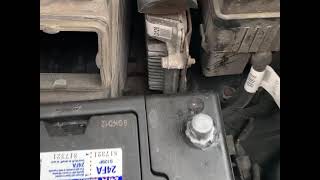
- Powertrain Control Module (PCM) — On 2nd Gen (2011-2015) models, the PCM is typically located in the engine bay, above the battery, between the fuse box and the air box.. This is the module setting the code. Its location in the engine bay exposes it to heat and vibration, making secure connections and grounds critical. Water intrusion is also a possibility.
- PCM Main Power and Ground Pins — Located on the main connectors of the PCM. Specific pin numbers for power and ground vary by year and engine, requiring a vehicle-specific wiring diagram to test accurately.. Verifying stable battery voltage at the power input pins and low resistance (<0.1 Ω) at the ground pins is the most critical diagnostic step to rule out external issues before condemning the PCM.
Real Owner Repair Stories
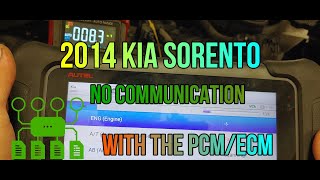
- JL's Auto Solution on YouTube (2014 Kia Sorento 3.3L GDI) — No-start condition, no communication with the engine computer via scan tool, multiple communication codes (U-codes) stored in other modules.
❌ Tried (didn't work) Initial scan showed no communication with ECM/PCM., Checked main relay and found the PCM was not providing the ground signal to activate it., Manually supplied power to the PCM, but communication was still not possible.
✅ What actually fixed it The technician diagnosed a failed PCM by checking the 5-volt reference circuit at the MAP sensor and reading only 27 millivolts instead of ~5 volts. This confirmed the PCM had an internal failure and was not powering its sensors. Replacing and programming the PCM resolved the issue. - NHTSA ODI #11727436 — While reported on a related Kia model, an owner noted the vehicle was not holding oil and acted like it was going to cut off while driving and jerking; the vehicle was subsequently diagnosed with a P0604 code.
Model Year Variations Within This Range
- 2021-2025 (MQ4): The 4th generation Sorento uses a more complex and integrated electronic architecture. The PCM (or ECM) is more deeply tied to other systems like the Body Domain Control Unit (BDC). While the root causes of P0604 (voltage, grounds) remain the same, diagnosing communication issues between modules becomes more complex.
- 2011-2015 (XM): The PCM on these earlier models is located in the engine bay directly above the battery. While accessible, this location makes it more susceptible to issues if the battery leaks or has significant corrosion on the terminals, which can affect the PCM connectors directly below.
Diagnostic Flowchart
Other Known Issues on This Vehicle
Issues unrelated to this code that are worth knowing about as an owner of this generation:
- Catastrophic Theta II Engine Failure 🔴 High — Widespread on 2011-2019 models with 2.0L & 2.4L GDI engines, often occurring before 100,000 miles. Caused by manufacturing debris leading to rod bearing failure. (Ref: Multiple recalls and a class-action lawsuit settlement resulted in a lifetime warranty for the engine short block for affected vehicles that received a required software update.)
- HECU Fire Risk 🔴 High — Affects 2011-2015 models. The Hydraulic Electronic Control Unit (HECU) for the ABS can short circuit internally, potentially causing an engine compartment fire, even while parked. (Ref: Recalls SC197 and SC284 were issued. The remedy involves inspecting the HECU and potentially replacing a multi-fuse or the entire unit.)
- Peeling White Paint 🟡 Low — Common on 2013-2016 models with 'Snow White Pearl' paint. The paint can delaminate, bubble, and peel off in large sheets, exposing the primer or bare metal.
- Premature Headlight Burnout / Melting 🟠 Medium — Reported frequently on 2nd Gen (2011-2015) models. Headlight bulbs burn out quickly, and in some cases, the heat melts the bulb connector or housing.
- Failing Exterior Door Latches 🟠 Medium — A common complaint on 2011-2014 models where the exterior door handle fails to open the door, forcing entry from another door.
- Timing Chain Rattle / Tensioner Failure 🟠 Medium — Affects some 3rd Gen (2015-2020) models with the 2.4L engine. A rattling noise on startup can indicate a failing timing chain tensioner, which can lead to poor performance or engine damage if ignored. (Ref: Kia released an updated tensioner part to address the issue.)
Used vs. New Parts: Buying Guide for This Vehicle
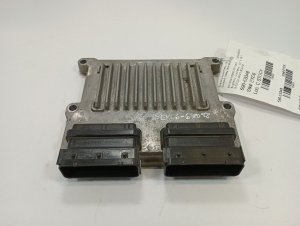
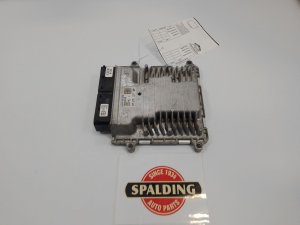
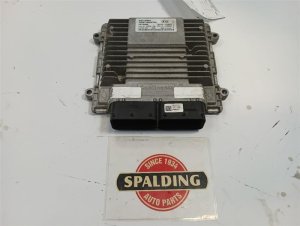
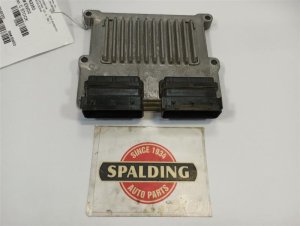
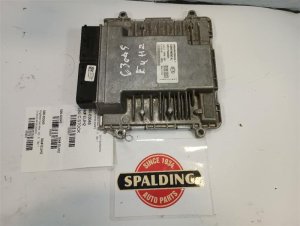
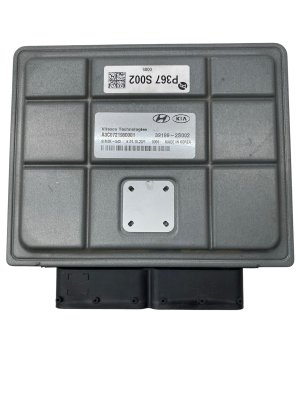
When a used part is the smart pick: A used PCM from a junkyard or online seller can be a cost-effective option, potentially saving hundreds of dollars over a new OEM unit. This makes sense if you have access to a Kia dealership or a well-equipped independent shop that can perform the mandatory reprogramming.
Donor-vehicle mileage cap: roughly under 120000 miles for the part to have meaningful remaining life.
What to inspect on the donor part:
- Verify the part number on the used PCM exactly matches the original.
- Source the part from a vehicle of the same year, model, and engine type.
- Inspect the connectors for any bent, corroded, or broken pins.
- Choose a seller that offers a warranty, even if it's only 30-90 days, to protect against receiving a dead-on-arrival unit.
OEM-only on this vehicle (don't cheap out):
- Powertrain Control Module (PCM) - While used OEM units are viable, avoid aftermarket 'new' or 'remanufactured' PCMs from unknown brands without significant positive reviews. Programming can be problematic, and quality is inconsistent. Stick with original Kia parts, whether new or used.
Aftermarket brands forum-validated for this vehicle:
- For remanufactured PCMs, companies like Flagship One (FS1) or Solo PCMs specialize in pre-programming modules to your vehicle's VIN, which can simplify installation.
Brands owners have reported issues with on this vehicle:
- Generic, unbranded PCMs from online marketplaces should be avoided. They often have programming issues and are not guaranteed to be compatible, even if they look physically identical.
Real Owner Stories
Aggregated from forums and TSBs cited above. Mileages and costs reflect what owners reported in those sources.
2012 Kia Sorento V6
Symptoms: A 'No Crank No Start' condition where all accessories worked but the engine would not turn over.
What fixed it: The owner investigated electrical grounding and battery issues, as these are primary causes for PCM-related no-start conditions in this generation.
Source hint: Reddit r/kia - No Crank No Start - 2012 Kia Sorento V6
2006-2014 Kia Sorento
Symptoms: Intermittent P0604 codes appearing and disappearing.
What fixed it: Repairing corroded PCM connectors or tightening loose ground wires.
Source hint: Go-Parts.com - P0604 Vehicle-Specific Information
Kia Optima (Cross-Model Reference)
Symptoms: An owner reported that the car was not holding oil and acted like it was going to cut off while driving and jerking.
What fixed it: The vehicle was diagnosed with a P0604 code alongside other issues.
Source hint: NHTSA ODI #11727436
Related OBD-II Codes
Frequently Asked Questions
Could the HECU recall on my 2011-2015 Sorento be related to the P0604 code?
My 2024 Sorento has a software issue; is there a fix for module errors?
Why does my Sorento only throw P0604 during a hard start?
Are there specific ground points I should check on my Kia to fix this?
Is there a specific replacement ground cable for later model Sorentos?
Does the Theta II engine failure issue relate to PCM codes?
Helpful Videos
We Have This Part in Stock

The information in this article is provided for general reference and educational purposes only. Vehicle specifications, procedures, and part compatibility can vary by production date, trim level, and region. Always consult your vehicle's factory service manual and verify part numbers before purchasing or performing repairs. Safety-critical components such as airbags, seat belts, and braking systems should be installed by a qualified professional.
- Kia Sorento:
- 🧭 Diagnostic Flowchart
- 🎬 Helpful Videos
- 🛍️ Shop This Part
- What's Unique About the 2011-2025 Kia Sorento
- Symptoms You May Notice
- Most Likely Causes
- Rare But Worth Checking
- Diagnosis Steps
- Parts You'll Likely Need
- Related Codes That Often Appear With This One
- Technical Service Bulletins (TSBs) & Recalls
- Platform-Specific Known Issues
- Mechanic-Grade Diagnostic Values
- Scan Tool Commands That Help
- Wiring & Ground Locations
- Real Owner Repair Stories
- Model Year Variations Within This Range
- Other Known Issues on This Vehicle
- Used vs. New Parts: Buying Guide for This Vehicle
- Real Owner Stories
- 2012 Kia Sorento V6
- 2006-2014 Kia Sorento
- Kia Optima (Cross-Model Reference)
- Related OBD-II Codes
- Frequently Asked Questions
- 🎟️ Get 5% Off