

P0604 on 2017-2024 Mazda CX-5 SKYACTIV-D 2.2: Internal RAM Error Causes and Fixes
P0604 on your CX-5 diesel indicates an internal memory error in the main engine computer (PCM). While this often means the PCM needs replacement, first check for a weak battery, loose connections, or charging system faults, as these can trigger the code falsely.
- P0604 is a serious code indicating a problem with the engine's main computer (PCM).
- Before spending money on a new PCM, you MUST verify the battery is healthy, the terminals are clean, and the alternator is charging correctly (13.5V-14.8V).
- Driving is not recommended, as the engine could stall or lose power at any moment.
- If the PCM does need replacement, it is not a simple swap. The new module must be professionally programmed to your vehicle's VIN and security system.
- Consider a software re-flash as a potential, cheaper fix before condemning the hardware.
- Expect a high repair cost, typically over $1000 at a dealership, for a PCM replacement.
What's Unique About the 2017-2024 Mazda CX-5
While P0604 is a generic code, on the SKYACTIV-D 2.2 engine, the Powertrain Control Module (PCM) is a complex and critical component managing sophisticated diesel operations. Some ECU repair specialists note that Skyactiv-D engine control units can be prone to various failures. Therefore, while you must always rule out simple electrical issues first, a P0604 code on this diesel platform has a higher probability of being a true internal PCM failure compared to some gasoline engines, especially given the complex data it manages.
Symptoms You May Notice
- Check Engine Light is on
- Multiple warning lights illuminated simultaneously (e.g., TCS, SCBS, DPF)
- Engine stalling or shutting off unexpectedly
- No-start or hard-starting conditions
- Rough idling or engine hesitation
- Vehicle enters 'limp mode' with severely reduced power
- Harsh or erratic transmission shifting
- Failure to pass an emissions test due to OBD monitor readiness issues
- Immediately replacing the PCM without checking the battery and charging system. A significant number of P0604 codes are triggered by external voltage issues, not an actual failed computer.
Most Likely Causes
- Internal PCM Failure 🔴 High Probability The PCM is a complex electronic component that can fail internally over time due to heat, vibration, or component degradation. On the SKYACTIV-D, it manages a high-stress environment of turbo, fuel, and emissions controls.
How to confirm: After confirming all power, ground, and data lines to the PCM are functioning correctly, and the code still returns immediately after being cleared, the PCM is condemned. Before replacement, a dealer or specialist should attempt a software re-flash. If the re-flash fails or the code returns, replacement is necessary.
Typical fix: Replace the Powertrain Control Module (PCM) and program the new unit to the vehicle. 🎬 See how to program a new PCM without a dealer.
Est. part cost: $750-$1200 - Low Battery Voltage or Weak Battery 🟡 Medium Probability → Shop Vehicle Battery Modern vehicles are highly sensitive to voltage. A weak or failing battery can cause insufficient voltage during startup or i-Stop events, leading to memory glitches in control modules.
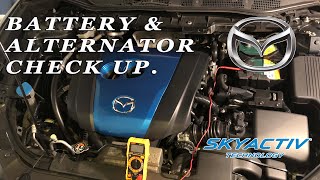
How to confirm: Test the battery with a digital multimeter or a dedicated battery tester. 🎬 Watch: How to check your battery and alternator with a multimeter. Voltage should be above 12.4V at rest. Perform a load test to check its health under cranking.
Typical fix: Recharge or replace the vehicle's 12V battery.
Est. part cost: $150-$300 - Poor Power/Ground Connection to PCM ⚪ Low Probability Corrosion on battery terminals, main engine grounds, or the PCM connector itself can create voltage drops that mimic an internal fault.
How to confirm: Visually inspect all battery terminals, ground straps from the engine to the chassis, and the PCM connectors for corrosion, looseness, or damage. Perform a voltage drop test on the power and ground circuits to the PCM.
Typical fix: Clean, tighten, or repair the corroded or loose connections.
Est. part cost: $0-$50 - Faulty Charging System (Alternator) ⚪ Low Probability An over-charging or under-charging alternator can create voltage spikes or drops that corrupt the PCM's memory.
How to confirm: With the engine running, check the voltage at the battery terminals. It should be stable, typically between 13.5 and 14.8 volts. Note that SKYACTIV systems may have variable voltage output depending on load and battery state.
Typical fix: Replace the faulty alternator.
Est. part cost: $400-$700
Rare But Worth Checking
- Aftermarket engine tuning or performance chips that improperly modify the PCM's software.
- Voltage spike from improper jump-starting procedures.
- A shorted sensor or actuator on a 5V reference circuit that is causing internal PCM stress.
Diagnosis Steps
- Scan the vehicle for any other diagnostic trouble codes. Address any power-related or communication (U-codes) first.
- Check the battery. Ensure it is fully charged (above 12.4V) and passes a load test. Clean any corrosion from the terminals.
- Inspect the charging system. With the engine running, verify the alternator output is stable and within the correct range (typically 13.5V-14.8V).
- Inspect all PCM power and ground connections. Check for clean, tight connections at the battery, main engine/body ground points, and the PCM connector itself.
- Clear the P0604 code using a scan tool.
- Attempt a PCM software update/re-flash. Using Mazda's official diagnostic tool (MDARS), check for and apply any available PCM software updates. Sometimes this can resolve internal logic errors.
- Perform a drive cycle. If the code returns immediately, it strongly suggests an internal PCM fault.
- If the code returns after a re-flash attempt, the PCM is highly suspect. It should be replaced by a qualified technician with the ability to program the new module to the vehicle.
Parts You'll Likely Need
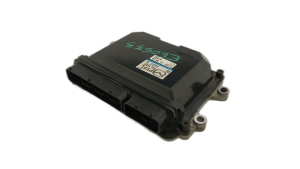
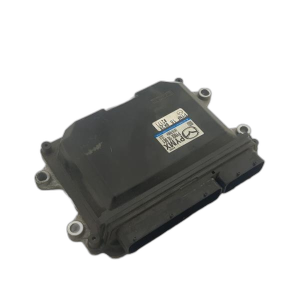
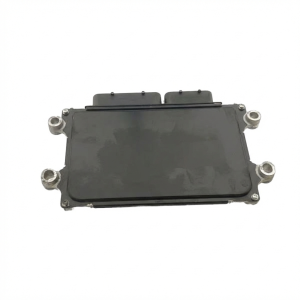
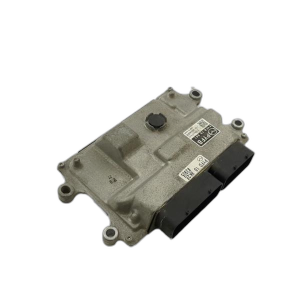
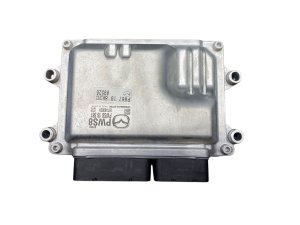
- Powertrain Control Module (PCM)
(OEM #SH09-18-881E)— This is the most common fix for a persistent P0604 code after all external electrical factors have been ruled out. The code indicates an internal hardware fault within this module. Note: Part number is highly VIN-specific. Other variants include SH09-18-881D, SHY1-18-881A, etc. Always verify with a dealer.
Trusted brands: Mazda (OEM)
OEM price range: $757-$1200
Aftermarket price range: $400-$800 (Remanufactured)
Related Codes That Often Appear With This One
- U-series codes (e.g., U0442) indicating communication loss with other modules, which can be a symptom of the PCM failing.
Technical Service Bulletins (TSBs) & Recalls
- SSPB9: A Special Service Program that involved a warranty extension for some models related to the center display, but indicates Mazda's willingness to issue software-related service campaigns.
- 01-013/20 (and subsequent revisions): While for a different issue (coolant leaks), this TSB shows the level of complexity in diagnosing modern Mazda engines and that bulletins are frequently updated.
Platform-Specific Known Issues
- Diesel Data Complexity: The PCM on the SKYACTIV-D stores critical, learned data for the high-pressure fuel system, injector calibration, and DPF regeneration cycles. A RAM error can corrupt this data, leading to more severe drivability issues than on a simpler gasoline engine.
Mechanic-Grade Diagnostic Values
- PCM Power Supply Voltage (Cranking) — expected: > 9.0 V. Failure: Voltage dropping below 9.0V during engine cranking can corrupt RAM and trigger P0604.
- PCM Ground Circuit Resistance — expected: < 0.1 Ω. Failure: Resistance higher than 0.1 Ω indicates a poor ground, which can cause voltage instability at the module.
- Charging System Voltage (Engine Running) — expected: 13.5 V - 14.8 V. Failure: Voltage outside this range, including spikes above 15V, can damage or corrupt the PCM's memory.
Scan Tool Commands That Help
- Mazda MDARS (Mazda Diagnostic and Repair Software): Software Update — This should be attempted before replacing the PCM. A software update or re-flash can sometimes fix internal logic errors that falsely trigger a P0604 code.
- Mazda MDARS / Autel MaxiIM IM608 Pro / FORScan: Parameter Reset (PATS Function) — This is a critical, mandatory step after installing a new or used PCM. It performs the immobilizer 'handshake' between the PCM and other vehicle modules. 🎬 Watch: How to use FORScan to program keys and modules. Failure to perform this step will result in a no-start condition after PCM replacement.
- FORScan: Read/Backup PCM Firmware & As-Built Data — Before removing the old PCM, advanced users can use FORScan to save the current firmware and configuration data. This data can then be written to a replacement module, although the immobilizer 'Parameter Reset' may still require a more advanced tool.
Wiring & Ground Locations
- Powertrain Control Module (PCM) — Located in the engine compartment, mounted to the battery tray. It is protected by a plastic cover.. This is the module setting the code. Its location near the battery makes it susceptible to damage from battery leaks or corrosion on nearby ground points.
- Main Engine/Body Ground Points — Key grounds are located on the engine block, on the transmission housing, and from the negative battery terminal to the driver's side fender/chassis.. A corroded or loose main ground is a common cause of intermittent and low voltage issues that can trigger a false P0604. A voltage drop test should be performed on these connections.
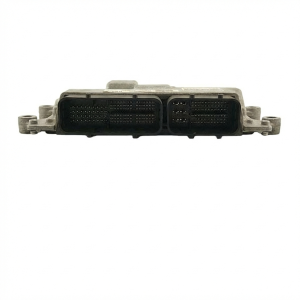
- PCM Connector — Two large multi-pin connectors that attach to the PCM module itself.. The terminals are extremely thin and can be damaged if the connector is not inserted straight. Corrosion or bent pins in these connectors can interrupt power, ground, or data signals, causing a P0604.
Real Owner Repair Stories
- Reddit r/AskMechanics (2013 Mazda CX-5, 100k miles) — Engine sputtering, all dash lights flashing, entered limp mode. Later, jerky acceleration and struggling to maintain speed after PCM replacement.
❌ Tried (didn't work) Replaced gasoline (thought it was bad fuel), Replaced ignition coil #3, Replaced the PCM for $2500
✅ What actually fixed it The story is a cautionary tale; the user reported that even after the dealer replaced the PCM, the drivability problems persisted and the check engine light returned. This highlights that P0604 can be a symptom of another issue, and even a dealer-level PCM replacement is not a guaranteed fix if the root cause was misdiagnosed. - Mazda Forum (2013 Mazda CX-5 (Diesel)) — Dealer diagnosed a failed PCM after performing a repair for injector seals and oil strainer issues. The vehicle was throwing code P062B.
❌ Tried (didn't work) Initial dealer diagnosis of a bad PCM.
✅ What actually fixed it The owner replaced the PCM with a second-hand unit, but the fault code (P062b) persisted. This proved that the PCM was not the original fault. The underlying issue was likely related to the injector circuit, demonstrating a classic case of misdiagnosing the PCM when another component is the true cause.
Diagnostic Flowchart
Other Known Issues on This Vehicle
Issues unrelated to this code that are worth knowing about as an owner of this generation:
- DPF-Related Oil Dilution 🔴 High — Common, especially on vehicles used for frequent short trips, which prevents successful DPF regeneration. Can occur at any mileage. (Ref: Mazda issued software updates and revised dipsticks in some markets to mitigate this.)
- Intake System Carbon Buildup 🟠 Medium — An inherent issue with many direct-injection engines. Becomes problematic after 50,000+ miles, leading to reduced performance and error codes.
- Leaking/Failed Injector Seals 🔴 High — A known weak point that allows combustion gases to contaminate the engine oil, creating excessive carbon and potentially blocking the oil pickup strainer, leading to oil starvation. (Ref: Mazda has had service campaigns for this in some regions.)
- Premature Turbocharger Failure 🔴 High — Often a secondary failure caused by oil starvation or contamination from the oil dilution and injector seal issues. Can occur from 60,000 miles onward.
- Cracked Cylinder Head (2.5T Gas Engine primarily) 🔴 High — While more documented on the 2.5T gasoline engine, it's a notable issue in the CX-5 family. TSB 01-013/21 was issued for coolant leaks around the exhaust manifold. (Ref: TSB 01-013/21)
Used vs. New Parts: Buying Guide for This Vehicle
When a used part is the smart pick: A used PCM is a financially tempting option but is extremely high-risk for this vehicle. It only makes sense if you have access to advanced diagnostic tools (like Mazda MDARS or a high-end Autel) and are prepared for a complex programming procedure. It is not a plug-and-play solution.
Donor-vehicle mileage cap: roughly under 80000 miles for the part to have meaningful remaining life.
What to inspect on the donor part:
- Verify the part number EXACTLY matches the original unit. Even a single digit difference can mean incompatibility.
- Source the part from a vehicle with a known history, preferably one that was not involved in a frontal collision or flood.
- Ensure the donor vehicle had the same engine, transmission, and drivetrain (AWD vs FWD) as yours.
- Visually inspect the connectors for any signs of corrosion, bent pins, or heat damage.
OEM-only on this vehicle (don't cheap out):
- Powertrain Control Module (PCM)
Aftermarket brands forum-validated for this vehicle:
- For this specific part, only Mazda (OEM) or a professionally remanufactured unit from a highly reputable rebuilder (like Flagship One or Cardone, if available) should be considered. Standard aftermarket options are not available.
Brands owners have reported issues with on this vehicle:
- Avoid generic, unbranded eBay or Amazon sellers offering 'unlocked' or 'plug-and-play' PCMs. These often do not work due to the vehicle's immobilizer system.
Real Owner Stories
Aggregated from forums and TSBs cited above. Mileages and costs reflect what owners reported in those sources.
2013 Mazda CX-5 2.2D
Symptoms: The owner was told by a dealer that they needed a PCM replacement due to fault codes, following issues with injectors.
What fixed it: The issue was actually a faulty injector; replacing the PCM (even with a used unit) did not resolve the underlying fault code.
Cost: $4000-$4000
Source hint: Mazdas247 - '2013 CX-5 2.2D PCM Replacement options due to Faulty Injectors'
Mazda CX-5 (SKYACTIV-G/D platform)
Symptoms: Vehicle experienced limp mode, stalling, and drivability issues like jerking and struggling.
What fixed it: The dealer replaced the PCM after an ignition coil replacement failed to fix the issue, though the owner reported persistent drivability problems afterward.
Cost: $2500-$2500
Source hint: Reddit r/AskMechanics - 'Mazda CX-5 PCM issues?'
Mazda CX-5
Symptoms: Owner attempted to replace the PCM with a used unit but was blocked by the immobilizer system.
What fixed it: The repair required Mazda's IDS/MDARS tools to perform the immobilizer 'handshake' which DIY tools could not complete.
Source hint: Mazda Forum - 'CX-5 new used PCM'
Related OBD-II Codes
Frequently Asked Questions
Can I use a used PCM from a donor Mazda CX-5 to fix the P0604 code?
Is it possible that my P0604 code is actually caused by a fuel injector issue?
Does Mazda have any service programs related to software updates for the CX-5?
Could a weak battery trigger a P0604 internal memory error on my SKYACTIV-D?
Why is the P0604 code more concerning on the diesel CX-5 than the gas version?
Helpful Videos
We Have This Part in Stock

The information in this article is provided for general reference and educational purposes only. Vehicle specifications, procedures, and part compatibility can vary by production date, trim level, and region. Always consult your vehicle's factory service manual and verify part numbers before purchasing or performing repairs. Safety-critical components such as airbags, seat belts, and braking systems should be installed by a qualified professional.
- Mazda CX-5:
- 🧭 Diagnostic Flowchart
- 🎬 Helpful Videos
- 🛍️ Shop This Part
- What's Unique About the 2017-2024 Mazda CX-5
- Symptoms You May Notice
- Most Likely Causes
- Rare But Worth Checking
- Diagnosis Steps
- Parts You'll Likely Need
- Related Codes That Often Appear With This One
- Technical Service Bulletins (TSBs) & Recalls
- Platform-Specific Known Issues
- Mechanic-Grade Diagnostic Values
- Scan Tool Commands That Help
- Wiring & Ground Locations
- Real Owner Repair Stories
- Other Known Issues on This Vehicle
- Used vs. New Parts: Buying Guide for This Vehicle
- Real Owner Stories
- 2013 Mazda CX-5 2.2D
- Mazda CX-5 (SKYACTIV-G/D platform)
- Mazda CX-5
- Related OBD-II Codes
- Frequently Asked Questions
- 🎟️ Get 5% Off