

P0604 on 2003-2007 Saturn Ion: PCM RAM Error Causes and Fixes
On a 2003-2007 Saturn Ion, P0604 is almost always caused by an electrical issue like a weak battery or a faulty ignition switch, not a bad Powertrain Control Module (PCM). Before replacing any parts, load test the battery and check if the ignition switch recall (14V171000) was performed. A voltage drop during cranking is the most common trigger.
- P0604 on a Saturn Ion is most likely an electrical problem, not a computer failure.
- Before any repair, have the battery professionally load-tested.
- Check if GM recall 14V171000 for the ignition switch has been performed on your vehicle. This is a very common cause.
- Do not replace the PCM unless a professional has ruled out all other electrical possibilities.
- Driving with this code is a safety risk due to the potential for sudden stalling.
What's Unique About the 2003-2007 Saturn Ion
The Saturn Ion and its GM Delta platform-mates (Chevrolet Cobalt, Pontiac G5) are notoriously sensitive to electrical system instability. This code is very frequently a 'ghost' code triggered by a weak battery, loose connections, or a faulty ignition switch rather than an actual PCM failure. The entire 2003-2007 model range was subject to a major ignition switch recall that could cause sudden power loss to the PCM, which is a direct trigger for a RAM error code like P0604. Owners should always suspect a simple electrical issue before condemning the expensive computer, as a momentary voltage drop below 9.6V during cranking is a well-documented cause.
Symptoms You May Notice
- Check Engine Light is on
- Engine may stall intermittently or refuse to start
- Harsh or erratic automatic transmission shifting
- Reduced engine power or poor acceleration
- Power steering warning light may illuminate due to lost communication or related power issues
- ABS or Traction Control lights may activate
- Vehicle may enter 'limp mode', limiting speed
- No communication with the ECM/PCM via a scan tool
- Fuel pump does not prime for two seconds when the key is turned to 'ON'
- Replacing the Powertrain Control Module (PCM) without first verifying the battery, charging system, and ignition switch are in perfect working order. Many PCMs are replaced unnecessarily due to this code.
- Ignoring a weak battery because the car still starts. The voltage drop during cranking is enough to trigger the code even if the engine turns over.
Most Likely Causes
- Faulty Ignition Switch or Electrical System Instability 🔴 High Probability → Shop Ignition Switch This platform was subject to GM Safety Recall 14V171000 (GM recall number 14063) for a faulty ignition switch that could move out of the 'Run' position with minimal force (e.g., a heavy keychain or bumpy road), cutting power to the PCM and triggering a RAM error. The issue was known to GM as early as 2001 during pre-production testing of the Ion.
How to confirm: Check your vehicle's VIN with a GM dealer or on the NHTSA website to see if the recall was performed. Inspect for any looseness in the ignition switch. A professional should check for voltage drops from the switch. The recall service included replacing the ignition switch, lock cylinder, and providing two new keys.
Typical fix: If the recall has not been performed, have a GM dealer replace the ignition switch and cylinder. If it has, the switch could still be faulty and require replacement. The cost of the original defective part was estimated to be just 57 cents.
Est. part cost: $0 (if recall applies) - $150 - Weak or Failing Battery 🔴 High Probability → Shop Vehicle Battery The electrical systems on these vehicles are sensitive to low voltage. A momentary voltage drop below 9.6V during engine cranking is a very common trigger for a false P0604 code. This is especially common after the vehicle has been sitting for a while.
How to confirm: Do not rely on a simple voltage check. The battery must be professionally load-tested to confirm its health under load. A healthy battery should read ~12.6V at rest and not drop below 9.6V during cranking.
Typical fix: Replace the vehicle battery and ensure terminal connections are clean and tight. Clear codes after replacement.
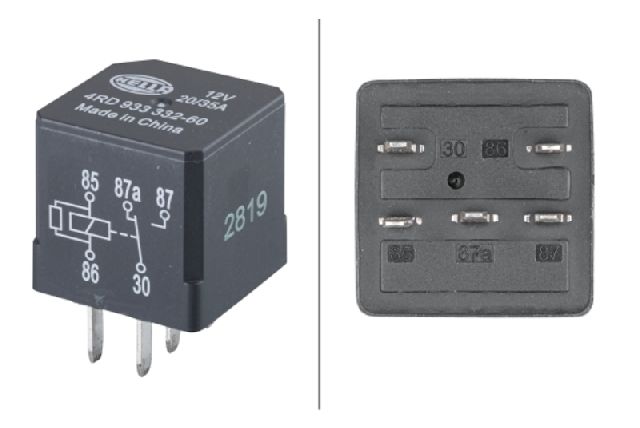
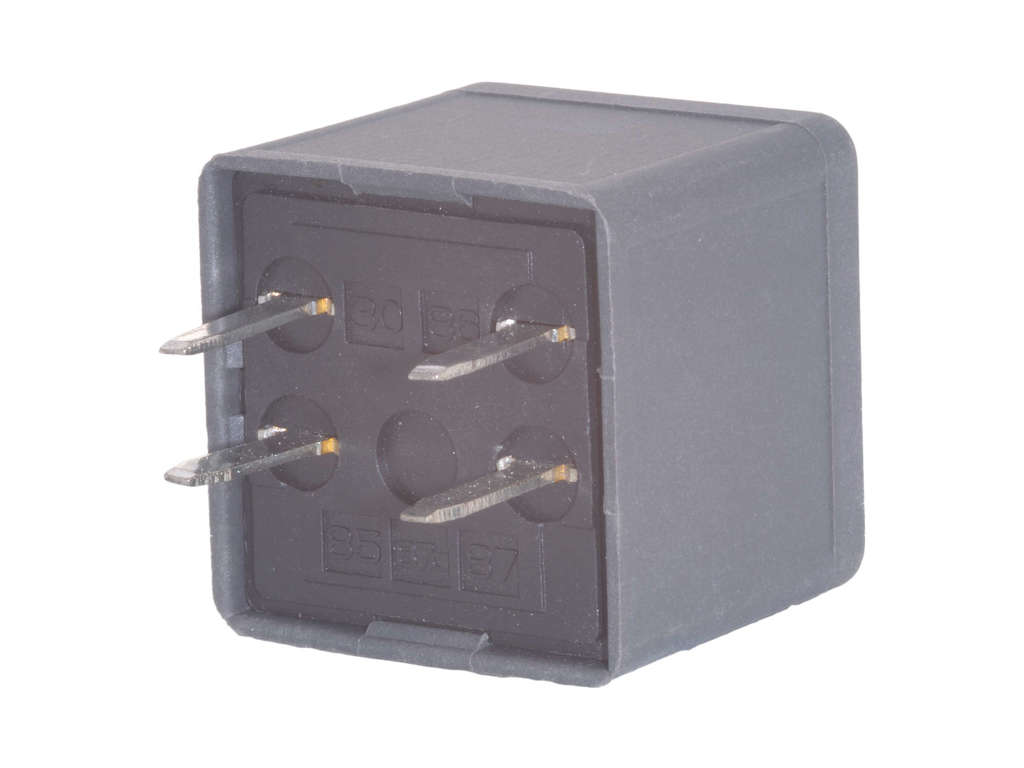
Est. part cost: $100-$250 - Loose or Corroded Fuse Box or Ground Connections 🟡 Medium Probability Vibrations and age can lead to poor connections at the underhood fuse box or at main chassis ground points, causing intermittent power to the PCM. This power interruption mimics the ignition switch fault.
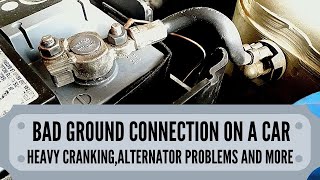
How to confirm: Visually inspect the main ground straps from the battery and engine to the chassis for corrosion or looseness. Check that the underhood fuse box is secure and inspect PCM-related fuses and relays for signs of corrosion or poor contact. Ground resistance should be below 0.1 Ω.
Typical fix: Clean ground connection points to bare metal and tighten securely. Reseat fuses/relays or clean terminals as needed.
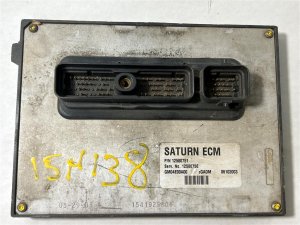
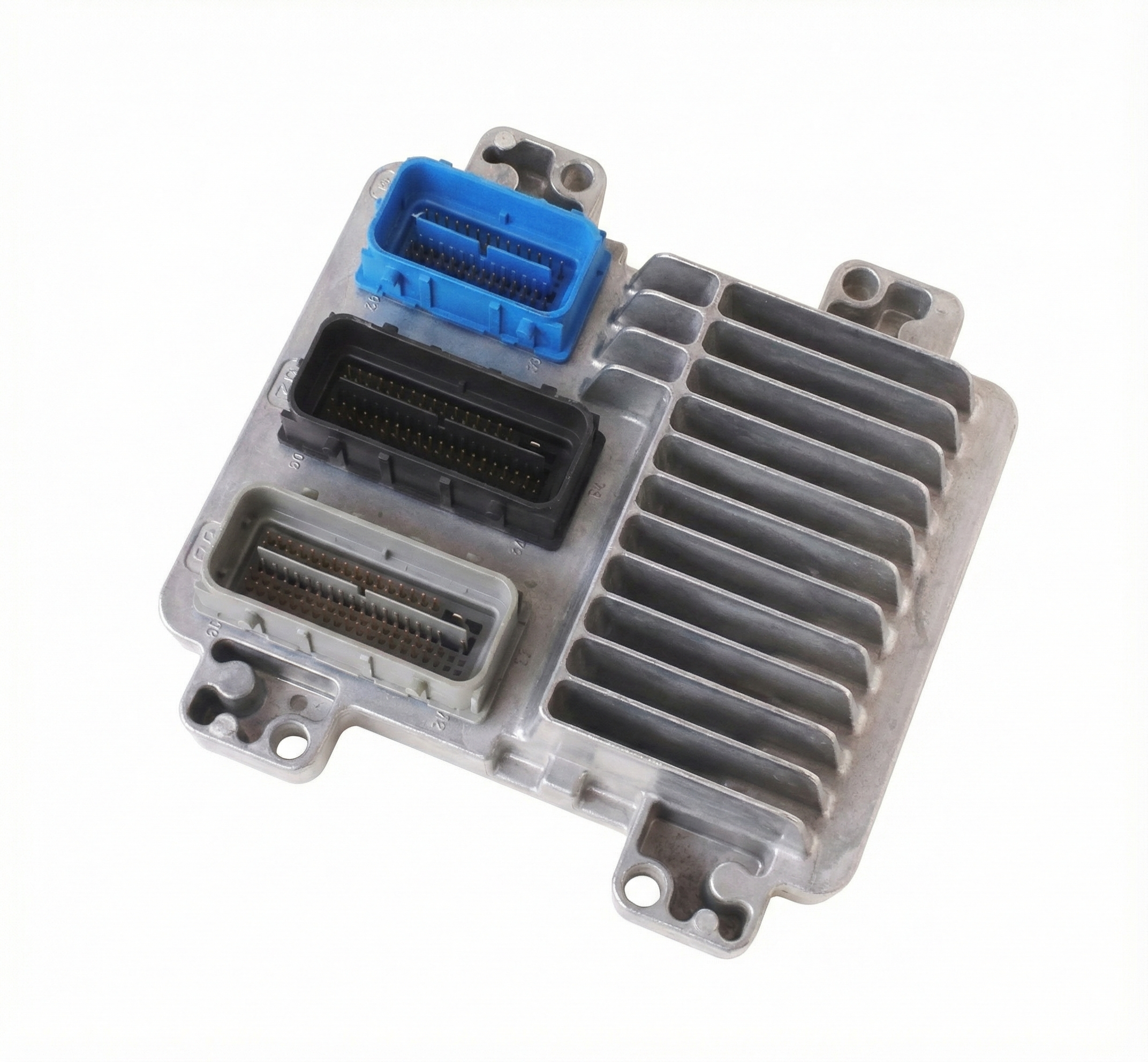
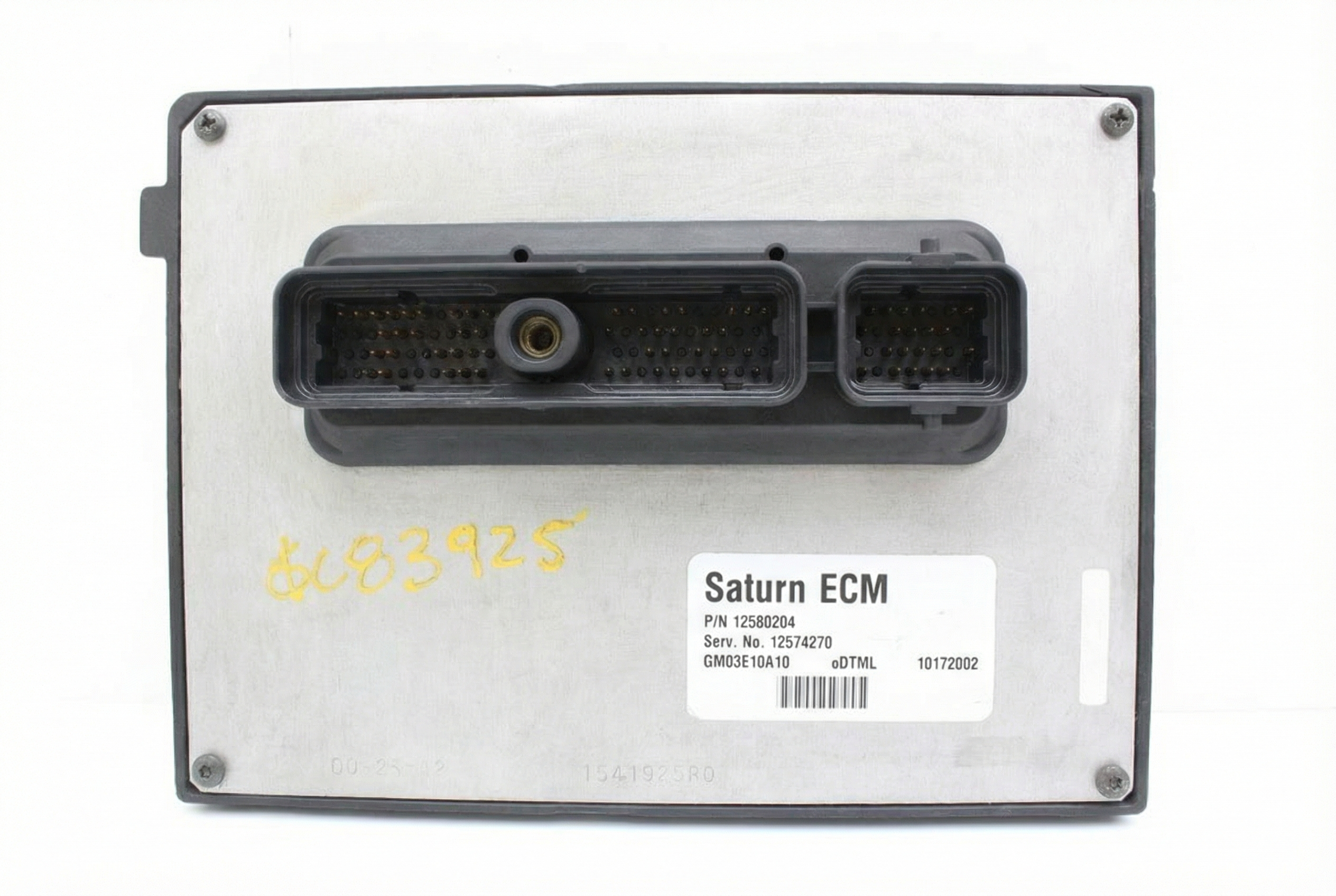
Est. part cost: $0-$20 - Faulty Powertrain Control Module (PCM) ⚪ Low Probability → Shop Engine Control Module (ECM) While possible, an actual internal hardware failure of the PCM is much less common than the electrical issues listed above. Condemning the PCM should be the final step after all power and ground issues are ruled out.
How to confirm: This should be the last resort after all other possibilities (battery, charging system, ignition switch, wiring, grounds) have been professionally verified as good. If the code returns immediately with the key in the 'On' position (without starting), it points more strongly to a hard PCM fault.
Typical fix: Replace the PCM. The new module must be programmed to the vehicle's VIN with specialized tools like GM's Service Programming System (SPS).
Est. part cost: $150-$400
Diagnosis Steps
- Verify the battery's state of health with a professional load tester. Ensure it is fully charged, terminals are clean and tight, and voltage stays above 9.6V during cranking.
- Check the charging system to ensure the alternator is providing stable voltage (typically 13.5-14.5V when running).
- Using a VIN lookup tool or by contacting a dealer, confirm if GM Safety Recall 14V171000 for the ignition switch has been performed. If not, this is the most likely cause.
- Inspect all power and ground connections to the PCM and the underhood fuse block. Check for corrosion, damage, or looseness. Pay special attention to grounds G101, G103, G105, and G107. Ensure ground resistance is minimal.
- If available, use a scan tool to check for other codes, especially P1682, which would point directly to an ignition circuit fault.
- Clear the codes. Turn the key to 'ON' without starting. If P0604 returns immediately, a hard PCM fault is more likely. If it only returns after cranking the engine, it points back to a voltage supply issue.
- If all the above steps check out, the problem may be an internal PCM fault. This should be confirmed by a professional technician before replacement.
- If the PCM is replaced, it will require programming to the vehicle's VIN and may require additional procedures like a crankshaft position variation learn and idle learn reset.
Parts You'll Likely Need
- Vehicle Battery — The platform's sensitivity to low voltage makes a weak battery the most common trigger for a false P0604 code.
Trusted brands: ACDelco, DieHard, Interstate
OEM price range: $175-$250
Aftermarket price range: $100-$200 - Ignition Switch
(OEM #13373532 (Supersedes original part))— A known defect and subject of a major recall, a faulty ignition switch can cut power to the PCM, directly causing a P0604 code.
Trusted brands: ACDelco (GM Genuine), Standard Motor Products
OEM price range: $50-$90
Aftermarket price range: $30-$60 - Powertrain Control Module (PCM)
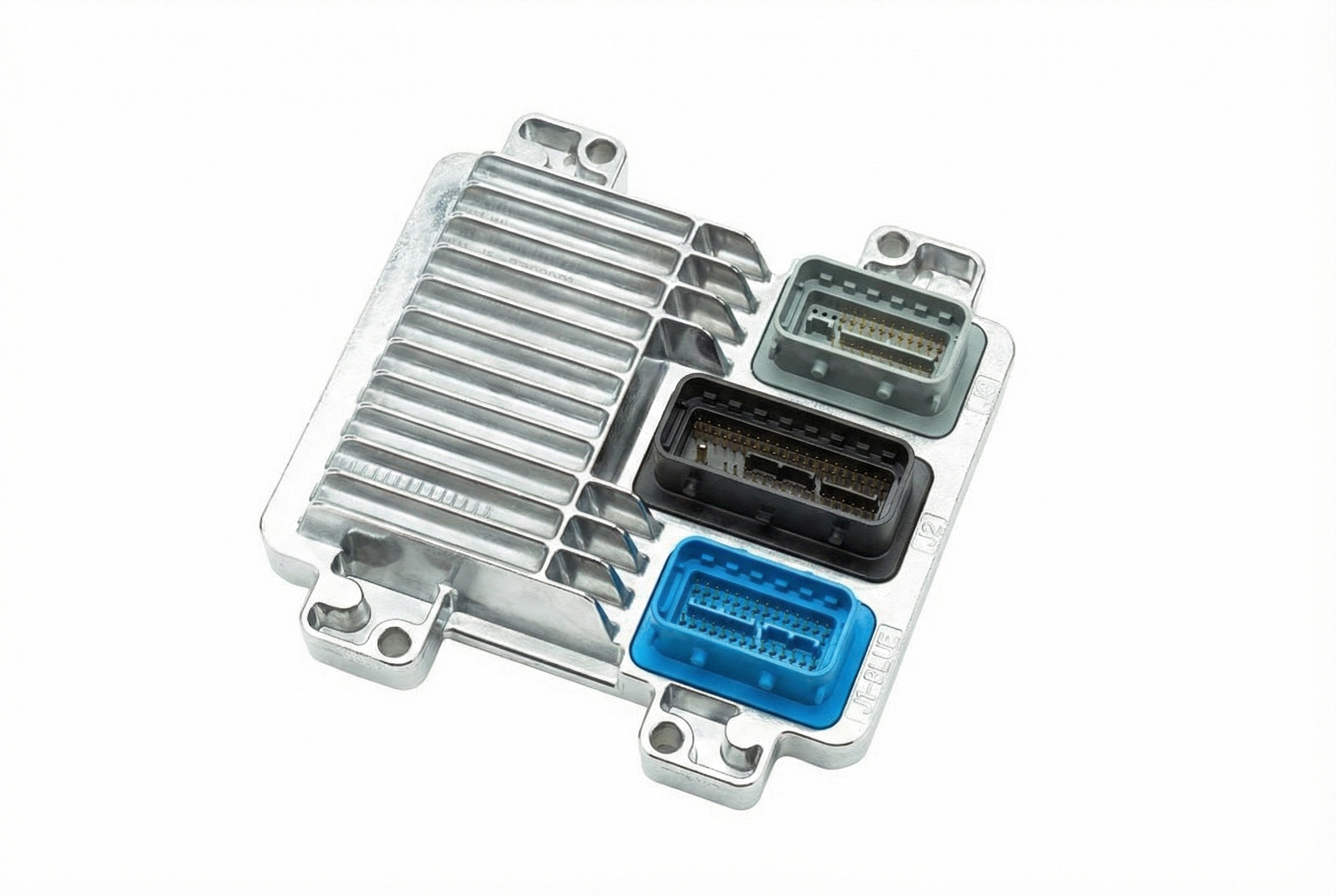
(OEM #12597125)— This is the part that logs the code. It is only replaced after all other electrical causes have been definitively ruled out.
Trusted brands: ACDelco (GM Genuine)
OEM price range: $250-$400
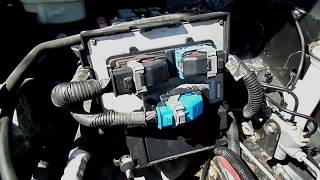
Aftermarket price range: $150-$300 (Remanufactured) 🎬 Watch: How to remove the Saturn Ion PCM
Related Codes That Often Appear With This One
- P1682 — This GM-specific code for 'Ignition Switch Circuit 2 Malfunction' strongly indicates the ignition switch or a related relay is the root cause of the power interruption that triggered P0604.
- U0100 — This code means 'Lost Communication With ECM/PCM'. It can appear with P0604 if the power supply issue is severe enough to cause the module to drop off the vehicle's communication network.
- P0700 — This is a general transmission fault request. If the PCM is malfunctioning, it may not be able to properly control the transmission, causing the TCM to request the check engine light via a P0700.
Technical Service Bulletins (TSBs) & Recalls
- 05-06-04-060A: An informational bulletin grouping P0604 with other related internal control module memory/processor codes (P0601, P0602, P0603, etc.), instructing technicians to use standard diagnostic procedures before replacing a module. This bulletin notes that these codes, including P0606 and P1621, can be shared across multiple modules.
- Bulletin #PIP4653E: While specifically referencing the Saturn Aura, this bulletin provides cross-manufacturer context that P0604, along with P0601, P0603, P062F, or P1621, may be stored in the Transmission Control Module, causing the Malfunction Indicator Lamp to illuminate.
Platform-Specific Known Issues
- GM Safety Recall 14V171000 (NHTSA Campaign ID): Affects all 2003-2007 Saturn Ions. The ignition switch may move out of the 'run' position, causing a loss of engine power, power steering, and disabling the airbags in a crash. This power loss is a direct cause of code P0604.
- GM Special Coverage Adjustment 14115B: Related to the loss of Electric Power Steering (EPS) assist. While a separate issue from the ignition switch, the power fluctuations in the vehicle's electrical system can be related. Dealers were instructed to replace the power steering motor.
Mechanic-Grade Diagnostic Values
- Battery Voltage (Key ON, Engine OFF) — expected: 12.4V - 12.8V. Failure: Below 12.4V indicates a discharged or failing battery.
- Battery Voltage (During Cranking) — expected: Should not drop below 9.6V.. Failure: A drop below 9.6V indicates a weak battery unable to sustain voltage under load, a primary trigger for a false P0604.
- Alternator Output (Engine Running) — expected: 13.5V - 14.5V. Failure: Voltage below 13.5V or above 14.5V indicates a faulty alternator or voltage regulator, which can cause electrical instability.
- PCM Ground Circuit Voltage Drop — expected: < 0.1V (100mV). Failure: Voltage significantly higher than 0.1V indicates high resistance in the ground circuit, which can starve the PCM of a stable ground reference.
Scan Tool Commands That Help
- GM Tech 2 / GDS2: Idle Learn Reset — After replacing and reprogramming a PCM, this function must be used to relearn the engine's base idle characteristics.
- GM Tech 2 / GDS2: Crankshaft Position Variation Learn — Required after PCM replacement to calibrate the PCM to the specific tolerances of the crankshaft position sensor, preventing misfire codes.
- GM Tech 2 / GDS2: Theft Deterrent Relearn — Mandatory after PCM replacement to synchronize the new PCM with the vehicle's immobilizer system (BCM and key); otherwise, the vehicle will not start.
Wiring & Ground Locations
- G101 — Behind the left front headlamp assembly.. This is a primary ground point for the Engine Control Module (ECM/PCM) on some configurations. Corrosion or looseness here can directly cause power interruptions to the module.
- G103 / G105 / G107 — G103 is at the lower left front of the engine compartment; G105 is on the lower left rear of the engine, near the starter; G107 is on the left rear corner of the cylinder head (2.4L).. These are major engine block and chassis grounds. A poor connection at any of these points can cause voltage instability for the entire engine management system, triggering a P0604.
- G201 / G203 — Located behind the lower left side of the dashboard, to the left of the steering column.. These are primary interior grounds for the Body Control Module (BCM) and Instrument Panel Cluster (IPC). A fault here can cause communication issues on the data bus, which can sometimes manifest with PCM codes.
- Underhood Fuse Block — Located at the left rear side of the engine compartment.. This block is the power distribution hub for the PCM. Corrosion on the terminals underneath the block (not just the fuses themselves) is a known issue that can cause intermittent power loss to the PCM.
- PCM Connectors (C1/C2) — The PCM is located on the driver's side of the engine bay, underneath the upper radiator hose.. The main power and ground pins for the PCM are in these two large connectors. Verifying voltage and ground directly at these pins (e.g., C1 Pin 40, BLK/WHT for ground) is the definitive way to confirm the PCM is receiving stable power.
Real Owner Repair Stories
- YouTube video on a 2007 Chevy Cobalt SS (sister platform) (2007 Chevrolet Cobalt SS) — Car would not start, scan tool showed an error and could not communicate with the ECM. Power steering and TCM warning lights were on. Engine would barely rev.
❌ Tried (didn't work) Checking all fuses in the underhood fuse box.
✅ What actually fixed it The problem was a poor connection at the ECM/TCM fuse (25A) in the interior fuse panel (BCM). The fuse terminal was loose, causing intermittent power loss. A temporary fix of wedging the fuse tight resolved all symptoms, indicating the fuse box itself needed repair or replacement.
OEM Part Supersession History
12597125→12611549, 12618031, 12629019, 12630186, 12635901, 12639669, among others.— Standard GM practice of updating hardware and software to address bugs and improve reliability over the life of the platform.
Heads up: While many part numbers are interchangeable for the 2007 Ion, earlier models (2003-2006) may use different PCM hardware. It is critical to match the service number or use a VIN-programmed module to ensure compatibility.
Model Year Variations Within This Range
- 2003-2004: These early models had a different interior design, a troublesome optional CVT automatic transmission (VTi), and different steering calibration. The core electrical architecture causing P0604 is similar, but interior components like the BCM and fuse panel may have minor differences.
- 2005-2006: A significant refresh occurred in 2005, with a new steering wheel, improved interior materials, a larger front grille, and the replacement of the CVT and 5-speed auto with a more reliable 4-speed 4T45-E automatic. Sound insulation was also improved.
- 2007: The final model year saw minor power increases for both the 2.2L (to 145 hp) and 2.4L (to 175 hp) engines. The 2.2L engine was updated to use the same ECU hardware as the 2.4L model.
Diagnostic Flowchart
Other Known Issues on This Vehicle
Issues unrelated to this code that are worth knowing about as an owner of this generation:
- Electric Power Steering (EPS) Failure 🔴 High — Very common across 2004-2007 models, leading to tens of thousands of warranty claims. Can occur intermittently at any time while driving. (Ref: GM Safety Recall 14115 / NHTSA 14V153000. Also subject of a warranty extension.)
- VTi Continuously Variable Transmission (CVT) Failure 🔴 High → Shop Transmission Assembly — Primarily affects 2003-2004 models equipped with the VTi transmission. Failures of the steel belt were common, often occurring around 100,000 miles. (Ref: Subject of a class-action lawsuit and a warranty extension to 5 years/75,000 miles. GM discontinued the VTi in 2005.)
- 2.2L Ecotec Timing Chain Failure 🔴 High — The timing chain, guides, and tensioner can wear prematurely. Failure can happen suddenly, often after 100,000 miles, causing catastrophic engine damage as it is an interference engine.
- Front Turn Signal Burnout/Socket Failure 🟡 Low — Common issue where the front turn signal/daytime running light bulb socket loses contact, causing the bulb to stop working. (Ref: NHTSA Recall 04V251000)
- Retained Power to Windows/Sunroof After Key Off 🟠 Medium — Affects 2003 and some 2004 models. Power windows/sunroof could remain active after the key was off, posing a safety risk. (Ref: NHTSA Recall 03V478000. Required a Body Control Module (BCM) calibration update.)
Used vs. New Parts: Buying Guide for This Vehicle
When a used part is the smart pick: A used underhood fuse box or Body Control Module (BCM) from a junkyard can be a cost-effective fix, especially if corrosion is the diagnosed problem. These parts are generally robust unless physically damaged or corroded.
Donor-vehicle mileage cap: roughly under 120000 miles for the part to have meaningful remaining life.
What to inspect on the donor part:
- For a fuse box, inspect the underside for any signs of green or white corrosion on the connector pins.
- For a BCM, ensure the part number matches exactly.
- Check the donor vehicle for signs of flood damage or fire.
- Select parts from vehicles that appear to have been well-maintained and are from a similar climate (avoid parts from heavy salt-belt regions if possible).
OEM-only on this vehicle (don't cheap out):
- Ignition Switch: Given the history of the GM recall and the low cost of a new OEM part, using a used switch is not recommended as it may have the same defect.
- Powertrain Control Module (PCM): While a used PCM can be purchased, it is useless without being reprogrammed to the recipient vehicle's VIN. It is far more practical to buy a remanufactured, pre-programmed unit from a reputable vendor that comes with a warranty.
Aftermarket brands forum-validated for this vehicle:
- ACDelco (GM Genuine) for all electronic modules and switches.
- Standard Motor Products (SMP) for ignition switches.
Brands owners have reported issues with on this vehicle:
- No-name, unbranded electronic modules from online marketplaces. These often have high failure rates and no warranty support.
Real Owner Stories
Aggregated from forums and TSBs cited above. Mileages and costs reflect what owners reported in those sources.
2003-2004 Saturn Ion with VTi Transmission — ~100000 miles
Symptoms: Failures of the steel belt in the transmission; vehicle may also exhibit P0604 symptoms if electrical instability is present.
What fixed it: GM discontinued the VTi in 2005; however, for P0604 specifically, the context suggests checking the ignition switch recall status.
Source hint: VTi Continuously Variable Transmission (CVT) Failure section
2003-2007 Saturn Ion
Symptoms: The ignition switch could move out of the 'Run' position with minimal force, such as a heavy keychain or hitting a bump, leading to a loss of engine power and potential P0604 codes.
What fixed it: GM dealer replacement of the ignition switch, lock cylinder, and providing two new keys under recall.
Cost: $0-$0
Source hint: GM Safety Recall 14V171000 (NHTSA Campaign ID)
Related OBD-II Codes
Frequently Asked Questions
Is there a recall for the 2003-2007 Saturn Ion that could cause the P0604 code?
My Ion has a P0604 and the power steering light is on. Are these related?
Can a weak battery really cause a P0604 internal memory code on my Saturn?
What does TSB 05-06-04-060A say about my P0604 code?
If I need to replace the PCM on my 2005 Ion, can I just plug in a used one?
Are there specific ground points I should check on my Ion for this code?
Helpful Videos
Used OEM Parts in Stock
New Aftermarket Parts Available


The information in this article is provided for general reference and educational purposes only. Vehicle specifications, procedures, and part compatibility can vary by production date, trim level, and region. Always consult your vehicle's factory service manual and verify part numbers before purchasing or performing repairs. Safety-critical components such as airbags, seat belts, and braking systems should be installed by a qualified professional.
- Saturn Ion:
- 🧭 Diagnostic Flowchart
- 🎬 Helpful Videos
- 🛍️ Shop This Part
- What's Unique About the 2003-2007 Saturn Ion
- Symptoms You May Notice
- Most Likely Causes
- Diagnosis Steps
- Parts You'll Likely Need
- Related Codes That Often Appear With This One
- Technical Service Bulletins (TSBs) & Recalls
- Platform-Specific Known Issues
- Mechanic-Grade Diagnostic Values
- Scan Tool Commands That Help
- Wiring & Ground Locations
- Real Owner Repair Stories
- OEM Part Supersession History
- Model Year Variations Within This Range
- Other Known Issues on This Vehicle
- Used vs. New Parts: Buying Guide for This Vehicle
- Real Owner Stories
- 2003-2004 Saturn Ion with VTi Transmission — ~100000 miles
- 2003-2007 Saturn Ion
- Related OBD-II Codes
- Frequently Asked Questions
- 🎟️ Get 5% Off