

P0604 on 2011-2016 Scion tC: Internal RAM Error Explained and How to Fix It
On a 2011-2016 Scion tC, code P0604 almost always points to a weak battery or failing alternator, not a bad Engine Control Module (ECM). Before suspecting the expensive computer, test the battery and charging system, as this is the most likely fix.
- P0604 is a computer memory error code that is most often caused by a problem outside the computer.
- Before considering an expensive ECM replacement, you MUST test the battery and alternator. This is the fix in the vast majority of cases.
- Ensure battery terminals and chassis/engine grounds are clean and tight, as poor connections can cause the same voltage issues and are a noted weak point on this car.
- Do not drive the vehicle. The risk of stalling in traffic is high and poses a serious safety hazard.
What's Unique About the 2011-2016 Scion tC
There are no widespread, documented flaws with the ECM on the 2011-2016 Scion tC that cause P0604. Instead, this code is almost always a secondary symptom of a more common issue: an unstable power supply. Like many Toyota and Scion vehicles, the tC's ECM is sensitive to low voltage, and a weak battery or a failing alternator is the most frequent trigger for this specific memory error code. Forum discussions among owners strongly corroborate that charging system health is the first and most important area to investigate.
Symptoms You May Notice
- Check Engine Light is on
- Engine is hard to start or will not crank (often with a clicking sound)
- Engine stalls intermittently, sometimes shortly after starting or when coming to a stop
- Rough idling or hesitation
- Loss of power while driving
- ABS or Traction Control lights may also illuminate
- Dimming or flickering headlights and interior lights
- Replacing the ECM before thoroughly testing the battery, alternator, and all power/ground connections. An unstable power supply is the cause of P0604 in the vast majority of cases, and replacing the computer will not fix it.
Most Likely Causes
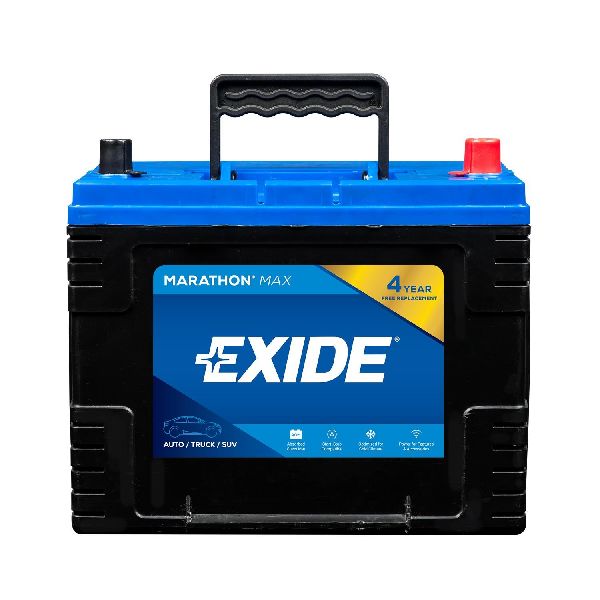
- Weak or Failing Battery 🔴 High Probability → Shop Vehicle Battery The ECM requires stable voltage. A voltage drop below 9.5V during startup is a known trigger for RAM errors. Aging batteries are a common wear item, and the Scion tC is sensitive to the resulting voltage instability.
How to confirm: Take the battery to an auto parts store for a free load test. A simple voltage check with a multimeter is not enough, as a battery can show 12.6V at rest but fail under load. The test must confirm its cold cranking amps (CCA) capability.
Typical fix: Replace the battery if it fails the load test.
Est. part cost: $150-$250 - Failing Alternator 🔴 High Probability → Shop Alternator A faulty alternator can provide inconsistent voltage (too low or too high) or fail to charge the battery, leading to the low-voltage conditions that trigger P0604. This is a common point of failure on many vehicles as they age.
How to confirm: With the engine running, use a multimeter to test the voltage at the battery terminals. A healthy alternator should produce a stable voltage between 13.5 and 14.8 volts. Watch for flickering lights or a whining noise from the alternator, which are common signs of failure.
Typical fix: Replace the alternator. It is often recommended to replace the serpentine belt at the same time.
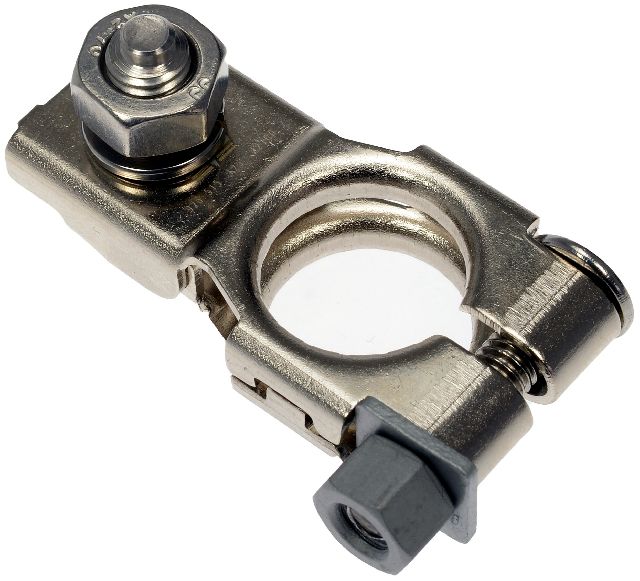
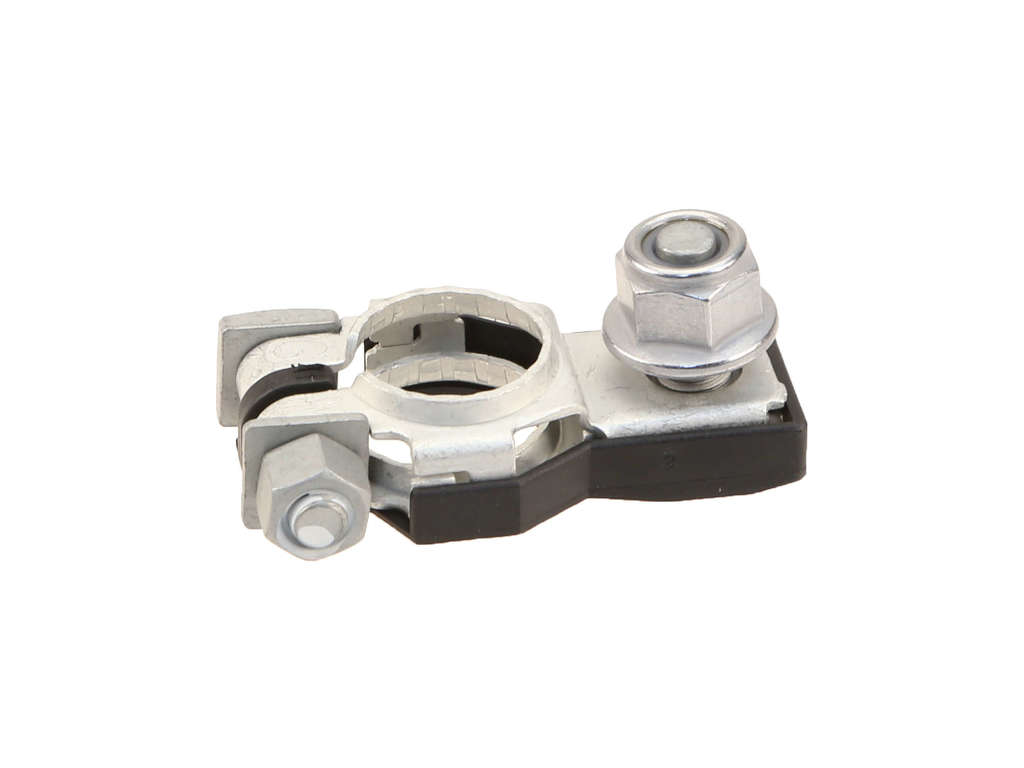
Est. part cost: $200-$450 - Corroded or Loose Battery Terminals/Grounds 🟡 Medium Probability → Shop Vehicle Battery Corrosion on battery posts or a loose main engine/chassis ground strap creates high resistance, which can mimic a weak battery or alternator and cause significant voltage drops to the ECM.
How to confirm: Visually inspect the battery terminals for fuzzy green or white buildup. Clean them thoroughly with a wire brush and terminal cleaner. Follow the main negative cable from the battery to where it bolts to the chassis and engine block; ensure the connections are clean, free of paint, and tight.
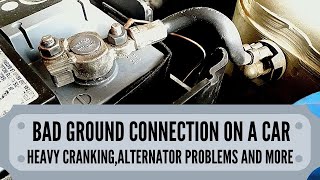
Typical fix: Clean the battery terminals and all major ground connection points. Replace terminals or ground straps if they are severely corroded or damaged. 🎬 Watch: How to diagnose and fix bad ground connections.
Est. part cost: $5-$30 - Faulty Engine Control Module (ECM) ⚪ Low Probability → Shop Engine Control Module (ECM) This is not a common failure point for this vehicle. The ECM should only be suspected after all power supply issues (battery, alternator, wiring, grounds) have been definitively ruled out.
How to confirm: This is a diagnosis of exclusion. If the battery, alternator, and all related wiring are confirmed to be in perfect condition (stable voltage, low ground resistance) and the code immediately returns after clearing, the ECM itself may be the issue. This requires professional diagnosis, often with a bench test.
Typical fix: Replace the ECM. This requires programming the new unit to the vehicle's VIN and immobilizer system.
Est. part cost: $800-$1200
Rare But Worth Checking
- Software Corruption / Glitch:
Diagnosis Steps
- Scan for any other trouble codes. Address other codes first, especially those related to the charging system or module communication.
- Clear the code and see if it returns. A temporary voltage glitch from a jump-start can sometimes set this code, and it may not reappear.
- Perform a full charging system test. Start by fully charging the battery and having it professionally load-tested. A cranking voltage test should show that voltage does not drop below 9.5V.
- With the engine running, test the alternator's output voltage. It should be stable and within the 13.5-14.8V range. Also, check for AC ripple voltage, which should not exceed 0.5V AC; higher values indicate failing diodes in the alternator.
- Thoroughly inspect and clean the battery terminals, posts, and main chassis/engine ground connections. Use a multimeter to check for voltage drop between the negative battery post and the engine block/chassis; it should be less than 0.2V. Resistance should be below 0.1 Ω.
- Check all fuses related to the ECM/PCM in both the engine bay and interior fuse panels to ensure they are not blown.
- If all power and ground tests pass and the code persists immediately after clearing, the issue may be an internal ECM fault. At this point, consulting a professional for advanced diagnostics or considering an ECM replacement is the next step.
Parts You'll Likely Need
- Battery
(OEM #28800-54020)— An aging or weak battery is the most common cause of the voltage instability that triggers a P0604 code.
Trusted brands: Toyota TrueStart, Deka, Interstate, Odyssey
OEM price range: $180-$250
Aftermarket price range: $150-$220 - Alternator
(OEM #27060-36011)— A failing alternator provides unstable voltage, which can corrupt the ECM's RAM and is the second most likely cause of this code.
Trusted brands: Denso (OEM supplier), Bosch, Carquest Premium
OEM price range: $380-$570
Aftermarket price range: $200-$400
Related Codes That Often Appear With This One
- P0603 — This code relates to a Keep Alive Memory (KAM) error, which is also stored in the ECM. It is often triggered by battery disconnections or power supply issues, similar to P0604.
- U0100 — This code indicates a loss of communication with the ECM. Severe voltage issues that trigger P0604 can also cause the ECM to drop off the vehicle's communication network.
- P0606 — This code indicates a more general ECM/PCM Processor Fault. Toyota technical documents often group P0604, P0606, and P0607 together as internal ECM errors that are diagnosed via the same self-check process.
Platform-Specific Known Issues
- Potential for Poor
Mechanic-Grade Diagnostic Values
- Alternator AC Ripple Voltage — expected: Less than 0.5V AC. Failure: A reading above 0.5V AC indicates failing diodes within the alternator, which can cause electrical noise and trigger ECU errors even if DC voltage appears normal.
- Ground Circuit Voltage Drop — expected: Less than 0.2V. Failure: A reading higher than 0.2V between the negative battery post and the engine block or chassis indicates high resistance in the ground circuit, which can starve the ECM of stable voltage.
- Charging System Voltage (Engine Running) — expected: 13.5V - 14.8V DC. Failure: Voltage consistently below 13.2V or above 15.0V points to a faulty alternator or voltage regulator, a primary cause of P0604.
Scan Tool Commands That Help
- Toyota Techstream: Immobilizer Reset / Key Programming — This function is required after replacing the ECM. It synchronizes the security codes between the new ECM, the immobilizer module, and the vehicle's keys, allowing the engine to start.
- Paperclip / Jumper Wire: Manual Immobilizer Reset — For DIY ECM replacement without access to Techstream. By shorting pins 4 and 13 on the OBD-II port and leaving the ignition ON for 30 minutes, the immobilizer system can be reset to recognize a new (used) ECM. This is a well-documented field method for this generation of Toyota/Scion vehicles.
Wiring & Ground Locations
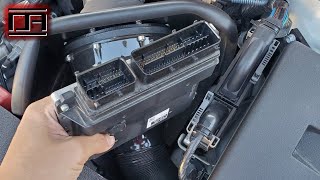
- ECM (Engine Control Module) — In the engine compartment, located at the left-rear (driver's side, near the firewall).. This is the module setting the code. Physical inspection for water damage, corrosion, or burnt smells on the connectors or case is a final check before replacement.
- Ground Points A1 & A2 — Located at the left front of the engine compartment. These are primary chassis ground points for multiple engine-related components.. The ECM and its related sensors rely on clean, tight ground connections. High resistance at these points can cause voltage fluctuations that trigger a P0604 code. They should be inspected, cleaned, and tightened as part of the standard diagnosis.
Real Owner Repair Stories
- YouTube user VampyreX13 (2nd Generation Scion tC (tC2)) — Needed to swap the ECU. After installing the replacement ECU, the car would crank but not start, which is the expected behavior due to the immobilizer.
❌ Tried (didn't work) Simply swapping the ECU without resetting the security system.
✅ What actually fixed it A manual immobilizer reset was performed. The user shorted pins 4 (CG - Chassis Ground) and 13 (TC - Timing Check) of the OBD-II port with a paperclip, turned the ignition to 'ON' for 30 minutes, then turned it off and removed the jumper. The car then started successfully with the new ECU.
OEM Part Supersession History
89661-21530→N/A - Unique Fitment— Production change
Heads up: CRITICAL: For 2011 Scion tC models with an automatic transmission, part number 89661-21530 ONLY fits vehicles manufactured THROUGH December 2010. It is not compatible with models built from January 2011 onward.89661-21390→89661-21391— Part revision or update.89661-21420→89661-21421— Part revision or update.
Model Year Variations Within This Range
- 2011 (Automatic Transmission only): There was a mid-year change for the Engine Control Module (ECM). Part number 89661-21530 is for models produced up to December 2010. Models produced from January 2011 onward use a different, incompatible ECM. The vehicle's production date, found on the driver's side door jamb sticker, must be checked before ordering a replacement ECM.
Diagnostic Flowchart
Used vs. New Parts: Buying Guide for This Vehicle
When a used part is the smart pick: For both the alternator and the ECM, a used or remanufactured part is a very smart and common choice. Given the high cost of a new OEM ECM, a used unit from a reputable salvage yard is often the most practical option, provided the critical programming step is performed.
Donor-vehicle mileage cap: roughly under 80000 miles for the part to have meaningful remaining life.
What to inspect on the donor part:
- For an alternator, check for pulley smoothness (no grinding), minimal corrosion, and ensure the cooling fan fins are intact.
- For an ECM, inspect the connectors for any bent or corroded pins. Check the case for any signs of water intrusion, pry marks, or physical damage.
- Always source parts from a donor vehicle that was not involved in a flood or fire.
OEM-only on this vehicle (don't cheap out):
- While not strictly 'OEM-only', using a Denso (OEM supplier) remanufactured alternator is highly recommended over generic, no-name parts store brands, which have a higher failure rate.
Aftermarket brands forum-validated for this vehicle:
- Alternator: Denso (Remanufactured), Bosch, TYC, Remy.
- Battery: Toyota TrueStart, Interstate, Deka, Odyssey.
Brands owners have reported issues with on this vehicle:
- Be cautious with the cheapest 'white box' alternators from online marketplaces or parts stores, as their internal voltage regulators can be of poor quality and fail prematurely, leading to a repeat of the P0604 code.
Real Owner Stories
Aggregated from forums and TSBs cited above. Mileages and costs reflect what owners reported in those sources.
2011-2016 Scion tC 2AR-FE 2.5L
Symptoms: The car had a no-start condition with a ticking noise.
What fixed it: The issue was resolved after getting a jump start, which indicated the root cause was a battery with an inadequate charge.
Source hint: Reddit r/SciontC - 'Is my alternator going bad?' (2023)
2011-2016 Scion tC 2AR-FE 2.5L
Symptoms: The owner experienced persistent electrical issues and a no-crank condition.
What fixed it: The owner suspected a poor ground and suggested adding a supplementary 4-gauge ground wire from the negative battery post directly to the engine block as a robust fix.
Source hint: Reddit r/SciontC - 'Won't start' (2023)
2011-2016 Scion tC 2AR-FE 2.5L
Symptoms: After replacing a known bad alternator, the car still had no charge.
What fixed it: The owner determined the issue was likely damage to the alternator's four-wire plug that occurred during the installation.
Source hint: ScionLife.com - 'Charging system not working' (2019)
2011-2016 Scion tC 2AR-FE 2.5L
Symptoms: Flickering HID headlights, followed by the car stalling.
What fixed it: The owner confirmed a bad alternator by observing that the car stalled immediately after disconnecting the positive battery terminal while it was running. The fix was to replace the alternator.
Source hint: A YouTuber with a Scion tC cited in source
2011-2016 Scion tC 2AR-FE 2.5L
Symptoms: After replacing a dead battery, the car would start but would not idle correctly.
What fixed it: The issue resolved on its own after the engine computer completed its relearning process, which is necessary after a significant power loss.
Source hint: An owner experience cited in source
Related OBD-II Codes
Frequently Asked Questions
My 2012 Scion tC won't start and just clicks, and I have a P0604 code. Does this mean my ECM is bad?
I just jump-started my Scion tC and now the Check Engine Light is on with code P0604. Is this a serious problem?
My headlights are flickering and I have a P0604 code on my tC. Are these issues related?
I've heard Scion tCs can have bad grounds. Could this cause my P0604 code?
I replaced my alternator but still have charging problems and the P0604 code. What did I miss?
How can I be sure my battery is the problem before replacing it for a P0604 code?
Helpful Videos
We Have This Part in Stock


The information in this article is provided for general reference and educational purposes only. Vehicle specifications, procedures, and part compatibility can vary by production date, trim level, and region. Always consult your vehicle's factory service manual and verify part numbers before purchasing or performing repairs. Safety-critical components such as airbags, seat belts, and braking systems should be installed by a qualified professional.
- Scion tC:
- 🧭 Diagnostic Flowchart
- 🎬 Helpful Videos
- 🛍️ Shop This Part
- What's Unique About the 2011-2016 Scion tC
- Symptoms You May Notice
- Most Likely Causes
- Rare But Worth Checking
- Diagnosis Steps
- Parts You'll Likely Need
- Related Codes That Often Appear With This One
- Platform-Specific Known Issues
- Mechanic-Grade Diagnostic Values
- Scan Tool Commands That Help
- Wiring & Ground Locations
- Real Owner Repair Stories
- OEM Part Supersession History
- Model Year Variations Within This Range
- Used vs. New Parts: Buying Guide for This Vehicle
- Real Owner Stories
- 2011-2016 Scion tC 2AR-FE 2.5L
- 2011-2016 Scion tC 2AR-FE 2.5L
- 2011-2016 Scion tC 2AR-FE 2.5L
- 2011-2016 Scion tC 2AR-FE 2.5L
- 2011-2016 Scion tC 2AR-FE 2.5L
- Related OBD-II Codes
- Frequently Asked Questions
- 🎟️ Get 5% Off