

P0605 on 2015-2023 Ford Mustang: Internal ROM Error Causes and Fixes
This code indicates a critical internal failure in the Powertrain Control Module (PCM). The most common fix is replacing the PCM, which is costly and requires professional programming. Before replacing, always check for low battery voltage or issues related to aftermarket tuning, as these can sometimes trigger the code. A simple check of battery terminals and ground connections should be the first step.
- P0605 is a critical fault code indicating the engine computer (PCM) has failed an internal self-test.
- Driving is not recommended, as the vehicle could stall at any time or fail to start.
- The most likely fix is an expensive PCM replacement that requires professional programming with tools like Ford IDS.
- Before replacing the PCM, always verify the battery and charging system are working perfectly, as low voltage is a known trigger.
- If you have used an aftermarket tuner, try flashing the vehicle back to its stock tune first, as a corrupted tune is a common cause.
What's Unique About the 2015-2023 Ford Mustang
For the S550 Mustang (2015-2023), a P0605 code is often linked to the vehicle's popularity in the aftermarket tuning scene. A failed or improperly applied software tune from a device like an SCT or DiabloSport tuner can corrupt the PCM's memory, triggering this fault. Unlike older Mustangs where water intrusion was a primary suspect, widespread water intrusion issues are less common on the S550 as a cause for this specific code, shifting the diagnostic focus more towards software, voltage stability, and internal hardware failure.
Symptoms You May Notice
- Engine will not start, or cranks but does not fire.
- Engine stalls unexpectedly while driving.
- Check Engine Light is on and will not clear.
- Vehicle enters 'limp mode' with severely restricted speed and performance.
- Transmission may not shift properly or may exhibit harsh shifting.
- Illuminated ABS, Traction Control, or 'Check Charging System' lights.
- Loss of communication between modules, potentially causing other warning lights or system failures.
- Replacing sensors or other modules. P0605 is very specific to the PCM itself. If this is the only code present, the fault lies with the PCM's ability to function, not an external sensor it is reading. Some tuners may even disable the P0605 check in the tune to prevent the light, which is not a fix.
Most Likely Causes
- Faulty Powertrain Control Module (PCM) 🔴 High Probability → Shop Engine Control Module (ECM) Internal hardware failure of the memory chip or other micro-fractures on the circuit board is the ultimate cause for a true P0605 code. This is a wear-and-tear or heat-related failure.
How to confirm: After ruling out all external factors (power, ground, software), the PCM is condemned. A dealer-level scan tool may have a module self-test that fails. This is a diagnosis by elimination.
Typical fix: Replace the PCM and have it programmed by a dealer or qualified shop with OEM tools like Ford IDS. Some companies like Flagship One offer pre-programmed modules.
Est. part cost: $400-$1200 - Corrupted Software from Aftermarket Tuning 🟡 Medium Probability The Mustang platform is extremely popular for aftermarket performance tuning. An interrupted or incorrect flash (e.g., battery voltage dropping during the flash) can corrupt the PCM's ROM. Forum users have reported this code appearing immediately after using a tuner.
How to confirm: The code appears immediately after attempting to load a new tune. The vehicle may not start after the flash attempt. The code often clears when the stock factory tune is restored.
Typical fix: Attempt to re-flash the PCM with the stock factory tune using the same tuning device. Ensure the vehicle battery is fully charged or connected to a battery tender during this process. If this fails, the PCM may be permanently damaged ('bricked') and require replacement.
Est. part cost: $0-$1200 - Low Battery Voltage or Charging System Fault ⚪ Low Probability → Shop Vehicle Battery The PCM is sensitive to voltage. A weak battery, failing alternator, or poor ground connection can cause voltage drops or spikes during startup that interrupt the PCM's self-test checksum, falsely triggering a P0605. S550 Mustangs are known to have parasitic battery drain if not driven regularly, exacerbating this issue. 🎬 Watch: How a dead battery can corrupt your PCM
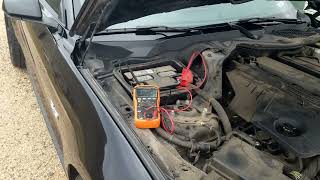
How to confirm: Test the battery with the engine off (should be ~12.4V+). Test the alternator with the engine running (should be ~13.5-14.5V). Inspect battery terminals and chassis ground straps for corrosion and tightness. A user on TheMustangSource forums linked a 'Check Charging System' light with P0605, pointing to this as a cause.
Typical fix: Charge or replace the battery, clean terminals and grounds, or replace the alternator. After replacing the battery, a Battery Monitoring System (BMS) reset is recommended, which can be done without tools.
Est. part cost: $150-$600
Rare But Worth Checking
- Water Intrusion or Corrosion at PCM Connector: While less common on the S550 than its S197 predecessor, water can still find its way to the PCM or its connectors, causing short circuits or pin corrosion. Always inspect the PCM and its wiring harness for any signs of moisture or green/white corrosion, especially if the car has a history of a clogged cowl drain or windshield leak.
- Failed Dealer PCM Re-flash: In very rare instances, an official software update performed at a dealership can be interrupted or fail, leading to a P0605 code. In this scenario, the repairing shop would be responsible for correcting the issue.
Diagnosis Steps
- Verify Battery and Charging System Health: Use a multimeter to test the battery voltage (engine off) and alternator output (engine running). 🎬 See how to test your Mustang's alternator Ensure voltage is stable and within the correct range (approx. 12.4V+ off, 13.5-14.5V on). Clean battery terminals and check the main chassis ground straps for tightness and corrosion.
- Check for Aftermarket Tunes: If the vehicle has an aftermarket tuner (SCT, Cobb, etc.), use the device to flash the PCM back to the stock Ford tune. If the code disappears and the car runs normally, the issue was with the custom tune file.
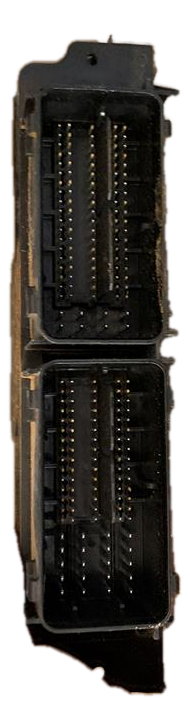
- Inspect PCM and Connectors: Physically locate the PCM. Visually inspect the module and its electrical connectors for any signs of physical damage, corrosion, bent pins, or water intrusion. Ensure connectors are fully seated.
- Check Fuses and Relays: Inspect all fuses and relays related to the PCM and engine controls in the under-hood and cabin fuse boxes. A simple blown fuse can cause no-start and communication issues.
- Attempt PCM Re-flash (Professional): Using a Ford-specific diagnostic tool (like IDS), a technician may attempt to update or re-flash the PCM with the latest factory software. This can sometimes correct software corruption if the hardware is still intact.
- Replace PCM: If all other steps fail, the PCM is internally faulty and must be replaced. The new module will require programming to the vehicle's specific VIN and security information using a tool like Ford IDS.
Parts You'll Likely Need
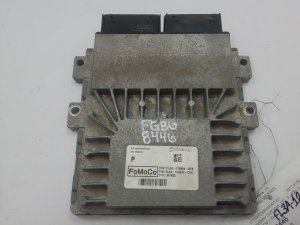
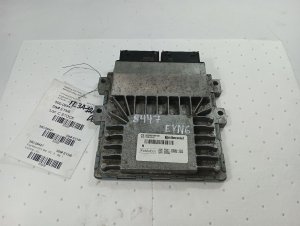
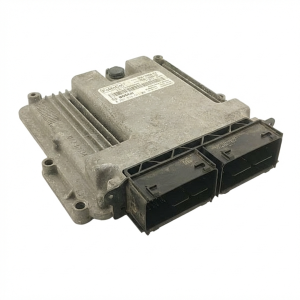
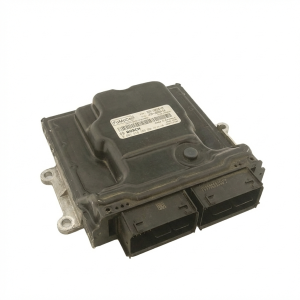
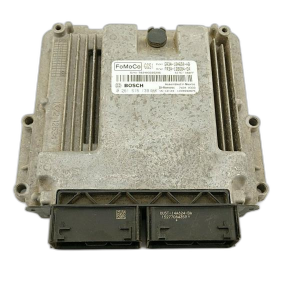
- Powertrain Control Module (PCM)
(OEM #Varies by VIN (e.g., JR3A-12A650-ABA for 2018-23 GT Auto, JR3Z-12A650-NANP for 2018 EcoBoost Auto))— This code indicates a fatal internal error in the PCM. When external factors like voltage and software are ruled out, the module itself has failed and is the necessary replacement part. The exact part number is VIN-specific and must be matched.
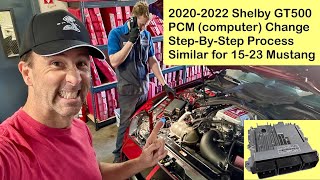
Trusted brands: Motorcraft (OEM), Cardone (Remanufactured), Flagship One (Pre-programmed) 🎬 Watch: Step-by-step Mustang PCM replacement walkthrough
OEM price range: $600-$1200
Aftermarket price range: $400-$800
Related Codes That Often Appear With This One
- U0100 — Lost Communication With ECM/PCM. This often appears with P0605 if the internal failure is so severe that the module can no longer communicate on the vehicle's CAN bus network.
- P0562 — System Voltage Low. This code can be a precursor or companion to P0605, strongly suggesting the root cause is a failing battery, alternator, or poor connection rather than an actual PCM failure.
Platform-Specific Known Issues
- Tuning Induced Failure: A user on StangNet reported getting a P0605 code immediately after installing a tune for a cold air intake. Clearing the code was unsuccessful until the stock tune was reloaded, indicating the custom tune file was the cause.
- Masking the Code: On MustangForums.com, a user with a Whipple-supercharged 2007 Mustang had a recurring P0605. The dyno tuning shop's solution was to edit the tune to disable the P0605 diagnostic check, effectively 'hiding' the code. While this turned the light off, it doesn't fix the underlying issue and is not a recommended repair.
- Battery Voltage as a Cause: → Shop Vehicle Battery Multiple forum discussions on sites like Reddit and Mustang6g.com highlight the S550's sensitivity to battery voltage. Owners report that if the car sits for an extended period, the battery can weaken and cause a host of random electronic glitches and codes, with P0605 being a possible, though extreme, outcome. A battery tender is a common recommendation.
Mechanic-Grade Diagnostic Values
- PCM Power Supply Pins Voltage — expected: 12.0 - 14.8 V with ignition on. Failure: Voltage below 12.0V or unstable readings can cause the PCM to self-test incorrectly and trigger P0605.
- PCM Ground Circuit Resistance — expected: ≤ 0.1 Ω (ideally close to 0 Ω). Failure: Resistance higher than 0.1 Ω indicates a poor ground connection, which can lead to floating voltages and module errors.
- CAN Bus Network Resistance — expected: ~60 Ω between CAN High and CAN Low pins at the OBD-II port (with battery disconnected). Failure: A reading of ~120 Ω suggests one of the two terminating resistors (one of which is in the PCM) is offline. A reading near 0 Ω indicates a short circuit in the CAN wiring.
Scan Tool Commands That Help
- Ford IDS (Integrated Diagnostic System): Module Programming > Programmable Module Installation (PMI) — This function is required after physically installing a new PCM. It downloads vehicle-specific data (VIN, PATS keys, injector data, etc.) from Ford's server and programs it into the new module.
- Ford IDS (Integrated Diagnostic System): Module Reprogramming — Used to update an existing PCM with a newer factory calibration. This can sometimes fix software corruption that causes a P0605, but it will not fix a hardware failure.
- Ford IDS (Integrated Diagnostic System): Parameter Reset — After a module replacement, a parameter reset (also known as PATS relearn) is necessary to synchronize the new PCM with the vehicle's security modules (like the BCM) and allow the engine to start.
- Ford IDS (Integrated Diagnostic System): Module Self-Test — Before condemning the PCM, a technician can run a module self-test. If the PCM fails this internal checksum test commanded by the scan tool, it confirms an internal fault.
Wiring & Ground Locations
- PCM Location — In the engine bay on the passenger side, beneath the underhood fuse box.. This is the location of the module itself. Physical inspection for water intrusion, corrosion on the connectors, or physical damage is a key diagnostic step.
- Primary PCM/Chassis Ground — A threaded stud on the chassis, located underneath the glove box/passenger kick panel area, attached to a transverse steel bar.. A loose or corroded main ground for the PCM is a potential cause of the voltage fluctuations that can trigger a false P0605. This is a critical point to inspect and clean.
- Engine Block to Chassis Ground — A braided ground strap running from the back of the intake manifold area to the driver's side firewall.. This is the secondary power ground and ensures the engine block has a solid ground reference. While not a direct PCM ground, a poor connection here can introduce electrical noise and voltage instability across the entire system.
- Battery Negative Terminal Ground — The main negative battery cable bolts directly to the chassis near the battery in the engine bay.. This is the primary ground point for the entire vehicle's electrical system. Corrosion or a loose connection here will cause widespread issues, including potential PCM errors.
Real Owner Repair Stories
- MustangForums.com user '07vbluestang' (2007 Mustang (S197) with Whipple supercharger) — Check Engine Light with P0605 code appeared after the first drive of the season. The light would return after being cleared and the car was restarted.
❌ Tried (didn't work) Clearing the code with an SCT tuner., Disconnecting the battery for 20 minutes., Reloading the custom dyno tune.
✅ What actually fixed it The dyno tuning shop edited the tune file to disable the P0605 diagnostic check (setting it to '0'). This turned the light off but did not fix any potential underlying hardware issue. This is considered masking the code, not a true repair. - NHTSA ODI #763013 — While involving a different Ford model, an owner reported receiving a P0605 code and being told the PCM needed replacing, even though the unit had been replaced only a year prior, highlighting potential recurring issues with module reliability.
OEM Part Supersession History
GR3A-12A650-BUA→FR3Z-12A650-EUANP— Standard part number evolution. The 'GR3A' is a hardware engineering number, while the 'FR3Z' is the official Ford Parts service number. They are often functionally identical.
Heads up: A user with a 2017 Shelby GT350 reported that the dealer-recommended FR3Z replacement part was correct, but they attempted to use a used GR3A part from a GT PP, which caused issues with drive mode selection (Drag Mode would not engage), indicating potential calibration differences even between compatible hardware.
Model Year Variations Within This Range
- 2015-2017 vs 2018-2023: The 2018 refresh introduced a revised 'Gen 3' Coyote V8 with dual injection (port and direct) and the 10R80 10-speed automatic transmission. This required a different PCM with significantly different software and tuning strategies compared to the 2015-2017 models. The PCMs are not interchangeable between these two ranges. The EcoBoost engine also received a power and torque bump in 2018, likely involving PCM and software changes.
Diagnostic Flowchart
Other Known Issues on This Vehicle
Issues unrelated to this code that are worth knowing about as an owner of this generation:
- Gen 3 5.0L Coyote 'BBQ Tick' 🟠 Medium — Common on 2018+ 5.0L engines. It's a light ticking noise, often more prominent when warm. The cause is debated, with theories ranging from piston slap due to cylinder bore issues to valvetrain noise. In most cases, it does not lead to engine failure but is a significant annoyance.
- Leaking A/C Evaporator Core 🔴 High — Very common on 2015-2017 models, leading to loss of A/C performance. It is an expensive repair as it requires complete removal of the dashboard. (Ref: TSB 18-2256 (supersedes 18-2166) was issued for this, providing a procedure to replace only the evaporator core instead of the entire HVAC housing.)
- 10R80 Automatic Transmission Harsh Shifting 🟠 Medium — Widespread on 2018+ models with the 10-speed automatic. Owners report jerky/clunky shifts, especially at low speeds, and delayed engagement. The cause is a mix of software tuning and internal hardware issues like a faulty CDF drum bushing in early models. (Ref: Multiple TSBs (e.g., TSB 22-2428) have been issued to update PCM/TCM software and address hardware fixes.)
- Bonnet and Fender Corrosion 🟡 Low — Commonly seen on the leading edge of the aluminum hood and at the seam where the front fender meets the bumper. Caused by contamination during manufacturing, leading to bubbling paint. (Ref: No specific recall, but many owners have had repairs covered under Ford's corrosion warranty on a case-by-case basis.)
- Oil Cooler Failure (GT) 🔴 High — Affects 2015-2017 GT models. The factory water-to-oil cooler can fail internally, mixing oil and coolant. This can lead to catastrophic engine damage if not caught early. 2018+ models have a different design. (Ref: No recall, but the part was superseded with a revised design. Many owners proactively replace it with an air-to-oil cooler.)
Used vs. New Parts: Buying Guide for This Vehicle
When a used part is the smart pick: A used PCM from a reputable recycler can be a cost-effective option IF you have access to a professional with Ford IDS software who can perform the 'Programmable Module Installation' (PMI) procedure. Without this programming, a used PCM is a paperweight. It is not a plug-and-play part.
Donor-vehicle mileage cap: roughly under 80000 miles for the part to have meaningful remaining life.
What to inspect on the donor part:
- Ensure the donor vehicle was not involved in a flood or fire.
- Inspect the PCM connectors on the donor part for any bent, corroded, or pushed-out pins.
- Get the VIN of the donor car to verify its original engine, transmission, and model year to ensure hardware compatibility.
- Buy from a seller that offers a warranty and return policy in case the unit is faulty (e.g., has its own internal P0605 error).
OEM-only on this vehicle (don't cheap out):
- Powertrain Control Module (PCM). While 'remanufactured' units from brands like Cardone exist, they are rebuilt OEM cores. There are no truly 'new' aftermarket PCMs. For guaranteed compatibility, a new OEM Motorcraft part or a pre-programmed OEM unit from a specialist like Flagship One is the safest bet.
Aftermarket brands forum-validated for this vehicle:
- Flagship One (Pre-programmed OEM modules)
- Cardone (Remanufactured OEM modules)
Brands owners have reported issues with on this vehicle:
- Unknown eBay/Amazon sellers offering 'unlocked' or 'virgin' PCMs without a clear programming process or warranty.
Real Owner Stories
Aggregated from forums and TSBs cited above. Mileages and costs reflect what owners reported in those sources.
2015-2023 Ford Mustang
Symptoms: The code appeared immediately after installing a tune for a cold air intake.
What fixed it: Reloading the stock factory tune resolved the issue, indicating the custom tune file was the cause.
Source hint: StangNet report mentioned in 'Tuning Induced Failure' section
2007 Ford Mustang (Whipple-supercharged)
Symptoms: Recurring P0605 code after performance modifications.
What fixed it: The tuning shop edited the tune to disable the P0605 diagnostic check to turn the light off.
Source hint: MustangForums.com discussion mentioned in 'Masking the Code' section
2015-2023 Ford Mustang (S550)
Symptoms: Check Charging System light illuminated along with a P0605 code.
What fixed it: Addressing the battery/charging system voltage, as the PCM is sensitive to voltage drops during startup.
Source hint: TheMustangSource forums and Mustang6g.com discussions
Related OBD-II Codes
Frequently Asked Questions
Can an aftermarket tune on my Mustang cause the P0605 code?
My 2018+ Mustang has harsh shifting and a P0605; are they related?
Will a low battery trigger a P0605 on an S550 Mustang?
Do I need to do anything special after replacing the battery to clear electronic glitches?
Can I just 'hide' the P0605 code if my Mustang is supercharged?
Helpful Videos
We Have This Part in Stock

The information in this article is provided for general reference and educational purposes only. Vehicle specifications, procedures, and part compatibility can vary by production date, trim level, and region. Always consult your vehicle's factory service manual and verify part numbers before purchasing or performing repairs. Safety-critical components such as airbags, seat belts, and braking systems should be installed by a qualified professional.
- Ford Mustang:
- 🧭 Diagnostic Flowchart
- 🎬 Helpful Videos
- 🛍️ Shop This Part
- What's Unique About the 2015-2023 Ford Mustang
- Symptoms You May Notice
- Most Likely Causes
- Rare But Worth Checking
- Diagnosis Steps
- Parts You'll Likely Need
- Related Codes That Often Appear With This One
- Platform-Specific Known Issues
- Mechanic-Grade Diagnostic Values
- Scan Tool Commands That Help
- Wiring & Ground Locations
- Real Owner Repair Stories
- OEM Part Supersession History
- Model Year Variations Within This Range
- Other Known Issues on This Vehicle
- Used vs. New Parts: Buying Guide for This Vehicle
- Real Owner Stories
- 2015-2023 Ford Mustang
- 2007 Ford Mustang (Whipple-supercharged)
- 2015-2023 Ford Mustang (S550)
- Related OBD-II Codes
- Frequently Asked Questions
- 🎟️ Get 5% Off