

P0605 on 2010-2013 Kia Forte: Internal ECM/PCM Failure Causes and Fixes
This code indicates a critical internal error in the engine's main computer (ECM). Before replacing the expensive ECM, thoroughly check the battery, alternator, and all power/ground connections, as electrical issues are a common root cause. A cracked intake manifold has also been a surprising cause. ECM replacement requires professional programming.
- P0605 is a critical code indicating a failure in the engine's main computer.
- Before spending money on a new ECM, you MUST rule out cheaper problems: test the battery, alternator, and all ECM power/ground wires.
- Driving with this code is unsafe due to the risk of the engine stalling at any time.
- If the ECM needs to be replaced, it is not a DIY job for most people, as it requires special tools to program it to your car's VIN and keys.
- Check for available software updates with a dealer, as a simple reflash can sometimes fix this code.
What's Unique About the 2010-2013 Kia Forte
For the first-generation Kia Forte (TD), the P0605 code is most often a sign of either a true internal ECM failure or, just as commonly, an issue with the electrical power supplied to it. While there are no specific TSBs for P0605 on this exact model year range, Kia has issued software updates (reflashes) for other models to fix this code, suggesting a software update could be a potential fix. Owners should be aware that a failing alternator, a weak battery, or a simple bad ground wire can trigger this code, tricking you into thinking the expensive ECM is bad. In at least one documented case on a 2012 Forte, a large crack in the plastic intake manifold caused a massive vacuum leak and high idle, which in turn triggered the P0605 code alongside others. A hidden wiring harness chafe point behind the dashboard has also been found to cause intermittent CAN bus shorts that can trigger this and other communication codes.
🎬 See how to find and fix a hidden CAN bus short.Symptoms You May Notice
- Check Engine Light is on
- Engine will not start, or has a long crank time
- Engine stalls unexpectedly while driving or at idle
- Noticeable loss of power and poor acceleration
- Vehicle enters 'limp mode,' limiting RPM and speed
- Rough idling or engine misfires
- Harsh or erratic shifting in automatic transmissions
- Decrease in fuel economy
- Dimming or flickering headlights and interior lights
- Smell of burning rubber or electrical components from the engine bay
- Replacing the ECM without first thoroughly testing the battery, alternator, and all power/ground connections. An unstable power supply is a very common cause for this code and is much cheaper to fix.
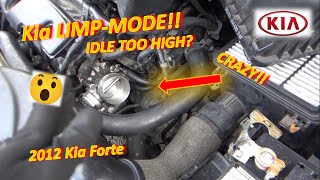
- Overlooking a massive vacuum leak from a cracked intake manifold when other idle control codes are present. 🎬 Watch: Diagnosing a 2012 Forte with high idle and P0605.
Most Likely Causes
- Internal ECM/PCM Hardware Failure 🔴 High Probability Internal components can fail from heat, vibration, and age. This is the direct meaning of the code, indicating a ROM checksum error.
How to confirm: This is a diagnosis of exclusion. If all other potential causes (power, ground, wiring, software) are ruled out, the ECM itself is condemned. A dealer-level scan tool may have a specific module self-test function.
Typical fix: Replace the Engine Control Module (ECM) and have it professionally programmed to the vehicle.
Est. part cost: $400-$800 for a remanufactured ECM, $1000+ for a new OEM unit. - Low Battery Voltage or Failing Alternator 🟡 Medium Probability → Shop Alternator Voltage spikes or drops from a faulty charging system or weak battery are a leading cause of memory corruption in control modules. An aging alternator may struggle to provide consistent voltage, especially under load.
How to confirm: Test the battery voltage with the car off (should be >12.4V). Start the engine and test alternator output (should be stable, typically 13.5V-14.5V). Watch for dimming lights or electrical accessory problems, which are classic signs of a failing alternator.
Typical fix: Replace the weak battery or faulty alternator.
Est. part cost: $150-$250 for a battery, $250-$500 for an alternator. - Poor ECM Power or Ground Connections 🟡 Medium Probability Corroded or loose ground straps and power feeds to the ECM can interrupt the stable voltage it needs, causing internal errors. These connections can degrade over time due to moisture and vibration.
How to confirm: Visually inspect all ground straps from the engine and body to the chassis. Perform a voltage drop test on the ECM's main power and ground circuits to check for high resistance (should be ≤ 0 Ω). Check for corrosion or damage at the ECM connector pins.
Typical fix: Clean all grounding points to bare metal and tighten securely. Repair or replace any corroded wires or terminals in the ECM harness.
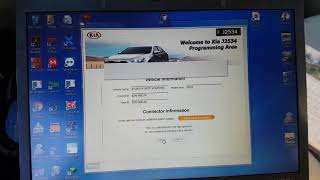
Est. part cost: $5-$50 for cleaning supplies and new terminals/wires. - Corrupted ECM Software ⚪ Low Probability Software can become corrupted from voltage spikes or a failed previous update attempt. Kia has released software updates for other issues on this platform, indicating that reflashing is a common procedure. 🎬 Watch: How a professional shop performs an ECM reflash.
How to confirm: A Kia dealership or a qualified shop with a J2534 pass-thru device can check the current software (ROM ID) against the latest available version from Kia.
Typical fix: Perform an ECM software update (reflash) to the latest version. This is often attempted before condemning the hardware.
Est. part cost: $0 (if part of a warranty or service action), or $100-$250 for a shop to perform the reflash.
Rare But Worth Checking
- Cracked Intake Manifold: In one documented case on a 2012 Forte, a large, unseen crack in the plastic intake manifold caused a massive vacuum leak. The engine idled extremely high (1700 RPM), and the ECM's inability to control the idle triggered P0605 along with P0507 (Idle RPM High) and P2110 (Throttle Actuator Control Limp Mode). This is worth checking with a smoke test if you also have a very high idle speed.
- Faulty Main Relay: A failing main relay (often located in the engine compartment junction box) can provide intermittent or fluctuating voltage to the ECM, potentially causing damage or triggering this code. A forum member with a 2010 Forte reported this as the root cause of their ECU failure. Kia has also issued a service action (SA091) for inoperative A/C blowers due to a faulty relay in the same junction box, indicating potential relay issues on this platform.
Diagnosis Steps
- Scan for all diagnostic trouble codes. Note any other codes that are present, especially communication (U-codes) or idle control codes, as they can provide clues.
- Crucial First Step: Thoroughly test the electrical system. Check the battery's state of charge and health. It should read above 12.4 volts when the car is off.
- Start the vehicle and measure the alternator's output voltage. It should be stable and typically between 13.5 and 14.5 volts. An over-voltage or under-voltage condition can damage the ECM. Check for flickering lights, a classic sign of alternator failure.
- Inspect all ECM power and ground wires and connectors. Look for any signs of corrosion, looseness, or damage. Perform a voltage drop test on the main power and ground circuits to find hidden resistance.
- If the electrical system is perfect, check for any available Technical Service Bulletins (TSBs) for your vehicle's VIN. A software reflash may be available to fix the issue. A Kia dealer is the best source for this information.
- If a very high idle is present along with code P0507, perform a smoke test on the intake system. Pay close attention to the plastic intake manifold, especially behind the throttle body, for cracks.
- Check the main power relay for the ECM in the engine compartment fuse box. Swapping it with a known-good relay of the same type is a quick and effective test.
- If all the above steps do not resolve the issue, the ECM is almost certainly faulty and needs to be replaced.
Parts You'll Likely Need
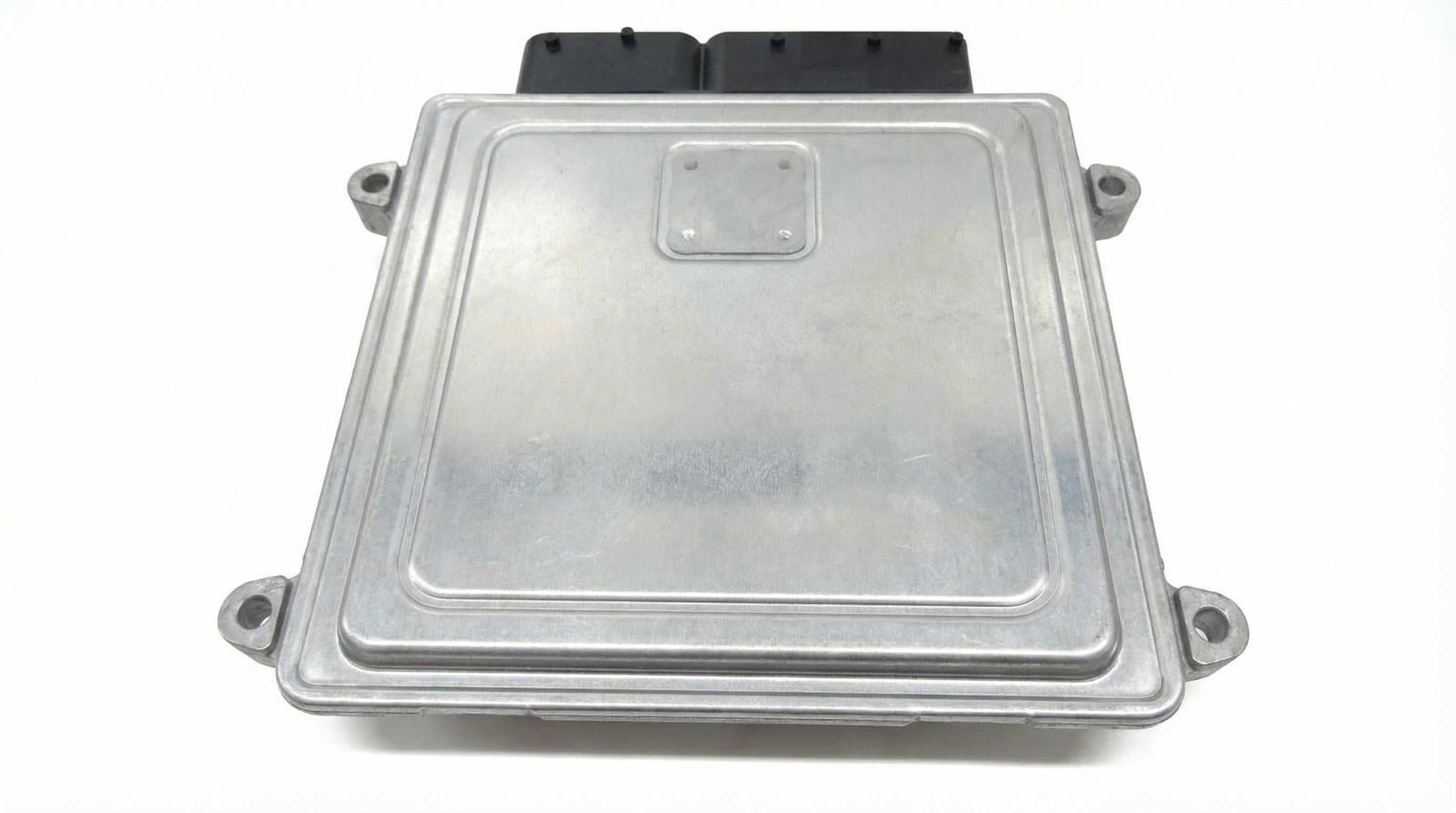
- Engine Control Module (ECM/PCM)
(OEM #39122-2G180, 39152-2G172, 39122-2G210, 39182-2G191 (Varies by year, engine, and emissions - MUST match original part number))— This is the most common direct cause for the P0605 code, assuming all external factors like power and ground have been ruled out.
Trusted brands: Kia (OEM), Cardone, Flagship One, BSE
OEM price range: $1000-$1500+
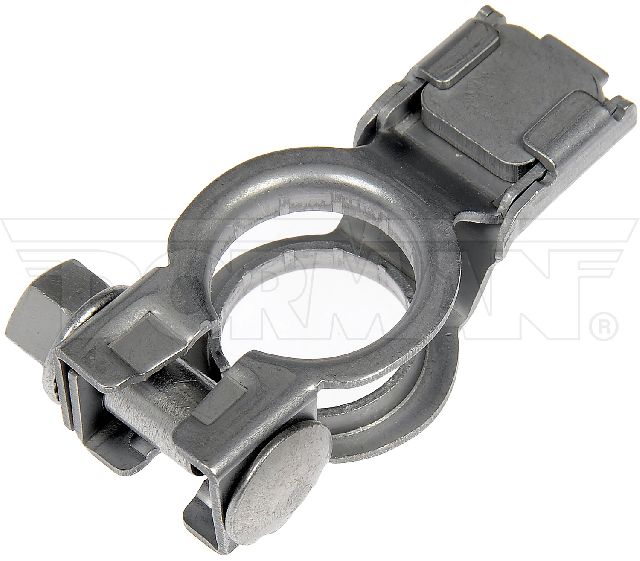
Aftermarket price range: $400-$800 (Remanufactured) - Battery — A weak or failing battery provides unstable voltage, which is a primary cause of memory corruption in the ECM.
Related Codes That Often Appear With This One
- P2110 — Indicates the throttle actuator control system is in forced limited RPM mode. The ECM will trigger this to protect the engine when it detects a critical internal fault like P0605.
- P0507 — Means 'Idle Control System RPM Higher Than Expected'. This can occur if the ECM has lost control of idle functions, or if there is a separate issue like a large vacuum leak from a cracked intake manifold causing both codes.
- P0601, P0604, P0606, P0607 — These are all codes indicating various internal control module errors (Checksum, RAM, Processor Fault, etc.). They are closely related and point directly to a faulty ECM.
- U-series codes (e.g., U0100) — These indicate a loss of communication with the ECM. If the ECM is failing internally, it may stop communicating with other modules on the vehicle's network. An intermittent short in the CAN bus wiring can also cause these codes alongside P0605.
Technical Service Bulletins (TSBs) & Recalls
- SA091 - Addresses an inoperative A/C blower on some Forte (TD) models due to a faulty relay in the engine compartment junction box. While not for P0605, it points to known relay issues in the system that powers the ECM.
- SA154 - A service action for a software update on some 2012-2013 Forte models, showing that ECM reflashing is a known procedure for this generation.
- CHA084 - Provides diagnostic flowcharts for Motor Driven Power Steering (MDPS) issues, which can sometimes involve the ECU.
Mechanic-Grade Diagnostic Values
- Battery Voltage, Engine Off — expected: >12.4V. Failure: A reading below 12.4V indicates a discharged or failing battery that can cause voltage-related module errors.
- Alternator Output Voltage, Engine Running — expected: 13.5V - 14.7V. Failure: Voltage that is unstable, too low, or too high can corrupt or damage the ECM.
- ECM Ground Circuit Resistance — expected: ≤ 0 Ω. Failure: Any significant resistance indicates a poor ground, which can cause intermittent and unpredictable ECM behavior.
- CAN Bus High-Side to Ground Resistance (during fault) — expected: Infinite / Open Loop (OL). Failure: A reading as low as 0.9 ohms indicates a direct short to ground in the CAN bus wiring, which can cause widespread communication failures and trigger a P0605.
Scan Tool Commands That Help
- Kia GDS / Advanced Aftermarket Scan Tool: Immobilizer Neutralization — This function is used to 'virginize' or reset the ECM's immobilizer data. It is a required step before installing a used ECM from another vehicle to allow it to be programmed to the new vehicle.
- Kia GDS / Advanced Aftermarket Scan Tool: Key Teaching / Learning — After installing a new or neutralized used ECM, this function is used to program the vehicle's existing keys to the ECM. The car will not start until this is completed.
- Kia Diagnostic System (KDS): ECU Upgrade — This is the official function for reflashing the ECM with updated software. It would be used to attempt a software fix before condemning the hardware, or to load correct software onto a replacement module.
- Advanced Aftermarket Scan Tool: Control Unit Reset — This function performs a soft reboot of the control module. In cases of temporary software glitches caused by voltage spikes, this reset can sometimes clear a P0605 code without requiring a full reflash.
Wiring & Ground Locations
- Engine Control Module (ECM) — In the engine compartment, on the driver's side, mounted to the firewall behind the battery. The battery and battery tray may need to be removed to gain access.. This is the component reporting the internal error. Physical inspection for connector corrosion or water damage is a key diagnostic step.
- Main Relay & ECU Fuses — In the engine compartment fuse box, located next to the battery. The relay is labeled 'MAIN' (R1) and fuses are labeled 'ECU1' (10A) and 'ECU' (30A).. These components supply primary power to the ECM. A faulty relay or blown fuse will cut power and can mimic a dead ECM.
- CAN Bus Harness Chafe Point — Behind the center dashboard, specifically the main wiring harness near the radio. The harness can rub against a metal support bracket for the heater box.. A documented failure point where the CAN High wire can short to ground, causing intermittent loss of communication, a flood of U-codes, and potentially triggering a P0605 as the ECM loses network stability.
Real Owner Repair Stories
- YouTube channel '99-2004JeepGrandCherokee' (2013 Kia Forte) — Intermittent issue where all warning lights would come on and the transmission would enter limp mode. Multiple CAN communication codes stored (U-series codes).
❌ Tried (didn't work) The vehicle had a history of failed repair attempts, indicated by a junkyard replacement junction block and missing bolts in the dash.
✅ What actually fixed it The technician found the CAN high wire was intermittently shorting to ground. The root cause was the main wiring harness behind the radio rubbing against a sharp metal bracket over time, wearing through the insulation. The fix was to repair the damaged wire, insulate it, and secure the harness away from the bracket with zip ties.
"I Checked Everything" — The Actual Cause
- A documented case on a 2013 Forte with widespread communication codes (U-codes) and limp mode was not caused by a component failure, but by a wiring issue. The main harness behind the dashboard chafed on a metal bracket, causing the CAN bus high wire to intermittently short to ground. This type of electrical fault would not be found with a smoke test or by visually inspecting engine bay components.
Diagnostic Flowchart
Other Known Issues on This Vehicle
Issues unrelated to this code that are worth knowing about as an owner of this generation:
- Theta II Engine Failure 🔴 High — Widespread across multiple model years. Caused by metallic debris from manufacturing restricting oil flow, leading to connecting rod bearing failure and engine seizure. (Ref: Multiple recalls and a class-action lawsuit. E.g., NHTSA #23V652000, which also covers fire risk. Kia developed a Knock Sensor Detection System (KSDS) software update as part of the remedy.)
- Degraded Steering Coupler 🟠 Medium — Very common. The flexible rubber/plastic coupler in the electronic power steering column wears out, causing a distinct clicking or knocking sound when turning the steering wheel. (Ref: No recall, but a very well-documented issue. The part (OEM #56315-2K000) is inexpensive, but labor can be significant as it requires dropping the steering column.)
- HECU Fire Risk 🔴 High — Affects a large number of vehicles across the model range. The Hydraulic Electronic Control Unit (HECU) for the ABS can short circuit internally, creating a fire risk even when the car is parked. (Ref: NHTSA Recall #23V652000 (Kia's number SC284). The remedy involves replacing a fuse in the junction box. Owners were advised to park outside until the repair was completed.)
- Airbag Control Unit (ACU) Failure 🔴 High — Subject of a major recall. An electrical overstress condition could damage the ACU, preventing the frontal airbags and seat belt pretensioners from deploying in a crash. (Ref: NHTSA Recall #18V363000 (Kia's number SC165). The remedy was still under development for a time, but involved either a software update or module replacement.)
- Faulty Brake Light Switch 🟠 Medium → Shop Brake Light Switch — Common issue leading to a recall. The switch can fail, causing the brake lights to not illuminate (or stay on), and can prevent the shifter from moving out of Park. (Ref: Recall RC086. A straightforward replacement of the switch is the fix.)
Used vs. New Parts: Buying Guide for This Vehicle
When a used part is the smart pick: A used ECM from a junkyard or recycler is a very smart, cost-effective choice for this repair, as the part itself is not a common wear item. The cost savings are significant compared to a new OEM unit.
Donor-vehicle mileage cap: roughly under 200000 miles for the part to have meaningful remaining life.
What to inspect on the donor part:
- EXACT part number match is mandatory. Do not deviate.
- Verify the donor vehicle had the same engine, transmission, and ignition type (keyed, not push-button start).
- Inspect the ECM casing for any cracks, dents, or signs of being pried open.
- Check all connector pins to ensure they are straight, clean, and free of any green or white corrosion.
OEM-only on this vehicle (don't cheap out):
- While the ECM can be sourced from the aftermarket (remanufactured) or used, the programming/software aspect of the repair should be considered an 'OEM-level' task. Using the official Kia Diagnostic System (KDS) is the most reliable method.
Aftermarket brands forum-validated for this vehicle:
- Cardone (Remanufactured)
- Flagship One (Remanufactured, often pre-programmed)
- BSE (Remanufactured)
Brands owners have reported issues with on this vehicle:
- No specific brands are consistently reported as problematic, but extreme caution is advised for no-name sellers on platforms like eBay or Amazon unless they offer pre-programming services and a strong warranty.
Real Owner Stories
Aggregated from forums and TSBs cited above. Mileages and costs reflect what owners reported in those sources.
2012 Kia Forte
Symptoms: Vehicle was in 'Limp Home' mode with the engine idling very high at 1,700 RPM. Codes P0507, P2110, and P0605 were present.
What fixed it: A smoke test revealed a massive crack in the plastic intake manifold, which was the root cause of the issue.
Source hint: YouTube video titled '2012 Kia Forte P0507-P2110-P0605 - Auction LIMP HOME: Idles at 1,700RPM!?'
Related OBD-II Codes
Frequently Asked Questions
My 2012 Forte has a P0605 code. Could a software update fix it, and is there a known TSB for this?
Can a bad battery or alternator on my 2011 Kia Forte really cause a serious ECM code like P0605?
My Forte has a P0605 code, but also a P0507 and a very high idle. What could be the cause?
I heard about the Theta II engine failures. Is the P0605 code related to the Knock Sensor Detection System (KSDS) update?
Is this P0605 problem common on similar cars like the Hyundai Elantra?
If it turns out my ECM is bad on my 2013 Forte, what's the expected cost to replace it?
Helpful Videos
Used OEM Parts in Stock
New Aftermarket Parts Available


The information in this article is provided for general reference and educational purposes only. Vehicle specifications, procedures, and part compatibility can vary by production date, trim level, and region. Always consult your vehicle's factory service manual and verify part numbers before purchasing or performing repairs. Safety-critical components such as airbags, seat belts, and braking systems should be installed by a qualified professional.
- Kia Forte:
- 🧭 Diagnostic Flowchart
- 🎬 Helpful Videos
- 🛍️ Shop This Part
- What's Unique About the 2010-2013 Kia Forte
- Symptoms You May Notice
- Most Likely Causes
- Rare But Worth Checking
- Diagnosis Steps
- Parts You'll Likely Need
- Related Codes That Often Appear With This One
- Technical Service Bulletins (TSBs) & Recalls
- Mechanic-Grade Diagnostic Values
- Scan Tool Commands That Help
- Wiring & Ground Locations
- Real Owner Repair Stories
- "I Checked Everything" — The Actual Cause
- Other Known Issues on This Vehicle
- Used vs. New Parts: Buying Guide for This Vehicle
- Real Owner Stories
- 2012 Kia Forte
- Related OBD-II Codes
- Frequently Asked Questions
- 🎟️ Get 5% Off