

P0606 on 2002-2013 Ford Transit Connect: PCM Processor Fault Causes and Fixes
This code means the engine's main computer (PCM) has an internal failure. On the Transit Connect, this almost always requires replacing the PCM, which must be professionally programmed. Expect costs to range from $800 to over $2000 for a new, programmed module. Before replacement, always verify power/ground circuits and check for water ingress at the PCM connector.
- P0606 is a critical code indicating your vehicle's main computer has likely failed.
- Do not continue to drive the vehicle, as it may stall at any time.
- Before condemning the expensive PCM, thoroughly check the battery, charging system, all power/ground connections, fuses, and the main relay for the PCM.
- On this specific van, the #1 priority is to inspect the PCM connector (located behind the driver's side wheel liner) for signs of water damage or corrosion.
- PCM replacement is not a simple DIY job; it requires expensive, specialized tools to program the new unit to the vehicle's anti-theft system. Using an ECU cloning service is a viable, often cheaper, alternative.
What's Unique About the 2002-2013 Ford Transit Connect
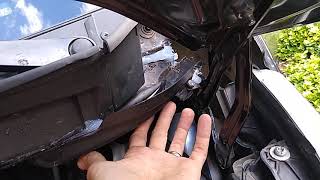
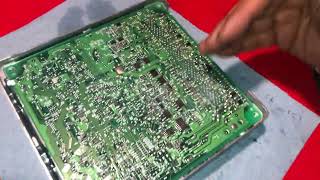
On the first-generation Ford Transit Connect, particularly models with the Siemens SID206 diesel engine, the PCM is located in the engine bay, typically in front of the driver's side wheel, behind the wheelhouse liner. This exposed location makes it highly susceptible to moisture and corrosion at its connector pins, often from rainwater dripping down from a warped or failed scuttle panel seal. While the code itself points to an internal failure, it's crucial to rule out these external wiring and connection issues first, as they are a known weak point. A failure of the PCM is the most common outcome for this code on this van, and replacement requires specific programming for Ford's PATS anti-theft system, making it a job for a specialist 🎬 Watch: A guide on how to reprogram a Ford PCM or a mail-in ECU cloning service.
Symptoms You May Notice
- Check Engine Light is illuminated
- Engine will not start or is very difficult to start
- Engine stalls unexpectedly while driving
- Vehicle enters 'limp mode' with severely reduced engine power
- Flashing anti-theft (PATS) light on the dashboard
- No communication with the PCM using a scan tool
- Erratic behavior of dashboard gauges or warning lights
- Cooling fans running constantly with the key on
- Erratic automatic transmission shifting
- Replacing sensors (e.g., crankshaft or camshaft sensors) before verifying PCM power and ground integrity. If the PCM isn't powering up correctly, it may set false codes for other components.
- Condemning the PCM without thoroughly inspecting the connector pins for corrosion. Many forum users have reported that cleaning the connector pins resolved the issue without needing a new PCM.
Most Likely Causes
- Internal PCM Failure 🔴 High Probability The Siemens SID206 control unit can fail internally over time due to heat cycles and electronic component degradation. More commonly, water ingress into the connector corrodes the pins, leading to short circuits that damage the internal processor (MPC563).
How to confirm: After confirming all power, ground, and data lines to the PCM are intact, free of corrosion, and functioning correctly, the module itself is condemned. This is a process of elimination.
Typical fix: Replace the Powertrain Control Module (PCM) and have it professionally programmed. Alternatively, use an ECU cloning service to transfer the original data (VIN, PATS keys, injector codes) to a donor unit.
Est. part cost: $800-$2000 (New/Programmed), $250-$500 (Used + Cloning Service) - Poor Power or Ground Connection to PCM 🟡 Medium Probability The PCM is located in an area exposed to road spray and potential water leaks from the windscreen scuttle panel, leading to 🎬 Watch: How to fix water leaks in the engine bay heavy corrosion on the connector pins, wiring, or chassis grounding points.
How to confirm: Use a digital multimeter to perform voltage drop tests on all power and ground circuits at the PCM connector. A reading over 0.2V indicates a problem. Visually inspect connectors for green or white corrosion after unplugging the battery.
Typical fix: Clean or repair the corroded connectors and wiring. This may involve de-pinning the connector to clean individual terminals or splicing in a new connector pigtail. Ensure all ground straps are clean and tight.
Est. part cost: $5-$150 - Faulty PCM Power Relay ⚪ Low Probability Relays are mechanical switches that can wear out over time, leading to an intermittent or total loss of power to the PCM, which can trigger a processor fault code during startup.
How to confirm: Swap the PCM power relay (often labeled K04 in the engine bay fuse box) with a known-good relay of the same type. If the problem is resolved, the relay was faulty.
Typical fix: Replace the PCM power relay.
Est. part cost: $15-$40
Rare But Worth Checking
- Corrupt PCM Software: In some cases, a software glitch or a failed re-flashing attempt can trigger a P0606. Before replacing the hardware, it's worth checking with a Ford dealer or specialist if a PCM re-flash or software update is available.
- Low Battery Voltage / Faulty Alternator: → Shop Vehicle Battery A weak battery or a failing alternator can cause significant voltage drops during cranking, which can confuse the PCM and cause it to set a P0606 code erroneously. Always ensure the battery is fully charged (12.6V+) and the charging system is working correctly (13.5-14.5V when running) before diagnosing the PCM.
Diagnosis Steps
- Scan for all diagnostic trouble codes. Note any communication codes (U-codes) or immobilizer codes (P1xxx) from other modules.
- Check battery voltage and charging system output. Ensure voltage is stable and within spec (12.6V+ static, 13.5-14.5V running).
- Perform a hard reset by disconnecting the battery for 30 minutes. This can sometimes clear temporary glitches.
- Locate and inspect all related fuses for the PCM in the engine bay fuse box. Check for continuity with a multimeter, not just visually.
- Swap the PCM power relay with an identical relay from a non-critical system (like the horn) to rule it out.
- Gain access to the PCM by removing the driver's side front wheel and wheel arch liner. Visually inspect the PCM and its connectors for any signs of physical damage, water intrusion, or corrosion.
- Disconnect the PCM connectors (with battery disconnected) and meticulously inspect every pin and socket for green/white corrosion or bent pins.
- Using a wiring diagram for the Siemens SID206, locate the main power and ground circuits for the PCM.
- With the key on, use a digital multimeter to verify that the PCM is receiving proper battery voltage on all its power input pins.
- Perform a voltage drop test on the ground circuits to ensure they are solid. A reading of more than 0.1-0.2 volts indicates a poor ground connection.
- If all external wiring, fuses, and relays are confirmed to be good, the fault is internal to the PCM.
- Before ordering a replacement, check for any available Technical Service Bulletins (TSBs) related to PCM software updates.
Parts You'll Likely Need
- Powertrain Control Module (PCM)
(OEM #Example: 7T11-12A650-DH / 5WS40483H-T)— This code indicates an unrecoverable internal processor error, making replacement 🎬 See this breakdown of P0606 symptoms and diagnostic steps of the module the most common and definitive fix.
Trusted brands: Siemens/Continental (OEM), Remanufactured units from specialists
OEM price range: $1200-$2000
Aftermarket price range: $800-$1500 (Remanufactured) - ECU Cloning/Repair Service — A cost-effective alternative to buying a new, unprogrammed ECU from the dealer. A service can transfer immobilizer and injector data from your old ECU to a used, working unit, making it plug-and-play.
Trusted brands: Motortronics, ACTRONICS
OEM price range: N/A
Aftermarket price range: $200-$500
Related Codes That Often Appear With This One
- U0100 — Stands for 'Lost Communication With ECM/PCM'. This code often appears alongside P0606 because other modules on the vehicle's network cannot communicate with the faulty engine computer.
- P1622 — Stands for 'Immobilizer ID Does Not Match'. This can occur if the PCM has failed or if a replacement PCM has been installed without correct PATS programming.
Technical Service Bulletins (TSBs) & Recalls
- TSB 16-0129: While for the Fiesta/Focus with the DPS6 transmission, this TSB is relevant as it lists P0606 as a primary DTC related to control module failures. It outlines a procedure involving reprogramming and, if that fails, replacing the control module, which mirrors the repair path for the Transit Connect.
- Bulletin #16-0044: Notes that some vehicles may exhibit a no-start condition, loss of power, or transmission engagement issues with DTC P0606 and communication codes like U0100 and U0101 present in the PCM memory.
Platform-Specific Known Issues
- Water Ingress from Scuttle Panel: A very common failure path on the Transit Connect and larger Transit models is for the plastic scuttle panel under the windscreen to warp or for its seals to degrade. This allows rainwater to run down the bulkhead and drip directly onto the PCM and its multi-pin connectors. Over time, this causes severe corrosion that leads to short circuits and ultimately triggers the P0606 code. Owners on Ford Transit Forums frequently recommend checking this area first and creating a makeshift water shield for the new/repaired ECU.
Mechanic-Grade Diagnostic Values
- CAN Bus Resistance — expected: Approximately 60 Ω between CAN High and CAN Low pins at the DLC with the battery disconnected.. Failure: A reading of 120 Ω suggests one of the two terminating resistors is missing or there is an open in the circuit. A reading of 0 Ω indicates a short circuit between the two CAN lines.
- CAN High Voltage (Key On, Engine Off) — expected: Approximately 2.6V - 2.7V between CAN High pin and chassis ground.. Failure: 0V could indicate a short to ground. Voltages significantly different from expected can indicate a short to power, short to the CAN Low line, or a module failure.
- CAN Low Voltage (Key On, Engine Off) — expected: Approximately 2.4V - 2.3V between CAN Low pin and chassis ground.. Failure: 0V could indicate a short to ground. Voltages significantly different from expected can indicate a short to power, short to the CAN High line, or a module failure.
- PCM Power Supply Pins — expected: Battery voltage (approx. 12.6V) at specified power input pins on the PCM connector with key on.. Failure: Low or no voltage indicates a problem with the fuse, PCM power relay, or wiring.
- PCM Ground Pins Voltage Drop — expected: Less than 0.2V between the PCM ground pins and the negative battery terminal.. Failure: A reading higher than 0.2V indicates high resistance in the ground circuit, which can cause erratic PCM behavior.
Scan Tool Commands That Help
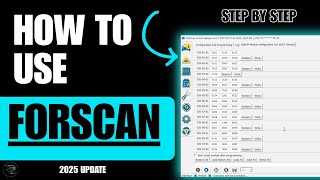
- Ford IDS / FORScan (with extended license): Programmable Module Installation (PMI) — This is the primary function used when replacing a PCM. It reads configuration data (VIN, injector codes, etc.) from the old module and writes it to the new one. If the old module is dead, this data must be entered manually.
- Ford IDS / FORScan (with extended license): PATS (Passive Anti-Theft System) Initialization — After installing a replacement PCM, this function is required to 'marry' the new PCM to the vehicle's immobilizer system. Failure to perform this will result in a no-start condition, even on some vehicles not equipped with chipped keys.
- Ford IDS / FCOM: Injector Coding / Classification — When replacing the PCM or injectors on a SID206, the unique calibration code from each injector must be programmed into the PCM for proper fuel delivery and engine performance. This is often part of the PMI process.
- Ford IDS: Module Reprogramming — Used to update the PCM's software (calibration) to the latest version from Ford. This can fix factory software bugs that may cause running issues or, in rare cases, trigger false codes.
Wiring & Ground Locations
- PCM Main Connector (C418) — Located on the Siemens SID206 ECU, behind the driver's side wheel arch liner.. This is the main interface for all power, ground, and signal wires. Pin C1 is the PCM Power Relay Control. Pins for power, ground, and CAN lines must be checked here for corrosion, voltage, and continuity.
- PCM Power Relay — Typically located in the engine bay fuse box (EJB). Often designated as R2 or similar.. This relay supplies the main operating voltage to the PCM. A faulty relay will prevent the PCM from powering on correctly, which can lead to a P0606 or a no-communication condition.
- CAN Bus Terminating Resistors — There are two 120-ohm resistors in the network. One is typically inside the PCM itself, and the other is often in the instrument cluster or another major module at the opposite end of the bus.. A failure of either resistor or the wiring between them will change the total bus resistance from 60 ohms, causing communication errors that can sometimes be misinterpreted by the PCM as an internal fault.
Real Owner Repair Stories
- Ford Transit Connect Forum (2010 Ford Transit Connect) — Erratic torque converter clutch engagement, harsh shifting, codes P0741 and P1744.
❌ Tried (didn't work) Initial diagnosis pointed to the PCM. A 'plug and play' remanufactured PCM was installed.
✅ What actually fixed it The replacement PCM caused a no-start and a B2139 PATS error because it was not correctly programmed. The workshop manual states that even on non-PATS vehicles, the parameters must be reset in the module upon replacement. The fix required proper programming via a capable scan tool (like FORScan or IDS) to perform the PATS initialization/parameter reset, 'marrying' the new PCM to the vehicle. - NHTSA ODI #10790513 — An owner reported that the RPM was high even when going slow and the car would sputter; an OBD2 check revealed code P0606, indicating an ECM/PCM processor problem.
- NHTSA ODI #11715240 — A report describes erratic and harsh shifting while on the highway, with diagnostic trouble codes P0606 and P0607 (PCM Processor Faults) present alongside transmission range sensor issues.
When the Usual Fixes Don't Work
- While P0606 almost always points to a failed PCM, it is not a 100% guarantee. In a documented case on the Ford Transit Forum, a user with a 2007 Transit Connect (SID206) with a P0606 and a no-start condition attempted multiple fixes. They tried a software update, a PATS re-code, and finally a used replacement ECU. None of these actions resolved the P0606 or the no-start condition. The thread concluded without a final fix being found. This serves as a critical reminder that a used replacement ECU could have the exact same fault, or the root cause could be an elusive wiring issue that even survived a visual inspection.
OEM Part Supersession History
7T11-12A650-DA→7T11-12A650-DB, -DC, -DD, -DE, -DF, -DG, -DH, -DJ, -DK, -DL— Represents rolling hardware and software revisions for the pre-facelift (2002-2009) models.
Heads up: While many suffixes may be interchangeable after programming, it is always best to match the base number and ensure the replacement is compatible with the specific engine and transmission configuration.9T11-12A650-DE→Later revisions— New part number series for the facelift (2009.5-2013) models.
Heads up: PCMs with a '9T11' prefix are for facelift models and are generally not compatible with pre-facelift vehicles that use '7T11' or other earlier prefixes due to wiring and system differences.
Model Year Variations Within This Range
- 2009.5-2013 (Facelift): The PCM part number prefix changes from '7T11' to '9T11', indicating a significant hardware and/or software change for the facelifted models. These units are not directly interchangeable with pre-facelift models.
- 2002-2013: Ford released numerous PCM software (calibration) updates over the vehicle's life. An update in 2009 was noted by some owners to worsen running conditions, while later updates resolved them. It is critical to ensure the PCM is running the latest stable software version available from Ford to rule out software bugs.
Diagnostic Flowchart
Real Owner Stories
Aggregated from forums and TSBs cited above. Mileages and costs reflect what owners reported in those sources.
2012 Ford Transit Connect
Symptoms: ESP malfunction light, engine malfunction light, vehicle stopped dead and would not start. Fault codes P0606 and U0101.
What fixed it: The user did not report a final fix. An exchanged ECU was programmed but the P0606 fault code returned. Checked all wiring and found nothing obvious.
Source hint: Ford Owners Club - Mk7 transit connect p0606
2007 Ford Transit Connect Euro 4 (Siemens SID 206)
Symptoms: Engine would not start, recurrent P0606 error. ECU pins were clean despite the under-wing position.
What fixed it: Owner tried a software update, recoding PATS, and installing a different used ECU, but the same error persisted. The vehicle was returned without a successful fix.
Source hint: Ford Transit Forum - 'p0606 internal pcm error connect '07 euro 4 siemens sid 206'
NHTSA ODI #11342391
Symptoms: An owner reported that their vehicle showed all symptoms and behaviors consistent with a P0606 code, where replacement of the TCM/PCM would typically be covered under extended warranty terms.
Related OBD-II Codes
Frequently Asked Questions
Why is the PCM on my Transit Connect so prone to water damage and the P0606 code?
Does TSB 16-0129 apply to my Transit Connect?
Which relay should I check first for a P0606 code on this van?
Can I just plug in a used Siemens SID206 ECU from another Transit Connect to fix this?
How can I prevent water from destroying the new PCM after I replace it?
Why is my PATS anti-theft light flashing along with the P0606 code?
Helpful Videos

The information in this article is provided for general reference and educational purposes only. Vehicle specifications, procedures, and part compatibility can vary by production date, trim level, and region. Always consult your vehicle's factory service manual and verify part numbers before purchasing or performing repairs. Safety-critical components such as airbags, seat belts, and braking systems should be installed by a qualified professional.
- Ford Transit Connect:
- 🧭 Diagnostic Flowchart
- 🎬 Helpful Videos
- What's Unique About the 2002-2013 Ford Transit Connect
- Symptoms You May Notice
- Most Likely Causes
- Rare But Worth Checking
- Diagnosis Steps
- Parts You'll Likely Need
- Related Codes That Often Appear With This One
- Technical Service Bulletins (TSBs) & Recalls
- Platform-Specific Known Issues
- Mechanic-Grade Diagnostic Values
- Scan Tool Commands That Help
- Wiring & Ground Locations
- Real Owner Repair Stories
- When the Usual Fixes Don't Work
- OEM Part Supersession History
- Model Year Variations Within This Range
- Real Owner Stories
- 2012 Ford Transit Connect
- 2007 Ford Transit Connect Euro 4 (Siemens SID 206)
- NHTSA ODI #11342391
- Related OBD-II Codes
- Frequently Asked Questions
- 🎟️ Get 5% Off