

P0606 on 2015-2022 GMC Yukon: ECM Processor Fault Causes and Fixes
On a 2015-2022 GMC Yukon, code P0606 often points to a weak battery, poor electrical connections, or a software glitch rather than a failed computer. Before considering expensive module replacement, thoroughly test the battery and clean all main power and ground connections. This is a very common misdiagnosis, and GM has issued multiple bulletins warning technicians not to replace modules without first checking the electrical system.
- Do not rush to replace the ECM. On a 2015-2022 Yukon, P0606 is most often caused by a simple electrical issue or a software bug.
- Start your diagnosis with the battery. A comprehensive load test and a thorough inspection of all main power and ground connections is the most important first step.
- Ask your dealer or a qualified shop to check for TSBs. A simple, one-hour software update could permanently fix the problem.
- This code is critical and indicates a potential safety issue. Do not drive the vehicle until it has been properly diagnosed and repaired.
- Due to the complexity and need for programming, this repair is best left to a professional technician with the correct diagnostic tools.
What's Unique About the 2015-2022 Gmc YUKON
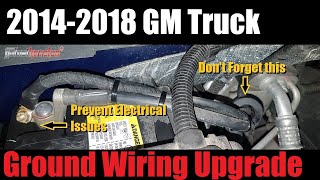
On these GM trucks and SUVs, P0606 is frequently a secondary code triggered by an underlying issue, not a primary module failure. GM has released numerous Technical Service Bulletins (TSBs) that link this code to unstable voltage from a weak battery, poor ground connections, or software that needs updating. In some cases, a fault in a completely different component, like a camshaft position sensor, can incorrectly trigger a P0606 code before the actual sensor code has a chance to set. Forum threads are filled with owners who fixed a P0606 code by replacing a a battery or cleaning a ground cable 🎬 Watch: How to fix common GM ground and electrical issues. after being told they needed a new ECM.
Diagnostic Flowchart
Tap your situation to follow the diagnostic path that matches what you're seeing on this vehicle.
Generation note: This range covers the fourth generation (2015-2020 K2XX platform) and the fifth generation (2021-2022 T1XX platform). TSBs exist for both generations, indicating that issues with module software and electrical system stability are common causes for this code across the platform change. For example, TSB 24-NA-050 applies to 2024 models but describes voltage issues causing P0606 in the EBCM, a problem also seen in earlier years. TSB PIT6347B specifically addresses 2022-2025 models, noting the issue is more prevalent in colder temperatures and with a low battery state of charge.
Symptoms You May Notice
- Check Engine Light (MIL) illuminated
- Service StabiliTrak / Service Brake System warnings
- Vehicle may not start or may be difficult to start
- Engine stalling or running rough
- Harsh or erratic transmission shifting
- Engine RPM flare between shifts
- Loss of power steering
- Radio/infotainment system acts erratically (flashing, ejecting CDs, no audio)
- Replacing the Engine Control Module (ECM) or other control modules without first performing a thorough battery/charging system test and checking for available software updates. TSBs specifically warn against this.
Most Likely Causes
- Low Battery Voltage or Poor Electrical Connections 🔴 High Probability → Shop Vehicle Battery Modern Yukons have complex electrical systems with high parasitic draw, making them extremely sensitive to voltage fluctuations. A weak or aging AGM battery, corroded terminals, or a poor ground can cause modules to fail their internal self-tests during startup, triggering a P0606 code. This is the most common cause reported by owners and is highlighted in multiple GM TSBs.
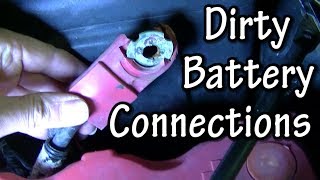
How to confirm: Perform a load test on the battery (a simple voltage check is insufficient). Inspect all battery terminals, main power cables, and chassis/engine ground straps for corrosion, tightness, and physical damage. A common owner experience involves corrosion wicking up the positive battery cable under the insulation, which is not visible externally. Perform a voltage drop test on the main power and ground circuits to identify hidden resistance.
Typical fix: Replace a failing battery with a high-quality AGM equivalent. Clean or replace corroded terminals and ground straps. Ensure all connections are secure. Some owners have had to replace the entire positive battery cable assembly due to internal corrosion.
Est. part cost: $200-$450 - Control Module Software Requires Update 🔴 High Probability GM has issued several TSBs (e.g., #150730002A for the TCM, a 2020 bulletin for the ECM, and 24-NA-050 for the EBCM) to fix software bugs that could cause a P0606 code. These updates often make the module's voltage diagnostics more robust or fix logic anomalies that lead to false processor faults.
How to confirm: A GM dealer or a qualified independent shop can check the vehicle's VIN against GM's service database for any open TSBs or available software updates for the ECM, TCM, BCM, or EBCM.
Typical fix: Reprogram the affected module with the latest software calibration using a specialized scan tool. This must be done with a stable voltage supply to prevent module damage.
Est. part cost: $0 - Faulty External Component or Wiring 🟡 Medium Probability As noted in TSB 17-NA-132, a fault in another component, such as an open in the camshaft position sensor circuit, can cause the ECM to set a P0606 performance code. Additionally, TSB 21-NA-149 for the related Duramax platform warns that chafing of the engine wiring harness against brackets can cause shorts that mimic ECM failure and trigger P0606. This highlights the sensitivity of the system to external electrical faults.
How to confirm: If other codes are present, diagnose them first. If only P0606 is present, follow TSB-guided diagnostics to check related inputs. Thoroughly inspect the engine wiring harness, especially where it passes near metal brackets or sharp edges, for signs of chafing or damage.
Typical fix: Replace the actual faulty component (e.g., camshaft position sensor) or repair the damaged section of the wiring harness.
Est. part cost: $30-$200 - Failed Control Module (ECM, TCM, BCM, EBCM) ⚪ Low Probability While this is the direct definition of the code, it's often the least likely cause on this platform. It should only be considered after all other possibilities are exhausted. GM TSBs repeatedly warn technicians *not* to replace modules for this code until all power, ground, and software checks are complete.
How to confirm: This is a process of elimination. If the battery, charging system, all related wiring, grounds, and software are confirmed to be in perfect working order via specific tests, the module that set the code is the likely culprit.
Typical fix: Replace the faulty module and program the new one to the vehicle's VIN. This requires specialized tools and software access.
Est. part cost: $600-$1500
Rare But Worth Checking
- Wiring Harness Damage: An intermittent short or open in the CAN bus wiring or the harness connected to a module can cause communication errors that mimic an internal processor fault. Check for signs of rodent damage, chafing near brackets, or previous improper repairs.
- Faulty Alternator: An alternator that is over-charging (voltage above 15V) or under-charging can create voltage instability that confuses control modules, leading to a P0606 code. This should be checked during the battery/charging system test.
Diagnosis Steps
- Scan for all diagnostic trouble codes in all modules. Note which specific module set the P0606 code (ECM, EBCM, TCM, etc.).
- Thoroughly test the battery with a digital load tester (e.g., GR8/DCA tool specified by GM). A resting voltage check is not sufficient. Check the alternator's output to ensure it is stable and between 13.5 and 14.5 volts when running.
- Inspect and clean all battery terminals, main power feeds to the underhood fuse block, and all major engine and chassis ground straps. Pay close attention to the main engine-to-chassis ground. Check for hidden corrosion inside battery cable insulation.
- Check for Technical Service Bulletins (TSBs) related to P0606 for your vehicle's VIN. Check if any software updates are available for the ECM, TCM, BCM, or EBCM.
- If a TSB points to a specific component (like the camshaft position sensor per TSB 17-NA-132) or a wiring issue (like harness chafing per TSB 21-NA-149), follow that diagnostic path meticulously.
- Inspect the wiring harness for the affected module for any signs of physical damage, corrosion, or water intrusion. Check for loose pins or poor terminal tension at the module connector.
- As a last resort after all other steps fail to identify a cause, the control module that set the code is likely faulty and requires replacement and programming.
Parts You'll Likely Need
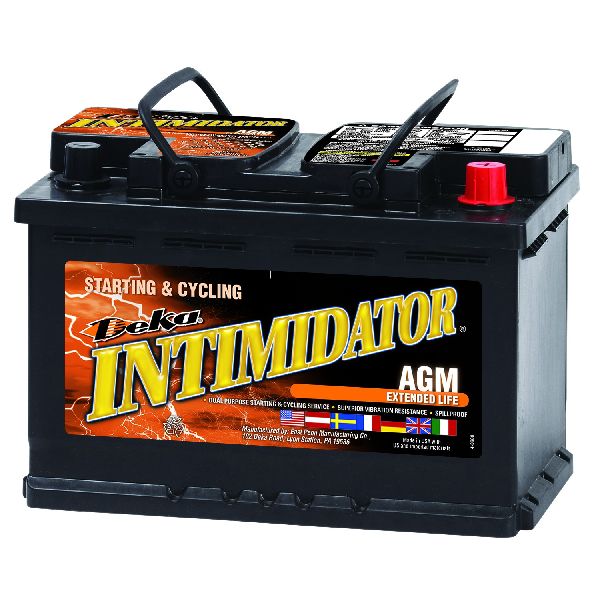
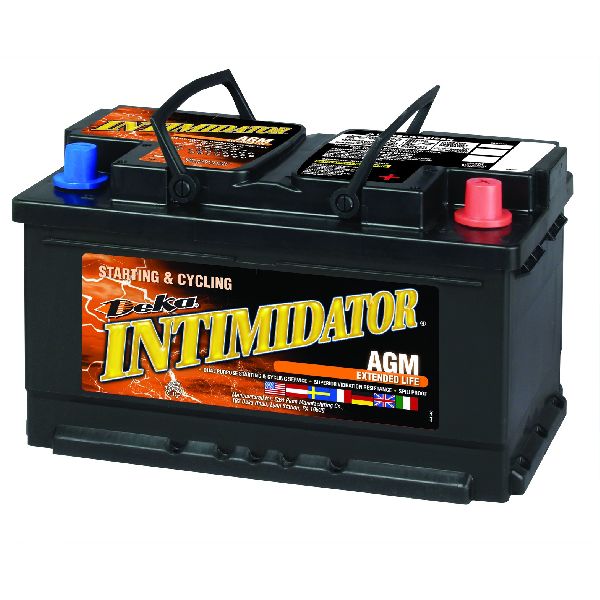
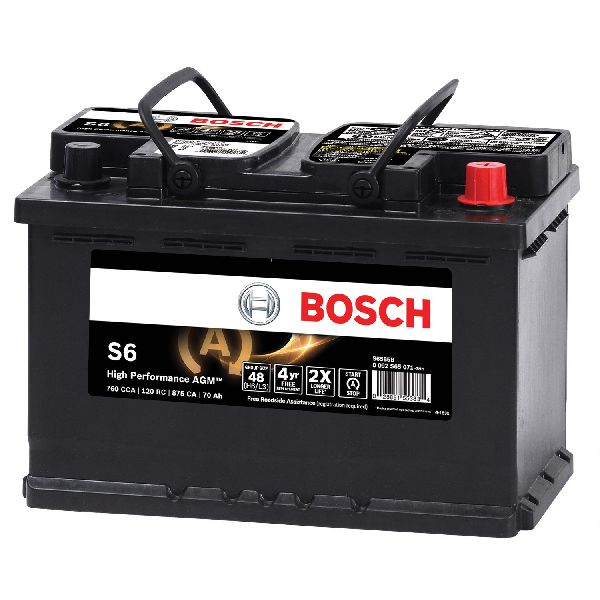
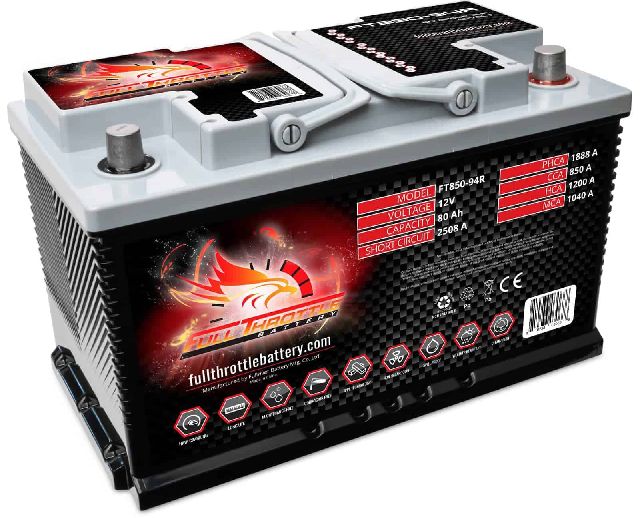
- AGM Battery
(OEM #ACDelco Gold 48AGM (GM P/N: 88864541))— A weak or failing battery is the most common trigger for P0606 on this platform due to voltage instability. Replacing with the correct OEM-spec AGM battery is critical.
Trusted brands: ACDelco, DieHard, Optima, Duracell Ultra
OEM price range: $250-$400
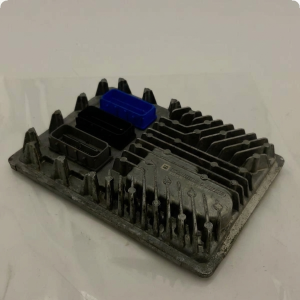
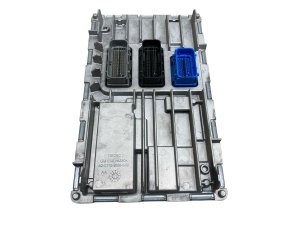
Aftermarket price range: $200-$350 - Engine Control Module (ECM) — This is the part to replace when it has been definitively proven that the module itself has failed, after exhausting all other diagnostic steps. Must be programmed to the vehicle.
Trusted brands: ACDelco (OEM), Cardone, FS1
OEM price range: $600-$1200
Aftermarket price range: $400-$800
Related Codes That Often Appear With This One
- P0562 — Indicates System Voltage Low, which is a primary cause for the P0606 code as modules fail self-tests under low voltage conditions. TSB #PIT6347B and #24-NA-050 directly link these codes.
- P16F3 — This is another control module redundancy code often seen with P0606, as noted in TSB #150730002A, pointing towards a software or internal processing conflict.
- P2818 — This transmission pressure control solenoid code can appear with P0606 when the root cause is a TCM software issue, as described in TSB #150730002A.
Technical Service Bulletins (TSBs) & Recalls
- TSB #PIT6347B: ABS SES MIL / Service Brake System / Service StabiliTrak / BSCM DTC P0606 P0562
- TSB #24-NA-050: Silverado and Sierra Setting DTC P0606 and either DTC P0562 or P0563
- TSB #150730002A: MIL Illuminated, Firm Shifts, Shudder, Engine RPM Flare, DTCs P0606, P16F3 or P2818 Set
- TSB #17-NA-132: Information on DTC P0606 Set in Combination with Other DTCs
- TSB #PIP5609: SES Lamp And P0601-P0604, P0606, P062B, P062F, P0630, P16F3, Or P262B
- TSB #21-NA-149: (Related Platform) Engine Wiring Harness Chafing May Cause Multiple DTCs
Platform-Specific Known Issues
- TSB #PIT6347B / 24-NA-050: EBCM/BSCM P0606 with P0562: Addresses P0606 set in the Electronic or Brake System Control Module, often with StabiliTrak warnings. Directs technicians to perform extensive battery and connection testing before replacing any modules, noting the issue is worse in cold weather. A new calibration was developed to make the diagnostics more robust.
- TSB #150730002A: TCM P0606 with Transmission Issues: → Shop Transmission Assembly Addresses a P0606 set in the Transmission Control Module (TCM) accompanied by firm shifts, shudder, or RPM flare. The fix is to reprogram the TCM with updated software, not to replace the transmission or TCM.
- Owner Experience: Hidden Battery Cable Corrosion: → Shop Vehicle Battery Multiple owners on forums like 'tahoeyukonforum.com' report chasing a P0606 for weeks. The eventual fix was replacing the main positive battery cable, which had corrosion that had crept up the copper strands under the red insulation, creating hidden resistance that a simple terminal cleaning couldn't fix.
Mechanic-Grade Diagnostic Values
- Battery State of Charge (Key Off) — expected: 12.4V to 12.6V. Failure: Below 12.4V indicates a low state of charge; a reading below 12.0V suggests a bad battery or a dead cell.
- Charging System Voltage (Engine Running) — expected: 13.5V to 14.5V. Failure: Voltage that is too low, too high, or fluctuating can indicate a faulty alternator or voltage regulator, which can trigger a P0606.
- ECM Power and Ground Circuit Voltage Drop — expected: Less than 0.2V (200mV). Failure: High resistance in the power feed or ground circuit to the ECM can cause voltage drops under load, fooling the module into setting a P0606. A reading higher than 0.2V indicates a wiring or connection issue that must be repaired.
Scan Tool Commands That Help
- GDS2 / Techline Connect: SPS (Service Programming System) — Required to program a new or replacement ECM, TCM, or other control module. The new module will not function until it is programmed with the vehicle's VIN and specific calibration files.
- GDS2 / High-End Scan Tool: Vehicle Theft Deterrent (VTD) Relearn — This procedure is mandatory after replacing the ECM to 'marry' the new module to the vehicle's anti-theft system. The engine will not start until this relearn is successfully completed.
- GDS2 / High-End Scan Tool: Crankshaft Position Variation Learn — This procedure must be performed after ECM replacement or reprogramming to calibrate the ECM to the specific tolerances of the crankshaft position sensor. Failure to do so can result in a check engine light and rough running conditions.
Wiring & Ground Locations
- G103 — On the rear of the left-hand (driver's side) cylinder head. Some diagrams show it on the cowl above the brake booster.. This is a critical ground point for the BCM, Instrument Panel Cluster (IPC), and the Data Link Connector (DLC). A poor connection here can cause widespread communication issues and false module fault codes like P0606.
- G104 / G105 / G106 — These are primary engine and chassis grounds. G104 is often on the left front corner of the engine. G105 is at the left front of the engine compartment. G106 is on the front center frame cross rail.. These grounds provide the main return path for the ECM and other modules. TSBs mention ensuring these connections are secure, as high resistance here can cause unstable voltage supply to the control modules.
- Main Engine to Chassis Ground Strap — Typically a large braided strap running from the engine block (often near the back on the driver's side) to the vehicle's firewall or frame.. This is one of the most important grounds on the vehicle. If it becomes corroded, loose, or broken, modules can lose their reference ground, leading to unpredictable behavior and codes like P0606.
Real Owner Repair Stories
- Tahoe Yukon Forum (2015+ GM Truck/SUV) — Intermittent P0606 code, especially during cranking.
❌ Tried (didn't work) Initial battery test came back as 'good'.
✅ What actually fixed it The owner cleaned all battery connections and main ground points. The problem was traced to grime and grease on the connections causing high impedance (resistance), which would cause a voltage drop during the high current draw of engine cranking, triggering the P0606.
OEM Part Supersession History
12672537, 12673676→12680656, 12686383, 12688528, 12692069, 12704475— Standard hardware and software revisions by the manufacturer.
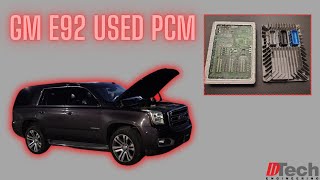
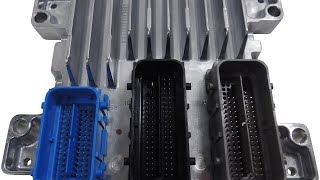
Heads up: These vehicles use the E92 ECM. When sourcing a replacement, the Service Number must match the original. A used module from another vehicle cannot be reprogrammed by most shops and requires a specialized cloning service. A new, blank module must be programmed using GM's SPS software.
Helpful Videos

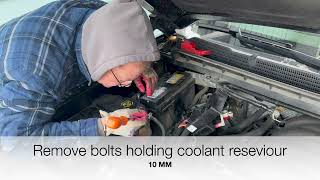
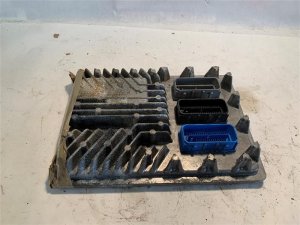
Used OEM Parts in Stock
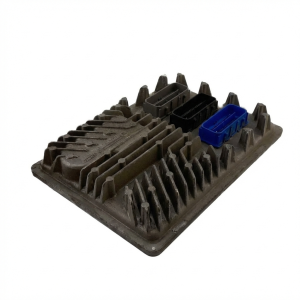
New Aftermarket Parts Available


The information in this article is provided for general reference and educational purposes only. Vehicle specifications, procedures, and part compatibility can vary by production date, trim level, and region. Always consult your vehicle's factory service manual and verify part numbers before purchasing or performing repairs. Safety-critical components such as airbags, seat belts, and braking systems should be installed by a qualified professional.
- Gmc YUKON:
- 🧭 Diagnostic Flowchart
- 🎬 Helpful Videos
- 🛍️ Shop This Part
- What's Unique About the 2015-2022 Gmc YUKON
- Symptoms You May Notice
- Most Likely Causes
- Rare But Worth Checking
- Diagnosis Steps
- Parts You'll Likely Need
- Related Codes That Often Appear With This One
- Technical Service Bulletins (TSBs) & Recalls
- Platform-Specific Known Issues
- Mechanic-Grade Diagnostic Values
- Scan Tool Commands That Help
- Wiring & Ground Locations
- Real Owner Repair Stories
- OEM Part Supersession History
- 🎟️ Get 5% Off