

P0606 on 2014-2017 Honda Odyssey: ECM/PCM Processor Fault Guide
Code P0606 on a 2014-2017 Honda Odyssey indicates an internal processor fault in the main engine computer (ECM/PCM). Before replacing the expensive computer, first check for simple electrical issues like a weak battery, a failing alternator, or poor ground connections, as these are common false triggers. If the ECM is truly faulty, replacement and programming are required.
- P0606 is a critical code indicating a processor fault in your Odyssey's main computer (PCM).
- Do not immediately assume the PCM is bad. Thoroughly test the battery, alternator, and all power/ground connections to the PCM first, as these are common culprits.
- Driving is not recommended due to the risk of the engine stalling unexpectedly.
- If the PCM must be replaced, it is not a plug-and-play part. It requires professional programming to work with your vehicle's specific VIN and security system.
- Check if your vehicle is still covered under the federal emissions warranty (typically 8 years/80,000 miles), as it may cover the cost of PCM replacement.
What's Unique About the 2014-2017 Honda Odyssey
For many Honda vehicles, including the 2014-2017 Odyssey, a P0606 code can be triggered by external electrical issues rather than an actual failed computer. Specifically, a weak or dying battery, a failing alternator causing voltage fluctuations, or corroded ground wires can confuse the PCM, making it think it has an internal fault. These Odysseys use a PCM-controlled charging system with an Electrical Load Detector (ELD) that can be sensitive to voltage drops. There is also a known history on older Hondas where a software glitch could misinterpret low battery voltage as a processor malfunction, which was fixed with a software update, highlighting Honda's sensitivity to voltage levels.
Symptoms You May Notice
- Check Engine Light is on
- Vehicle may crank but not start
- Engine may stall unexpectedly while driving or at idle
- Erratic automatic transmission shifting
- Reduced engine performance and poor fuel economy
- Other warning lights, like the ABS, VSA, or FCW system light, may illuminate
- Vehicle enters 'limp mode' with severely restricted power
- Replacing the PCM without first thoroughly testing the battery, alternator, and ground connections. These simpler electrical issues are a more common cause of the code than actual PCM failure.
Most Likely Causes
- Low or Unstable System Voltage 🟡 Medium Probability Modern vehicles with complex electronics are sensitive to voltage. A weak battery or failing alternator can cause the PCM to malfunction and set a false P0606 code, especially during engine cranking when voltage drops significantly.
How to confirm: With the engine off, use a multimeter to check battery voltage; it should be ~12.4V-12.6V. A reading below 12V, especially if the difference from 12.6V is a multiple of 2.1V, can indicate a dead cell. With the engine running, check alternator output; it should be stable 🎬 Watch: How to diagnose your battery or alternator trouble. between 13.5V and 14.5V. A forum user on ScannerDanner noted that the PCM controls the alternator via a white/green wire, which should show over 8V, confirming the PCM is commanding the alternator to charge.
Typical fix: Replace the battery and/or alternator.
Est. part cost: $150-$400 - Poor PCM Power or Ground Connections 🟡 Medium Probability Ground wires can corrode or loosen over time, creating high resistance. This starves the PCM of a stable reference voltage, leading to internal processing errors. The main battery-to-chassis ground is a common culprit.
How to confirm: Visually inspect the main engine-to-chassis ground straps and the smaller ground wires connected to the PCM harness. Look for corrosion, looseness, or damage. Perform a voltage drop test on the ground circuit to confirm its integrity. A user on DashCamTalk had difficulty finding a good ground point in the passenger footwell area, highlighting the need to use known, clean chassis ground points.
Typical fix: Clean the grounding points with a wire brush until they are shiny, apply dielectric grease, and tighten the connections. Replace any corroded or damaged wires.
Est. part cost: $5-$50 - Faulty Powertrain Control Module (PCM) ⚪ Low Probability → Shop Engine Control Module (ECM) While less common than electrical issues, internal hardware failure of the PCM can occur due to age, heat, or vibration.
How to confirm: This is a process of elimination. If the battery, charging system, and all power/ground circuits to the PCM are confirmed to be in perfect working order, the PCM itself is the likely culprit.
Typical fix: Replace the PCM. The new module must be programmed by a dealer or a qualified shop with advanced tools to match the vehicle's VIN and immobilizer system. Repair services like SIA Electronics also offer a 'Repair & Return' service.
Est. part cost: $500-$1400
Rare But Worth Checking
- PCM Software Glitch: Sometimes, a software anomaly can cause this code. A dealer can check if any software updates are available for the PCM that might address this issue. Disconnecting the battery for over a minute can sometimes clear a temporary glitch by allowing the self-shutoff relay to fully reset.
- Shorted Sensor or Actuator: A sensor on the 5-volt reference circuit that shorts out can sometimes feed back errant voltage to the PCM, causing it to set a P0606 code. If other sensor-related codes are present, they should be diagnosed first by unplugging the suspect sensor to see if the P0606 code clears.
- Aftermarket Accessories: Improperly installed aftermarket electronics (e.g., remote starters, alarms, stereos) can interfere with the CAN bus network or introduce electrical noise, potentially triggering a P0606 code. If you have such accessories, they should be professionally inspected or temporarily disconnected. A manufacturer service bulletin for other Honda models, TSB Bulletin #A15120C, notes that even aftermarket spark plugs with built-in capacitors can cause electrical interference that triggers DTC P0606.
Diagnosis Steps
- Check for other DTCs. If other codes are present (especially sensor circuit codes), diagnose and fix them first, as they could be the root cause.
- Visually inspect the battery terminals for corrosion and tightness.
- Using a multimeter, test the battery voltage with the engine off (should be ~12.6V). Test cranking voltage to ensure it doesn't drop excessively.
- Start the engine and test the alternator output at the battery terminals (should be stable, 13.5V-14.5V).
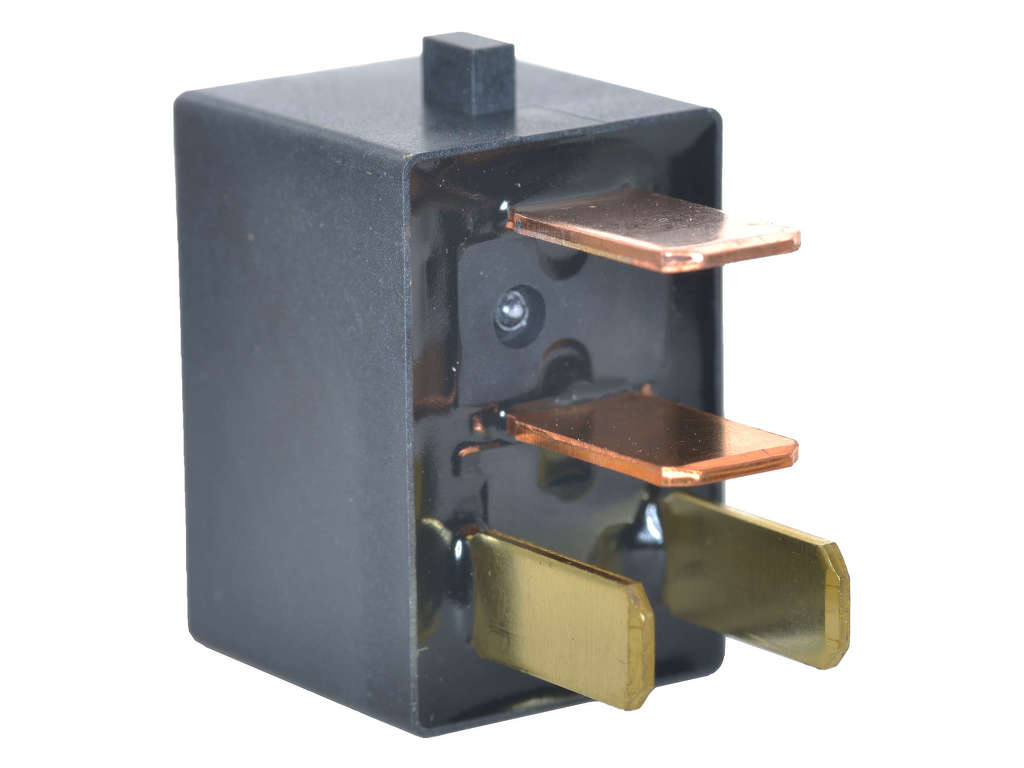
- Inspect all PCM-related fuses and relays in the under-hood fuse box. The PCM relay is integrated into a multi-relay module assembly. 🎬 Watch: Locate your engine computer and PCM relay.
- Locate and inspect the main engine and chassis ground connections. The primary ground strap is near the battery. 🎬 See how to repair a frayed or corroded ground strap. Clean and tighten them as necessary.
- Inspect the PCM connectors (located in the engine bay, RH fender well area) for any signs of corrosion, moisture, or bent pins.
- If all external electrical inputs and grounds are confirmed to be good, the PCM is suspect.
- Before replacing the PCM, check with a Honda dealer for any available software updates (TSBs) for your vehicle's VIN. TSBs like 17-043 show that PCM software updates are a common procedure for this vehicle.
- If replacement is necessary, the new PCM will require programming by a professional.
Parts You'll Likely Need
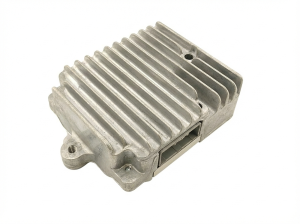
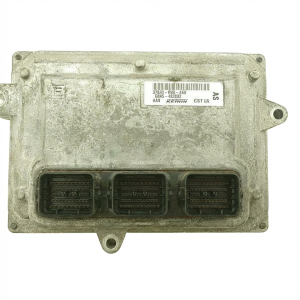
- Powertrain Control Module (PCM/ECM)
(OEM #37820-RV0-A68 (supersedes 37820-RV0-A61 through A67))— This is the part that is replaced if all external electrical issues are ruled out and the module is confirmed to have an internal fault.
Trusted brands: Honda (OEM)
OEM price range: $1100-$1400
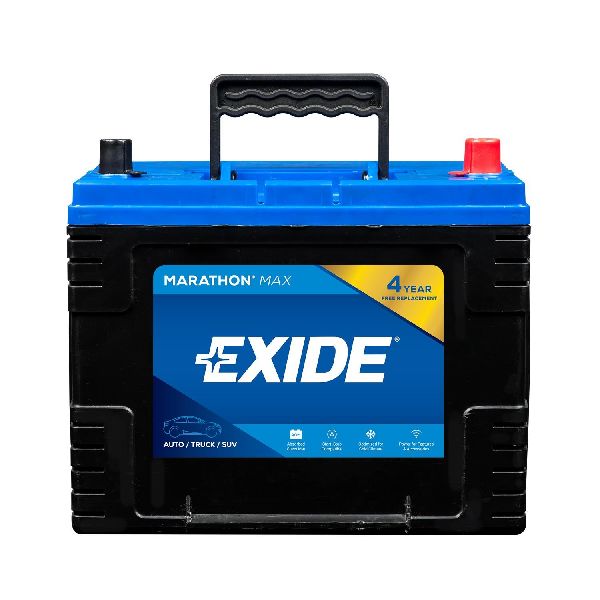
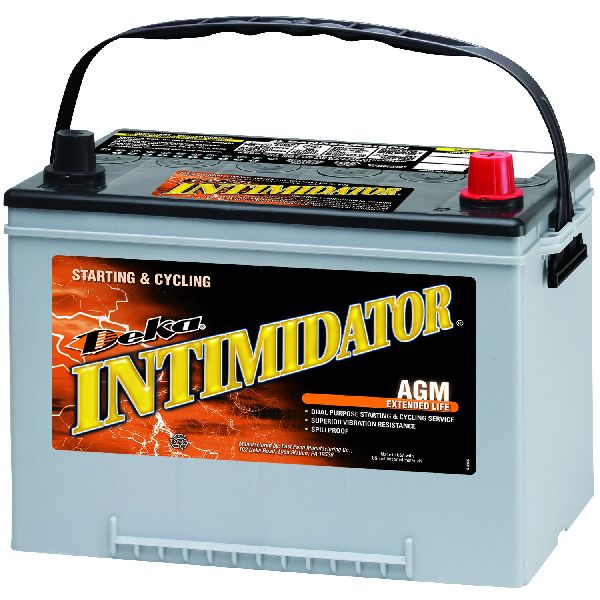
Aftermarket price range: $70-$500 (Used/Remanufactured) - Battery — A weak or failing battery is a common cause of low voltage, which can trigger a false P0606 code.
Trusted brands: Interstate, DieHard, Duralast
OEM price range: $200-$300
Aftermarket price range: $150-$250
Technical Service Bulletins (TSBs) & Recalls
- While not for this specific model year, Honda Service Bulletin 04-048 for older Accords/Elements shows a precedent for software updates fixing a P0606 code caused by misinterpreting low voltage.
- Honda Service Bulletin 17-043 and 17-044 for the 2014-17 Odyssey involve a PCM software update to correct transmission judder. This confirms that software updates for the PCM are available and a standard dealer procedure, which could potentially resolve software-based P0606 glitches.
- Manufacturer TSB Bulletin #A15120C highlights that the MIL may illuminate with DTC P0606 due to electrical interference from aftermarket spark plugs that include a built-in capacitor.
Platform-Specific Known Issues
- False Code from Weak Battery: → Shop Vehicle Battery Multiple owners on forums like Reddit report that a P0606 code appeared when their battery was failing, and the code was resolved simply by installing a new, fully charged battery.
- Alternator Failure Trigger: A failing alternator that is either undercharging or overcharging can create unstable voltage, leading the sensitive PCM to log a P0606 fault. Diagnosis requires checking the charging voltage while running and also verifying the PCM control signals to the alternator.
Mechanic-Grade Diagnostic Values
- Battery Voltage (Static, Engine Off) — expected: 12.4V to 12.6V. Failure: Below 12.0V, or a value that is a multiple of 2.1V less than 12.6V (e.g., ~10.5V), indicates a dead cell.
- Charging System Voltage (Engine Running at Idle) — expected: 13.5V to 14.5V, stable. Failure: Voltage is below 13.5V, above 14.5V, or fluctuating wildly, indicating an alternator or regulator issue.
- PCM 5V Reference Voltage — expected: ~5V. Failure: If the 5V reference is missing at a sensor connector, unplug the sensor. If the voltage returns, the sensor is shorted. If it does not return, test at the PCM. If voltage is absent at the PCM, the PCM is likely faulty.
Scan Tool Commands That Help
- Honda HDS (or advanced aftermarket like Autel/Launch): Replace ECM/PCM — This function is required after installing a new or used PCM. It pairs the replacement module with the vehicle's immobilizer system and writes the VIN, allowing the engine to start.
- Honda HDS (or advanced aftermarket like Autel/Launch): Write VIN — Used as part of the PCM replacement process to program the vehicle's VIN into the donor module. This is critical for proper function and to avoid other potential fault codes.
- Honda HDS: Clear Memory (OBD) — Used as the first step in a specific procedure to prevent a false P0606 after the battery has been disconnected or has gone dead.
Wiring & Ground Locations
- PCM Location — In the engine bay, located in the right-hand (passenger side) fender well area.. This is the location of the module itself. Connectors here must be inspected for corrosion, moisture, and pin integrity.
- G301 — Behind the dashboard on the driver's side.. This is a major interior ground point that serves multiple components, including relays and potentially the PCM. A poor connection here can cause widespread electrical issues.
- G401 — Far up behind the left side of the dashboard.. This is another critical interior ground point. On some Honda models, a loose wire from G401 in the driver's door jamb area is a common cause of electrical failures.
- OBD-II Port — Under the driver's side dashboard, beneath the steering column.. This is the connection point for scan tools to read codes, view live data, and perform programming functions.
OEM Part Supersession History
37820-RV0-A61, 37820-RV0-A62, 37820-RV0-A63, 37820-RV0-A64, 37820-RV0-A65, 37820-RV0-A66, 37820-RV0-A67→37820-RV0-A68— Incremental hardware and/or software revisions by the manufacturer to improve reliability or address issues.
Heads up: While all these part numbers are for the 2014-2016 Odyssey, it is critical to match the part number exactly when sourcing a used part. A different revision of the same base part number can be vastly different and may not work correctly. The final part number, 37820-RV0-A68, is the most updated version and replaces all previous versions.
Diagnostic Flowchart
Other Known Issues on This Vehicle
Issues unrelated to this code that are worth knowing about as an owner of this generation:
- Transmission Torque Converter Judder 🟠 Medium → Shop Transmission Assembly — Very common. Occurs under light throttle between 20-60 mph. Onset can be as early as 40,000 miles. (Ref: TSB 17-043 and 17-044.)
- VCM-Related Piston Ring Wear and Oil Consumption 🔴 High — Widespread issue affecting the J35 engine family. Often leads to oil-fouled spark plugs in cylinders 1-4, causing misfires (P0301-P0304). (Ref: Honda has a warranty extension for this issue (8 years/unlimited mileage or 10 years/150k miles, depending on the program).)
- VCM-Related Premature Engine Mount Failure 🟠 Medium — The active engine mounts used to dampen VCM vibrations can fail prematurely, often every 50,000-60,000 miles, causing excessive vibration at idle.
Used vs. New Parts: Buying Guide for This Vehicle
When a used part is the smart pick: A used PCM is a cost-effective option if the original is confirmed faulty, especially on an older, out-of-warranty vehicle. Used units can be found for a fraction of the new OEM price.
Donor-vehicle mileage cap: roughly under 150000 miles for the part to have meaningful remaining life.
What to inspect on the donor part:
- Match the OEM part number EXACTLY, including the revision (e.g., A67, A68).
- Purchase from a reputable auto recycler that offers a warranty (e.g., 90-day or 1-year).
- Visually inspect the connector pins for any signs of corrosion, bending, or damage.
- Ensure the casing of the module is not cracked or physically damaged.
OEM-only on this vehicle (don't cheap out):
- Powertrain Control Module (PCM) - While used OEM is an option, new aftermarket PCMs are generally not recommended due to potential quality and compatibility issues. Stick with new OEM or a warranted, used OEM part.
Brands owners have reported issues with on this vehicle:
- Unbranded or no-name PCM/ECM units from online marketplaces with no warranty or return policy.
Real Owner Stories
Aggregated from forums and TSBs cited above. Mileages and costs reflect what owners reported in those sources.
2014 Honda Odyssey 3.5L V6
Symptoms: Charging system problems and unstable voltage readings.
What fixed it: Diagnosing the alternator control system, specifically verifying the PCM's command signal on the white/green wire.
Source hint: ScannerDanner Forum - '2014 Honda Odyssey Charging System problem'
2015 Honda Odyssey 3.5L V6
Symptoms: Difficulty finding a reliable ground point for electrical components in the passenger footwell area.
What fixed it: Cleaning and using known, clean chassis ground points to ensure electrical integrity.
Source hint: DashCamTalk - '2015 Honda Odyssey: No ground available?'
2014-2017 Honda Odyssey 3.5L V6
Symptoms: P0606 code appeared while the battery was failing.
What fixed it: Installing a new, fully charged battery.
Source hint: vehicle_specific_issues - 'False Code from Weak Battery'
Related OBD-II Codes
Frequently Asked Questions
Could my 2014-2017 Honda Odyssey's transmission judder be related to the PCM software?
Is it true that a weak battery can trigger a P0606 code on my Odyssey?
How can I tell if my PCM is actually bad or if it's just a charging system issue?
Where are the PCM connectors located on a 2014-2017 Odyssey if I want to check for corrosion?
If I need to replace the PCM, can I just plug in a used one?
Does Honda have a warranty extension that might cover engine issues related to the J35 engine in my Odyssey?
Can aftermarket spark plugs cause a P0606 code on a Honda?
Helpful Videos
Used OEM Parts in Stock
New Aftermarket Parts Available


The information in this article is provided for general reference and educational purposes only. Vehicle specifications, procedures, and part compatibility can vary by production date, trim level, and region. Always consult your vehicle's factory service manual and verify part numbers before purchasing or performing repairs. Safety-critical components such as airbags, seat belts, and braking systems should be installed by a qualified professional.
- Honda Odyssey:
- 🧭 Diagnostic Flowchart
- 🎬 Helpful Videos
- 🛍️ Shop This Part
- What's Unique About the 2014-2017 Honda Odyssey
- Symptoms You May Notice
- Most Likely Causes
- Rare But Worth Checking
- Diagnosis Steps
- Parts You'll Likely Need
- Technical Service Bulletins (TSBs) & Recalls
- Platform-Specific Known Issues
- Mechanic-Grade Diagnostic Values
- Scan Tool Commands That Help
- Wiring & Ground Locations
- OEM Part Supersession History
- Other Known Issues on This Vehicle
- Used vs. New Parts: Buying Guide for This Vehicle
- Real Owner Stories
- 2014 Honda Odyssey 3.5L V6
- 2015 Honda Odyssey 3.5L V6
- 2014-2017 Honda Odyssey 3.5L V6
- Related OBD-II Codes
- Frequently Asked Questions
- 🎟️ Get 5% Off