

P0606 on 2003-2009 Toyota 4Runner: ECM Fault or Something Else? Causes and Fixes
On a 4th Gen Toyota 4Runner, P0606 almost never means you need a new computer, even though the code is 'ECM/PCM Processor Fault'. The most likely cause is a failing Air/Fuel Ratio sensor or Oxygen sensor sending erratic signals. Always diagnose sensors, check grounds, and inspect the charging system before replacing the expensive ECM.
- Do NOT replace the Engine Control Module (ECM) for a P0606 code until all other possibilities are exhausted.
- The most likely cause is a faulty Air/Fuel Ratio sensor or Oxygen (O2) sensor.
- Always check for other trouble codes first. If any sensor codes are present, fix them, clear the codes, and P0606 will likely not return.
- Thoroughly inspect and clean all engine and ECM ground connections.
- This code indicates a critical fault that can make the vehicle unsafe to drive; address it immediately.
What's Unique About the 2003-2009 Toyota 4Runner
The 4th generation 4Runner, like many Toyotas of its era, has a sensitive engine control module. The factory diagnostic procedure for P0606 can be misleading, often suggesting an immediate ECM replacement. However, experienced technicians and owners have found that the true culprits are almost always less-expensive external parts. An intermittent failure in an Air/Fuel or O2 sensor's heater circuit is a well-documented, non-obvious cause that fools the ECM's self-diagnostics. Additionally, due to the vehicle's age, corroded grounding points, particularly main engine grounds that may require intake manifold removal to access, are becoming a more common cause for this code.
Symptoms You May Notice
- Check Engine Light (CEL) is on
- Vehicle may not start
- Engine may stall unexpectedly while driving
- Rough or unstable idling, sometimes a brief, random dip to ~450 RPM
- Noticeable decrease in fuel economy
- Transmission shifting issues
- Vehicle enters 'limp mode' (reduced power)
- ABS and other warning lights may illuminate simultaneously
- Replacing the Engine Control Module (ECM) without proper diagnosis. This is an expensive repair that usually does not fix the root cause, which is often a much cheaper sensor or wiring issue.
Most Likely Causes
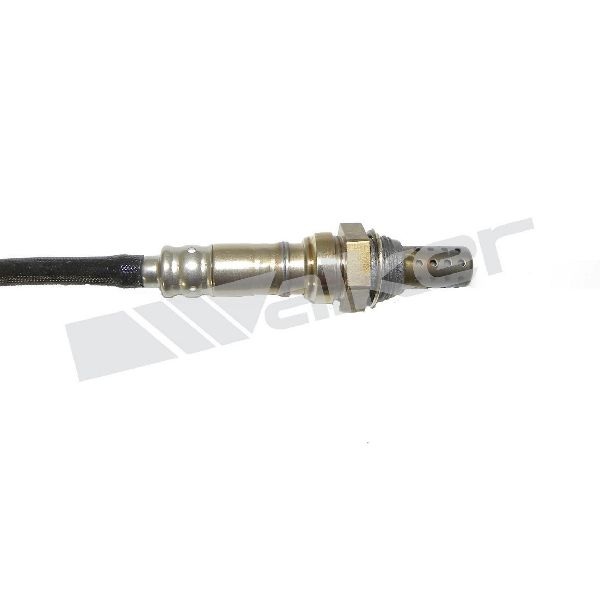
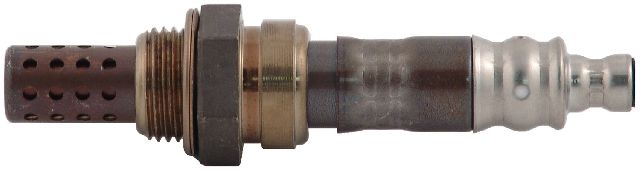
- Faulty Air/Fuel Ratio (A/F) or Oxygen (O2) Sensor 🔴 High Probability → Shop Oxygen Sensor An intermittent short or high resistance in the sensor's internal heater circuit sends a voltage spike that the ECM misinterprets as an internal processor failure. This is a common pattern on many Toyota models and the most frequent fix reported by owners.
How to confirm: Scan for other codes first. Codes like P0138, P0158, or other sensor circuit codes are a strong clue. Use a scan tool to graph the A/F or O2 sensor voltage; look for erratic behavior, dropouts, or a flat line, especially while wiggling the sensor's wiring harness. Check the resistance of the sensor's heater circuit; a very high reading (thousands of Ohms) or an open circuit indicates a failure.
Typical fix: Replace the identified faulty sensor. It is highly recommended to use OEM or Denso brand sensors, as aftermarket sensors are reported to cause issues.
Est. part cost: $60-$220 - Poor ECM Ground Connection 🟡 Medium Probability Over time, engine bay grounds can corrode, especially on older vehicles. A poor ground can cause unstable voltage to the ECM, triggering various faults. On the 4Runner, key grounds are located on the inner fender and bolted to the engine block, sometimes under the intake manifold.
How to confirm: Locate the main ECM and engine ground points. They are typically bolted to the engine block, firewall, or inner fender. Visually inspect for rust, corrosion, or looseness. Perform a voltage drop test on the ground circuit. Clean the contact points to bare metal and re-secure them tightly. A video of a 2005 4Runner showed this exact issue causing a P0606.
Typical fix: Clean or repair the ground straps and contact surfaces. This may involve removing the intake manifold for access on some models.
Est. part cost: $1-$20 - Faulty Charging System (Alternator) ⚪ Low Probability A failing alternator can produce unstable voltage (either too high or too low), which can disrupt the ECM's operation and cause it to flag an internal error.
How to confirm: With the engine running, use a multimeter to check the voltage at the battery terminals. A healthy charging system should read between 13.5 and 14.5 volts. Readings outside this range or fluctuating wildly suggest an alternator or voltage regulator problem.
Typical fix: Replace the alternator.
Est. part cost: $150-$400
Rare But Worth Checking
- Faulty Engine Control Module (ECM): → Shop Engine Control Module (ECM) This is the cause the code directly points to, but it is the least likely culprit on this vehicle. This should only be considered after all other possibilities, especially sensors and grounds, have been exhaustively ruled out by a qualified technician.
- Dirty Mass Airflow (MAF) Sensor: A very dirty MAF sensor can cause incorrect air-fuel readings, leading to a cascade of codes that may include P0606. Cleaning the MAF sensor with a dedicated cleaner is a simple and inexpensive diagnostic step mentioned by owners.
- Aftermarket Electrical Accessories: Poorly installed aftermarket accessories, such as LED headlights with cooling fans or remote start systems, can introduce electrical noise or voltage irregularities that may trigger a P0606 code.
Diagnosis Steps
- Check for any other stored trouble codes. If other codes are present, diagnose and fix them first.
- Inspect the battery terminals and main ground connections for corrosion and tightness. Clean as necessary. Pay special attention to grounds on the engine block and inner fenders.
- With the engine running, test the alternator output at the battery with a multimeter. It should be stable and between 13.5 and 14.5 volts.
- If no other codes are present, use a scan tool to monitor the live data streams for the Air/Fuel Ratio and Oxygen sensors. Look for erratic readings, dropouts, or slow response. Wiggle wiring harnesses to see if the signal is interrupted.
- Carefully inspect the wiring and connectors for all A/F and O2 sensors for any signs of damage, melting, or corrosion.
- If a sensor is suspected, test the resistance of its heater circuit. Compare the reading to the manufacturer's specification. An open or very high resistance indicates a failed sensor.
- Consider cleaning the Mass Airflow (MAF) sensor as a preventative and easy diagnostic step.
- If all sensors, wiring, and power/ground sources test good, the final step would be to suspect a faulty ECM. This step should be performed by a professional.
Parts You'll Likely Need
- Air/Fuel Ratio Sensor (Upstream)
(OEM #V6 (1GR-FE): 89467-35110 (B1S1), 89467-35100 (B2S1). V8 (2UZ-FE): 89467-71020)— This is the most common cause of a false P0606 code on Toyotas. An internal short in the heater circuit triggers the fault. Use Denso parts for best results.
Trusted brands: Denso (e.g., V6: 234-9047; V8: 234-9051)
OEM price range: $150-$220
Aftermarket price range: $80-$150 - Oxygen Sensor (Downstream)
(OEM #V6 (1GR-FE): 89465-35680. V8 (2UZ-FE): 89465-60230)— The downstream oxygen sensor can also fail in a way that triggers a P0606 code, often due to an internal short or open circuit.
Trusted brands: Denso (e.g., 234-4261, 234-4260)
OEM price range: $120-$180
Aftermarket price range: $60-$120 - Engine Control Module (ECM) — This is the least likely cause and should only be replaced after all other potential causes have been ruled out. It will require programming by a dealer or specialized shop.
OEM price range: $800-$1200
Aftermarket price range: $300-$600 (remanufactured)
Related Codes That Often Appear With This One
- P0138 / P0158 — These codes indicate 'O2 Sensor Circuit High Voltage' for Bank 1 or Bank 2, Sensor 2. Their presence alongside P0606 is a strong indicator that the downstream O2 sensor is the actual root cause of the problem. 🎬 Watch: Step-by-step O2 sensor replacement on a 4th Gen 4Runner
- Any other sensor code (P0102, P0113, etc.) — If any other sensor-related codes are present, they should be diagnosed and fixed first. The P0606 is often a 'ghost' code triggered by the primary fault of another component.
Technical Service Bulletins (TSBs) & Recalls
- While no specific TSB for the 4th Gen 4Runner and P0606 is widely cited, Toyota has released bulletins for other models with similar engines (e.g., TSB EG051-04 for 2003-2004 Camry/Solara with 2AZ-FE) that recommend ECM replacement for P0606, highlighting the official but often incorrect diagnostic path.
Platform-Specific Known Issues
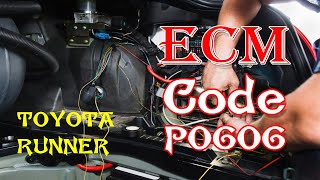
- A technician on YouTube documented a 2005 4Runner with a persistent P0606 code that was not fixed even after replacing the ECM. The root cause was discovered to be heavily corroded engine ground points located under the intake manifold, which required significant disassembly to access and clean.
- A user on Reddit with a 2007 V6 reported a recurring P0606 and a random brief low idle. After checking grounds, MAF, and sensors, they suspected the ECM itself, illustrating the difficult diagnostic path this code can create.
- Another Reddit user with a 2007 model confirmed their P0606 was resolved by replacing an O2 sensor after initially suspecting the computer.
Mechanic-Grade Diagnostic Values
- Air/Fuel Ratio Sensor (Upstream) Voltage — expected: Operates between 0 and 5 volts. A common reference value is around 3.3V at idle.. Failure: A reading above 5 volts, or voltage that jumps erratically for only a few frames in live data, indicates a problem.
- Oxygen Sensor (Downstream) Voltage — expected: Fluctuates between 0.1 and 0.9 volts.. Failure: A flat line, a reading stuck high (above 0.9V), or a reading of 0V indicates a sensor or circuit issue.
- A/F Sensor Heater Resistance (Cold) — expected: Typically between 0.8 to 1.4 Ω at 68°F (20°C).. Failure: A very high resistance (thousands of Ohms) or an open circuit (OL) indicates a failed heater element, a common cause of a false P0606.
- ECM Power Supply Voltage (Pin BATT to E1) — expected: 9 to 14 Volts, constant.. Failure: Voltage drop or instability indicates a power supply issue to the ECM, which could be caused by a bad connection, fuse, or relay.
Hidden / Shadow Codes Worth Checking
- Mode $06 / Freeze Frame Data Analysis: Toyota does not use 'shadow codes' in the same way as some other brands. However, the key to finding the intermittent fault causing a P0606 is often in the Freeze Frame data stored when the code was set. A technician can see a snapshot of all sensor readings at the moment of the fault. (see via Use a professional scan tool (like Toyota Techstream) to view the Freeze Frame data. Look for a momentary (1-2 frame) spike in A/F or O2 sensor heater resistance or an out-of-range voltage that is not present during normal live data monitoring.)
Scan Tool Commands That Help
- Toyota Techstream or equivalent professional scan tool: Active Test / Bidirectional Control — While no specific command diagnoses P0606, bidirectional controls can be used to isolate the root cause. For example, a technician can command the A/F sensor heater circuit on and off to verify its operation and wiring integrity, helping to confirm or deny the sensor as the source of the electrical noise.
Wiring & Ground Locations
- EB (V6) / EC (V8) — On the 1GR-FE (V6), ground point 'EB' is located on the rear of the left-hand cylinder head. On the 2UZ-FE (V8), ground point 'EC' is on the rear of the right-hand cylinder head. These are critical sensor grounds.. These are primary grounding points for the engine harness and sensors. Corrosion or looseness here can introduce voltage fluctuations that the ECM may interpret as an internal fault.
- EA (V6) — Located on the front right fender, near the battery area.. This is a major chassis ground point for the engine bay. While less likely to cause the specific P0606, a poor connection here can cause a host of electrical issues.
- Grounds under Intake Manifold — On the V6 and V8 engines, there are crucial ground points bolted directly to the engine block, underneath the intake manifold assembly.. These grounds are extremely difficult to access and inspect. Over time, they can corrode severely, causing a persistent P0606 that is not resolved by replacing sensors or even the ECM. This is a high-level, expert-grade check.
Real Owner Repair Stories
- iATN (International Automotive Technicians Network) Post (Toyota vehicle (model not specified, but common Toyota issue)) — Check Engine Light with code P0606.
❌ Tried (didn't work) The technician noted the factory service manual pointed directly to ECM replacement.
✅ What actually fixed it The technician used a scan tool to graph the rear O2 sensors (B2S2). While wiggling the sensor's wiring harness, they saw a glitch in the data stream. Replacing the faulty Bank 2 Sensor 2 O2 sensor resolved the P0606 code. - Best Car Fixes YouTube Channel (2005 Toyota 4Runner) — Persistent P0606 code, even after ECM replacement.
❌ Tried (didn't work) Replacing the Engine Control Module (ECM).
✅ What actually fixed it The root cause was severe corrosion on the engine ground points located under the intake manifold. The fix required removing the intake manifold to access, clean, and re-secure the ground connections. - Reddit user on r/4thGen4Runner (2007 Toyota 4Runner) — P0606 code.
❌ Tried (didn't work) The user was advised by their mechanic that the previous owner had used aftermarket O2 sensors.
✅ What actually fixed it The user's mechanic suspected the aftermarket downstream O2 sensors were causing the issue. Another user in the same thread noted that poorly shielded aftermarket LED headlights with cooling fans could also introduce electrical noise and trigger the code. The consensus points to avoiding non-OEM electronic components.
When the Usual Fixes Don't Work
- While the vast majority of P0606 codes on this platform are caused by external components like sensors or grounds, there are rare instances where the ECM is genuinely at fault. A Reddit user with a 2007 V6 at 292,000 miles documented trying all the common fixes (cleaning grounds, MAF, checking sensors) before concluding the high mileage and persistent, isolated P0606 code pointed to an actual internal ECM failure. This illustrates that while you should always diagnose external factors first, a true ECM failure is not impossible, especially on very high-mileage vehicles.
OEM Part Supersession History
Multiple→Multiple— There is no single part number for the ECM across the 2003-2009 range. Part numbers vary by year, engine, transmission, and emissions (Federal vs. California).
Heads up: It is absolutely critical to match the part number from the original ECM when sourcing a replacement. Using an incorrect part number will likely result in a no-start condition or other major functional issues. Remanufactured units often require VIN programming to work with the vehicle's immobilizer system.
Model Year Variations Within This Range
- 2003-2004: The upstream Air/Fuel ratio sensor for the V6 (1GR-FE) on early models is a different part than on later models. For example, the Denso 234-9047 is specified for 2003-2004 V6 4Runners. Always verify the correct part number for your specific year and engine.
- 2006-2009: The 2006 model year marked a mid-cycle refresh for the 4th Gen 4Runner, which included some changes to wiring and electronics. While the fundamental causes of P0606 remain the same, pinouts and connector locations may differ slightly from pre-refresh models.
Diagnostic Flowchart
Other Known Issues on This Vehicle
Issues unrelated to this code that are worth knowing about as an owner of this generation:
- Frame Rust/Corrosion 🔴 High — Very common, especially in the Rust Belt states. Can become structurally unsafe. A class-action lawsuit was filed for 4th Gen 4Runners. (Ref: No official recall, but a Limited Service Campaign was issued for similar Toyota trucks.)
- Cracked Dashboard 🟡 Low — Extremely common on 2003-2005 models due to sun/heat exposure. (Ref: Warranty Enhancement Program (ZE6) was issued by Toyota, but it has since expired.)
- Seized Front Brake Calipers 🟠 Medium — A notorious issue where the caliper pistons seize, causing pulling during braking, uneven pad wear, and potential rotor damage.
- Cracked Exhaust Manifolds (V8 Only) 🟠 Medium — The 4.7L 2UZ-FE engine is known for developing cracks in the thin-walled factory exhaust manifolds, causing an audible ticking sound, especially when cold.
- Head Gasket Failure (V6 Only) 🔴 High — Some earlier 1GR-FE engines (primarily 2003-2006) can experience head gasket failure, often presenting as a misfire or unexplained coolant loss after 125k miles.
Used vs. New Parts: Buying Guide for This Vehicle
When a used part is the smart pick: For A/F and O2 sensors, a low-mileage, used OEM Denso sensor from a reputable salvage yard can be a better choice than a brand new, non-Denso aftermarket sensor. For the ECM, a used part is a cost-effective option only if you have a clear path to getting it reprogrammed with your vehicle's VIN to satisfy the immobilizer.
Donor-vehicle mileage cap: roughly under 100000 miles for the part to have meaningful remaining life.
What to inspect on the donor part:
- For sensors, inspect the wiring pigtail for any signs of melting, brittleness, or damage.
- For an ECM, ensure the donor vehicle was not in a flood. Look for any signs of water intrusion or corrosion on the case and connectors.
- Verify the part number on the donor part EXACTLY matches the part number on your original component.
OEM-only on this vehicle (don't cheap out):
- Engine Control Module (ECM) - While remanufactured units exist, a new OEM unit is the most reliable (though expensive) option if the ECM is confirmed faulty. Used units MUST be reprogrammed.
- Gas Cap - Many owners report that only an OEM gas cap will resolve EVAP-related codes that sometimes accompany other issues.
Aftermarket brands forum-validated for this vehicle:
- Denso for Air/Fuel and Oxygen sensors. Denso is the Original Equipment Manufacturer for Toyota, and their parts are known to perform correctly without causing electrical issues.
Brands owners have reported issues with on this vehicle:
- Any non-Denso brand for oxygen or A/F sensors is frequently reported on forums to cause issues, including triggering false codes like P0606.
- Aftermarket LED headlight bulbs with built-in cooling fans have been anecdotally linked to creating electrical interference that can trigger a P0606.
Real Owner Stories
Aggregated from forums and TSBs cited above. Mileages and costs reflect what owners reported in those sources.
2005 Toyota 4Runner
Symptoms: Persistent P0606 code that remained even after the ECM was replaced.
What fixed it: Cleaning heavily corroded engine ground points located under the intake manifold.
Source hint: vehicle_specific_issues citing a technician on YouTube
2007 Toyota 4Runner V6
Symptoms: Recurring P0606 code and a random brief low idle dipping to approximately 450 RPM.
What fixed it: The owner suspected the ECM after checking grounds, MAF, and sensors, illustrating the difficult diagnostic path.
Source hint: Reddit (r/4thGen4Runner) - Thread 'P0606 code- advice needed' and
2007 Toyota 4Runner
Symptoms: P0606 code triggered; mechanic suspected downstream O2 sensors because the previous owner used aftermarket parts.
What fixed it: Replacing the O2 sensor.
Source hint: Reddit (r/4thGen4Runner) - Thread 'HELP P0606 2007 4runner'
2007 Toyota 4Runner
Symptoms: P0606 code present; initially suspected the computer.
What fixed it: Replacing an O2 sensor.
Source hint: vehicle_specific_issues
Toyota Tacoma 4.0L 1GR-FE
Symptoms: Engine light on with P0606; dealer recommended replacing the entire exhaust for $7,000.
What fixed it: Replacing the O2 sensors (as advised by community members citing a known false fault pattern).
Source hint: Tacoma World - Thread 'P0606 code: Engine light on, Dealer says replace entire exhaust for $7,000'
Related OBD-II Codes
Frequently Asked Questions
Does Toyota TSB EG051-04 apply to my 2003-2009 4Runner?
Should I use aftermarket O2 sensors to fix P0606 on my 4Runner?
Can a bad alternator cause a P0606 code on a 4th Gen 4Runner?
Where are the main ground points located on the 2003-2009 4Runner that might cause this code?
Is it true that an exhaust leak can cause a P0606 on this platform?
Helpful Videos
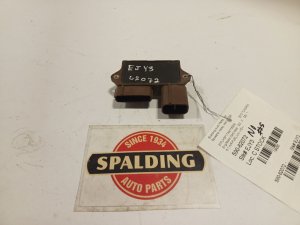
Used OEM Parts in Stock
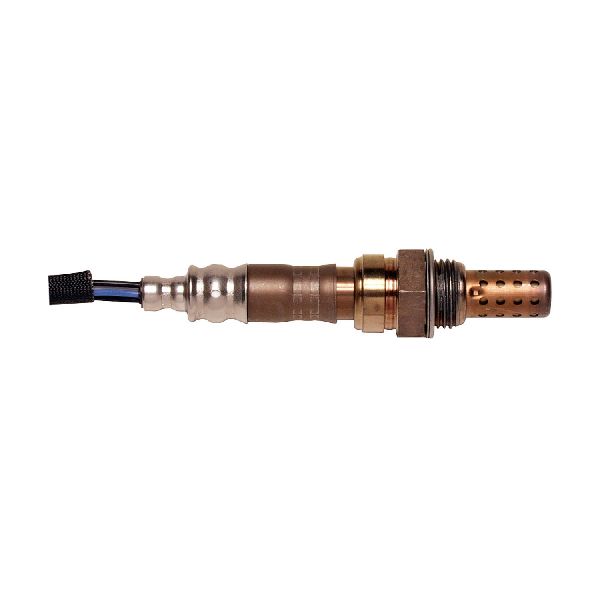
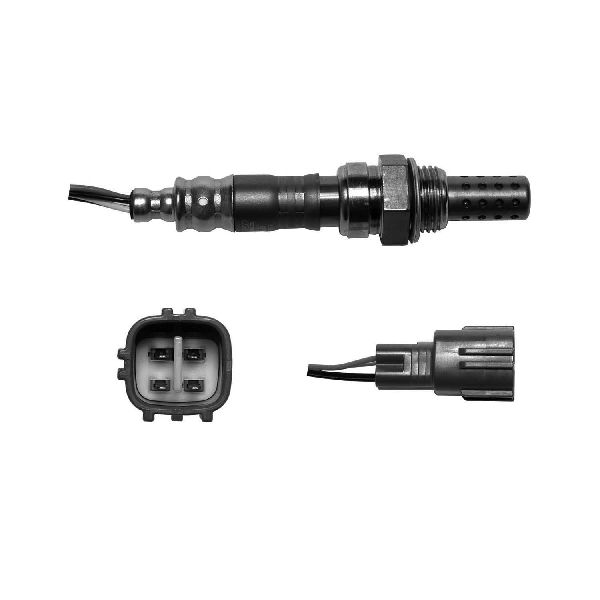
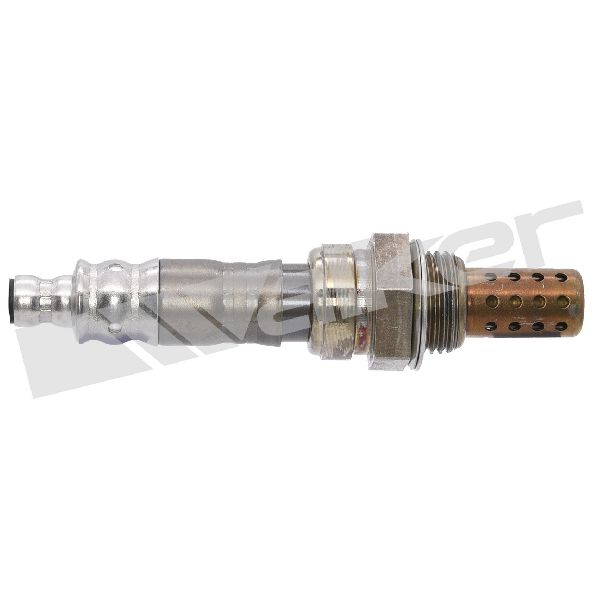
New Aftermarket Parts Available


The information in this article is provided for general reference and educational purposes only. Vehicle specifications, procedures, and part compatibility can vary by production date, trim level, and region. Always consult your vehicle's factory service manual and verify part numbers before purchasing or performing repairs. Safety-critical components such as airbags, seat belts, and braking systems should be installed by a qualified professional.
- Toyota 4Runner:
- 🧭 Diagnostic Flowchart
- 🎬 Helpful Videos
- 🛍️ Shop This Part
- What's Unique About the 2003-2009 Toyota 4Runner
- Symptoms You May Notice
- Most Likely Causes
- Rare But Worth Checking
- Diagnosis Steps
- Parts You'll Likely Need
- Related Codes That Often Appear With This One
- Technical Service Bulletins (TSBs) & Recalls
- Platform-Specific Known Issues
- Mechanic-Grade Diagnostic Values
- Hidden / Shadow Codes Worth Checking
- Scan Tool Commands That Help
- Wiring & Ground Locations
- Real Owner Repair Stories
- When the Usual Fixes Don't Work
- OEM Part Supersession History
- Model Year Variations Within This Range
- Other Known Issues on This Vehicle
- Used vs. New Parts: Buying Guide for This Vehicle
- Real Owner Stories
- 2005 Toyota 4Runner
- 2007 Toyota 4Runner V6
- 2007 Toyota 4Runner
- 2007 Toyota 4Runner
- Toyota Tacoma 4.0L 1GR-FE
- Related OBD-II Codes
- Frequently Asked Questions
- 🎟️ Get 5% Off