

P0606 on 2009-2013 Toyota Corolla: ECM Processor Fault Causes and Fixes
On a 2009-2013 Toyota Corolla, code P0606 often falsely points to a bad Engine Control Module (ECM). Before replacing the expensive ECM, check for the true, more common cause: a failing Air/Fuel Ratio sensor (front O2 sensor) or a rear oxygen sensor. An intermittent open or high resistance in the sensor's internal heater circuit is a frequent trigger for this code, which the ECM misinterprets as an internal processor failure.
- Do not immediately replace the Engine Control Module (ECM) for a P0606 code.
- The most likely cause is a faulty Air/Fuel Ratio sensor (front O2 sensor) or a downstream O2 sensor.
- Always check for other trouble codes first. If any sensor codes are present, fix them and clear the codes; P0606 will likely not return.
- Thoroughly inspect wiring, grounds, and battery/alternator voltage before condemning the ECM.
- This code indicates a critical fault; do not drive the vehicle until it is repaired to avoid sudden stalling.
What's Unique About the 2009-2013 Toyota Corolla
On many Toyota vehicles, including the 2009-2013 Corolla and its platform-mates like the Toyota Matrix and Pontiac Vibe, the P0606 code has a reputation for being misleading. The official factory service manual may lead directly to the conclusion that the ECM needs replacement. However, experienced technicians and owners have found that the code is frequently a 'ghost' code, triggered by an electrical fault in a completely different part—most commonly the Air/Fuel Ratio (A/F) sensor or a downstream oxygen sensor. This quirk makes it critical to diagnose other systems before condemning the expensive ECM, a mistake that can cost hundreds or thousands of dollars.
Symptoms You May Notice
- Check Engine Light is on (may be flashing if misfires occur)
- Engine may not start
- Engine may stall while driving or at idle
- Sudden loss of power, entering "limp mode" (won't rev past ~2000 RPM)
- Erratic automatic transmission shifting
- Reduced engine performance and fuel economy
- Dashboard lights may flicker or turn off and on intermittently
- Replacing the ECM without first thoroughly testing the Air/Fuel Ratio and Oxygen sensors. This is a very common and expensive mistake for this code on Toyota vehicles, as confirmed by numerous technician and owner accounts.
Most Likely Causes
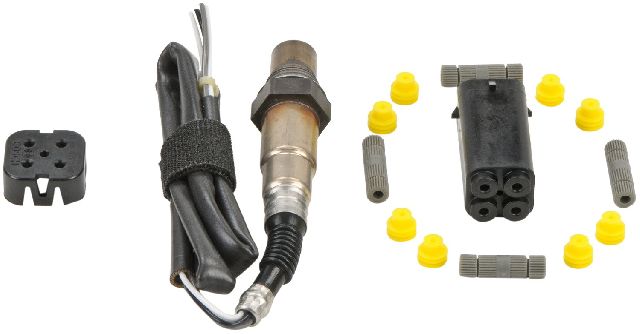
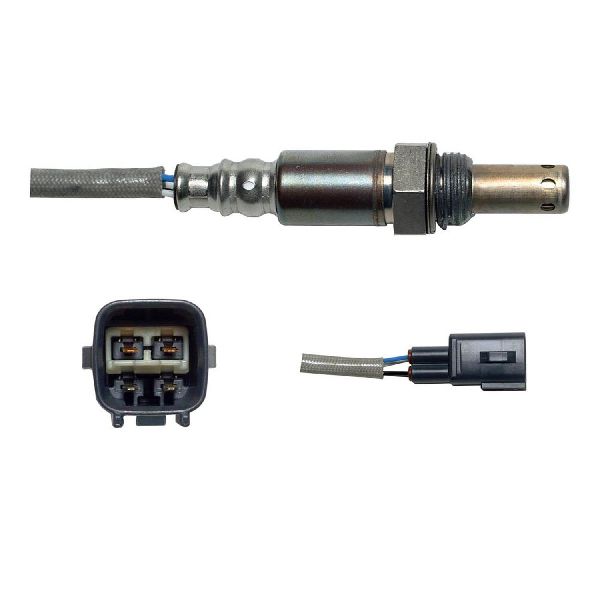
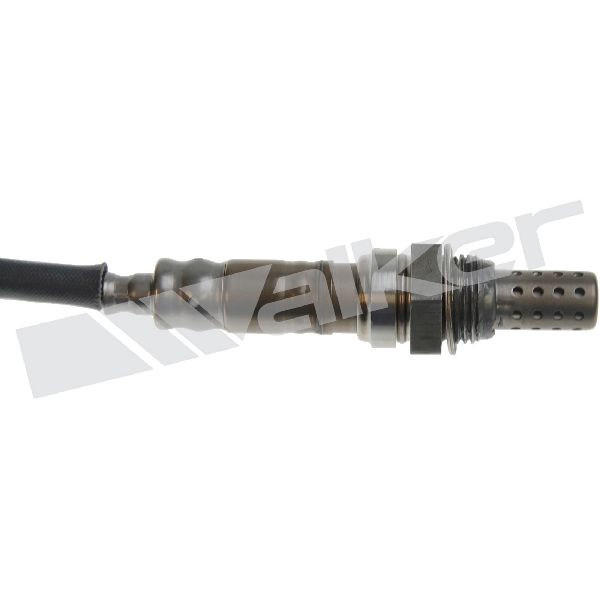
- Faulty Air/Fuel Ratio Sensor or Oxygen Sensor 🔴 High Probability → Shop Oxygen Sensor An intermittent short or, more commonly, a high-resistance open in the sensor's internal heater circuit can send a voltage spike or signal dropout to the ECM. The ECM's self-diagnostic protocol misinterprets this specific type of erratic signal as an internal processor failure, triggering the P0606 code.
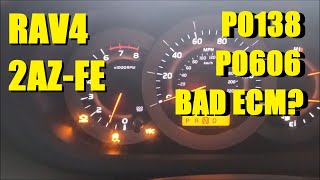
How to confirm: Check for any other codes related to O2 or A/F sensors (e.g., P0138, P0037). 🎬 Watch: How a faulty O2 sensor triggers a false P0606 code. If none, use a scan tool to analyze the freeze-frame data; look for a momentary, drastic jump in sensor resistance (into thousands of Ohms) or an out-of-range voltage reading that only lasted for one or two data frames. Another method is to graph the live data from the sensors while wiggling their wiring harnesses to see if you can trigger a voltage spike or dropout, which confirms a faulty sensor or wire.
Typical fix: Replace the faulty Air/Fuel Ratio sensor (Sensor 1, upstream) or Oxygen sensor (Sensor 2, downstream). The upstream A/F sensor is the most cited culprit.
Est. part cost: $80-$250 - Poor ECM Power or Ground Connection 🟡 Medium Probability Corrosion or loose connections on main engine-to-chassis grounds or the specific ECM ground wires can cause unstable voltage. The ECM is highly sensitive to voltage fluctuations, which can confuse its self-check and trigger a false P0606.
How to confirm: Visually inspect all ground straps connected to the engine and chassis for tightness and corrosion. A real-world fix on a platform-mate involved a failing ground wire that would heat up and cause system-wide electrical issues. Disconnect the battery, unplug the ECM connectors, and check for any signs of corrosion (green crust) on the pins. Use a multimeter to perform a voltage drop test on the main power and ground wires to the ECM to ensure their integrity under load.
Typical fix: Clean or repair the corroded or loose connections. This may involve sanding contact points, replacing a ground strap, or repairing a damaged wire.
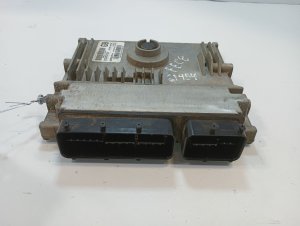
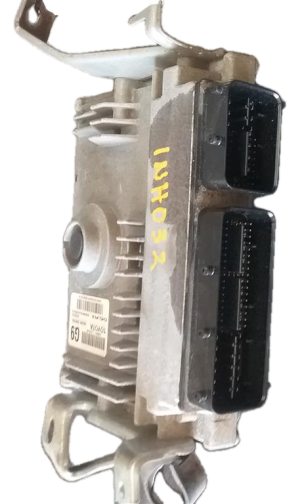
Est. part cost: $5-$50 - Failing Engine Control Module (ECM) ⚪ Low Probability → Shop Engine Control Module (ECM) While it's the direct definition of the code, actual internal ECM failure is less common than the external issues that trigger it. However, some earlier 2005-2007 Corollas with the 1ZZ-FE engine were subject to a TSB (EG042-07) where ECM replacement was the recommended fix for a P0606.
How to confirm: This is a process of elimination. If all other possible causes, including A/F and O2 sensors, all wiring, and all power/ground circuits have been thoroughly tested and ruled out, the ECM is the likely culprit.
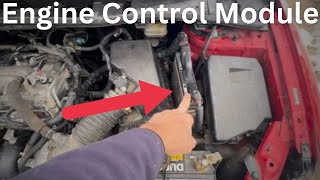
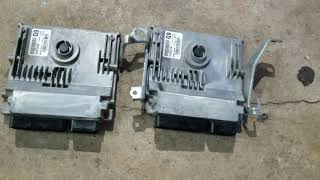
Typical fix: Replace the ECM. The new unit must be programmed specifically for the vehicle's VIN and options. Remanufactured units are a common repair strategy. 🎬 Watch: Step-by-step ECM replacement for the 2009-2013 Corolla.
Est. part cost: $500-$1200
Rare But Worth Checking
- Weak Battery or Failing Alternator: → Shop Vehicle Battery The ECM is sensitive to voltage. A weak battery (below 12.4V key-off) or an alternator providing unstable or 'dirty' power (outside the 13.5-14.5V range when running) can confuse the ECM's self-diagnostics and trigger a false P0606 code.
- Dirty Mass Airflow (MAF) Sensor: In some cases, a very dirty MAF sensor can cause such erratic engine behavior that it leads to a cascade of codes, including P0606, as the ECM struggles to make sense of conflicting data from the MAF and O2 sensors. Cleaning the MAF sensor has been reported to resolve the issue.
Diagnosis Steps
- Connect an OBD-II scanner and check for any other trouble codes. If any sensor-related codes (especially O2, A/F, or heater circuit codes) are present, diagnose and fix them first.
- If P0606 is the only code, analyze the freeze-frame data. Look for abnormal voltage or a momentary, extreme spike in impedance/resistance readings from the A/F and O2 sensors.
- Test the vehicle's battery and charging system. Ensure battery voltage is ~12.6V with the engine off and 13.5-14.5V when running.
- Perform a thorough visual inspection of the wiring and connectors for the A/F and O2 sensors, as well as the ECM itself. Look for any signs of damage, corrosion, or looseness.
- Inspect and clean all major engine and chassis ground connections.
- With the battery disconnected, unplug the ECM and inspect the terminal pins for corrosion or damage.
- Using a scan tool, graph the live voltage data from the A/F sensor (Sensor 1) and O2 sensor (Sensor 2). Wiggle the sensor wiring harnesses from the sensor to the main loom to see if you can force a glitch in the data, which would indicate a wiring or sensor fault.
- If all external sensors, wiring, and power/ground circuits test good, the ECM is the most likely cause of the fault.
- Before replacement, confirm the correct OEM part number for your specific vehicle's VIN and transmission type. As a final step, a technician may try to re-flash or update the ECM software, though this is rarely a fix for this specific code on this platform.
Parts You'll Likely Need
- Air/Fuel Ratio Sensor (Bank 1, Sensor 1)
(OEM #Denso 234-9052)— This is the most common root cause of a false P0606 code on this vehicle. An internal heater circuit failure triggers the ECM fault. Denso is the OEM supplier.
Trusted brands: Denso
OEM price range: $120-$250
Aftermarket price range: $80-$160 - Engine Control Module (ECM)
(OEM #89661-02K62 (example for 1.8L US-built Auto, verify by VIN))— This is the correct part if the code's definition is taken literally and all other external causes have been ruled out. It is an expensive last resort. Part numbers are highly specific to year, build location, and transmission.
Trusted brands: Genuine Toyota
OEM price range: $550-$1200
Aftermarket price range: $400-$700 (Remanufactured)
Related Codes That Often Appear With This One
- P0136-P0167 — Codes related to oxygen sensor circuits. If one of these is present with a P0606, it is a strong indicator that the sensor is the root cause, not the ECM.
- P0031, P0037, P0051, P0057 — These codes specifically point to faults in the heater circuits of the A/F or O2 sensors, which are a known trigger for a false P0606 on Toyotas.
Technical Service Bulletins (TSBs) & Recalls
- TSB EG042-07 (September 20, 2007): For some 2005-2007 Corolla and Matrix vehicles with the 1ZZ-FE engine, this bulletin addresses a no-start condition or the prese
Platform-Specific Known Issues
- Real-World Repair Story: Bad Ground Wire: An owner of a 2007 Toyota Matrix (a platform-mate) with a P0606 code experienced the dash turning off and on and the engine stalling at idle. After suspecting wiring, the owner found a ground wire that was very thin and would overheat while driving, disrupting the car's electrical system and causing stuttering. Fixing this ground wire resolved the P0606 code and all symptoms.
- Real-World Repair Story: O2 Sensor Solves P0606: → Shop Oxygen Sensor On a GenVibe forum, a 2008 Pontiac Vibe owner experienced a sudden limp mode and a P0606 code after previously fixing a misfire. The owner suspected a bad O2 sensor could have been damaged by the prior misfires and was considering replacing it before attempting a costly ECM replacement. This aligns with technician advice that a faulty O2 sensor is a primary cause.
Mechanic-Grade Diagnostic Values
- Upstream A/F Sensor (Sensor 1) Heater Resistance — expected: 1.8 - 3.4 Ω at 68°F (20°C). Failure: A reading of 0 Ω (short) or OL/infinity (open) indicates a failed heater circuit. This is a primary trigger for a false P0606.
- Downstream O2 Sensor (Sensor 2) Heater Resistance — expected: 11 - 16 Ω at 68°F (20°C). Failure: A reading outside this range, especially OL (open circuit), points to a faulty sensor heater, a known cause of P0606.
- ECM Power Supply Voltage at Connector — expected: 11 - 14 V (Ignition ON). Failure: Voltage below 11V or fluctuating voltage can cause the ECM's internal self-check to fail, triggering a P0606. This test should be done at the ECM connector pins.
- ECM Ground Circuit — expected: Below 1.0 Ω resistance to chassis ground. Failure: High resistance on a ground pin indicates a poor ground connection, which can cause unstable ECM operation and false processor faults.
Scan Tool Commands That Help
- Toyota Techstream: Active Test > Control the A/F Sensor Heater — This bidirectional command allows a technician to manually turn the A/F sensor heater on and off to verify the circuit's integrity. It can help confirm if the heater relay and wiring are functioning correctly, isolating the fault to the sensor itself.
- Toyota Techstream: DTC Check / Clear — After a repair, such as replacing an O2 sensor, this function is used to clear the P0606 code. The service manual procedure for P0606 specifically calls for clearing the DTC, disconnecting the battery for one minute, and then rechecking for codes to ensure the fault is resolved.
- Advanced Scan Tool (e.g., iCarsoft): Special Functions > ECM/PCM Reset — As a preliminary step, performing a soft reset can sometimes clear temporary glitches caused by voltage spikes or software confusion. If the P0606 code immediately returns after a reset, it points towards a more permanent hardware or wiring fault.
Wiring & Ground Locations
- ECM Ground (E6, E2) — The main ECM grounds are typically on specific pins of the ECM connectors, located behind the glove box. For the 2ZR-FE engine, wiring diagrams show ground connections that must be checked for continuity.. A high-resistance or intermittent open on these specific ground pins can cause the ECM's internal voltage to become unstable, directly leading to a false P0606 processor fault.
- Engine Harness Ground — There are multiple engine harness ground points bolted directly to the engine block or cylinder head. One key location on similar Toyota engines is on the side of the head, underneath the throttle body.. These grounds provide the return path for many sensors, including the A/F and O2 sensors. A loose or corroded ground here can introduce electrical noise or voltage drops that the ECM misinterprets as an internal fault.
- Chassis Ground — A primary chassis ground strap connects the engine block to the vehicle's frame, often near the strut tower or fender wall.. A poor main ground connection affects the entire vehicle's electrical system, including the alternator's ability to provide stable voltage. This instability is a known trigger for P0606.
Real Owner Repair Stories
- iATN (International Automotive Technicians Network) Forum Post (Toyota vehicle (specific model not a Corolla, but same P0606 principle)) — Check Engine Light with code P0606.
❌ Tried (didn't work) Following the factory service manual, which pointed directly to 'Replace ECM'.
✅ What actually fixed it The technician graphed the live data for the rear O2 sensors while wiggling the sensor wires. A glitch was observed on the Bank 2 Sensor 2 data stream when its wire was moved. Replacing the faulty rear O2 sensor resolved the P0606 code permanently. - YouTube video by 'Pine Hollow Auto Diagnostics' (Toyota vehicle with P0606) — Car would not start, no communication with ECM, P0606 and P0613 stored in other modules.
❌ Tried (didn't work) Initial scan showed no communication with the ECM.
✅ What actually fixed it The technician noted very high charging voltage from the alternator. The intermittent P0606 was suspected to be caused by voltage spikes from a failing alternator pulling down the computer. The video highlights how external voltage instability can manifest as an internal ECM error code.
OEM Part Supersession History
89465-02330→N/A— This is the genuine Toyota part number for the downstream (rear) oxygen sensor for the 1.8L engine in this range.
Heads up: While aftermarket sensors exist, using the OEM Denso sensor is highly recommended to avoid compatibility issues that can persist or even cause other codes.
Model Year Variations Within This Range
- 2011-2013: The 2011 model year introduced a significant facelift. While the primary 1.8L 2ZR-FE engine and its management system remained largely the same, there were changes to exterior styling, interior components, and wiring for new features like updated audio systems with Bluetooth. The 2.4L 2AZ-FE engine from the XRS trim was discontinued after 2010, meaning all 2011-2013 Corollas use the 1.8L engine, simplifying diagnosis for this code in later years.
- 2009-2010: These years offered an optional 2.4L 2AZ-FE engine in the XRS trim, in addition to the standard 1.8L 2ZR-FE. While the P0606 fault pattern is similar, technicians should verify the engine size, as part numbers for the A/F sensor and ECM can differ between the two engines.
Diagnostic Flowchart
Documented NHTSA Reports
NHTSA ODI #10551666
Symptoms: An owner reported that the vehicle failed to start. A scan of the OBD 2 computer revealed codes P0606 (ECM/PCM Processor Error) and P0303 (Random Misfire).
NHTSA ODI #10325896
Symptoms: An owner reported the engine cutting out and stalling while driving, accompanied by a check engine light. Codes P0606 and P0456 were retrieved.
Real Owner Stories
Aggregated from forums and TSBs cited above. Mileages and costs reflect what owners reported in those sources.
2007 Toyota Matrix
Symptoms: The dashboard would turn off and on intermittently, and the engine would stall out at idle, accompanied by stuttering while driving.
What fixed it: Found and repaired a main ground wire that was very thin and overheating while driving, which was disrupting the car's electrical system.
Source hint: Reddit (r/Toyota_Matrix) and Vehicle-Specific Issues section
2008 Pontiac Vibe (non-GT/Manual Trans)
Symptoms: Experienced a sudden loss of power (limp mode) and a P0606 code shortly after fixing an engine misfire.
What fixed it: Diagnosed as a bad O2 sensor that was likely damaged by the prior engine misfires, replacing the sensor instead of attempting a costly ECM replacement.
Source hint: GenVibe Forums thread titled '2008 vibe, non GT/Manual Trans- P0606 Code Limp Mode?'
Toyota Corolla/Matrix Platform
Symptoms: Vehicle presented with a P0606 code, which factory manuals suggested required an ECM replacement.
What fixed it: A technician fixed the issue by wiggling the rear O2 sensor wires, which caused the fault to appear on the scan tool, proving the sensor wiring was the actual cause of the false ECM code.
Source hint: iATN (International Automotive Technicians Network)
Related OBD-II Codes
Frequently Asked Questions
Does TSB EG042-07 apply to my 2009-2013 Toyota Corolla?
Why is my Corolla going into 'limp mode' and refusing to rev past 2000 RPM with a P0606 code?
Can a bad ground wire really cause a P0606 on my Corolla?
I have a P0606 along with O2 sensor codes P0138 and P0037. Should I replace the ECM?
How can I test if my Air/Fuel sensor is causing the P0606 without just replacing parts?
My dashboard lights are flickering and the engine stalls at idle. Is this related to the P0606 code?
Helpful Videos
Used OEM Parts in Stock
New Aftermarket Parts Available


The information in this article is provided for general reference and educational purposes only. Vehicle specifications, procedures, and part compatibility can vary by production date, trim level, and region. Always consult your vehicle's factory service manual and verify part numbers before purchasing or performing repairs. Safety-critical components such as airbags, seat belts, and braking systems should be installed by a qualified professional.
- Toyota Corolla:
- 🧭 Diagnostic Flowchart
- 🎬 Helpful Videos
- 🛍️ Shop This Part
- What's Unique About the 2009-2013 Toyota Corolla
- Symptoms You May Notice
- Most Likely Causes
- Rare But Worth Checking
- Diagnosis Steps
- Parts You'll Likely Need
- Related Codes That Often Appear With This One
- Technical Service Bulletins (TSBs) & Recalls
- Platform-Specific Known Issues
- Mechanic-Grade Diagnostic Values
- Scan Tool Commands That Help
- Wiring & Ground Locations
- Real Owner Repair Stories
- OEM Part Supersession History
- Model Year Variations Within This Range
- Documented NHTSA Reports
- NHTSA ODI #10551666
- NHTSA ODI #10325896
- Real Owner Stories
- 2007 Toyota Matrix
- 2008 Pontiac Vibe (non-GT/Manual Trans)
- Toyota Corolla/Matrix Platform
- Related OBD-II Codes
- Frequently Asked Questions
- 🎟️ Get 5% Off