

P0606 on 2004-2009 Toyota Prius: ECM Processor Fault Causes and Fixes
On a 2004-2009 Prius, code P0606 often falsely points to a bad engine computer (ECM). Before replacing the ECM, check for the true, more common cause: a failing oxygen (O2) or air/fuel ratio sensor. An intermittent short in the sensor's heater circuit can send a voltage spike that the ECM misinterprets as an internal failure. If other sensor codes are present, fix them first.
- Do not immediately replace the Engine Control Module (ECM) for a P0606 code.
- The most likely cause is a faulty Air/Fuel Ratio (A/F) or Oxygen (O2) sensor. Check for and fix any other sensor-related codes first.
- Always verify the health of the 12V auxiliary battery before performing expensive repairs.
- If the ECM does need replacement, it is a plug-and-play job on the 2004-2009 Prius and does not require dealer programming.
What's Unique About the 2004-2009 Toyota Prius
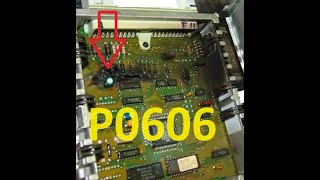
The Gen 2 Prius is highly sensitive to electrical signals. While P0606 officially means the ECM has failed, on this specific vehicle it is very often a 'phantom' code triggered by a failing oxygen (O2) or air/fuel ratio (A/F) sensor. An intermittent short or high resistance in a sensor's heater circuit can send a voltage spike that the ECM misinterprets as an internal failure. Many owners and shops needlessly replace the expensive ECM when the real culprit is a much cheaper sensor. 🎬 Watch: Understanding the P0606 code and common fixes The good news is that if the ECM does fail, it is plug-and-play on this generation, requiring no reprogramming, a fact confirmed by numerous owner experiences because the immobilizer data is stored in a separate ECU.
Symptoms You May Notice
- Check Engine Light is on
- Red 'Triangle of Death' warning light may appear on the multi-function display
- Vehicle may enter 'limp mode' with severely reduced power
- Engine may stall, run rough, or misfire
- Vehicle may not start at all
- The code and symptoms may appear intermittently, sometimes disappearing and reappearing over several drive cycles
- Immediately replacing the Engine Control Module (ECM) without checking for other codes, testing the 12V battery, or inspecting O2 sensor function. This is the most common and expensive mistake for this code, as confirmed by professional technicians.
Most Likely Causes
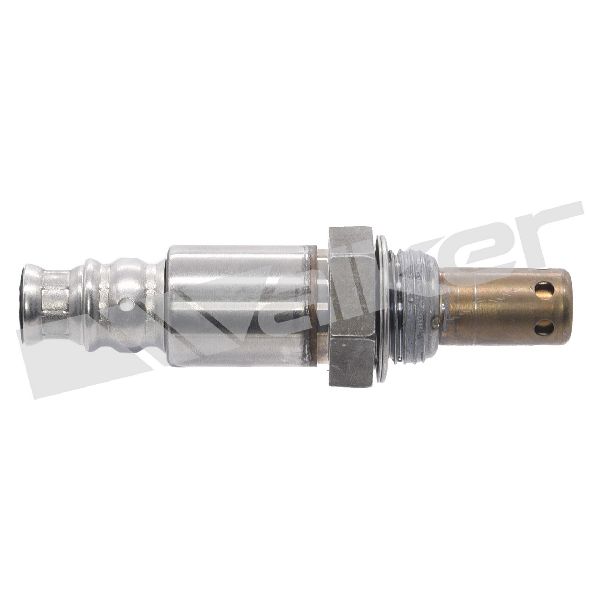
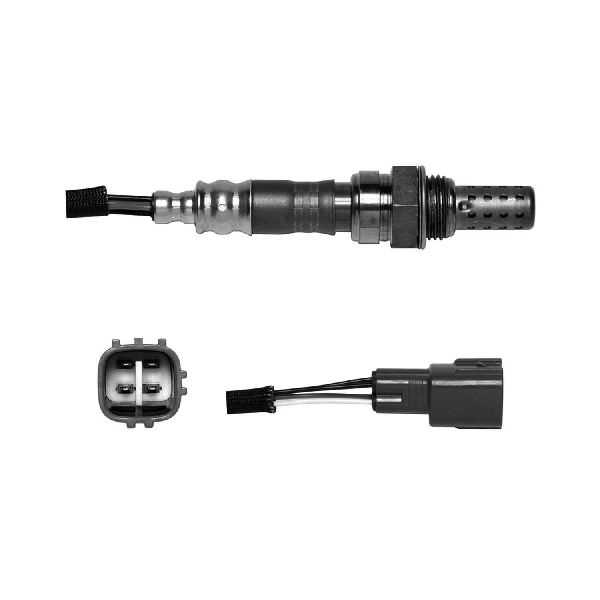
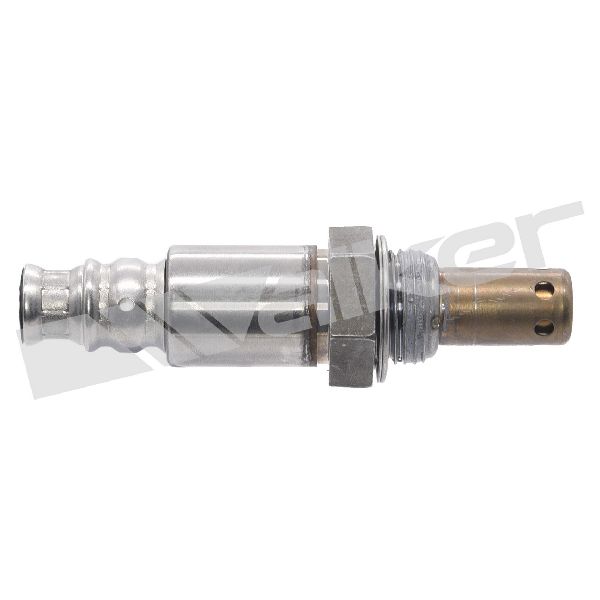
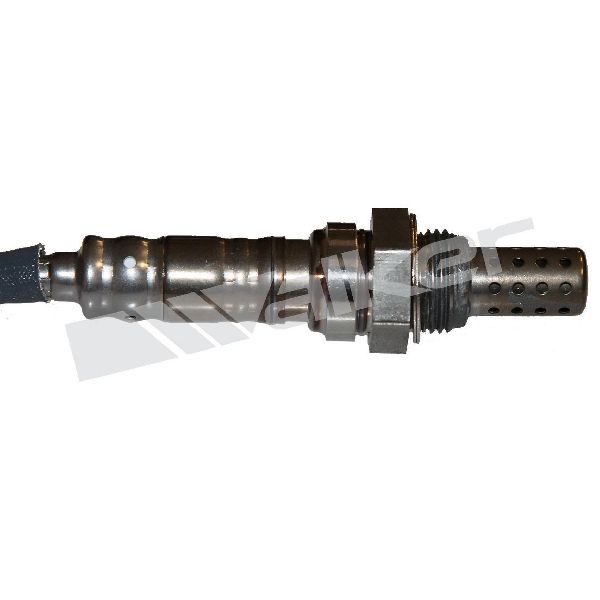
- Faulty Air/Fuel Ratio Sensor or Oxygen (O2) Sensor 🔴 High Probability → Shop Oxygen Sensor The ECM's self-diagnostic logic is sensitive and can misinterpret an intermittent open/short in a sensor's heater circuit as an internal processor fault. A momentary voltage spike or drop from a failing sensor heater is a well-documented trigger.
How to confirm: Scan for other trouble codes. Codes for O2/AF sensors (like P0138, P0037, etc.) are a strong indicator. If other codes are present, diagnose and fix them first. A technician can graph the sensor's voltage and heater circuit resistance with a scan tool, looking for erratic behavior, dropouts, or a sudden high resistance reading that coincides with the fault. Wiggling the sensor wiring harness while monitoring live data can sometimes reveal an intermittent connection.
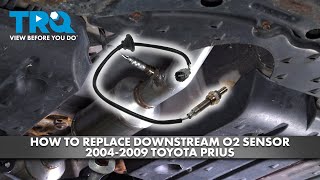
Typical fix: Replace the faulty oxygen or air/fuel ratio sensor. 🎬 Watch: How to replace the downstream oxygen sensor Use a quality OEM-spec brand like Denso to avoid compatibility issues.
Est. part cost: $80-$200 - Failing 12V Auxiliary Battery 🟡 Medium Probability → Shop Vehicle Battery All control modules in the Prius, including the ECM, rely on a stable 12V power supply. A weak or failing 12V battery can cause voltage fluctuations that lead to numerous, seemingly unrelated error codes, including P0606.
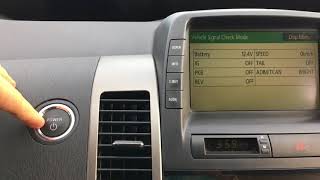
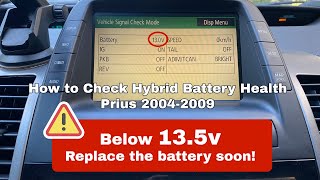
How to confirm: Test the 12V auxiliary battery (located in the trunk) with a multimeter or electronic battery tester. A healthy battery should show ~12.6V with the car off and a stable ~14.0-14.8V when the car is in 'Ready' mode (indicating the DC-DC converter is charging it). If the code sets during engine cranking, the battery may be failing under load even if voltage seems okay.
Typical fix: Replace the 12V auxiliary AGM battery.
Est. part cost: $150-$250 - Defective Engine Control Module (ECM) ⚪ Low Probability → Shop Engine Control Module (ECM) While it's the official definition of the code, actual ECM failure is less common than external triggers. Failures can happen due to age, heat cycles, or internal component degradation.
How to confirm: This is a process of elimination. If there are no other codes, the 12V battery and charging system are perfect, and all wiring/grounds are confirmed to be good, the ECM itself is the likely culprit. A Toyota TSB for other models (EG042-07) with this code confirms this diagnostic logic, instructing technicians to rule out all other possibilities before replacing the ECM.
Typical fix: Replace the Engine Control Module. On the Gen 2 Prius, this is a plug-and-play part that does not require dealer programming.
Est. part cost: $100-$300 (used); $800+ (new/remanufactured)
Rare But Worth Checking
- Poor ECM Ground Connection: A corroded or loose ground strap for the ECM can cause unstable operation and trigger this fault. It's a simple check that can save a lot of money.
- Wiring Harness Damage: Damage to the wiring for the ECM or O2 sensors from road debris, improper repairs (especially after a catalytic converter theft), or rodents can cause shorts or opens that trigger the P0606 code.
Diagnosis Steps
- Read all Diagnostic Trouble Codes (DTCs) with an OBD-II scanner. If any codes other than P0606 are present, especially sensor-related codes (P0031, P0037, P0138, etc.), stop and diagnose them first.
- If P0606 is the only code, clear it and drive the vehicle to see if it returns. Note the conditions under which it returns (e.g., cold start, highway speed). Some owners report it appears intermittently.
- Inspect and test the 12V auxiliary battery. Ensure it is fully charged and healthy. Check the battery terminals for corrosion and tightness. A weak 12V battery is a known cause of spurious electronic faults on the Prius.
- With the car in 'Ready' mode, check the charging system voltage at the 12V battery. It should be stable, between 14.0V and 14.8V.
- Visually inspect the wiring harnesses for the ECM (behind the glove box) and the oxygen/air-fuel sensors (on the exhaust). Look for any signs of damage, corrosion, or loose connections, paying special attention to repairs made after a catalytic converter theft.
- Inspect the main ECM ground points to ensure they are clean and tight.
- If all the above checks pass and the P0606 code consistently returns as the sole code, the ECM is the most likely failed component.
Parts You'll Likely Need
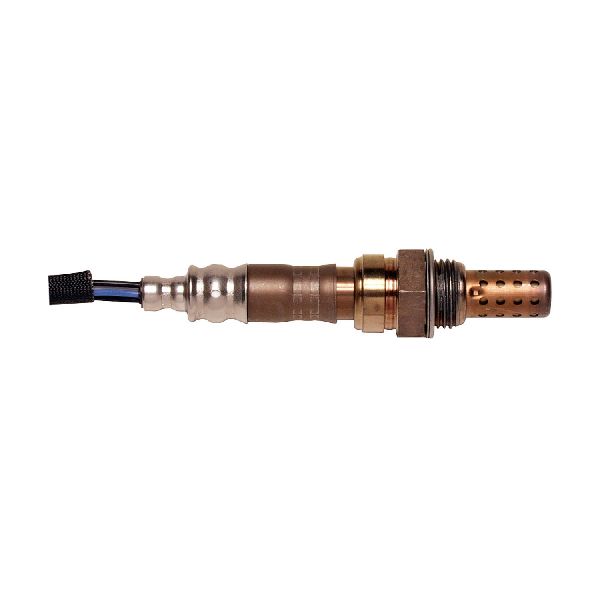
- Air/Fuel Ratio Sensor (Bank 1, Sensor 1)
(OEM #89467-47010)— This is the most common 'real' cause of a P0606 code on this vehicle due to the ECM misinterpreting an intermittent sensor fault.
Trusted brands: Denso
OEM price range: $150-$220
Aftermarket price range: $80-$150 - Engine Control Module (ECM)
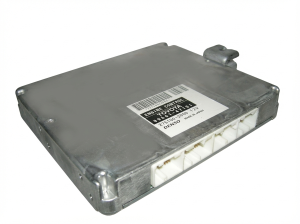
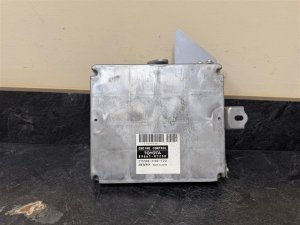
(OEM #89661-4707x (Note: Part number varies by year and emissions. Always match the number on your original unit. For example, a 2005 may use 89661-47071, while a 2006 may use a different suffix.))— This is the part to replace as a last resort, after all other potential causes have been ruled out.
Trusted brands: Toyota (OEM), Remanufactured from various suppliers
OEM price range: $800+
Aftermarket price range: $100-$300 (Used) - 12V Auxiliary Battery (AGM) — A weak 12V battery is a common source of many electrical faults on the Prius and should be checked early in the diagnostic process.
Trusted brands: Optima (YellowTop), Bosch, Various aftermarket AGM batteries
OEM price range: $250-$300
Aftermarket price range: $150-$220
Related Codes That Often Appear With This One
- P0136-P0175 — These codes are related to oxygen sensors, air/fuel ratio sensors, and fuel trim. Their presence strongly suggests the P0606 is a secondary, phantom code caused by the sensor issue.
- P0A80 — This code means 'Replace Hybrid Battery Pack.' While not directly related, a failing 12V system can sometimes cause multiple unrelated codes to appear, so seeing them together might point towards a systemic electrical issue rather than two separate major failures.
- P0A93, B1210 — P0A93 points to an inverter cooling system malfunction. A failing inverter water pump can short circuit, blow the AM2 fuse, and cut power to multiple ECUs, which can trigger a P0606 and a B1210 (Power Source Control ECU error). This is a critical edge case.
Technical Service Bulletins (TSBs) & Recalls
- TSB EG042-07 (For Corolla/Matrix but relevant logic): This TSB, issued for P0601/P0606/P0607 on 2005-2007 Corollas, instructs technicians to investigate external factors like sensor circuits and wiring before condemning the ECM. This supports the diagnostic strategy of treating P0606 as a code of last resort.
Platform-Specific Known Issues
- The ECM on the 2004-2009 Prius is located behind the glove compartment and is known to be a simple plug-and-play replacement, not requiring the expensive dealer programming that many other vehicles need.
- One owner on PriusChat confirmed they were able to swap a used ECM from a 2006 parts car into their 2005 to fix a persistent P0606, highlighting the interchangeability and DIY-friendly nature of the repair.
Mechanic-Grade Diagnostic Values
- Air/Fuel Ratio Sensor (Sensor 1) Voltage — expected: 0-5 Volts. Failure: A reading above 5 Volts indicates a problem. Quick, intermittent voltage jumps visible in freeze-frame data can also point to a fault that triggers P0606.
- Oxygen Sensor (Sensor 2) Voltage — expected: 0-1 Volt. Failure: Readings outside this range, or erratic behavior, suggest a fault.
- A/F or O2 Sensor Heater Circuit Resistance — expected: Low resistance (typically under 30 Ohms when cold). Failure: A drastic, momentary jump in resistance to many thousands of Ohms, especially when warm, indicates an intermittent open circuit that can trigger P0606.
- ECM Voltage Supply vs. Battery Voltage — expected: Voltage at the ECM connector pins should be identical to the voltage at the 12V battery terminals.. Failure: If voltage at the ECM is lower, it indicates high resistance in the power supply wiring or a poor ground connection.
Hidden / Shadow Codes Worth Checking
- P0604, P0607, P0657: These are other ECM/PCM internal fault codes. According to repair manual logic, if P0606 appears alongside these codes without any other sensor or system codes, it reinforces the diagnosis of a failed ECM. (see via Standard OBD-II scanner or Toyota Techstream.)
Scan Tool Commands That Help
- Toyota Techstream: DTC Confirmation Procedure / All Readiness Check — Use this to verify if the P0606 fault is 'hard' or intermittent after clearing codes. The procedure is: 1. Clear DTCs. 2. Power switch OFF for 30 seconds. 3. Power switch ON (IG) and wait 16+ seconds. 4. Re-read codes. This standardized check ensures the ECM has completed its self-test.
Wiring & Ground Locations
- ECM (Engine Control Module) — Behind the glove compartment assembly.. This is the module setting the code. Checking its connectors for corrosion and its grounds for tightness is a key physical check.
- AM2 Fuse (15A) — Located in the Engine Room Relay Block (fuse box) in the engine compartment.. This fuse supplies power to critical components. A shorted inverter water pump is known to blow this fuse, causing a no-start and potentially triggering a P0606 due to the sudden power loss to control modules.
- ECM Ground Points — Various points on the chassis and engine block. Service manuals refer to them with identifiers like [EA], [IB], [IC].. A poor ground connection can cause fluctuating voltage and unpredictable behavior from the ECM, leading it to fail its internal self-test and set a P0606.
Real Owner Repair Stories
- iATN (International Automotive Technicians Network) Technician Post (Toyota (model not specified, but logic applies)) — Check Engine Light with only code P0606. The factory service manual directed to replace the ECM.
❌ Tried (didn't work) Following the service manual's direct instruction to replace the ECM was avoided based on experience.
✅ What actually fixed it The technician graphed the O2 sensor data and wiggled the sensor's wiring harness. This caused the sensor signal to glitch visibly on the scan tool. Replacing the faulty O2 sensor resolved the P0606 code. - PriusChat user 'AndyFromWI' (2005 Toyota Prius) — Intermittent P0606 code appearing after catalytic converter and O2 sensor were replaced.
❌ Tried (didn't work) Initial replacement of the O2 sensor did not fix the problem, suggesting a quality or compatibility issue with the first replacement part.
✅ What actually fixed it The owner replaced the O2 sensor a second time, specifically with a Denso sensor that included the correct plug (not a universal splice-in type). This permanently cleared the P0606 code.
When the Usual Fixes Don't Work
- While the overwhelming consensus from owner forums is that the Gen 2 Prius Engine ECM is plug-and-play, at least one aftermarket parts supplier article claims that programming is mandatory to sync with the immobilizer. This appears to be incorrect for this specific generation, as multiple owner-confirmed swaps prove the immobilizer data is stored elsewhere, but buyers of used modules should be aware of this conflicting information.
OEM Part Supersession History
89661-47070→89661-47071, 89661-47072, 89661-47100, 89661-47101, 89661-47102, 89661-47103, 89661-47104— Standard part revisions and updates by the manufacturer.
Heads up: While generally interchangeable on Gen 2 models, it is critical to match the part number from your original ECM exactly when sourcing a used replacement to ensure full compatibility.
Model Year Variations Within This Range
- 2004-2005: These earlier models were more prone to Multi-Function Display (MFD) screen failures and had several firmware updates issued by Toyota to correct ECU logic. An ECM from a later year might expect firmware that an early-year Hybrid Control ECU doesn't have.
- 2006: The 2006 model year marked a mid-cycle refresh. Some parts, including the ECM, may have a manufacturing date cutoff. One source notes an ECM for a 2006 model may only fit vehicles built before November 2005, making part number matching even more critical.
Diagnostic Flowchart
Other Known Issues on This Vehicle
Issues unrelated to this code that are worth knowing about as an owner of this generation:
- Combination Meter Failure 🟠 Medium — Very common, especially in colder climates. The display for the speedometer and fuel gauge goes blank intermittently or permanently. Can also prevent the car from turning off properly. (Ref: T-SB-0172-09; Toyota also had a Warranty Enhancement Program (ZE1) for this issue, though it is now expired.)
- Inverter Coolant Pump Failure 🔴 High — A very common failure point. If not addressed, can lead to overheating and damage to the expensive hybrid inverter. Often sets code P0A93. (Ref: Toyota issued a recall for this component (NHTSA ID: 12V536000).)
- Brake Actuator Failure 🔴 High — A serious safety issue where the ABS/brake actuator fails, leading to a loss of braking assist. Symptoms include a loud, frequently running pump noise and multiple brake-related warning lights. (Ref: Recalls and warranty extensions were issued for later generations, but Gen 2 owners often face expensive repairs for this known issue.)
- Excessive Oil Consumption 🟠 Medium — Becomes common at higher mileage (over 100,000 miles). Caused by carbon buildup on piston rings and/or aging valve stem seals.
- Multi-Function Display (MFD) Failure 🟡 Low — The central touchscreen can become unresponsive or fail, particularly on 2004-2005 models.
Used vs. New Parts: Buying Guide for This Vehicle
When a used part is the smart pick: A used Engine Control Module (ECM) is an excellent choice for this repair. Because the immobilizer data is not stored in the engine ECM on this generation, it is a plug-and-play replacement, saving hundreds of dollars on parts and avoiding dealer programming fees.
Donor-vehicle mileage cap: roughly under 200000 miles for the part to have meaningful remaining life.
What to inspect on the donor part:
- Match the OEM part number on the sticker EXACTLY. Do not use a superseded number unless compatibility is confirmed.
- Inspect the connector pins for any signs of corrosion, discoloration, or physical bending.
- Check the case for any marks indicating it has been pried open.
- Ask the seller if the donor car had any flood or fire damage.
OEM-only on this vehicle (don't cheap out):
- Inverter Coolant Pump - Forum consensus is that aftermarket pumps fail very quickly (sometimes within weeks), while the OEM (Denso) part is reliable for many years.
Aftermarket brands forum-validated for this vehicle:
- Denso for Air/Fuel Ratio and Oxygen Sensors (this is the original OEM supplier).
- Optima (YellowTop) for the 12V AGM auxiliary battery.
Brands owners have reported issues with on this vehicle:
- Generic, unbranded, or 'white-box' inverter coolant pumps.
- Universal, splice-in type oxygen sensors, as improper connections can perpetuate the problem.
Real Owner Stories
Aggregated from forums and TSBs cited above. Mileages and costs reflect what owners reported in those sources.
2005 Toyota Prius 1.5L 1NZ-FXE
Symptoms: Persistent P0606 error code.
What fixed it: Swapped in a used ECM from a 2006 parts car; the repair was plug-and-play with no programming required.
Source hint: PriusChat.com thread titled 'P0606 Engine ECU replacement'
2004-2009 Toyota Prius 1.5L 1NZ-FXE
Symptoms: Intermittent P0606 error after having the catalytic converter and lambda (O2) sensor replaced.
What fixed it: The issue was linked to the exhaust system work and sensor replacement, illustrating that P0606 is often triggered by sensor circuit issues rather than a dead ECM.
Source hint: PriusChat.com thread titled 'p0606 error after cat converter and lambda replacement'
Related OBD-II Codes
Frequently Asked Questions
Does the Engine Control Module (ECM) on my 2004-2009 Prius require expensive dealer programming if I replace it?
Can a bad 12V battery really cause a P0606 internal processor code?
I just had my catalytic converter replaced and now I have a P0606. Are they related?
Should I follow TSB EG042-07 for my Prius P0606 error?
What brand of Oxygen or Air/Fuel sensor should I use to fix this code?
Helpful Videos
Used OEM Parts in Stock
New Aftermarket Parts Available

The information in this article is provided for general reference and educational purposes only. Vehicle specifications, procedures, and part compatibility can vary by production date, trim level, and region. Always consult your vehicle's factory service manual and verify part numbers before purchasing or performing repairs. Safety-critical components such as airbags, seat belts, and braking systems should be installed by a qualified professional.
- Toyota Prius:
- 🧭 Diagnostic Flowchart
- 🎬 Helpful Videos
- 🛍️ Shop This Part
- What's Unique About the 2004-2009 Toyota Prius
- Symptoms You May Notice
- Most Likely Causes
- Rare But Worth Checking
- Diagnosis Steps
- Parts You'll Likely Need
- Related Codes That Often Appear With This One
- Technical Service Bulletins (TSBs) & Recalls
- Platform-Specific Known Issues
- Mechanic-Grade Diagnostic Values
- Hidden / Shadow Codes Worth Checking
- Scan Tool Commands That Help
- Wiring & Ground Locations
- Real Owner Repair Stories
- When the Usual Fixes Don't Work
- OEM Part Supersession History
- Model Year Variations Within This Range
- Other Known Issues on This Vehicle
- Used vs. New Parts: Buying Guide for This Vehicle
- Real Owner Stories
- 2005 Toyota Prius 1.5L 1NZ-FXE
- 2004-2009 Toyota Prius 1.5L 1NZ-FXE
- Related OBD-II Codes
- Frequently Asked Questions
- 🎟️ Get 5% Off