

P0607 on 2020-2023 Ford Explorer 2.3L: Control Module Performance Causes and Fixes
Code P0607 on a 2020-2023 Ford Explorer means the main engine computer (PCM) has an internal error. Before replacing the expensive PCM, check for a weak battery, bad ground connections, or the need for a software update, as these are common and cheaper fixes.
- P0607 is a critical code indicating a problem with the main engine computer; do not continue to drive the vehicle.
- The most common causes are not the computer itself, but rather software glitches, a weak battery, or bad ground connections.
- Always have the battery and charging system professionally tested before considering more expensive repairs.
- Ask your dealer or a qualified shop to check for PCM software updates, as a reflash is a common fix for this code on modern Fords.
- If the PCM must be replaced, it requires special programming to work with your vehicle.
What's Unique About the 2020-2023 Ford Explorer
For modern Ford platforms like the sixth-generation Explorer, the P0607 code is frequently linked to software glitches or power supply issues rather than immediate hardware failure. A Ford Technical Service Bulletin (TSB 24-2310) for the very similar 2025 Explorer with the same 2.3L engine points directly to a software issue requiring a PCM reflash to fix a P0607 code, often with no other symptoms present. This strongly suggests that for the 2020-2023 models, the first step after checking the battery and charging system should always be investigating a potential software update before considering PCM replacement. These platforms are highly sensitive to voltage irregularities, and a weak battery or failing alternator can easily trigger this code.
Symptoms You May Notice
- Check Engine Light or Powertrain Malfunction (Wrench) light is on
- Engine may stall intermittently or shut off while driving
- Reduced engine power or entering 'limp mode'
- Vehicle may be hard to start or may not start at all
- Rough or erratic idling
- Harsh or incorrect transmission shifting
- Reduced fuel economy
- Immediately replacing the PCM without first thoroughly testing the battery, charging system, and all related power and ground connections. These simpler components are a more frequent cause of the fault.
- Replacing the battery without performing a Battery Monitoring System (BMS) reset. 🎬 See how to perform a Ford BMS reset On modern Fords, failing to reset the BMS can lead to improper charging and persistent electrical issues.
Most Likely Causes
- PCM Software Glitch or Outdated Calibration 🔴 High Probability A TSB for the subsequent model year (2025) with the same engine identifies PCM software as the direct cause for this code, making it a highly probable cause for the 2020-2023 models as well. Modern Ford PCMs are complex and frequent updates are released to fix bugs.
How to confirm: Connect a Ford-specific diagnostic tool (like FDRS) to check the current PCM software calibration level against the latest available version from Ford. TSB 24-2310 explicitly states this is the fix for P0607 on the 2.3L EcoBoost.
Typical fix: Reprogram (reflash) the PCM to the latest software version. This must be done by a Ford dealer or a qualified shop with the proper equipment.
Est. part cost: $0 - Weak or Failing Battery 🟡 Medium Probability → Shop Vehicle Battery Modern vehicles with complex electronics are highly sensitive to voltage. A battery that cannot provide stable voltage (above 9V during cranking), especially during startup, can cause the PCM to fail its self-test and set a P0607 code.
How to confirm: Test the battery with a digital multimeter or a dedicated battery tester. A healthy, resting battery should read approximately 12.6 volts. Perform a load test to check its ability to hold a charge under load.
Typical fix: Replace the vehicle's 12-volt battery.
Est. part cost: $150-$300 - Poor PCM Power or Ground Connections 🟡 Medium Probability
How to confirm: Visually inspect the battery terminals for corrosion. Trace and check the main PCM power and ground wires for tightness, corrosion, or damage. A voltage drop test on the power and ground circuits can confirm a bad connection.
Typical fix: Clean the battery terminals and cable ends. Tighten any loose ground straps or power connections. Repair or replace any corroded or damaged wiring.
Est. part cost: $5-$50 - Failing Powertrain Control Module (PCM) ⚪ Low Probability → Shop Engine Control Module (ECM)
How to confirm: This is diagnosed by exclusion. If all power sources, grounds, and wiring have been verified as good, and a software reflash does not solve the issue, the PCM itself is likely faulty.
Typical fix: Replace the PCM. The new module must be programmed with the vehicle's specific VIN and configuration data.
Est. part cost: $600-$1200
Rare But Worth Checking
- Malfunctioning Alternator: → Shop Alternator An alternator producing unstable voltage (either too high or too low) can disrupt the PCM's operation and trigger this code. Check the charging system voltage with the engine running; it should typically be stable between 13.5 and 14.5 volts.
- Aftermarket Performance Tuner: An aftermarket tune that improperly modifies the PCM's software can cause internal conflicts and trigger a P0607 code. If a tuner is installed, returning the PCM to the factory calibration is a necessary diagnostic step.
Diagnosis Steps
- Scan for all DTCs. Note if P0607 appears alone or with other codes, especially P060A or U-codes.
- Visually inspect the battery terminals, cables, and main ground connections for looseness or corrosion. Clean and tighten as needed.
- Test the battery's state of charge and health. A resting voltage below 12.4V indicates a problem. Perform a load test to confirm its ability to supply cranking amps.
- With the engine running, test the alternator's output voltage. It should be stable and within the 13.5-14.5V range.
- If battery and alternator are good, check for available PCM software updates using a Ford-specific scan tool (FDRS). If an update is available, perform the reflash procedure as outlined in TSBs like 24-2310.
- If the code persists after a reflash, perform a voltage drop test on the PCM's power and ground circuits to rule out wiring issues.
- Inspect the PCM and its connectors for any signs of water damage, corrosion, or physical damage.
- If an aftermarket tune is present, flash the PCM back to the stock Ford calibration and re-test.
- If all other possibilities have been exhausted, the PCM is likely faulty and requires replacement and programming. 🎬 Watch: How to program a Ford PCM using FORScan
Parts You'll Likely Need
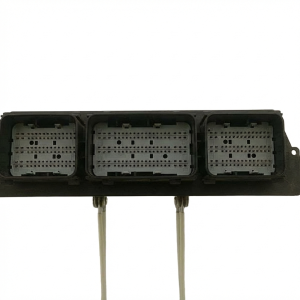
- Powertrain Control Module (PCM)
(OEM #LB5A-12A650-BNB (for 2020 model, always verify with VIN))— This is the ultimate fix if software, power, and ground issues are ruled out. The internal failure of the module requires its replacement.
Trusted brands: Motorcraft
OEM price range: $800-$1200
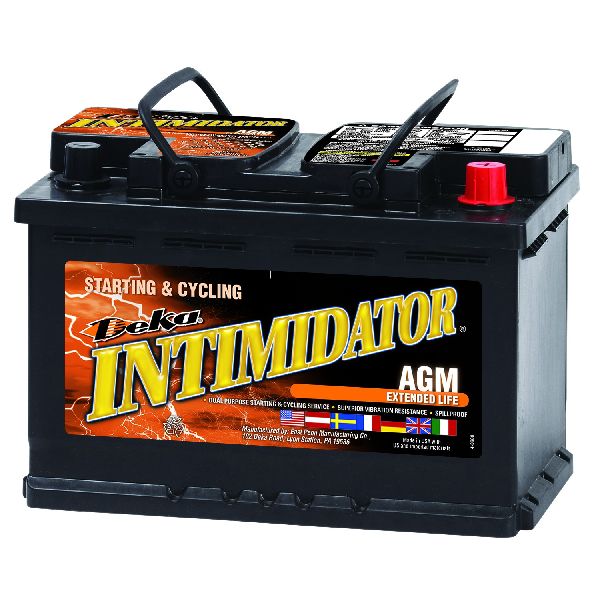
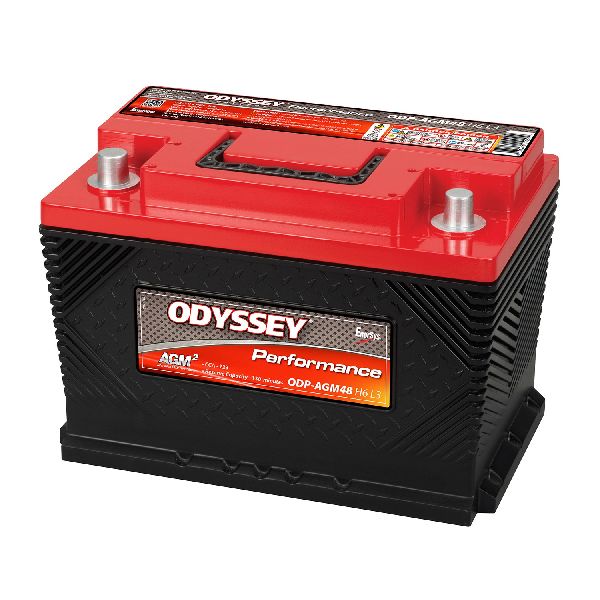
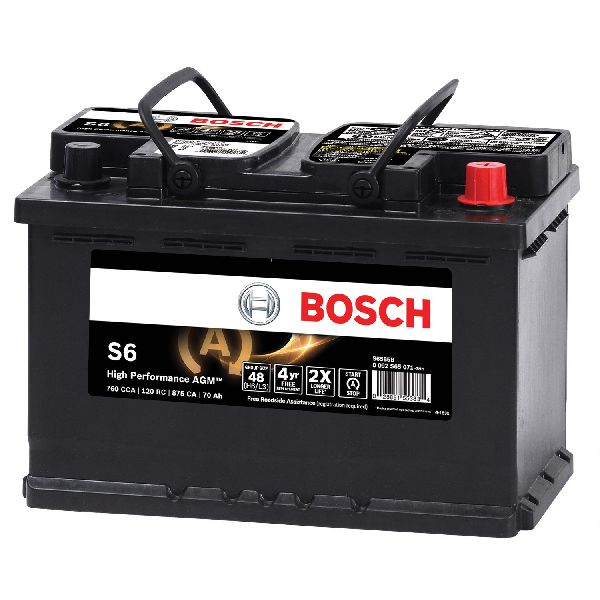
Aftermarket price range: $500-$900 - 12V Battery (AGM Type) — A weak battery is a common trigger for this code due to unstable voltage supplied to the PCM.
Trusted brands: Motorcraft, Interstate, DieHard
OEM price range: $250-$350
Aftermarket price range: $150-$250
Related Codes That Often Appear With This One
- P0606 — P0606 ('PCM Processor Fault') is a very similar code indicating a critical internal PCM error. Seeing both together strongly suggests a PCM software or hardware failure.
- P060A — This code ('Internal Control Module Monitoring Processor Performance') was cited alongside P0607 in Ford TSB 24-2310, indicating they can be triggered together by the same PCM software issue.
- U0100 — This code means 'Lost Communication With ECM/PCM'. It can appear with P0607 if the PCM is failing intermittently and dropping off the vehicle's communication network.
Technical Service Bulletins (TSBs) & Recalls
- TSB 24-2310 (for 2025 model year): Addresses illuminated MIL with DTC P0607:45 due to PCM software level, fixed by reprogramming the PCM. While not for the exact year range, it's highly relevant for the same engine.
- TSB 23-2176: Addresses delayed reverse engagement on 2020-2022 Explorers with the 2.3L and 10R60 transmission via a PCM reprogram, showing a history of software fixes for powertrain issues.
Platform-Specific Known Issues
- A Technical Service Bulletin (24-2310) for the 2025 model year with the same 2.3L engine indicates that a P0607 code can be set due to a software issue, which is resolved by reprogramming the PCM. This is a strong indicator for the 2020-2023 models as well.
- The 10R60 transmission used in this vehicle is known for various issues, including harsh shifting and delayed engagement, some of which are addressed by PCM software updates (TSB 23-2176), underscoring the importance of correct PCM software for overall powertrain health.
Mechanic-Grade Diagnostic Values
- PCM Power Circuit Voltage Drop — expected: < 0.2 V. Failure: A reading higher than 0.2V indicates excessive resistance in the power supply wiring or connections between the battery and the PCM.
- PCM Ground Circuit Voltage Drop — expected: < 0.1 V. Failure: A reading higher than 0.1V indicates high resistance in the ground circuit, often due to a loose or corroded ground strap.
- Battery Voltage during Cranking — expected: > 9.0 V. Failure: Voltage dropping below 9.0V during engine cranking can cause the PCM to fail its self-test and set a P0607 code.
- Alternator Charging Voltage (Engine Running) — expected: 13.5 V - 14.5 V. Failure: Voltage that is unstable, too low, or too high can cause PCM instability and trigger a P0607.
Hidden / Shadow Codes Worth Checking
- P0607:45: The ':45' is a Failure Type Byte (FTB) used by Ford. It indicates a 'Program Memory' failure, specifically a non-plausibility failure. This strongly points towards a software corruption or internal calculation error, reinforcing the TSB recommendation to reflash the PCM as the first step. (see via A professional scan tool capable of reading Ford-specific DTCs, such as Ford's FDRS/IDS or high-end aftermarket scanners.)
Scan Tool Commands That Help
- Ford FDRS (Ford Diagnostic & Repair System): Self-Test — This is the initial command to run after connecting to the vehicle. It polls all modules for Diagnostic Trouble Codes (DTCs) and provides a color-coded overview of module status (Green for OK, Orange for stored DTCs).
- Ford FDRS: Module Reprogramming / Programmable Module Installation (PMI) — Used to update the PCM software to the latest calibration to fix bugs (as suggested by TSB 24-2310) or to program a new/used replacement PCM to the vehicle. This requires an active internet connection and a subscription.
- Ford FDRS: Data Logger — Allows for monitoring live data streams from the PCM, such as battery voltage, module input voltages, and sensor readings, to help diagnose intermittent power supply issues.
- FORScan (with extended license): Module Initialization — After replacing a PCM and programming keys, this function may be required to synchronize the new PCM with the PATS (Passive Anti-Theft System) module, allowing the vehicle to crank and start.
Wiring & Ground Locations
- Engine Compartment Fuse Box — Located in the engine bay.. This fuse box contains critical fuses for the PCM. Specifically, Fuse F23 (Powertrain control module keep alive power) and Fuse F24 (Powertrain control module power) are the primary power sources. A fault in this fuse box or with these fuses will cause PCM power loss.
- PCM Connector C175B — This is one of the main electrical connectors on the Powertrain Control Module itself.. This connector carries the primary power and ground circuits for the PCM. Performing voltage drop tests at the pins of this connector is the definitive way to confirm the integrity of the power supply and ground circuits directly at the module. Pinout diagrams are required for accurate testing.
- Main Body and Engine Grounds — Multiple locations; typically from the negative battery terminal to the chassis, from the chassis to the engine block, and smaller grounds from the wiring harness to the firewall or inner fenders.. The PCM relies on a solid ground connection to function. A loose, corroded, or broken ground strap is a common cause of intermittent and difficult-to-diagnose electrical problems, including P0607.
Real Owner Repair Stories
- Reddit user in r/AskAMechanic (2007 Ford Explorer Sport Trac 4.0L) — Vehicle was dying when warm but ran fine when cold. Multiple PCM-related codes, CAN bus communication issues, and PATS (anti-theft) errors were present.
❌ Tried (didn't work) Checking and cleaning battery terminals and ground connections., Swapping the PCM relay., Checking CAN bus voltages and resistance at the OBD-II port.
✅ What actually fixed it The PCM was failing when it got hot. The user confirmed this by spraying canned air (held upside down to discharge cold liquid) onto the PCM, which temporarily resolved the issue. The ultimate fix was replacing the PCM and then using FORScan software to program two new keys and run the 'Module Initialization' program to sync the new PCM with the vehicle's anti-theft system.
OEM Part Supersession History
LB5A-12A650-BNB→MB3Z-12A650-A (Service Part Number)— Standard part number evolution and potential internal revisions.
Heads up: While physical fit may be the same, using the wrong part number can lead to software and feature incompatibility. Always verify the correct part number for the vehicle's specific VIN and build date. Programming is mandatory regardless of the part number.
Model Year Variations Within This Range
- 2020-2021: There was a PCM part number change for the 2.3L engine on 11/30/2020. Vehicles built before this date may use a different PCM than those built after. This is critical when sourcing a replacement part.
Diagnostic Flowchart
Other Known Issues on This Vehicle
Issues unrelated to this code that are worth knowing about as an owner of this generation:
- Rear Axle Mounting Bolt Fracture 🔴 High — Common enough to trigger multiple recalls affecting over 238,000 vehicles from 2020-2022. Can lead to loss of power or vehicle rollaway. (Ref: Recalls 22S27/22V255, 23S55.)
- 360-Degree Camera System Failure 🟠 Medium — Extremely common, leading to multiple recalls covering over 400,000 vehicles. Symptoms include a blue or black screen instead of a camera image. (Ref: Recalls 21S44, 23S02, 23S23.)
- Harsh/Erratic Shifting (10R60 Transmission) 🔴 High — Widespread issue across the platform. Many owner complaints and forum discussions about jerky shifting, hesitation, and premature failure. Low fluid from the factory is a common complaint. (Ref: TSB 23-2176 (Delayed Reverse), TSB 23-2250 (Harsh Shifts/DTCs). Subject of class-action lawsuits.)
- Loose Transmission Park Gear Bolt 🔴 High — A manufacturing defect affecting 2022-2023 models that could prevent the transmission from engaging Park. (Ref: Recall 23S06.)
Used vs. New Parts: Buying Guide for This Vehicle
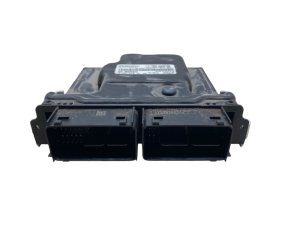
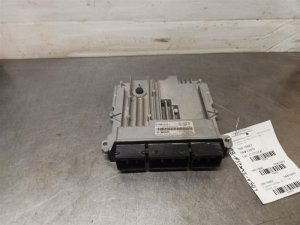
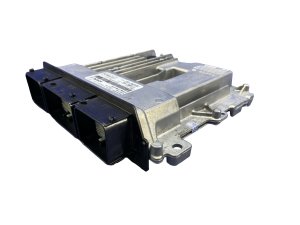
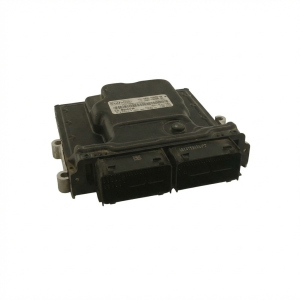
When a used part is the smart pick: A used PCM can be a cost-effective option, but ONLY if you have access to a Ford dealer or a specialized independent shop with the correct tools (FDRS or equivalent) and subscriptions to perform the mandatory programming. A used PCM is a brick until it is programmed to the vehicle's VIN and security system.
Donor-vehicle mileage cap: roughly under 80000 miles for the part to have meaningful remaining life.
What to inspect on the donor part:
- Verify the part number on the used module EXACTLY matches the original, or is a known compatible supersession.
- Inspect the connectors for any bent, corroded, or pushed-out pins.
- Check the casing for any signs of physical damage or water intrusion (e.g., discoloration, swollen case).
- Purchase from a reputable salvage yard that offers a warranty and provides the VIN of the donor vehicle if possible.
OEM-only on this vehicle (don't cheap out):
- Powertrain Control Module (PCM) - While used OEM units are an option, aftermarket 'rebuilt' units can be a gamble. For this vehicle, sticking with a genuine Ford/Motorcraft part (new or used) is highly recommended due to the complexity of the software and vehicle integration.
Brands owners have reported issues with on this vehicle:
- Generic, unbranded PCM/ECM units from online marketplaces without a clear warranty or programming support should be avoided. The risk of software incompatibility or premature failure is high.
Real Owner Stories
Aggregated from forums and TSBs cited above. Mileages and costs reflect what owners reported in those sources.
2020 Ford Explorer ST
Symptoms: Transmission failure that started with hard shifts and resulted in burnt fluid.
What fixed it: The shop quoted a full replacement with a remanufactured unit because rebuild parts were backordered.
Cost: $5700-$5700
Source hint: ExplorerSTForum.com
2025 Ford Explorer 2.3L EcoBoost
Symptoms: Illuminated MIL (Check Engine Light) with DTC P0607:45.
What fixed it: Reprogramming the PCM to the latest software level.
Source hint: TSB 24-2310
2020-2022 Ford Explorer 2.3L EcoBoost
Symptoms: Delayed reverse engagement and harsh shifting issues.
What fixed it: PCM reprogramming (reflash) to update the powertrain control logic.
Source hint: TSB 23-2176
Related OBD-II Codes
Frequently Asked Questions
Does TSB 24-2310 apply to my 2020-2023 Ford Explorer 2.3L EcoBoost?
Can a weak 12-volt battery cause a P0607 code on my Explorer?
Is there a TSB for the harsh transmission shifting I'm experiencing alongside P0607?
Will I need to replace the PCM to fix this code?
Could an aftermarket tune be causing the P0607 error?
Is the P0607 code related to the 360-degree camera recalls?
Helpful Videos
Used OEM Parts in Stock
New Aftermarket Parts Available


The information in this article is provided for general reference and educational purposes only. Vehicle specifications, procedures, and part compatibility can vary by production date, trim level, and region. Always consult your vehicle's factory service manual and verify part numbers before purchasing or performing repairs. Safety-critical components such as airbags, seat belts, and braking systems should be installed by a qualified professional.
- Ford Explorer:
- 🧭 Diagnostic Flowchart
- 🎬 Helpful Videos
- 🛍️ Shop This Part
- What's Unique About the 2020-2023 Ford Explorer
- Symptoms You May Notice
- Most Likely Causes
- Rare But Worth Checking
- Diagnosis Steps
- Parts You'll Likely Need
- Related Codes That Often Appear With This One
- Technical Service Bulletins (TSBs) & Recalls
- Platform-Specific Known Issues
- Mechanic-Grade Diagnostic Values
- Hidden / Shadow Codes Worth Checking
- Scan Tool Commands That Help
- Wiring & Ground Locations
- Real Owner Repair Stories
- OEM Part Supersession History
- Model Year Variations Within This Range
- Other Known Issues on This Vehicle
- Used vs. New Parts: Buying Guide for This Vehicle
- Real Owner Stories
- 2020 Ford Explorer ST
- 2025 Ford Explorer 2.3L EcoBoost
- 2020-2022 Ford Explorer 2.3L EcoBoost
- Related OBD-II Codes
- Frequently Asked Questions
- 🎟️ Get 5% Off