

P0607 on 2005-2010 Ford Mustang: Control Module Performance Causes and Fixes
On a 2005-2010 Mustang, code P0607 is most often caused by a failing alternator or a weak battery, not a bad engine computer (PCM). Before replacing the expensive PCM, test the battery and ensure the alternator is producing over 14 volts when the engine is running. Check all major power and ground connections, as voltage instability is the primary trigger.
- P0607 on a 2005-2010 Mustang almost always points to a problem with the electrical supply, not the computer itself.
- Before any other diagnosis, test the battery and alternator. The alternator should produce over 14 volts when the car is running.
- Inspect and clean all major ground connections and battery terminals, as poor connections can mimic a failing component.
- Only consider replacing the expensive PCM after you have proven the battery, alternator, and all related wiring are in perfect condition.
What's Unique About the 2005-2010 Ford Mustang
For the S197 generation Mustang, the electrical system's health is paramount. Owners report that this code is frequently a direct result of a failing alternator that can't keep up with the car's electrical demands, especially when accessories like the A/C are running. While a true internal PCM failure can happen, it's much more likely that unstable voltage from a weak charging system is making the PCM believe it's faulty. In some cases, a failing alternator causes a cascade of bizarre symptoms, including the security light flashing, the temp gauge pegging hot, and a 'Check Gas Cap' message appearing along with the P0607 code.
Generation note: This range covers the S197 generation, including the pre-facelift (2005-2009) and the first year of the facelift (2010). The underlying causes for P0607 are consistent across these model years, with many owners of 2005-2009 models opting to upgrade to the more robust 2010 model year alternator as a fix.
Symptoms You May Notice
- Check Engine Light is on
- Engine stalling intermittently, especially at idle or when coming to a stop
- Noticeable loss of power or sluggish acceleration
- Vehicle may crank but fail to start, or only make a clicking sound
- Rough or unstable idle
- Multiple warning lights flashing simultaneously (Battery, Security/Anti-theft)
- Radio or other electronics may shut off unexpectedly
- Instrument cluster gauges (speedometer, tachometer, temp) dropping to zero and then returning to normal
- "Check Gas Cap" message may appear on the odometer display
- Temperature gauge may suddenly peg to Hot and then return to normal
- Replacing the PCM before thoroughly testing the alternator, battery, and ground connections. An unstable power supply is the most frequent trigger for this code, not a failed PCM.
Most Likely Causes
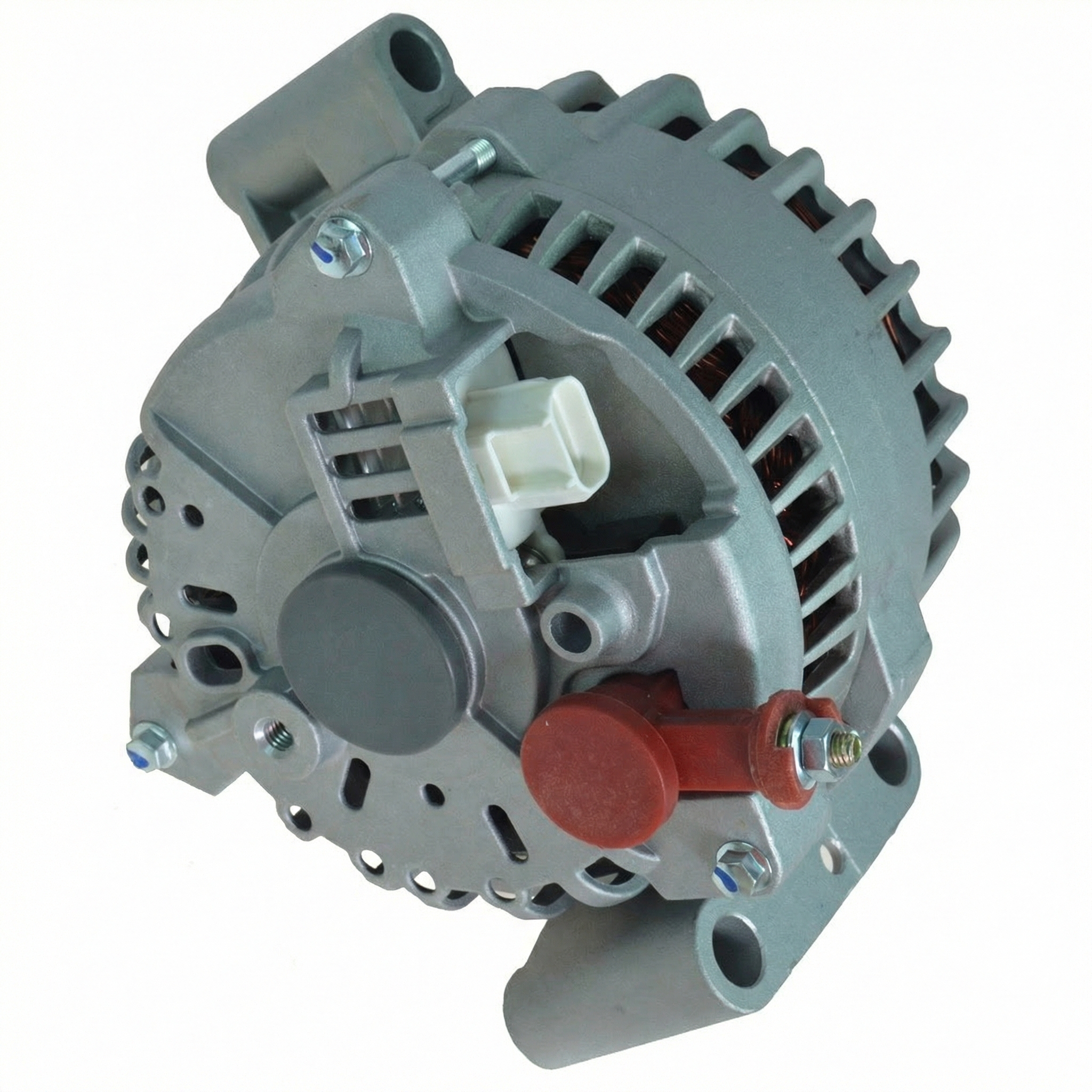
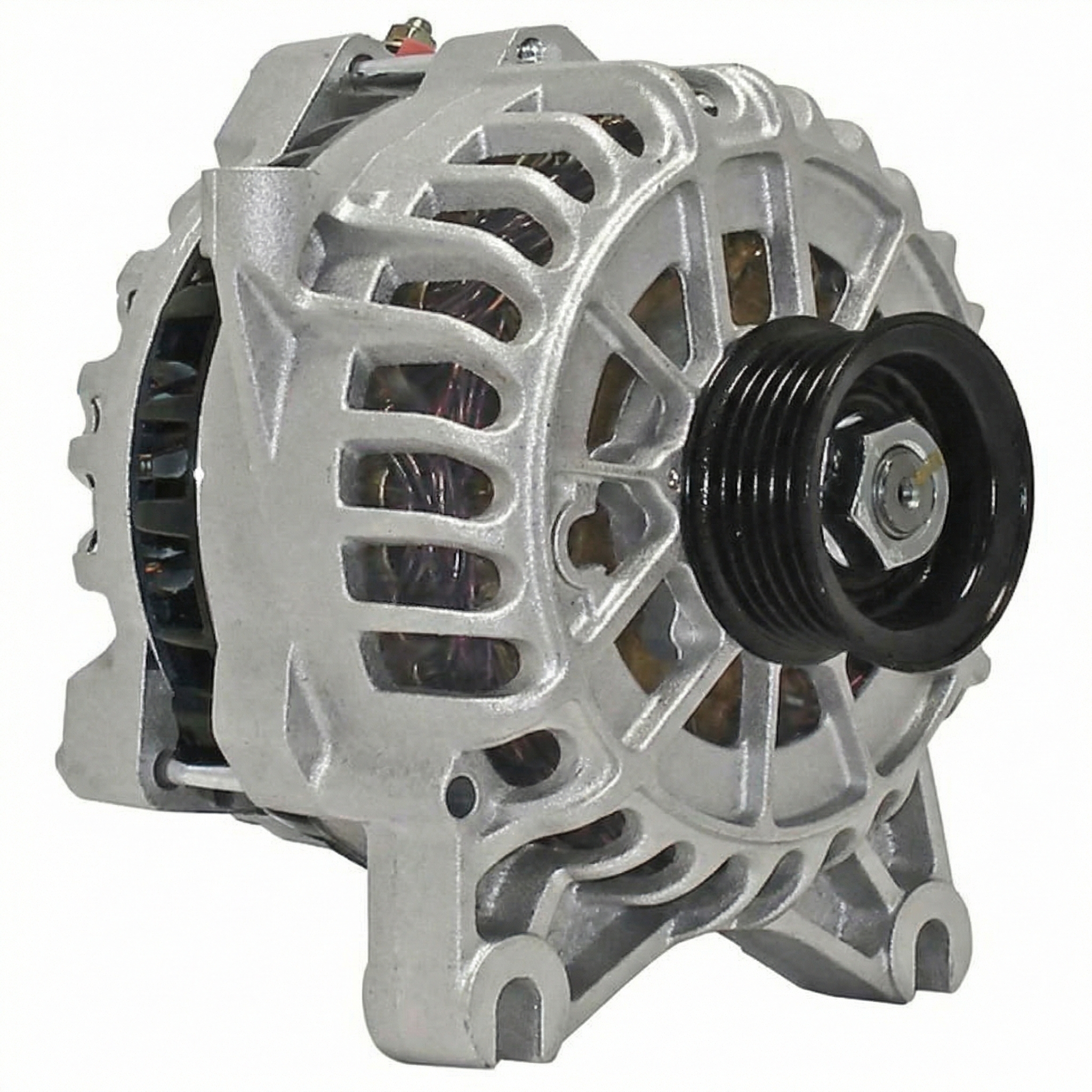
- Failing Alternator 🔴 High Probability → Shop Alternator Mustang owners report that the original alternator, particularly the Valeo-made unit on 2005-2009 models, can weaken over time, with voltage dropping below the required threshold to keep all modules happy, triggering a P0607. This is especially noticeable under heavy electrical load (A/C, headlights, stereo).
How to confirm: With the engine running, use a multimeter to test the voltage at the battery terminals. A healthy alternator should output between 13.7 and 14.7 volts. Readings below this range, especially in the low 13s or dropping under load, strongly suggest a failing alternator. Auto parts stores can also perform a load test.
Typical fix: Replace the alternator. Many owners recommend upgrading from the 05-09 unit to the more reliable alternator from the 2010 Mustang.
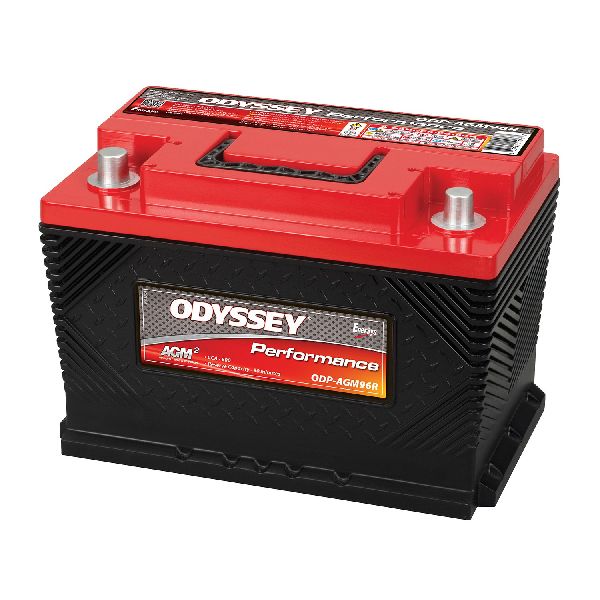
Est. part cost: $150-$450 - Weak or Defective Battery 🔴 High Probability → Shop Vehicle Battery A battery that cannot hold a proper charge or provide sufficient cranking amps can cause voltage drops that trigger faults in the PCM during startup or under load.
How to confirm: Test the battery with a digital battery tester or take it to an auto parts store for a free load test. A resting voltage below 12.4V indicates a weak battery. Even a relatively new battery can be faulty.
Typical fix: Replace the battery.
Est. part cost: $150-$250 - Poor Power or Ground Connections 🟡 Medium Probability Corrosion on battery terminals or loose/corroded main engine or chassis ground straps are common issues that create unstable voltage for the PCM. Key locations to check are the ground on the passenger side motor mount and the strap from the driver's side head to the firewall.
How to confirm: Visually inspect the battery terminals for corrosion. Follow the negative battery cable to its connection point on the chassis and check for tightness and corrosion. Inspect the main engine-to-chassis ground straps for fraying or corrosion, especially the one on the passenger motor mount.
Typical fix: Clean the battery terminals and cable ends with a wire brush. Tighten or replace corroded ground straps. Some owners add a supplementary ground wire for better stability.
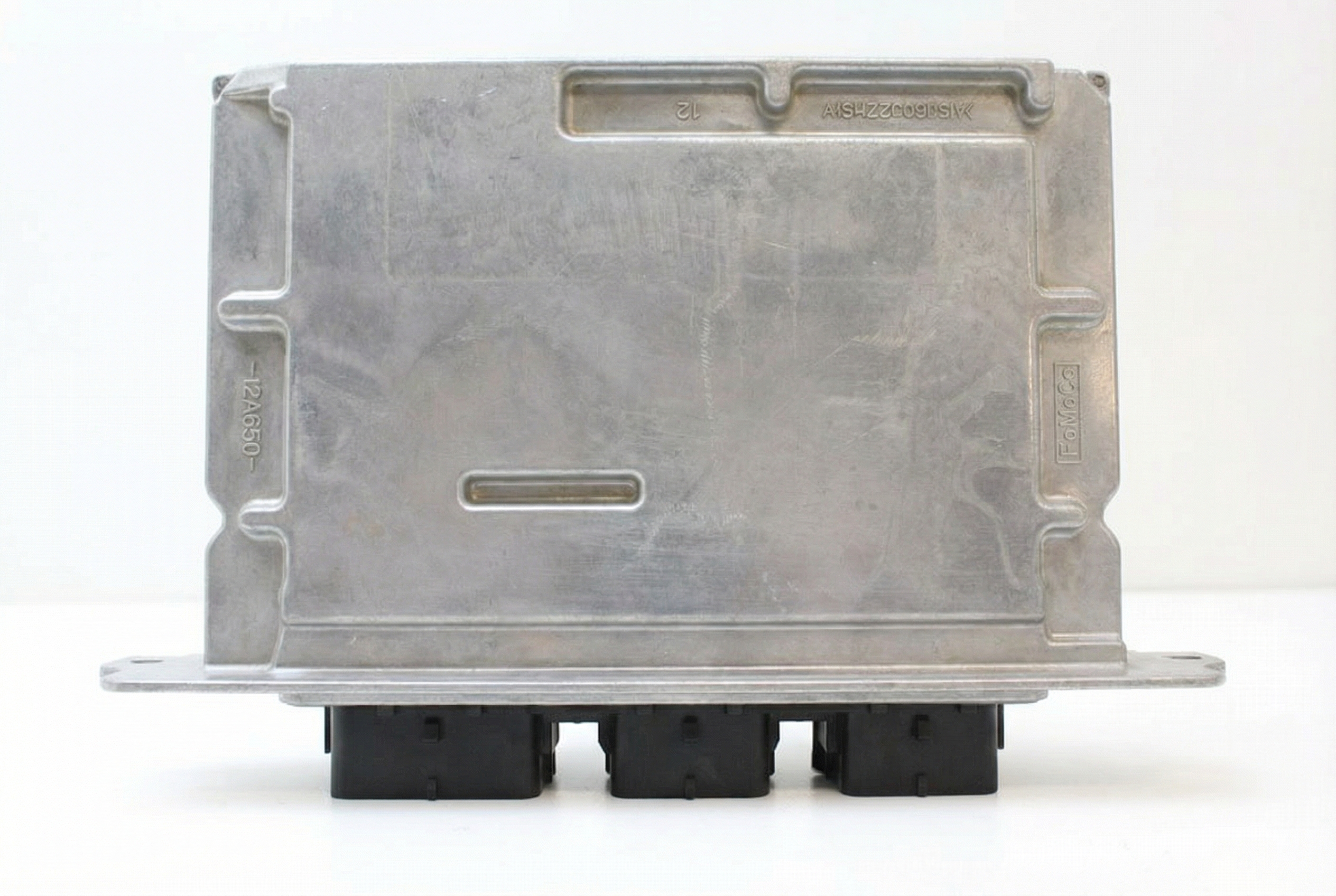
Est. part cost: $10-$50 - Faulty Powertrain Control Module (PCM) ⚪ Low Probability → Shop Engine Control Module (ECM) While less common, the PCM can fail internally due to thermal stress or component age. This should be the last item to suspect after all power supply issues are ruled out.
How to confirm: This is a process of elimination. If the battery, alternator, and all related wiring/grounds have been proven to be in perfect working order, and a PCM reflash doesn't solve it, the PCM itself is the likely culprit.
Typical fix: Replace the PCM. This requires programming by a dealer or a specialized shop to match your vehicle's VIN and key information.
Est. part cost: $400-$800
Rare But Worth Checking
- PCM Software/Firmware Glitch: Sometimes, a software glitch can cause this code. Ford issued TSB 08-24-1 for some 2007-2008 Mustangs which involves reprogramming the PCM for a P0607 code accompanied by other driveability issues. A dealer can check for and apply any available PCM software updates (reflashing).
- Damaged Wiring Harness: Physical damage to the wiring harness leading to the PCM from chafing, heat, or rodents can cause a short or open circuit, triggering the code.
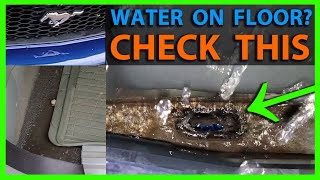
- Water Intrusion into Smart Junction Box (SJB): A well-known S197 Mustang issue is water leaking into the passenger footwell from a bad cowl seal, 🎬 See how to fix this common passenger side water leak directly onto the SJB (the main interior fuse box/body control module). This corrosion can cause a multitude of bizarre electrical problems, including communication errors that could potentially trigger a P0607 in the PCM.
Diagnosis Steps
- Read the codes with an OBD-II scanner and record the freeze frame data.
- Clear the codes and test drive the vehicle to see if the P0607 code returns immediately.
- Perform a complete charging system test. With the engine off, the battery voltage should be above 12.4V.
- Start the engine. With a multimeter on the battery terminals, verify the alternator output is between 13.7V and 14.7V. Turn on accessories like A/C, headlights, and the radio to apply an electrical load and watch for voltage drops. A reading below this range under load indicates a weak alternator.
- Inspect all power and ground connections. Check the battery terminals for corrosion. Follow and inspect the main ground cables: from the battery to the chassis, from the driver's side cylinder head to the firewall, and especially the critical ground on the passenger side motor mount. 🎬 Watch: Locate all the ground connections on your Mustang
- Check for water intrusion in the passenger side footwell. Pull back the carpet near the kick panel and inspect the Smart Junction Box (SJB) and its connectors for any signs of moisture or green/white corrosion.
- If all power, grounds, and wiring are confirmed to be good, the issue may be software-related. Consult a Ford dealership or qualified shop about checking for PCM software updates, referencing TSB 08-24-1 if applicable.
- If all previous steps fail to resolve the issue, the PCM is the most likely remaining point of failure and should be considered for replacement.
Parts You'll Likely Need
- Alternator
(OEM #7R3Z-10346-A (or superseding part 7R3Z-10346-CDRM) for 2007-08 GT500, often used as an example. The 2010 model alternator (Ford part number 9R3Z10346B) is a common upgrade for 05-09 cars.)— This is the most common root cause of P0607 on this platform, as a failing unit provides unstable voltage to the PCM.
Trusted brands: Motorcraft, Bosch, PA Performance
OEM price range: $300-$450
Aftermarket price range: $150-$350 - Battery — A weak battery can cause voltage drops during startup and operation, confusing the PCM and triggering a performance code.
Trusted brands: Motorcraft, Interstate, DieHard
OEM price range: $200-$300
Aftermarket price range: $150-$250 - Powertrain Control Module (PCM) — This is the 'fix of last resort' when all power, ground, and wiring issues have been definitively ruled out.
Trusted brands: Motorcraft, Flagship One
OEM price range: $600-$800
Aftermarket price range: $400-$600
Related Codes That Often Appear With This One
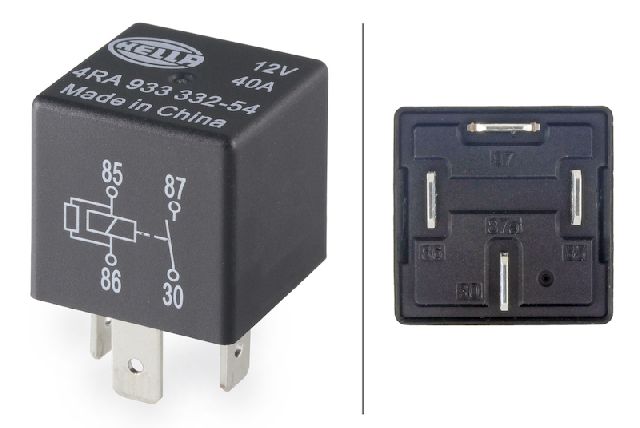
- P0480 — A P0480 (Cooling Fan 1 Control Circuit Malfunction) code was seen with P0607 in a forum post. The user resolved the P0480 with a new fan relay harness and the P0607 with a PCM replacement, but noted the initial voltage issues from a bad alternator started the entire cascade of problems.
- P2107 — This code for 'Throttle Actuator Control Module Processor' can appear alongside P0607, indicating a broader communication and power issue affecting multiple modules, often stemming from the same root cause of low system voltage.
Technical Service Bulletins (TSBs) & Recalls
- TSB 08-24-1: Some 2007-2008 Mustang vehicles with 4.6L engine may exhibit a lack of power with diagnostic trouble codes (DTCs) P0607, P2104, and P2112. This may be resolved by reprogramming the PCM.
- TSB 08-26-7: Details procedures for diagnosing and repairing water leaks into the front floor area, which can damage the Smart Junction Box (SJB). This TSB addresses improperly sealed cowl grommets and seams.
Platform-Specific Known Issues
- Alternator Failure Leading to Multiple Warning Lights: → Shop Alternator A user on MustangForums.com described a scenario where a failing alternator caused not only a P0607 code, but also the radio to shut off and the car to die completely. After a jump start, the car would only run for a few miles before dying again, confirming the alternator was not charging the battery. Replacing the alternator cleared the P0607 code and resolved all issues.
Mechanic-Grade Diagnostic Values
- PCM Power Supply Voltage (Key On, Engine Off) — expected: 12.2 V ± 0.5 V at the module's power input pins.. Failure: Voltage below 11.7V can trigger internal module errors. A voltage drop greater than 0.5V between the battery positive terminal and the PCM pin indicates high resistance in the power feed circuit.
- PCM Ground Connection Resistance — expected: Below 0.1 Ω between the module's ground pins and the battery negative terminal.. Failure: Resistance higher than 0.1 Ω indicates a poor ground. A voltage drop test showing more than 0.2-0.3V on the ground side is a definitive sign of a bad ground connection.
- Alternator Output Voltage (Engine Running) — expected: Between 13.7 and 14.7 volts at the battery terminals.. Failure: Voltage below 13.5V indicates an undercharging condition, while voltage above 14.8V indicates overcharging. Either can damage control modules.
- CAN Bus Voltage — expected: Approximately 2.5V on CAN High and CAN Low when idle.. Failure: Abnormal bus voltage or error frames detected with a CAN bus analyzer can indicate a communication issue triggering the P0607.
Scan Tool Commands That Help
- Ford IDS/FJDS: Programmable Module Installation (PMI) — This function is required when installing a new or used PCM. It guides the technician through transferring the vehicle's specific configuration data, VIN, and security information to the replacement module.
- Ford IDS/FJDS: Module Reprogramming — Used to update an existing PCM with the latest factory software calibration. This should be attempted to fix potential software glitches (like those mentioned in TSB 08-24-1) before condemning the PCM hardware.
- Ford IDS/FJDS: ECU Self-Test — This command initiates an internal diagnostic routine within the PCM. A failure of this self-test strongly indicates an internal hardware fault, making PCM replacement the next logical step.
Wiring & Ground Locations
- PCM Connectors C175B, C175E, C175T — In the passenger side of the engine bay, next to the underhood fuse box. C175B is the middle connector.. These are the main data, power, and ground interfaces for the PCM. The CAN bus network wires are located in connector C175B (CAN+ on Pin 11, CAN- on Pin 23), and any corrosion or loose pins here can cause communication faults that trigger P0607.
- G104 — On the passenger side inner fender apron, near the battery and strut tower.. This is a critical ground point. It serves as a primary body ground and a ground path for the PCM. Corrosion or looseness here directly impacts the PCM's voltage stability.
- G201 — Directly below the PCM in the passenger side engine bay.. This is another primary ground for the PCM. Ensuring it is clean and tight is essential for stable module operation.
- Engine to Firewall Ground Strap — Connects from a stud on the back of the driver's side cylinder head to the firewall.. This strap provides a ground path for the engine block and accessories. If it's loose or corroded, the alternator and other components may have an unstable ground, affecting system voltage.
- Passenger Side Motor Mount Ground — A ground cable that runs down to the passenger side engine mount from the chassis.. This is a main engine ground. It is difficult to access but is a common point of failure or looseness that can cause widespread electrical issues, including P0607.
Real Owner Repair Stories
- MustangForums.com user 'jdphillips73' (2007 Mustang, 39k miles) — Radio shut off, car died and would not restart (clicking sound). After a jump start, it would only run for a few miles before dying again. P0607 code was present.
❌ Tried (didn't work) Jump starting the car (only a temporary fix), The battery was only 3 months old and was ruled out as the primary cause.
✅ What actually fixed it Replacing the alternator fixed all symptoms and cleared the P0607 code. - StangNet Forums user 'jpplaw' (2007 Mustang GT, 40k miles) — After installing Detroit Rocker cams and a custom dyno tune, the car would stall on cold starts and throw code P0607.
❌ Tried (didn't work) The user could not adjust the tune parameters with their SCT handheld tuner.
✅ What actually fixed it The issue was resolved by having the tuner (Brenspeed) tweak the custom tune, specifically adjusting the idle air and throttle closing rate parameters to accommodate the new camshafts. This indicates a software/calibration issue, not a hardware failure. - NHTSA ODI #11286667 — An owner reported that the vehicle took about a minute to start. After having the vehicle checked, the report showed code P0607 Control Module Performance. The owner also noted having to refill the coolant box more often due to a suspected leak.
OEM Part Supersession History
Various Valeo units used on 2005-2009 models→9R3Z-10346-B (or similar Denso unit for 2010 models)— The alternator used on the 2010 Mustang is considered more reliable and robust than the earlier units, which were prone to premature failure.
Heads up: When upgrading a 2005-2009 Mustang to the 2010 alternator, the power stud on the new alternator is slightly larger. The ring terminal on the main power cable must be slightly enlarged with a drill bit to fit. A new, larger nut may also be required for the power stud.
Model Year Variations Within This Range
- 2005-2009: These years typically came with a 135-amp Valeo alternator that is widely reported by owners to be a common failure point leading to P0607.
- 2010: The 2010 model year introduced a more reliable, often Denso-branded, three-phase alternator. This unit is a popular and recommended upgrade for earlier S197 models experiencing charging system issues. The installation requires minor modification to the power cable's ring terminal.
Diagnostic Flowchart
Other Known Issues on This Vehicle
Issues unrelated to this code that are worth knowing about as an owner of this generation:
- Passenger Floorboard Water Leak 🔴 High — Very common issue caused by improperly sealed grommets/seams in the cowl area, often leading to corrosion of the Smart Junction Box (SJB) and widespread electrical problems. (Ref: TSB 08-26-7)
- Two-Piece Spark Plug Breakage (4.6L/5.4L 3V) 🔴 High — Affects V8 models built before late 2007. The original Motorcraft plugs have a two-piece design where the lower barrel seizes in the head due to carbon buildup and can break off during removal, requiring a special extraction tool. (Ref: TSB 08-7-6)
- Plastic Thermostat Housing Failure 🟠 Medium — The original plastic thermostat housing is prone to cracking and developing coolant leaks over time, especially on the V6 models.
- Cologne V6 Timing Chain Rattle 🔴 High — The 4.0L SOHC V6 engine is known for failure of the timing chain guides and tensioners, causing a 'death rattle'. Repair is labor-intensive as it involves both front and rear chains.
- Shaker 500/1000 Subwoofer Failure 🟡 Low — The door-mounted subwoofers in the premium audio systems are known to fail due to issues with their internal amplifiers.
- Fuel Filler Neck Issue 🟡 Low — Many owners report the fuel pump nozzle frequently shutting off prematurely when refueling, believed to be an issue with the fuel tank/filler neck design.
Used vs. New Parts: Buying Guide for This Vehicle
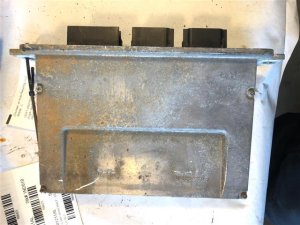
When a used part is the smart pick: A used PCM from a junkyard can be a cost-effective option, but ONLY if you use a service to program your vehicle's VIN and key data to it before installation. For the Smart Junction Box (SJB), some owners have had success with a used unit from a vehicle with matching options without reprogramming, but it's a gamble. A used alternator is generally not recommended due to the high failure rate of the original parts.
Donor-vehicle mileage cap: roughly under 80000 miles for the part to have meaningful remaining life.
What to inspect on the donor part:
- For a PCM or SJB, check the donor vehicle's history for flood or fire damage.
- Inspect the connectors on any used electronic module for signs of water intrusion (green/white corrosion) or bent pins.
- Ask the salvage yard if they test alternators before selling them; many do not.
- For an alternator, spin the pulley by hand. It should be smooth with no grinding noises or excessive play.
OEM-only on this vehicle (don't cheap out):
- Powertrain Control Module (PCM): While aftermarket options exist, a new or remanufactured Motorcraft PCM programmed by a dealer or specialist offers the highest chance of success without introducing new variables.
Aftermarket brands forum-validated for this vehicle:
- Alternator: PA Performance is a popular aftermarket brand with many positive reviews from Mustang owners for fixing charging issues. Denso is also a trusted OEM supplier.
Brands owners have reported issues with on this vehicle:
- Generic, low-cost remanufactured alternators from general parts stores are often cited in forums as being unreliable, sometimes failing shortly after installation. Some users have also reported issues with PA Performance alternators, suggesting quality can be inconsistent.
Real Owner Stories
Aggregated from forums and TSBs cited above. Mileages and costs reflect what owners reported in those sources.
2005-2009 Ford Mustang
Symptoms: The radio shut off unexpectedly and the car died completely. After a jump start, the vehicle would only run for a few miles before dying again.
What fixed it: Replacing the alternator cleared the P0607 code and resolved the electrical failures.
Source hint: MustangForums.com - Thread 'P0607 Code- HELP!'
2005-2009 Ford Mustang
Symptoms: The vehicle experienced a cascade of electrical issues with voltage output readings between 13.3-13.6V.
What fixed it: The owner replaced the alternator with a 2010 model and later replaced the PCM to fully resolve the problem.
Source hint: S197Forum.com - Thread 'P0607 & p0480'
2005-2010 Ford Mustang
Symptoms: An owner reported that the vehicle took about a minute to start. A diagnostic report from a parts store identified code P0607 Control Module Performance.
What fixed it: While the owner noted a potential coolant leak, the P0607 was documented as a primary performance issue during the diagnostic check.
Source hint: NHTSA ODI #11286667
Related OBD-II Codes
Frequently Asked Questions
My 2007 Mustang 4.6L is losing power and showing P0607; is there a specific software fix?
I have water leaking into the passenger footwell of my S197 Mustang. Could this cause a P0607?
Can I use an alternator from a different year Mustang to fix the P0607 voltage issues on my 2005-2009 model?
Where should I check for loose grounds on my Mustang if I'm getting PCM-related codes?
Why does my Mustang's 'Check Gas Cap' light come on along with the P0607 code?
Helpful Videos

Used OEM Parts in Stock
New Aftermarket Parts Available


The information in this article is provided for general reference and educational purposes only. Vehicle specifications, procedures, and part compatibility can vary by production date, trim level, and region. Always consult your vehicle's factory service manual and verify part numbers before purchasing or performing repairs. Safety-critical components such as airbags, seat belts, and braking systems should be installed by a qualified professional.
- Ford Mustang:
- 🧭 Diagnostic Flowchart
- 🎬 Helpful Videos
- 🛍️ Shop This Part
- What's Unique About the 2005-2010 Ford Mustang
- Symptoms You May Notice
- Most Likely Causes
- Rare But Worth Checking
- Diagnosis Steps
- Parts You'll Likely Need
- Related Codes That Often Appear With This One
- Technical Service Bulletins (TSBs) & Recalls
- Platform-Specific Known Issues
- Mechanic-Grade Diagnostic Values
- Scan Tool Commands That Help
- Wiring & Ground Locations
- Real Owner Repair Stories
- OEM Part Supersession History
- Model Year Variations Within This Range
- Other Known Issues on This Vehicle
- Used vs. New Parts: Buying Guide for This Vehicle
- Real Owner Stories
- 2005-2009 Ford Mustang
- 2005-2009 Ford Mustang
- 2005-2010 Ford Mustang
- Related OBD-II Codes
- Frequently Asked Questions
- 🎟️ Get 5% Off