

P0607 on 2012-2017 Mazda CX-5 Diesel: Internal PCM Failure Causes and Fixes
P0607 on a SKYACTIV-D Mazda CX-5 almost always indicates an internal failure of the Powertrain Control Module (PCM). Before replacing the expensive module (approx. $900+ for the part), first verify the battery and charging system are healthy. PCM replacement requires professional programming by a dealer or specialized shop.
- P0607 on your diesel CX-5 is a serious code that points directly to a failure in the main engine computer (PCM).
- Before condemning the expensive PCM, you must rule out simpler issues: ensure your battery is healthy and all power/ground connections are clean and tight.
- This is not a DIY-friendly repair. A replacement PCM must be purchased and professionally programmed to your vehicle's VIN.
- Do not replace other sensors or parts hoping to fix this code; the problem lies within the control module itself.
What's Unique About the 2012-2017 Mazda CX-5
Unlike many vehicles where P0607 can be triggered by a wide range of external electrical issues, the factory service manual for the Mazda SKYACTIV-D 2.2L points almost exclusively to an internal PCM malfunction as the sole cause. The official diagnostic path is to check for any new service bulletins, clear the code, and if it returns immediately, replace the PCM. This indicates a high probability of actual module failure when this code is present on this specific diesel engine, a conclusion supported by service documents for the related MZR-CD engine which also lists P0607 as a primary PCM fault.
Symptoms You May Notice
- Check Engine Light is on (MIL)
- i-stop (auto start/stop) system is disabled
- Noticeable changes in transmission shift quality (harsh or delayed shifts)
- Engine may stall or hesitate, sometimes intermittently
- Vehicle may not start, or cranks but does not fire
- Reduced engine power (limp mode)
- Poor or inconsistent throttle response
- Replacing sensors (e.g., oxygen sensors, MAF sensor) in an attempt to fix drivability issues without first addressing the P0607 code. The core issue is with the control unit itself, not the components it is monitoring.
- Assuming the issue is with the transmission or other modules when shifting becomes erratic, without recognizing that the PCM controls these functions and is reporting its own internal fault.
Most Likely Causes
- Internal Powertrain Control Module (PCM) Failure 🔴 High Probability → Shop Engine Control Module (ECM) The manufacturer's own diagnostic literature for this specific engine points directly to internal PCM failure as the primary cause when P0607 is set, indicating a known weakness. This is often a fault in the PCM's internal processor or memory.
How to confirm: After confirming battery and ground integrity, the standard professional procedure is to clear the code. If it returns immediately upon a Key-On-Engine-Off (KOEO) or Key-On-Engine-Running (KOER) self-test, the PCM is condemned.
Typical fix: Replace the Powertrain Control Module and program the new unit to the vehicle using Mazda-specific software.
Est. part cost: $850-$1100
Rare But Worth Checking
- Low or Unstable Battery Voltage: → Shop Vehicle Battery The PCM requires a stable voltage to operate correctly, with a minimum of 8-9 volts to run its diagnostic monitors. A weak battery, failing alternator, or corroded terminals can cause voltage drops that may, in some cases, trigger a false P0607 code. Always test the battery and charging system before replacing the PCM. 🎬 Watch: Understanding P0607 causes and fixes
- Compromised PCM Power or Ground Circuits: A poor ground connection or a fault in the power supply wire to the PCM can mimic the symptoms of an internal failure. While not listed as a primary cause in the service manual for this code, it is a fundamental diagnostic step to check these circuits for high resistance or opens before condemning the module.
Diagnosis Steps
- Verify the battery is fully charged (12.4V+ at rest) and the charging system is working correctly (13.5V-14.5V with engine running). A weak battery is a common cause of false module codes.
- Inspect the battery terminals and main engine/chassis ground straps for corrosion, looseness, and integrity. Clean and tighten as necessary.
- Connect a professional scan tool and verify that P0607 is the only code present. Record the freeze-frame data for analysis.
- Check for any available Technical Service Bulletins (TSBs) or software updates for the PCM. A dealer-level tool is required for this. While no TSBs directly address P0607, some address other PCM reprogramming needs that a dealer would be aware of.
- Clear the DTC from the PCM memory using the M-MDS (Mazda Modular Diagnostic System).
- Cycle the ignition and perform a Key-On-Engine-Off (KOEO) or Key-On-Engine-Running (KOER) self-test.
- If the P0607 code returns immediately, the PCM is confirmed to be faulty and requires replacement.
- If the code does not return, there may be an intermittent issue with wiring or voltage supply that needs further investigation. Check the PCM connectors for moisture or corrosion.
Parts You'll Likely Need
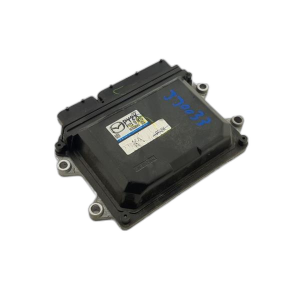
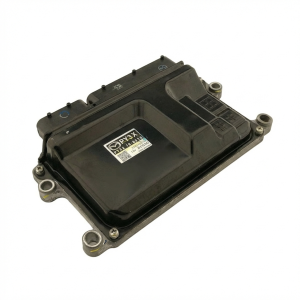
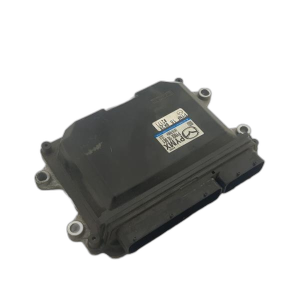
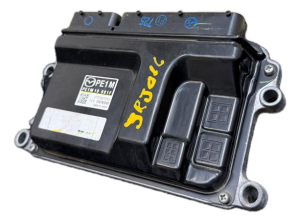
- Powertrain Control Module (PCM)
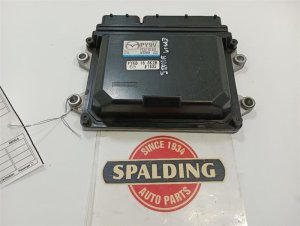
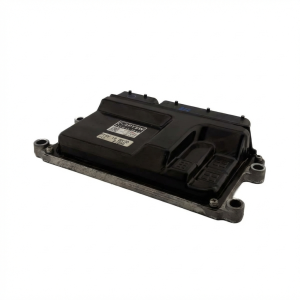
(OEM #SH09-18-881E)— The Mazda-specific diagnostic procedure for the SKYACTIV-D engine indicates this is the most likely failure point when code P0607 is present.
Trusted brands: Mazda (OEM)
OEM price range: $798-$1127
Aftermarket price range: $350-$600
Platform-Specific Known Issues
- While several recalls exist for the 2012-2017 CX-5, including some for the diesel engine (like vacuum pump wear) and others involving PCM reprogramming for different issues, none specifically address correcting a false P0607 code.
- A user on a Mazda forum with a CX-9 reported a persistent P0607 code that would return after being cleared, with no other obvious symptoms initially, highlighting the frustrating nature of this fault.
Mechanic-Grade Diagnostic Values
- PCM Power Supply Voltage — expected: 12.2 V ± 0.5 V at the PCM power pins with the key in the 'ON' position.. Failure: Voltage below the specified range, particularly below 8V, can trigger module faults.
- PCM Ground Circuit Resistance — expected: Below 0.1 Ω between the PCM ground pins and a clean chassis ground.. Failure: Higher resistance indicates a poor ground connection, which can cause voltage irregularities and trigger a false P0607.
- CAN Bus Voltage (Reference) — expected: Approximately 2.5V on CAN High and CAN Low lines at idle.. Failure: Significant deviation or no voltage can indicate a communication problem that might be misinterpreted as a PCM fault, although this is less common for P0607.
Scan Tool Commands That Help
- Mazda Modular Diagnostic System (M-MDS / MDARS): Programmable Module Installation (PMI) — This function is required when replacing the PCM. It reads the configuration data (As-Built Data) from the old module and writes it to the new one, ensuring all vehicle options and security information are transferred correctly.
- Mazda Modular Diagnostic System (M-MDS / MDARS): Module Reprogramming — Used to update the PCM with the latest software calibration from Mazda. This should be checked for before condemning a PCM, as a software glitch could potentially cause performance issues, though it's not the primary cause for a P0607.
- FORScan: PCM Module Configuration Backup/Restore — Advanced DIY users have attempted to use FORScan to copy configuration data from an old PCM to a used one. However, this does not handle the immobilizer parameter reset, which will result in a no-start condition with a 'Theft detected' error, requiring dealer tools to resolve.
Wiring & Ground Locations
- Engine Compartment Ground Points — Multiple key ground points are located in the engine compartment. One major ground strap typically connects the engine block to the chassis near the passenger side motor mount. Other grounds are bolted directly to the chassis and inner fender walls.. The PCM relies on clean, solid ground connections to function. A corroded or loose main engine or body ground can cause floating voltages and unpredictable electronic behavior, potentially triggering a false P0607 code before the PCM has actually failed.
- PCM Connectors — The PCM is located in the engine bay. Its connectors are waterproof, which prevents direct probing of pins for voltage/waveform inspection while connected.. Because direct probing is not possible, technicians must rely on breakout boxes or disconnecting the connector to test pin integrity and harness-side voltage/ground. Do not attempt to pierce the wires, as this will compromise the weather sealing and lead to future corrosion.
Real Owner Repair Stories
- Mazdas247 Forum user 'seifer' (2013 Mazda CX-5 2.2D) — Vehicle had a P062B code (Internal Control Module Fuel Injector Control Performance), which the dealer diagnosed as a faulty PCM and quoted $4000 for replacement.
❌ Tried (didn't work) The owner sourced a used PCM from a junkyard and swapped it., The P062B error code remained even with the replacement PCM.
✅ What actually fixed it The owner determined the fault was not the PCM. By testing the injectors, they found that cylinder 4's injector was dead. The car ran the same with the injector unplugged, while unplugging any other injector would cause the engine to stall. The root cause was a faulty injector that Mazda had not replaced during a previous service for injector seals, even though it had been soaked in oil. This saved the owner from an unnecessary and expensive PCM replacement.
OEM Part Supersession History
SH09-18-881E→No supersession data found. This appears to be the consistent part number for the specified vehicle range.— N/A
Diagnostic Flowchart
Other Known Issues on This Vehicle
Issues unrelated to this code that are worth knowing about as an owner of this generation:
- Severe Intake System Carbon Buildup 🔴 High — Extremely common, especially on vehicles used for short trips. Can become
Used vs. New Parts: Buying Guide for This Vehicle
When a used part is the smart pick: A used PCM can be a cost-effective option ONLY if you have access to a professional with dealer-level tools (Mazda MDARS) or specialized bench-top cloning equipment. A used module is not 'plug and play' and will not start the car due to the immobilizer system.
Donor-vehicle mileage cap: roughly under 80000 miles for the part to have meaningful remaining life.
What to inspect on the donor part:
- Verify the part number (SH09-18-881E) matches exactly.
- Obtain the VIN of the donor vehicle to assist with potential programming needs.
- Inspect the connectors for any signs of corrosion, bent pins, or physical damage.
- Choose a part from a vehicle that was not involved in a flood or front-end collision near the PCM location.
OEM-only on this vehicle (don't cheap out):
- Powertrain Control Module (PCM) - While used OEM is an option, aftermarket 'remanufactured' units for this specific diesel model are not commonly validated on forums and carry a high risk of incompatibility. The safest bet is a new OEM part or a used OEM part reprogrammed by a specialist.
Brands owners have reported issues with on this vehicle:
- Generic, unbranded online sellers promising 'plug and play' PCMs. These often fail to account for Mazda's specific immobilizer and vehicle configuration, leading to a no-start condition.
Real Owner Stories
Aggregated from forums and TSBs cited above. Mileages and costs reflect what owners reported in those sources.
Mazda CX-9
Symptoms: A solid Check Engine Light with a persistent P0607-ff code that would return a few days after being cleared, even though there were no other obvious symptoms initially.
What fixed it: The owner sought professional diagnosis from an auto-electrician to address the recurring internal PCM performance fault.
Source hint: Reddit r/MechanicAdvice thread titled 'Mazda CX-9 - Solid Check Engine Light - OBD showing DTC P0607-ff'
Related OBD-II Codes
Frequently Asked Questions
Is there a specific Technical Service Bulletin (TSB) for the P0607 code on my 2012-2017 Mazda CX-5 diesel?
Can I just buy a used PCM (Part No. SH09-18-881E) and install it myself to fix the P0607?
Why is my i-stop system disabled when the P0607 code is present?
Could a weak battery be causing this P0607 code on my CX-5?
If I clear the P0607 code and it stays off, is my PCM still bad?
Are there any aftermarket 'plug and play' PCMs available for the SKYACTIV-D 2.2L?
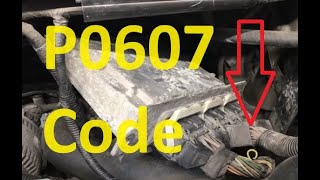
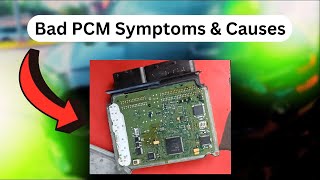
Helpful Videos
We Have This Part in Stock

The information in this article is provided for general reference and educational purposes only. Vehicle specifications, procedures, and part compatibility can vary by production date, trim level, and region. Always consult your vehicle's factory service manual and verify part numbers before purchasing or performing repairs. Safety-critical components such as airbags, seat belts, and braking systems should be installed by a qualified professional.
- Mazda CX-5:
- 🧭 Diagnostic Flowchart
- 🎬 Helpful Videos
- 🛍️ Shop This Part
- What's Unique About the 2012-2017 Mazda CX-5
- Symptoms You May Notice
- Most Likely Causes
- Rare But Worth Checking
- Diagnosis Steps
- Parts You'll Likely Need
- Platform-Specific Known Issues
- Mechanic-Grade Diagnostic Values
- Scan Tool Commands That Help
- Wiring & Ground Locations
- Real Owner Repair Stories
- OEM Part Supersession History
- Other Known Issues on This Vehicle
- Used vs. New Parts: Buying Guide for This Vehicle
- Real Owner Stories
- Mazda CX-9
- Related OBD-II Codes
- Frequently Asked Questions
- 🎟️ Get 5% Off