

P0607 on 2010-2016 Porsche Panamera: Control Unit Faulty Causes and Fixes
On a 2010-2016 Panamera, code P0607 is most often caused by electrostatic discharge from the throttle body, which damages the engine computer (DME). The official fix is to replace both the DME control unit and the throttle housing together to prevent a repeat failure.
- P0607 on a 2010-2016 Panamera is a critical fault indicating the engine computer (DME) has likely failed.
- The most probable cause is a known issue where the throttle body damages the DME via electrostatic discharge, as documented in Porsche TSB SY3116.
- The correct repair is to replace BOTH the DME and the throttle housing with updated parts to prevent recurrence.
- Always check the battery and charging system first, as low/unstable voltage is a very common trigger for this and other spurious codes on the Panamera.
- This repair requires Porsche-specific diagnostic tools for programming and is not a simple DIY job.
What's Unique About the 2010-2016 Porsche Panamera
Unlike many vehicles where P0607 is a generic code with vague causes, Porsche has identified a specific failure pattern for the first-generation Panamera. A technical service bulletin (TSB) confirms the DME control unit is susceptible to damage from electrostatic discharge originating from the throttle housing. This known issue means that a P0607 code on this specific car points strongly towards a hardware failure requiring the replacement of both the DME and the throttle body, not just a simple software or battery issue. This same issue is also documented for other Porsche models like the Cayenne that use similar components. For instance, TSB Bulletin #122-L6Q4X-01 notes that the DME control unit can become damaged via the electric wires as a result of electrostatic discharge, leading to instances where the engine will not start.
Symptoms You May Notice
- Engine will not start, or starts intermittently
- Sudden stalling while driving
- Noticeable loss of power and sluggish acceleration
- Check Engine Light is illuminated
- Vehicle enters 'limp mode' with restricted performance
- Rough or unstable idle
- Multiple, seemingly unrelated fault codes appearing at the same time
- Replacing only the DME Control Unit
- Replacing only the Throttle Body
- Replacing the battery without registering it to the vehicle's system
Most Likely Causes
- DME Control Unit Damaged by Throttle Housing 🔴 High Probability A Porsche technical bulletin (SY3116) identifies that electrostatic discharge from the throttle housing can travel through the wiring and permanently damage the DME control unit on vehicles built before August 24, 2016. The plastic components in the original throttle body design are believed to be the source of the static buildup.
How to confirm: This is a diagnosis of exclusion. After verifying battery voltage is stable and all power/ground connections are clean and tight, if the P0607 code returns immediately after clearing, this is the most likely cause based on manufacturer documentation. A Porsche dealer or specialist with a PIWIS tester can perform a guided fault finding procedure that often leads to this conclusion.
Typical fix: Replace both the DME control unit and the throttle housing with the updated, insulated parts. The new DME will require online programming by a dealer or qualified specialist to the vehicle.
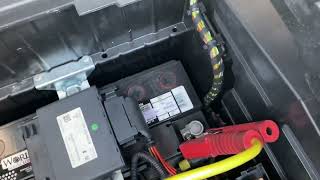
Est. part cost: $2000-$4000 - Low Battery Voltage or Failing Battery 🟡 Medium Probability → Shop Vehicle Battery Complex modern electronics, like those in the Panamera, are extremely sensitive to voltage fluctuations. An aging or weak battery can cause the DME to fail its internal self-test during startup, triggering a P0607 code, often accompanied by a host of other unrelated electrical faults. Owners on forums frequently report that a battery older than 4 years is a primary suspect for strange electrical issues.
How to confirm: Test the battery voltage with a multimeter. It should be above 12.4V with the engine off. Perform a load test to check the battery's health. Check the charging system voltage with the engine running; it should be between 13.5V and 14.5V. Check the battery's manufacturing date; it is often stamped on the negative terminal post (e.g., '22/18' for week 22 of 2018).
Typical fix: Replace the vehicle's battery and register the new battery with the vehicle's computer system using a capable scan tool. Failing to register the new battery can lead to premature failure due to incorrect charging strategies. 🎬 Watch: How to register and reset your new battery
Est. part cost: $250-$500 - Poor Power or Ground Connections ⚪ Low Probability
How to confirm: Visually inspect the battery terminals for corrosion and tightness. Trace and inspect the main ground strap from the battery to the chassis and the engine to the chassis for corrosion or damage. Use a multimeter to check for voltage drop on the power and ground circuits to the DME. Check the DME's own connectors for any signs of corrosion or moisture ingress.
Typical fix: Clean or replace corroded terminals and faulty ground straps. Ensure all connections are secure.
Est. part cost: $20-$150
Rare But Worth Checking
- Internal DME Software Corruption: While less common than the electrostatic damage, it's possible for the DME's software to become corrupted. A dealer may attempt to re-flash the software before recommending a full replacement.
- Failing Alternator: → Shop Alternator An alternator producing unstable voltage (either too high or too low) can disrupt the DME and trigger a performance fault.
- Water Ingress into Control Module: If the vehicle has a history of flooding or if seals around the cowl area fail, water can enter the electronics compartment and short-circuit the DME, causing a P0607 fault.
Diagnosis Steps
- Read all fault codes with a Porsche-specific scanner (like PIWIS) and document them. Note any codes stored in other modules (ABS, PSM, Transmission).
- Perform a full battery and charging system test. Ensure battery voltage is stable and above 12.4V (engine off) and that the alternator charges correctly (13.5V-14.5V engine on). Check the battery's age. If it is over 4-5 years old, consider it a likely culprit.
- Inspect all power and ground connections to the DME, including battery terminals and chassis grounds. Clean any corrosion and ensure all connections are tight.
- Clear the fault codes, perform a battery reset if applicable, and attempt to start the vehicle. If the P0607 code returns immediately, it strongly suggests a hard internal failure of the DME.
- If the code returns, consult Porsche Technical Information bulletin SY3116. This TSB specifically addresses P0607 caused by electrostatic discharge from the throttle housing.
- The definitive fix for a persistent P0607 on this vehicle, per Porsche's guidance, is the replacement of both the DME control unit and the throttle housing, followed by programming the new DME to the car.
Parts You'll Likely Need
- DME Control Unit (Engine Computer)
(OEM #Various, e.g., 9A161860105 (V6 models, verify by VIN))— This is the component that has failed internally, often due to electrostatic discharge from the throttle body. It must be replaced.
Trusted brands: Bosch (OEM supplier), Porsche (Genuine)
OEM price range: $2000-$3500
Aftermarket price range: $1000-$2000 (Remanufactured/Cloned) - Throttle Housing (Throttle Body)
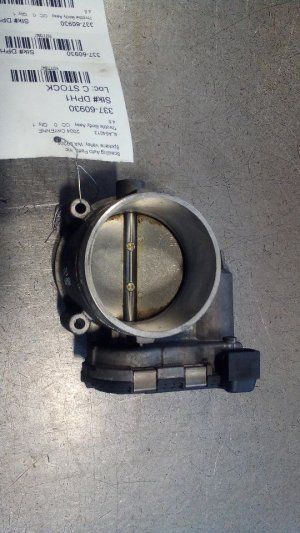
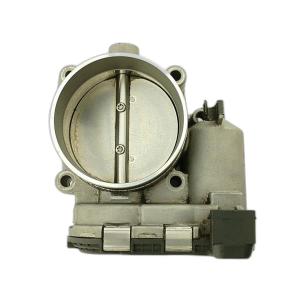
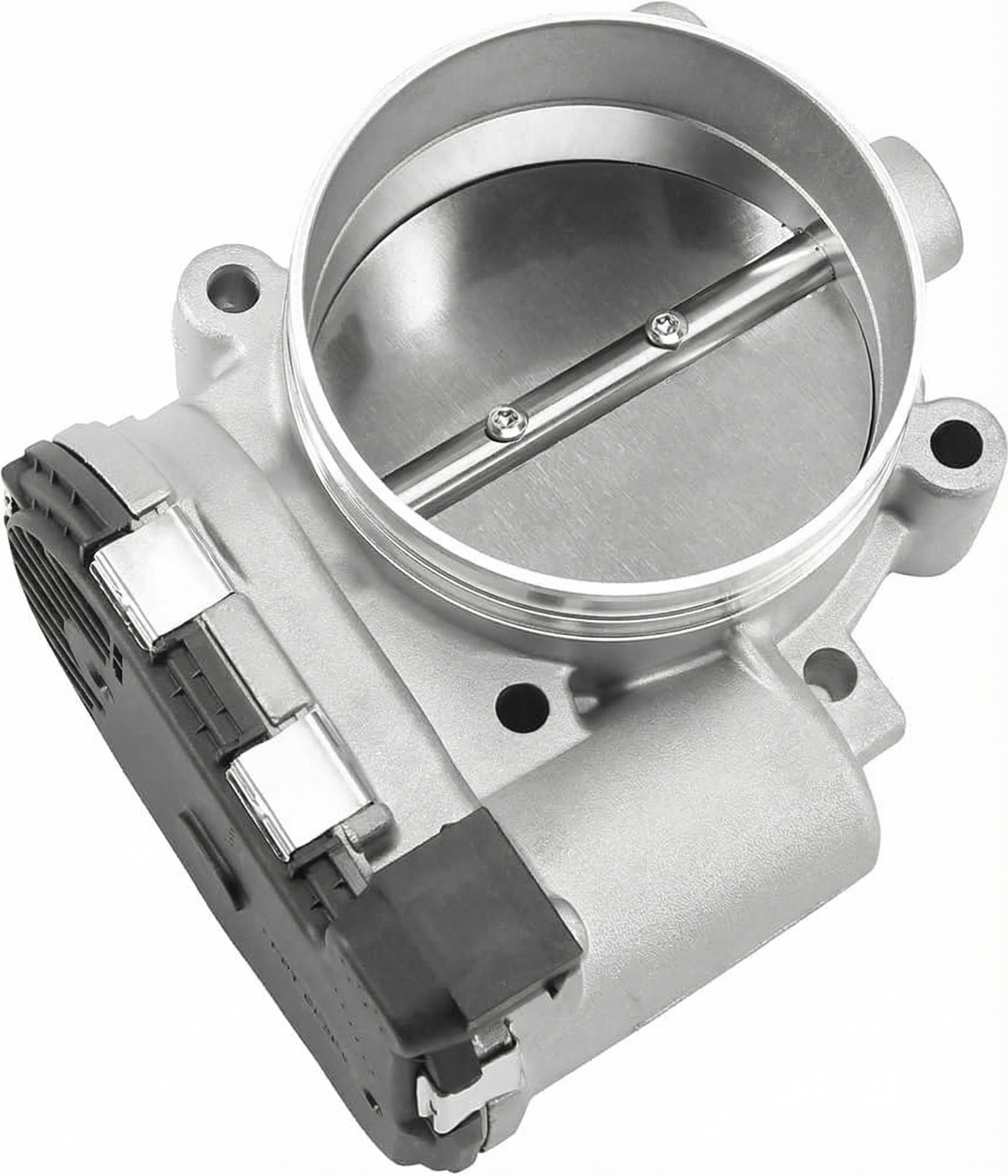
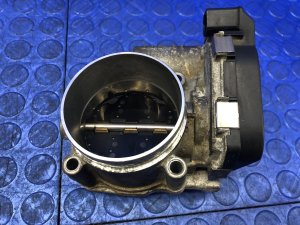
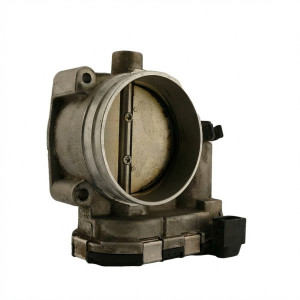
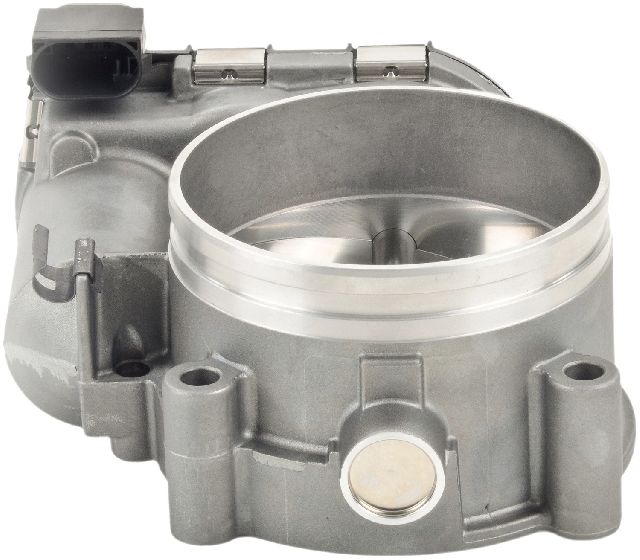
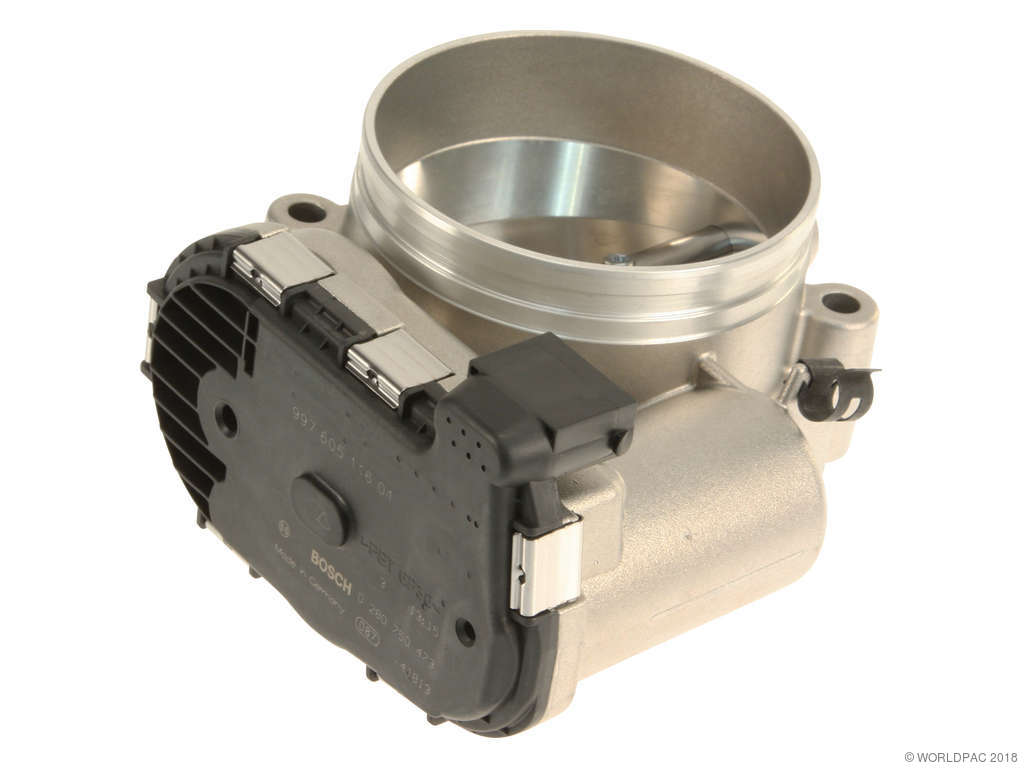
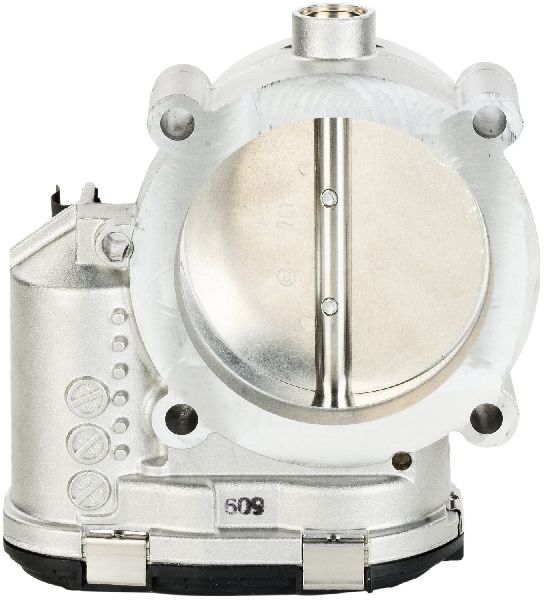
(OEM #e.g., 99760511501 (V6), 94860511503 (V8 Turbo) - always verify by VIN for the updated part.)— The original throttle housing lacks proper insulation, causing electrostatic discharge that damages the DME. It must be replaced with the updated part to prevent a repeat failure of the new DME.
Trusted brands: Bosch (OEM supplier), Porsche (Genuine)
OEM price range: $500-$1000
Aftermarket price range: $300-$600
Related Codes That Often Appear With This One
- P1021, P1023, P1026, P12A1 (Fuel pressure related codes, can be triggered by DME failure)
- C418, C12019 (Communication faults with other modules like PSM)
- Multiple seemingly unrelated electrical fault codes
Technical Service Bulletins (TSBs) & Recalls
- Porsche Technical Information SY3116 - 'Eliminating Symptoms - Engine: Replacing DME Control Unit and Throttle Housing' - This TSB is the primary document identifying the root cause and repair procedure for P0607 on the Panamera and other affected models like the Cayenne.
- TSB Bulletin #122-L6Q4X-01 - This bulletin notes that the engine may not start at times when the P0607 fault code is stored, attributing the cause to DME control unit damage resulting from electrostatic discharge through the electric wires.
Platform-Specific Known Issues
- A Porsche technical bulletin confirms that on models produced before August 24, 2016, the DME can be damaged by electrostatic discharge from the throttle housing, causing a P0607 fault. The official remedy is to replace both components.
- Owners on Rennlist have confirmed that a weak or aging battery is a very common cause for a cluster of electrical faults, including P0607, even if the car still starts.
Mechanic-Grade Diagnostic Values
- System Voltage During DME Programming — expected: 13.5V - 14.5V. Failure: Voltage outside this range can cause the programming to fail and potentially damage the new DME control unit.
- Voltage Drop on Engine Ground Strap — expected: Less than 0.1V under load (e.g., cranking). Failure: A voltage drop greater than 0.1V indicates high resistance in the ground path, which can cause numerous, intermittent electrical issues mimicking a module failure. A user on Rennlist measured a 0.08V drop on a good battery-to-body strap.
Scan Tool Commands That Help
- PIWIS Tester (II or III): DME - 'Coding/programming' menu - 'Automatic programming' — This function is required after physically installing a new DME control unit. The PIWIS tester uses this to read data, code the new module with the vehicle's VIN and immobilizer information, and write the correct software.
- PIWIS Tester (II or III): Read all fault memories and erase — This should be performed at the beginning of any diagnosis to get a baseline of all stored faults across all modules. A P0607 code is often accompanied by communication faults in other modules, and seeing the full picture is critical.
- PIWIS Tester (II or III): Vehicle Analysis Log (VAL) — When first connecting to the car, the PIWIS generates a VAL, which is a complete snapshot of the state and faults of all modules. This is invaluable for documenting the 'before' state and is a standard dealership procedure.
Wiring & Ground Locations
- Main Engine Ground Strap — On the right side of the engine, accessible from underneath the car. On Turbo models, it is near the right turbo bracket rear bolt.. A poor engine ground is a common cause of widespread electrical issues and can cause voltage instability that might trigger a P0607. Verifying this connection is a key step before condemning the DME.
- Battery Ground Point — In the battery compartment, connecting the negative terminal to the chassis.. This is the primary ground point for the entire vehicle's electrical system. Corrosion or looseness here can cause undervoltage conditions for the DME.
- DME Ground Pins — On some Porsche models, the DME grounds at multiple pins (e.g., 5, 10, 16, 17, 19) which terminate at a ground post on the #1 intake runner in the engine compartment. A wiring diagram for the specific Panamera model is needed for exact pin testing.. Directly testing the ground integrity at the DME's own connector pins is the most definitive way to rule out a grounding issue as the cause of P0607.
- Under-dash Ground Point — A multi-point ground is often located under the dashboard, above the fuse and relay panel.. This ground point serves many interior electronics. While less likely to be the primary cause for P0607, a fault here can contribute to a cascade of electrical codes that can confuse diagnosis.
OEM Part Supersession History
99760511500→99760511501, then 99760511502— Part revision and update. The TSB SY3116 requires replacement with an updated throttle body to prevent electrostatic discharge. While not explicitly stated, it is highly likely these supersessions include the design change.
Heads up: Always verify the latest part number with a dealer using the vehicle's VIN. The V6 and V8 engines use different throttle bodies. Part 99760511501 is listed for the 3.6L V6 Panamera.
Model Year Variations Within This Range
- 2010-2013 (970.1): These are the pre-facelift models. The S and 4S models used a 4.8L V8 engine. The base model used a 3.6L V6.
- 2014-2016 (970.2): This is the facelift generation. The S and 4S models were downsized to a 3.0L twin-turbo V6 engine to meet emissions standards. The exterior styling (bumpers, lights, rear hatch) and infotainment (PCM) were also updated. The core P0607 issue related to the throttle body ESD is still relevant for these models up to the August 2016 production date mentioned in the TSB.
Diagnostic Flowchart
Other Known Issues on This Vehicle
Issues unrelated to this code that are worth knowing about as an owner of this generation:
- Air Suspension Failure 🔴 High — Very common, especially on vehicles over 50,000 miles or 5-7 years old. Considered a near-certainty failure item over the car's life.
- Coolant Leaks (Thermostat Housing & Water Pump) 🟠 Medium — A widely reported issue on both V6 and V8 models. Leaks often originate from the thermostat housing, water pump, or brittle plastic vent lines under the intake manifold.
- High-Pressure Fuel Pump (HPFP) Failure 🔴 High — Common, particularly on early V8 models. Symptoms include long crank times, rough idle, loss of power, and fuel pressure fault codes.
- Camshaft Adjuster Bolt Failure (V8 Engines) 🔴 High — Affects early V8 models (approx. 2010-2012). The original aluminum bolts can shear, leading to catastrophic engine failure. A recall was issued to replace them with steel bolts. (Ref: Porsche Recall WC-22)
- PDK Transmission Sensor/Solenoid Failure 🔴 High — Failures are often not mechanical but electronic, involving internal sensors or solenoids. Symptoms often appear when the transmission is hot, such as jerky shifting or getting stuck in gear. Repair often requires transmission replacement at the dealer level.
- Carbon Buildup on Intake Valves (Direct Injection Engines) 🟠 Medium — Common to all direct-injection engines. Over time (typically 60k-100k miles), carbon deposits build up on the intake valves, causing misfires, hesitation, and reduced performance.
Used vs. New Parts: Buying Guide for This Vehicle
When a used part is the smart pick: A used DME control unit is a viable, cost-effective option ONLY if you use a specialized cloning service. This service copies all data (VIN, immobilizer, software) from your original failed DME to a compatible used donor DME, making the replacement 'plug-and-play' without requiring dealer programming. A used throttle body is also a good option, provided it is the updated part number.
Donor-vehicle mileage cap: roughly under 100000 miles for the part to have meaningful remaining life.
What to inspect on the donor part:
- For a used DME, ensure the part number matches your original exactly.
- The success of a DME clone depends on the original DME being readable; if it's completely dead (e.g., from severe water damage), cloning is not possible.
- When buying a used throttle body, inspect the connector for any signs of corrosion, bent pins, or physical damage.
- Source parts from reputable sellers who specialize in European car parts and offer a warranty.
OEM-only on this vehicle (don't cheap out):
- DME Control Unit: There are no 'new' aftermarket DMEs. The only options are Genuine Porsche (new), remanufactured OEM, or a cloned used OEM unit. The physical part will always be an OEM Bosch unit.
Aftermarket brands forum-validated for this vehicle:
- Bosch: Bosch is the Original Equipment Manufacturer (OEM) for the throttle body. Buying a Bosch-branded part is equivalent to getting a Genuine Porsche part without the dealer markup.
Brands owners have reported issues with on this vehicle:
- Avoid unbranded, no-name electronic components from marketplaces. For a critical component like the throttle body, stick with the OEM (Bosch) to ensure compatibility and prevent a repeat DME failure.
Real Owner Stories
Aggregated from forums and TSBs cited above. Mileages and costs reflect what owners reported in those sources.
2011 Panamera
Symptoms: Owner reported multiple codes including P1021, P1026, and other communication faults.
What fixed it: Other forum members immediately suggested checking the battery age and voltage as the primary suspect for multiple, sporadic codes before pursuing more complex repairs.
Source hint: Rennlist thread titled 'Bad HPFP??'
Porsche Panamera (970)
Symptoms: A cluster of electrical faults, including P0607, appeared even though the car was still able to start.
What fixed it: Replacing the weak or aging battery resolved the multiple fault codes.
Source hint: Vehicle-specific issues section citing Rennlist owner reports
Porsche Panamera (pre-August 24, 2016)
Symptoms: A persistent P0607 fault code that returns immediately after being cleared.
What fixed it: The official manufacturer fix is the replacement of both the DME control unit and the throttle housing with updated parts, followed by online programming.
Source hint: Porsche Technical Information SY3116
Related OBD-II Codes
Frequently Asked Questions
My 2015 Panamera has a P0607 code. Does the throttle body TSB apply to my car?
The mechanic says I need to replace both the DME and the throttle housing. Is that really necessary?
I have a P0607 code along with many other random electrical faults. Could it just be the battery?
If I replace the battery myself, is there a special procedure I need to follow?
To save money, can I install a used DME from another Panamera?
Does this P0607 DME failure issue also affect the Porsche Cayenne?
Helpful Videos
Used OEM Parts in Stock
New Aftermarket Parts Available


The information in this article is provided for general reference and educational purposes only. Vehicle specifications, procedures, and part compatibility can vary by production date, trim level, and region. Always consult your vehicle's factory service manual and verify part numbers before purchasing or performing repairs. Safety-critical components such as airbags, seat belts, and braking systems should be installed by a qualified professional.
- Porsche Panamera:
- 🧭 Diagnostic Flowchart
- 🎬 Helpful Videos
- 🛍️ Shop This Part
- What's Unique About the 2010-2016 Porsche Panamera
- Symptoms You May Notice
- Most Likely Causes
- Rare But Worth Checking
- Diagnosis Steps
- Parts You'll Likely Need
- Related Codes That Often Appear With This One
- Technical Service Bulletins (TSBs) & Recalls
- Platform-Specific Known Issues
- Mechanic-Grade Diagnostic Values
- Scan Tool Commands That Help
- Wiring & Ground Locations
- OEM Part Supersession History
- Model Year Variations Within This Range
- Other Known Issues on This Vehicle
- Used vs. New Parts: Buying Guide for This Vehicle
- Real Owner Stories
- 2011 Panamera
- Porsche Panamera (970)
- Porsche Panamera (pre-August 24, 2016)
- Related OBD-II Codes
- Frequently Asked Questions
- 🎟️ Get 5% Off