

P0607 on 2005-2007 Toyota Corolla: Control Module Fault or Just a Clogged AC Drain?
On a 2005-2007 Corolla, code P0607 often appears with P0138 and is most likely caused by a clogged A/C drain tube leaking water onto the downstream O2 sensor connector. The fix is usually just clearing the drain tube and drying the connector, which costs almost nothing to do yourself. Do not replace the ECM until this common issue is ruled out.
- Before suspecting an expensive ECM failure, check for a wet passenger-side floor mat.
- The most likely cause of P0607 on a 2005-2007 Corolla is a clogged A/C drain tube causing a short in the O2 sensor wiring.
- Fixing this issue is often as simple as clearing the drain tube and drying the connector, a task that can be done with minimal tools and cost.
- If you also have a P0138 code, it strongly points to this specific water intrusion issue.
- Do not replace the ECM until this common, inexpensive potential cause is fully investigated.
What's Unique About the 2005-2007 Toyota Corolla
The ninth-generation Corolla and its platform mates (Toyota Matrix and Pontiac Vibe) have a known issue where the air conditioner's evaporator drain tube can get clogged with debris. This tube's exit point is located inside the cabin on the passenger side, and when it clogs, condensation backs up and drips directly onto the downstream O2 sensor's electrical connector. This water can short the sensor's 12-volt heater circuit to its signal circuit, sending an abnormally high voltage to the ECM. The ECM interprets the impossible signal as an internal failure and sets P0607, often alongside O2 sensor code P0138. GM even issued a TSB for the Pontiac Vibe (10-06-04-010A) detailing this exact failure mode.
Symptoms You May Notice
- Check Engine Light is on
- Vehicle may stall or fail to start
- Reduced engine performance or rough idling
- Poor fuel economy
- Damp or wet carpet on the passenger side floor
- Musty smell from the vents
- Cruise control may not work or the indicator light may blink
- Traction Control (TRAC) or Vehicle Stability Control (VSC) light may be on
- Replacing the Engine Control Module (ECM) first. This is an expensive and usually incorrect first step. The P0607 is more often a symptom of an external problem on this car.
- Replacing the oxygen sensor without fixing the water leak. If the A/C drain is still clogged, the new sensor's connector will also get wet and the problem will return.
Most Likely Causes
- Clogged A/C evaporator drain tube 🔴 High Probability The design allows condensation to drip directly onto the O2 sensor connector if the drain clogs, a well-documented issue on this platform and its twins, the Toyota Matrix and Pontiac Vibe.
How to confirm: Check the passenger-side floor carpet for dampness. Pull back the carpet by removing the small plastic side panel to the right of the accelerator pedal to locate the O2 sensor connector and check for moisture or corrosion. The A/C drain tube is a small rubber hose that passes through the firewall in the passenger footwell. If the A/C is running and no water is dripping from the tube underneath the car, it is clogged.
Typical fix: Clear the A/C drain tube using 🎬 Watch: How to clear a clogged Toyota A/C drain compressed air or a flexible tool like a coat hanger. Dry the O2 sensor connector thoroughly. It is highly recommended to apply dielectric (silicone) grease to both halves of the connector before reassembly to prevent future moisture intrusion.
Est. part cost: $0-$10 - Failing battery or charging system 🟡 Medium Probability → Shop Vehicle Battery All vehicles are susceptible. Low or unstable voltage can cause unpredictable behavior in electronic modules, including the ECM, triggering a false P0607. An owner report in NHTSA ODI #10330220 noted that the battery light was illuminated alongside the P0607 code before the ECM was diagnosed as shortened.
How to confirm: Test the battery voltage with the engine off (should be ~12.6V). Test the alternator output with the engine running (should be ~14.0-14.8V).
Typical fix: Replace the weak battery or faulty alternator.
Est. part cost: $150-$400 - Damaged downstream oxygen (O2) sensor 🟡 Medium Probability → Shop Oxygen Sensor Often damaged by water from the clogged A/C drain, as described above. The sensor itself can also fail with age. A faulty downstream O2 sensor is a very common trigger for P0607 on many Toyota models.
How to confirm: After confirming the connector is dry and the wiring is intact, if code P0138 (or a similar O2 code) persists with P0607, the sensor itself is likely damaged.
Typical fix: Replace the downstream O2 sensor (Bank 1, Sensor 2) 🎬 Watch: How to replace a Toyota Corolla O2 sensor.
Est. part cost: $40-$120
Rare But Worth Checking
- Faulty Engine Control Module (ECM): → Shop Engine Control Module (ECM) This is the 'textbook' cause for P0607, but it's the least likely cause on this vehicle. All other possibilities, especially the A/C drain and O2 sensor circuit, should be exhausted before condemning the ECM. Some 2005-2008 models were subject to a recall for potential ECM circuit board cracks. NHTSA ODI #10324852 describes a situation where a vehicle suddenly died in traffic and required a new computer system to resolve the P0607 code.
- Poor ECM power or ground connections: Corroded or loose ground straps or power feeds to the ECM can mimic an internal failure. This is worth checking before replacing the module.
Diagnosis Steps
- Scan for other codes. If P0138 is present with P0607, 🎬 See this diagnostic walkthrough for P0138 and P0607 this strongly suggests the water intrusion issue. NHTSA ODI #10325896 notes instances where P0606 and P0607 appeared together, leading to an ECM replacement.
- Check the passenger-side floorboard for any signs of moisture. A musty smell is also a key indicator. Note that sometimes the connector can be wet without the carpet feeling damp.
- Pull back the passenger-side carpet near the firewall/center console area. You may need to remove a small plastic side panel first.
- Inspect the O2 sensor electrical connector for water, wetness, or blue/green corrosion.
- If wet, disconnect the connector, dry it completely (compressed air or a hairdryer on low heat can help), and apply dielectric grease to the connector terminals before reconnecting.
- Locate the A/C drain tube under the vehicle on the passenger side firewall. Clear it using compressed air or by gently inserting a flexible wire or zip tie. Ensure water flows freely when the A/C is running.
- Clear the codes and drive the vehicle to see if the codes return. If they don't, the problem is solved.
- If the codes return, or if the connector was heavily corroded, the downstream O2 sensor (Bank 1, Sensor 2) likely needs to be replaced.
- If there was no water intrusion, test the battery and charging system to ensure stable voltage is being supplied to the ECM.
- As a final step if all else fails, inspect the ECM's own power and ground connections before considering ECM replacement. NHTSA ODI #10340808 describes a vehicle that bogged and died with a P0607 code, which was eventually repaired by replacing the ECU.
Parts You'll Likely Need
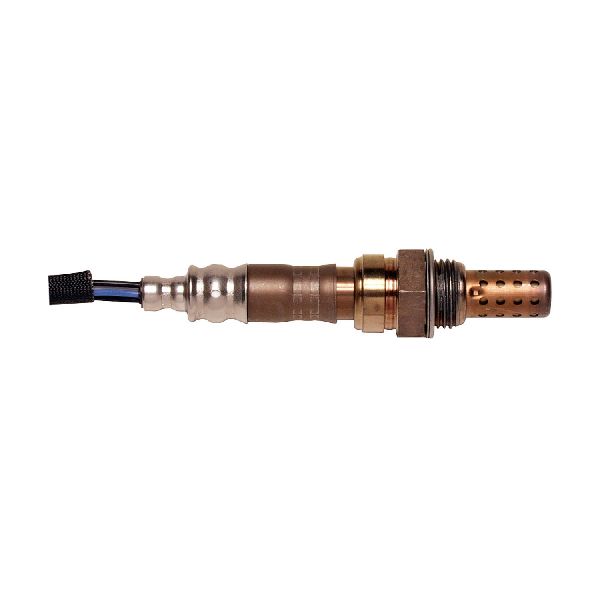
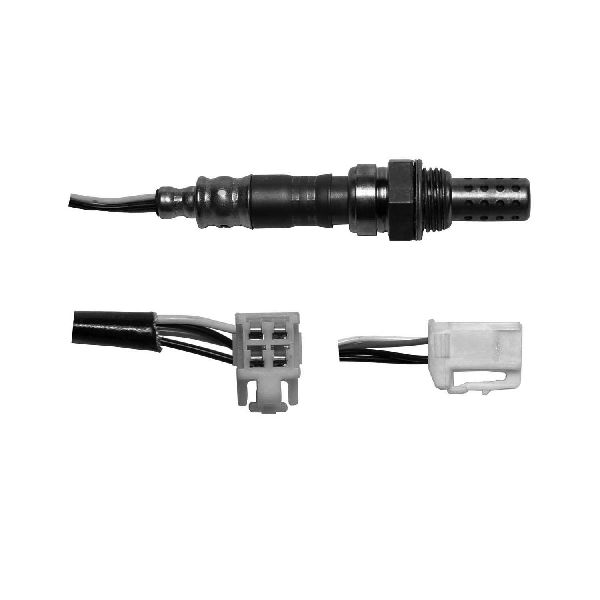
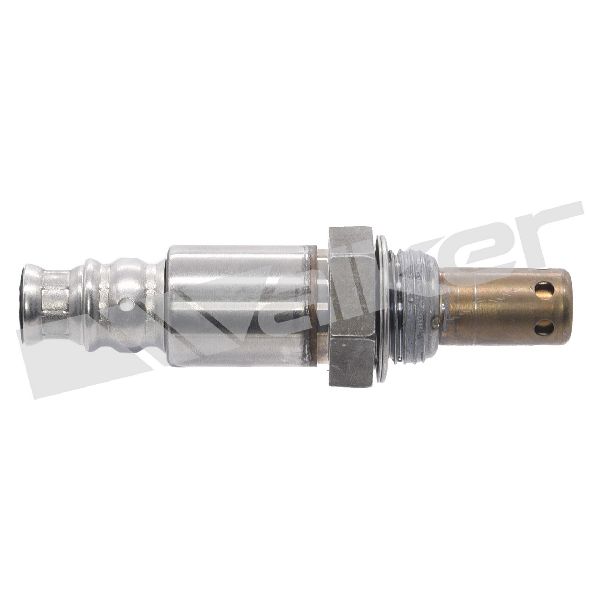
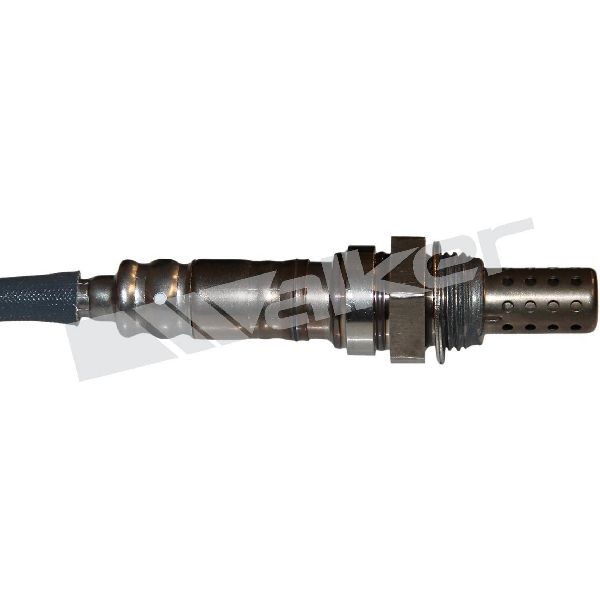
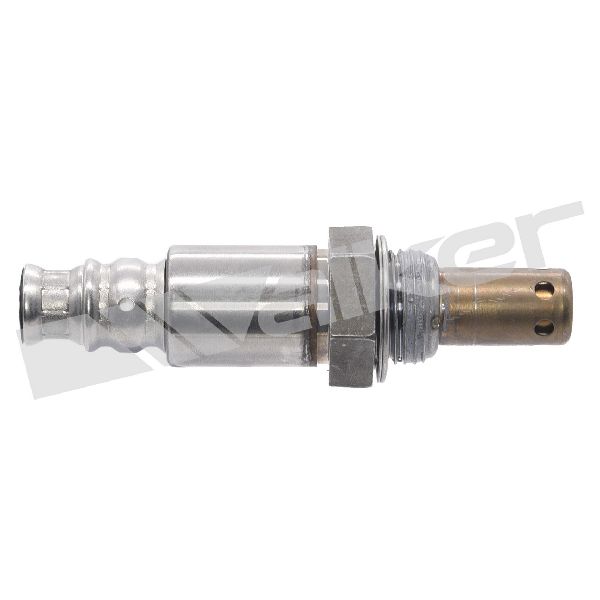
- Downstream Oxygen Sensor (Bank 1, Sensor 2)
(OEM #89465-02190)— This sensor is often damaged by water from the clogged A/C drain, causing the P0607 code. Even after drying the connector, the sensor may be permanently damaged.
Trusted brands: Denso (OEM supplier), NGK, Bosch
OEM price range: $120-$160
Aftermarket price range: $40-$120
Related Codes That Often Appear With This One
- P0138 — This code for 'O2 Sensor Circuit High Voltage (Bank 1 Sensor 2)' is the direct cause of P0607 in many cases. Water shorts the O2 sensor's heater circuit to the signal wire, sending an impossibly high voltage reading to the ECM.
- P0606 — Often found in conjunction with P0607, as seen in NHTSA ODI #10325896, indicating a processor fault within the ECM.
Technical Service Bulletins (TSBs) & Recalls
- T-TT-0628-20 - While not a formal TSB, this Toyota Technical Tip acknowledges the issue of clogged HVAC drains causing water intrusion on many models, including the Corolla.
- GM TSB 10-06-04-010A - A formal TSB for the Pontiac Vibe that details this exact issue of the A/C drain causing P0607 and P0138, which is directly applicable to the Corolla and Matrix.
Platform-Specific Known Issues
- A manufacturer technical tip (T-TT-0628-20) exists for a wide range of Toyota models, including the Corolla, regarding clogged HVAC drain tubes causing water to leak into the passenger cabin. This directly relates to the most common cause of P0607 on this vehicle.
- A more detailed TSB from General Motors (10-06-04-010A) for the mechanically identical Pontiac Vibe explicitly details the P0607/P0138 codes being caused by the clogged A/C drain leaking onto the O2 sensor connector.
Mechanic-Grade Diagnostic Values
- Downstream O2 Sensor (Bank 1, Sensor 2) Heater Circuit Resistance — expected: 11 - 17 Ω at 20°C (68°F). Failure: A reading of 'OL' (Open Loop / infinite resistance) or near 0 Ω indicates a failed heater element.
- Downstream O2 Sensor (Bank 1, Sensor 2) Heater Circuit Voltage at ECM — expected: 9 to 14 V (Ignition switch ON). Failure: Below 9V suggests a wiring or power supply issue before the ECM.
Wiring & Ground Locations
- E01 — On the engine, specifically the left side of the cylinder head.. This is a primary ground point for the Engine Control Module (ECM). A loose or corroded connection here can cause erratic ECM behavior and trigger a P0607.
- IG — Behind the right kick panel in the passenger footwell.. This is an interior ground point. Since the O2 sensor connector is also in this vicinity, corrosion or water damage affecting this ground could contribute to electrical issues related to the P0607/P0138 problem.
- Engine Ground Strap — Connects from the transmission to the driver's side strut tower.. This is a major ground path for the engine and transmission assembly. Degradation of this strap can cause a host of electrical problems, including unstable sensor readings that might lead the ECM to flag an internal performance error.
- O2 Sensor Connector (Downstream) — Under the passenger side carpet, to the right of the accelerator pedal, near the firewall.. This is the exact location where water from a clogged A/C drain leaks, causing the short circuit between the heater and signal wires that triggers P0138 and, consequently, P0607.
Real Owner Repair Stories
- Toyota Tundra Forum user 'jammer' (Toyota Tundra (similar ECM logic)) — Periodic Check Engine Light with P0607 code.
❌ Tried (didn't work) Replacing the O2 sensors on the passenger side.
✅ What actually fixed it The ECM had to be replaced. The root cause was suspected to be frayed O2 sensor wires (from an attempted catalytic converter theft) that shorted the ECM, as there is no fuse between the sensor wiring and the ECM.
Documented NHTSA Reports
- An owner reported in NHTSA ODI #10334237 that the engine gave no warning before stalling, with a subsequent scan revealing the P0607 code.
- According to NHTSA ODI #10330220, a dealer invoice confirmed the ECM had shortened, requiring a full replacement to restore operation.
- In NHTSA ODI #10325896, an owner described paying $640.36 to replace an ECM after codes P0606 and P0607 were retrieved, though the vehicle continued to stall shortly after the repair.
OEM Part Supersession History
89661-02D31→89661-02D34— Standard part revision by the manufacturer.
Heads up: The new part number is a direct replacement for the original. When replacing the ECM, it must be programmed to the vehicle's VIN.
Diagnostic Flowchart
Other Known Issues on This Vehicle
Issues unrelated to this code that are worth knowing about as an owner of this generation:
- Excessive Oil Consumption 🔴 High — Very common on 1ZZ-FE engines built before mid-2005. Caused by a design flaw in the pistons/piston rings allowing oil to burn. Can start as early as 50,000 km. (Ref: Toyota addressed this with redesigned pistons in post-2005 engines and issued TSBs (e.g., TSB-0134-08) which included updated dipsticks and increased oil capacity to mitigate the issue on older engines.)
- Stripped Cylinder Head Bolt Threads 🔴 High — The aluminum engine block threads for the steel head bolts can pull out or strip, especially after an overheating event. This prevents the head gasket from sealing properly. (Ref: No TSB, but it is a widely recognized failure mode. The common repair involves drilling the block and installing steel thread inserts (like Time-Serts) rather than replacing the entire engine block.)
- Timing Chain Tensioner Oil Leak 🟠 Medium — The O-ring on the timing chain tensioner is prone to hardening and leaking oil over time. It's a common leak point on higher-mileage 1ZZ-FE engines.
- Cracked Engine Control Module (ECM) Circuit Board 🟠 Medium → Shop Engine Control Module (ECM) — Some 2005-2007 Corollas had ECMs with circuit boards prone to cracking, which could lead to harsh shifting, stalling, or a no-start condition. (Ref: Toyota issued a safety recall in late 2010 to replace the affected ECMs.)
Used vs. New Parts: Buying Guide for This Vehicle
When a used part is the smart pick: For the O2 sensor, a used part is generally not recommended as it's a wear item. For the Engine Control Module (ECM), a used part from a reputable recycler can be a cost-effective option, but it MUST be from the exact same vehicle model and part number, and will require VIN programming.
Donor-vehicle mileage cap: roughly under 100000 miles for the part to have meaningful remaining life.
What to inspect on the donor part:
- For an ECM, ensure there is no physical damage, corrosion, or signs of water intrusion on the case or connectors.
- Verify the part number on the used ECM exactly matches the original part number (e.g., 89661-02D31).
- Ask for the donor vehicle's VIN to ensure compatibility and assist with reprogramming.
OEM-only on this vehicle (don't cheap out):
- Engine Control Module (ECM) - While used OEM is an option, avoid non-branded, new aftermarket ECMs. Stick with original Toyota/Denso parts, whether new, remanufactured, or used.
Aftermarket brands forum-validated for this vehicle:
- Denso (for O2 sensors - Denso is the OEM supplier)
- NGK/NTK (for O2 sensors)
Brands owners have reported issues with on this vehicle:
- Bosch (for O2 sensors) - While a reputable brand, some users report that the warm-up characteristics of Bosch sensors can differ from the OEM Denso sensors on Japanese vehicles, potentially causing issues with the engine control system when cold.
Real Owner Stories
Aggregated from forums and TSBs cited above. Mileages and costs reflect what owners reported in those sources.
2009 Toyota Corolla
Symptoms: Owner experienced P0138 and P0607 codes after clearing a blocked A/C drain.
What fixed it: Located the O2 sensor connector under the passenger carpet, dried it with compressed air, and cleared the codes.
Source hint: Reddit r/AskMechanics - '09 Corolla P0138 and P0607' thread
2009 Pontiac Vibe 1ZZ-FE
Symptoms: VSC, Trac, and engine light come on specifically after the vehicle sits overnight in the rain.
What fixed it: Identified as a moisture intrusion issue with the O2 sensor connector.
Source hint: GenVibe.com - 'VSC, Trac and engine light come on after 09 Vibe overnights in rain' thread
2005-2008 Toyota Matrix / Pontiac Vibe 1.8L
Symptoms: P0607 and P0138 codes present; discussion of water leaking onto the O2 sensor connector due to a clogged evaporator drain.
What fixed it: Cleaning the A/C drain and applying silicone (dielectric) grease to the O2 sensor connector.
Source hint: GenVibe.com - 'P0607, P0138' thread
Related OBD-II Codes
Frequently Asked Questions
Does GM TSB 10-06-04-010A apply to my 2005-2007 Toyota Corolla?
Could my P0607 code be related to the 2010 Toyota ECM safety recall?
Why is my passenger side carpet wet when I have a P0607 code?
Is there a specific Toyota technical document regarding the water leak issue?
Can I fix the P0607 code on my Corolla for under $10?
Will a bad battery cause a P0607 on my 1ZZ-FE engine?
Helpful Videos
We Have This Part in Stock


The information in this article is provided for general reference and educational purposes only. Vehicle specifications, procedures, and part compatibility can vary by production date, trim level, and region. Always consult your vehicle's factory service manual and verify part numbers before purchasing or performing repairs. Safety-critical components such as airbags, seat belts, and braking systems should be installed by a qualified professional.
- Toyota Corolla:
- 🧭 Diagnostic Flowchart
- 🎬 Helpful Videos
- 🛍️ Shop This Part
- What's Unique About the 2005-2007 Toyota Corolla
- Symptoms You May Notice
- Most Likely Causes
- Rare But Worth Checking
- Diagnosis Steps
- Parts You'll Likely Need
- Related Codes That Often Appear With This One
- Technical Service Bulletins (TSBs) & Recalls
- Platform-Specific Known Issues
- Mechanic-Grade Diagnostic Values
- Wiring & Ground Locations
- Real Owner Repair Stories
- Documented NHTSA Reports
- OEM Part Supersession History
- Other Known Issues on This Vehicle
- Used vs. New Parts: Buying Guide for This Vehicle
- Real Owner Stories
- 2009 Toyota Corolla
- 2009 Pontiac Vibe 1ZZ-FE
- 2005-2008 Toyota Matrix / Pontiac Vibe 1.8L
- Related OBD-II Codes
- Frequently Asked Questions
- 🎟️ Get 5% Off