

P0607 on 2010-2015 Toyota Prius: Control Module Performance Causes and Fixes
P0607 on a Gen 3 Prius indicates an internal performance error in the Engine Control Module (ECM). Before condemning the expensive ECM, first test the 12V auxiliary battery, as a weak battery is a very common cause. If the battery is healthy, the ECM itself is the most likely failure point.
- P0607 on a 2010-2015 Prius means the engine's main computer (ECM) has detected an internal error.
- **ALWAYS** test the 12V auxiliary battery first. A weak battery is the most common cause of this code on a Prius.
- Do not drive the vehicle. An ECM fault can cause the car to stall at any time, creating a safety hazard.
- If the battery is good, the ECM itself is the next most likely cause. ECM replacement requires professional programming.
- Check for other codes, like those for an oxygen sensor (P0138), as a fault in a related circuit can sometimes trigger P0607.
What's Unique About the 2010-2015 Toyota Prius
For the third-generation Prius, the P0607 code is notorious for being triggered by a weak or failing 12-volt auxiliary battery. The complex electronics on this hybrid are very sensitive to voltage fluctuations, and a struggling 12V battery can cause voltage drops that disrupt the ECM's self-diagnostic checks, incorrectly flagging an internal fault. Many owners have fixed this code simply by replacing the 12V battery, making it the essential first diagnostic step. In some cases, the code is specifically related to the ECM's internal monitoring of the heated oxygen sensor transistors.
Symptoms You May Notice
- Check Engine Light is on
- Vehicle may not start or has intermittent starting issues
- Engine may stall unexpectedly while driving
- Rough idle or engine misfires
- Noticeable decrease in fuel economy
- Flashing cruise control light (this is a very common symptom when P0607 is set)
- Multiple unrelated warning lights appearing at once (e.g., ABS, VSC, Red Triangle)
- Replacing the oxygen sensors when no other oxygen sensor codes are present. If P0607 appears alone, the issue is more likely with the ECM or its power supply.
- Immediately replacing the ECM without first thoroughly testing the 12V auxiliary battery and its connections. This is a costly mistake, as the battery is the most frequent culprit.
Most Likely Causes
- Failing or Weak 12V Auxiliary Battery 🔴 High Probability → Shop Vehicle Battery The Prius's complex electronics are highly sensitive to voltage. A weak 12V battery can cause voltage drops below the required threshold (especially during startup) that disrupt the ECM's self-diagnostic checks, triggering a false P0607 code even if the ECM is healthy.
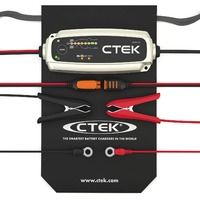
How to confirm: Test the 12V auxiliary battery with a digital multimeter or an electronic battery tester. A healthy battery should read approximately 12.6V when the car is off and around 14.0V when the car is in 'Ready' mode (charging). A load test is the most definitive way to confirm battery health, as a surface charge can be misleading.
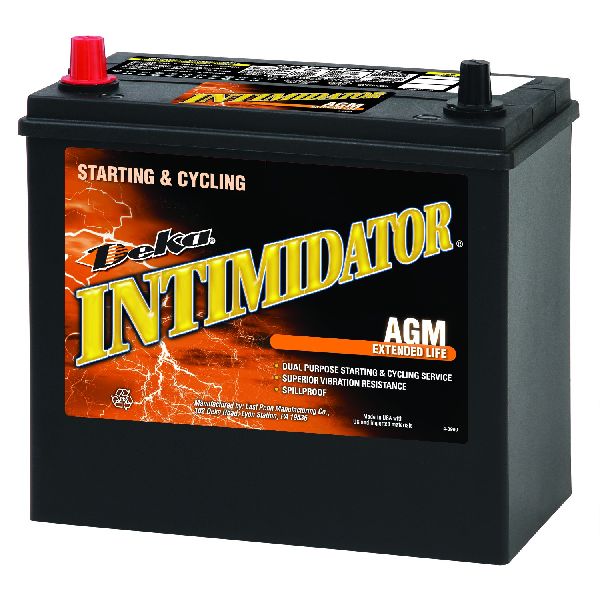
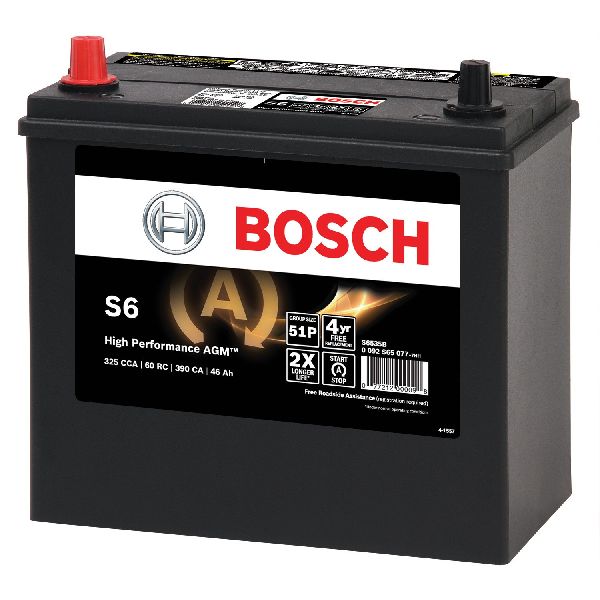
Typical fix: Replace the 12V auxiliary battery. Ensure you use the correct type of AGM (Absorbent Glass Mat) battery specified for the Prius, such as a Group Size S46B24R. 🎬 See how to replace the 12V battery in minutes.
Est. part cost: $200-$350 - Faulty Engine Control Module (ECM) 🟡 Medium Probability → Shop Engine Control Module (ECM) Internal components of the ECM can fail over time due to heat cycles and vibration, leading to processing errors. On the Gen 3 Prius, the ECM also internally monitors the transistors for the heated oxygen sensor circuit, and a failure in this specific self-check will set a P0607.
How to confirm: This is a process of elimination. If the 12V battery, its connections, and all ECM-related power and ground circuits are confirmed to be good, the ECM itself is the likely culprit. The official Toyota repair manual often directs to 'Replace ECM' if no other codes or external faults are found.
Typical fix: Replace the Engine Control Module. The replacement ECM (new or used) must be programmed to the vehicle's VIN and immobilizer system.
Est. part cost: $300-$1200 - Poor ECM Power or Ground Connections ⚪ Low Probability Corrosion or loose connections at the ECM's power or ground wires can cause intermittent voltage drops, mimicking a failing battery or ECM.
How to confirm: Visually inspect the ECM connectors and main chassis grounds for any signs of corrosion, looseness, or damage. Use a multimeter to perform a voltage drop test on the main power and ground wires to the ECM to ensure there is no excessive resistance (should be below 0.1 Ω).
Typical fix: Clean the corroded terminals and secure any loose connections. If a wire or connector is damaged, it will need to be repaired or replaced.
Est. part cost: $5-$100
Rare But Worth Checking
- Faulty Downstream Oxygen (O2) Sensor or Circuit: → Shop Oxygen Sensor In some cases, a short or high resistance in the downstream O2 sensor heater circuit, which is controlled and monitored by the ECM, can cause the ECM to report a P0607. This is often accompanied by O2 sensor-specific codes like P0138. A diagnostic case study showed these two codes appearing together, pointing to a related fault. 🎬 Watch this diagnostic case study on P0607 and P0138.
- Exhaust Leak: One repair database suggests an exhaust leak before the oxygen sensors could theoretically contribute to this code, though it's a less direct cause. A common failure point on the Gen 3 Prius is the donut gasket between the exhaust manifold and downpipe, which can deteriorate and leak.
Diagnosis Steps
- Read all diagnostic trouble codes (DTCs) from all modules. If other codes are present, especially for the O2 sensor (like P0138), diagnose them first as per Toyota's recommendation.
- Crucial First Step: Thoroughly test the 12V auxiliary battery. Check its voltage with the car off (should be ~12.6V) and in 'Ready' mode (should be ~14.0V). A load test is essential, as voltage alone can be misleading.
- Inspect the 12V battery terminals and cables for corrosion or looseness. Clean and tighten as needed. Check chassis ground points.
- If the battery is healthy, clear the codes and drive the vehicle to see if P0607 returns. Some owners report the code appears intermittently, sometimes related to weather conditions like rain.
- If the code returns, inspect the ECM's electrical connectors, which are located behind the glove box. Check for any signs of corrosion, moisture, or damage.
- Verify the ECM has a stable power supply and a solid ground connection by performing voltage drop tests on the main power and ground wires. Voltage should be stable at ~12.2V and ground resistance should be under 0.1 Ω.
- If all power, ground, and battery systems are confirmed to be good and the code persists, the Engine Control Module (ECM) is very likely faulty and requires replacement.
Parts You'll Likely Need
- 12V Auxiliary Battery
(OEM #28800-21171 (superseded by other numbers like 28800-AZC34), S46B24R)— A weak 12V battery is the most common trigger for a false P0607 code on this vehicle due to the electrical system's sensitivity.
Trusted brands: Toyota TrueStart, Optima (Yellow Top), Duralast Platinum
OEM price range: $250-$350
Aftermarket price range: $200-$300 - Engine Control Module (ECM)
(OEM #Varies by year and VIN. Examples include 89661-47360, 89661-47361, 89661-52U81. Always verify with VIN.)— If the battery and wiring are good, the ECM has an internal fault and must be replaced. Part numbers are VIN-specific.
Trusted brands: Toyota (OEM), Denso (OEM supplier), Flagship One (Remanufactured), ACR (Remanufactured)
OEM price range: $900-$1200
Aftermarket price range: $300-$800 (Remanufactured)
Related Codes That Often Appear With This One
- P0138 — O2 Sensor Circuit High Voltage (Bank 1, Sensor 2). The ECM controls the O2 sensor heater. A fault in the sensor or its circuit can sometimes cause a related P0607 code as the ECM detects an issue with its own driver transistor for that circuit.
Platform-Specific Known Issues
- Recurring P0607 in specific weather: A PriusChat user reported their P0607 code would return annually, almost always during cool (35-45°F) and rainy weather. The issue was temporarily solved multiple times by replacing or recharging the 12V battery, highlighting the battery's sensitivity to temperature and state-of-charge in triggering this specific code.
Mechanic-Grade Diagnostic Values
- CAN Bus Network Resistance — expected: Approximately 60 Ω. Failure: A reading of 120 Ω indicates a missing terminating resistor or an open in the circuit. A reading significantly below 57 Ω suggests a short circuit between the CAN High and CAN Low lines.
- Downstream O2 Sensor (Bank 1, Sensor 2) Heater Resistance — expected: 11 to 16 Ω at 68°F (20°C). Failure: Resistance outside of this range indicates a faulty heater element within the O2 sensor, which can trigger the ECM's internal monitor and set a P0607.
- Downstream O2 Sensor Signal Wire Test — expected: Scan tool should show ~1.275V. Failure: If voltage does not jump to over 1V when 12V is applied, it indicates a break or short in the signal wire between the sensor and the ECM.
- ECM Power Supply Voltage (+B Terminal) — expected: 11V to 14V. Failure: Voltage below 11V indicates a power supply issue to the ECM, which could be caused by a weak battery, alternator, or wiring fault.
Hidden / Shadow Codes Worth Checking
- Freeze Frame Data: While not a separate 'shadow code,' the Freeze Frame Data is a snapshot of key vehicle parameters (like system voltage, engine speed, etc.) at the exact moment the P0607 was triggered. This is the most critical hidden data for this code. (see via Use a professional scan tool like Toyota Techstream. Navigate to the stored code and select 'Freeze Frame Data'. Look for a 'Battery Voltage' or similar PID that is below 11V, which would strongly suggest a weak 12V battery or charging system fault caused the code, not the ECM itself.)
Scan Tool Commands That Help
- Toyota Techstream: Health Check — This is the first step when connecting the tool. It performs a comprehensive scan of all vehicle ECUs to see if other codes are present. Per Toyota diagnostics, if P0607 is accompanied by other codes (especially O2 sensor codes like P0138), those must be diagnosed first.
- Toyota Techstream: Freeze Frame Data Viewer — Used immediately after finding the P0607 code to analyze the conditions when the fault occurred. It is essential for determining if a low voltage event was the trigger.
Wiring & Ground Locations
- ECM Connectors E5, E6, E7 — Located at the Engine Control Module, which is behind the glove box assembly in the passenger side dashboard.. These are the main data and power connectors for the ECM. Inspecting them for corrosion, moisture, or pushed-out pins is a key step after checking the battery. Power and ground tests are performed at these connectors.
- ECM Ground E1 — This is the main ground reference for the ECM, provided through the wiring harness connectors.. A poor ground connection at this point can cause floating voltages and unpredictable behavior, leading the ECM to fail its internal self-test and set a P0607. A voltage drop test should be performed on this ground circuit.
- DLC3 Pins 6 & 14 — The Data Link Connector (OBD-II port) under the driver's side dashboard.. These are the CAN High (Pin 6) and CAN Low (Pin 14) terminals. Measuring resistance between them is a fundamental test of the entire vehicle communication network's integrity before suspecting an individual module like the ECM.
Real Owner Repair Stories
- PriusChat user 'h1ph0panonymous' (2014 Prius Four) — P0607 Check Engine Light appeared only during rainy weather, specifically after hydroplaning through a deep puddle.
❌ Tried (didn't work) Clearing the code (it would stay off until the next rainy/wet driving event).
✅ What actually fixed it An oil change technician discovered that the wiring for the downstream (post-cat) oxygen sensor had been chewed by a rodent. The temporary fix was taping up the exposed wires. The water splashing onto the damaged, unsealed wiring was causing a short, which triggered the ECM's internal monitor and set the P0607 code.
OEM Part Supersession History
89661-47360→N/A, but other numbers exist for different years/options.— This is a common part number for 2012-2013 Prius models. It is critical to match the part number from the original ECM exactly.
Heads up: Unlike the Gen 2 Prius where the ECM can be plug-and-play, the Gen 3 ECM requires programming to the vehicle's VIN for the immobilizer system to function. A mismatched or unprogrammed ECM will result in a no-start condition.
Diagnostic Flowchart
Other Known Issues on This Vehicle
Issues unrelated to this code that are worth knowing about as an owner of this generation:
- Excessive Oil Consumption 🔴 High — Common in 2010-2014 models, especially over 100,000 miles. Caused by a piston and piston ring design that allows oil to burn. (Ref: T-SB-0168-16 (Inspection) and T-SB-0169-16 (Repair). Toyota redesigned the parts for the 2015 model year.)
- EGR System Clogging 🔴 High — The EGR valve, cooler, and intake manifold passages are prone to clogging with carbon, typically every 50,000-100,000 miles. This can lead to rough idle, engine knocking, and eventual head gasket failure if not addressed.
- Brake Actuator / Booster Pump Failure 🔴 High — Failures of the brake booster pump or actuator assembly can lead to a loss of braking assist and multiple warning lights. This was common enough to prompt recalls and warranty extensions. (Ref: Recalls for 2010 models (NHTSA ID 13V-235) and later models (NHTSA ID 19V-544), plus warranty extension programs ZJB & ZKK.)
- Inverter / IPM Failure 🔴 High — The Intelligent Power Module (IPM) within the inverter can fail due to heat, causing the vehicle to enter a low-power 'limp mode' or stall. (Ref: Toyota issued multiple recalls and a Warranty Enhancement Program (ZE3) extending coverage to 15 years with unlimited mileage for this issue.)
- Center Multi-Function Display (MFD) Failure 🟠 Medium — The main screen can fail or stop working due to poorly soldered internal connections.
Used vs. New Parts: Buying Guide for This Vehicle
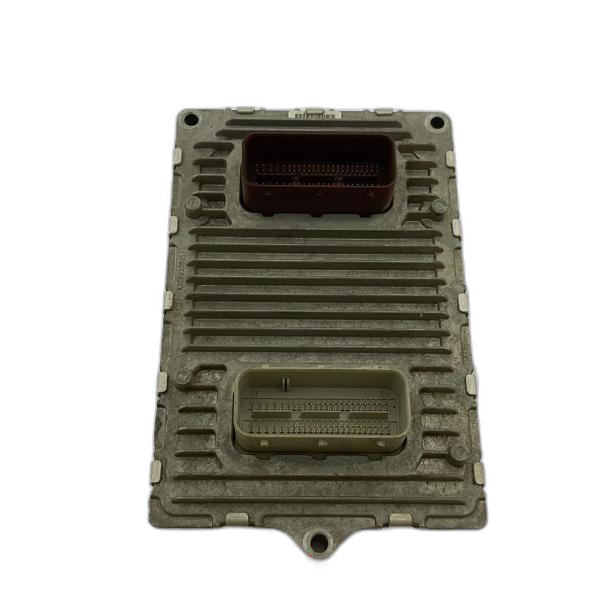
When a used part is the smart pick: For the Engine Control Module (ECM), a used (from a salvage yard) or remanufactured (from a specialty vendor) part is a very common and cost-effective repair strategy, often saving over $500 compared to a new OEM unit.
Donor-vehicle mileage cap: roughly under 150000 miles for the part to have meaningful remaining life.
What to inspect on the donor part:
- Verify the part number on the used ECM's sticker EXACTLY matches your original part number.
- Inspect the case for any signs of being pried open or physical damage.
- When buying from a salvage yard, try to get a unit from a vehicle with a known history and lower mileage if possible.
- Ensure the vendor offers a warranty and has a clear return policy for defective units.
OEM-only on this vehicle (don't cheap out):
- 12V Auxiliary Battery: While aftermarket options exist, the Prius's sensitivity to voltage makes a high-quality, OEM-spec AGM battery (like Toyota TrueStart) a strongly recommended choice to prevent electrical gremlins.
Aftermarket brands forum-validated for this vehicle:
- Flagship One (Remanufactured ECM)
- Flashmasters (Remanufactured ECM)
Brands owners have reported issues with on this vehicle:
- While specific brands are not universally cited as 'bad', be cautious of sellers on platforms like eBay or Amazon with little to no feedback or warranty. Reviews for some large remanufacturers are mixed, with some customers reporting receiving incorrectly programmed or defective units, so checking recent reviews is advised.
Real Owner Stories
Aggregated from forums and TSBs cited above. Mileages and costs reflect what owners reported in those sources.
2010-2015 Toyota Prius
Symptoms: The P0607 code would return annually, almost always during cool (35-45°F) and rainy weather.
What fixed it: The issue was temporarily solved multiple times by replacing or recharging the 12V auxiliary battery.
Source hint: PriusChat: Recurring P0607 Code Tied to Weather and Battery
2010-2015 Toyota Prius
Symptoms: Cruise control light flashing with no other symptoms or lights on the dash; P0607 code present.
What fixed it: The Engine Control Module (ECM) was identified as the culprit after the 12V battery was confirmed healthy, as the code indicates a failed ECM self-test.
Source hint: PriusChat: P0607 Diagnosis - ECM Self-Test Failure
2010-2015 Toyota Prius
Symptoms: P0607 appeared alongside other hybrid system codes, creating a diagnostic challenge in isolating the root cause.
What fixed it: Diagnostic isolation of the 12V battery and ECM power/ground circuits to separate the P0607 from other hybrid faults.
Source hint: PriusChat: P0607 with Other Hybrid System Codes
Documented NHTSA Reports
Toyota Technical Service Bulletins and Owner Reports
ECM Replacement and Stalling: An owner reported that after a dealer retrieved codes P0606 and P0607 and replaced the ECM, the engine continued to stall while driving (NHTSA ODI #10325896). Another report (NHTSA ODI #10295043) noted the car was hard to restart and ran poorly with a P0607 code, requiring an ECU replacement.
TSB and Warranty Limitations: NHTSA ODI #10316230 describes a vehicle stalling at a busy intersection due to P0607; the owner noted that while TSB EG042-07 addressed the issue, coverage was limited to 80,000 miles. Similarly, NHTSA ODI #11033142 mentions a TSB for P0607 that involves changing the PCM, often occurring alongside O2 sensor code P0138.
Diagnostic Costs: In one instance, a diagnostic confirmed a defective ECM with code P0607, leading to a replacement cost of over $800 plus towing fees (NHTSA ODI #10322207).
Related OBD-II Codes
Frequently Asked Questions
My 2010 Prius has a flashing cruise control light and a P0607 code. Is this common?
Could my P0607 code be caused by a bad oxygen sensor?
What specific 12V battery should I buy for my 2010-2015 Prius to avoid voltage-related ECM errors?
Why does my P0607 code only seem to happen when it rains?
If I need to replace the ECM, can I just plug in a used one?
Is there a warranty extension for the inverter failure that sometimes accompanies these lights?
Helpful Videos


Used OEM Parts in Stock
New Aftermarket Parts Available


The information in this article is provided for general reference and educational purposes only. Vehicle specifications, procedures, and part compatibility can vary by production date, trim level, and region. Always consult your vehicle's factory service manual and verify part numbers before purchasing or performing repairs. Safety-critical components such as airbags, seat belts, and braking systems should be installed by a qualified professional.
- Toyota Prius:
- 🧭 Diagnostic Flowchart
- 🎬 Helpful Videos
- 🛍️ Shop This Part
- What's Unique About the 2010-2015 Toyota Prius
- Symptoms You May Notice
- Most Likely Causes
- Rare But Worth Checking
- Diagnosis Steps
- Parts You'll Likely Need
- Related Codes That Often Appear With This One
- Platform-Specific Known Issues
- Mechanic-Grade Diagnostic Values
- Hidden / Shadow Codes Worth Checking
- Scan Tool Commands That Help
- Wiring & Ground Locations
- Real Owner Repair Stories
- OEM Part Supersession History
- Other Known Issues on This Vehicle
- Used vs. New Parts: Buying Guide for This Vehicle
- Real Owner Stories
- 2010-2015 Toyota Prius
- 2010-2015 Toyota Prius
- 2010-2015 Toyota Prius
- Documented NHTSA Reports
- Toyota Technical Service Bulletins and Owner Reports
- Related OBD-II Codes
- Frequently Asked Questions
- 🎟️ Get 5% Off