

P0607 on 2018-2024 Volkswagen Tiguan: Control Module Performance Causes and Fixes
P0607 on a 2018-2024 VW Tiguan indicates a 'Control Module Performance' error. Before suspecting an expensive ECU failure, the most common causes are a weak battery, bad grounds, or the need for a a software update. In many cases, this code points to a fault in the transmission's Mechatronics unit, not the main engine computer.
- P0607 is a serious code that requires immediate attention, but do not assume the worst-case scenario (ECM failure) first.
- The number one cause for this code on a modern Tiguan is an unstable power supply. Thoroughly test the battery and charging system before any other repairs.
- If transmission problems are present, the fault is very likely in the Mechatronics unit (TCM), not the engine's computer.
- Always check with a dealer for available ECM or TCM software updates, as this can be a simple, inexpensive fix.
- Replacing a control module on this vehicle is not a DIY job, as it requires special tools for coding and programming to the vehicle's VIN.
What's Unique About the 2018-2024 Volkswagen Tiguan
While P0607 is a generic code, its presentation on the second-generation Tiguan is noteworthy. These vehicles are highly sensitive to battery voltage, and a slightly weak battery is a very common trigger for this code, often before any starting issues are noticed. Furthermore, on VW/Audi platforms, P0607 is frequently linked to an internal fault within the DSG transmission's Mechatronics unit (specifically the DQ381 in this Tiguan), leading to transmission warnings and limp mode, rather than a primary engine computer failure. Always check for available software updates for both the ECM and TCM, as VW has issued campaigns like Emissions Recall '24GB' to improve module stability and fix bugs.
Symptoms You May Notice
- Check Engine Light is on
- Transmission warning light on, sometimes with a message like 'Transmission in Emergency Mode'
- Vehicle enters 'limp mode' with drastically reduced power
- Harsh or erratic transmission shifting
- Engine stalling or hesitation
- Vehicle fails to start, but the engine may still crank
- Reduced fuel economy
- Flashing gear indicator (PRNDS) on the dashboard
- Replacing the Engine Control Module (ECM) immediately without testing the battery, checking grounds, or verifying if a software update is available.
- Replacing the entire transmission assembly when only the serviceable Mechatronics unit is faulty.
- Ignoring the possibility of a simple software update (like campaign 24GB) and proceeding directly to expensive hardware replacement.
Most Likely Causes
- Weak or Failing Battery 🔴 High Probability → Shop Vehicle Battery Modern VWs have high electrical demands and sensitive modules. A battery with low voltage or unstable output can easily cause a control unit to fail its self-test during startup or driving.
How to confirm: Perform a load test on the battery. A simple voltage check is not sufficient. The voltage should be above 12.4V at rest and hold steady during a load test. Check alternator output to ensure it's between 13.5V and 14.5V when running.
Typical fix: Replace the battery. Ensure the new battery is correctly coded to the vehicle using a compatible scan tool to inform the Battery Management System and reset learned values. 🎬 Watch: How to replace and code your new VW battery
Est. part cost: $200-$400 - Corrupted or Outdated Module Software 🟡 Medium Probability Manufacturers frequently release software updates to fix bugs and improve the stability of control modules. VW issued Emissions Recall '24GB' for 2018-2020 Tiguans specifically to update ECM/TCM software for improved drivability and diagnostics.
How to confirm: A VW dealer or a specialist shop with an ODIS (Offboard Diagnostic Information System) interface can check if there are any pending software updates or service campaigns for the ECM or TCM by checking the VIN.
Typical fix: Flash the control module with the latest software version. This is a non-invasive fix that often resolves the issue.
Est. part cost: $0-$250 - Faulty Transmission Mechatronics Unit (TCM) 🟡 Medium Probability
How to confirm: This is often diagnosed when transmission-specific symptoms are present and a scan tool shows P0607 stored in the transmission control module (address 02). An Audi TSB (2049449/2) for a similar platform gives a definitive diagnosis when P0607 is accompanied by specific symptom codes like 10925, 10926, 10931, 31974, or 31975. The presence of these codes strongly indicates an internal, non-repairable fault in the Mechatronics unit.
Typical fix: Replace the Mechatronics unit. This is a complex repair that involves removing the unit from the transmission, installing a new one, and performing a basic settings procedure and component protection adaptation with ODIS. 🎬 See this walkthrough for removing and fitting the DQ381 Mechatronics
Est. part cost: $1000-$2000 - Poor Power or Ground Connections ⚪ Low Probability
How to confirm: Visually inspect and physically check the main battery terminals, the engine-to-chassis ground strap (Ground Point 652), and the power/ground connections at the ECM and TCM for any signs of corrosion, looseness, or damage. A voltage drop test across the ground connections can confirm high resistance; anything over 0.1 Ω indicates a problem.
Typical fix: Clean the corroded terminals with a wire brush and contact cleaner. Tighten any loose connections to the manufacturer's torque specification. Replace any damaged cables or ground straps.
Est. part cost: $10-$100
Rare But Worth Checking
- Faulty Engine Control Module (ECM): → Shop Engine Control Module (ECM) While the code directly points to a module failure, the ECM itself is rarely the root cause. This should only be considered after all other possibilities, especially battery, grounds, software, and the TCM, have been exhaustively ruled out.
- Aftermarket Engine Tuning: An improper or low-quality engine tune can cause instability in the ECM's software, leading to a P0607 code. Flashing the vehicle back to its stock software is a crucial diagnostic step if the vehicle has been tuned.
Diagnosis Steps
- Read the fault codes from all vehicle modules with a VW-compatible scan tool. Note if P0607 is stored in the Engine (01) or Transmission (02) module.
- If the code is in the Transmission module, check for accompanying symptom codes (10925, 10926, 10931, 31974, 31975) as per Audi TSB 2049449/2. If present, the Mechatronics unit is the likely culprit.
- Perform a comprehensive battery and charging system test. This includes a load test on the battery and checking alternator output voltage while the engine is running.
- Inspect all major power and ground connections. Check battery terminals, the main chassis ground strap (Ground Point 652), and the ground points for the ECM (Ground Point 12 in the left engine compartment) for tightness and corrosion. Perform a voltage drop test on the main grounds. 🎬 Watch: How to find and fix common engine ground issues
- Contact a VW dealer or specialist to determine if any software updates are available, specifically referencing Emissions Recall '24GB' for 2018-2020 models.
- If the vehicle has an aftermarket tune, flash it back to the stock OEM software and see if the fault clears.
- Inspect the ECM and its wiring harness for any signs of physical damage, water intrusion, or corrosion.
- If all other steps fail to resolve the issue, the final step is to diagnose and potentially replace the faulty control module (TCM or ECM).
Parts You'll Likely Need
- AGM Battery
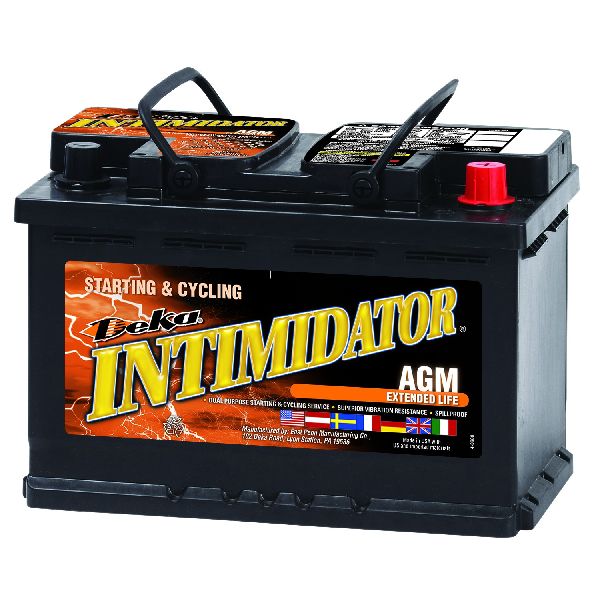
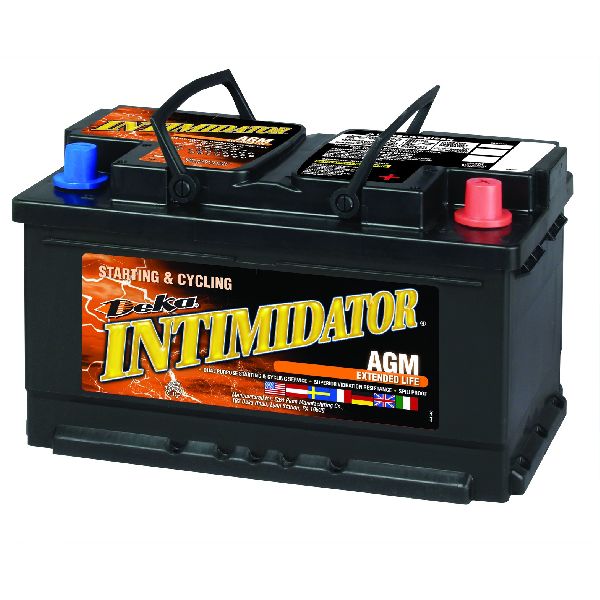
(OEM #e.g., 000915105CD (Varies by vehicle options))— The sensitive electronics in the Tiguan often set this code due to unstable voltage from a weak battery, making it the most common and important first check.
Trusted brands: Varta, Bosch, Interstate
OEM price range: $250-$400
Aftermarket price range: $200-$350 - Transmission Mechatronics Unit
(OEM #Part number is VIN-specific, consult dealer. (e.g., 0GC927711H))— This code is frequently associated with an internal failure of the transmission's control unit on this platform, especially when accompanied by transmission warnings and specific symptom codes from TSB 2049449/2.
Trusted brands: Volkswagen Genuine
OEM price range: $1200-$2000 - Engine Control Module (ECM)
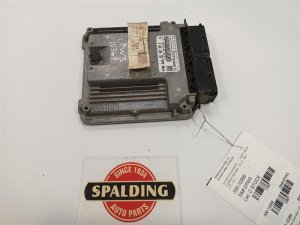
(OEM #Part number is VIN-specific, consult dealer. (e.g., 5NA907426B))— This is the least likely cause and should only be replaced after all other diagnostic steps have been completed. The ECM is the 'brain' the code refers to, but the fault is usually external.
Trusted brands: Bosch (OEM supplier), Volkswagen Genuine
OEM price range: $1000-$1800
Related Codes That Often Appear With This One
- U0101 - Lost Communication with TCM (often triggered by the same underlying voltage/ground issues)
- P1735 - Position Sensor For Clutch 1 Electrical Malfunction (Points to Mechatronics failure)
- P1736 - Position Sensor For Clutch 2 Electrical Malfunction (Points to Mechatronics failure)
Technical Service Bulletins (TSBs) & Recalls
- Audi TSB 2049449/2: Details diagnosing P060700 when stored in the transmission module. If found with symptom codes 10925, 10926, 10931, 31974, or 31975, the TSB directs to replace the Mechatronics unit.
- VW Emissions Recall 24GB: A recall for 2018-2020 Tiguans to update the ECM and TCM software. The update addresses emissions, improves drivability, and fixes software bugs that could potentially trigger faults like P0607.
Platform-Specific Known Issues
- There is a known pattern on VW/Audi vehicles where P0607, especially when paired with transmission warnings, points towards a failure of the DSG/S-Tronic Mechatronics unit. Audi TSB 2049449/2 provides specific symptom codes to confirm this diagnosis.
- Volkswagen has issued software updates under service campaigns (e.g., Emissions Recall '24GB' for 2018-2020 models) to improve ECM/TCM stability and prevent erroneous fault codes.
Mechanic-Grade Diagnostic Values
- ECM/TCM Power Pin Voltage (Key On) — expected: 12.2 V ± 0.5 V. Failure: Voltage below 11.7V or unstable readings can indicate a power supply issue (battery, alternator, wiring) causing the module to fail its self-test.
- ECM/TCM Ground Pin Resistance to Chassis — expected: Below 0.1 Ω. Failure: Resistance higher than 0.1 Ω indicates a corroded or loose ground connection, which can cause floating voltages and module instability.
- Voltage Drop Test (Power or Ground Side) — expected: Less than 0.5 V. Failure: A voltage drop greater than 0.5V across a power or ground wire under load indicates high resistance in that part of the circuit, which needs to be located and repaired.
- Alternator Output Voltage (Engine Running) — expected: 13.5 V to 14.5 V. Failure: Voltage outside this range indicates a faulty alternator or regulator, which can lead to an undercharged or overcharged battery, causing module errors.
Scan Tool Commands That Help
- ODIS (Offboard Diagnostic Information System): Component Protection Removal — This is a mandatory online procedure required after installing a new or used Mechatronics unit (TCM) or Engine Control Module (ECM). The vehicle will not operate correctly until the new module's security data is matched to the vehicle's immobilizer system.
- ODIS (Offboard Diagnostic Information System): Basic Settings for Transmission — After replacing the Mechatronics unit, this procedure must be run to allow the new TCM to learn the clutch engagement points and gear selector positions. Failure to perform basic settings will result in harsh shifting, no-start conditions, or other transmission faults.
- ODIS or VCDS (VAG-COM): Battery Coding — When a new battery is installed, this function is used to tell the Battery Management System (BMS) the new battery's capacity, technology (AGM/EFP), and serial number. This ensures the charging system works correctly and prolongs battery life, preventing future voltage-related module faults.
Wiring & Ground Locations
- Ground Point 652 — Main engine and gearbox ground strap. Connects the transmission housing to the vehicle's chassis frame rail.. This is the primary ground path for the transmission and Mechatronics unit. Corrosion or looseness here can cause a host of transmission-related electrical faults, including P0607 stored in the TCM.
- Ground Point 12 — In the engine compartment on the left side, typically on the frame rail near the battery tray or strut tower.. This is a major grounding point for multiple components in the engine bay, including the ECM. A poor connection here can cause intermittent ECM power loss and trigger a P0607 fault.
- ECM Connector (T94) — The Engine Control Module is located in the plenum chamber (the area under the windshield wipers). The T94 is the 94-pin main connector to the ECM.. All power, ground, and sensor signals for the ECM pass through this connector. Technicians must test for stable voltage and clean grounds directly at these pins to confirm the ECM is receiving proper power before condemning the unit itself.
Real Owner Repair Stories
- Regal Autosport YouTube Channel (Volkswagen Tiguan (2nd Gen, specific year not stated but DQ381 transmission)) — Sudden loss of gears, limp mode, and a complete loss of drive.
❌ Tried (didn't work) Clearing fault codes, which did not resolve the underlying issue.
✅ What actually fixed it Diagnostics confirmed faults within the Mechatronics unit. A new, revised genuine VW Mechatronics unit was sourced, fitted, and coded to the vehicle, which resolved all symptoms.
OEM Part Supersession History
0GC927711G→0GC927711H— Part revision by the manufacturer, likely to address internal component weaknesses or improve reliability of the TCU.
Heads up: While 0GC927711H is the later part, both may be listed for the same vehicles. It is critical to match the hardware and software versions or use a specialist service for cloning/programming, as a direct swap may fail due to software incompatibilities or component protection.
Diagnostic Flowchart
Other Known Issues on This Vehicle
Issues unrelated to this code that are worth knowing about as an owner of this generation:
- Panoramic Sunroof Leaks 🔴 High — Very common across the 2018+ model years. Can occur at any mileage due to clogged drains or failed seals, leading to water ingress in the cabin and potential damage to electronics. (Ref: VW TSB 60 19 04 (2054353) addresses poor adhesion of the sunroof seal. Multiple class-action lawsuits have also been filed regarding this issue.)
- Water Pump & Thermostat Housing Failure 🟠 Medium — A frequent failure point on the EA888 Gen 3 engine, often occurring between 60,000 and 120,000 miles. The plastic housing can crack or the gasket can degrade, causing coolant leaks.
- Intake Valve Carbon Buildup 🟠 Medium — Inherent to the direct-injection (TSI) design. Significant buildup can occur as early as 40,000-60,000 miles, causing rough idle, misfires, and reduced performance.
Used vs. New Parts: Buying Guide for This Vehicle
When a used part is the smart pick: For this specific repair, buying a used part is generally NOT recommended for the average DIYer or independent shop without specialized tools. The primary failure parts (ECM, Mechatronics) are subject to VW's 'Component Protection' system.
Donor-vehicle mileage cap: roughly under 50000 miles for the part to have meaningful remaining life.
What to inspect on the donor part:
- For a Mechatronics unit, ask for proof the donor vehicle was running and driving without transmission faults.
- Verify the part number on the used unit EXACTLY matches the original. Even a single letter difference can indicate an incompatible hardware or software version.
- Avoid parts from flood-damaged or front-end collision vehicles, as hidden damage to the electronics is common.
OEM-only on this vehicle (don't cheap out):
- Engine Control Module (ECM)
- Transmission Mechatronics Unit (TCM)
Aftermarket brands forum-validated for this vehicle:
- For the battery, Varta (often the OEM supplier), Bosch, and Interstate are widely trusted brands for AGM batteries required by this vehicle.
Brands owners have reported issues with on this vehicle:
- Avoid generic, unbranded Mechatronics or ECM units from online marketplaces. These often have incorrect software or cannot be programmed to the vehicle, leading to a failed repair. A 'cloned' or professionally rebuilt unit from a reputable specialist is a viable alternative to a new OEM part, but a random used part is a major risk.
Real Owner Stories
Aggregated from forums and TSBs cited above. Mileages and costs reflect what owners reported in those sources.
2017 VW Golf Sportwagen (MQB Platform)
Symptoms: The owner reported a P0607 code stored in the transmission module accompanied by an 'Emergency Mode' warning on the dash. The dealer initially recommended a full replacement of the transmission and mechatronics unit.
What fixed it: The owner questioned the expensive hardware replacement and investigated the battery first, as voltage issues are a known trigger for this platform.
Source hint: CarKiller Forum: How do I fix DTC P0607 Control Module Performance
2012 VW T5 (Automatic)
Symptoms: A persistent P0607 fault from the transmission control unit that continued even after a software update. The issue originally began immediately after a battery failure.
What fixed it: The battery was replaced and coded, though the case highlights how a single voltage event (battery failure) can trigger a lasting fault state in the module.
Source hint: Ross-Tech Forums: VW T5 -12 and Automatic transmission problem (P0607)
2010 VW Jetta (MQB-predecessor/Bosch Electronics)
Symptoms: Persistent P0607 Control Module Performance code.
What fixed it: The technician successfully resolved the issue by re-flashing the module with a tune, confirming that software corruption rather than hardware failure was the root cause.
Source hint: Ross-Tech Forums: Case Study: P0607 - Control Module Performance
Related OBD-II Codes
Frequently Asked Questions
Is there a specific recall for my 2018-2020 Tiguan that might address the P0607 code?
My Tiguan is showing 'Transmission in Emergency Mode' along with P0607. Does this mean I need a new transmission?
Can a bad battery really cause a 'Control Module Performance' code on a Tiguan?
If I need to replace my battery to fix this code, do I need to do anything special?
I have an aftermarket tune on my Tiguan and just got a P0607. What should I do first?
Where is the main ground point I should check for P0607 issues on this platform?
Helpful Videos

Used OEM Parts in Stock
New Aftermarket Parts Available



The information in this article is provided for general reference and educational purposes only. Vehicle specifications, procedures, and part compatibility can vary by production date, trim level, and region. Always consult your vehicle's factory service manual and verify part numbers before purchasing or performing repairs. Safety-critical components such as airbags, seat belts, and braking systems should be installed by a qualified professional.
- Volkswagen Tiguan:
- 🧭 Diagnostic Flowchart
- 🎬 Helpful Videos
- 🛍️ Shop This Part
- What's Unique About the 2018-2024 Volkswagen Tiguan
- Symptoms You May Notice
- Most Likely Causes
- Rare But Worth Checking
- Diagnosis Steps
- Parts You'll Likely Need
- Related Codes That Often Appear With This One
- Technical Service Bulletins (TSBs) & Recalls
- Platform-Specific Known Issues
- Mechanic-Grade Diagnostic Values
- Scan Tool Commands That Help
- Wiring & Ground Locations
- Real Owner Repair Stories
- OEM Part Supersession History
- Other Known Issues on This Vehicle
- Used vs. New Parts: Buying Guide for This Vehicle
- Real Owner Stories
- 2017 VW Golf Sportwagen (MQB Platform)
- 2012 VW T5 (Automatic)
- 2010 VW Jetta (MQB-predecessor/Bosch Electronics)
- Related OBD-II Codes
- Frequently Asked Questions
- 🎟️ Get 5% Off