

P0626 on 2007-2013 Chevrolet Silverado 1500: Generator Field Circuit Fixes
This code typically means the alternator is failing. On the 2007-2013 Silverado, the internal voltage regulator is the usual culprit, requiring a full alternator replacement. Expect to pay $200-$400 for a quality aftermarket part and $400-$600 for an OEM ACDelco unit. Always check the small two-wire connector at the alternator for damage first, as a broken wire or corroded pin is also a common cause.
- P0626 on a 2007-2013 Silverado almost always points to a problem with the alternator or its wiring.
- Before buying a new alternator, always inspect the small two-wire connector for damage, as it's a cheap and easy fix.
- Do not replace the battery to fix this code; a bad charging system will likely ruin the new battery.
- The charging voltage on these trucks is variable. Turn on the headlights to force the system into a higher charging mode (13.9V+) for a more reliable test with a multimeter.
What's Unique About the 2007-2013 Chevrolet Silverado 1500
The 2007-2013 Silverado uses a PCM-controlled charging system known as Regulated Voltage Control (RVC). Unlike older vehicles with simple regulators, the PCM on this truck actively manages the alternator's output based on electrical demand, battery temperature, and battery state of charge. This means a simple voltage check at the battery might be misleading, as the target voltage changes constantly (from ~12.6V to 15.5V). The P0626 code is a specific fault in the communication line between the PCM and alternator, and on these trucks, it most often points directly to a failure inside the alternator itself or the wiring connected to it.
Generation note: The 2007-2013 year range primarily covers the GMT900 generation of the Silverado. However, the 2007 model year was a transition, and a 'Classic' version based on the older GMT800 platform was also sold. The information here is for the newer GMT900 body style, which is the most common for this year range and shares its charging system design with many other GM trucks and SUVs of the era.
Symptoms You May Notice
- Battery or 'Service Charging System' light on the dashboard.
- Engine stalling or being difficult to start.
- Dimming or flickering headlights and interior lights.
- A battery that is frequently dead.
- Erratic operation of electrical accessories like the radio or power windows.
- A whining noise from the alternator.
- In cases of overcharging, a swollen battery case or a rotten egg smell near the battery.
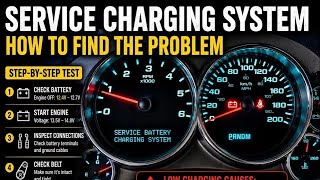
- Abnormal voltage gauge readings on the instrument cluster. 🎬 Watch: How to fix the Service Battery Charging System message.
- Replacing the battery first. While a bad battery can cause charging issues, P0626 specifically points to a fault in the alternator's control circuit, not the battery's ability to hold a charge. A faulty charging system can ruin a new battery, so the root cause should be fixed first.
Most Likely Causes
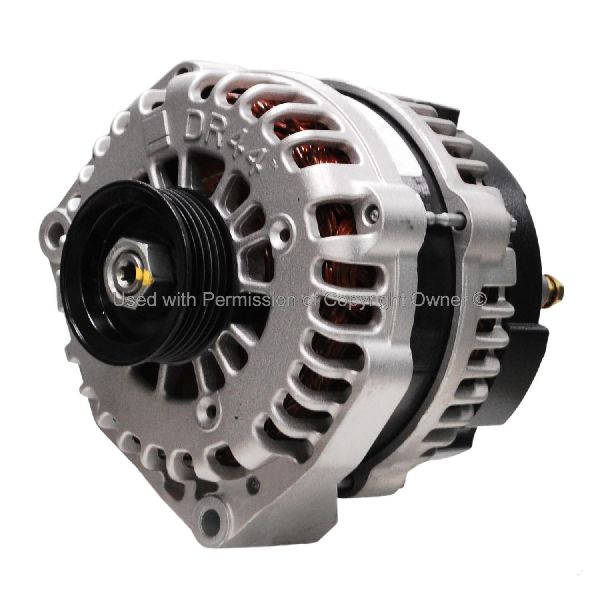
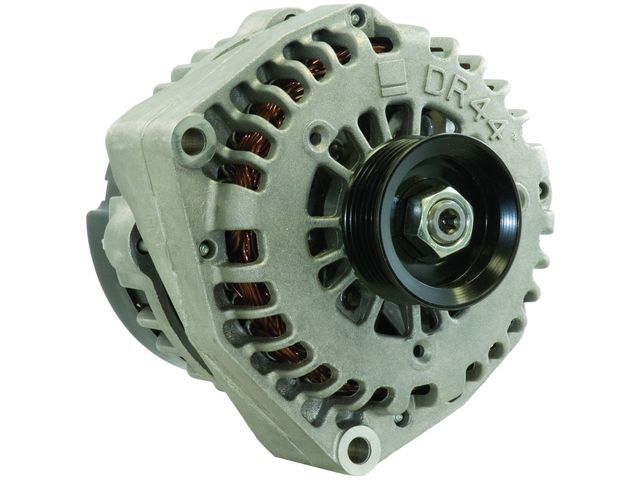
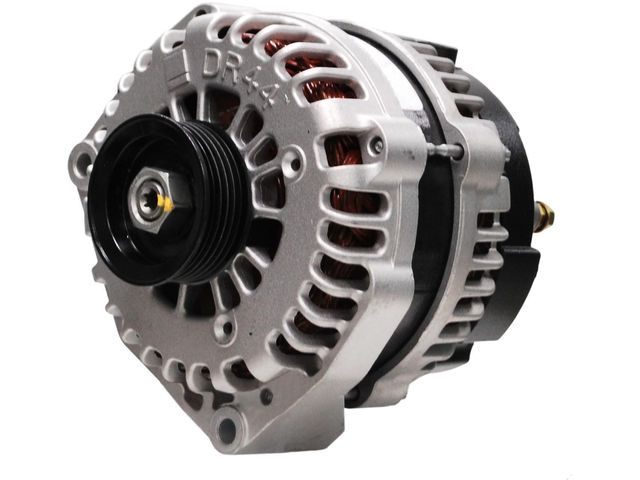
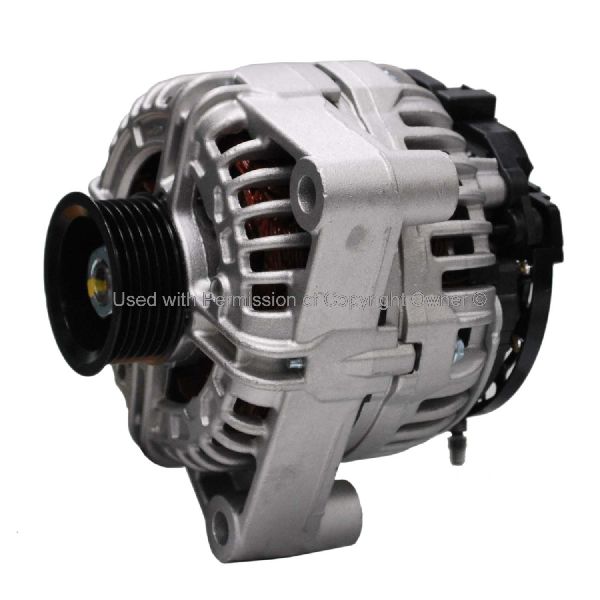
- Faulty Alternator (Internal Voltage Regulator) 🔴 High Probability → Shop Alternator The voltage regulator is integrated into the alternator and is a common failure point. Wear and tear from heat and high electrical loads cause the internal electronics to fail, leading to an open or high-voltage condition on the field circuit.
How to confirm: After confirming the wiring is intact, the most reliable method is to replace the alternator. Many auto parts stores can also bench-test the alternator for you after it's removed, but be aware that bench tests may not always replicate the specific failure mode seen by the vehicle's PCM.
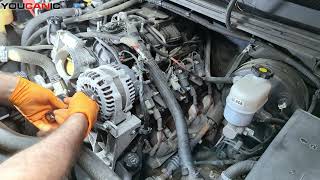
Typical fix: Replace the entire alternator assembly. 🎬 Watch: Step-by-step walkthrough for replacing the alternator on your Silverado. Many owners on forums report that using a new OEM ACDelco unit is more reliable than remanufactured or aftermarket options, which sometimes fail to resolve the code.
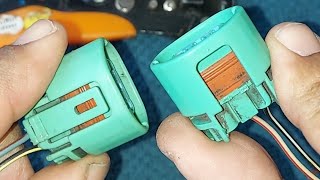
Est. part cost: $200-$600 - Damaged Alternator Connector or Wiring 🟡 Medium Probability → Shop Alternator The two-wire pigtail connector at the alternator is exposed to significant engine heat and vibration, which can make the plastic brittle and cause wires to break or corrode over time. A break in the gray 'F' terminal wire will cause an open circuit, triggering P0626.
How to confirm: Visually inspect the connector for cracks, melted plastic, or corrosion. Gently tug on the two wires (typically a gray 'F' terminal wire and a brown 'L' terminal wire) to ensure they are secure in the connector. Check for continuity on the gray wire from the alternator connector to the PCM connector.
Typical fix: Splice in a new alternator connector pigtail. The Dorman 645-569 is a commonly used replacement part. 🎬 See this guide on how to fix a broken alternator connector.
Est. part cost: $15-$40 - Poor Ground Connection ⚪ Low Probability Engine-to-body and battery-to-chassis ground straps can corrode or become loose, creating resistance that can cause a variety of electrical issues, including charging system faults. While less common for this specific code, it's a known weak point on aging trucks.
How to confirm: Inspect the main ground straps from the engine block to the frame and from the battery to the body. Ensure they are clean, tight, and free of corrosion. A voltage drop test across the ground connections can confirm high resistance.
Typical fix: Clean the connection points with a wire brush and re-tighten, or replace the ground strap if it is frayed or corroded.
Est. part cost: $10-$30
Rare But Worth Checking
- Failed Powertrain Control Module (PCM): → Shop Engine Control Module (ECM) This is rare, but if a new alternator and confirmed good wiring do not fix the code, the driver circuit within the PCM may have failed. This is typically the last part to suspect.
Diagnosis Steps
- Read the codes: Use an OBD-II scanner to confirm P0626 is present and note any other codes.
- Inspect the Battery: Check that the battery terminals are clean and tight. Have the battery load-tested to ensure it is healthy. A weak battery must be charged or replaced before proceeding.
- Visual Inspection: Carefully inspect the two-wire connector at the back of the alternator for any signs of melting, corrosion, or broken wires. Follow the harness as far as you can, looking for chafing or damage.
- Check Grounds: Inspect the main engine-to-body ground strap for tightness and corrosion. On GMT900 trucks, a key ground is located on the front of the driver's side cylinder head.
- Test the 'F' Circuit: Unplug the alternator connector. With a multimeter, check for continuity on the gray wire from the alternator connector back to the corresponding pin at the PCM connector. An open circuit (no continuity) indicates a broken wire.
- Advanced Scan Tool Test: If you have an advanced scan tool, monitor the 'Generator Field Duty Cycle' PID. With the Key On, Engine Off, it should read 0%. With the engine running, it should show a variable percentage as the PCM commands the alternator. If it's stuck at 0% or 99-100%, it points to a circuit or component failure.
- Bench Test or Replace Alternator: If all wiring and connections are good, the fault is almost certainly inside the alternator. Remove it and have it tested at an auto parts store, or proceed with replacement. Given the high likelihood of internal failure, many choose to replace it at this stage.
Parts You'll Likely Need
- Alternator
(OEM #ACDelco 22817848 (145 Amp), ACDelco 84143540, ACDelco 20881337 (Varies by RPO code/amperage))— This is the most common failure. The internal voltage regulator fails, and it is serviced as a complete alternator assembly.
Trusted brands: ACDelco (OEM), Bosch, Denso, Carquest
OEM price range: $400-$600
Aftermarket price range: $200-$400 - Alternator Connector Pigtail
(OEM #Dorman 645-569)— The connector is a frequent failure point due to heat and vibration, causing an open or short in the field control circuit.
Trusted brands: Dorman, ACDelco
OEM price range: $25-$45
Aftermarket price range: $15-$30
Related Codes That Often Appear With This One
- P0625 — P0625 is 'Generator Field/F Terminal Circuit Low'. Seeing both codes may indicate an intermittent wiring problem where the circuit is fluctuating between open (High) and shorted (Low).
- P0562 — P0562 is 'System Voltage Low'. This code is often a symptom of P0626, as the inability to control the alternator leads to a low system voltage and an undercharged battery.
Platform-Specific Known Issues
- Many owners on forums like silveradosierra.com and gm-trucks.com emphasize the importance of using a high-quality OEM (ACDelco) or premium remanufactured alternator. Some have reported that budget aftermarket alternators either fail quickly or do not resolve the P0626 code, suggesting the PCM is sensitive to the quality of the internal regulator.
Mechanic-Grade Diagnostic Values
- Generator Field Duty Cycle PID (Scan Tool) — expected: Key On, Engine Off (KOEO): 0%. Engine Running (KOER): Varies between 5% and 95% based on electrical load.. Failure: A reading stuck at 0% or above 95% (e.g., 97-100%) with the engine running points to a circuit fault or a failed alternator/PCM.
- F-Terminal Voltage at Alternator Connector Harness (Gray Wire) — expected: With the alternator connector unplugged and Key On, Engine Off (KOEO), probing the harness-side gray wire should show a low voltage, typically near 0V.. Failure: If battery voltage (12V+) is present on this wire with the connector unplugged, there is a short to power in the wiring harness between the alternator and the PCM.
- L-Terminal Voltage at Alternator Connector Harness (Brown Wire) — expected: With the alternator connector unplugged and Key On, Engine Off (KOEO), probing the harness-side brown wire should show between 0V and 1.5V.. Failure: Voltage significantly higher than 1.5V on the L-terminal circuit can indicate a short to power or an internal alternator issue.
- Alternator Field Coil Resistance — expected: Between 2.5 and 5.0 Ohms when measured between the F-terminal pin on the alternator and the alternator case (ground).. Failure: A reading outside this range (e.g., open circuit/infinite resistance or a dead short/zero resistance) indicates the internal field coil has failed, requiring alternator replacement.
Scan Tool Commands That Help
- GDS2 / Tech2: Generator Field Duty Cycle Control — This bidirectional command allows a technician to manually command the alternator's duty cycle up and down while the engine is running. If the system voltage responds correctly to the commanded changes, it proves the PCM driver, wiring, and alternator are all capable of functioning, pointing towards an intermittent issue or a problem with the PCM's auto-mode logic.
- GDS2 / Tech2: Generator L-Terminal Control — This command allows the technician to toggle the 'Generator Lamp' circuit on and off. This helps verify the integrity of the L-terminal circuit between the PCM and the alternator, which works in conjunction with the F-terminal for overall charging system control.
Wiring & Ground Locations
- Alternator Connector (X210) — The two-wire plug on the back of the alternator.. This is the direct connection for the circuit in question. Pin 1 (Gray wire) is the Generator Field Duty Cycle Signal (F-Terminal). Pin 2 (Brown wire) is the Generator Turn On Signal (L-Terminal). A break or short in the gray wire is a direct cause of P0626.
- PCM Connector X1, Pin 15 — The Powertrain Control Module (PCM/ECM) is located on the driver's side of the engine compartment, near the firewall. The gray wire from the alternator connects to Pin 15 of the X1 connector.. This is the terminating end of the F-terminal circuit. A continuity test should be performed between this pin and Pin 1 at the alternator connector to rule out a broken wire.
- G103 — On the front of the passenger side (right) cylinder head.. This is a primary engine block and PCM ground. A poor connection here can create a floating ground reference, causing the PCM to misinterpret voltage signals from various sensors, including the alternator field circuit.
- G104 — On the rear of the driver's side (left) cylinder head. A ground strap often runs from here to the firewall (G108).. This is another critical engine ground. Corrosion or a broken strap at this location is a known issue on GMT900 trucks and can cause a wide range of difficult-to-diagnose electrical faults.
- Battery Current Sensor — A sensor located on the negative battery cable, right at the battery terminal.. The Regulated Voltage Control (RVC) system uses this sensor to monitor the battery's state of charge. While a failure here typically sets other codes, a malfunctioning sensor can provide bad data to the PCM, potentially causing erratic charging commands that could stress the field control circuit.
Real Owner Repair Stories
- Reddit user in r/Hyundai (2009 Hyundai Sonata 2.4L (154k miles) - Note: Not a Silverado, but illustrates a key cross-platform issue.) — No Check Engine Light, but a persistent P0626 *pending* code that would return after being cleared.
❌ Tried (didn't work) Clearing the code with a scanner., Disconnecting the battery for 20 minutes.
✅ What actually fixed it The issue was caused by a remanufactured aftermarket alternator from a major parts store. The consensus from other technicians was that some aftermarket regulators are not perfectly compatible with the vehicle's PCM, causing a pending code even if the alternator appears to be charging correctly. The recommended fix was to install a new OEM (Valeo) or an OEM-remanufactured alternator to resolve the compatibility-related pending code. - Ford Truck Enthusiasts Forums user (Ford Truck (year/model not specified)) — Battery light on after replacing the alternator.
❌ Tried (didn't work) Installing a remanufactured alternator from O'Reilly's.
✅ What actually fixed it The remanufactured alternator was diagnosed as having a failed internal diode, which triggered the P0626 code. The user decided to return the faulty remanufactured unit and purchase a new OEM alternator from Ford to resolve the issue, highlighting the potential for out-of-the-box failures with non-OEM parts.
OEM Part Supersession History
Varies by RPO code (e.g., KG3 for 145A, K5L for 160A)→ACDelco 22817848, 84143540, etc.— GM regularly updates part designs to integrate new materials and technologies for improved reliability.
Heads up: It is critical to match the alternator's amperage to the vehicle's original equipment, determined by the RPO code sticker in the glove box. Using a 105A alternator in a truck equipped for a 145A or 160A unit will lead to premature failure and potential charging issues, even if it physically fits.
Model Year Variations Within This Range
- 2007-2013: The primary variation within this generation is the alternator's amperage rating, which depends on the truck's option package (RPO code). Common options include 105A, 145A (RPO KG3), and 160A high-output units. The wiring connector and control strategy (RVC) remain the same, but the part number for the alternator itself is different.
Diagnostic Flowchart
Other Known Issues on This Vehicle
Issues unrelated to this code that are worth knowing about as an owner of this generation:
- AFM Lifter Failure 🔴 High — Common, especially on 2007-2010 models, with failures often reported between 50,000 and 100,000 miles. Can lead to camshaft damage if not addressed.
- Excessive Oil Consumption 🟠 Medium — Widespread issue, particularly in pre-2011 models. Often linked to the PCV system and AFM pressure relief valve. GM considers 1 quart per 2,000 miles 'acceptable'. (Ref: TSB 10-06-01-008J)
- Cracked Dashboard 🟡 Low — Extremely common across all GMT900 trucks and SUVs. Cracks typically form near the passenger airbag and instrument cluster surround. (Ref: Subject of class-action lawsuits, but no official recall was issued by GM.)
- Faulty Oil Pressure Sensor/Screen 🟡 Low — The oil pressure sensor, located behind the intake manifold, is prone to failure, causing erratic or zero-pressure readings on the gauge. The screen below it can also get clogged.
- Takata Airbag Recall 🔴 High — These vehicles were part of the massive Takata airbag recall. It is critical to ensure the recall work has been performed. (Ref: NHTSA Recalls)
Used vs. New Parts: Buying Guide for This Vehicle
When a used part is the smart pick: A used OEM alternator from a low-mileage, accident-damaged donor vehicle can be a cost-effective and reliable option. Since the internal voltage regulator is the common failure point, a used OEM unit is often more reliable than a new, budget-tier aftermarket alternator.
Donor-vehicle mileage cap: roughly under 80000 miles for the part to have meaningful remaining life.
What to inspect on the donor part:
- Verify the donor vehicle's mileage.
- Check the RPO code in the donor's glove box to ensure the amperage matches your truck's requirement.
- Inspect the alternator pulley for smooth, quiet rotation (no grinding or roughness).
- Examine the plastic housing of the two-wire connector for cracks or heat damage.
- Look for any signs of fluid leaks (oil, coolant) that may have contaminated the donor alternator.
OEM-only on this vehicle (don't cheap out):
- Alternator
Aftermarket brands forum-validated for this vehicle:
- ACDelco (New or Remanufactured)
- Denso (Often the original equipment manufacturer)
- Bosch (New or Remanufactured)
Brands owners have reported issues with on this vehicle:
- Generic or 'white-box' store-brand remanufactured units have a higher reported failure rate and are more likely to cause persistent P0626 pending codes due to regulator incompatibility.
Related OBD-II Codes
Frequently Asked Questions
I have a P0626 code on my Silverado. Should I just replace the alternator, or could it be something simpler?
My mechanic says the alternator is bad. Is it true that I should use a specific brand for my 2007-2013 Silverado?
What is the part number for the alternator connector that often fails and causes this code?
Besides the 'Service Charging System' light, what other symptoms might I see with a P0626 code?
Where is the main ground strap I should check for this issue on my GMT900 truck?
Can a bad battery cause the P0626 code?
Helpful Videos
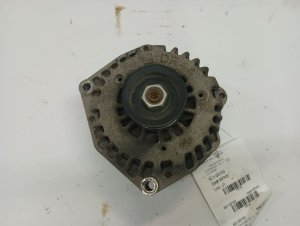
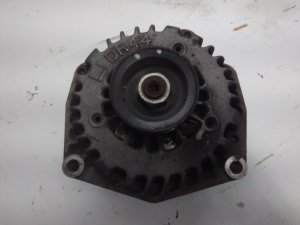
Used OEM Parts in Stock
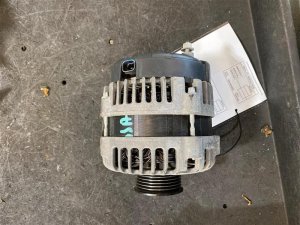
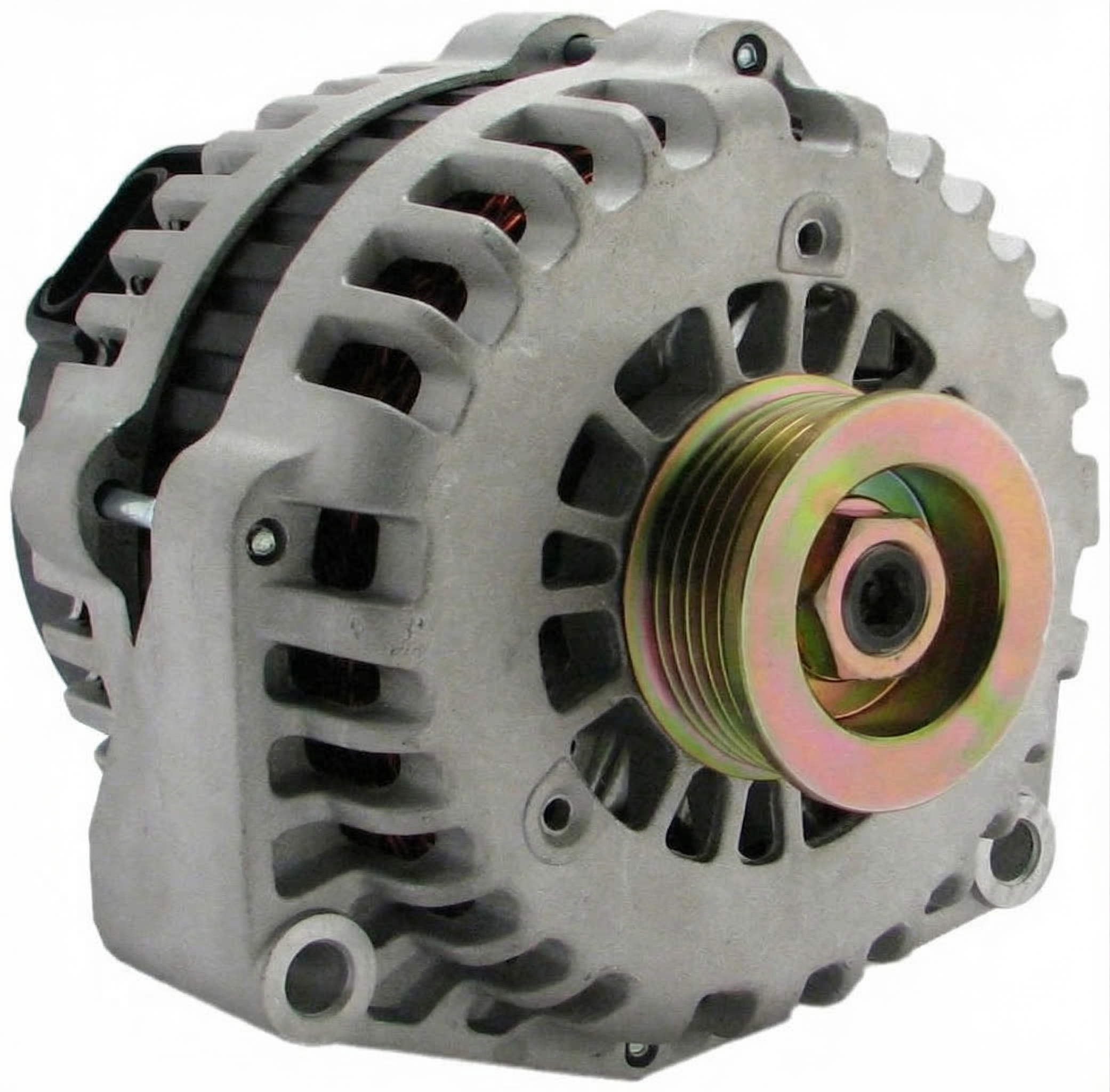
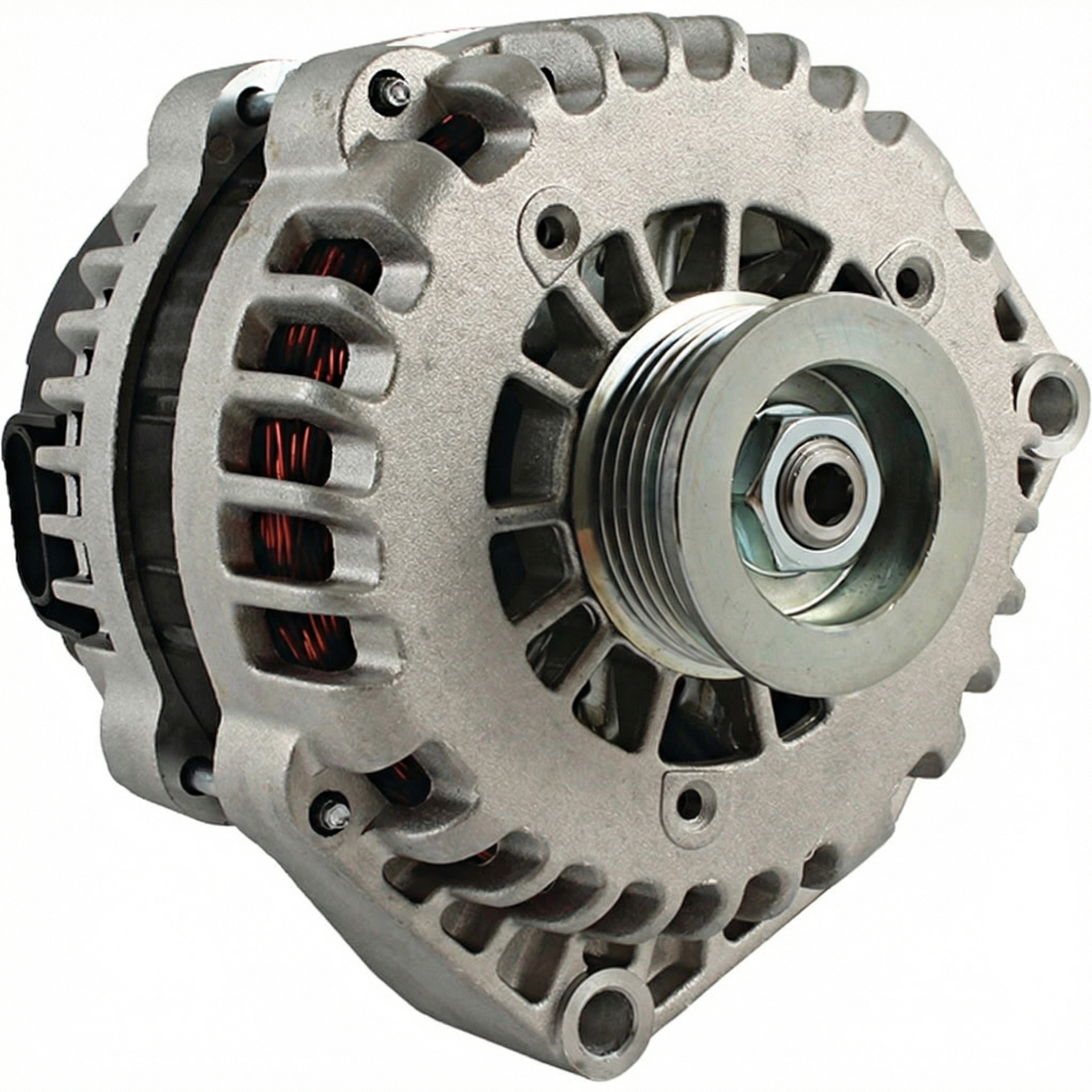
New Aftermarket Parts Available
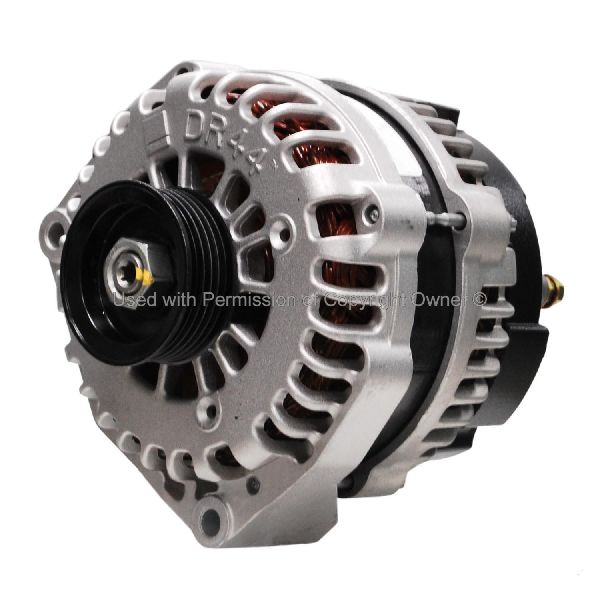


The information in this article is provided for general reference and educational purposes only. Vehicle specifications, procedures, and part compatibility can vary by production date, trim level, and region. Always consult your vehicle's factory service manual and verify part numbers before purchasing or performing repairs. Safety-critical components such as airbags, seat belts, and braking systems should be installed by a qualified professional.
- Chevrolet Silverado 1500:
- 🧭 Diagnostic Flowchart
- 🎬 Helpful Videos
- 🛍️ Shop This Part
- What's Unique About the 2007-2013 Chevrolet Silverado 1500
- Symptoms You May Notice
- Most Likely Causes
- Rare But Worth Checking
- Diagnosis Steps
- Parts You'll Likely Need
- Related Codes That Often Appear With This One
- Platform-Specific Known Issues
- Mechanic-Grade Diagnostic Values
- Scan Tool Commands That Help
- Wiring & Ground Locations
- Real Owner Repair Stories
- OEM Part Supersession History
- Model Year Variations Within This Range
- Other Known Issues on This Vehicle
- Used vs. New Parts: Buying Guide for This Vehicle
- Related OBD-II Codes
- Frequently Asked Questions
- 🎟️ Get 5% Off