

P0626 on 2009-2019 Ford Flex: Charging System Fault Causes and Fixes
P0626 on a Ford Flex almost always means the alternator is failing, specifically its internal voltage regulator. Expect to pay $300-$550 for a quality replacement part and $110-$160 for labor. It's a moderately difficult DIY job due to tight access. Before replacing, verify the 3-pin connector and wiring are intact.
- P0626 on your Ford Flex points directly to a problem with the alternator or its control circuit.
- The most common fix is to replace the alternator. Using a high-quality OEM (Motorcraft) part is recommended to avoid compatibility issues.
- Before replacing parts, always inspect the 3-pin alternator connector and associated wiring for damage, as this is a known weak point.
- For 2019 models, ensure NHTSA recall 18S25 for loose alternator cable nuts has been performed.
What's Unique About the 2009-2019 Ford Flex
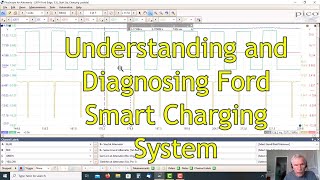
The Ford Flex, like many modern Fords, uses a PCM-controlled 'smart charge' system. This means the alternator's output is precisely managed by the engine computer rather than a simple internal regulator. The PCM uses two dedicated lines: GENCOM (Generator Communication) to send commands and GENMON (Generator Monitor) for feedback. 🎬 Watch this deep dive into Ford's smart charging system P0626 is set specifically when the PCM sees a fault on the GENMON line. While this is efficient, it makes the system sensitive to component quality. Owners and technicians report that using non-OEM or poorly remanufactured alternators can sometimes lead to persistent charging system codes like P0626, as they may not communicate correctly with the Ford PCM.
Symptoms You May Notice
- Battery or 'Check Charging System' warning light on the dashboard
- Dimming or flickering headlights and interior lights
- Engine stalling or difficulty starting
- Whining or grinding noise from the engine bay
- Electrical issues, such as problems with the radio, power steering, or other accessories
- A dead battery
- Battery voltage reading above 15.0V, indicating an overcharge condition
- Replacing the battery without testing the alternator. A bad alternator can quickly ruin a new battery, leading to a repeat failure.
- Replacing other components due to symptoms caused by low system voltage (e.g., transmission or ABS modules) before diagnosing the root charging system fault.
Most Likely Causes
- Failed Alternator 🔴 High Probability → Shop Alternator The internal voltage regulator within the alternator is the most common failure point. Heat and wear can cause the regulator's power transistor to fail, creating a high-impedance load or short that the PCM interprets as a circuit high fault, triggering P0626.
How to confirm: With the engine running, test the battery voltage. A healthy system should read between 13.5V and 14.8V. A reading significantly higher (over 15.0V) or lower, or one that is erratic, points to a faulty alternator. Many auto parts stores can bench-test the alternator for free if you remove it.
Typical fix: Replace the entire alternator assembly. It is highly recommended to use a new OEM (Motorcraft) or a high-quality remanufactured unit to ensure compatibility with the vehicle's smart charge system.
Est. part cost: $300-$550 - Wiring or Connector Issue 🟡 Medium Probability The wiring harness to the alternator can be exposed to heat and vibration, potentially causing wires to break, chafe, or corrode over time. The 3-pin connector at the alternator is a known weak point that can suffer from corrosion or loose pins.
How to confirm: Visually inspect the wiring harness leading to the alternator for any signs of damage, melting, or corrosion. Pay close attention to the 3-pin connector (C102A) for looseness or corrosion. Perform a wiggle test on the harness with the engine running to see if it affects the charging voltage.
Typical fix: Repair the damaged section of wiring or replace the alternator pigtail connector. Ensure all connections are clean and secure. The Motorcraft pigtail is part number WPT-118; aftermarket equivalents like Dorman 645-136 are also available.
Est. part cost: $20-$50 - Weak or Failing Battery ⚪ Low Probability → Shop Vehicle Battery An old or failing battery with an internal short or high resistance can put excessive strain on the charging system, sometimes causing erratic behavior that the PCM may interpret as a control circuit fault. However, this is less common than a direct alternator or wiring failure for P0626. Ford's smart charge system requires a Silver Calcium battery, and using a standard lead-acid battery can cause charging issues.
How to confirm: Have the battery professionally tested. A simple voltage check is not enough; a load test is required to determine the battery's true health. Ensure battery voltage is above 12.2V before performing other diagnostic tests. Verify the correct battery type (Silver Calcium) is installed.
Typical fix: Replace the vehicle's battery.
Est. part cost: $150-$250
Rare But Worth Checking
- Powertrain Control Module (PCM) Failure: → Shop Engine Control Module (ECM) This is the least likely cause. The PCM's internal driver circuit that controls the alternator can fail, but this is rare. All other possibilities, especially the alternator and wiring, should be exhaustively ruled out before considering PCM replacement.
Diagnosis Steps
- Check for any additional trouble codes in the PCM.
- Visually inspect the battery terminals and cables for corrosion or looseness. Clean and tighten as needed.
- Test the battery's state of charge and health with a load tester. A healthy battery should have over 12.4 volts at rest and pass a load test.
- Start the engine and measure the voltage at the battery terminals. It should be between 13.5 and 14.8 volts. If it's outside this range, the alternator is likely faulty.
- If the voltage is correct, inspect the alternator wiring harness and the 3-pin connector for any signs of damage, corrosion, or loose connections.
- Using a scan tool, monitor the GENMON PID. A duty cycle reading of 98% or higher strongly suggests an open circuit or a short to voltage in the GENMON wire, triggering P0626.
- Refer to a service manual to perform a pinpoint test on the GENMON circuit between the alternator and the PCM to check for an open or short to power.
- If the wiring and battery are confirmed to be good, the alternator is the most probable cause of the fault.
Parts You'll Likely Need
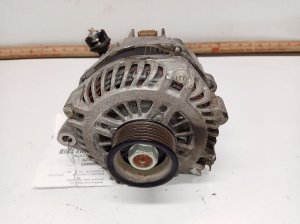
- Alternator
(OEM #DG1Z-10346-B)— The internal voltage regulator is the most common point of failure, and it is integrated into the alternator assembly.
Trusted brands: Motorcraft
OEM price range: $350-$550
Aftermarket price range: $250-$450 - Alternator Pigtail Connector
(OEM #WPT-118)— The 3-pin connector is a common failure point due to heat and vibration, causing corrosion or broken wires.
Trusted brands: Motorcraft, Dorman (645-136), Duralast (611)
OEM price range: $30-$45
Aftermarket price range: $15-$30
Related Codes That Often Appear With This One
- P0625 — This code means "Generator Field 'F' Control Circuit Low." P0625 and P0626 are direct counterparts, indicating a short to ground versus an open/short to power, respectively. They often point to the same root cause, such as a faulty internal voltage regulator in the alternator.
- P0620 — This is a more general "Generator Control Circuit Malfunction" code that can appear alongside P0626, indicating a broader failure in the alternator's communication with the PCM.
Platform-Specific Known Issues
- Recall 18S25 (NHTSA 18V548000): For the 2019 Ford Flex (and other models), a recall was issued because the power supply cables at the starter and alternator may not have been properly secured. This could lead to cross-threading or loose nuts, increasing the potential for an electrical arc, loss of power, or fire. It's critical to check if this recall applies to your vehicle and has been completed.
Mechanic-Grade Diagnostic Values
- GENMON PID (Parameter ID) on Scan Tool — expected: 3% to 98% duty cycle during normal operation.. Failure: A duty cycle of 98% or more indicates an open or short-to-voltage fault, triggering P0626.
- Resistance of GENMON circuit wire — expected: Less than 0.5 ohms.. Failure: Resistance greater than 0.5 ohms indicates excessive resistance or an open in the wire between the alternator connector and the PCM connector.
- Voltage drop on B+ cable (Alternator to Battery Positive) — expected: Less than 0.5 volts.. Failure: A voltage drop greater than 0.5 volts with electrical loads on (headlights, blower fan) indicates a poor connection or corroded cable.
- Voltage at Alternator Connector C102A, Pin 3 (Circuit SBB17, RD wire) — expected: Battery voltage (12.2V+), test lamp illuminates brightly.. Failure: No voltage or a dim lamp indicates a problem with the 'A' sense circuit, which can contribute to charging faults.
Scan Tool Commands That Help
- Ford IDS / High-End Scan Tools: Force Default Charging Mode — If communication with the alternator is suspect, a technician can manually force the system into a default state. Disconnecting the 3-pin regulator connector and briefly revving the engine to 2500 RPM will also force the alternator to a default ~13.7 volt output, helping to isolate whether the alternator itself can charge versus a control circuit problem.
- Ford IDS / FORScan: BMS Reset (Battery Monitoring System) — This function must be performed after replacing the vehicle's battery. It informs the PCM that a new battery is installed, resetting the charging strategy. Failing to do this can lead to overcharging a new battery and potentially triggering charging system codes.
Wiring & Ground Locations
- C102A — The 3-pin electrical connector on the alternator.. This is the primary connector for the GENMON and GENCOM control circuits. Pin 1 (VT wire for non-turbo, YE for others) is the GENMON circuit that triggers P0626. Pin 2 is GENCOM, and Pin 3 is the 'A' sense circuit.
- G103 — On the left side of the engine compartment, sometimes on the cowl above the brake booster.. This is a major body and module ground. A poor connection here can cause a host of electrical issues, including erratic behavior from the PCM which controls the charging system.
- G104 — On the transmission assembly or right rear of the engine.. This is a primary engine/powertrain ground. A poor ground connection between the engine block (where the alternator is mounted) and the chassis/battery can cause charging system faults.
- PCM Connector C1381B (Turbo) / C175B (Non-Turbo) — At the Powertrain Control Module, typically located in the engine bay near the firewall.. This is the other end of the GENMON circuit. For Turbo models, the GENMON wire (VT) is at Pin 14 of connector C1381B. This is where continuity and short-to-power tests originate.
Real Owner Repair Stories
- Reddit r/FordFlex (2016 Ford Flex EcoBoost Limited) — Intermittent "Check Charging System" and "Low Power, features turned off" messages. Codes P0626 and P065B present.
❌ Tried (didn't work) Multiple charging system tests at auto parts stores gave conflicting results ('everything fine' vs 'check connection').
✅ What actually fixed it The user suspected a faulty remanufactured alternator or a loose connection on it. The intermittent nature combined with the codes pointed towards the quality of the aftermarket part or its installation rather than a separate wiring fault.
OEM Part Supersession History
AA5Z-10346-B→DG1Z-10346-B— Standard part revision and update by the manufacturer.
Diagnostic Flowchart
Other Known Issues on This Vehicle
Issues unrelated to this code that are worth knowing about as an owner of this generation:
- Internal Water Pump Failure 🔴 High — Common failure point, often occurring between 90,000 and 150,000 miles. When the pump's internal seal fails, it leaks coolant directly into the engine oil, leading to catastrophic engine damage if not caught immediately. (Ref: No recall, but subject of multiple class-action lawsuits.)
- Power Transfer Unit (PTU) Failure (AWD Models) 🔴 High — The PTU (transfer case) is prone to overheating due to its proximity to the exhaust and contains a non-serviceable 'lifetime' fluid. The fluid breaks down, leading to seal failure, leaks, and eventual gear destruction. Symptoms include a burning gear oil/propane smell and grinding noises. (Ref: TSB 19-2017 was issued for fluid leaks from the intermediate shaft seal.)
- Electronic Throttle Body (ETB) Failure 🟠 Medium — A well-documented issue where the vehicle can suddenly enter a low-power 'limp-home mode' due to failure of the ETB's internal electronics. This was common enough that Ford issued Customer Satisfaction Program 13N03, which extended the warranty (now expired). Common codes are P2111 and P2112. (Ref: Ford TSB 16-0139 addresses this issue.)
- Fractured Rear Suspension Toe Links 🔴 High — Affects 2013-2018 models. The rear toe links can fracture, leading to a sudden loss of steering control. (Ref: Subject to a safety recall. Owners are advised to have the components inspected and replaced.)
- Faulty Door Ajar Switch 🟡 Low — A common annoyance where the 'door ajar' light stays on even when all doors are closed, often caused by a faulty switch inside the door latch assembly. This can lead to a parasitic battery drain.
Used vs. New Parts: Buying Guide for This Vehicle
When a used part is the smart pick: A used OEM alternator from a low-mileage, accident-damaged vehicle can be a viable option if budget is a primary concern. It is often preferable to a low-quality new or remanufactured aftermarket unit due to better compatibility with the Ford smart charge system. Used wiring pigtails are not recommended as new ones are inexpensive.
Donor-vehicle mileage cap: roughly under 60000 miles for the part to have meaningful remaining life.
What to inspect on the donor part:
- Check for signs of corrosion on the casing and terminals.
- Ensure the pulley spins freely without grinding or excessive noise.
- Verify the donor vehicle's mileage and ensure it was not involved in a front-end collision that could have damaged the alternator.
- Obtain a warranty from the salvage yard if possible.
OEM-only on this vehicle (don't cheap out):
- Alternator - While not strictly 'OEM-only', using a Motorcraft (new or remanufactured) alternator has the highest success rate and avoids the common communication issues seen with some aftermarket brands that can lead to persistent charging codes.
Aftermarket brands forum-validated for this vehicle:
- Denso
- Bosch
- AC Delco (Professional/Gold series)
Brands owners have reported issues with on this vehicle:
- Generic 'white box' or store-brand remanufactured units have a higher reported failure rate and can cause compatibility problems with Ford's PCM-controlled charging system.
Real Owner Stories
Aggregated from forums and TSBs cited above. Mileages and costs reflect what owners reported in those sources.
2014 Ford Flex 3.5L V6
Symptoms: Charging system warnings and power steering issues.
What fixed it: Replacement of the alternator.
Source hint: ScannerDanner Forum
2009 Ford Edge 3.5L V6
Symptoms: Intermittent charging issues related to the GENCOM and GENMON circuits.
What fixed it: Diagnosis of the smart charge system lines (GENCOM/GENMON) which trigger codes like P0626.
Source hint: Ford Edge Forum (fordedgeforum.com) thread titled '2009 edge intermittent charging issue'
2019 Ford Flex 3.5L V6
Symptoms: Potential for electrical arc, loss of power, or fire due to improperly secured power supply cables.
What fixed it: Inspection and securing of power supply cables at the starter and alternator per Recall 18S25.
Source hint: Recall 18S25 (NHTSA 18V548000)
Related OBD-II Codes
Frequently Asked Questions
Is there a recall for the charging system on my 2019 Ford Flex?
Can I use a standard lead-acid battery in my Flex if I'm getting P0626?
What specific alternator should I buy for the 3.5L Cyclone V6 to avoid compatibility issues?
Is there a specific wiring part I should check if my alternator connector is corroded?
My Flex has a whining noise and a 'Check Charging System' light; is this related to P0626?
What scan tool reading indicates a wiring fault instead of a bad alternator?
Helpful Videos
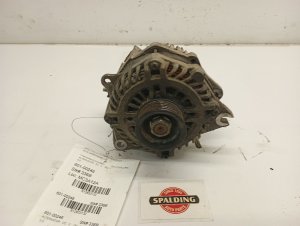
Used OEM Parts in Stock
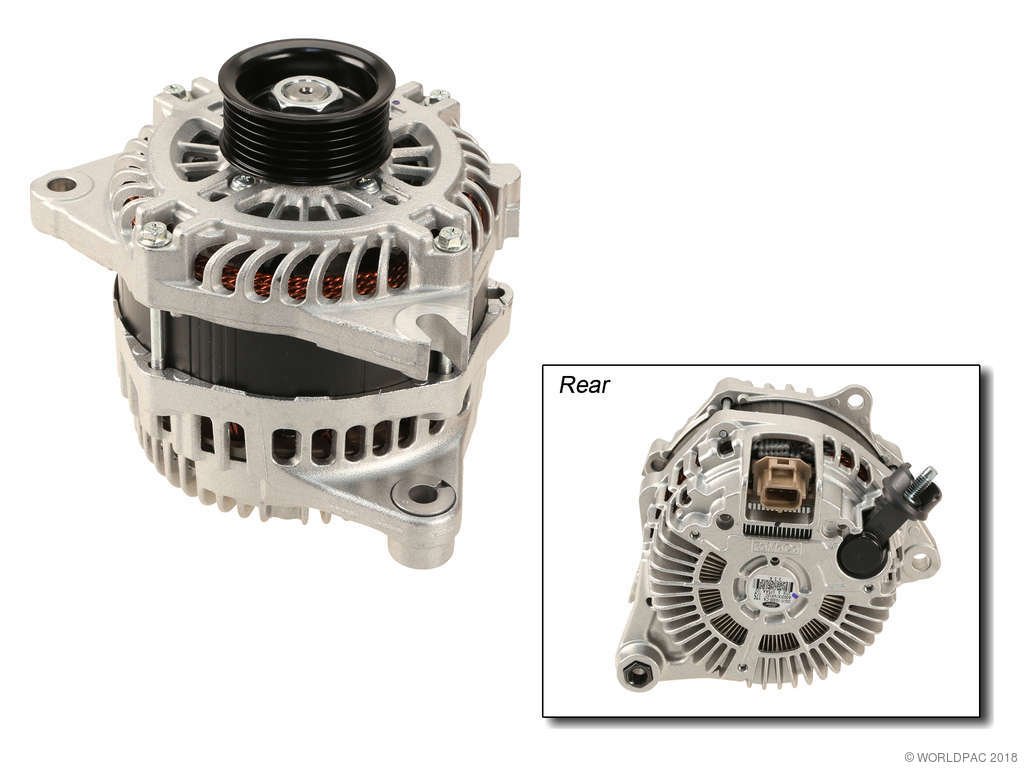
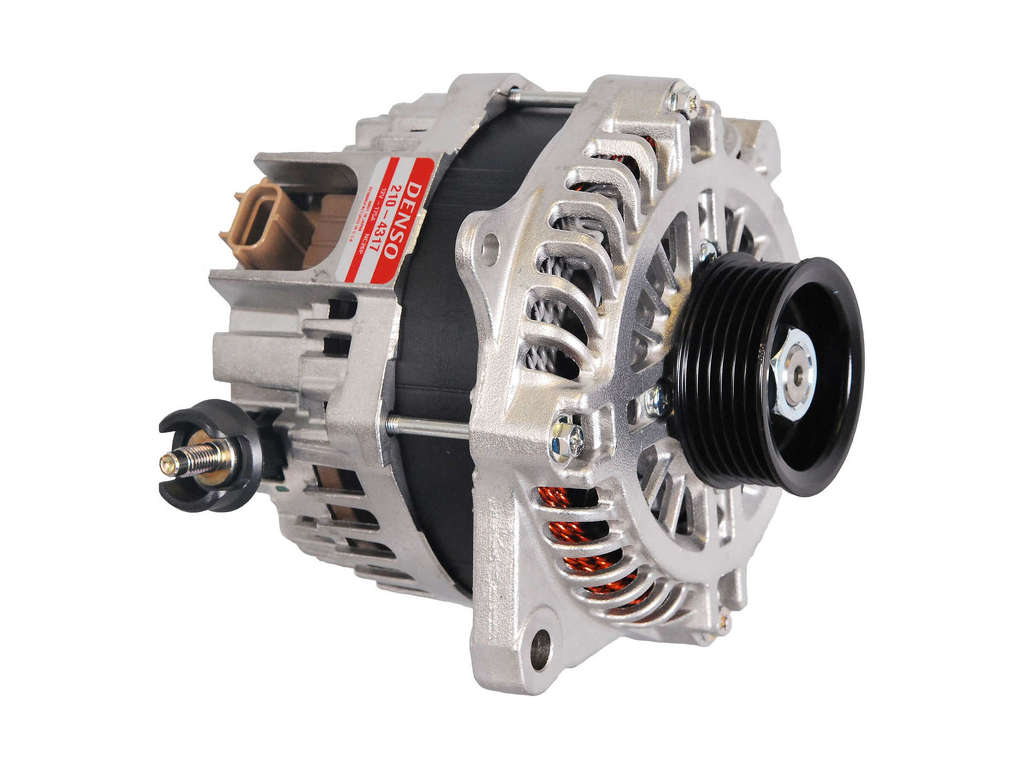
New Aftermarket Parts Available


The information in this article is provided for general reference and educational purposes only. Vehicle specifications, procedures, and part compatibility can vary by production date, trim level, and region. Always consult your vehicle's factory service manual and verify part numbers before purchasing or performing repairs. Safety-critical components such as airbags, seat belts, and braking systems should be installed by a qualified professional.
- Ford Flex:
- 🧭 Diagnostic Flowchart
- 🎬 Helpful Videos
- 🛍️ Shop This Part
- What's Unique About the 2009-2019 Ford Flex
- Symptoms You May Notice
- Most Likely Causes
- Rare But Worth Checking
- Diagnosis Steps
- Parts You'll Likely Need
- Related Codes That Often Appear With This One
- Platform-Specific Known Issues
- Mechanic-Grade Diagnostic Values
- Scan Tool Commands That Help
- Wiring & Ground Locations
- Real Owner Repair Stories
- OEM Part Supersession History
- Other Known Issues on This Vehicle
- Used vs. New Parts: Buying Guide for This Vehicle
- Real Owner Stories
- 2014 Ford Flex 3.5L V6
- 2009 Ford Edge 3.5L V6
- 2019 Ford Flex 3.5L V6
- Related OBD-II Codes
- Frequently Asked Questions
- 🎟️ Get 5% Off