

Ford Focus P0626: Generator Field 'F' Control Circuit High Causes & Fixes (2012-2018)
P0626 on a 2012-2018 Ford Focus almost always indicates a failing alternator, specifically its internal voltage regulator. A battery light and potential stalling are common symptoms. Diagnosis involves checking charging voltage (should be 13.5V-14.8V) and inspecting the 3-pin alternator connector. Expect to pay $250-$550 for a quality replacement alternator (like Motorcraft GL-8687), with DIY difficulty being moderate (3/5) due to tight access in the engine bay.
- P0626 on your Focus means the computer has detected a high voltage or open circuit fault in the alternator's control wire, indicating a charging system problem.
- The most frequent cause is a failed internal voltage regulator within the alternator itself.
- Driving is not recommended as the vehicle could stall without warning.
- Diagnosis involves checking charging voltage and inspecting the alternator wiring harness, especially the 3-pin connector.
- When replacing the alternator, using an OEM Motorcraft part (GL-8687) is highly recommended to avoid compatibility issues.
What's Unique About the 2012-2018 Ford Focus
The 2012-2018 Ford Focus uses a PCM-controlled "Smart Charge" system. This system is more complex than traditional charging systems, as the PCM actively manages the alternator's output to improve fuel efficiency and battery life. The PCM monitors the alternator's performance via the GENMON circuit; a duty cycle reading of 98% or more indicates an open or short-to-voltage fault, triggering P0626. The PCM expects to see a duty cycle between 3% and 98% on the GENMON circuit during normal operation. This reliance on precise digital communication means the system is sensitive to faults in the alternator's internal regulator or the wiring harness that connects it to the PCM. While the alternator is the most common culprit, wiring issues are a known possibility on this platform.
Symptoms You May Notice
- Illuminated battery or charging system warning light on the dashboard.
- Engine stalling or difficulty starting.
- Dimming, flickering, or overly bright headlights and interior lights.
- Electrical accessories behaving erratically (radio, power windows, etc.).
- A battery that repeatedly dies or has a burning smell from overcharging.
- Harsh automatic transmission shifting or other drivability problems due to low system voltage.
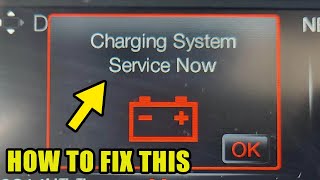
- "Service Charging System" message on the instrument cluster. 🎬 Watch: Step-by-step guide to fixing Ford's charging system warning light.
- Replacing the battery without testing the alternator. A new battery will quickly be drained or damaged by a faulty charging system, leading to a repeat of the original symptoms.
- Replacing the alternator with a low-quality aftermarket unit. Some owners report that non-OEM alternators can be incompatible with the Ford Smart Charge system, causing P0625 or P0626 to appear immediately after installation.
Most Likely Causes
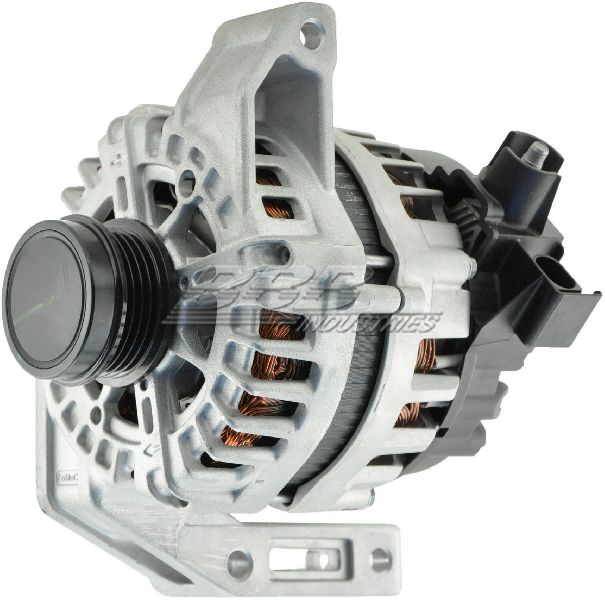
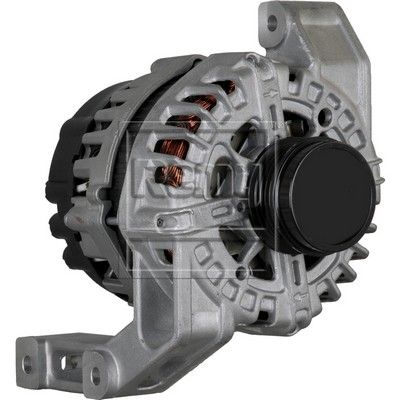
- Faulty Alternator (Generator) 🔴 High Probability → Shop Alternator The internal voltage regulator, which contains the field control circuitry, is the most common point of failure within the alternator. This component can fail internally, causing it to stop responding to the PCM's commands or create a short/open in the GENMON circuit.
How to confirm: With the engine running, use a multimeter to check the voltage at the battery terminals. A healthy system should read between 13.5V and 14.8V. If the voltage is too low, too high, or fluctuates wildly, the alternator is the primary suspect. Many auto parts stores can bench-test the alternator to confirm if its internal regulator has failed.
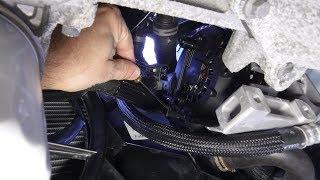
Typical fix: Replace the entire alternator assembly. 🎬 Watch this walkthrough for removing the alternator on a 2012 Focus. It is generally not cost-effective or common practice to replace the internal regulator alone. Using a remanufactured alternator from a non-OEM source can sometimes lead to immediate or premature failure, triggering the same codes.
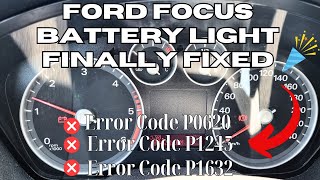
Est. part cost: $250-$550 - Damaged Wiring or Connector 🟡 Medium Probability The wiring harness to the alternator can become damaged from heat, vibration, or chafing against other engine components. The three-pin connector at the alternator (C102A) is a potential failure point, where pins can corrode or break. TSB 18-2062 specifically notes 🎬 See how to diagnose battery light warnings and related codes. that engine harness chafing is a known issue on 2012-2014 models, which can cause a variety of electrical DTCs.
How to confirm: Visually inspect the wiring harness between the PCM and the alternator for any signs of melting, chafing, or corrosion. Pay close attention to the 3-wire connector at the alternator. A continuity test on the GENMON wire (Yellow on this platform) between the alternator connector (C102A, Pin 1) and the PCM connector can confirm if the circuit is open.
Typical fix: Repair the damaged section of wire or replace the alternator pigtail connector if it is corroded or broken. Ensure repaired wires are protected with loom or electrical tape to prevent future damage.
Est. part cost: $15-$50 - Failing Battery ⚪ Low Probability → Shop Vehicle Battery While usually a symptom of a bad alternator, an old or internally shorted battery can cause erratic voltage issues that may confuse the charging system and trigger faults. The diagnostic procedure for P0626 always begins with a battery condition test.
How to confirm: Have the battery professionally load-tested at an auto parts store. This should only be done after confirming the alternator and wiring are in good condition. The battery voltage should be above 12.2V before starting diagnosis.
Typical fix: Replace the vehicle's battery. After replacement, the Battery Monitoring System (BMS) should be reset to ensure proper charging strategy.
Est. part cost: $150-$250
Rare But Worth Checking
- Powertrain Control Module (PCM) Failure: → Shop Engine Control Module (ECM) This is the least likely cause and should only be considered after the alternator, wiring, and battery have been definitively ruled out. A failed driver circuit inside the PCM can trigger this code. On the Focus platform, PCM failure is a known, albeit uncommon, issue that can cause various codes and drivability problems.
Diagnosis Steps
- Read all stored Diagnostic Trouble Codes (DTCs) with an OBD-II scanner.
- With the engine off, check the battery voltage using a multimeter. A healthy battery should read approximately 12.6V. Ensure it is above 12.2V before proceeding.
- Start the engine. Measure the charging voltage at the battery terminals. The reading should be stable and between 13.5V and 14.8V.
- If the voltage is incorrect, turn off the engine and disconnect the battery.
- Thoroughly inspect the wiring harness leading to the alternator, especially the 3-wire connector (C102A). Look for any signs of chafing, melting, corrosion, or loose pins. TSB 18-2062 points to a potential chafe point on the engine harness for 2012-2014 models.
- Check the main power (B+) connection on the alternator for tightness and corrosion.
- If the wiring appears to be in good condition and all connections are secure, the alternator is the most probable cause of the fault. Consider having it bench-tested for confirmation.
- If replacing the alternator does not resolve the code, a more advanced diagnosis is needed. This involves checking the continuity of the GENMON wire (Yellow wire) from the alternator connector (C102A, Pin 1) to the PCM connector (C175B) to rule out a hidden wire break.
- As a final step, if the alternator and wiring are confirmed to be good, the PCM may be at fault. This is a rare and expensive failure that requires professional diagnosis.
Parts You'll Likely Need
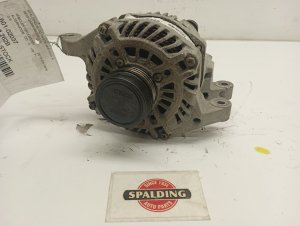
- Alternator / Generator
(OEM #BV6Z-10346-F (superceded by GL-8687-RM or GL-8687))— This is the most common cause for P0626, as the internal voltage regulator fails and can no longer be controlled by the PCM. The OEM part is a 150 Amp unit.
Trusted brands: Motorcraft, Bosch, Denso
OEM price range: $350-$550
Aftermarket price range: $200-$400
Related Codes That Often Appear With This One
- P0625 — This code means "Generator Field 'F' Control Circuit Low." P0625 and P0626 are direct counterparts and often point to the same set of problems within the alternator or its control circuit, just with different electrical fault conditions (short to ground vs. short to power/open).
- P0620 — This code stands for "Generator Control Circuit Malfunction." It's a more general charging system fault that can appear alongside the more specific P0625/P0626 codes, often indicating an issue with the alternator or its communication with the PCM.
Technical Service Bulletins (TSBs) & Recalls
- TSB 18-2062: Notes that some 2012-2014 Focus vehicles can exhibit various electrical and drivability issues due to engine wiring harness chafing. This TSB provides a procedure for inspecting and repairing the harness near the top of the engine.
Platform-Specific Known Issues
- There is a Ford Technical Service Bulletin (TSB 18-2062) for 2012-2014 Focus models that addresses potential engine wiring harness chafing. This can lead to various electrical issues and DTCs. While P0626 is not explicitly listed, the TSB highlights the platform's susceptibility to wiring problems that could be a root cause. The inspection involves removing the air cleaner and lifting the engine harness to check for damage near the top of the engine.
- Some owners have reported that using non-OEM, remanufactured alternators can cause persistent charging system codes like P0625 and P0626, suggesting an incompatibility with the Ford Smart Charge system. Sticking with a Motorcraft-branded part is often recommended to avoid this.
Mechanic-Grade Diagnostic Values
- GENMON (Generator Monitor) PID value — expected: 3% to 98% at idle and 3,000 RPM. Failure: A reading of 0% indicates a short to ground (P0625). A reading of 100% (or >98%) indicates an open circuit or short to power (P0626).
- GENVDSD (Generator Voltage Desired) PID value — expected: Should increase to greater than 13 volts within 15 seconds of starting the engine at idle.. Failure: If the voltage does not rise as commanded, it points to a fault in the alternator or its control circuit.
- Voltage at Alternator Connector C102A, Pin 3 (Orange-Light Blue wire) — expected: Battery Voltage (approx. 12.6V with engine off). Failure: No voltage indicates a blown fusible link or a break in the SDC14 circuit.
Scan Tool Commands That Help
- Ford IDS / FORScan: BMS Reset — This function must be performed after replacing the vehicle's battery. It tells the PCM that a new battery has been installed, resetting the learned charging strategy. Failure to do so can lead to overcharging the new battery and other electrical issues.
- Ford IDS / High-End Scan Tools: Output State Control: GENVDSD PID — A technician can use this bidirectional command to manually set the desired generator voltage (e.g., to 14.0 volts) and then monitor the GENMON PID to see if the alternator responds correctly. This helps isolate whether the fault is with the PCM's command or the alternator's ability to execute it.
Wiring & Ground Locations
- C102A — The 3-pin electrical connector on the alternator/generator.. This is the primary connection between the PCM and the alternator for the Smart Charge system. Pin 1 (Yellow) is the GENMON circuit, Pin 2 (Yellow-Light Blue) is the GENCOM (Generator Communication) circuit, and Pin 3 (Orange-Light Blue) is the always-hot voltage supply from a fuse. A fault at this connector is a common cause of P0626.
- C175B — The largest of the three main connectors on the Powertrain Control Module (PCM), located near the firewall/cowl area.. This connector contains the pins for the GENMON and GENCOM circuits that run to the alternator. When testing for a broken wire, you would check for continuity between the pins at C102A and the corresponding pins at this connector.
- G103 / G104 — Main engine bay ground points. Typically located on the chassis frame rail near the battery and below the airbox on the transmission bellhousing bolts.. A poor engine or chassis ground can cause a voltage differential that the PCM may interpret as a high circuit fault, triggering P0626. Many owners perform a "ground mod" by cleaning the paint from these ground points to ensure a solid connection, which has been known to solve various electrical gremlins on this platform.
Real Owner Repair Stories
- Ford Mondeo / Vignale Club forum post (Ford Mondeo (shares similar charging system with Focus)) — "Service Charging system" light on the dash.
❌ Tried (didn't work) Replacing the battery.
✅ What actually fixed it The user replaced the battery and confirmed the alternator was charging correctly (14.35V), but the light remained. The issue was unresolved in the thread, highlighting that even after replacing the most common parts, the code can persist, pointing towards a wiring or PCM issue that requires deeper diagnosis or a BMS reset.
OEM Part Supersession History
BV6Z-10346-F→GL-8687 or GL-8687-RM— Standard part lifecycle update and release of remanufactured (RM) version.
Heads up: While aftermarket alternators are available, many forum users report immediate P0625/P0626 codes after installing non-Motorcraft units. The Ford Smart Charge system is sensitive, and OEM or high-quality OEM-spec replacements are strongly recommended to ensure compatibility.
Model Year Variations Within This Range
- 2012-2014: These model years are specifically called out in TSB 18-2062 for potential engine wiring harness chafing near the top of the engine. While not exclusive to these years, the TSB highlights a known production issue that could be a root cause for P0626.
Diagnostic Flowchart
Other Known Issues on This Vehicle
Issues unrelated to this code that are worth knowing about as an owner of this generation:
- DPS6 'PowerShift' Automatic Transmission Failure 🔴 High — Extremely common on 2012-2016 models. Symptoms include shuddering, jerking, delayed engagement, and complete failure to move. (Ref: Multiple lawsuits, recalls, and extended warranty programs have been issued. (e.g., 14M02))
- Electric Power Steering Rack Failure 🔴 High — Common across the generation. Leads to a sudden loss of power steering assist, sometimes intermittently. Often throws code U3000.
- Faulty Canister Purge Valve 🟠 Medium — Widespread issue leading to engine stalling, rough idle, and difficulty starting after refueling. Can also deform the fuel tank. (Ref: Subject of recall 18S32.)
- Failed Passenger Side Engine Mount 🟠 Medium — Common failure item. The rubber mount collapses, causing the engine to rest on the frame, transmitting excessive vibration and harshness into the cabin.
- Poor Body/Chassis Ground Connections 🟡 Low — Several owners report that poor grounding from the factory (paint under terminals) can cause a host of difficult-to-diagnose electrical and transmission issues. (Ref: A known issue on Focus/C-Max/Escape per a Ford TSB.)
Used vs. New Parts: Buying Guide for This Vehicle
When a used part is the smart pick: For this specific repair, a used part is generally not recommended. The alternator's internal voltage regulator is the common failure point, and the age/condition of a used unit is a significant gamble. The labor involved in replacement is moderate, making a repeat job due to a faulty used part undesirable.
Donor-vehicle mileage cap: roughly under 50000 miles for the part to have meaningful remaining life.
What to inspect on the donor part:
- Check for a clean, corrosion-free housing.
- Ensure the pulley spins freely without noise or excessive play.
- Verify the electrical connector pins are straight and clean.
- If possible, ask the salvage yard if they can bench-test the unit before purchase.
OEM-only on this vehicle (don't cheap out):
- Alternator / Generator
Aftermarket brands forum-validated for this vehicle:
- Bosch (often an OEM supplier)
- Denso
Brands owners have reported issues with on this vehicle:
- Generic, unbranded, or 'white-box' remanufactured units sold at major chain auto parts stores have a high rate of incompatibility complaints on forums for this specific Ford Smart Charge system.
Real Owner Stories
Aggregated from forums and TSBs cited above. Mileages and costs reflect what owners reported in those sources.
2014 Ford Focus
Symptoms: Persistent charging system codes, including P0626 and P0625, continued to appear even after replacing the original alternator with a non-OEM, remanufactured unit.
What fixed it: The issue was resolved by replacing the incompatible aftermarket alternator with a genuine Motorcraft-branded part.
Source hint: Vehicle Specific Issues section noting incompatibility with non-OEM alternators
2013 Ford Focus
Symptoms: The vehicle exhibited various electrical and drivability issues, which were traced back to a damaged engine wiring harness.
What fixed it: The problem was fixed by inspecting the engine harness near the top of the engine and repairing a chafed section of wiring, as outlined in the TSB procedure.
Source hint: TSB 18-2062
Related OBD-II Codes
Frequently Asked Questions
I replaced the alternator on my 2014 Focus with an aftermarket part and the P0626 code came back. Why?
Is there a recall for this charging system problem on my 2012-2014 Focus?
My mechanic suspects a wiring issue. Is that a common problem on these cars?
What voltage should I see at the battery when my Focus is running?
Do I need to do anything special after replacing the battery in my Focus?
Could the P0626 code be related to my car's harsh shifting?
Helpful Videos
Used OEM Parts in Stock
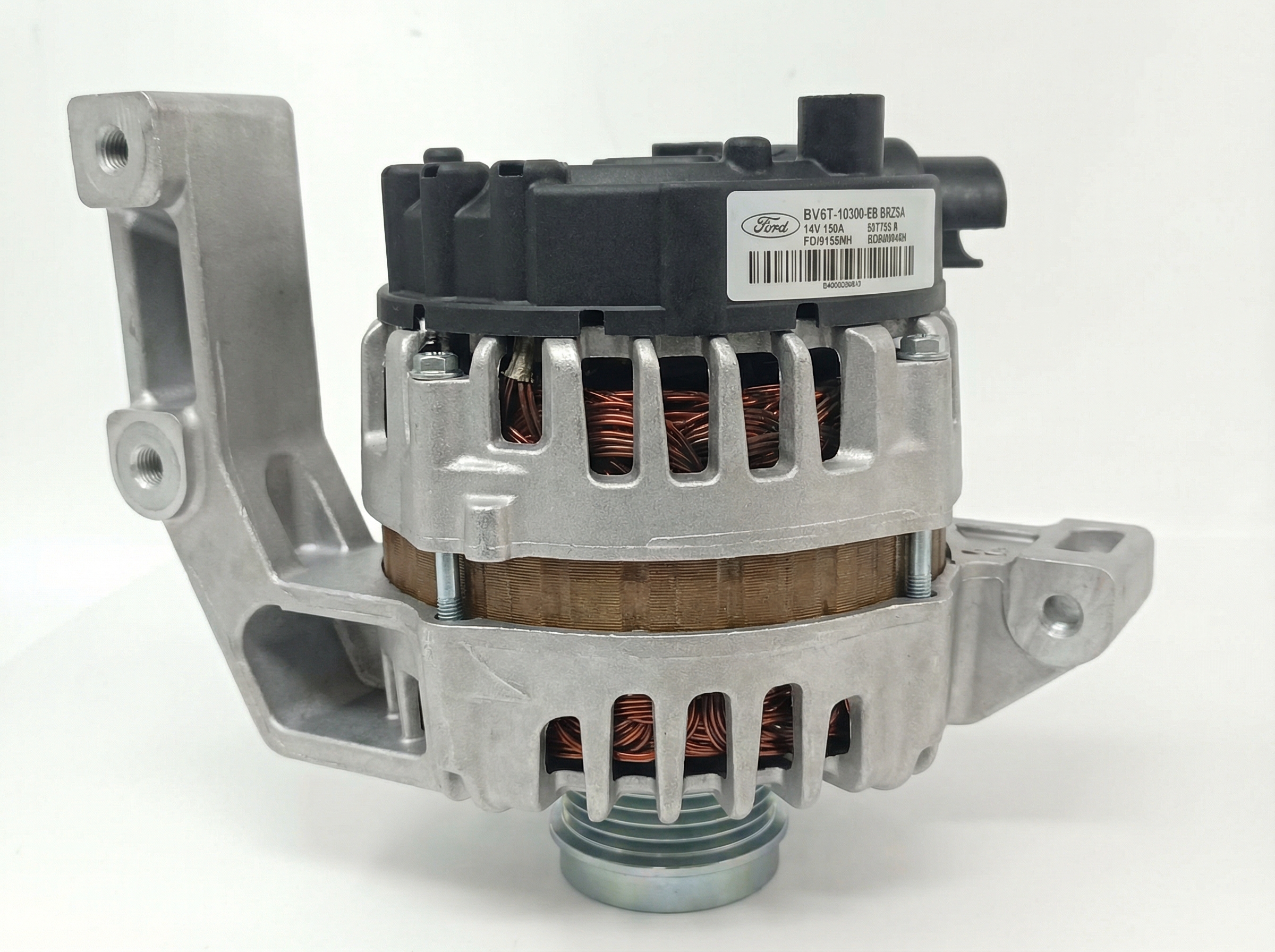
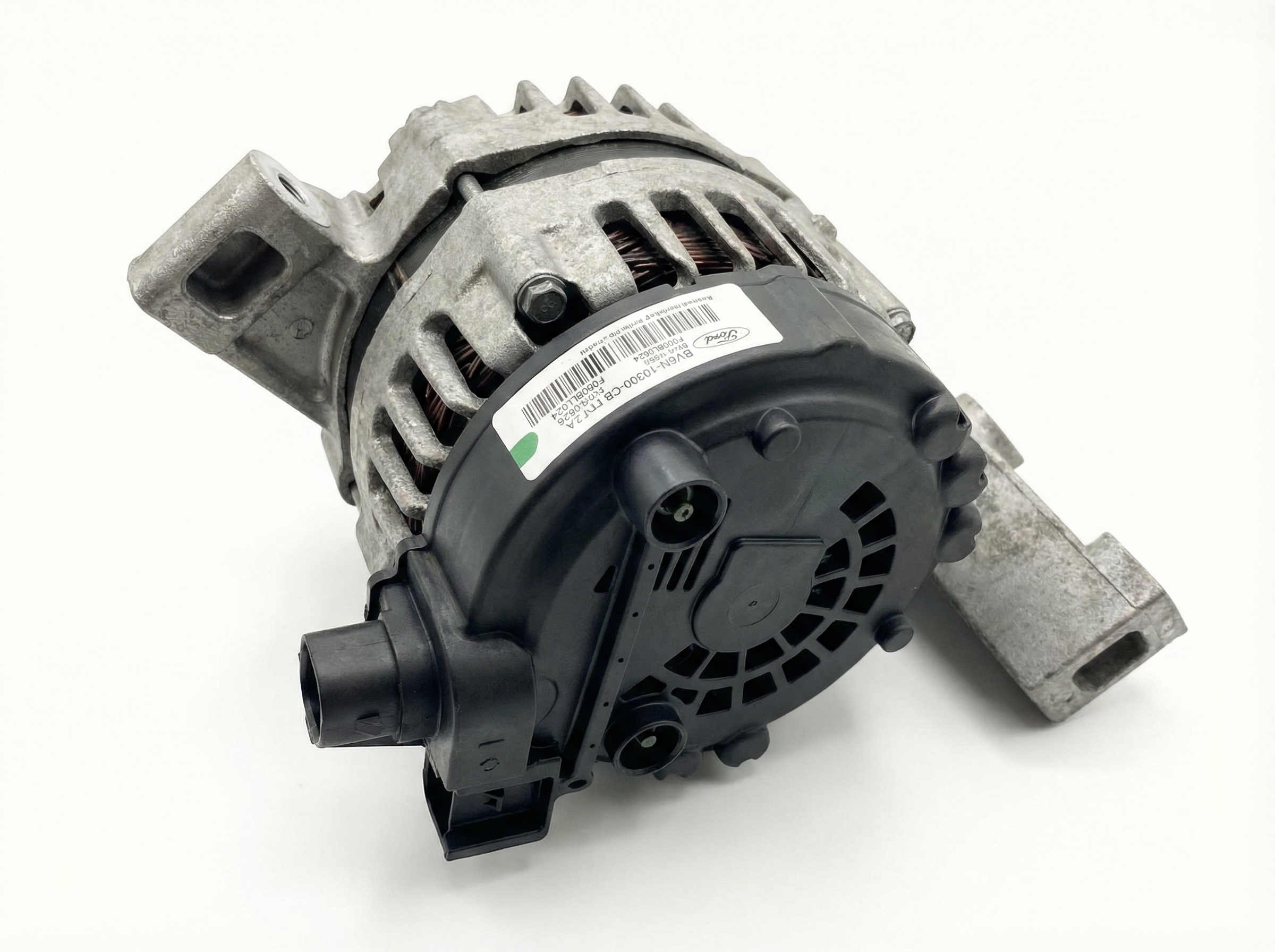
New Aftermarket Parts Available

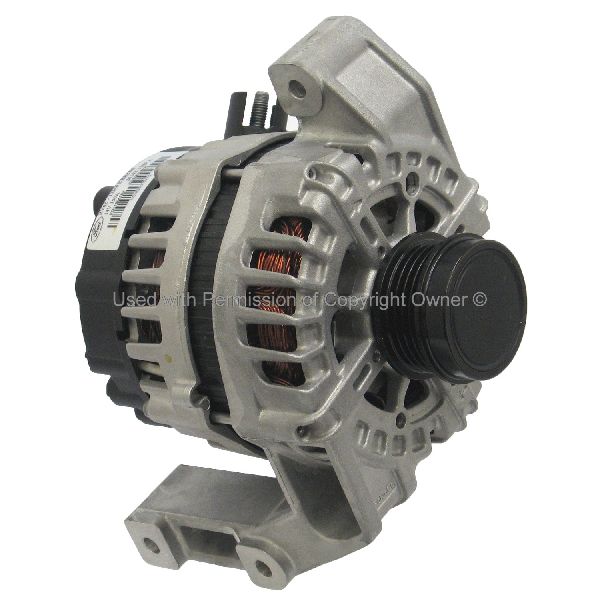
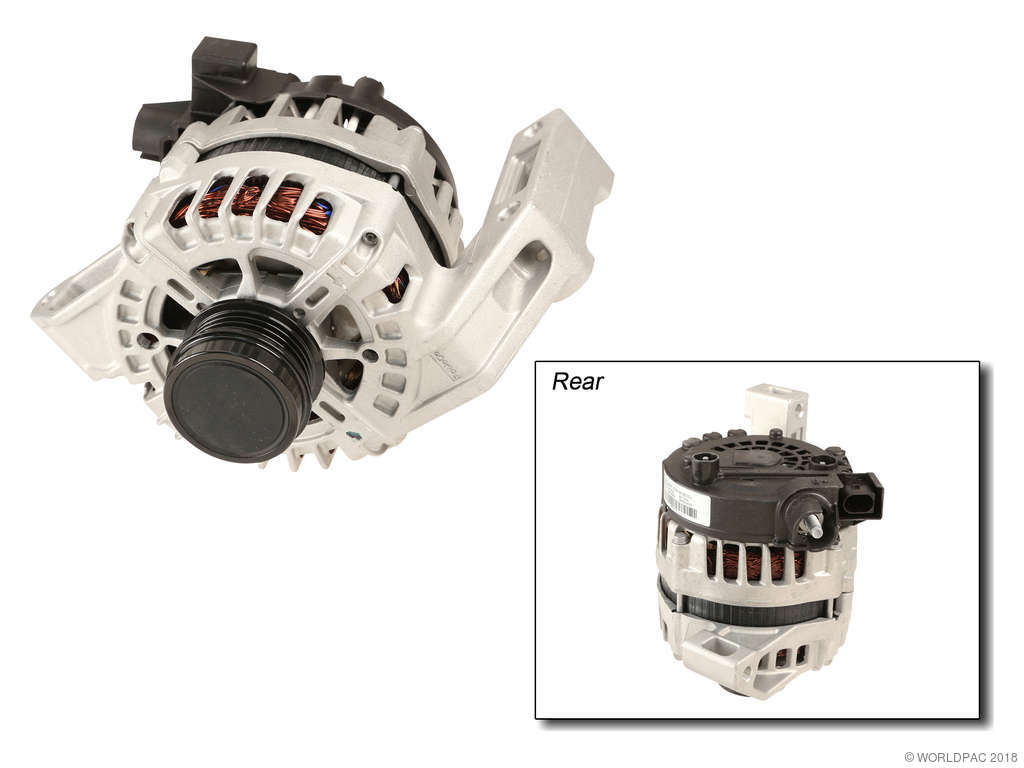

The information in this article is provided for general reference and educational purposes only. Vehicle specifications, procedures, and part compatibility can vary by production date, trim level, and region. Always consult your vehicle's factory service manual and verify part numbers before purchasing or performing repairs. Safety-critical components such as airbags, seat belts, and braking systems should be installed by a qualified professional.
- Ford Focus:
- 🧭 Diagnostic Flowchart
- 🎬 Helpful Videos
- 🛍️ Shop This Part
- What's Unique About the 2012-2018 Ford Focus
- Symptoms You May Notice
- Most Likely Causes
- Rare But Worth Checking
- Diagnosis Steps
- Parts You'll Likely Need
- Related Codes That Often Appear With This One
- Technical Service Bulletins (TSBs) & Recalls
- Platform-Specific Known Issues
- Mechanic-Grade Diagnostic Values
- Scan Tool Commands That Help
- Wiring & Ground Locations
- Real Owner Repair Stories
- OEM Part Supersession History
- Model Year Variations Within This Range
- Other Known Issues on This Vehicle
- Used vs. New Parts: Buying Guide for This Vehicle
- Real Owner Stories
- 2014 Ford Focus
- 2013 Ford Focus
- Related OBD-II Codes
- Frequently Asked Questions
- 🎟️ Get 5% Off