

P0626 on 2019-2020 Ram 3500 6.7L Cummins: Generator Field Control Circuit High Causes and Fixes
P0626 on a 2019-2020 Ram 3500 with the 6.7L Cummins engine indicates a high voltage condition in the alternator's control circuit. The most common causes are a faulty alternator, damaged wiring, or a software issue requiring a PCM update. Check for TSBs regarding a PCM flash first, as this is a well-documented fix. If hardware is the issue, inspect wiring before replacing the alternator.
- P0626 means the control circuit for your alternator is seeing higher voltage than normal.
- Before replacing any parts, check for applicable TSBs, as a simple PCM software update from a dealer may be the only fix required for your 2019-2020 Ram 3500.
- The most common hardware failures are a bad alternator or damaged wiring between the alternator and the engine computer.
- Always ensure the dual batteries and all their connections are clean and tight, as poor connections can cause a variety of electrical issues on these trucks.
- Driving with this code can leave you stranded if the battery dies, so it's best to diagnose and repair it promptly.
What's Unique About the 2019-2020 Ram 3500
On the 2019-2020 Ram 3500 with the 6.7L Cummins, the P0626 code is frequently mentioned in manufacturer Technical Service Bulletins (TSBs) alongside a wide array of other engine and emissions-related codes. This strongly suggests that the code can be triggered due to a software anomaly rather than a direct hardware failure. 🎬 Watch: A quick breakdown of P0626 causes and solutions. In these cases, a PCM software update (flash), performed by a dealer, is the specified fix. Therefore, checking for applicable TSBs like 18-019-20 is a critical first step before replacing any parts.
Diagnostic Flowchart
Tap your situation to follow the diagnostic path that matches what you're seeing on this vehicle.
Symptoms You May Notice
- Check Engine Light illuminated
- Battery or charging system warning light on the dashboard
- Fluctuating or incorrect voltage reading on the gauge
- Engine stalling or running rough
- Dimming, flickering, or overly bright lights
- Difficulty starting the engine
- Other electrical accessories behaving erratically
- Burning smell from the battery due to overcharging
- Replacing the batteries when the actual fault is with the alternator or its control circuit.
- Replacing the alternator when the root cause is a simple wiring issue or a PCM software update is needed. A forum user on ScannerDanner reported installing a remanufactured alternator that failed again after 5 minutes, demonstrating that an underlying circuit or control issue can mimic alternator failure.
Most Likely Causes
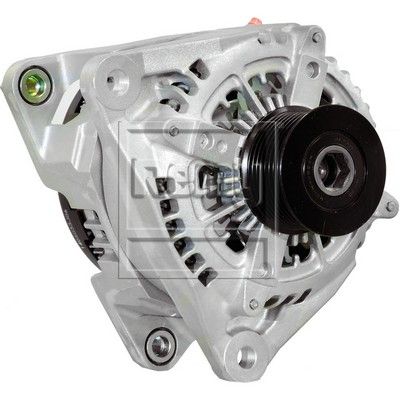
- Faulty Alternator 🔴 High Probability → Shop Alternator The internal voltage regulator within the alternator is a common failure point. It can fail to correctly interpret the PCM's command signal or fail internally, causing a high voltage condition on the control circuit.
How to confirm: With the engine running, use a multimeter to test the output voltage at the alternator and battery. If the voltage is excessively high (e.g., over 15 volts) or not charging at all, the alternator is likely faulty. A professional bench test can also confirm failure. An advanced diagnostic approach involves using an oscilloscope to verify the PWM signal from the PCM on the field control circuit.
Typical fix: Replace the alternator.
Est. part cost: $250-$600 - Damaged Wiring or Poor Connections 🟡 Medium Probability The generator field control circuit wire, identified in service literature as the (K20) Generator Field Control circuit, can become shorted to a power source, frayed, or corroded. This can happen due to engine heat, vibration, or chafing against other components in the engine bay.
How to confirm: Visually inspect the wiring harness between the PCM and the alternator. Check for any signs of damage, chafing, or corrosion, especially at the connectors. Use a multimeter to check for a short to voltage on the field control circuit with the alternator disconnected and ignition on.
Typical fix: Repair the damaged section of the wire or replace the connector pigtail. Ensure all connections are clean and secure.
Est. part cost: $10-$100 - Powertrain Control Module (PCM) Software Issue 🟡 Medium Probability → Shop Engine Control Module (ECM) As documented in multiple TSBs for this specific vehicle (e.g., 18-019-20), the P0626 code can be erroneously set due to software glitches that misinterpret normal operating parameters.
How to confirm: A Ram dealer or a qualified shop with access to OEM software (like wiTECH) can check if the vehicle's PCM calibration is up to date by referencing the latest TSBs against the vehicle's VIN.
Typical fix: Reprogram (flash) the PCM with the latest manufacturer software. This is a common, dealer-performed procedure.
Est. part cost: $0-$200 (Labor cost for flashing)
Rare But Worth Checking
- Faulty Powertrain Control Module (PCM): → Shop Engine Control Module (ECM) While rare, the internal driver circuit in the PCM that sends the signal to the alternator can fail. This should only be considered after all other possibilities (wiring, alternator, software) have been exhaustively ruled out. Diagnostic procedures specify PCM replacement only after confirming the wiring integrity.
- Poor Battery or Ground Connections: → Shop Vehicle Battery Corroded or loose battery terminals, ground straps, or the main crossover cable between the two batteries on the Cummins can cause erratic electrical behavior and charging system faults. An imbalance or poor connection in the dual-battery setup can confuse the charging system logic. Always ensure these connections are clean and tight before diagnosing other components.
Diagnosis Steps
- Check for TSBs: First, use the vehicle's VIN to check with a dealer or online resource for applicable Technical Service Bulletins, specifically 18-019-20, which addresses P0626 with a PCM flash.
- Inspect Battery and Connections: Ensure both batteries are fully charged and pass a load test individually. Clean and tighten all battery terminals, ground connections, and the battery crossover cable.
- Scan for Other Codes: Use an OBD-II scanner to check for any other codes. A cluster of codes listed in TSBs (like P2002, P218F, etc.) makes a software issue highly probable.
- Inspect Wiring: Carefully inspect the (K20) Generator Field Control circuit wiring harness running from the PCM to the alternator. Look for any signs of melting, chafing, or corrosion at the connectors.
- Test the Circuit for Shorts: Disconnect the alternator harness connector. Turn the ignition on (engine off). Use a multimeter to probe the generator field control circuit pin in the harness connector. If any voltage is present, there is a short to power in the wiring that must be repaired.
- Test Alternator Output: If the wiring and software are confirmed to be okay, reconnect the alternator. Start the engine and measure the voltage across the battery terminals. It should be between approximately 13.5 and 14.8 volts. If it is significantly higher or lower, the alternator is likely faulty.
- Consider PCM Failure: If all the above steps fail to identify the problem and the wiring is confirmed to have good continuity to the PCM, the PCM's internal driver may have failed. This is a last resort and should be confirmed by a professional.
Parts You'll Likely Need
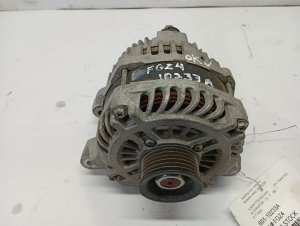
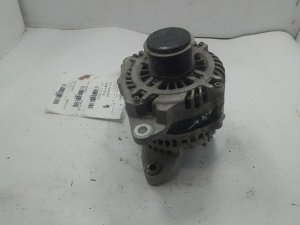
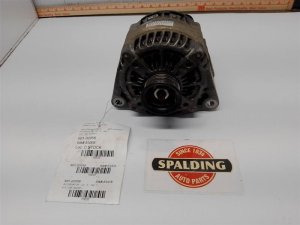
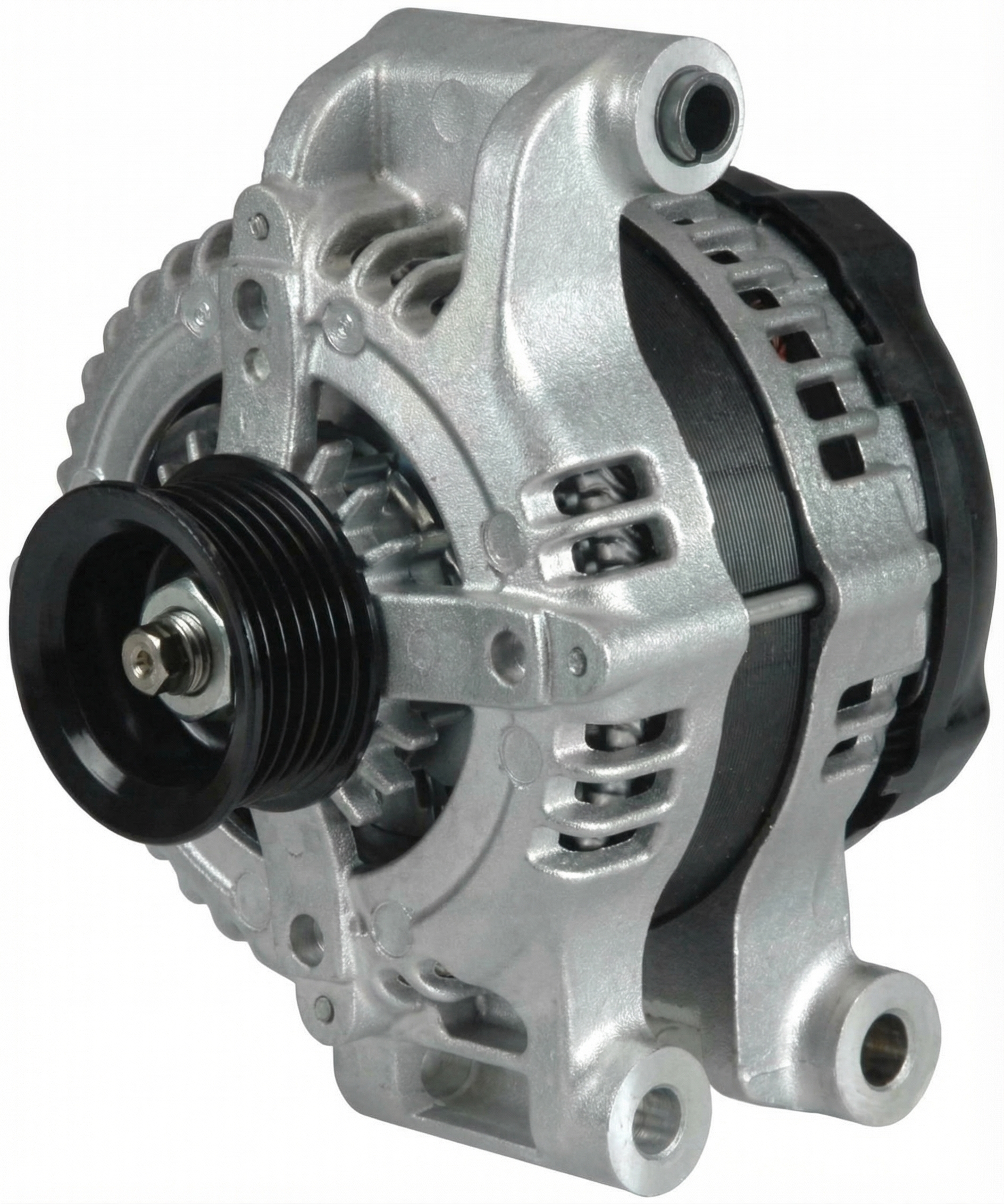
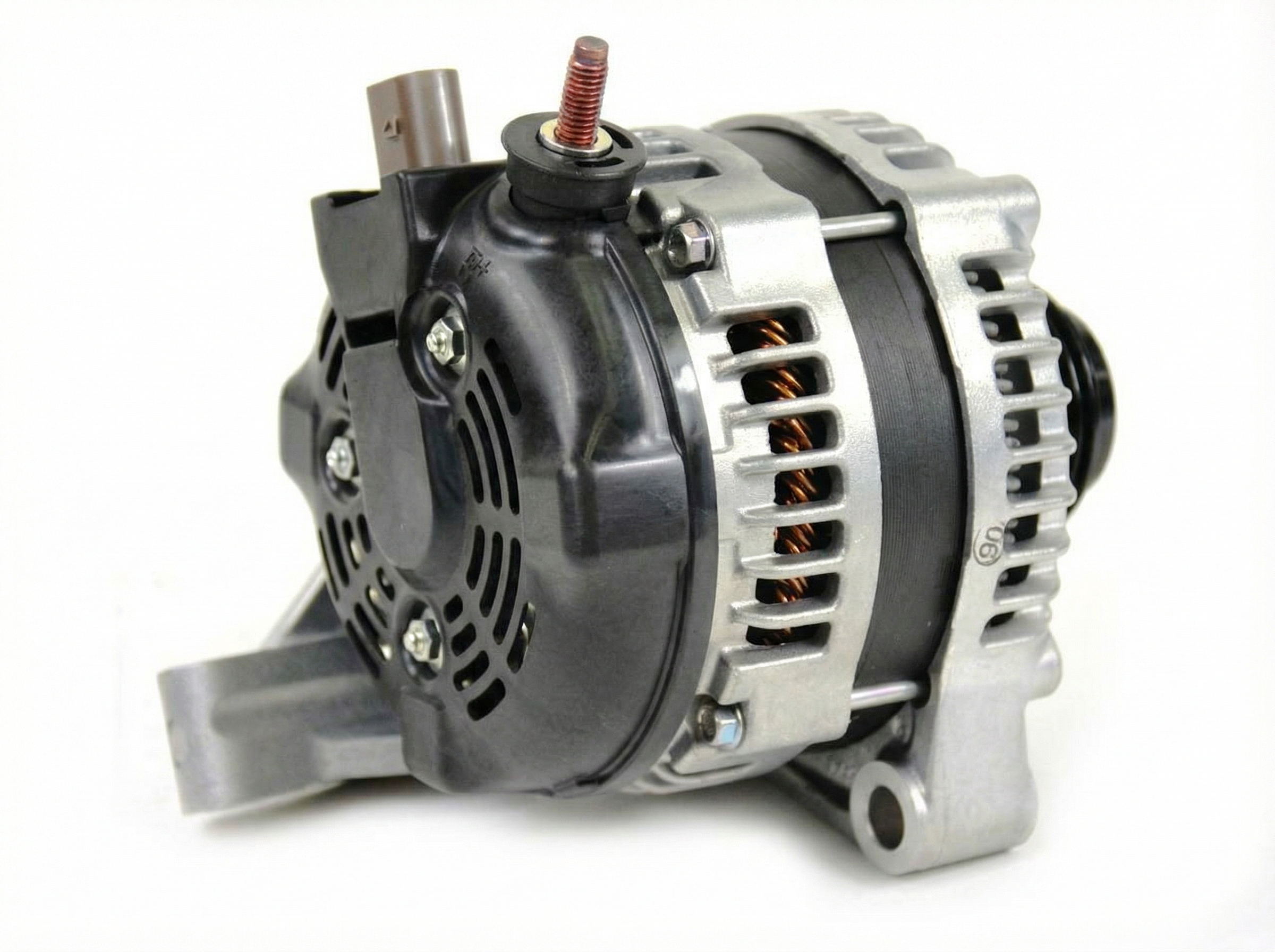
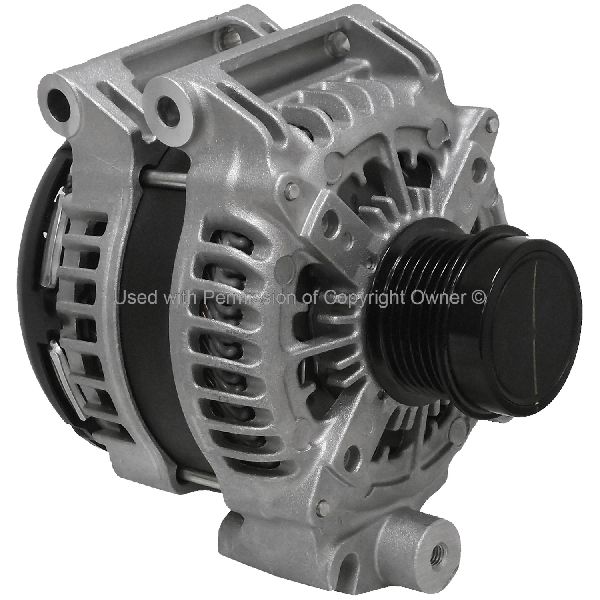
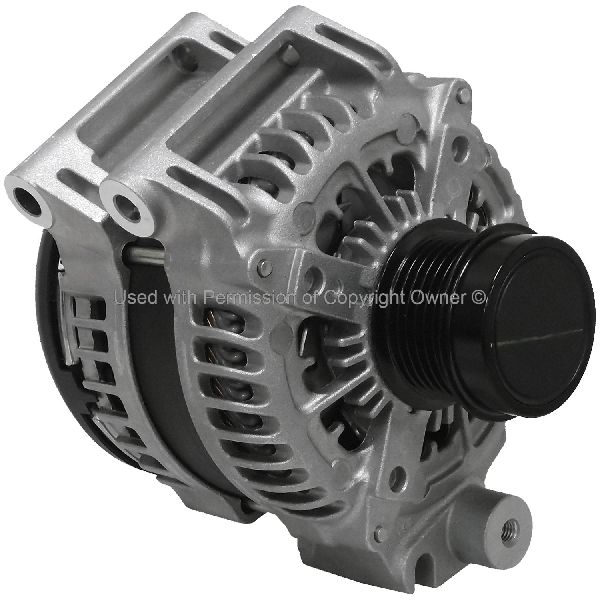
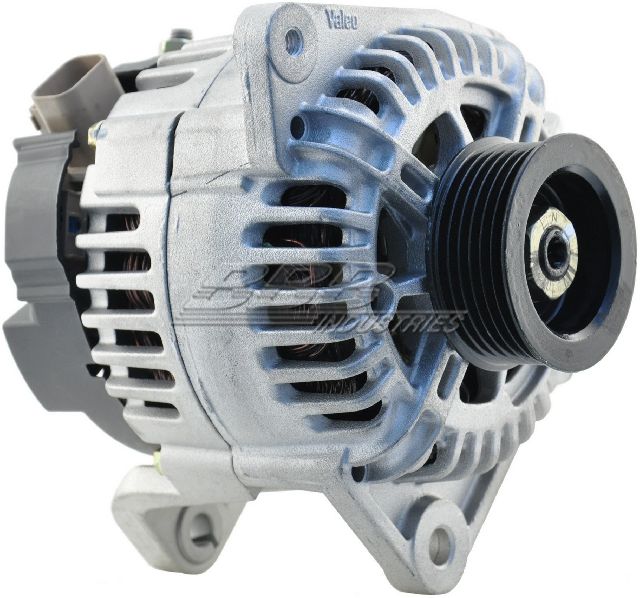
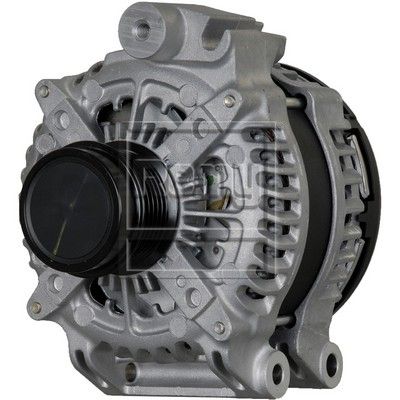
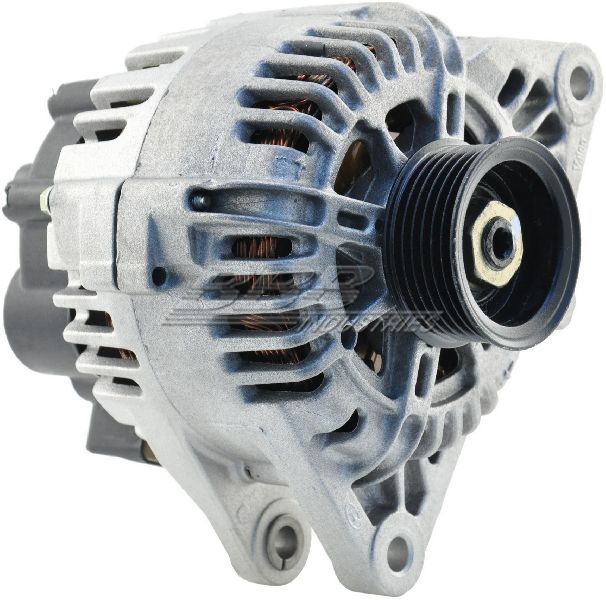
- Alternator (Generator)
(OEM #4801768AE)— The internal voltage regulator is the most common point of failure that leads to this code. On most modern vehicles, the regulator is integrated into the alternator and not serviced separately.
Trusted brands: Mopar, Bosch, Denso, Carquest
OEM price range: $400-$600
Aftermarket price range: $250-$450 - Alternator Connector Pigtail — If the 2-wire connector at the alternator is corroded or damaged from heat/vibration, replacing the pigtail is necessary to ensure a solid connection to the field control circuit.
Trusted brands: Mopar, Dorman (e.g., 645-569, though fitment should be verified)
OEM price range: $40-$80
Aftermarket price range: $15-$50
Related Codes That Often Appear With This One
- P0625 — This code is for "Generator Field/F Terminal Circuit Low." It's the counterpart to P0626 and indicates a voltage lower than expected in the same circuit, pointing to a general fault in the alternator control system.
- P218F, P2002, P24A5, P0299, P1D73, P0191, P0401 — These codes, related to the emissions system, fuel pressure, and turbo, are listed alongside P0626 in TSB 18-019-20. Their appearance together strongly points towards a required PCM software update rather than multiple simultaneous hardware failures.
Technical Service Bulletins (TSBs) & Recalls
- 1800824: Lists P0626 among other DTCs for 2020 models, often addressed by software updates.
- 1800724: Lists P0626 among other DTCs for 2019 models, often addressed by software updates.
- 18-056-22: Lists P0626 among other DTCs for 2019 models, often addressed by software updates.
- 1805622: Lists P0626 among other DTCs for 2019 models, often addressed by software updates.
- 18-019-20: A comprehensive PCM flash update for 2019 models that specifically lists P0626 as a code that can be resolved with the new software, along with numerous other performance and system enhancements.
Platform-Specific Known Issues
- Multiple Technical Service Bulletins (TSBs), including #18-056-22, #1800724, and most notably #18-019-20, have been issued for 2019-2020 Ram 2500/3500/4500/5500 trucks with the 6.7L Cummins engine. These bulletins address a long list of DTCs, including P0626, that can be resolved by reprogramming the Powertrain Control Module (PCM) with updated software. This indicates a known issue where the code may be triggered falsely and a software update should be the first diagnostic consideration.
Mechanic-Grade Diagnostic Values
- Charging System Voltage (at battery terminals, engine running) — expected: Approx. 13.5 V to 14.8 V. Failure: Voltage significantly above or below this range.
- Generator Field Control Circuit Voltage (at PCM or alternator connector) — expected: Pulse Width Modulated (PWM) signal, typically fluctuating between 0V and 5V.. Failure: Voltage consistently above 5V suggests a short to power.
- Alternator Field Winding Resistance (measured across the two field terminals on the alternator) — expected: A low resistance value, for example ~2.0 ohms (based on similar model).. Failure: A reading of OL (Over Limit or open) indicates a broken winding inside the alternator.
Scan Tool Commands That Help
- wiTECH or equivalent professional scan tool: Generator Field Control Bidirectional Test — This function allows a technician to command the alternator's field circuit on and off directly from the scan tool. It is used to verify if the PCM and wiring are capable of controlling the circuit. If the command works (e.g., a test light connected to the circuit illuminates and turns off as commanded), but the alternator still doesn't charge correctly, the fault is almost certainly within the alternator itself.
Real Owner Repair Stories
- ScannerDanner Forum (2018 Ram 5500 6.7L) — P0626 code set, batteries not charging.
❌ Tried (didn't work) Installed a remanufactured alternator.
✅ What actually fixed it The final fix was not posted, but the critical diagnostic advice provided was to test the control circuit independently of the alternator. The expert suggestion was to disconnect the alternator and connect a simple test load, like a turn signal bulb, between the generator field control circuit wire and a good ground. Using a scan tool's bidirectional control to command the circuit on/off should make the bulb flash. If the PCM can light the bulb, the PCM and wiring are confirmed good, pointing to a faulty alternator. If it cannot, the fault is in the wiring or the PCM itself.
OEM Part Supersession History
4801768AA, 4801768AC, 4801768AD→4801768AE— Standard part revision and improvement by the manufacturer.
Model Year Variations Within This Range
- 2018+: Beginning in 2018 and including the 2019-2020 models, Ram introduced a Security Gateway Module (SGM/SGW). This module complicates diagnostics and component replacement, particularly for the PCM. Replacing a PCM is no longer a simple swap; it requires programming with dealer-level tools (like wiTECH with CDA6) that can properly interface with the security gateway to register the new module's VIN and security credentials. Failure to do so will result in a no-start condition.
Helpful Videos


Used OEM Parts in Stock
New Aftermarket Parts Available

The information in this article is provided for general reference and educational purposes only. Vehicle specifications, procedures, and part compatibility can vary by production date, trim level, and region. Always consult your vehicle's factory service manual and verify part numbers before purchasing or performing repairs. Safety-critical components such as airbags, seat belts, and braking systems should be installed by a qualified professional.
- Ram 3500:
- 🧭 Diagnostic Flowchart
- 🎬 Helpful Videos
- 🛍️ Shop This Part
- What's Unique About the 2019-2020 Ram 3500
- Symptoms You May Notice
- Most Likely Causes
- Rare But Worth Checking
- Diagnosis Steps
- Parts You'll Likely Need
- Related Codes That Often Appear With This One
- Technical Service Bulletins (TSBs) & Recalls
- Platform-Specific Known Issues
- Mechanic-Grade Diagnostic Values
- Scan Tool Commands That Help
- Real Owner Repair Stories
- OEM Part Supersession History
- Model Year Variations Within This Range
- 🎟️ Get 5% Off