

OBD-II Code P0661: Intake Manifold Tuning Valve Control Circuit Low (Bank 1)
What P0661 means, why it triggers, and how to fix it
- P0661 indicates a low voltage condition—typically a short to ground—in the Bank 1 intake manifold tuning valve control circuit.
- The top three causes are a failed control solenoid, frayed wiring harnesses, or intake runner flaps jammed by carbon buildup.
- Expect a 5-10% drop in fuel economy, sluggish acceleration, and a rough idle until the circuit is repaired.
- Fix this code within 1-2 months to prevent unburned fuel from destroying your catalytic converter, a repair costing upwards of $1,500.
- Test the solenoid's resistance with a multimeter before buying parts; a healthy Mazda or Ford solenoid reads between 30 and 40 Ohms.
What Does P0661 Mean?

P0661 means your car's Powertrain Control Module (PCM) detects a low voltage problem in the electrical circuit for the intake manifold tuning valve on engine Bank 1. This valve system, also known as an Intake Manifold Runner Control (IMRC) or Variable Intake System (VIS), uses flaps to adjust the length of the air's path to the cylinders, optimizing torque and horsepower at different RPMs. The computer is seeing a voltage signal lower than expected, indicating a short to ground, high resistance in the circuit, or a faulty component.
Technical definition: Intake Manifold Tuning Valve Control Circuit Low Bank 1. This code indicates that the Powertrain Control Module (PCM) detects voltage from the intake manifold tuning valve control circuit is below manufacturer specified parameters, confirming a short to ground or circuit malfunction.
🎬 Watch: A quick overview of the P0661 code and its causes.Can I Drive With P0661?
Yes, But With Caution. You can drive the vehicle, but extended use is not recommended. You will experience reduced engine power, poor fuel economy, and a rough idle. The primary risk is the engine stalling at low speeds, creating a safety hazard in traffic. Ignoring the code long-term causes excessive carbon buildup and catalytic converter damage.
Common Causes

- Faulty Intake Manifold Tuning Valve (IMTV) Solenoid/Actuator (Very Common) — The electronic solenoid controlling the valve fails internally due to heat, vibration, or age, creating an electrical short or open circuit.
- Damaged wiring or poor connections (Very Common) — A compromised wiring harness leading to the tuning valve solenoid is a frequent culprit. This includes frayed wires, loose connectors, corrosion, or rodent damage (mice frequently chew soy-based wire insulation), resulting in a low voltage signal or short to ground.
- Sticking or carbon-fouled intake runner flaps (Common) — Carbon buildup inside the intake manifold jams the mechanical flaps (runners) controlled by the solenoid. The solenoid cannot overcome the physical resistance, triggering a circuit error.
- Failed Intake Manifold Runner Valve Position Sensor (Less Common) — Some systems use a separate position sensor to report the runner flaps' position to the PCM. If this sensor fails and sends an incorrect low voltage signal, it triggers P0661 even if the actuator and flaps function properly.
- Vacuum leaks (Less Common) — On systems utilizing vacuum to operate the tuning valve, cracked or disconnected vacuum hoses prevent the valve from moving correctly, indirectly triggering a circuit fault code.
- Faulty Powertrain Control Module (PCM) or Software (Rare) — Incorrect calibration data, corrupted software, or a failed internal driver circuit within the PCM causes a misinterpretation of the valve's circuit voltage. This requires a dealer software update or module replacement.
Symptoms
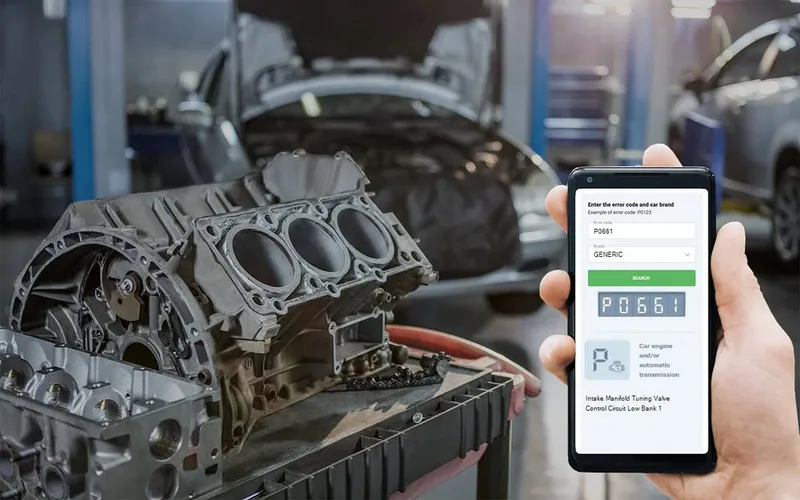
- Reduced engine power and poor acceleration — The car feels sluggish or bogged down, especially at lower or higher RPMs, because the intake runners are stuck in a suboptimal position for airflow.
- Rough or uneven idle — The engine shakes or idles poorly, and occasionally stalls when coming to a complete stop.
- Decreased fuel economy — You get fewer miles per gallon because the engine is running inefficiently.
- Loud clicking noise from the engine bay — A noticeable clicking sound emits from the intake manifold area as the solenoid attempts to operate against a jammed flap, or if the linkage is loose.
- Cold start problems or misfires — The engine struggles to start when cold, accompanied by noticeable misfires during startup.
- Check Engine Light is on (also visible on scanner) — The Malfunction Indicator Lamp (MIL) illuminates on your dashboard.
Diagnostic Flowchart

Tap your situation to follow the diagnostic path that matches what you're seeing on this code.
Common Fixes & Costs
- Replacing the Intake Manifold Tuning Valve Solenoid/Actuator
— Parts: $40 - $200, Labor: $100 - $300, ~1.5 hr book time
(DIY)
Mazda 3 (2004-2009): OEM LF15-18-741, K5T46597 (Alt: Dorman 911-909 ($45-$60), Standard Motor Products RCS105 ($70-$80), SKP SK911907 ($25-$35))
Ford Focus (2005-2011): OEM 1S7Z9J559BA, 3S4Z9J559AA (Alt: Dorman 911-906 ($150-$165), Standard Motor Products RCS102 ($60-$70))
Dodge Charger 5.7L Hemi (2005-2010): OEM Mopar #mpn4842137521 (Runner Control Valve/Actuator) (Alt: Various, often sold as part of the manifold assembly.) - Repairing wiring or connector — Parts: $5 - $20, Labor: $100 - $200, ~1.5 hr book time (Intermediate)
- Cleaning carbon buildup from the intake manifold runners — Parts: $20 - $50, Labor: $300 - $600, ~3.5 hr book time (Professional)
- Replacing the Intake Manifold Assembly — Parts: $200 - $600, Labor: $200 - $400, ~3 hr book time (Professional)
- Check Engine Light Diagnostic Fee — Parts: $0, Labor: $100 - $165, ~1 hr book time (Professional)
DIY vs Professional
- Replacing the Intake Manifold Tuning Valve Solenoid/Actuator 🟢 Beginner
Tools: Basic hand tools: Ratchet and socket set (8mm, 10mm), Torx drivers (T25 is common), pliers for vacuum lines, flashlight. - Repairing wiring or connector 🟢 Beginner
Tools: Multimeter, wire strippers, wire cutters, heat shrink tubing, soldering iron or quality crimp connectors. - Cleaning carbon buildup from the intake manifold runners 🟢 Beginner
Tools: Extensive socket set, torque wrench, new intake manifold gaskets, throttle body cleaner, brushes, scraper tools.
Used vs. New Parts: Buying Guide
When a used part is worth it: For the intake manifold solenoid/actuator, buying a used part is sensible for an older, high-mileage vehicle (>150k miles) where minimizing immediate repair cost is the top priority.
Donor-vehicle mileage cap: roughly under 80000 miles for the part to have meaningful remaining life.
Donor quality checklist:
- Verify the part number matches exactly, as variations exist even within the same model.
- Source from a vehicle in a dry climate to minimize the risk of connector corrosion.
- Prefer donors from vehicles scrapped due to accidents rather than engine failure.
Decision logic:
- If Vehicle is < 80K miles OR the new aftermarket part costs < $100 → Buy new. The small savings from a used part aren't worth the risk and lack of warranty.
- If Vehicle is > 150K miles AND budget is the primary concern → A used part is an acceptable risk, but expect it may not last as long as a new one.
- If The part is only available as a complete, expensive intake manifold assembly → A used assembly from a low-mileage donor offers significant savings over a new OEM assembly.
Warranty tradeoff: Used parts from salvage yards typically offer a 30-90 day functional warranty. New aftermarket parts usually carry a warranty from one year to limited lifetime. New OEM parts have a 1-year warranty.
Worst-case if a used part fails: $200-400 if a used part fails after the short warranty period, representing the cost of a new part plus repeat installation labor.
What Happens If You Wait — Timeline
- 0-2 months: Check Engine Light is on. A subtle drop in fuel economy (2-4 MPG) and slightly sluggish acceleration is noticeable. The engine has a slightly rougher idle than normal. (MPG impact: 5-10%% · Added cost: $0-50 in wasted fuel)
- 2-6 months: Performance issues become consistent. The vehicle hesitates, especially at low RPMs. The rough idle is more pronounced, and the engine occasionally stalls when coming to a stop. (MPG impact: 10-15%% · Added cost: $50-150 in wasted fuel)
- 6-12 months: The imbalanced air/fuel mixture from the stuck valve causes intermittent misfires. This leads to raw fuel entering the exhaust, overheating and damaging the catalytic converter. (MPG impact: 15-20%% · Added cost: $400-1000 (risk of needing intake manifold cleaning))
- 12+ months: Sustained misfires and overheating destroy the catalytic converter's internal structure, leading to a new set of codes (e.g., P0420) and a significant loss of power. The car fails an emissions test and goes into 'limp mode'. (MPG impact: 20-30%% · Added cost: $1500-3000+ (cost of catalytic converter replacement plus original repair).)
Cost of Not Fixing It
- 0-1 month: Noticeable drop in fuel economy (5-10% or 2-4 MPG) and poor acceleration, especially from a stop. (Added cost: Negligible, other than increased fuel costs.)
- 1-6 months: An incorrect air-fuel mixture caused by the stuck valve leads to misfires, causing the catalytic converter to overheat and fail prematurely. (Added cost: $1200 - $2800)
- 6+ months: Prolonged poor combustion leads to excessive carbon buildup in the intake manifold and on valves, requiring labor-intensive cleaning and contributing to increased long-term engine wear. (Added cost: $400 - $1000+)
Diagnosis Steps
- Scan for Codes and Review Freeze Frame Data
Use an OBD-II scanner to confirm P0661 is present and check for related codes. Review the freeze frame data to understand the engine conditions (RPM, load, etc.) when the fault occurred. Clear the codes and test drive the vehicle to see if they return.
Tools: OBD-II Scanner (Beginner) - Visually Inspect Wiring and Connectors
Examine the wiring harness leading to the Intake Manifold Tuning Valve solenoid on Bank 1. Look for chafing, melting, corrosion, rodent chew marks, or loose pins in the connector. Pay close attention to areas where the harness rubs against hot engine components.
Tools: Flashlight (Beginner) - Test the Solenoid/Actuator Resistance
Disconnect the solenoid and measure its internal resistance with a multimeter set to Ohms. Compare the reading to the manufacturer's specifications. A typical reading for many Ford/Mazda solenoids is between 30-40 Ω. An open circuit (infinite resistance or OL) or a short (near zero resistance) confirms a failed solenoid.
Tools: Multimeter (Intermediate) - Check for Mechanical Sticking
With the engine off, attempt to move the intake runner linkage by hand. If it is stiff, gritty, or refuses to move, the runner flaps are jammed with carbon buildup. The intake manifold requires removal for a thorough cleaning or replacement.
Tools: Hand tools (Wrenches, Sockets) (Intermediate) - Test the Solenoid Circuit Voltage
P0661 indicates a 'low' circuit. On many systems, the PCM controls the ground side. With the key on, engine off, use a multimeter to check for voltage at the solenoid's electrical connector. You should see battery voltage (approx. 12V) on BOTH pins. If the power pin has 12V but the control pin reads near 0V, it confirms a short to ground in the wiring or a faulty solenoid.
Tools: Multimeter (Intermediate) - Pro Tip: Command the Solenoid with a Bidirectional Scan Tool
Navigate to the active test menu for the IMRC or IMTV system on an advanced scan tool. Command the solenoid on and off. You should hear an audible 'click' from the solenoid. If the scanner commands it but there is no click, and you verified voltage and ground, the solenoid is faulty.
Tools: Advanced Bidirectional Scan Tool (Advanced) - Check for Vacuum Leaks (If Applicable)
If the system is vacuum-actuated, inspect all vacuum hoses connected to the intake manifold and the tuning valve system for cracks, splits, or disconnections. A smoke machine easily reveals hard-to-see leaks.
Tools: Flashlight, Smoke Machine (optional) (Intermediate) - Advanced: Check Ground Path Resistance
Using a multimeter, verify that the ground path from the solenoid driver's ground circuit back to the chassis is less than 0.2 Ω. Excessive resistance in the ground path causes the PCM to incorrectly read a low-voltage condition.
Tools: Multimeter (Advanced) - Advanced: Monitor Live Data PIDs
Using a scan tool capable of live data, monitor the Pulse-Width Modulated (PWM) signal from the PCM to the tuning valve driver. The duty cycle typically operates within a 5-95% range. A duty cycle stuck at 0% or 100% points to an ECM output failure or a wiring problem.
Tools: Advanced Scan Tool (Advanced) - Pro Tip: Test for Intermittent Faults
Solenoids sometimes fail only when hot. If the solenoid tests good when cold, replicate operating conditions. With your multimeter connected, use a heat gun to gently warm the solenoid. If the resistance reading changes dramatically or goes to OL (overload), the solenoid is breaking down under heat and requires replacement.
Tools: Multimeter, Heat Gun (Advanced)
When This Code Triggers (Freeze-Frame Conditions)
- Engine Coolant Temp: 180-200°F (Fully warmed up)
- RPM: 1500-2500 RPM (Cruise / steady throttle)
- Engine Load: 30-60% (Light to moderate acceleration)
- Vehicle Speed: 35-55 mph (Highway or arterial road driving)
Related Codes
- P0660 — P0660 indicates an 'Open Circuit' for the same valve. Diagnostically, P0661 points to a short to ground, while P0660 points to a broken wire or disconnected connector.
- P0662 — P0662 is for a 'High' voltage condition, the opposite of P0661. A high code is typically caused by a short to battery voltage. Finding unexpected voltage points to P0662, while finding continuity to ground points to P0661.
- P2004 — P2004 means 'Intake Manifold Runner Control Stuck Open'. This is a mechanical fault. If you have both P0661 and P2004, the runner flaps are physically jammed, causing the electrical circuit fault.
- P2008 — P2008 is for 'Intake Manifold Runner Control Circuit Open', functionally identical to P0660. It indicates a break in the circuit, whereas P0661 is specifically a low voltage/short-to-ground fault.
Climate & Environmental Factors
- Cold Weather: Extreme cold makes plastic components, such as the IMRC actuator linkage on Ford models, brittle and susceptible to breaking. This causes a mechanical failure that triggers an electrical code.
- High Humidity / Road Salt: In regions with high humidity or road salt usage, moisture penetrates wiring harness connectors. This accelerates corrosion on the electrical pins, creating high resistance or a short to ground, directly causing the P0661 fault.
How to Talk to a Mechanic About This Code
Say this: "I have a check engine light on and my own scanner shows code P0661 for the intake manifold tuning valve on Bank 1. I'd like to schedule a diagnostic appointment to confirm the cause. Please start by testing the solenoid, its wiring, and checking if the runner flaps are mechanically stuck."
This signals that you have done your research and understand the common failure points. It directs the technician to perform a proper diagnosis to isolate the electrical from the mechanical issues, preventing them from simply replacing the most expensive part without confirmation.
Avoid saying:
- 'My check engine light is on, can you look at it?'
- 'The car feels sluggish, just fix it.'
- 'My friend said I need a new intake manifold.'
Questions to ask before authorizing the repair:
- Did you test the solenoid's resistance, and what was the reading?
- Did you verify the solenoid is receiving power and has a good ground?
- Were you able to command the solenoid on and off with a scan tool, and did it click?
- Did you check if the runner linkage moves freely by hand, or is it stuck?
- What is the warranty on the proposed repair, both for parts and labor?
Where to Take It: Dealer vs Independent vs Chain
- Dealer:
Recommended only if the vehicle is under warranty or if an independent shop confirms the PCM is the issue.
Best for: Vehicles still under a powertrain or emissions warranty., Complex, manufacturer-specific electrical issues or if a PCM software update is required.
Downsides: Typically the highest labor rates., Defaults to replacing an entire intake manifold assembly rather than cleaning it or replacing a smaller component. (Typical cost: +50% vs. baseline) - Independent Shop:
Best fit. P0661 is a common code with straightforward diagnostic steps (wiring, solenoid, mechanical check) that any competent independent mechanic performs effectively.
Best for: Out-of-warranty vehicles where cost is a factor., Diagnosing common and well-documented codes like P0661.
Downsides: Shop quality and diagnostic skill varies; look for shops with good reviews and ASE-certified technicians. (Typical cost: +0% vs. baseline) - Chain Shop:
AVOID for diagnosis. While they can replace an easily accessible solenoid, they are less likely to correctly diagnose a wiring short or a mechanically stuck runner, leading to repeat repairs.
Best for: Simple, routine maintenance like oil changes and tire rotations.
Downsides: Technician skill varies widely., Incentivized to sell parts rather than perform detailed diagnostics, leading to replacing the wrong component. (Typical cost: -10% vs. baseline)
When to Walk Away From the Repair
If the total estimated repair cost for the P0661 fault exceeds 40-50% of your car's current private-party market value (e.g., from Kelley Blue Book), consider alternatives.
- Car worth $4000, fix is $500: Fix it. This repair cost is well within a reasonable range for a car of this value.
- Car worth $3000, fix is $1500: Walk away. The repair cost is 50% of the car's value. This money is better put towards a down payment on a more reliable vehicle.
- Car worth $8000, fix is $800: Fix it. The repair is a small fraction of the vehicle's worth and restores its performance and value.
What Scan Tool You Need for This Code
Minimum: A scanner that reads and clears codes, shows freeze frame data, and displays live data PIDs for the IMTV circuit.
A basic $20 code reader only shows the P0661 code. It cannot show live voltage data, nor can it command the solenoid to activate, which are crucial steps to determine if the problem is the solenoid, the wiring, or a mechanical jam. You will be stuck guessing and replacing parts.
Budget: Ancel BD310 or BlueDriver Pro (~$60) — These Bluetooth scanners connect to a smartphone app to read codes, view freeze frame data, and graph live data. You monitor the voltage on the IMTV circuit in real-time, a major step up from a basic reader.
Mid-range: Foxwell NT510 Elite or XTOOL D7S (~$150) — These scanners offer bidirectional control (active tests). This is the key feature for P0661, allowing you to command the IMTV solenoid to open and close from the scan tool. If you command it and hear a click, the solenoid and wiring are good, pointing to a mechanical issue. If there's no click, focus on the electrical circuit.
Professional: Autel MaxiCOM MK808 or LAUNCH X431 Series (~$500-1200) — Provides full bidirectional control, OEM-level diagnostics, and includes wiring diagrams and guided component tests. These tools offer the most comprehensive data and testing capabilities, mirroring what a professional shop uses.
Rent vs buy: For a one-time fix, auto parts stores (like AutoZone) offer a loaner tool program to rent a basic scanner. However, to properly diagnose P0661 and avoid buying unnecessary parts, investing in a mid-range scanner with bidirectional control is highly recommended for any serious DIYer.
How to Clear the Code After You Fix It
- Reconnect battery (if disconnected for repair)
- Use OBD-II scan tool to clear diagnostic trouble codes.
- Perform a complete drive cycle to allow readiness monitors to run.
Drive cycle (~30 minutes): From a cold start, let the engine idle for 2-3 minutes. Drive in mixed city and highway conditions, including several minutes of steady cruising between 40-60 mph. Allow the vehicle to slow to a stop without aggressive braking. Let the vehicle cool completely to finish the cycle.
Readiness monitors affected: Catalyst monitor, O2 sensor monitor, EVAP monitor
Before emissions retest: drive at least 100 miles to fully set monitors.
Watch out for:
- Simply disconnecting the battery clears the light temporarily, but it does not fix the underlying problem and the code returns.
- Clearing the code right before an emissions test results in a 'Not Ready' status for the monitors, causing an automatic failure.
- Not performing a long enough or varied enough drive cycle fails to set all the necessary readiness monitors.
Will This Fail Emissions / State Inspection?
Yes — this code typically fails an OBD-II emissions inspection.
- California: An illuminated Check Engine Light results in an automatic Smog Check failure. All required OBD readiness monitors must be in a 'completed' state to pass.
- New York: The NYS vehicle inspection includes an OBD-II scan. An active P0661 code and illuminated Check Engine Light causes the vehicle to fail the emissions portion of the inspection.
- Texas: In counties requiring emissions testing, an illuminated Check Engine Light is an automatic failure. A vehicle also fails if too many readiness monitors are 'Not Ready'.
Most Commonly Affected Vehicles
- Mazda 3 (2004-2009) — Extremely common issue on this model, often related to a faulty solenoid pack or sticking runners in the intake manifold. The solenoid is a known failure point.
- Ford Focus (2005-2011) — Prone to issues with the intake manifold runner control due to a stuck actuator or broken plastic linkage. The 2.0L Duratec engine is frequently affected.
- Dodge/Chrysler Charger, 300, Magnum (2005-2010) — Often caused by a faulty intake manifold runner control solenoid or a broken plastic linkage on the manifold itself, especially on Hemi V8 engines. Replacement is labor-intensive.
- Honda CR-V (2002-2006) — This code appears due to a faulty intake manifold runner control solenoid. It is also commonly triggered by a forgotten or disconnected connector after adjacent repairs, like a starter replacement.
- Chevrolet Cruze (2011-2016) — This code is known to appear on Chevrolet models equipped with variable intake systems. On the 1.8L Cruze, the IMRC valve and solenoid are common failure points.
- Hyundai Santa Fe (2007-2012) — On Hyundai vehicles, this system is called the Variable Intake System (VIS). The code triggers if the PCM detects a short to ground in the control circuit.
- Saab 9-3 (2001) — On the D223L diesel engine, this code is for 'Swirl Control Valve Circuit Short to Ground' and disables EGR control.
- Mazda RX-8 (2004-2008) — On the RX-8, P0661 points to a failure of one of the three solenoids (SSV, VDI, or AIR) located under the intake manifold. The SSV solenoid (middle, white connector) is the usual culprit.
Manufacturer-Specific Notes
- Mazda: On many Mazda3 and Mazda6 models, the two solenoids controlling the intake runners (IMRC and VTCS) are mounted together on a single bracket and sold as a pack. It is recommended to replace both simultaneously.
- Ford: On Ford vehicles with the Duratec engine, the plastic clips and linkage for the intake runners are a known weak point. They break or pop off, causing the runners to stick and triggering a circuit code like P0661 even if the solenoid works.
- Chrysler/Dodge: For Hemi V8 engines, the intake manifold runner control actuator is located in a difficult-to-reach spot under the intake manifold, making replacement significantly more labor-intensive than on vehicles with external solenoids.
- Mazda: On the RX-8, P0661 points to one of three solenoids in the intake system. Diagnosis involves testing each solenoid individually, but the fault is almost always the middle SSV solenoid with the white connector.
Real Owner Stories
2005 Mazda 3 with 142K miles
Owner experienced a rough idle and sluggish acceleration. Scanned the car and found P0661 along with O2 sensor codes (P0131, P2251).
What they tried:
- Cleaned the throttle body, which did not help.
- Researched the P0661 code and identified it as a solenoid issue.
- Tested the solenoid with a multimeter and found it had an open circuit (infinite resistance).
Outcome: Replaced the faulty intake manifold tuning valve solenoid. The new part showed a correct resistance of around 32 Ohms. This is a common and straightforward fix for this model.
Lesson: Don't just replace parts. A simple multimeter test on the solenoid's resistance confirms the failure in minutes, saving you from buying parts you don't need. A good solenoid reads between 30-45 Ohms.
2003 Honda CR-V, mileage unreported
Check Engine Light with code P0661 appeared immediately after having the starter motor replaced.
What they tried:
- The owner researched the issue and found that accessing the starter requires moving components near the intake manifold.
- Inspected the area around the intake manifold and starter.
Outcome: The electrical connector for the intake manifold tuning valve, located near the starter, was not plugged back in by the mechanic. Reconnecting the plug cleared the code and resolved the issue.
Lesson: If a new code appears immediately after a repair, inspect the area where the work was performed. It's highly likely a connector was left loose or a wire was damaged during the repair.
2006 Honda CR-V with P0661 and P1078
Owner had recurring intake manifold runner control (IMRC) codes and considered replacing the OEM manifold with a performance aftermarket version lacking electronic controls.
What they tried:
- Posted on a forum asking if installing an aftermarket intake manifold without IMRC provisions solves the problem.
Outcome: Forum members advised that removing the IMRC system entirely by installing a non-equipped aftermarket manifold does not solve the Check Engine Light. The ECU still looks for the IMRC circuit and continues to set the P0661/P1078 codes. The correct fix is repairing the existing system or using custom ECU tuning.
Lesson: Deleting emissions or performance-related components by using aftermarket parts without planning for the electronic consequences results in persistent Check Engine Lights. The ECU must be tuned to ignore the missing sensor or actuator.
2012 Dodge Ram 1500 5.7L Hemi
Truck had multiple codes, including P2008 (IMRC Circuit Open) and P2017 (IMRC Position Sensor Circuit High), after being worked on. The owner found several disconnected electrical plugs in the engine bay.
What they tried:
- The owner suspected mice damaged the wiring harness, causing the open circuits.
- A shop confirmed a bad wiring connector at the short runner valve.
Outcome: The dealer spliced in a new connector from a harness to fix the issue. The issue was escalated to Chrysler, indicating it was an unusual failure. The multiple, seemingly contradictory codes (Open, High) all pointed to a single harness problem.
Lesson: When multiple related codes for the same system appear at once (e.g., P0661, P2008, P2017), the root cause is more likely a shared element like the wiring harness or a ground connection, rather than multiple individual component failures.
How to Prevent This Code From Triggering
- Use Top Tier detergent gasoline (Every fill-up) — High-quality fuels contain detergents that clean injectors and, in port-injected engines, the back of intake valves. This reduces the formation of carbon deposits that cause the intake runner flaps to stick.
- Perform periodic intake system cleaning (Every 30,000-50,000 miles) — On direct-injection (GDI) engines, fuel doesn't wash over the intake valves. Using an aerosol intake valve cleaner helps dissolve carbon deposits before they become severe enough to jam the runner flaps.
- Install an oil catch can (Once) — An oil catch can intercepts oil and fuel vapors from the PCV system before they enter the intake manifold. This significantly reduces the amount of oil that bakes onto the intake runners and valves, preventing carbon buildup.
- Avoid short trips and ensure the engine reaches full operating temperature (Daily driving habit) — Short trips where the engine doesn't get fully hot allow moisture and fuel to contaminate the oil, contributing to sludge and deposits. Allowing the engine to run at full temperature burns off these contaminants.
- Use rodent deterrents in the engine bay (As needed, especially if parking outdoors) — Since rodent damage to wiring is a known cause, placing peppermint oil-soaked cotton balls, using rodent-repellent tape, or installing an ultrasonic repeller prevents rodents from chewing on the IMTV wiring harness.
Frequently Asked Questions
What is the most common misdiagnosis for P0661?
A common mistake is replacing the intake manifold tuning valve solenoid without testing the wiring or checking for mechanically stuck runner flaps. A simple multimeter test for shorts to ground or a physical check of the runner linkage prevents unnecessary parts purchases.
Can I fix P0661 myself?
Replacing an accessible solenoid is a straightforward DIY repair requiring basic hand tools. However, if the intake manifold requires removal for cleaning or replacement, take the vehicle to a professional shop to avoid dropping debris into the engine cylinders.
What does 'Bank 1' mean in the code P0661?
'Bank 1' identifies the side of the engine containing cylinder number 1. On an inline engine, there is only one bank. On a V-shaped engine, Bank 1 is the side with the first cylinder in the firing order, pinpointing exactly where the fault lies.
Can a vacuum leak cause a P0661 code?
Yes. On systems where the tuning valve is vacuum-actuated, a leak in a vacuum line prevents the valve from moving as commanded. The PCM interprets this lack of movement as a control circuit issue, triggering P0661.
Is it safe to keep driving with code P0661?
Short-term driving is safe, but continued operation causes poor performance and reduced fuel mileage. Ignoring the code for months leads to catalytic converter damage from misfires or stalling at inconvenient times.
Will a fuel additive or engine cleaner fix P0661?
No. P0661 is an electrical circuit code. A fuel additive cannot fix a faulty wire or solenoid, nor will it sufficiently clean severe carbon buildup causing stuck intake runners.
I just installed an aftermarket intake manifold and got code P0661. Why?
Many aftermarket performance intake manifolds lack provisions for the factory intake manifold tuning valve system. The PCM detects the missing circuit and sets a P0661 code. You must use custom ECU tuning to disable the system check and clear the code.
Key Takeaways
- P0661 indicates a low voltage condition—typically a short to ground—in the Bank 1 intake manifold tuning valve control circuit.
- The top three causes are a failed control solenoid, frayed wiring harnesses, or intake runner flaps jammed by carbon buildup.
- Expect a 5-10% drop in fuel economy, sluggish acceleration, and a rough idle until the circuit is repaired.
- Fix this code within 1-2 months to prevent unburned fuel from destroying your catalytic converter, a repair costing upwards of $1,500.
- Test the solenoid's resistance with a multimeter before buying parts; a healthy Mazda or Ford solenoid reads between 30 and 40 Ohms.
Helpful Videos

Shop the Parts Behind P0661
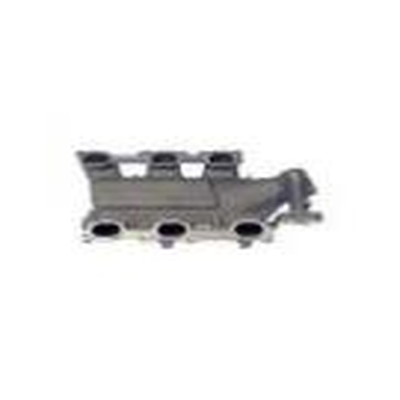
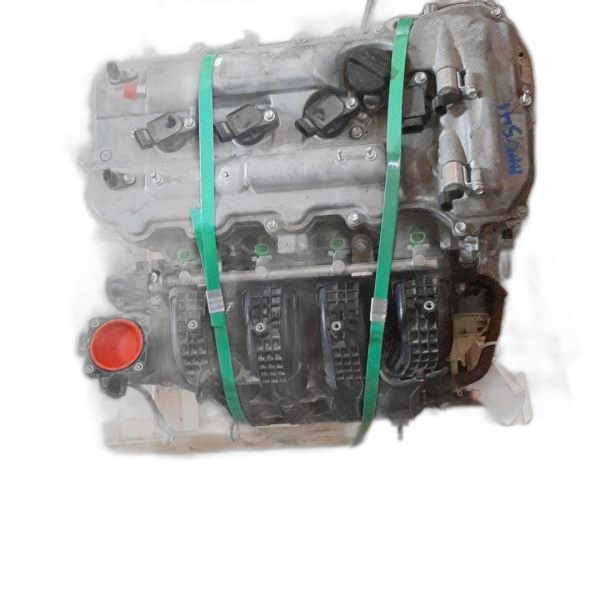
Below are the parts most often responsible for code P0661, ranked by how frequently each one is the actual culprit (per the diagnosis above). Tap any to see what we have for your vehicle.

The information in this article is provided for general reference and educational purposes only. Vehicle specifications, procedures, and part compatibility can vary by production date, trim level, and region. Always consult your vehicle's factory service manual and verify part numbers before purchasing or performing repairs. Safety-critical components such as airbags, seat belts, and braking systems should be installed by a qualified professional.
- 🧭 Diagnostic Flowchart
- 🎬 Helpful Videos
- 🛍️ Shop This Part
- What Does P0661 Mean?
- Can I Drive With P0661?
- Common Causes
- Symptoms
- Common Fixes & Costs
- DIY vs Professional
- Used vs. New Parts: Buying Guide
- What Happens If You Wait — Timeline
- Cost of Not Fixing It
- Diagnosis Steps
- When This Code Triggers (Freeze-Frame Conditions)
- Related Codes
- Climate & Environmental Factors
- How to Talk to a Mechanic About This Code
- Where to Take It: Dealer vs Independent vs Chain
- When to Walk Away From the Repair
- What Scan Tool You Need for This Code
- How to Clear the Code After You Fix It
- Will This Fail Emissions / State Inspection?
- Most Commonly Affected Vehicles
- Manufacturer-Specific Notes
- Real Owner Stories
- 2005 Mazda 3 with 142K miles
- 2003 Honda CR-V, mileage unreported
- 2006 Honda CR-V with P0661 and P1078
- 2012 Dodge Ram 1500 5.7L Hemi
- How to Prevent This Code From Triggering
- Frequently Asked Questions
- What is the most common misdiagnosis for P0661?
- Can I fix P0661 myself?
- What does 'Bank 1' mean in the code P0661?
- Can a vacuum leak cause a P0661 code?
- Is it safe to keep driving with code P0661?
- Will a fuel additive or engine cleaner fix P0661?
- I just installed an aftermarket intake manifold and got code P0661. Why?
- Key Takeaways
- 🎟️ Get 5% Off