

P0700 on 2012-2018 Audi A6 S-Tronic: Transmission Control System Malfunction Guide
P0700 on a 2012-2018 Audi A6 with the S-Tronic transmission is an informational code indicating a fault has been registered by the Transmission Control Module (TCM). The most common cause is a failure within the Mechatronics unit, often requiring a specialized repair kit or full unit replacement by a professional. This is a very common and well-documented issue for this specific transmission.
- P0700 is just an informational code. The real problem is stored as a more specific code in the Transmission Control Module (TCM).
- You MUST use a scanner that can read Audi-specific transmission codes (like VCDS) to diagnose the problem correctly.
- The most likely cause on a 2012-2018 A6 S-Tronic is a fault within the Mechatronics unit, specifically its internal sensor module.
- This is not a DIY-friendly repair. It requires specialized tools, knowledge, and software for programming the new parts.
- Do not ignore this code. Driving with a transmission malfunction can lead to a sudden breakdown and much more expensive repairs.
What's Unique About the 2012-2018 Audi A6
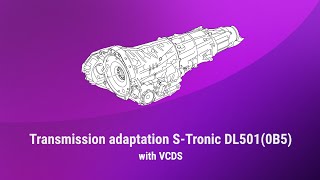
The 2012-2018 Audi A6 (C7 generation) often uses the DL501 (also known as 0B5) 7-speed S-Tronic dual-clutch transmission. This advanced gearbox is known for issues with its Mechatronics unit, which integrates the electronic TCM, sensors, and hydraulic valve body into one complex component. A P0700 code on this vehicle is frequently a precursor to discovering specific Mechatronics-related codes, a common issue documented in owner forums and multiple Audi Technical Service Bulletins (TSBs). 🎬 Watch: A detailed overview of common S-Tronic gearbox problems. The failure is often due to poor internal contacts or delamination of the circuit board within the Mechatronics unit.
Symptoms You May Notice
- Check Engine Light is on
- "Gearbox Malfunction: you can continue driving" message on the dashboard
- PRNDS or EPC warning lights illuminated
- Vehicle enters "limp mode," limiting engine power and available gears
- Harsh, jerky, or delayed gear shifts
- Hesitation or shuddering when pulling away from a stop
- Inability to select reverse or certain forward gears (e.g., only odd or even gears work)
- Getting stuck in one gear
- Bump or jolt felt just after the vehicle comes to a complete stop
- Replacing the entire transmission when only the Mechatronics unit is faulty.
- Clearing the P0700 code with a basic scanner and assuming the problem is fixed without reading the underlying TCM codes. The light will inevitably return.
- Replacing the TCM/Mechatronics unit without first checking for software updates, as some drivability issues can be resolved with a TSB-related software flash.
Most Likely Causes
- Mechatronics Unit Failure (Internal PCB/Sensor Module) 🔴 High Probability → Shop Transmission Valve Body The DL501 S-Tronic transmission's Mechatronics unit is a widely documented point of failure. The internal printed circuit board (PCB) and integrated sensors can fail due to heat, vibration, and delamination over time, leading to poor internal contacts.
How to confirm: A VAG-specific scan tool (like VCDS) is needed to pull codes from the TCM (Address 02). Look for companion codes like P179E00 (Drive Position Sensor Electrical Error), P179F00 (Drive Position Sensor Malfunction), or various valve/solenoid electrical fault codes (P173C, P174A, P179C, etc.). These codes directly point to the internal circuit board failure.
Typical fix: Replacement of the Mechatronics repair kit, which includes the faulty circuit board/sensor module (PCB). In severe cases, the entire Mechatronics unit must be replaced. This requires programming and a basic settings/adaptation procedure.
Est. part cost: $400-$800 for a repair kit; $2000-$4000 for a full Mechatronics unit.
Rare But Worth Checking
- Low or Degraded Transmission Fluid: → Shop Transmission Assembly While less common than Mechatronics failure as a root cause for P0700, incorrect fluid level or condition can cause shifting problems and overheating, which can stress the Mechatronics unit and lead to faults. Using non-approved fluid can also cause the circuit board to delaminate.
- Wiring Harness or Connector Issues: Damage to the wiring leading to the transmission or corrosion in the main connector can cause communication errors or implausible signals, triggering a P0700 code.
- Failed Shift Solenoid: → Shop Transmission Valve Body A specific solenoid within the Mechatronics unit can fail electrically, causing shifting problems for specific gears and triggering a fault. Often, these are replaced as part of a larger repair kit.
Diagnosis Steps
- Scan for Codes (Critically Important): Use a diagnostic tool capable of reading Audi-specific codes (e.g., VCDS by Ross-Tech, Autel, etc.). Do not use a generic OBD-II reader. Scan the Transmission Control Module (TCM) at Address 02.
- Analyze TCM Codes: Record all fault codes found in the TCM. The P0700 in the ECM is just the messenger; the codes in the TCM (like P179E, P179F, etc.) will point to the actual problem.
- Check Transmission Fluid: Verify the transmission fluid level and condition. This is a complex procedure on the S-Tronic as it has no dipstick and requires the vehicle to be level and at a specific temperature (typically 35-45°C). If the fluid is dark, burnt, or contains metal particles, it indicates a more severe mechanical issue.
- Inspect Wiring and Connectors: Visually inspect the main transmission wiring harness and the large round connector at the transmission for any signs of damage, corrosion, or fluid intrusion.
- Consult Technical Service Bulletins (TSBs): Check for any TSBs related to the specific TCM codes found. Audi has released several TSBs for Mechatronics issues that may involve a software update or a specific repair kit. TSB 2039424 / MC-10118306-9999 is a key document.
- Confirm Mechatronics Failure: Based on the specific TCM codes (especially P179E/P179F), a diagnosis of a faulty Mechatronics sensor board is highly likely. This confirms the need for the repair kit or a full unit replacement.
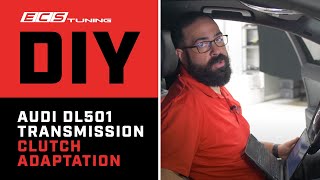
- Perform Repair and Adaptation: After replacing the necessary components (e.g., the repair kit), the transmission must be refilled with the correct fluid. A basic settings/adaptation procedure must then be performed with a capable scan tool to calibrate the new components. 🎬 See how to perform a DIY clutch adaptation after repairs.
Parts You'll Likely Need
- Mechatronics Repair Kit (Sensor Module/PCB)
(OEM #0B5398009F)— This is the most common fix for P0700 when accompanied by sensor-related fault codes like P179E. It replaces the failed electronic circuit board inside the Mechatronics unit. This part number supersedes previous versions like ...009A, B, C, D, and E.
Trusted brands: Audi Genuine, VEMO, TRUCKTEC AUTOMOTIVE, NTY
OEM price range: $600-$900
Aftermarket price range: $400-$600 - Mechatronics Unit (Complete)
(OEM #0B5927156J)— Required if the valve body or other non-serviceable parts of the Mechatronics unit have failed, or if a repair kit is not available or does not solve the issue. This is a much more expensive repair.
Trusted brands: Audi Genuine
OEM price range: $2500-$4000
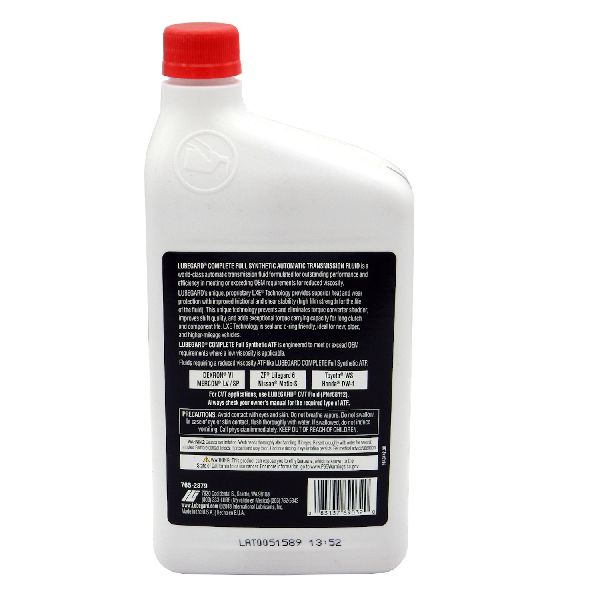
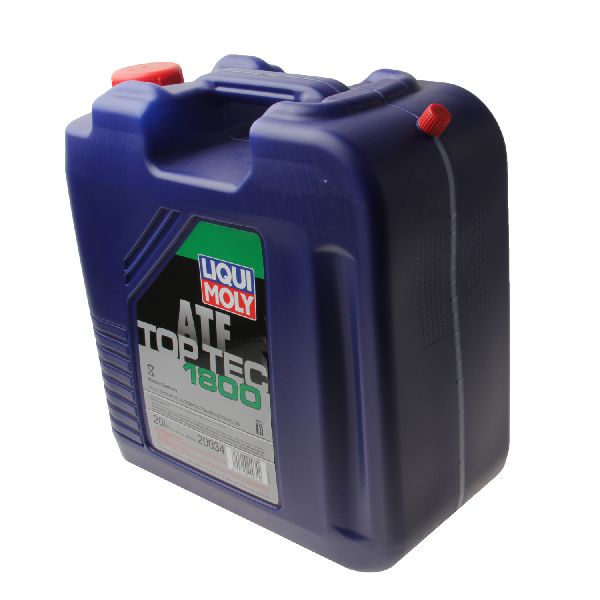
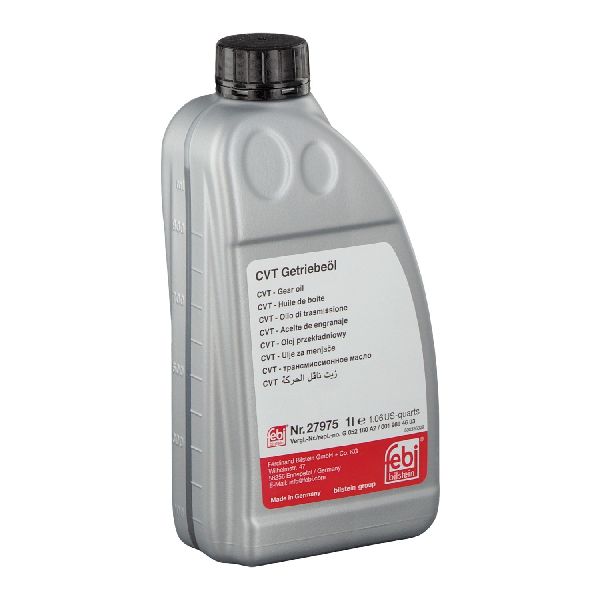
Aftermarket price range: $1500-$2500 (Remanufactured) - S-Tronic Transmission Service Kit — When replacing the mechatronics components, the transmission fluid must be drained. A full service requires new fluid (approx. 7 liters of G052529A2), a new external filter (0B5325330A), and a pan gasket (0B5321371F).
Trusted brands: Audi Genuine, LiquiMoly, Vaico
OEM price range: $250-$400
Aftermarket price range: $150-$250
Related Codes That Often Appear With This One
- P179E00 — This code for 'Drive Position Sensor Electrical Error' directly points to a fault within the Mechatronics unit's sensor assembly, which is part of the PCB repair kit.
- P179F00 — Meaning 'Drive Position Sensor Malfunction,' this also indicates a failure of the sensor module inside the transmission, often requiring the Mechatronics repair kit.
- P17D8 — Indicates 'Torque Limitation Due To Clutch Temperature,' suggesting the transmission is overheating, which can be a symptom or cause of Mechatronics issues.
- P0726 — An 'RPM Signal Of Engine Control Unit (Implausible Signal)' code points to a communication or sensor reading issue, often originating from the Mechatronics unit.
- P174A / P174B / P174C / P174E / P174F — These codes all indicate an 'Electrical Fault' in various valves within the sub-gearboxes, pointing to a failure of the Mechatronics circuit board or solenoids.
Technical Service Bulletins (TSBs) & Recalls
- MC-10118306-9999 (TSB 2039424/10): Addresses 'Gearbox Malfunction' messages with DTCs P17D8, P0726, etc., for model years 2010-2014, pointing to a faulty sensor module and recommending the repair kit.
- SB-10093603-0699 (TSB 2044228): Addresses 'Gearbox warning light' with DTCs P179E00, P179F00, P0700, P060A for model years 2010-2016, confirming the cause as a faulty sensor module (G676) and requiring the repair kit.
Platform-Specific Known Issues
- The DL501 (0B5) S-Tronic transmission is well-known for Mechatronics failures, which are the primary cause of P0700 codes on this platform.
- Audi has released multiple Technical Service Bulletins (TSBs) addressing these failures, often recommending the installation of an updated repair kit (0B5398009F) or a software update.
Mechanic-Grade Diagnostic Values
- Resistance of Clutch Cooling/Pressure Solenoids (N435, N439) — expected: Approx. 16.0 Ohms at 25°C (77°F).. Failure: Significant deviation from 16 Ohms, or an open/short circuit. Readings change with temperature.
- Resistance of VFS Clutch Solenoids (N436, N440) — expected: Approx. 4.8 Ohms at 25°C (77°F).. Failure: Significant deviation from 4.8 Ohms. These control clutch pressure and failure causes harsh shifts or slipping.
- Transmission Fluid Temperature for Diagnostics/Service — expected: 35-45°C for fluid level check; 40-100°C for running basic settings/adaptation.. Failure: Performing procedures outside this temperature range can lead to incorrect fluid levels or failed adaptation routines.
Scan Tool Commands That Help
- VCDS (VAG-COM): Basic Settings (Function 04) in Transmission Module (02) — This is mandatory after replacing the Mechatronics unit or the internal repair kit. It calibrates the new components.
- VCDS (VAG-COM): Erase counter for start and stop processes — This is the first step in the basic settings procedure, performed with the key on, engine off.
- VCDS (VAG-COM): Distance sensor calibration — A critical step in the basic settings routine after component replacement. The transmission will make audible clicking noises as it calibrates the sensors.
- VCDS (VAG-COM): Clutch engagement point adaptation (Adaptation Drive) — After the static basic settings are complete, a specific driving procedure is required for the TCM to learn the clutch 'kiss points'. This involves driving for an extended period in both D and S modes to allow both clutches to adapt.
Wiring & Ground Locations
- Main Transmission Connector — A large, round multi-pin connector located on the side of the DL501 transmission case.. This is the primary interface between the car's main wiring harness and the Mechatronics unit inside the transmission. Corrosion or damage to these pins can cause a wide range of electrical faults and communication errors, triggering a P0700.
- Chassis Ground Point — A common ground point for engine and transmission components is located on the chassis frame rail in the engine bay, often near the alternator or starter.. Although the TCM is internal, the overall system relies on solid chassis grounds. A poor ground connection can introduce electrical noise and voltage issues that could potentially trigger faults within the transmission's sensitive electronics.
- T17 Connector — Refers to various 17-pin connectors located in the vehicle, often at junction points like the A-pillar. For example, T17d is a black connector at the bottom of the left A-pillar.. Signals from other modules (like the gear selector) pass through these connectors to reach the transmission. A fault at one of these junctions could interrupt communication and lead to a P0700 code.
Real Owner Repair Stories
- AudiWorld Forum User (2013 Audi A6 C7 3.0 TDI with S-Tronic, 255,000 km) — Car acted as if in neutral at a stop on a slight incline, rolling backward. Then, a "Gearbox fault - no reverse" warning appeared on the dash.
❌ Tried (didn't work) The user did not report trying any fixes before seeking advice.
✅ What actually fixed it While the user's final fix isn't posted, another user with an RS5 with the same transmission reported an identical issue (failed gear position sensor) that required a major repair costing thousands, as the sensor is internal to the transmission. This aligns with the common Mechatronics/internal sensor failure pattern. - Team-BHP Forum User (Audi A6 (Note: This story is for a CVT model, but the diagnostic journey is relevant)) — "Gearbox Malfunction, you can continue driving" message appeared, followed by jerky shifting.
❌ Tried (didn't work) Resetting the transmission via a simple procedure found online., Taking it to a local mechanic who disassembled the gearbox but could not fix it, leading to a worse situation., Another mechanic claimed to have replaced the valve body, but the problem returned after a few months.
✅ What actually fixed it The owner eventually found a specialist (Harjeet Singh Sehmbi) who provided a fully functional, ready-to-install replacement transmission, which resolved all issues. The story serves as a strong cautionary tale against using non-specialist mechanics for complex transmission issues.
OEM Part Supersession History
0B5398009A, B, C, D, E→0B5398009F— The earlier versions of the Mechatronics repair kit were prone to failure. The part was revised multiple times by Audi to improve the durability of the printed circuit board and sensors to better withstand heat and vibration, preventing delamination and electrical faults.
Heads up: The newer 'F' revision is fully backward-compatible and is the correct replacement for all previous versions.
Diagnostic Flowchart
Other Known Issues on This Vehicle
Issues unrelated to this code that are worth knowing about as an owner of this generation:
- 3.0T Water Pump & Thermostat Failure 🔴 High — Very common, especially on 2012-2014 models. Often fails between 60k-100k miles, causing coolant leaks. (Ref: Multiple TSBs and part revisions exist.)
- Carbon Buildup on Intake Valves 🟠 Medium — Inevitable on all direct-injection engines. Causes misfires and reduced performance, typically needing cleaning every 60k-80k miles.
- PCV Valve Failure 🟠 Medium — Common failure item located under the supercharger on 3.0T models. Can cause high oil consumption and vacuum leaks. (Ref: Updated parts are available.)
- Timing Chain Tensioner Rattle 🔴 High — Less common than other issues, but can occur on higher mileage (100k+) 3.0T engines, heard as a brief rattle on cold starts. Repair is extremely labor-intensive.
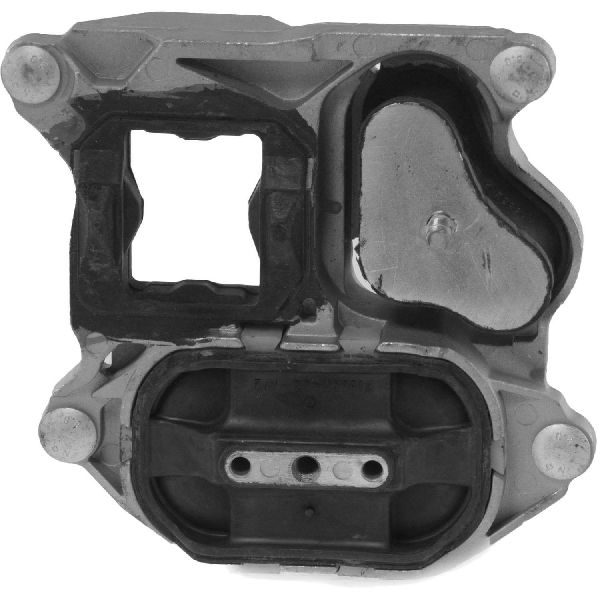
- Motor Mount Failure 🟠 Medium — The fluid-filled engine mounts tend to fail around 80k-120k miles, leading to increased vibration at idle.
Used vs. New Parts: Buying Guide for This Vehicle
When a used part is the smart pick: For this specific repair, sourcing a used part is almost never a smart choice. A used complete Mechatronics unit carries the same inherent design flaw as the failed part and is likely near the end of its service life. Furthermore, it is VIN-locked with Component Protection and cannot be easily adapted to a new vehicle without dealer tools (ODIS online), making it a poor option for DIY or independent shops.
Donor-vehicle mileage cap: roughly under 30000 miles for the part to have meaningful remaining life.
What to inspect on the donor part:
- If forced to consider used, verify the donor vehicle had no transmission-related fault codes prior to being dismantled.
- Ask for the VIN to check its service history for any transmission repairs.
- Physically inspect the main electrical connector for any bent or corroded pins.
OEM-only on this vehicle (don't cheap out):
- Mechatronics Repair Kit (PCB)
- Complete Mechatronics Unit
Aftermarket brands forum-validated for this vehicle:
- While OEM Genuine Audi (0B5398009F) is most recommended, some owners have reported success with remanufactured units from transmission-specific specialists who upgrade the known failure points.
Brands owners have reported issues with on this vehicle:
- Unnamed, low-cost repair kits from online marketplaces. These often use inferior components that fail quickly. Sticking to the Genuine Audi 'F' revision part is the safest and most reliable long-term solution.
Real Owner Stories
Aggregated from forums and TSBs cited above. Mileages and costs reflect what owners reported in those sources.
2013 A6 Allroad — 126820 miles
Symptoms: Hard downshifting getting worse over years, lost reverse gear twice, reverse gear 'slipped' once, smell of gear oil, multiple fault codes including P0700, U0101, P060A.
What fixed it: The owner identified the gear position sensor as the likely cause, though they initially hoped a mechatronics service kit (solenoids) would solve the harsh shifting.
Source hint: Ross-Tech Forums
Related OBD-II Codes
Frequently Asked Questions
My 2013 Audi A6 is showing a 'Gearbox Malfunction' message with code P0700; is there a specific TSB for this?
What is the specific repair kit part number recommended for the DL501 S-Tronic transmission issues?
Can I use a generic OBD-II scanner to diagnose the P0700 code on my A6?
Does the Mechatronics repair require any special software procedures?
Are there other common issues on the 2012-2018 Audi A6 3.0T I should look out for while fixing the transmission?
My A6 is jerking when coming to a stop; is this related to the P0700 code?
Helpful Videos

We Have This Part in Stock


The information in this article is provided for general reference and educational purposes only. Vehicle specifications, procedures, and part compatibility can vary by production date, trim level, and region. Always consult your vehicle's factory service manual and verify part numbers before purchasing or performing repairs. Safety-critical components such as airbags, seat belts, and braking systems should be installed by a qualified professional.
- Audi A6:
- 🧭 Diagnostic Flowchart
- 🎬 Helpful Videos
- 🛍️ Shop This Part
- What's Unique About the 2012-2018 Audi A6
- Symptoms You May Notice
- Most Likely Causes
- Rare But Worth Checking
- Diagnosis Steps
- Parts You'll Likely Need
- Related Codes That Often Appear With This One
- Technical Service Bulletins (TSBs) & Recalls
- Platform-Specific Known Issues
- Mechanic-Grade Diagnostic Values
- Scan Tool Commands That Help
- Wiring & Ground Locations
- Real Owner Repair Stories
- OEM Part Supersession History
- Other Known Issues on This Vehicle
- Used vs. New Parts: Buying Guide for This Vehicle
- Real Owner Stories
- 2013 A6 Allroad — 126820 miles
- Related OBD-II Codes
- Frequently Asked Questions
- 🎟️ Get 5% Off