

P0700 on 2009-2017 Audi Q5 S-Tronic: Mechatronics Failure Causes and Fixes
On a 2009-2017 Audi Q5 with the S-Tronic transmission, code P0700 is a generic warning that the transmission has a fault. The most likely cause is a failure within the DL501 (0B5) mechatronics unit, often requiring a repair kit (P/N: 0B5398048D) costing $600-$1200 or a full unit replacement for $1500+. Scanning the TCM for specific codes is mandatory for diagnosis.
- P0700 is just a messenger code. The real problem is stored in the Transmission Control Module (TCM).
- On a 2009-2017 Q5 S-Tronic, this code almost always points to a failure in the mechatronics unit.
- A proper diagnosis requires an Audi-specific scan tool to read the codes from the TCM.
- The most common and cost-effective solution is a mechatronics repair kit, not a full transmission replacement.
- This is a complex repair that should be performed by a professional or a highly experienced DIYer with the correct tools.
What's Unique About the 2009-2017 Audi Q5
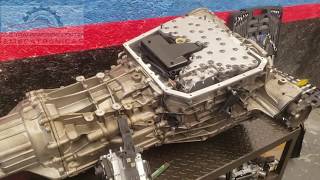
The 2009-2017 Audi Q5 uses the DL501 (also known as 0B5) S-Tronic dual-clutch transmission. This gearbox is well-known for issues with its mechatronics unit, which is the complex electro-hydraulic brain of the transmission. When a P0700 code appears on this specific vehicle, it is highly probable that the underlying cause is a failure of the internal circuit board, sensors, or solenoids within this mechatronics unit. This is a widely documented weak point for this platform, particularly in models from 2009-2013.
Symptoms You May Notice
- Check Engine Light illuminated
- Flashing 'PRNDS' gear selector indicator on the dashboard
- "Gearbox malfunction: you can continue to drive" message in the instrument cluster
- Vehicle enters 'limp mode,' often stuck in odd or even gears only
- Harsh, jerky, or delayed gear shifts, especially when hot
- Inability to select reverse gear
- Complete loss of drive, vehicle may stall
- EPC (Electronic Power Control) light may also illuminate
- Replacing the entire transmission. While the fault is in the transmission, the issue is almost always confined to the serviceable mechatronics unit, not the mechanical gears or clutches. Replacing the whole transmission is extremely expensive and usually unnecessary for this code.
- Ignoring the specific TCM codes. Simply clearing the P0700 code without reading the detailed codes from the TCM will not diagnose the problem. The P0700 will return until the underlying transmission fault is fixed.
- Replacing only the G676 sensor when the fault is on the mechatronics PCB. The codes P179E/P179F can point to either the sensor itself or the circuit board reading it. Proper diagnosis is key to avoiding repeat repairs.
Most Likely Causes
- Mechatronics Internal Circuit Board/Sensor Failure 🔴 High Probability The DL501 mechatronics unit has a known design vulnerability where the internal printed circuit boards (PCBs) and integrated sensors (like the drive position sensor) fail over time due to heat, vibration, and contamination from clutch wear products. This is the most common failure mode.
How to confirm: Scan the Transmission Control Module (TCM) with an Audi-specific tool for codes like P179E (Drive Position Sensor Electrical Error), P179F (Drive Position Sensor Malfunction), P0726 (Engine Speed Input Circuit No Signal), or P17D8 (Torque Limitation due to Clutch Temperature). Audi has issued TSBs, such as 2032211, that directly link these codes to this specific failure.
Typical fix: Install a mechatronics repair kit (e.g., Audi P/N 0B5398048D), which includes 🎬 Watch: Step-by-step repair using the 0B5398048D kit replacement printed circuit boards (PCBs), solenoids, and wiring. If the main unit is cracked or damage is severe, a complete remanufactured or new mechatronics unit is required.
Est. part cost: $600-$1200 for a repair kit, $1500-$3000 for a remanufactured mechatronics unit. - Mechatronics Solenoid Failure 🟡 Medium Probability Solenoids, which control hydraulic pressure for shifting and clutch operation, can fail electronically or become clogged with metallic debris from normal transmission wear. This leads to pressure control faults and erratic shifting.
How to confirm: Scan the TCM for solenoid-specific fault codes (e.g., P173F - Valve 2 in Partial Transmission 1 Electrical Error, P176C - Gear Selector 3 Cannot be Regulated). These point directly to a solenoid or its circuit.
Typical fix: Replace the faulty solenoids. This is often done as part of a larger mechatronics repair, and comprehensive repair kits like 0B5398048D include the main solenoids.
Est. part cost: $200-$500 for a solenoid kit.
Rare But Worth Checking
- Low or Contaminated Transmission Fluid: → Shop Transmission Assembly While rarely the root cause of the specific electrical fault codes associated with mechatronics failure, incorrect fluid levels or old, contaminated fluid can cause overheating and erratic shifting, which can accelerate the failure of already-stressed electronic components. The DL501's design shares fluid between the mechatronics and clutches, making it susceptible to contamination. It should always be checked as a first step.
- Wiring Harness or Connector Issues: A damaged wire or corroded main connector at the transmission can cause communication loss and trigger a P0700. This is less common than internal failure but should be inspected, especially if the vehicle has a history of underbody damage or corrosion.
- G676 Input Speed Sensor Failure: While often considered part of the overall mechatronics system, the G676 input speed sensor is located in the rear casing of the transmission, not within the main mechatronics unit itself. Its failure can produce similar symptoms and codes (like P179E) but requires a different, more labor-intensive repair involving significant transmission disassembly.
Diagnosis Steps
- Confirm the P0700 code in the Engine Control Module (ECM) using a standard OBD-II scanner.
- Use an Audi-specific diagnostic tool (like VCDS or OBDeleven) to connect directly to the Transmission Control Module (TCM, Address 02).
- Record all fault codes and their associated DFCC (Diagnostic Fault Code Catalogue) numbers stored in the TCM. Look for specific codes like P179E, P179F, P0716, or P060A.
- Cross-reference the fault codes and DFCCs with Audi Technical Service Bulletin (TSB) 2032211 to confirm if the symptoms match the known mechatronics failure pattern.
- Check the transmission fluid level and condition according to the manufacturer's procedure. This requires the vehicle to be level and the fluid to be at a specific temperature (typically 35-45°C), monitored via the scan tool.
- Inspect the main electrical connector at the transmission for any signs of corrosion, damage, or fluid intrusion.
- Based on the specific TCM codes, determine if the fault points to the common mechatronics circuit board/sensor failure (requiring a repair kit) or a different issue like the G676 sensor.
- Proceed with replacing the appropriate component (mechatronics repair kit or full unit).
Parts You'll Likely Need
- Mechatronics Repair Kit
(OEM #0B5398048D (supersedes 0B5398048C, 0B5398009F))— This is the most common fix, addressing the failure-prone internal circuit boards and solenoids of the DL501 mechatronics unit. It is a more cost-effective solution than replacing the entire mechatronics assembly.
Trusted brands: Audi Genuine, BorgWarner
OEM price range: $800-$1200
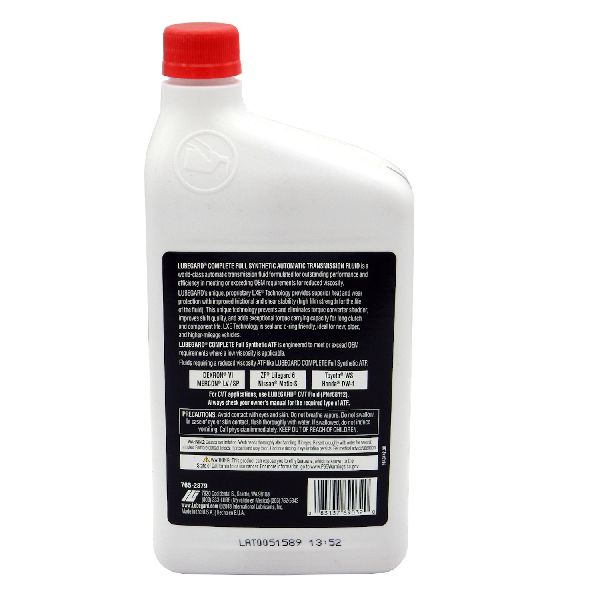
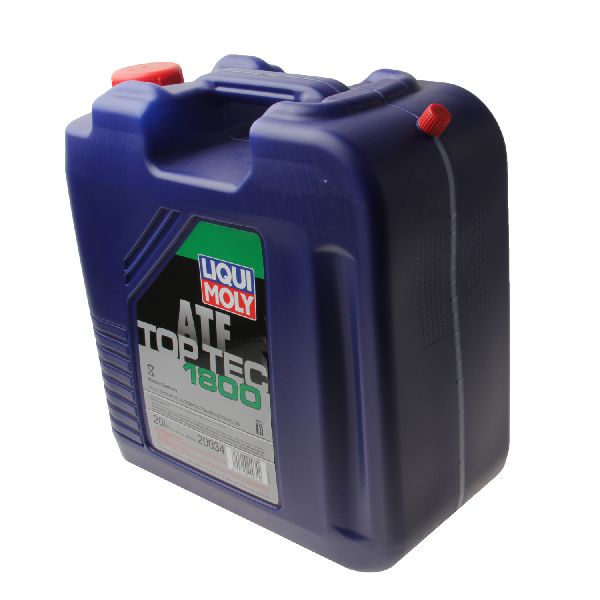
Aftermarket price range: $600-$900 - S-Tronic Transmission Fluid
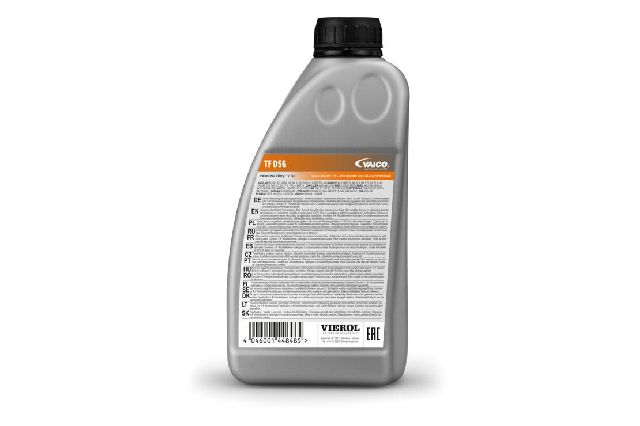
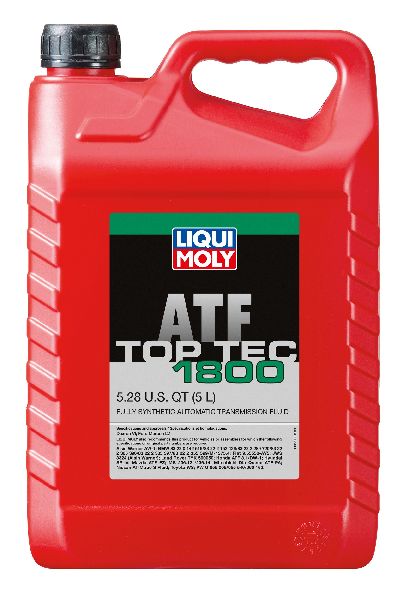
(OEM #G052529A2)— New, correct-specification fluid is required any time the mechatronics unit is serviced or replaced. Approximately 7 liters are needed for a service.
Trusted brands: Audi Genuine, Pentosin FFL-2, Liqui Moly 8100, Ravenol DCT-HV
OEM price range: $25-$35 per liter
Aftermarket price range: $15-$25 per liter
Related Codes That Often Appear With This One
- P179E / P179F — These codes for the drive position sensor are very specific to the internal circuit board failure in the DL501 mechatronics unit and are cited in Audi TSBs for this issue.
- P0726 — This code for an incorrect engine speed signal often points to a failure in the sensor module within the mechatronics unit.
- P17D8 — This code, indicating a torque limit due to clutch temperature, is another common fault stored when the mechatronics unit begins to malfunction and overheat.
- P060A — This code for internal processor monitoring is another strong indicator of mechatronics circuit board failure, often logged alongside P179E.
Technical Service Bulletins (TSBs) & Recalls
- TSB 2032211/2 / 35 12 08: Titled 'Gearbox warning light on (DTCs P179E00, P179F00, P0700, P060A)'. This TSB directly addresses the common mechatronics failure, linking the 'Gearbox Malfunction' light to a specific set of fault codes and recommending replacement of the sensor module and its wiring loom, which requires transmission disassembly.
- TSB 2051685 / 37 18 82: Titled 'Drive position sensor an electrical error is stored after mechatronics/G676 replacement, DTC P179E00'. This bulletin addresses a specific issue where code P179E00 cannot be cleared after replacing the mechatronics or G676 sensor due to a communication issue with the diagnostic tool, requiring a special procedure with two scan tools.
Platform-Specific Known Issues
- Owner Experience: Sudden Failure and 'Good Will' Repair: An owner of a 2009 Q5 with 50,000km reported the car suddenly stopped working on a highway. The dealer quoted $7,000 to replace the mechatronics unit. After the owner presented research showing it was a known global issue, Audi Australia agreed to replace the unit for free under 'good will' as the car was only 5 months out of warranty.
- Owner Experience: Near-Accident Due to Stall: On the ozAudi forum, a user described how their 2009 Q5 with a 'Gearbox Malfunction' warning entered limp mode and stalled on a highway, leading to a near-accident. This highlights the safety risk of continuing to drive with this fault.
Mechanic-Grade Diagnostic Values
- Clutch Oil Pressure Solenoids (N435, N439) Resistance — expected: Gen 1: 16.0 Ω ± 0.1 Ω at 25°C. Gen 2: 14.2 Ω ± 0.1 Ω at 25°C.. Failure: Significant deviation from the specified resistance, or an open/short circuit.
- Main Pressure (N472) & Cooling (N471) Solenoid Resistance — expected: 4.2 Ω ± 0.1 Ω at 25°C.. Failure: Significant deviation from the specified resistance.
- Shift Fork Actuator Solenoids (N433, N434, N437, N438) Resistance — expected: 4.8 Ω ± 0.1 Ω at 25°C.. Failure: Significant deviation from the specified resistance.
- Transmission Temperature Sensor (G509) Resistance — expected: ~1.13 kΩ at 30°C.. Failure: An open circuit, short, or wildly inaccurate reading compared to ambient temperature.
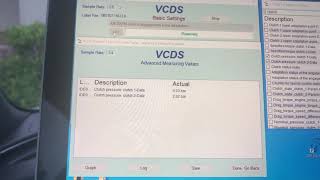
- Clutch Adaptation Point Pressure (VCDS Live Data) — expected: K1 Clutch: 2.55-2.95 bar (lower) & 7.6-7.9 bar (upper). K2 Clutch: 2.1-2.5 bar (lower) & 7.6-7.9 bar (upper).. Failure: Values outside these ranges after adaptation suggest worn clutch packs or hydraulic pressure issues.
Hidden / Shadow Codes Worth Checking
- DFCC (Diagnostic Fault Code Catalogue) Numbers: These are Audi-specific sub-codes that provide critical context to generic P-codes. For a P0700, the associated DFCCs for other codes stored in the TCM are essential for confirming the TSB-documented mechatronics failure. (see via An Audi-specific scan tool like VCDS or ODIS will display the DFCC number alongside the primary fault code in the Transmission (02-Auto Trans) control module.)
- P179E with DFCC 8050, 8051, 8052, or 8053: This specific combination points directly to the 'Drive range sensor Electrical' fault covered by TSB 2032211. (see via VCDS or ODIS scan of the TCM (Address 02).)
- P0700 with DFCC 20196: When logged with P179E and P060A, this confirms Condition 1 of TSB 2032211/2, indicating the common mechatronics failure. (see via VCDS or ODIS scan of the TCM (Address 02).)
- P060A with DFCC 8126 or 8345: This 'Internal control module monitoring processor performance' fault is another key indicator of the circuit board failure described in the TSB. (see via VCDS or ODIS scan of the TCM (Address 02).)
Scan Tool Commands That Help
- VCDS or ODIS: Basic Settings & Adaptation Sequence — This multi-step procedure is MANDATORY after replacing the mechatronics unit or repair kit. Failure to perform this correctly will result in harsh shifting, fault codes, and potential damage. The transmission fluid must be between 40-100°C.
- VCDS or ODIS: Step 1: Erase counter for start and stop processes (Key on, Engine off) — Resets internal counters before calibration begins.
- VCDS or ODIS: Step 2: Clutch valve calibration (Engine on, in Park) — Calibrates the new clutch control solenoid valves.
- VCDS or ODIS: Step 3: Distance sensor calibration (Engine on, in Park) — Calibrates the gear position and shift fork distance sensors. You will hear audible clunking from the transmission; this is normal.
- VCDS or ODIS: Step 4: Adaptation Drive — After the basic settings are complete, the vehicle must be driven for up to an hour, cycling through all gears in both normal and sport modes to allow the TCM to learn the clutch engagement 'kiss points'.
Wiring & Ground Locations
- Main Transmission Connector — The main 16-pin round electrical connector on the side of the S-Tronic transmission case. The connector part number is often 420 973 716.. Corrosion or damage to this connector or its wiring can cause a loss of communication between the TCM and the rest of the vehicle, triggering a P0700 and multiple other communication-related faults.
- Ground Point 12 — In the engine compartment, on the left side, between the shock absorber strut tower and the water drainage box (plenum chamber).. A poor ground connection here can cause unstable voltage supply to various engine and transmission-related components, leading to erratic behavior and fault codes.
- Ground Point 639 — At the bottom of the left-side A-pillar, behind the interior trim panel.. This is a major chassis ground point. A loose or corroded connection here can affect multiple interior control modules, including the Data Bus Onboard Diagnostic Interface (J533), which communicates with the TCM.
- TCM (J217) to Data Bus (J533) CAN wiring — This is the communication wiring between the mechatronics unit and the vehicle's main data bus interface, typically located under the driver's side dashboard.. A service manual procedure involves checking resistance between specific pins (e.g., pin 2 to pin 6) at the TCM harness connector to verify the integrity of the CAN bus wiring. An open or short here will isolate the TCM and set a P0700.
Real Owner Repair Stories
- ozAudi forum member (2009 Audi Q5 TFSI, 50,000km) — Car suddenly stopped working on a highway, 'Gearbox Malfunction' warning.
❌ Tried (didn't work) Initial dealer diagnosis suggested a full mechatronics replacement at a cost of $7,000.
✅ What actually fixed it The owner researched the issue and presented evidence to the dealer that it was a well-known global problem. Audi Australia then agreed to provide the replacement mechatronics unit for free under a 'goodwill' claim, as the car was only 5 months out of warranty. The owner paid approximately $800 in labor for the diagnosis and replacement.
OEM Part Supersession History
0B5398009F, 0B5398048C→0B5398048D— Revisions to the circuit boards and solenoids to improve durability and resistance to heat-related failures.
Heads up: While the newer kits are backwards compatible, using a newer repair kit may require a corresponding TCM software update to ensure proper function and calibration of the new components. Always check TSBs.
Model Year Variations Within This Range
- 2009-2012 (Pre-Facelift): These models are more likely to have the 'Generation 1' valve body. When testing clutch oil pressure solenoids (N435, N439), the expected resistance is ~16.0 Ω. They also used a Torsen center differential.
- 2013-2017 (Post-Facelift): These models may have the 'Generation 2' valve body, which uses different clutch oil pressure solenoids with a lower resistance of ~14.2 Ω. Testing with the wrong specification could lead to misdiagnosis. These models also switched to a Crown Gear center differential and introduced new engine options like the 3.0T V6.
Diagnostic Flowchart
Other Known Issues on This Vehicle
Issues unrelated to this code that are worth knowing about as an owner of this generation:
- 2.0T Timing Chain Tensioner Failure 🔴 High — Common on 2009-2013 models with the 2.0T EA888 engine, typically between 60,000-100,000 miles. A rattle on cold starts is the primary warning sign. (Ref: No recall, but a class-action lawsuit led to an extended warranty program for some vehicles. The tensioner was updated in later models.)
- Excessive Oil Consumption (2.0T Engine) 🟠 Medium — Widespread on 2009-2017 Q5s with the 2.0T engine. Some owners report consuming a quart of oil every 1,000 miles. Caused by piston ring design. (Ref: A class-action lawsuit resulted in a settlement where Audi agreed to repair or reimburse owners for repairs related to piston replacement.)
- 3.0T Water Pump Failure 🟠 Medium — Affects 3.0T supercharged V6 models, particularly from 2013-2016. The plastic pump housing can leak coolant, leading to overheating. (Ref: Subject of a class-action lawsuit alleging a design defect. No formal recall, but updated parts are available.)
- Carbon Buildup (Direct Injection Engines) 🟠 Medium — Common on all direct-injection engines (2.0T and 3.0T) after 50,000-80,000 miles. Causes misfires, rough idle, and loss of power.
- Leaking Panoramic Sunroof 🟡 Low — Common on 2011-2017 models. Clogged drain tubes can cause water to leak into the cabin, potentially damaging electronics, including airbag components. (Ref: Audi issued a recall to address a related issue where water could corrode the side airbag inflator canister.)
Used vs. New Parts: Buying Guide for This Vehicle
When a used part is the smart pick: For this specific P0700 fault, purchasing a complete used mechatronics unit from a junkyard is strongly discouraged. The failure is a known design flaw, meaning a used part has a very high probability of having the same defect or developing it shortly after installation. A used part only makes sense for external hardware like the transmission case itself if it were physically damaged.
Donor-vehicle mileage cap: roughly under 80000 miles for the part to have meaningful remaining life.
What to inspect on the donor part:
- Avoid entirely unless there is verifiable proof of a recent rebuild using a quality repair kit (e.g., receipts for parts and labor from a reputable shop).
- Check the fluid from the donor transmission if possible; if it is dark, burnt, or full of metallic particles, avoid the part.
- Inspect the main electrical connector for any signs of corrosion or damage.
OEM-only on this vehicle (don't cheap out):
- Mechatronics Repair Kit: While BorgWarner is an OEM supplier, the safest option is the genuine Audi-branded kit (0B5398048D) to ensure you have the latest revision and correct components.
- Transmission Fluid: While high-quality aftermarket fluids exist (Pentosin FFL-2, Liqui Moly 8100), using the genuine Audi fluid (G052529A2) eliminates any risk of fluid incompatibility issues.
Aftermarket brands forum-validated for this vehicle:
- BorgWarner (for mechatronics repair kit components)
- Pentosin, Liqui Moly, Ravenol (for transmission fluid, ensure spec matches FFL-2)
Brands owners have reported issues with on this vehicle:
- Unbranded, low-cost mechatronics repair kits and solenoids from online marketplaces like AliExpress or eBay. These often have incorrect electrical resistance values and use inferior materials, leading to immediate or premature failure.
Real Owner Stories
Aggregated from forums and TSBs cited above. Mileages and costs reflect what owners reported in those sources.
2009 Audi Q5 — 31068 miles
Symptoms: The car suddenly stopped working while driving on a highway. The dealer diagnosed a mechatronics failure.
What fixed it: Complete replacement of the mechatronics unit.
Source hint: ozAudi - Q5 Gearbox Malfunction: This is gonna cost me *gulp*
2009 Audi Q5
Symptoms: Received a 'Gearbox Malfunction' warning, the vehicle entered limp mode, and then stalled on a highway, nearly causing an accident.
What fixed it: Mechatronics unit replacement.
Source hint: ozAudi - SQ5 Gearbox Malfunction
2017 Audi Q5 — 200 miles
Symptoms: Brand new vehicle required mechatronics replacement almost immediately after purchase.
What fixed it: Mechatronics unit replacement.
Source hint: AudiWorld Forums - Brand New 2017 Q5 - mechatronic replacement needed
2011 Audi Q5 2.0T
Symptoms: Mechatronic unit failure resulting in a massive repair quote.
What fixed it: Mechatronics unit replacement.
Cost: $15,000-$15,000
Source hint: Reddit r/Audi - Mechatronic Unit Failure - affected cars
Related OBD-II Codes
Frequently Asked Questions
My 2009 Q5 is showing a 'Gearbox malfunction' message; does TSB 2032211/2 apply to my vehicle?
What is the specific Audi repair kit part number for the DL501 mechatronics failure?
I replaced my mechatronics unit but now have a P179E00 code that won't clear. Is there a fix?
Can I get Audi to cover the cost of a mechatronics replacement if my Q5 is just out of warranty?
Is it safe to drive my Q5 if it enters 'limp mode' with a gearbox warning?
Does the Porsche Macan suffer from the same P0700/mechatronics issues as the Audi Q5?
Helpful Videos

We Have This Part in Stock


The information in this article is provided for general reference and educational purposes only. Vehicle specifications, procedures, and part compatibility can vary by production date, trim level, and region. Always consult your vehicle's factory service manual and verify part numbers before purchasing or performing repairs. Safety-critical components such as airbags, seat belts, and braking systems should be installed by a qualified professional.
- Audi Q5:
- 🧭 Diagnostic Flowchart
- 🎬 Helpful Videos
- 🛍️ Shop This Part
- What's Unique About the 2009-2017 Audi Q5
- Symptoms You May Notice
- Most Likely Causes
- Rare But Worth Checking
- Diagnosis Steps
- Parts You'll Likely Need
- Related Codes That Often Appear With This One
- Technical Service Bulletins (TSBs) & Recalls
- Platform-Specific Known Issues
- Mechanic-Grade Diagnostic Values
- Hidden / Shadow Codes Worth Checking
- Scan Tool Commands That Help
- Wiring & Ground Locations
- Real Owner Repair Stories
- OEM Part Supersession History
- Model Year Variations Within This Range
- Other Known Issues on This Vehicle
- Used vs. New Parts: Buying Guide for This Vehicle
- Real Owner Stories
- 2009 Audi Q5 — 31068 miles
- 2009 Audi Q5
- 2017 Audi Q5 — 200 miles
- 2011 Audi Q5 2.0T
- Related OBD-II Codes
- Frequently Asked Questions
- 🎟️ Get 5% Off