

P0700 on 2013-2014 Audi S5: Transmission Control System Malfunction Guide
P0700 on a 2013-2014 Audi S5 is a general fault code indicating the Transmission Control Module (TCM) has detected a problem. It almost always points to a failure within the S-Tronic DL501 mechatronic unit's internal sensor module circuit board, a diagnosis confirmed by Audi TSB 2032211. The most common fix is a mechatronic repair kit (P/N: 0B5398009F or a successor), which is a complex job best left to a professional.
- P0700 is not the root problem; it's a notification that the transmission has stored more specific fault codes.
- On a 2013-2014 Audi S5, P0700 almost always points to a problem with the S-Tronic mechatronic unit.
- A proper diagnosis requires scanning the Transmission Control Module (TCM) for codes like P179E and P179F.
- The most common fix is a mechatronic repair kit (Part No. 0B5398009F), not a full transmission replacement.
- This is a complex repair that should be performed by a qualified shop specializing in European vehicles.
What's Unique About the 2013-2014 Audi S5
The 2013-2014 Audi S5 (B8.5 generation) is equipped with the 7-speed S-Tronic DL501 dual-clutch transmission. This specific gearbox is known for issues related to its mechatronic unit, which is the electro-hydraulic control center of the transmission. The P0700 code on this platform is very frequently a precursor to more specific codes like P179E and P179F, which point directly to a failure of the sensor module or printed circuit board (PCB) within the mechatronic unit, as documented in Audi's own Technical Service Bulletin A351619 / 2032211.
Diagnostic Flowchart
Tap your situation to follow the diagnostic path that matches what you're seeing on this vehicle.
Symptoms You May Notice
- "Gearbox malfunction: you can continue driving" message on the driver information system. [⭐ MANUFACTURER TSB #A351619 2032211-]
- Illuminated Check Engine Light (MIL).
- PRNDS indicator on the dashboard flashing.
- Vehicle enters 'limp mode', often restricting available gears (e.g., only odd gears 1-3-5-7 or even gears 2-4-6).
- Juddering or shuddering on take-off from a stop, especially in slow-moving traffic.
- Harsh, erratic, or delayed gear shifts.
- Failure to engage Drive or Reverse, which may be intermittent and more likely to occur when the transmission is hot.
- Clunking noises when shifting.
- Vehicle hesitation or bucking.
- Replacing the entire transmission. Often, only the mechatronic unit's internal circuit boards are faulty, which is a significantly less expensive repair than a full transmission replacement. However, some dealers may quote a full transmission replacement as policy.
Most Likely Causes
- Mechatronic Unit Internal Failure (Sensor/Circuit Board) 🔴 High Probability → Shop Transmission Valve Body The DL501 transmission's mechatronic unit is a well-documented high-failure item, particularly the internal printed circuit boards (PCBs) that house the drive position (G676) and speed sensors. These boards are prone to electrical faults, a weakness acknowledged by multiple revisions of Audi TSB 2032211.
How to confirm: Scan the TCM for specific codes like P179E and P179F. Crucially, check the accompanying DFCC (Diagnostic Fault Code Clarification) codes. For this TSB to apply, the DTCs and their corresponding 4-6 digit DFCCs must match the scenarios outlined in the bulletin exactly. The presence of these specific code combinations strongly indicates this failure.
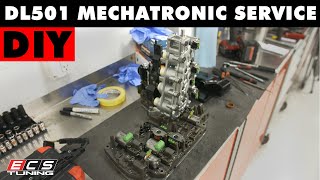
Typical fix: Install a mechatronic repair kit, 🎬 Watch this detailed walkthrough of the mechatronic repair kit installation. which includes new circuit boards/sensor modules and wiring. In severe cases, or if the main unit's connectors are damaged during repair, the entire mechatronic unit may need replacement, which requires online programming by a dealer or specialized shop.
Est. part cost: $600-$900 for a repair kit; $2500-$4200 for a complete mechatronic unit. - Failing Mechatronic Shift Solenoids or Valve Body 🟡 Medium Probability → Shop Transmission Valve Body Solenoids within the mechatronic unit control the hydraulic pressure for shifting and clutch cooling. Over time, they can fail electrically or become clogged with metallic debris from normal clutch wear, leading to pressure regulation faults.
How to confirm: Scan the TCM for solenoid-specific fault codes (e.g., P174B, P174F, P179C, P17BF). A technician can also perform resistance and function tests on individual solenoids once the mechatronic unit is removed.
Typical fix: Replace the faulty solenoids. Some repair kits include the most common failure-prone solenoids (N436, N440, N471) along with the circuit boards.
Est. part cost: $50-$150 per solenoid, but they are often included in larger repair kits. - Low or Contaminated Transmission Fluid ⚪ Low Probability → Shop Transmission Assembly The DL501 has separate fluid circuits for the gear oil and the hydraulic mechatronic/clutch fluid (ATF). While less common as a root cause, incorrect ATF levels or fluid that is old and contaminated with clutch debris can cause the mechatronic unit to malfunction and overheat, triggering faults.
How to confirm: Check the transmission fluid (ATF side) level and condition using the proper procedure for the DL501 transmission. This requires the vehicle to be level and the fluid to be at a specific temperature (typically 30-40°C).
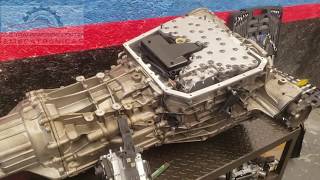
Typical fix: Perform a full transmission fluid and filter service. 🎬 See how to perform a full DL501 transmission fluid service. If the fluid is heavily contaminated, it may be a sign of a more severe internal failure (like the clutches) that has already damaged the mechatronic.
Est. part cost: $200-$350 for fluid and filters.
Rare But Worth Checking
- Wiring Harness Damage: Damage to the external wiring harness leading to the transmission can cause communication errors and trigger a P0700 code. This should be inspected for corrosion or physical damage before condemning the expensive mechatronic unit.
Diagnosis Steps
- Connect an advanced OBD-II scanner capable of communicating with the Audi Transmission Control Module (TCM), such as VCDS or an equivalent professional tool.
- Read and record all fault codes from both the ECM (P0700) and the TCM (e.g., P179E, P179F, etc.).
- CRITICAL: Analyze the specific TCM codes AND their accompanying DFCC (Diagnostic Fault Code Clarification) numbers. Cross-reference this data with the scenarios listed in Audi TSB A351619 / 2032211. The codes must match exactly for the TSB's repair procedure to apply.
- Visually inspect the transmission housing and the main electrical connector for any signs of physical damage, corrosion, or fluid leaks.
- Check the transmission fluid (ATF) level and condition according to the manufacturer's procedure. This requires the vehicle to be level and the fluid to be at a specific temperature.
- If codes and DFCCs point to a mechatronic sensor module failure per the TSB, proceed with the repair outlined in the bulletin, which involves replacing the internal sensor/circuit board module.
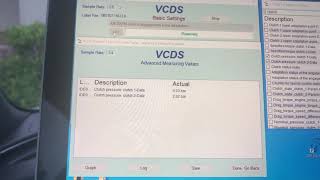
- After repair, clear all codes, perform a transmission adaptation/basic setting procedure with a compatible scan tool, 🎬 Watch the step-by-step clutch adaptation procedure using a scan tool. and conduct a test drive to verify the fix.
Parts You'll Likely Need
- Mechatronic Repair Kit
(OEM #0B5398009F (superseded by 0B5398048C, 0B5398048D))— This is the most common and correct solution for the typical P0700 fault on the DL501 transmission, addressing the failure of the internal circuit board and sensors as specified in TSB 2032211.
Trusted brands: Audi Genuine
OEM price range: $600-$900
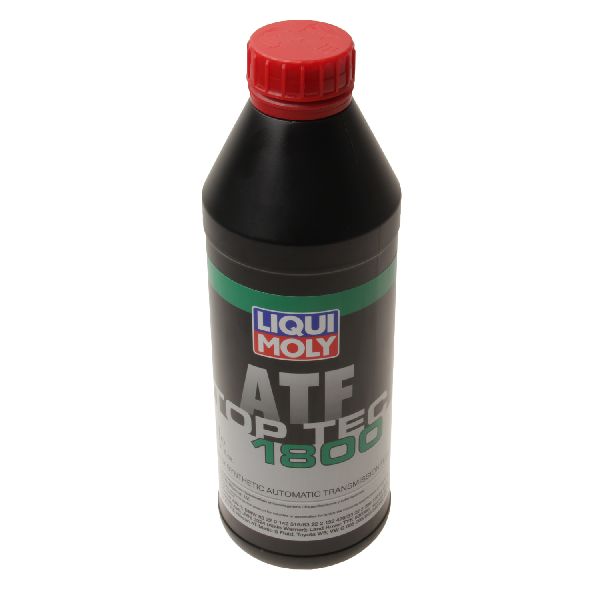
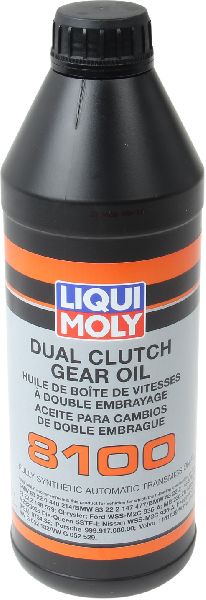
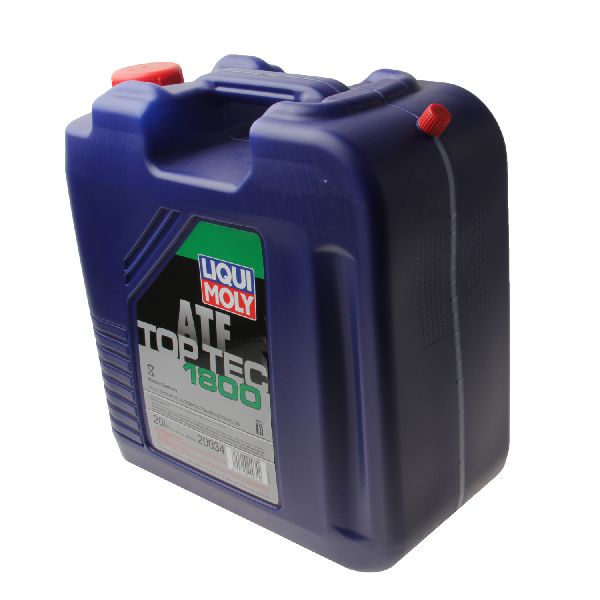
Aftermarket price range: N/A (Genuine part is strongly recommended) - S-Tronic Transmission Fluid and Filter Kit — This is required whenever the mechatronic unit is serviced or replaced. The DL501 has both an internal ATF filter/strainer and an external cartridge filter that should be changed.
Trusted brands: Audi Genuine, LiquiMoly, Motul, Vaico
OEM price range: $250-$350
Aftermarket price range: $150-$250 - Mechatronic Unit (Complete)
(OEM #0B5927156K (example, must verify by VIN))— Required if the valve body is damaged, the circuit board connectors are broken, or if a shop is unable/unwilling to perform the kit repair. This is a much more expensive part and requires dealer/specialist online programming due to 'Component Protection' which pairs the unit to the car's immobilizer.
OEM price range: $2500-$4200
Related Codes That Often Appear With This One
- P179E — This code for 'Drive Range Sensor Electrical Malfunction' is a primary indicator of the common mechatronic circuit board failure. Per TSB 2032211/2, look for specific DFCCs like 8050, 8051, 8052, 8053, etc.
- P179F — This code for 'Drive Position Sensor Malfunction' is also directly related to the mechatronic sensor module and often appears with P179E. Look for DFCCs like 8054, 8055, 8056, etc.
- P060A — This code for 'Internal Control Module Monitoring Processor Performance' is another fault that points to an internal problem within the mechatronic/TCM unit itself. Look for DFCCs 8126 or 8345. [⭐ MANUFACTURER TSB #A351619 2032211-, 38]
- P0716 — This code for 'Input Turbine/Speed Sensor “A” Circuit Range/Performance' can also be logged when the mechatronic sensor module fails. Look for DFCCs 8096 or 8101.
Technical Service Bulletins (TSBs) & Recalls
- A351619 / 2032211 (Multiple Revisions): Gearbox warning light on (DTCs P179E00, P179F00, P0700, P060A). This TSB is the definitive guide for this issue. It outlines two specific scenarios with exact DTC and DFCC code combinations that confirm a failure of the internal sensor module. Following this TSB is critical for accurate diagnosis and avoiding unnecessary replacement of the entire mechatronic unit or transmission.
Platform-Specific Known Issues
- The 2013-2014 Audi S5 uses the DL501 (0B5) S-Tronic transmission. While Audi made improvements over the years, models in this era are now of an age and mileage where the known design weakness in the mechatronic unit's sensor module and circuit board is a common failure. This is the subject of the repeatedly updated Technical Service Bulletin A351619 / 2032211. [⭐ MANUFACTURER TSB #A351619 2032211-, 19, 24]
Mechanic-Grade Diagnostic Values
- Transmission Fluid (ATF) Temperature — expected: 40°C to 60°C for performing basic settings/adaptations. Some sources say up to 100°C is acceptable, but the lower range is safer.. Failure: Adaptation procedures may fail to run if the temperature is outside this range.
- Clutch Pressure during Valve Calibration — expected: During the 'Clutch Valve Calibration' in VCDS, pressure will cycle up to a maximum of around 20 bar (290 PSI).. Failure: Failure to reach target pressure or erratic pressure readings could indicate a hydraulic leak or failing solenoid.
- Clutch Adaptation Status — expected: After performing adaptations and a test drive, VCDS Advanced Measuring Values for 'Adaptation status of the engagement point 1' and '...point 2' should change to 'adapted'.. Failure: If the status does not change to 'adapted' after a sufficient drive cycle (which can take up to two hours), it indicates the learning process is incomplete or has failed.
Scan Tool Commands That Help
- VCDS (VAG-COM): Basic Settings (Group 04) -> Erase counter for start and stop processes — This is one of the first steps in the adaptation sequence after a mechatronic repair or fluid service to reset learned values.
- VCDS (VAG-COM): Basic Settings (Group 04) -> Clutch valve calibration — Performed with the engine running to calibrate the operating range of the clutch pressure valves.
- VCDS (VAG-COM): Basic Settings (Group 04) -> Distance sensor calibration — Performed after clutch valve calibration to adapt the gear selector distance sensors. Clunking noises from the transmission are normal during this procedure.
- VCDS (VAG-COM): Basic Settings (Group 04) -> Clutch engagement point adaptation — This is a final step, performed with the engine running, where the TCM finds the 'kiss point' of each clutch pack for smooth take-offs.
Wiring & Ground Locations
- Main Transmission Connector — On the left side of the transmission housing. It is a large, round twist-lock connector.. This is the primary connection point for all communication and power to the mechatronic unit. Fluid intrusion from a leaking seal at this connector is a known issue that can cause a wide range of electrical faults, including P0700.
- Main Chassis Ground — A primary factory ground point is located on the left lower front frame rail (long member) in the engine bay.. A poor ground connection can cause unstable voltage supply to control modules, including the TCM, leading to unpredictable behavior and fault codes. While not a common cause for this specific code, it's a fundamental check for any electrical issue.
Real Owner Repair Stories
- Audi-Sport.net user (2010 Audi S4 (B8), ~90k miles) — Initial 'Gearbox malfunction' message with codes P179E and P179F. Later developed random shifting from 3rd to 7th in manual mode and a loud 'clunk/bang' going up a hill.
❌ Tried (didn't work) The user was considering options before repair, but noted that simply clearing codes was not a fix as symptoms worsened.
✅ What actually fixed it The user was advised by forum members and gearbox specialists that the symptoms pointed directly to the known mechatronic PCB/sensor failure, and the correct fix would be the mechatronic repair kit (replacing the sensor board and harness). - Reddit user u/CommercialSkin4014 (Audi S4 B8.5) — Noise when selecting reverse, with fault codes P179E and P179F found by the Audi dealer.
❌ Tried (didn't work) The Audi dealer refused to perform the repair, stating it was a 'big job' and suggested buying a brand new transmission instead.
✅ What actually fixed it The confirmed diagnosis from other experts was a failure of the gear position sensor within the mechatronic unit, for which the standard fix is the specific mechatronic repair kit, not a full transmission replacement.
OEM Part Supersession History
0B5398009A/B/C/D/E→0B5398009F— Progressive updates to the circuit boards and sensors to improve reliability.
Heads up: These earlier versions are all superseded by 0B5398009F, which should be used for repairs.0B5398009F→0B5398048C, then 0B5398048D— The newer kits (0B5398048x) are more comprehensive. They typically include not only the two PCB sensor modules but also the three main pressure and cooling solenoids (N436, N440, N471) that are also common failure points.
Heads up: The '048D' kit is the most current and complete version recommended for a thorough repair, as it addresses both the sensor boards and the most failure-prone solenoids simultaneously.
Model Year Variations Within This Range
- 2013-2014: While the core DL501 transmission is the same, there can be minor differences in the mechatronic unit's manufacturing date which affect internal repair procedures. For example, when aligning the gear selector forks during re-installation, the required measurement can differ based on the mechatronic unit's ID number (pre- or post-L31B1137).
Helpful Videos
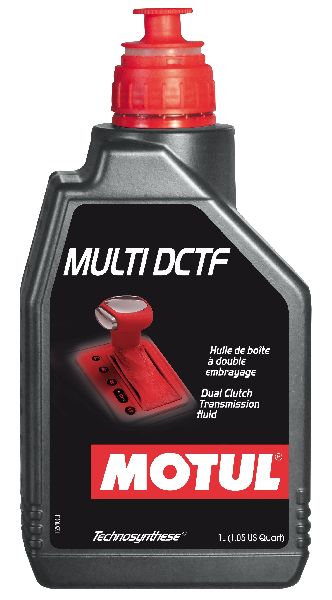
We Have This Part in Stock


The information in this article is provided for general reference and educational purposes only. Vehicle specifications, procedures, and part compatibility can vary by production date, trim level, and region. Always consult your vehicle's factory service manual and verify part numbers before purchasing or performing repairs. Safety-critical components such as airbags, seat belts, and braking systems should be installed by a qualified professional.
- Audi S5:
- 🧭 Diagnostic Flowchart
- 🎬 Helpful Videos
- 🛍️ Shop This Part
- What's Unique About the 2013-2014 Audi S5
- Symptoms You May Notice
- Most Likely Causes
- Rare But Worth Checking
- Diagnosis Steps
- Parts You'll Likely Need
- Related Codes That Often Appear With This One
- Technical Service Bulletins (TSBs) & Recalls
- Platform-Specific Known Issues
- Mechanic-Grade Diagnostic Values
- Scan Tool Commands That Help
- Wiring & Ground Locations
- Real Owner Repair Stories
- OEM Part Supersession History
- Model Year Variations Within This Range
- 🎟️ Get 5% Off