

P0700 on 2007-2013 BMW X5 (E70): Transmission Control System Malfunction Causes and Fixes
P0700 on a 2007-2013 BMW X5 (E70) indicates a fault within the transmission system. The most common cause is low transmission fluid due to leaks from the plastic oil pan, pan gasket, or the mechatronic sealing sleeve. A full fluid and filter service with sleeve replacement often resolves the issue, which frequently manifests as harsh shifting or the vehicle entering 'limp mode'.
- P0700 is a generic code; you MUST use a BMW-specific scan tool to find the true cause stored in the transmission module.
- The most likely cause is a transmission fluid leak from the oil pan or mechatronic sealing sleeve.
- Do not follow BMW's 'lifetime fluid' advice. Plan for a transmission fluid and filter service every 60,000-80,000 miles to prevent this issue.
- This is not a simple DIY job. The fluid level check and fill procedure is complex and requires specific tools and temperature monitoring.
- When servicing the transmission for a leak, always replace the pan/filter, fluid, mechatronic sleeve, and the single-use aluminum pan bolts.
What's Unique About the 2007-2013 BMW X5
The 2007-2013 BMW X5 (E70 generation) primarily uses ZF 6-speed (6HP26/6HP28) or 8-speed (8HP-series) automatic transmissions. While robust, these units are known for specific leak points that develop over time, particularly the plastic oil pan/filter assembly and the mechatronic sealing sleeve. BMW's recommendation of "lifetime" transmission fluid is widely disputed by specialists, and fluid degradation or low levels are a primary contributor to many of the issues that trigger a P0700 code. Addressing these known weak points with periodic fluid services is key to longevity.
Symptoms You May Notice
- Check Engine Light (MIL) illuminated.
- Transmission warning light ('Cog of Death') or 'Transmission Malfunction' message on the iDrive screen.
- Vehicle enters 'limp mode' or 'failsafe mode', often stuck in a single gear (e.g., 3rd or 5th).
- Harsh, jerky, or delayed gear shifts, especially between 1-2 and 2-3.
- Gears slipping or engine RPMs flaring during shifts.
- Delayed or harsh engagement when shifting from Park to Drive or Reverse.
- Inability to shift out of Park, sometimes requiring manual override.
- Noticeable decrease in fuel economy.
- Clearing the P0700 code without using a BMW-specific scanner to read the underlying transmission codes. The light will simply return without the root cause being addressed.
- Replacing the entire transmission when only a fluid service with a new pan, mechatronic sleeve, and mechatronic adapter seals was needed.
- Mistaking air conditioning condensate for a transmission fluid leak, as the A/C drain can drip near the transmission. Transmission fluid is typically red or brownish and oily, while A/C water is clear.
Most Likely Causes
- Low Transmission Fluid Due to Leaks 🔴 High Probability → Shop Transmission Assembly The plastic transmission oil pan can warp or crack, and the integrated gasket fails over time. The mechatronic sealing sleeve O-rings also harden and shrink, causing leaks. These are the two most common leak points on the ZF 6HP/8HP transmissions.
How to confirm: Visually inspect the underside of the transmission for red or brown fluid residue, particularly around the pan and the round electrical connector. A BMW-specific scan tool is needed to check the fluid level correctly, as it's a temperature-dependent procedure (30-40°C for ZF 6HP).
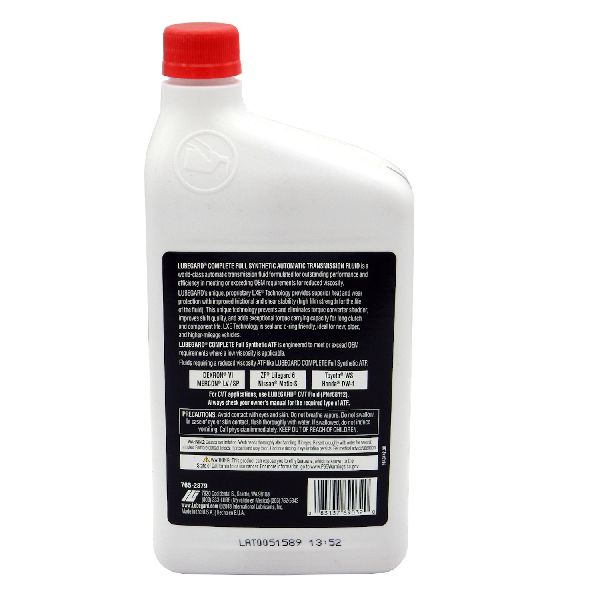
Typical fix: Identify and repair the source of the leak. This usually involves replacing the transmission pan/filter assembly, the mechatronic sealing sleeve, and refilling with the correct type of transmission fluid (e.g., ZF Lifeguard 6 or 8).
Est. part cost: $150-$400 for a complete pan, filter, fluid, and sleeve kit. - Leaking Mechatronic Sealing Sleeve 🔴 High Probability → Shop Transmission Assembly The rubber O-rings on the sleeve are exposed to constant heat cycles, causing them to become hard and brittle, which compromises the seal between the valve body and the transmission casing's electrical connector.
How to confirm: A leak will be visible dripping from the round electrical connector on the side of the transmission. Fluid can also wick up into the wiring harness, causing communication issues and, in some cases, a no-start condition if the pins are shorted.
Typical fix: Replace the mechatronic sealing sleeve (Part #24347588725). 🎬 See how to replace the mechatronic sleeve on 8HP transmissions. This is almost always done at the same time as a transmission fluid and filter service.
Est. part cost: $15-$50 - Faulty Mechatronic Unit (Valve Body/Solenoids/Seals) 🟡 Medium Probability → Shop Transmission Valve Body Degraded, dirty, or low fluid can cause solenoids to stick or fail. More commonly, the small rubber seals between the mechatronic unit and the transmission case (bridge seal and tube seals) shrink and harden, causing internal pressure losses that lead to poor shifting and gear monitoring faults.
How to confirm: Requires a BMW-specific scan tool to read sub-codes related to specific solenoids or gear ratio monitoring faults (e.g., 4F81, 4F85, 507D). Live data monitoring can show erratic solenoid behavior or pressure deviations.
Typical fix: A full service including fluid, pan/filter, mechatronic sleeve, and replacement of the bridge and adapter seals often resolves these pressure-related issues. In some cases, individual solenoids may need replacement.
Est. part cost: $200-$1500+ - Faulty Transmission Control Module (TCM/EGS) ⚪ Low Probability → Shop Transmission Assembly
How to confirm: If a BMW-specific scan tool cannot communicate with the TCM, or if all other causes are ruled out, the module itself may be faulty. This is rare and should be the last item to suspect after checking all wiring and fluid-related causes.
Typical fix: Replacement and programming of the TCM. Sometimes the issue is fluid intrusion into the connector, not a faulty module.
Est. part cost: $500-$1200
Rare But Worth Checking
- Internal Transmission Wear: → Shop Transmission Assembly If the transmission fluid is found with significant metal shavings ('glitter'), it indicates wear of internal components like clutches or the torque converter, which may require a transmission rebuild or replacement. This is more likely on high-mileage vehicles where fluid services were neglected.
- Damaged Wiring Harness: Physical damage to the wiring harness leading to the transmission can cause communication errors and trigger a P0700 code. Fluid from a leaking mechatronic sleeve can also wick up the harness and contaminate the TCM connector.
- Low Battery Voltage: → Shop Vehicle Battery BMWs are notoriously sensitive to battery voltage. An old or failing battery can cause a cascade of seemingly unrelated electronic faults, including transmission communication errors. Ensure the battery is healthy and properly registered to the vehicle before chasing complex transmission issues.
Diagnosis Steps
- Read the engine codes with a standard OBD-II scanner to confirm P0700 is present.
- CRITICAL: Use a BMW-specific scan tool (e.g., ISTA, INPA, Foxwell, Autel) to read the proprietary fault codes stored in the Transmission Control Module (EGS).
- Analyze the specific BMW codes. These will point to the actual problem (e.g., '4F85: Ratio Monitoring, Clutch E', 'Solenoid Valve X Stuck', 'Pressure Control Fault').
- Raise the vehicle securely on a lift, ensuring it is level. Remove underbody shields to access the transmission.
- Perform a thorough visual inspection for fluid leaks. Check the entire transmission pan gasket, the drain and fill plugs, and the area around the round electrical connector (mechatronic sleeve).
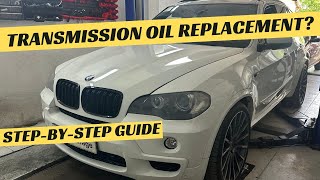
- With the scan tool, check the transmission fluid temperature. Follow the ZF procedure to check the fluid level. This involves running the engine, cycling through gears, and opening the fill plug at a specific temperature range (typically 30-40°C for 6HP). Fluid should trickle out. 🎬 Watch: How to correctly check BMW automatic transmission fluid levels.
- If the fluid is low, a leak is present and must be fixed. If the fluid is dark, burnt-smelling, or contains excessive metal debris, it indicates a need for service or potential internal damage.
- Based on the specific codes and inspection findings, proceed with targeted repairs, often starting with a full fluid, filter, and seal service.
Parts You'll Likely Need
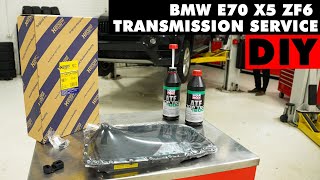
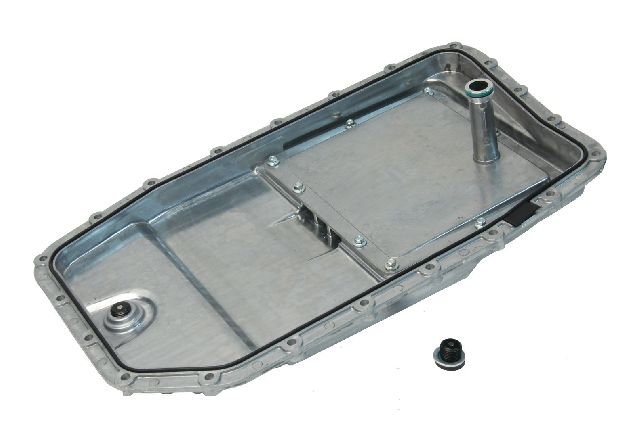
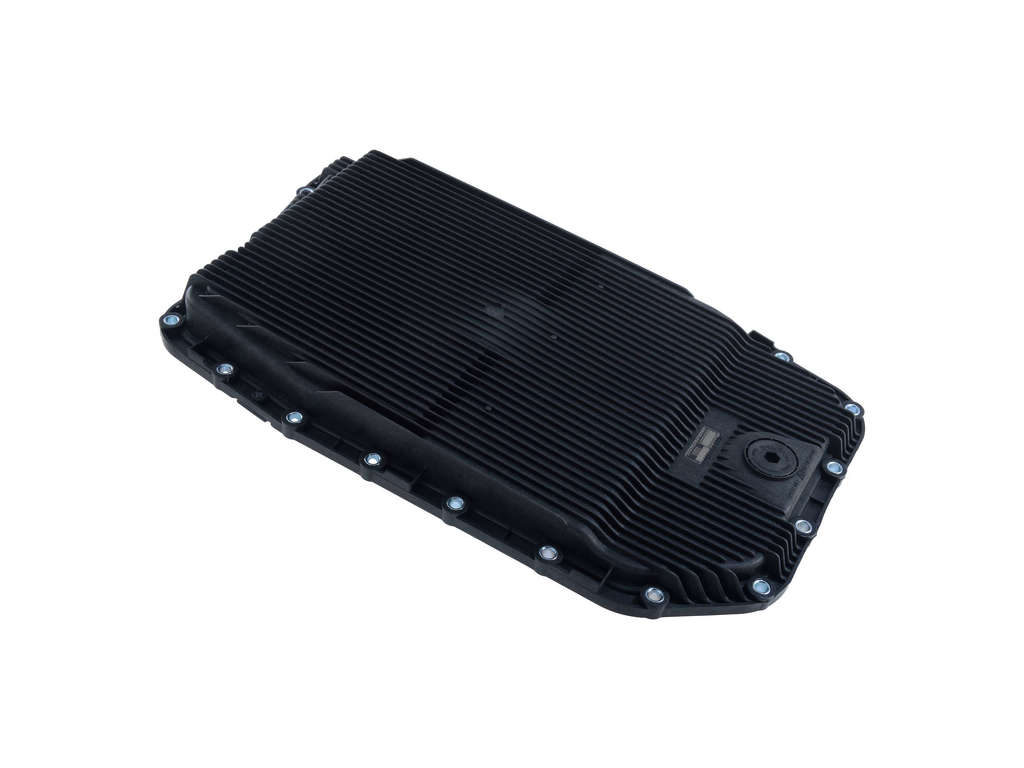
- Transmission Oil Pan and Filter Kit
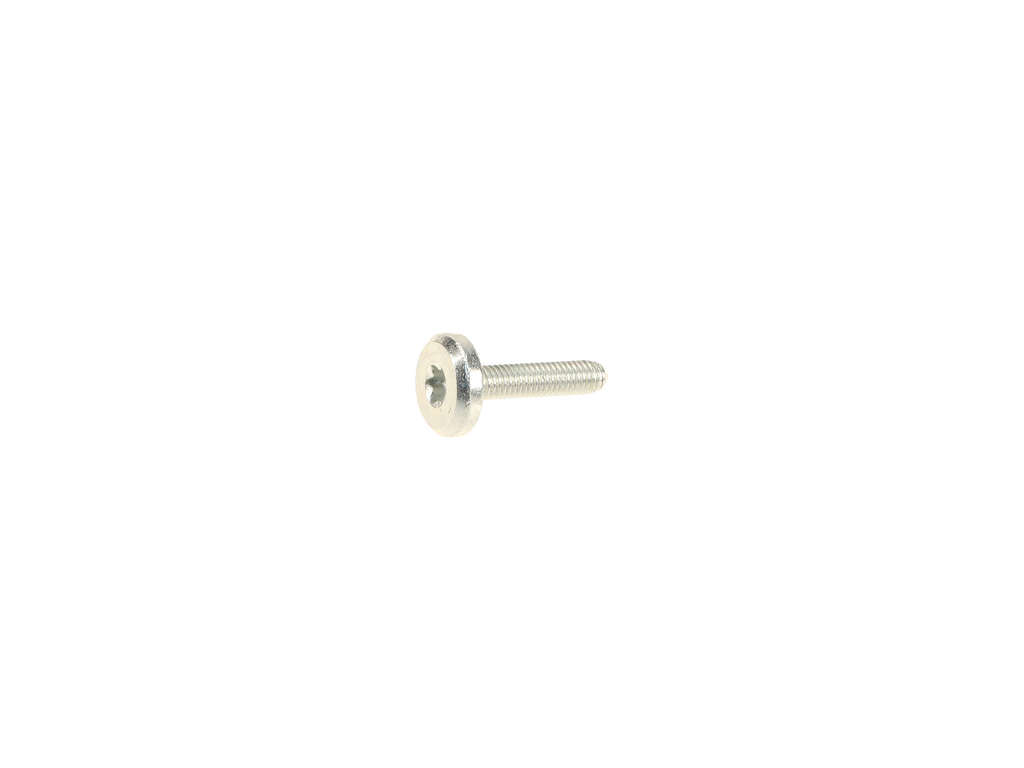
(OEM #Varies by transmission (e.g., 24117571227 for ZF 6HP))— The plastic pan warps and the filter is integrated. A kit typically includes the pan, new gasket, and new aluminum bolts which are one-time use.
Trusted brands: ZF (OEM), Hengst, Vaico, FCP Euro Kit
OEM price range: $200-$300
Aftermarket price range: $100-$200 - Mechatronic Sealing Sleeve
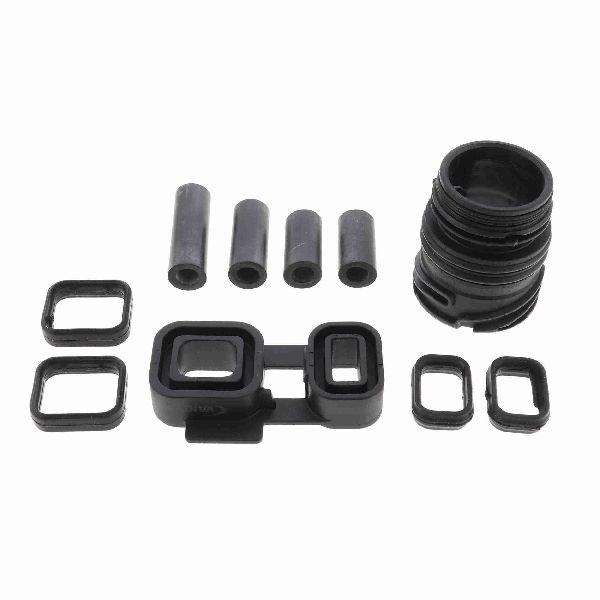
(OEM #24347588725)— This is a primary leak point. The O-rings fail, causing fluid loss and potential electrical issues. It's inexpensive and should be replaced during any transmission service.
Trusted brands: ZF (OEM), URO Parts, Vaico
OEM price range: $20-$30
Aftermarket price range: $10-$20 - Mechatronic Seal Kit (Bridge Seal & Tube Seals)
(OEM #Varies (often sold as a kit, e.g., ZF 1068.298.044))— These internal seals harden and shrink, causing hydraulic pressure loss between the valve body and transmission case. This leads to shift flares and ratio monitoring faults (4Fxx codes). Replacing them is critical when the pan is off.
Trusted brands: ZF (OEM), Sonnax (often includes improved designs)
OEM price range: $40-$80
Aftermarket price range: $30-$60 - Transmission Fluid (ATF)
(OEM #ZF Lifeguard 6 (for 6HP) or ZF Lifeguard 8 (for 8HP))— Low or degraded fluid is a root cause of many issues. Using the correct fluid is critical for shift quality and transmission life. Do not mix Lifeguard 6 and 8 unless explicitly approved by ZF for a specific repair procedure.
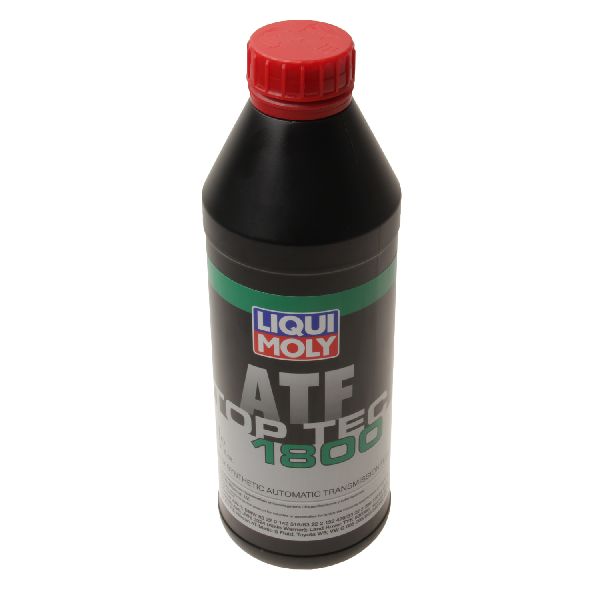
Trusted brands: ZF Lifeguard (OEM), Pentosin ATF1 (meets spec for 6HP), Liqui Moly Top Tec 1800 (meets spec for 6HP)
OEM price range: $20-$30 per liter
Aftermarket price range: $15-$25 per liter
Related Codes That Often Appear With This One
- 4F81, 4F83, 4F85, etc. — These are BMW-specific transmission codes for gear ratio monitoring faults, often caused by low fluid pressure from leaks or failing mechatronic seals. They are the 'real' codes behind the P0700. 4F85 specifically points to the E-clutch.
- 507D — A BMW-specific code indicating a parking gear sensor issue, which can prevent the car from shifting out of park. This can be caused by a faulty mechatronic unit or low fluid level.
- CF80, 5F2F — Indicates a communication problem between the engine (DME) and transmission (EGS) or stability control (DSC) modules, often related to a shared sensor or low voltage.
Platform-Specific Known Issues
- BMW's 'lifetime fill' transmission fluid policy is a significant contributor to transmission problems. Most specialists recommend a fluid and filter service every 60,000 to 80,000 miles to prevent issues.
- The plastic oil pan is a known failure point due to warping and cracking from heat cycles. Upgraded metal pan options are available in the aftermarket but are significantly more expensive.
Mechanic-Grade Diagnostic Values
- ZF 6HP Mechatronic Solenoid Resistance (at 20°C) — expected: EDS 1-6 (Blue/Yellow caps): ~5 Ohms. MV 1-2 (Black caps): ~12 Ohms. MV 3 (Green cap): ~25 Ohms.. Failure: A reading of '1' or open circuit indicates a failed solenoid. Significant deviation from the expected resistance can also indicate a problem.
- ZF 6HP EDS Solenoid Pressure Output — expected: EDS 2, 4, & 5 (normally high pressure): 4.6 bar at 0mA current, falling to 0 bar at 700mA. EDS 1, 3, & 6 (normally low pressure): 0 bar at 0mA, rising with current.. Failure: Pressure readings that do not correspond to the commanded current from the TCM indicate a stuck or failing solenoid. This requires specialized pressure testing equipment connected to the mechatronic unit.
Hidden / Shadow Codes Worth Checking
- 4F8A: Ratio Monitoring, Gearshift 4-5. This code indicates the transmission detected incorrect slippage or a failure to engage the 4-5 shift correctly. It's a very common code associated with internal hydraulic pressure loss. (see via BMW-specific scan tools like ISTA, INPA, or high-end Autel/Foxwell scanners are required to read this from the EGS (transmission) module.)
- 4F85: Ratio Monitoring, Clutch E. This points to a problem specifically with the 'E' clutch pack, often due to pressure loss from failing seals (bridge seal, tube seals) or a failing solenoid controlling that clutch circuit. (see via Requires a BMW-specific scan tool to pull from the EGS module.)
Scan Tool Commands That Help
- ISTA: Service Functions > Powertrain > Transmission Control > Adjustment > Display and reset adaptation values — This is CRITICAL after replacing any transmission components (valve body, solenoids, clutches) or performing a fluid service. It clears the learned shift pressure values, allowing the TCM to re-learn the new components' hydraulic characteristics. Failure to do this can result in harsh or incorrect shifting.
- INPA: Select Chassis (e.g., E70) > Transmission > Gearbox Control Module > F6 Activate > F3 Reset adaption values — An alternative to ISTA for resetting transmission adaptations. This function performs the same critical reset of learned values after a repair. The key must be in position 2 with the engine off.
- ISTA: Vehicle Management > Service Functions > Maintenance > Transmission oil change — This guided function in ISTA walks the technician through the proper fluid level check procedure, displaying the live transmission fluid temperature and instructing when to open the fill plug. This ensures the fluid level is set accurately within the required temperature window.
Real Owner Repair Stories
- 5series.net user 'ninjaff21' (2008 BMW 528xi (E60 chassis, but uses same ZF 6HP transmission and faces identical issues)) — Transmission flares then thumps into gear only on the 4-5 shift, triggering a transmission malfunction message. INPA showed code 4F8A at 101k miles.
❌ Tried (didn't work) Initial diagnosis was unclear if it was a simple seal issue or a larger problem.
✅ What actually fixed it The user replaced the entire valve body (mechatronic unit) with one from a $300 donor transmission. They also replaced the sealing sleeves and electrical connector during the swap, then reset adaptations. This resolved the 4-5 shift issue completely.
OEM Part Supersession History
24347519357→24347588725— Improved sealing materials and design to increase longevity and prevent leaks.
Heads up: The new part number (24347588725) is a direct replacement for the old one and should always be used.
Model Year Variations Within This Range
- 2007-2010 (Pre-LCI): These models primarily used the ZF 6HP26 or 6HP28 6-speed automatic transmission. Diagnostics and common failures are centered around this unit, including the plastic pan, mechatronic sleeve, and internal bridge/tube seals.
- 2011-2013 (LCI): The Life Cycle Impulse (LCI) facelift introduced the more advanced ZF 8HP-series 8-speed automatic transmission for most models (e.g., xDrive35i, xDrive50i). While also a ZF, it has different fluid requirements (Lifeguard 8), different internal components, and a different set of potential issues, though some principles like the importance of fluid level and adaptations remain. The E70 diesel (xDrive35d) retained the 6-speed.
Diagnostic Flowchart
Other Known Issues on This Vehicle
Issues unrelated to this code that are worth knowing about as an owner of this generation:
- Electric Water Pump & Thermostat Failure 🔴 High — Commonly fails between 60,000-90,000 miles, often without warning. Affects N52, N54, and N55 engines.
- Oil Leaks (Valve Cover Gasket, Oil Filter Housing Gasket) 🟠 Medium — Extremely common. Gaskets become brittle with heat and age, causing oil to leak onto hot engine components, creating a burning smell.
- VANOS Solenoid Bolt Failure (N55 Engine) 🔴 High — Bolts for the VANOS variable valve timing unit can loosen or break, potentially causing engine stall or severe damage. Affects 2010-2013 models with the N55 engine. (Ref: NHTSA Recall 23V-707)
- Panoramic Sunroof Drain Clogging 🟠 Medium — Drain tubes get clogged with debris, causing water to overflow from the sunroof cassette into the cabin, potentially damaging headliners and electronics.
- High-Pressure Fuel Pump (HPFP) Failure 🔴 High — Primarily affects turbocharged N54 and N55 engines, causing long cranks, rough idle, and reduced power. BMW extended the warranty on this part for many vehicles. (Ref: Warranty Extension (not a formal recall))
- Rear Air Suspension Failure 🟠 Medium — Common on models equipped with optional third-row seating or self-leveling suspension. Air bags develop leaks, causing the rear of the vehicle to sag, especially overnight.
Used vs. New Parts: Buying Guide for This Vehicle
When a used part is the smart pick: A complete used transmission from a low-mileage, verified running and driving donor car can be a cost-effective alternative to a full rebuild if internal hard parts (clutches, torque converter) have failed. A used Mechatronic/Valve Body can also be a viable fix for specific shift issues, as seen in repair stories.
Donor-vehicle mileage cap: roughly under 75000 miles for the part to have meaningful remaining life.
What to inspect on the donor part:
- Verify the donor vehicle was running and driving with no transmission faults prior to being dismantled.
- Check the fluid color and smell from the donor transmission if possible. Bright red/brown and no burnt smell is a good sign. Dark, burnt fluid with metal particles is a major red flag.
- Obtain the VIN of the donor car to verify its exact model, year, and transmission type (6HP vs 8HP).
- Ask for a warranty from the salvage yard, even if it's just 30-90 days, to protect against receiving a dead-on-arrival unit.
OEM-only on this vehicle (don't cheap out):
- Mechatronic Sealing Sleeve (Part #24347588725)
- Mechatronic Bridge Seal and Tube Seals
- Transmission Pan Gasket and Bolts (bolts are one-time-use aluminum)
- Transmission Fluid (ZF Lifeguard or a fully certified equivalent)
Aftermarket brands forum-validated for this vehicle:
- ZF (Original Equipment Manufacturer for the transmission and most service parts)
- Hengst (for transmission pan/filter kits)
- Sonnax (offers problem-solver kits for valve bodies and seals, often improving on the OE design)
- Pentosin, Liqui Moly (for certified ATF fluids)
Brands owners have reported issues with on this vehicle:
- Unbranded, no-name kits from online marketplaces. The quality of the plastic pan, filter media, and especially the rubber seals is critical and often poor in cheap kits, leading to repeat failures.
Real Owner Stories
Aggregated from forums and TSBs cited above. Mileages and costs reflect what owners reported in those sources.
2008 BMW X5 3.0
Symptoms: Owner received a 4F85 (Ratio monitoring, clutch E) code after performing a mechatronic seal and fluid change.
What fixed it: The discussion identified the issue as related to the E-clutch (active in gears 4-6), suggesting either a solenoid issue or a worn clutch.
Source hint: Reddit r/BmwTech - Help! 4F85 code 2008 bmw x5 3.0
2012 BMW X5 (N55)
Symptoms: Intermittent transmission, DSC, and 4x4 errors during long drives, resulting in limp mode and the vehicle being stuck in park.
What fixed it: While the dealer recommended a full transmission replacement, the owner suspected a sensor or TCM issue (diagnostic dilemma).
Source hint: Reddit r/BmwTech - E70 X5 (N55) Transmission Malfunction
BMW X5M (E70)
Symptoms: Inability to shift out of park after performing a transmission service.
What fixed it: The issue was attributed to an insufficient fluid level; the owner also warned about bending pins on the mechatronic connector during sleeve installation.
Source hint: Bimmerpost - E70 X5M Transmission Service DIY
BMW X5M (E70)
Symptoms: Aggressive driving led to a 'Trans. Malfunction' message.
What fixed it: The dealer added a quart of fluid, confirming that low fluid was the primary cause.
Source hint: Bimmerpost - E70 X5M trans. Malfunction (SOLVED)
BMW X5 (E70)
Symptoms: Discovered a leak from the mechatronic sleeve connector specifically after replacing the pan and fluid.
What fixed it: Replacement of the mechatronic sealing sleeve.
Source hint: Xoutpost.com - Mechatronic Sealing Sleeve - Help
Related OBD-II Codes
Frequently Asked Questions
Why does my X5 feel stuck in one gear and show a 'Transmission Malfunction' message on the iDrive?
Is it true that the transmission fluid in my 2007-2013 X5 never needs to be changed?
I see fluid leaking near a round electrical connector on my ZF transmission; what part do I need?
Can a low battery cause transmission codes on an E70 X5?
Why is my X5 jerky when shifting between 1st and 2nd gear?
Can I use any transmission fluid to top off my X5?
Helpful Videos

We Have This Part in Stock

The information in this article is provided for general reference and educational purposes only. Vehicle specifications, procedures, and part compatibility can vary by production date, trim level, and region. Always consult your vehicle's factory service manual and verify part numbers before purchasing or performing repairs. Safety-critical components such as airbags, seat belts, and braking systems should be installed by a qualified professional.
- BMW X5:
- 🧭 Diagnostic Flowchart
- 🎬 Helpful Videos
- 🛍️ Shop This Part
- What's Unique About the 2007-2013 BMW X5
- Symptoms You May Notice
- Most Likely Causes
- Rare But Worth Checking
- Diagnosis Steps
- Parts You'll Likely Need
- Related Codes That Often Appear With This One
- Platform-Specific Known Issues
- Mechanic-Grade Diagnostic Values
- Hidden / Shadow Codes Worth Checking
- Scan Tool Commands That Help
- Real Owner Repair Stories
- OEM Part Supersession History
- Model Year Variations Within This Range
- Other Known Issues on This Vehicle
- Used vs. New Parts: Buying Guide for This Vehicle
- Real Owner Stories
- 2008 BMW X5 3.0
- 2012 BMW X5 (N55)
- BMW X5M (E70)
- BMW X5M (E70)
- BMW X5 (E70)
- Related OBD-II Codes
- Frequently Asked Questions
- 🎟️ Get 5% Off