

P0700 on 2019-2022 Chevrolet Camaro: Transmission Control System Fault Guide
P0700 on a 2019-2022 Camaro means the Transmission Control Module (TCM) has detected a fault and asked the main computer to turn on the Check Engine Light. It's a general alert, not a specific problem. The most common underlying issue is a transmission shudder fixed by a fluid flush (TSB 18-NA-355), which can cost $400-$800 at a dealership. This issue is so widespread it has resulted in multiple class-action lawsuits against GM.
- P0700 is not the problem; it's a notification that the transmission has a problem. You must read the specific codes from the Transmission Control Module (TCM).
- For 2019-2022 Camaros, a P0700 is very often related to a transmission shudder fixed by a fluid flush outlined in TSB 18-NA-355.
- Do not ignore this code. Driving with a transmission fault can lead to limp mode and potentially cause expensive internal damage.
- Checking the fluid level is complex and requires the vehicle to be running and at a specific temperature. This is not a simple driveway check.
- If you experience a shudder, reference TSB 18-NA-355 with your service provider, as this is a well-known and documented fix.
What's Unique About the 2019-2022 Chevrolet Camaro
For the 2019-2022 Camaro with the 8L45 or 8L90 transmission, a P0700 code is frequently associated with a well-documented transmission shudder issue. This problem, often described as feeling like driving over rumble strips, is addressed by GM Technical Service Bulletin (TSB) 18-NA-355. The TSB prescribes a specific fluid exchange procedure using a newer formula of transmission fluid to resolve the shudder, which is often caused by the original fluid's properties. This defect is the subject of multiple class-action lawsuits alleging GM knowingly sold vehicles with faulty transmissions that exhibit harsh shifting, shuddering, and hesitation. While P0700 can have many causes, this shudder and the related fluid fix are the most discussed issues for this specific powertrain.
Symptoms You May Notice
- Check Engine Light is on.
- Harsh or erratic shifting.
- Vehicle enters 'limp mode' with reduced engine power.
- A shudder or vibration during light acceleration, feeling like driving over rumble strips.
- Transmission may seem stuck in one gear.
- Transmission warning messages on the instrument cluster, such as 'Shift to Park'.
- Delayed engagement when shifting from Park to Drive or Reverse.
- Replacing the entire transmission when only a fluid flush is needed to correct the TCC shudder.
- Replacing the Engine Control Module (ECM) when the P0700 is only an informational request from the TCM.
- Performing a simple drain-and-fill instead of the full TSB-specified fluid exchange procedure, which may not fully resolve the shudder.
Most Likely Causes
- Torque Converter Clutch (TCC) Shudder 🔴 High Probability → Shop Automatic Transmission Torque Converter The original factory-fill transmission fluid in many 8L45/8L90 transmissions was found to be hygroscopic (absorbs moisture), leading to a breakdown in viscosity and causing the torque converter clutch to shudder. This is a widely known issue covered by TSB 18-NA-355 and is the subject of numerous lawsuits.
How to confirm: Confirm the symptom of a light shudder between 25-80 mph under steady acceleration. A technician can use a diagnostic tool like a PicoScope to confirm the TCC slip data matches the shudder profile described in the TSB. The TSB outlines a specific driving test to confirm the diagnosis.
Typical fix: Perform a complete transmission fluid exchange (sometimes called a 'triple flush') with the updated Mobil 1 Synthetic LV ATF HP fluid, as specified in TSB 18-NA-355. This is not a simple drain-and-fill. If the shudder has been present for a long time, the torque converter itself may be damaged and require replacement.
Est. part cost: $80-$200 for fluid - Low or Dirty Transmission Fluid 🟡 Medium Probability → Shop Transmission Assembly
How to confirm: Check the transmission fluid level and condition. This transmission has no dipstick; the level must be checked via a plug on the pan with the engine running and the fluid at a specific temperature (131-149°F or 55-65°C). Dark, burnt, or metallic-flecked fluid indicates a problem.
Typical fix: Perform a transmission fluid and filter change. If the fluid is very dirty or contains debris, a full flush may be needed. If significant metal is found, internal damage is likely.
Est. part cost: $100-$180 - Faulty Internal Mode Switch (IMS) ⚪ Low Probability
How to confirm: This will typically set a specific code like P182E alongside P0700. A technician can use a scan tool to monitor the IMS data to see if it correctly reports the gear selector position. Owners may also see a 'Shift to Park' message when the vehicle is already in park.
Typical fix: The IMS is located inside the transmission and requires removing the valve body to replace. This is a labor-intensive job. One forum member noted a shop replaced the switch multiple times before suspecting other wiring issues.
Est. part cost: $150-$300
Rare But Worth Checking
- Faulty Transmission Control Module (TCM): → Shop Transmission Assembly While rare, a failing TCM can cause a P0700 code. Diagnosis involves checking for communication errors (like a U0101 code) with a scan tool and verifying power and ground signals to the module before condemning the part.
- Wiring Harness Issues: Damaged, corroded, or loose wiring between the TCM and the transmission's sensors or solenoids can interrupt communication and trigger a fault. A visual inspection of the harness and connectors is a key diagnostic step, as noted by technicians on forums.
Diagnosis Steps
- Connect a professional scan tool capable of reading codes from the Transmission Control Module (TCM).
- Record all stored codes. The P0700 code will be accompanied by more specific transmission codes (like P182E) or communication codes (like U0101) that point to the root cause.
- Analyze the specific codes. For example, a P182E points to the mode switch, while other codes might point to solenoids or sensors.
- If a TCC shudder is suspected, follow the diagnostic procedure in TSB 18-NA-355. This involves driving the vehicle at a steady state between 25-80 mph to confirm the 'rumble strip' feeling. The fluid temperature should be between 122°F - 158°F for accurate diagnosis.
- Check the transmission fluid level and condition. This must be done with the vehicle level, running, and at a specific temperature (131-149°F).
- If the TCC shudder is confirmed, perform the prescribed fluid exchange procedure with Mobil 1 Synthetic LV ATF HP fluid. Note that it may take up to 200 miles of driving for the shudder to be completely eliminated after the service.
- Inspect the transmission wiring harness and connectors for any visible damage, corrosion, or loose connections, especially at the main transmission connector.
- If a specific component like a sensor or solenoid is indicated by the codes, test the component and its circuit according to the service manual before replacing it.
Parts You'll Likely Need
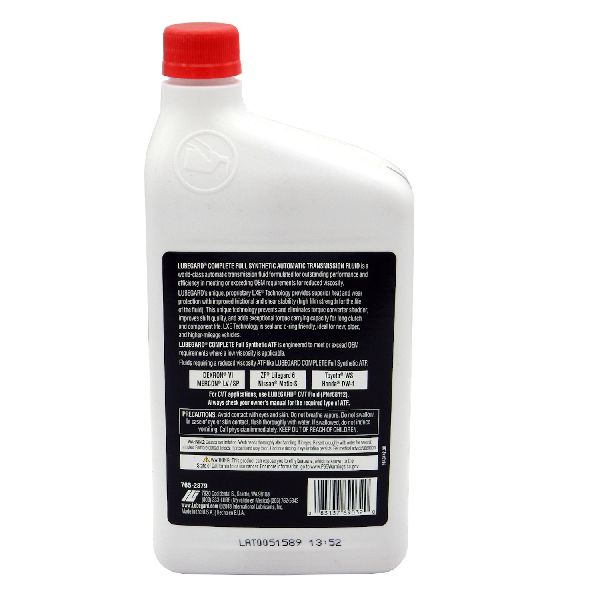
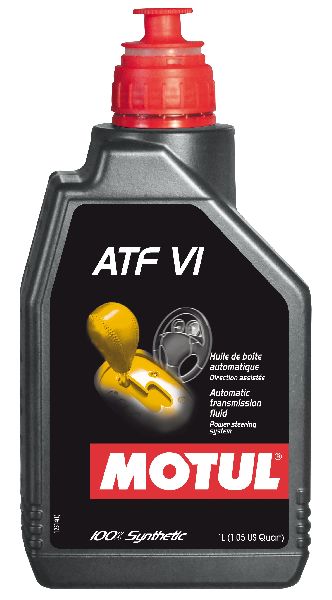
- Automatic Transmission Fluid (TCC Shudder Fix)
(OEM #ACDelco 10-9395)— Per TSB 18-NA-355, the most common issue for this platform is a TCC shudder fixed by flushing the system with this updated fluid.
Trusted brands: Mobil 1 Synthetic LV ATF HP
OEM price range: $12-$20 per quart
Aftermarket price range: $10-$18 per quart - Automatic Transmission Filter
(OEM #24274402)— The filter should be replaced any time the transmission pan is removed for a fluid service.
Trusted brands: ACDelco
OEM price range: $30-$50
Aftermarket price range: $20-$40 - Transmission Pan Gasket
(OEM #24260071)— While some claim the gasket is reusable, it is best practice to replace it to prevent leaks after service.
Trusted brands: ACDelco
OEM price range: $25-$40
Aftermarket price range: $15-$30 - Torque Converter — If the transmission shudder is ignored for too long, the torque converter clutches can be damaged, requiring a full replacement. This is a common outcome if the fluid flush does not resolve the issue.
Trusted brands: ACDelco, Aftermarket performance converters
OEM price range: $500-$800
Aftermarket price range: $400-$1200
Related Codes That Often Appear With This One
- P182E — This code indicates a fault with the Internal Mode Switch (IMS), which tells the TCM what gear is selected. A faulty IMS is a known cause for setting a P0700 and may be accompanied by a 'Shift to Park' message.
- U0101 — This code indicates a loss of communication with the TCM. It can appear alongside P0700 if there is a wiring or module fault, as reported by owners on forums.
- Any other P07xx or P08xx code — P0700 is a general code. The specific cause is identified by other transmission-related codes stored in the TCM, such as those for shift solenoids (e.g., P0746), speed sensors (e.g., P0721), or the valve body.
Technical Service Bulletins (TSBs) & Recalls
- 18-NA-355: Shake and/or Shudder During Light Throttle Acceleration. This TSB details the diagnosis and fluid flush procedure to correct the common TCC shudder issue on 8-speed transmissions.
- 19-NA-206: Intermittent Shift to Park Message Displayed While Vehicle in Park. This bulletin addresses issues with the internal mode switch or shifter assembly that can also trigger a P0700.
- 24-NA-018: Intermittent Remote Vehicle Start. While not directly for P0700, this TSB involves reprogramming the ECM and shows the continued software updates GM issues for related vehicle systems.
Platform-Specific Known Issues
- A widespread Torque Converter Clutch (TCC) shudder issue is documented in Technical Service Bulletin 18-NA-355. It affects 2016-2019 Camaros with the 8L45 or 8L90 transmission and presents as a vibration during light, steady acceleration. The fix is a specific fluid e
Documented NHTSA Reports
- NHTSA ODI #11681217 describes a situation where a P0700 code was detected and the vehicle would occasionally fail to kick into gear or stall.
- NHTSA ODI #11231478 reports a case where P0700 appeared alongside codes P0964 and P0966, indicating multiple transmission control circuit issues.
- An owner in NHTSA ODI #11514800 reported that a diagnostic check showed P0700 as an active failure code for the Transmission Control System MIL Request.
- NHTSA ODI #11480907 notes that P0700 and P0711 were found after an owner noticed the car was not smoothly downshifting and would lunge when put in Drive or Reverse.
Mechanic-Grade Diagnostic Values
- Resistance of all seven Variable Force (PWM) solenoids and two on/off solenoids — expected: 4.5–5.5 ohms. Failure: A reading outside of this range indicates a faulty solenoid coil.
- Internal Mode Switch (IMS) Hall-Effect Sensor Voltage — expected: 0.70V to 0.96V (ON) or 1.68V to 2.38V (OFF). Failure: Voltage readings outside these ranges, or a circuit that doesn't change state when the gear is selected, points to a faulty IMS. For example, a user with code P1839 found circuit 'C' had no voltage.
- Transmission Fluid Temperature (TFT) for Service Fast Learn — expected: 167°F - 185°F (75°C - 85°C). Failure: The GDS2 scan tool will not allow the Service Fast Learn procedure to initiate if the fluid temperature is outside this specific, elevated range.
Scan Tool Commands That Help
- GDS2 (GM Global Diagnostic System 2): Transmission Service Fast Learn — Required after replacing the valve body, TCM, torque converter, or entire transmission, or after a TCM software update. It allows the TCM to learn individual clutch apply pressures in the service bay.
- GDS2 (GM Global Diagnostic System 2): Solenoid Valve Characterization Reprogramming — Required when a pressure regulating solenoid, TCM, or the entire transmission assembly is replaced. This process updates the TCM with the specific performance data (PUN/TUN numbers) of the new components to ensure correct shift strategy.
- GDS2 (GM Global Diagnostic System 2): Clutch Drive Learn Procedure — Used to correct specific harsh shift complaints when the Service Fast Learn is not sufficient. It's a lengthy road test procedure (up to 45 mins) where the technician uses GDS2 to monitor and force the learning of specific clutch fill times.
Wiring & Ground Locations
- Transmission Case Connector (20-way) — On the exterior of the transmission case, providing the electrical link to the internal harness and components.. This is the primary interface between the external vehicle harness (from the TCM) and all internal transmission electronics. Corrosion or damage here can cause a P0700 and various communication or component codes.
- Engine Block/Cylinder Head Grounds — Main grounding points for the engine control system.. The TCM and its related systems rely on a solid ground connection. Improper grounding of the engine block can cause erratic behavior, communication issues (U-codes), and trigger a P0700. Ground current should never pass through the wiring harness itself.
- Internal Transmission Wiring Harness — Inside the transmission, connecting the valve body solenoids, IMS, and temperature sensor to the main case connector.. This harness is submerged in hot transmission fluid. Over time, the plastic and wiring can become brittle, leading to intermittent connections or shorts that trigger P0700. The transmission fluid temperature sensor is integrated into this harness and is not serviced separately.
Real Owner Repair Stories
- Reddit user on r/Silverado (2018 Silverado 1500 5.3L with 8L90) — Reverse camera quit, gear shifter indicator disappeared, exaggerated throttle needed to move, and odd shifting. Codes P0700 and P1839 (IMS Circuit 'C' issue) were present.
✅ What actually fixed it The user diagnosed a faulty Internal Mode Switch (IMS) by observing that circuit 'C' had no voltage on a live data scan. The ultimate fix is replacing the IMS, which is located inside the transmission. - YouTube user 'DIY G' on a GMC Sierra Denali (GMC Sierra Denali with 8L90) — P0700 code present.
✅ What actually fixed it The owner replaced the internal transmission wiring harness. After dropping the pan, disconnecting the solenoids, and swapping the harness, the P0700 code was cleared and did not return on a test drive. - NHTSA Owner Report (ODI #11681217) — An owner reported experiencing a check engine light with code P0700 where the car was drivable but would occasionally fail to kick into gear and stall.
OEM Part Supersession History
ACDelco 10-9243 (Old Dexron VI)→ACDelco 10-9395 (Mobil 1 Synthetic LV ATF HP)— The original factory-fill fluid was found to be hygroscopic (absorbs moisture), which contributed to the TCC shudder. The new fluid has a different formulation to prevent this issue.
Heads up: Using the older fluid formulation will likely result in the shudder returning. The TSB explicitly calls for the new Mobil 1 fluid.
Model Year Variations Within This Range
- 2019 (early production): Vehicles produced before the widespread implementation of the new Mobil 1 fluid at the factory are highly susceptible to the TCC shudder issue. TSB 18-NA-355 was updated in May 2019 to include date breakpoints, indicating a change in factory processes around that time.
Diagnostic Flowchart
Other Known Issues on This Vehicle
Issues unrelated to this code that are worth knowing about as an owner of this generation:
- Transmission Shudder/Harsh Shifting (A8) 🔴 High → Shop Transmission Assembly — Very common on 2016-2019 models with the 8-speed automatic. Less frequent on later models that received updated fluid from the factory. (Ref: TSB 18-NA-355)
- Infotainment System Glitches/Failure 🟠 Medium — Reported by a notable number of owners of 2016-2018 models, includes screen freezing, unresponsiveness, or going blank.
- Electric Power Steering (EPS) Failure 🔴 High — Affects certain 2017 models, leading to a sudden loss of power steering assist. A recall was issued. (Ref: NHTSA Recall 19V086000)
- Active Fuel Management (AFM) Lifter Failure 🟠 Medium — A known issue on GM V8 engines (LT1), though less frequent on these later model years. Can cause ticking noises, misfires, and eventually engine damage if not addressed.
Used vs. New Parts: Buying Guide for This Vehicle
When a used part is the smart pick: Due to the high rate of internal issues, buying a complete used 8L45/8L90 transmission is very risky. Used 'hard parts' like the case, bellhousing, or external wiring harnesses from a low-mileage wreck can be a cost-effective choice. A used valve body is not recommended due to wear and internal leak issues.
Donor-vehicle mileage cap: roughly under 50000 miles for the part to have meaningful remaining life.
What to inspect on the donor part:
- Verify the donor vehicle's VIN to confirm it falls within the 2019+ model years to potentially get updated components.
- Ask for maintenance records; a transmission that has already had the TSB 18-NA-355 fluid flush is preferable.
- Inspect the fluid from the donor transmission if possible. Dark, burnt, or metallic fluid is a major red flag.
- Check for any visible damage to the case, connectors, and cooling line ports.
OEM-only on this vehicle (don't cheap out):
- Transmission Control Module (TCM) - A used TCM may have programming locked to the donor vehicle's VIN and options, causing compatibility issues.
- Internal Mode Switch (IMS) - Given the labor to replace it, installing a new part is the only sensible option.
- Solenoids - These are high-wear items and have specific characterization data (PUNs). Installing used solenoids is likely to cause shift quality problems.
Aftermarket brands forum-validated for this vehicle:
- Sonnax - Offers valve body repair kits and upgraded components that address known factory weaknesses.
- TransGo - Provides shift kits and valve body components to improve durability and performance.
- Monster Transmission - Offers remanufactured transmissions with upgrades to address factory flaws, such as improved torque converters and recalibrated valve bodies.
Brands owners have reported issues with on this vehicle:
- Unbranded or 'white box' solenoids and sensors. The precise calibration of these components is critical in the 8L90, and cheap copies often lead to performance issues.
Real Owner Stories
Aggregated from forums and TSBs cited above. Mileages and costs reflect what owners reported in those sources.
2019 Chevrolet Camaro V6
Symptoms: Experienced a P0700 code accompanied by a 'Shift to Park' message on the instrument cluster.
What fixed it: The discussion suggests the Internal Mode Switch (IMS) is the likely culprit when P0700 and 'Shift to Park' occur together.
Source hint: Camaro6.com: Code P0700
2017 Chevrolet Camaro SS (8L90) — ~50000 miles
Symptoms: Vehicle experienced a transmission shudder; dealership recommended a full torque converter replacement.
What fixed it: While the dealer quoted a replacement, other owners recommended trying the triple fluid flush first as it often solves the problem if caught early.
Cost: $600-$800
Source hint: Reddit r/Camaro: Hey all, 2017 Camaro SS... at the dealership to take care of a shudder.
2016-2019 Chevrolet Camaro (8L90)
Symptoms: Transmission shudder returned even after a fluid flush was performed.
What fixed it: In cases where the fluid flush fails or the shudder has been present too long, a new torque converter or an aftermarket converter is required.
Cost: $200-$400
Source hint: Camaro6.com: A8 Shudder- Did you get it fixed?
2016-2019 Chevrolet Camaro (8L90)
Symptoms: Complete transmission failure after the initial fluid flush failed to resolve issues.
What fixed it: Full transmission replacement.
Cost: $9,343-$9,343
Source hint: Camaro6.com: 8L90 8-Speed Transmission POS Replacement Ideas?
2019 Chevrolet Camaro
Symptoms: An owner reported that while driving, the check engine light came on with codes P0964, P0966, and P0700.
What fixed it: The owner took the vehicle home at a slow speed after the codes were detected by an auto parts store diagnostic test.
Source hint: NHTSA ODI #11231478
Chevrolet Camaro
Symptoms: The vehicle was not smoothly downshifting and would lunge when put in Drive or Reverse. Diagnostics revealed codes P0711 and P0700.
What fixed it: The owner scheduled an appointment for professional transmission service after the codes were confirmed.
Source hint: NHTSA ODI #11480907
Related OBD-II Codes
Frequently Asked Questions
My 2019 Camaro is vibrating like I'm driving over rumble strips; does TSB 18-NA-355 apply to me?
I'm seeing a 'Shift to Park' message on my dashboard even though I'm already in Park. Is this related to P0700?
Can I just do a simple drain-and-fill to fix the 8L90 transmission shudder?
How long does it take for the P0700 shudder to go away after the fluid flush?
What temperature should my transmission fluid be at to check the level on my 8-speed Camaro?
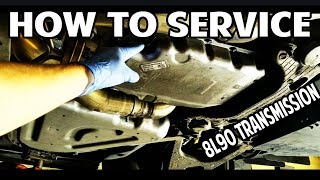
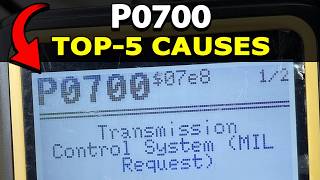
Helpful Videos

We Have This Part in Stock

The information in this article is provided for general reference and educational purposes only. Vehicle specifications, procedures, and part compatibility can vary by production date, trim level, and region. Always consult your vehicle's factory service manual and verify part numbers before purchasing or performing repairs. Safety-critical components such as airbags, seat belts, and braking systems should be installed by a qualified professional.
- Chevrolet Camaro:
- 🧭 Diagnostic Flowchart
- 🎬 Helpful Videos
- 🛍️ Shop This Part
- What's Unique About the 2019-2022 Chevrolet Camaro
- Symptoms You May Notice
- Most Likely Causes
- Rare But Worth Checking
- Diagnosis Steps
- Parts You'll Likely Need
- Related Codes That Often Appear With This One
- Technical Service Bulletins (TSBs) & Recalls
- Platform-Specific Known Issues
- Documented NHTSA Reports
- Mechanic-Grade Diagnostic Values
- Scan Tool Commands That Help
- Wiring & Ground Locations
- Real Owner Repair Stories
- OEM Part Supersession History
- Model Year Variations Within This Range
- Other Known Issues on This Vehicle
- Used vs. New Parts: Buying Guide for This Vehicle
- Real Owner Stories
- 2019 Chevrolet Camaro V6
- 2017 Chevrolet Camaro SS (8L90) — ~50000 miles
- 2016-2019 Chevrolet Camaro (8L90)
- 2016-2019 Chevrolet Camaro (8L90)
- 2019 Chevrolet Camaro
- Chevrolet Camaro
- Related OBD-II Codes
- Frequently Asked Questions
- 🎟️ Get 5% Off