

P0700 on 2019 Chevrolet Corvette: 8L90 Transmission Fault Guide
P0700 on a 2019 Corvette means the transmission control module (TCM) has stored a separate, more specific fault code. You must scan the TCM to find the root cause. Common issues on the 8L90 transmission include torque converter shudder (often fixed with a fluid flush per TSB 18-NA-355), low fluid levels, or a faulty internal wiring harness often setting a P0711 code simultaneously.
- P0700 is not the real problem; it's a sign to look for other codes in the Transmission Control Module (TCM).
- A scan tool that can read transmission codes is essential for diagnosis.
- The most common major issue on the 2019 Corvette's 8L90 transmission is torque converter shudder, which often can be fixed with a specific transmission fluid flush.
- Do not let a mechanic replace the Engine Control Module (ECM) for a P0700 code; the fault lies within the transmission system.
- Due to the complexity of the 8L90 transmission, this code is best diagnosed and repaired by a professional technician.
What's Unique About the 2019-2019 Chevrolet Corvette
For the 2019 C7 Corvette, a P0700 code often points toward known issues with the 8L90 8-speed automatic transmission. This transmission is highly susceptible to a torque converter shudder, which feels like driving over rumble strips at light throttle. This is caused by the original transmission fluid being hygroscopic (absorbing moisture), which degrades its frictional properties. General Motors issued Technical Service Bulletin 18-NA-355, which mandates a specific fluid exchange procedure using Mobil 1 Synthetic LV ATF HP (Blue Label) to resolve the shudder. Therefore, when a P0700 appears, investigating this well-documented fluid and torque converter issue is a critical, platform-specific first step.
Symptoms You May Notice
- Check Engine Light is on
- Harsh, erratic, or delayed shifting
- Vehicle may enter 'limp mode,' getting stuck in one gear
- Transmission slipping or failing to engage gear
- A shuddering or vibration feeling, especially under light acceleration (like driving over rumble strips)
- Tachometer needle bouncing slightly (100-200 RPM) during steady cruising
- Decreased fuel economy
- Replacing the Engine Control Module (ECM). The P0700 code is stored in the ECM, but it is only an informational code requested by the TCM. The actual fault lies within the transmission system, not the ECM.
- Blaming tires/wheels for the shudder. While bent or cracked wheels are a separate known issue on these cars, the TCC shudder has a distinct feel (like rumble strips) and can be confirmed with diagnostic tools that can isolate the vibration frequency.
Most Likely Causes
- Degraded Transmission Fluid Causing Torque Converter Shudder 🔴 High Probability → Shop Automatic Transmission Torque Converter The 8L90 transmission is notorious for TCC shudder. The original factory-fill fluid was found to be hygroscopic (absorbs moisture), which alters its friction characteristics and causes the torque converter clutch to chatter during light engagement.
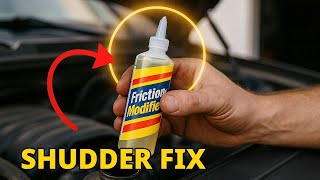
How to confirm: The symptom is a 'rumble strip' vibration under light throttle at steady speeds, typically between 25-80 mph. A technician can confirm this is TCC shudder and not another driveline vibration using a PicoScope to analyze frequencies, as outlined in TSB 18-NA-355. 🎬 See a real-world demonstration of the 8L90 transmission shudder fix.
Typical fix: Perform a complete fluid exchange using the updated Mobil 1 Synthetic LV ATF HP (Blue Label) fluid, following the procedure in TSB 18-NA-355. This is often called the 'triple flush'. If caught early, this often resolves the issue completely.
Est. part cost: $150-$300 for fluid - Faulty Torque Converter 🔴 High Probability → Shop Automatic Transmission Torque Converter If the TCC shudder caused by degraded fluid is ignored for too long, the clutch material within the torque converter can become permanently damaged or 'glazed,' requiring replacement. The design itself has been criticized in class-action lawsuits as being failure-prone.
How to confirm: Diagnosis is typically made after a fluid flush (per TSB 18-NA-355) fails to resolve the shudder symptom. The shudder persists because the clutch surface is already physically damaged.
Typical fix: Replace the torque converter. This is a labor-intensive job on the C7 Corvette due to its rear-mounted transaxle and torque tube design. The torque converter part number varies by engine (LT1 vs LT4), so verification is critical.
Est. part cost: $400-$800 - Faulty Internal Transmission Wiring Harness 🟡 Medium Probability → Shop Transmission Assembly The internal harness, particularly the circuit for the transmission fluid temperature sensor, is a known failure point. It can develop shorts or open circuits, leading to erratic sensor readings and triggering a P0711 code along with the P0700.
How to confirm: This is the primary suspect when P0700 is accompanied by P0711. A visual inspection of the harness is required after dropping the transmission pan. Forum users report this is a common fix for these specific codes.
Typical fix: Replace the internal transmission wiring harness (often called the valve body harness). The updated part number is GM 24046895, which supersedes older versions. This is often done at the same time as a fluid and filter change.
Est. part cost: $70-$150 - Failed Shift Solenoid or Valve Body Issue 🟡 Medium Probability → Shop Transmission Valve Body
How to confirm: A diagnostic scan of the TCM will reveal specific solenoid performance codes (e.g., P0746, P0776). The valve body itself can have issues with cross-leaks or sticking valves, causing harsh shifts or shuddering.
Typical fix: Replace the specific faulty shift solenoid or the entire valve body assembly. This requires removing the transmission pan. Care must be taken to use correct seals during reassembly, as noted in service bulletin PIP5784.
Est. part cost: $50-$600 - Faulty Transmission Control Module (TCM) ⚪ Low Probability → Shop Transmission Assembly
How to confirm: TCM failure is diagnosed by exclusion. If all other components (fluid, wiring, solenoids, torque converter) test good and there are no other specific transmission codes present besides P0700, the TCM itself may be the issue. This is an uncommon root cause.
Typical fix: Replace and program the Transmission Control Module.
Est. part cost: $200-$600
Diagnosis Steps
- Connect a diagnostic scan tool capable of reading transmission-specific codes from the TCM.
- Read all codes from the TCM. Do not focus only on the P0700 in the ECM.
- If symptoms of shudder are present (with or without a P0741), follow the diagnostic and fluid exchange procedures outlined in TSB 18-NA-355. This is the most likely cause.
- If code P0711 is present, the primary suspect is the internal transmission wiring harness. Plan to drop the pan for inspection and likely replacement.
- Check the transmission fluid level and condition using the correct procedure. The vehicle must be level, running, and the transmission fluid temperature must be within 95-113°F (35-45°C).
- If specific solenoid codes are present, test the electrical circuit and consider replacing the specific solenoid or the valve body.
- Inspect external transmission wiring and connectors for any visible damage or corrosion.
- If all other tests fail and no other specific codes are present, test the TCM itself.
Parts You'll Likely Need
- Automatic Transmission Fluid
(OEM #19417577 (Mobil 1 Synthetic LV ATF HP))— The most common and first-step fix for the prevalent torque converter shudder is a fluid exchange with this specific updated 'Blue Label' fluid, as mandated by GM TSB 18-NA-355.
Trusted brands: Mobil 1
OEM price range: $20-$30 per quart
Aftermarket price range: N/A - Torque Converter
(OEM #Varies by engine (e.g., 24298750 for LT4))— If the fluid flush does not resolve the shudder issue, the torque converter itself has likely sustained permanent damage and requires replacement.
Trusted brands: ACDelco (GM Genuine), Aftermarket performance converters
OEM price range: $500-$800
Aftermarket price range: $400-$1000+ - Internal Transmission Wiring Harness
(OEM #24046895 (Supersedes older versions))— This harness is a known failure point, often causing P0711 alongside P0700 due to a short in the temperature sensor circuit.
Trusted brands: ACDelco (GM Genuine)
OEM price range: $100-$150
Aftermarket price range: $70-$120 - Transmission Filter Kit
(OEM #24274402)— The filter should always be replaced whenever the transmission pan is removed for service, such as a fluid change, harness replacement, or valve body work.
Trusted brands: ACDelco
OEM price range: $40-$70
Aftermarket price range: $20-$50
Related Codes That Often Appear With This One
- P0711 — Indicates a fault with the transmission fluid temperature sensor circuit. This is very commonly caused by a faulty internal wiring harness, a known issue on the 8L90.
- P0741 — Indicates a problem with the Torque Converter Clutch (TCC) circuit performance or it being stuck off. This code directly points to the common shudder issue and may indicate a damaged torque converter.
- P07xx — Any other P07xx code is a specific transmission fault. P0700 is the general alert, while the other P07xx code will point to the specific solenoid, sensor, or circuit that is failing.
Technical Service Bulletins (TSBs) & Recalls
- 18-NA-355: The primary TSB addressing the torque converter clutch (TCC) shudder. It details the diagnostic procedure (including using a PicoScope) and the fluid exchange process with the new Mobil 1 Synthetic LV ATF HP fluid.
- PIP5784: Warns technicians of a potential no-movement condition after a valve body replacement if the incorrect 1-2-7-8-R clutch fluid passage seal is installed, highlighting the complexity of internal repairs.
- N192291660: A special policy mentioned in relation to P0711 fixes on other GM vehicles, extending coverage for the temp sensor harness issue on some models.
Platform-Specific Known Issues
- Torque Converter Shudder due to hygroscopic factory-fill fluid is the most prevalent issue for this transmission, addressed by TSB 18-NA-355.
- Internal wiring harness failure causing P0711 is the second most common documented problem.
- Cracked wheels are a known issue on Grand Sport and Z06 models, which can cause vibrations that are sometimes misdiagnosed as transmission shudder.
Mechanic-Grade Diagnostic Values
- Transmission Fluid Temperature (TFT) vs. Intake Air Temperature (IAT) on Cold Soak — expected: The TFT and IAT readings should be within 5-7°F (about 3-4°C) of each other after the vehicle has been sitting overnight.. Failure: A significant difference between the two sensor readings on a cold engine points to a faulty TFT sensor or circuit.
- Transmission Fluid Temperature (TFT) Sensor Circuit Voltage — expected: Approximately 5 volts (reference voltage) at the sensor connector with the key on, engine off.. Failure: A lack of 5V reference indicates a wiring problem or an issue with the TCM. If voltage is present, the sensor itself is the likely culprit.
- Transmission Fluid Temperature for Level Check — expected: Fluid temperature must be between 95–113°F (35–45°C) to accurately check the fluid level via the standpipe in the pan.. Failure: Checking the level outside this temperature range will result in an incorrect reading (either over or under-filled).
- Normal Driving Transmission Fluid Temperature — expected: 158-185°F (70-85°C) during normal city/highway driving.. Failure: Temperatures significantly exceeding this range under normal load may indicate a cooling issue, low fluid, or excessive component slippage.
Scan Tool Commands That Help
- GDS2 (GM Global Diagnostic System 2): Transmission Service Fast Learn — This procedure must be performed after replacing the valve body, internal wiring harness, or the entire transmission. It allows the TCM to quickly relearn individual clutch apply pressures and shift characteristics in the service bay without extensive driving. The path is: Module Diagnostics > Transmission Control Module > Configuration / Reset Function > Transmission Service Fast Learn.
Wiring & Ground Locations
- TCM (Transmission Control Module) — Externally mounted at the rear of the vehicle, near the transaxle. Forum members specify it is located to the right of the right-side muffler, under the car.. The TCM is the brain of the transmission. Knowing its location is critical for checking its connector, power, and ground circuits if communication codes (like U0101) are present or if the module itself is suspected.
- G401 — In the left rear wheel well area.. This is a primary ground point for the Transmission Control Module (TCM). A loose or corroded G401 can cause a host of erratic transmission behavior and communication codes, including P0700 and U0101.
Real Owner Repair Stories
- CorvetteForum user 'dcasole' (2019 Corvette Grand Sport) — Check Engine Light with codes P0700 and P0711, accompanied by a minor vibration at speeds over 65 MPH.
❌ Tried (didn't work) Initial diagnosis was uncertain.
✅ What actually fixed it The dealer replaced the transmission temperature sensor harness, changed the transmission fluid and filter under warranty, which resolved the codes. The owner noted separately that cracked wheels are a common source of vibrations on these cars. - CorvetteForum user 'DAVE99' (2017 C7 Corvette (with 8L90)) — Intermittent P0700 and P0711 codes that eventually started appearing weekly.
❌ Tried (didn't work) Clearing the code with a scanner, but it would always return.
✅ What actually fixed it The owner replaced the internal transmission wiring harness (part number obtained for $79) and performed a fluid/filter change with the updated 'Blue Label' Mobil 1 fluid. This permanently fixed the codes. The owner noted a significant improvement in shift quality after the fluid change, even without performing a scan tool relearn procedure. - CorvetteForum user 'Evo_Ed_Vette' (C7 Corvette with 8L90) — P0700 and P0711 codes appeared while driving.
❌ Tried (didn't work) Clearing the code with a basic scanner did not work because it was stored as a 'Permanent' DTC.
✅ What actually fixed it Replacing the lower transmission oil temp sensor harness (updated part #24064375) fixed the root cause. The key takeaway was that a 'Permanent' code may not clear immediately and requires either a specific number of drive cycles without the fault reoccurring or a more advanced scan tool to clear it from Mode 10 memory.
OEM Part Supersession History
24298757 (Internal Valve Body Wiring Harness)→24046895, which was later superseded by 24064375.— The original harness design was prone to developing an internal short or open circuit for the integrated Transmission Fluid Temperature sensor, triggering code P0711.
Heads up: When replacing, only the lower valve body harness (the part number listed) is typically required to fix the P0711 issue, even though some service information or part suppliers might suggest replacing an upper harness as well.
Diagnostic Flowchart
Other Known Issues on This Vehicle
Issues unrelated to this code that are worth knowing about as an owner of this generation:
- Cracked/Bent Wheels (Grand Sport & Z06) 🔴 High — Very common on Grand Sport and Z06 models from 2015-2019. Can occur at low mileage without significant impact. (Ref: No recall, but multiple class-action lawsuits were filed. GM initiated a limited reimbursement program for repairs under specific conditions.)
- Infotainment System Lag/Freezing 🟡 Low — Reported intermittently by owners. Can cause the screen to become unresponsive or slow to react to inputs.
- Active Fuel Management (AFM) Lifter Failure 🟠 Medium — While more prevalent in the truck applications of the LT engines, the LT1 in the Corvette can also experience AFM lifter issues, though it appears less common. This is a general issue with this GM engine family.
Used vs. New Parts: Buying Guide for This Vehicle
When a used part is the smart pick: A used Transmission Control Module (TCM) can be a cost-effective option if the original is diagnosed as faulty. However, it is critical to understand that it will require professional programming to the vehicle's VIN using a tool like GDS2.
Donor-vehicle mileage cap: roughly under 60000 miles for the part to have meaningful remaining life.
What to inspect on the donor part:
- For a TCM, ensure the part number (e.g., 24286912) matches exactly.
- Verify the donor vehicle was not involved in a flood or rear-end collision that could have damaged the module.
- When considering a used torque converter, avoid any from vehicles that had known shudder complaints, as the clutch material is likely already damaged.
OEM-only on this vehicle (don't cheap out):
- Automatic Transmission Fluid: The TCC shudder issue is directly caused by incorrect fluid properties. ONLY use the GM-specified Mobil 1 Synthetic LV ATF HP ('Blue Label'), part number 19417577, as per TSB 18-NA-355.
- Internal Wiring Harness: Given the relatively low cost of a new OEM part ($70-$150) and the labor required to access it (dropping the transmission pan), installing a used harness is not recommended as it may have the same defect.
Aftermarket brands forum-validated for this vehicle:
- For a temporary diagnostic or fix for shudder, some owners report success with additives like 'Lubegard Platinum' or 'Instant Shudder Fixx', but this is not a substitute for the official TSB fluid exchange procedure.
Brands owners have reported issues with on this vehicle:
- Any transmission fluid that is not specifically Mobil 1 Synthetic LV ATF HP. Using a generic Dexron VI or multi-vehicle ATF will not solve the shudder issue and will likely make it return quickly.
Real Owner Stories
Aggregated from forums and TSBs cited above. Mileages and costs reflect what owners reported in those sources.
2019 Chevrolet Corvette C7
Symptoms: Check engine light with codes P0700 and P0711. The owner was concerned about the safety of driving with the P0700 code active.
What fixed it: Replacing the internal transmission wiring harness and performing a fluid change using the new Mobil 1 Blue Label fluid, which significantly improved shift quality.
Source hint: https://www.corvetteforum.com/forums/c7-tech-performance/4597472-p0700-p0711-transmission-code-solved-finally.html
2019 Chevrolet Corvette 8L90
Symptoms: Transmission shuddering and vibration issues described as feeling like driving over rumble strips.
What fixed it: A complete fluid exchange (triple flush) using the updated Mobil 1 Synthetic LV ATF HP fluid as per TSB 18-NA-355.
Source hint: https://www.corvetteforum.com/forums/c7-general-discussion/4275816-has-the-8-speed-auto-problems-been-solved.html
Related OBD-II Codes
Frequently Asked Questions
My 2019 Corvette feels like it's driving over rumble strips; does TSB 18-NA-355 apply to me?
What is the specific fluid I should use for the 8L90 transmission flush to fix the shudder?
If the P0700 code is accompanied by P0711, what is the likely culprit on a C7 Corvette?
Can I use a PicoScope to diagnose the vibration in my Corvette?
Is it possible that my vibration isn't the transmission at all?
What happens if the 'triple flush' doesn't fix the shuddering symptom?
Helpful Videos

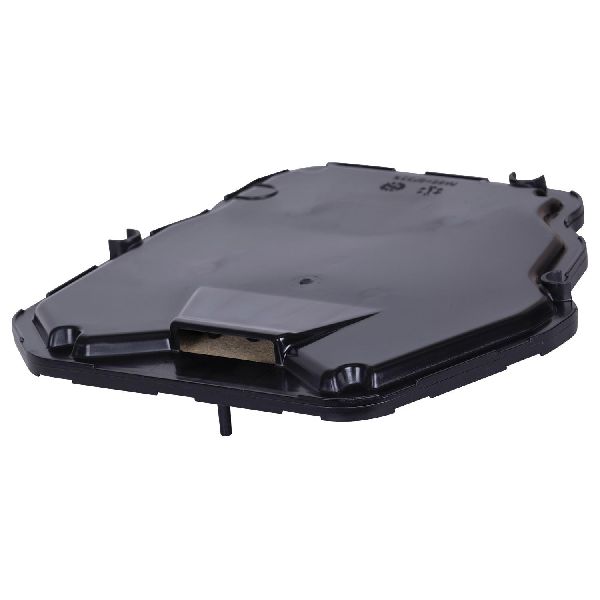
Used OEM Parts in Stock
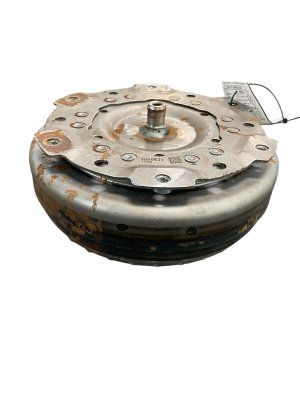
New Aftermarket Parts Available



The information in this article is provided for general reference and educational purposes only. Vehicle specifications, procedures, and part compatibility can vary by production date, trim level, and region. Always consult your vehicle's factory service manual and verify part numbers before purchasing or performing repairs. Safety-critical components such as airbags, seat belts, and braking systems should be installed by a qualified professional.
- Chevrolet Corvette:
- 🧭 Diagnostic Flowchart
- 🎬 Helpful Videos
- 🛍️ Shop This Part
- What's Unique About the 2019-2019 Chevrolet Corvette
- Symptoms You May Notice
- Most Likely Causes
- Diagnosis Steps
- Parts You'll Likely Need
- Related Codes That Often Appear With This One
- Technical Service Bulletins (TSBs) & Recalls
- Platform-Specific Known Issues
- Mechanic-Grade Diagnostic Values
- Scan Tool Commands That Help
- Wiring & Ground Locations
- Real Owner Repair Stories
- OEM Part Supersession History
- Other Known Issues on This Vehicle
- Used vs. New Parts: Buying Guide for This Vehicle
- Real Owner Stories
- 2019 Chevrolet Corvette C7
- 2019 Chevrolet Corvette 8L90
- Related OBD-II Codes
- Frequently Asked Questions
- 🎟️ Get 5% Off