

P0700 on 2013-2016 Dodge Dart 1.4L Turbo: TCM Fault Causes and Fixes
On a 2013-2016 Dodge Dart with the 1.4L Turbo, P0700 almost always points to a problem with the Dual Dry Clutch Transmission (DDCT). The most common cause is a failing Transmission Control Module (TCM), a known weak point. You must use an advanced scan tool to read the TCM for additional, specific codes (like U0101) to get the real story, as P0700 is just a general alert.
- P0700 is a general alert from your transmission. You MUST use a scanner that can read TCM codes to find the real problem.
- The most likely cause on a 1.4L Turbo Dart is a failed Transmission Control Module (TCM), a known weak point.
- Check for open recalls for your VIN, as the TCM repair may be covered by the manufacturer.
- Do not continue driving. The car could shift to neutral unexpectedly, which is a serious safety hazard.
- Due to the complexity of the dual-clutch transmission and the need for programming, this repair should be left to a professional.
What's Unique About the 2013-2016 Dodge Dart
The 2013-2016 Dodge Dart with the 1.4L Turbo engine uses a Fiat-sourced C635 Dual Dry Clutch Transmission (DDCT). This specific transmission and its control module, developed jointly by Fiat, Magneti Marelli, and BorgWarner, are known to be problematic. The P0700 code on this car is very frequently caused by a failing Transmission Control Module (TCM) itself, an issue so common that it prompted a manufacturer recall (NHTSA 15V-508). Unlike many cars where P0700 points to internal transmission wear, on the Dart, it's often an electronic failure of the TCM or a related component.
Symptoms You May Notice
- Check Engine Light is on
- Transmission warning light may be illuminated
- Harsh, jerky, or erratic shifting
- Delayed gear engagement
- Vehicle gets stuck in one gear ('limp mode')
- Inability to shift or select gears
- Vehicle may fail to start or shift out of Park
- "Gear Unavailable" message on the instrument cluster
- Blinking gear indicator on the dash
- Replacing internal transmission components when the issue is purely electronic (a bad TCM or wiring).
- Confusing a failed shifter cable bushing (a separate recall issue, NHTSA 19V-293) with an internal transmission fault. The bushing failure prevents the gear selector from matching the actual gear, but doesn't always set a P0700. The key symptom is a shifter that moves with no effort.
Most Likely Causes
- Failing Transmission Control Module (TCM) 🔴 High Probability → Shop Transmission Assembly The TCM is a known weak point. A recall (NHTSA 15V-508 / FCA R42) was issued for 2013-2015 models because the TCM mounting bracket could damage the module's circuit board, leading to failure and an unexpected shift to neutral. General electronic failure is also common, leading to codes like U0101 or P0613.
How to confirm: Use an advanced scan tool. If the scanner cannot communicate with the TCM at all (often showing code U0101), or if it pulls P0700 from the ECM but specific internal fault codes like P0613 (TCM Processor Fault) from the TCM, the module itself is highly suspect.
Typical fix: Replace the Transmission Control Module. The new module must be programmed to the vehicle's VIN using a dealer-level scan tool via a 'Proxy Alignment' procedure to ensure it communicates with other vehicle modules.
Est. part cost: $200-$800 - Low or Weak Battery / Poor Grounds 🟡 Medium Probability → Shop Vehicle Battery The DDCT and its control module are very sensitive to voltage. A weak or failing battery can cause insufficient power for the TCM to operate correctly, leading to communication errors and fault codes. The main powertrain ground on the driver's side frame rail is a known corrosion point on Darts, which can also cause these issues.
How to confirm: Test the battery with a multimeter or electronic battery tester. A resting voltage should be above 12.4V, and charging voltage should be 13.5V-14.5V. Inspect battery terminals and the main chassis ground behind the driver's side front wheel for corrosion and ensure connections are tight.
Typical fix: Replace the vehicle's battery (AGM type is recommended) and clean or repair ground connections.
Est. part cost: $150-$300 - Faulty Clutch Actuator 🟡 Medium Probability The DDCT uses an electro-hydraulic actuator unit (sometimes called a 'Smart Drive Unit') to engage and disengage the clutches. This unit, made by Magneti Marelli and BorgWarner, can fail, leading to shifting problems and triggering faults in the TCM.
How to confirm: A specific TCM code (not P0700) will point to a clutch actuator performance issue, such as P1CC0 or P1CC2. Diagnosis requires an advanced scan tool to monitor actuator commands and positions.
Typical fix: Replace the clutch actuator assembly. This is a complex job that requires special procedures to bleed and adapt the new unit.
Est. part cost: $500-$1200 - Damaged Wiring or Connectors ⚪ Low Probability
How to confirm: Visually inspect the wiring harness going to the TCM and transmission for any signs of chafing, corrosion, or damage. Pay close attention to the main connector at the TCM and check for blown fuses (e.g., F741 in the underhood power distribution center).
Typical fix: Repair the damaged section of the wiring harness or replace the faulty connector.
Est. part cost: $20-$100
Rare But Worth Checking
- Internal Transmission Bearing Failure: → Shop Transmission Assembly
Diagnosis Steps
- Check for any open recalls for your vehicle's VIN, especially NHTSA 15V-508 (TCM) and 19V-293 (shifter bushing).
- Using a scan tool capable of reading transmission codes, scan the TCM for specific fault codes. Do not rely on a basic code reader that only shows P0700 from the engine computer.
- If the scanner cannot communicate with the TCM (U0101), check the TCM's power, ground, and communication circuits. The main powertrain ground on the driver's side frame rail is a common point of failure.
- If specific codes are present (e.g., for clutch actuators, solenoids, or sensors), follow the diagnostic procedure for those codes.
- Test the vehicle's battery and charging system. Ensure voltage is stable and within specification (above 12.4V at rest, 13.5-14.5V running).
- Inspect the wiring harness and connectors to the TCM and transmission for any visible damage, corrosion, or loose connections.
- If a new TCM is installed, it must be programmed to the vehicle using a compatible, high-level scan tool via a 'Proxy Alignment' procedure.
Parts You'll Likely Need
- Transmission Control Module (TCM)
(OEM #68210293AA (supersedes multiple previous part numbers including 68033642AB, 68192976AE, etc.))— This is the most frequent failure point on this platform that causes a P0700 code.
Trusted brands: Mopar
OEM price range: $400-$800
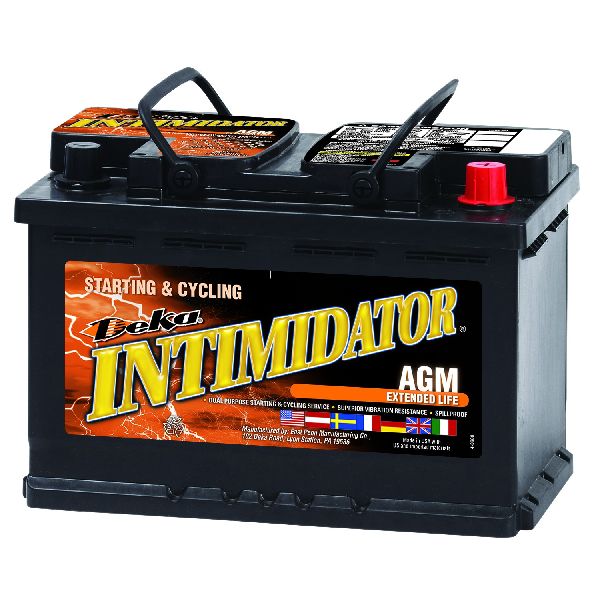
Aftermarket price range: $200-$600 (remanufactured) - Car Battery (AGM Type Recommended) — The sensitive electronics of the DDCT require stable voltage, and a weak battery is a common cause of various transmission-related fault codes. Owners report frequent battery replacements.
Trusted brands: Interstate, DieHard, Duralast
OEM price range: $250-$350
Aftermarket price range: $150-$300
Related Codes That Often Appear With This One
- U0101 — Indicates a loss of communication with the TCM. If you see this with P0700, it strongly suggests the TCM has failed or has a power/ground issue.
- P0613 — This code means 'TCM Processor Fault' and is a definitive indicator that the TCM itself has an internal failure and needs to be replaced.
- P1C99 — Relates to a 'Gear Shift Position Sensor 1 Circuit' fault. On the DDCT, this sensor is integrated into the hydraulic valve body, and Dodge does not sell it separately, often requiring a very expensive valve body replacement.
Technical Service Bulletins (TSBs) & Recalls
- NHTSA ID 15V-508 (FCA Recall R42): TCM Mounting Bracket may damage the TCM, causing a shift to neutral.
- NHTSA ID 19V-293 (FCA Recall V34): Shifter cable bushing may detach, preventing gear changes.
- Manufacturer Service Bulletin #S2321000006: Notes that a "Service Transmission" message and P0700-E4 (MIL Request) may set in the system.
Platform-Specific Known Issues
- Recall NHTSA 15V-508 / FCA R42: A TCM mounting bracket on 2013-2015 Darts could fail, damaging the TCM circuit board and causing an unexpected shift to neutral.
- Recall NHTSA 19V-293 / FCA V34: The shifter cable bushing on the transmission end can deteriorate and detach, causing the shifter to move but the transmission not to change gears. This can lead to a rollaway risk. NHTSA has opened a query (RQ25002) to investigate failures of the recall remedy itself.
- The Dual Dry Clutch Transmission (DDCT) is known for being sensitive and requiring precise electronic control. Many owner complaints are related to its shifting behavior and reliability.
Mechanic-Grade Diagnostic Values
- CAN Bus Resistance — expected: Approximately 60 Ω between CAN-high and CAN-low pins at the DLC or TCM connector (with battery disconnected).. Failure: A reading of 120 Ω indicates a break in one of the circuits or a missing terminating resistor. A reading near 0 Ω indicates a short between the two CAN lines.
- TCM Power Supply Voltage — expected: 12.0 - 12.6V at the TCM's power supply pin with the ignition on.. Failure: Voltage below 12.0V indicates a power supply issue (e.g., bad fuse, wiring) or a weak battery.
- Battery Charging Voltage — expected: 13.5V - 14.5V with the engine running.. Failure: Low voltage can cause intermittent and unpredictable behavior from the TCM and other modules.
Scan Tool Commands That Help
- wiTECH or advanced aftermarket (e.g., Autel, AlfaOBD): Proxy Alignment (PROXI Configuration Alignment) — This procedure is mandatory after replacing the TCM or any other major module on the CAN bus. It synchronizes the vehicle's configuration across all modules. A flashing odometer is a key indicator that a Proxy Alignment is needed.
- wiTECH or advanced aftermarket: Quick Learn / Clutch Relearn — After replacing the TCM or clutch actuator, this procedure is required to allow the new module to learn the clutch engagement points and shifting parameters. The vehicle may not shift correctly or at all until this is performed.
- wiTECH or advanced aftermarket: Hydraulic Circuit Bleed — This is necessary after replacing the hydraulic clutch actuator ('Smart Drive Unit') to purge air from the system.
- wiTECH or advanced aftermarket: Depressurize Hydraulic Circuit — Before beginning work on the hydraulic clutch actuator, this function pumps fluid back into the reservoir and depressurizes the lines for safer disassembly.
Wiring & Ground Locations
- Transmission Control Module (TCM) — Inside the vehicle cabin, on the passenger side, behind the carpet near the front footwell area.. This is the physical location of the module that is the most common cause of the P0700 code. Technicians need to access it for testing power, ground, and CAN bus signals at its connectors, or for replacement.
- Main Powertrain Ground — On the driver's side frame rail, typically located behind the front wheel well liner.. This is a known corrosion point on the Dodge Dart. A poor ground here can cause a host of electrical issues, including intermittent power to the TCM, leading to U0101 and P0700 codes.
Real Owner Repair Stories
- Reddit user on r/dodgedart (2013 Dodge Dart Limited 1.4L Turbo with DDCT, 138k miles) — Car wouldn't hold a gear, blinking gear indicator, 'Service Trans' message on dash, would shift to neutral while driving.
❌ Tried (didn't work) Took to Dodge dealer, who insisted it was a hydraulic pump, not the TCM. They replaced the pump for $800, but the problem persisted and they then quoted $5k for a new transmission., Took to a second independent shop, who also diagnosed it as a failed transmission and quoted $5-7k.
✅ What actually fixed it The owner retrieved the car and, based on their own research, replaced the 'Smart Drive Unit' (the electro-hydraulic clutch actuator). The part cost between $150-$300 and immediately fixed all symptoms.
Documented NHTSA Reports
- An owner reported in NHTSA ODI #11085068 that P0700 appeared alongside P0717 (input speed sensor 1 circuit no signal) and U1146 (communication error), indicating a transaxle control system malfunction.
- NHTSA ODI #11655418 describes a vehicle that failed to restart and was towed to a dealer where codes U0100 and P0700 were retrieved; despite flashing the computer, the failure persisted.
- In NHTSA ODI #10846349, an owner experienced a check engine light with codes P0700 and P0760, which initially led to a transmission overhaul including fluid and filter changes.
- NHTSA ODI #11492165 notes a case where a mechanic retrieved DTC P0700 and suggested a transfer case motor or snap ring failure, though the vehicle remained unrepaired.
OEM Part Supersession History
68033642AB, 68192976AB, and at least 9 others→68210293AA— Revisions to improve reliability and address failure modes that caused the original recalls and common issues.
Heads up: The final part number for the 1.4L DDCT is 68210293AA. It supersedes a long list including 68033642AC, 68192976AE, and 68242643AA. Installing an older part number from a salvage vehicle may work temporarily but reintroduces the original design flaws. Always verify the latest part number with a dealer using the vehicle's VIN.
Model Year Variations Within This Range
- 2013: The 2013 model year received a significantly higher volume of owner complaints regarding the engine, transmission, and electrical systems compared to the 2014-2016 models. This suggests early production models were more prone to the electronic failures that trigger a P0700 code.
Diagnostic Flowchart
Other Known Issues on This Vehicle
Issues unrelated to this code that are worth knowing about as an owner of this generation:
- MultiAir 'Brick' Actuator Failure 🔴 High — Common, especially on vehicles with poor oil maintenance history or if run low on oil. Can occur at any mileage. (Ref: TSB #18-009-15 REV G discusses related fault codes (e.g., P106x).)
- Excessive Oil Consumption 🟠 Medium — Frequently reported by owners of the 1.4L Turbo engine. Directly contributes to MultiAir brick failure if the oil level is not checked and maintained regularly.
- Faulty Thermostat / Housing 🟠 Medium — Common failure causing Check Engine light (P0128) and overheating issues. The plastic housing is also prone to cracking and leaking.
- Shifter Cable Bushing Failure 🔴 High — Extremely common. The bushing deteriorates, detaching the cable from the transmission, leading to a no-shift/rollaway risk. The recall fix has also been reported to fail. (Ref: NHTSA Recall 19V-293)
- Chronic Battery and Electrical Problems 🟠 Medium → Shop Vehicle Battery — Owners report needing to replace batteries far more frequently than normal. The car's sensitive electronics are prone to issues from low voltage or bad grounds.
Used vs. New Parts: Buying Guide for This Vehicle
When a used part is the smart pick: A used 'Smart Drive Unit' (the electro-hydraulic clutch actuator) can be a cost-effective fix, as demonstrated by owner repair stories. Since it is a self-contained unit, if it works on the donor car, it has a high probability of working on the recipient car. A used transmission assembly can also be an option if a major internal mechanical failure (like bearing collapse) is confirmed, but this is rare.
Donor-vehicle mileage cap: roughly under 80000 miles for the part to have meaningful remaining life.
What to inspect on the donor part:
- For a TCM: Ask for the VIN of the donor car to verify part number compatibility and check for open recalls.
- For a Smart Drive Unit: Visually inspect for leaks, cracks in the housing, or corrosion on the electrical connectors.
- For a complete transmission: Check the color and smell of the fluid if possible (though the DDCT is a 'filled for life' unit). Any signs of burnt fluid or heavy metal particles are a red flag.
OEM-only on this vehicle (don't cheap out):
- Transmission Control Module (TCM) - While remanufactured units exist, a used TCM is a major gamble. It is tied to the original vehicle's VIN and configuration. While a Proxy Alignment can sometimes make it work, many shops report that used TCMs cannot be properly reprogrammed, leading to persistent issues. Buying a new, latest-revision OEM part is the only way to guarantee a fix.
Brands owners have reported issues with on this vehicle:
- Generic, unbranded TCMs from online marketplaces. Many owners report these fail to program or have incorrect firmware, causing the vehicle to enter limp mode immediately.
Real Owner Stories
Aggregated from forums and TSBs cited above. Mileages and costs reflect what owners reported in those sources.
2013-2015 Dodge Dart 1.4L MultiAir Turbo
Symptoms: The P0700 code appeared alongside U0101. The car experienced a total loss of communication with the transmission control module, often referred to as the 'kiss of death' for the TCM.
What fixed it: Replacement of the Transmission Control Module (TCM) followed by a Proxy Alignment procedure.
Source hint: dodge-dart.org: Multiple threads confirm P0700 is the 'kiss of death' for the TCM, often appearing with U0101.
2013-2015 Dodge Dart
Symptoms: Unexpected shift to neutral while driving due to a damaged circuit board within the transmission control module.
What fixed it: Repair under NHTSA recall 15V-508 / FCA R42, which involved addressing the TCM mounting bracket and replacing the damaged module.
Source hint: NHTSA ID 15V-508 (FCA Recall R42)
2013-2016 Dodge Dart 1.4L Turbo
Symptoms: The shifter moves but the transmission does not change gears, creating a rollaway risk. The bushing on the transmission end of the shifter cable had deteriorated.
What fixed it: Replacement of the shifter cable bushing as per NHTSA recall 19V-293.
Source hint: NHTSA ID 19V-293 (FCA Recall V34)
Related OBD-II Codes
Frequently Asked Questions
Is there a recall for the transmission issues on my 2013-2015 Dodge Dart?
My Dart won't change gears and the shifter feels loose; is this related to P0700?
Why does my instrument cluster say 'Gear Unavailable' and show a blinking indicator?
Can a bad battery really cause transmission codes like P0700 on a Dart?
What is a 'Proxy Alignment' and why do I need it for a new TCM?
Does the 1.4L MultiAir engine have other common issues that might appear with transmission codes?
Helpful Videos

![How to Perform Transmission Quicklearn on Chrysler, Dodge, Jeep, Ram [May Fix Hard Shifts!]](https://img.youtube.com/vi/BV-kVYyX-7M/mqdefault.jpg)
We Have This Part in Stock




The information in this article is provided for general reference and educational purposes only. Vehicle specifications, procedures, and part compatibility can vary by production date, trim level, and region. Always consult your vehicle's factory service manual and verify part numbers before purchasing or performing repairs. Safety-critical components such as airbags, seat belts, and braking systems should be installed by a qualified professional.
- Dodge Dart:
- 🧭 Diagnostic Flowchart
- 🎬 Helpful Videos
- 🛍️ Shop This Part
- What's Unique About the 2013-2016 Dodge Dart
- Symptoms You May Notice
- Most Likely Causes
- Rare But Worth Checking
- Diagnosis Steps
- Parts You'll Likely Need
- Related Codes That Often Appear With This One
- Technical Service Bulletins (TSBs) & Recalls
- Platform-Specific Known Issues
- Mechanic-Grade Diagnostic Values
- Scan Tool Commands That Help
- Wiring & Ground Locations
- Real Owner Repair Stories
- Documented NHTSA Reports
- OEM Part Supersession History
- Model Year Variations Within This Range
- Other Known Issues on This Vehicle
- Used vs. New Parts: Buying Guide for This Vehicle
- Real Owner Stories
- 2013-2015 Dodge Dart 1.4L MultiAir Turbo
- 2013-2015 Dodge Dart
- 2013-2016 Dodge Dart 1.4L Turbo
- Related OBD-II Codes
- Frequently Asked Questions
- 🎟️ Get 5% Off