

P0700 on 2011-2019 Ford Fiesta: Transmission Control System Fault Guide
P0700 on a 2011-2019 Ford Fiesta almost always points to a problem with the DPS6 automatic transmission, most commonly a failed Transmission Control Module (TCM). This is an informational code; the real faults are stored in the TCM and require a special scanner to read. This is a notoriously unreliable transmission that was the subject of class-action lawsuits.
- P0700 is a generic code; you MUST scan the Transmission Control Module (TCM) for the specific, underlying fault codes.
- The most likely cause on a 2011-2019 Fiesta is a failed Transmission Control Module (TCM), which may be covered by an extended warranty (14M01).
- The second most likely cause is a worn clutch assembly, also potentially covered by an extended warranty (14M02).
- Do not drive the vehicle extensively with these symptoms, as it can be unsafe and cause more damage.
- This is not a simple DIY fix. Repair requires specialized tools and programming, making professional service highly recommended.
What's Unique About the 2011-2019 Ford Fiesta
The 2011-2019 Ford Fiesta uses the Getrag-designed DPS6 PowerShift transmission, a dry dual-clutch automated manual. This transmission is notoriously problematic. Internal Ford documents revealed the company knew about the harsh shifting and reliability issues before the cars even went on sale. The P0700 code on these cars is most frequently the first sign of a failing Transmission Control Module (TCM), a widespread issue that led to multiple class-action lawsuits, recalls, and extended warranty programs from Ford. Unlike traditional automatics, the issues are rarely related to fluid and more often to the complex electronics (TCM) and mechanical actuators that control the dry clutches.
Generation note: This guide covers the sixth generation (Mark VI) Ford Fiesta in North America (2011-2019), all of which were available with the problematic DPS6 PowerShift automatic transmission. The same issues apply to the Ford Focus (2012-2018) which used the identical transmission.
Symptoms You May Notice
- Check Engine Light illuminated.
- "Transmission Malfunction Service Now" message on the dashboard.
- Flashing gear selector indicator (PRNDS) on the instrument cluster.
- Harsh, jerky, or erratic shifting.
- Delayed or no engagement when shifting from Park to Drive or Reverse.
- Shuddering or vibration on acceleration, especially from a stop.
- Complete loss of power or inability to move.
- Inability to select Reverse gear.
- Sudden lurching or unexpected acceleration/deceleration.
- Grinding or metallic clicking noises during low-speed shifts.
- Replacing the entire transmission when only the TCM or clutch is needed. Because P0700 is a general code, it's critical to retrieve the specific codes from the TCM before authorizing major repairs.
- Blaming the transmission fluid. Unlike a traditional automatic, the DPS6 is a sealed-for-life unit with dry clutches, so fluid level and condition are not typical causes for these symptoms (unless the input shaft seals are leaking onto the clutch).
Most Likely Causes
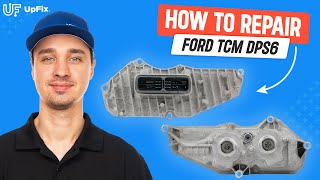
- Failed Transmission Control Module (TCM) 🔴 High Probability → Shop Transmission Assembly The TCM on the DPS6 transmission is the most common point of failure. It is mounted externally on the transmission and is susceptible to heat and vibration, leading to internal circuit board failures and cracked solder joints. Ford acknowledged this widespread issue by issuing extended warranty coverage (Customer Satisfaction Program 14M02) for this specific part, extending coverage to 10 years/150,000 miles.
How to confirm: A diagnostic scan of the TCM will often show specific codes like U0100 (Lost Communication with ECM), U0101 (Lost Communication with TCM), or P0606 (Internal Processor Fault). In many cases, the module will fail to communicate with the scan tool at all. TSB 15-0121 specifically notes that a software update was released to make the P0606 code appear as an early warning of TCM failure.
Typical fix: Replacement of the TCM. The new module must be programmed to the vehicle's VIN and undergo a clutch adaptive learning procedure using appropriate diagnostic software. 🎬 Watch: How to perform the clutch and transmission adaptation procedure. The latest OEM part revision, AE8Z-7Z369-F, is recommended for improved reliability.
Est. part cost: $300-$700 - Worn or Failing Dual Clutch Assembly 🟡 Medium Probability The dry clutch design can wear prematurely, causing shudder and slipping. A primary contributor is leaking input shaft seals, which contaminate the clutch friction material with transmission fluid, accelerating wear and causing the notorious 'shudder'. Ford also extended the warranty on the clutch assembly and input shaft seals under program 14M01.
How to confirm: Specific TCM codes related to clutch friction or position (like P07A3, P07A4 - Clutch Stuck) will be present. A mechanic can perform a clutch adaptive learn procedure; failure to adapt or excessive clutch slip values indicate a worn clutch. Severe shuddering on takeoff is a strong physical symptom.
Typical fix: Replacement of the dual clutch assembly, input shaft seals, and often the clutch release forks and bearings. This is a labor-intensive job requiring special tools to remove and install the transmission and clutch pack.
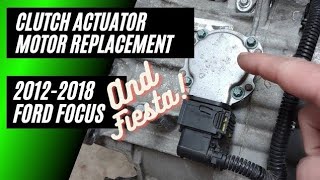
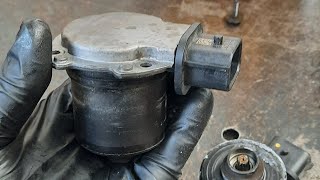
Est. part cost: $500-$900 - Faulty Clutch Actuator Motors 🟡 Medium Probability The transmission uses two identical electric motors to actuate the clutch forks (one for clutch A, one for clutch B). These motors can fail electronically or their internal plastic gears can strip, preventing proper clutch engagement or disengagement.
How to confirm: Scan the TCM for codes related to clutch actuator performance or circuit faults (e.g., P090C). A diagnostic trick is to swap the upper and lower actuator motors (they are identical) and see if the fault code follows the motor to the other clutch circuit.
Typical fix: Replace the faulty actuator motor. There is one on top of the transmission (Clutch B) and one underneath (Clutch A). They are held on by a few bolts and are relatively accessible. 🎬 See this walkthrough on replacing the clutch actuator motors. Part number AE8Z-7C604-A is commonly cited.
Est. part cost: $70-$150 per motor - Sticking or Broken Shift Forks ⚪ Low Probability The forks that move the gear selectors can bind, or the plastic pivot points can wear out or break, leading to an inability to engage certain gears. This is often a result of driving with a malfunctioning clutch or actuators for too long.
How to confirm: This usually requires transmission disassembly to visually inspect the forks and their pivot points. It is often discovered during a clutch replacement.
Typical fix: Replacement of the shift fork assembly, which is often done during a clutch replacement. It's considered part of a major transmission overhaul.
Est. part cost: $200-$400
Rare But Worth Checking
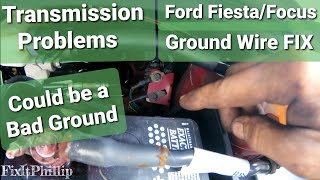
- Wiring Harness Damage: The wiring harness to the TCM or clutch actuators can become damaged from chafing or road debris. A known issue on the related Ford Focus involves checking the ground points under the air filter box, 🎬 Watch: How to check and clean these critical ground connections. which can corrode and cause communication issues.
Diagnosis Steps
- Connect a scan tool capable of reading Ford-specific TCM codes (like FORScan or Ford IDS), not just a basic OBD-II reader.
- Record all codes stored in the ECM and, most importantly, the TCM. The P0700 is just the messenger; the TCM codes tell the real story.
- Check for any applicable recalls or extended warranty programs (like 14M01, 14M02) using the vehicle's VIN on Ford's owner website. Many of these repairs may be covered.
- If communication with the TCM is not possible, or if codes like U0100, U0101, or P0606 are present, inspect the TCM power, ground, and communication wiring. Check the main connector at the TCM for corrosion. If wiring is good, the TCM has failed.
- If codes point to clutch or actuator issues (e.g., P07A3, P090C), use the scan tool to monitor actuator positions and clutch slip data in real-time.
- Listen for symptoms. A heavy shudder from a stop points to the clutch pack/seals. A complete failure to engage gears with communication codes points to the TCM.
- If actuator codes are present, consider swapping the top and bottom actuator motors to see if the fault code follows the motor, confirming a bad actuator.
Parts You'll Likely Need
- Transmission Control Module (TCM)
(OEM #AE8Z-7Z369-F)— This is the single most common failure point on the DPS6 transmission causing a P0700 code. The 'F' revision is the latest and most reliable version.
Trusted brands: Motorcraft (OEM), Dorman (Remanufactured)
OEM price range: $500-$700
Aftermarket price range: $250-$500 - Dual Clutch Assembly Kit
(OEM #F1FZ-7B546-B)— The second most common failure, causing shuddering and slipping. Leaking input shaft seals contaminate the original clutch, necessitating replacement. The kit typically includes the clutch pack, release bearings, and forks.
Related Codes That Often Appear With This One
- U0100 — Indicates a loss of communication with the ECM, a classic symptom of a failed TCM that can no longer talk to the rest of the car's network.
- P0606 — Indicates an internal processor fault within a control module. In this context, it almost always points to the TCM. Ford's TSB 15-0121 specifically mentions a software update was created to help trigger this code to definitively condemn a failing TCM.
- P07A3 / P07A4 — These codes point to a friction element (clutch) being stuck 'on' or engaged, a common sign of a failing clutch pack or a mechanical issue with the forks or actuators.
- U0101 — Indicates Lost Communication with the TCM. Similar to U0100, this points directly to the TCM being offline or having failed.
Technical Service Bulletins (TSBs) & Recalls
- 15-0121 - A key TSB that directs technicians to replace the TCM if specific DTCs like U0100, U0101, or P0606 are present. It also introduced the software update that enabled P0606 as a definitive marker for internal TCM failure.
- 14M01 - Not a TSB, but an Extended Warranty Program for the clutch assembly and input shaft seals, extending coverage to 7 years or 100,000 miles to address shuddering issues.
- 14M02 - Not a TSB, but a critical Extended Warranty Program for the Transmission Control Module (TCM), extending coverage to 10 years or 150,000 miles.
- 15B22 - A customer satisfaction program to reprogram the TCM software. Its main purpose was to provide an earlier warning of impending TCM failure to the driver.
Platform-Specific Known Issues
- Widespread failure of the Transmission Control Module (TCM), leading to Ford Customer Satisfaction Program 14M02, which extended the warranty to 10 years or 150,000 miles.
- Premature wear of the dual-clutch pack and contamination from leaking input shaft seals, covered under extended warranty 14M01 (7 years/100,000 miles).
- Software issues requiring a TCM reprogram (Customer Satisfaction Program 15B22) to provide earlier warning of TCM failure by enabling DTC P0606.
- Multiple class-action lawsuits filed and settled over the DPS6 transmission's poor performance and reliability, resulting in reimbursement and vehicle buyback programs for some owners.
Mechanic-Grade Diagnostic Values
- TCM Power Supply Voltage at Connector C1458A — expected: > 10 Volts. Failure: Voltage below 10V indicates an open or short in the power supply circuit from the Battery Junction Box.
- TCM Ground Circuit Resistance — expected: < 5 Ohms. Failure: Resistance greater than 5 Ohms between the TCM connector ground pins and a chassis ground indicates a poor ground connection.
- Clutch Actuator Motor Resistance — expected: Approximately 1 Ohm. Failure: A significantly higher or open reading indicates a failed motor.
- Charging System Voltage (Engine Running) — expected: 13.8V - 14.5V. Failure: Voltage below 13.8V or above 14.5V can cause various module communication errors, including with the TCM.
Scan Tool Commands That Help
- FORScan: TCM Module Firmware Update — This is required when installing a new or used TCM. It loads the correct calibration file for the specific vehicle, which is downloaded using the car's VIN.
- FORScan / Ford IDS: TCM Adaptive Learning (or Clutch System Learn) — This multi-step procedure MUST be performed after replacing the TCM, clutch assembly, or clutch actuators. It teaches the TCM the clutch engagement points and shift drum positions.
- FORScan / Ford IDS: Reset All Adaptations — Used to clear learned values from the TCM. This can sometimes resolve minor shifting issues but is a mandatory first step in the full adaptive learning procedure.
Wiring & Ground Locations
- Main Battery to Chassis Ground — A short, thick black cable running from the negative battery terminal to the driver's side strut tower or frame rail.. This is the primary ground for the entire vehicle's electrical system. Corrosion or looseness here causes system-wide voltage drops, and the sensitive TCM is often the first module to fail, throwing communication codes.
- G1D131 / G1D178 — Two ground points located on the driver's side frame rail, typically under the air filter box.. These are critical chassis grounds for the engine and transmission wiring harness. Corrosion at these points is a very common and often-missed cause of intermittent TCM communication loss (U0100, U0101) and other transmission faults.
- TCM Main Connector — The large electrical connector on the TCM itself, which is mounted on the driver's side of the transmission case, under the battery.. This is the single point of connection for all power, ground, and communication lines to the TCM. Check for pushed-out pins, corrosion, or harness damage nearby.
Real Owner Repair Stories
- Ford Focus Forum user (2014 Ford Focus (same DPS6 transmission)) — Shuddering, skipping gears, and occasional failure to engage reverse.
❌ Tried (didn't work) Took to a Ford dealership who diagnosed a completely failed clutch and quoted $4,000 for repair.
✅ What actually fixed it The owner found a video about cleaning the main transmission ground points. After removing the airbox and cleaning the two ground studs on the frame rail (G1D131/G1D178) to bare metal, the car began shifting perfectly again, saving them thousands of dollars. - Reddit user in r/FordFiesta (2011 Ford Fiesta SES) — After the battery died and was jump-started, the "Transmission Malfunction Service Now" message appeared with code P0606 (PCM/ECM Processor Fault).
❌ Tried (didn't work) Initially feared a $500+ TCM replacement was needed.
✅ What actually fixed it The owner took it to an auto shop that simply cleared the codes with an OBD2 scanner, and the problem was resolved. Later, the issue returned with weak cranks, and the ultimate fix was replacing the aging battery with a new one with high cold-cranking amps. The low voltage during cranking was causing the TCM to fault.
OEM Part Supersession History
AE8Z-7Z369-B, AE8Z-7Z369-D, AE8Z-7Z369-E→AE8Z-7Z369-F— The earlier revisions of the TCM were prone to failure due to internal connection and heat-related issues. The 'F' revision is the latest, most reliable version and is the only one that should be used for replacement.
Heads up: While earlier revisions will physically fit, they are known to have the same design flaws and should be avoided. Always install the latest 'F' revision.Unknown earlier versions→F1FZ-7B546-B— The original clutch assembly was prone to premature wear, especially when contaminated by leaking input shaft seals. The updated kit is designed for better durability.
Model Year Variations Within This Range
- 2011-2015: Vehicles built on or before October 15, 2014, were more susceptible to clutch shudder caused by leaking input shaft seals. TSB 16-0109 and Customer Satisfaction Program 14M01 were issued to address this by replacing the clutch and seals and updating TCM software.
- All: Ford released multiple software updates for the TCM throughout the vehicle's life. TSB 15-0121, for example, updated the software to be more sensitive in detecting an impending TCM failure and set a P0606 code as an early warning. Later software versions also aimed to improve shift quality and clutch engagement behavior.
Diagnostic Flowchart
Other Known Issues on This Vehicle
Issues unrelated to this code that are worth knowing about as an owner of this generation:
- HVAC Blend Door Actuator Failure 🟡 Low — Very common. Often manifests as a repetitive clicking or ticking sound from behind the dashboard upon startup or when changing temperature/vent settings.
- Faulty Door Latches 🔴 High — Widespread issue where a pawl spring tab in the door latch mechanism breaks, preventing the door from latching securely or, in some cases, allowing it to unlatch while driving. (Ref: Safety Recall 20S30 (supersedes 15S16 & 16S30))
- Cooling System Faults (EcoBoost engines) 🔴 High — Early models with EcoBoost engines were prone to overheating due to failing nylon coolant pipes. A recall was issued for this. Water pumps can also be prone to developing leaks. (Ref: Recall issued for coolant pipes on early EcoBoost models.)
- Unresponsive MyFord Touch Infotainment System 🟡 Low — The infotainment system is known to freeze, become unresponsive, or fail to connect to devices. This led to a class-action lawsuit. Often requires software updates or a replacement SYNC control module.
- Starter Motor Failure 🟠 Medium — A notable number of owners report premature starter motor failure, resulting in a no-start condition, sometimes accompanied by a clicking noise or smoke.
Used vs. New Parts: Buying Guide for This Vehicle
When a used part is the smart pick: A used Transmission Control Module (TCM) or clutch actuator motor can be a cost-effective choice. The actuators are simple to swap, and a used TCM from a low-mileage donor vehicle can be successfully programmed to a new car using software like FORScan.
Donor-vehicle mileage cap: roughly under 80000 miles for the part to have meaningful remaining life.
What to inspect on the donor part:
- For a TCM, verify the donor vehicle was not involved in a front-end collision.
- Check the part number of a used TCM; only consider the latest 'F' revision (AE8Z-7Z369-F).
- For actuators, ensure the electrical connector is clean and free of corrosion or damage.
OEM-only on this vehicle (don't cheap out):
- Dual Clutch Assembly: This is a major wear item. The cost of labor to install it is far too high to risk using a part with unknown remaining life. Always install a new clutch kit.
Aftermarket brands forum-validated for this vehicle:
- LuK: LuK is the Original Equipment Manufacturer (OEM) for the DPS6 clutch assembly. A LuK-branded clutch kit is equivalent to the Motorcraft part and is a trusted choice.
Brands owners have reported issues with on this vehicle:
- Unbranded/generic clutch kits: While cheaper, many owners report that generic clutch kits available on sites like Amazon or eBay have a much shorter lifespan and are not worth the significant labor cost for installation.
Real Owner Stories
Aggregated from forums and TSBs cited above. Mileages and costs reflect what owners reported in those sources.
2011 Ford Fiesta
Symptoms: Owner experienced P0700 and P0606 codes. The dealer attempted to claim that intake air leaks (P2279, P2281) had to be repaired before they would address the warrantied TCM replacement.
What fixed it: The TCM required replacement under the 14M02 extended warranty program.
Source hint: Reddit - Transmission Control Module issues with 2011 Ford Fiesta
Related OBD-II Codes
Frequently Asked Questions
Is my 2011-2019 Ford Fiesta covered by an extended warranty for the TCM failure associated with P0700?
My Fiesta is shuddering heavily when I take off from a stop. Is there a specific program for this?
What is the latest part number for the Ford Fiesta TCM to ensure I get the most reliable version?
I have a P0606 code along with P0700. Does this mean I need a new transmission?
Can I just replace the clutch actuator motors myself to fix a P090C code?
Why is my Ford dealer mentioning intake air leaks (P2279) when I brought the car in for transmission codes?
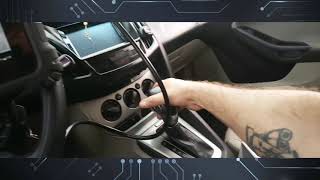
Helpful Videos
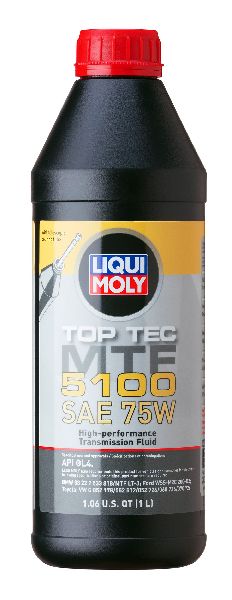
We Have This Part in Stock

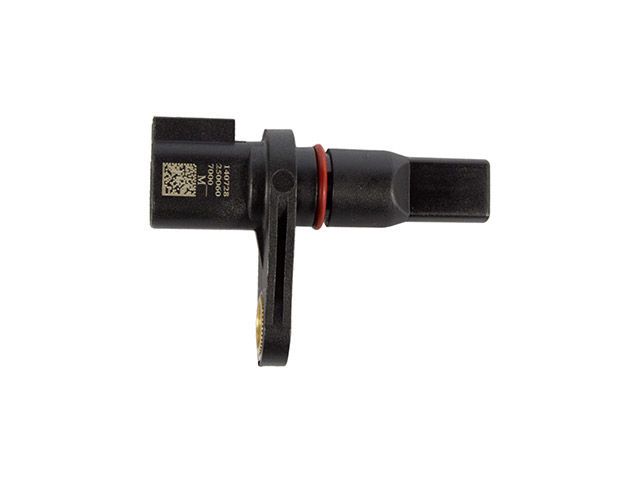
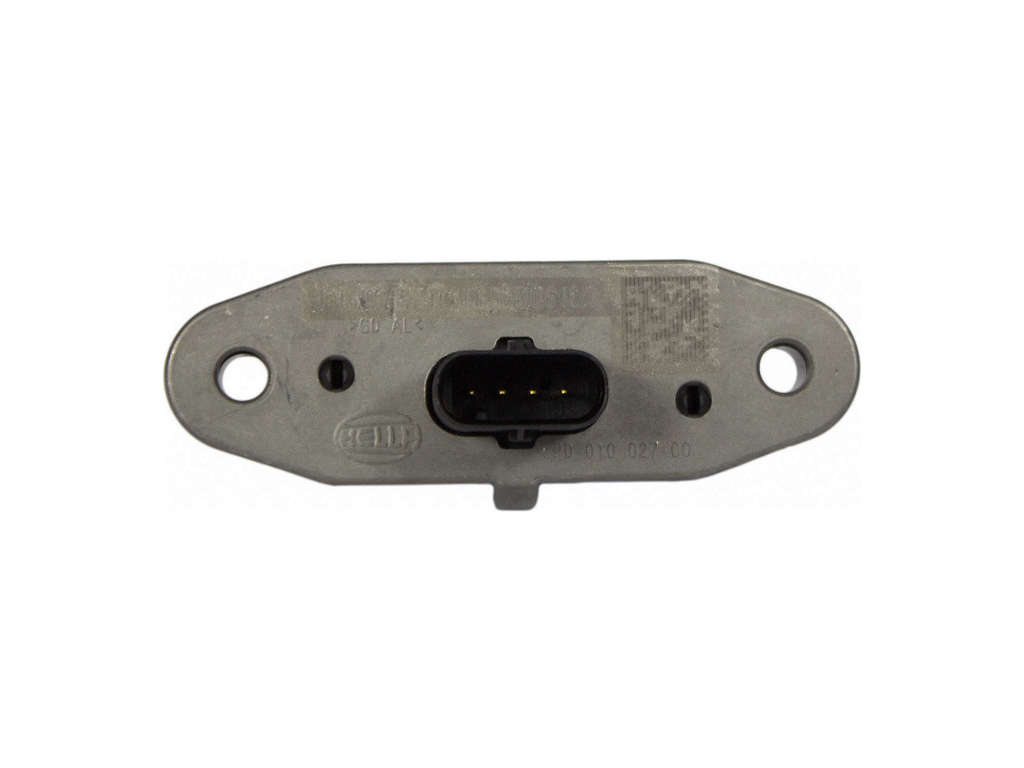

The information in this article is provided for general reference and educational purposes only. Vehicle specifications, procedures, and part compatibility can vary by production date, trim level, and region. Always consult your vehicle's factory service manual and verify part numbers before purchasing or performing repairs. Safety-critical components such as airbags, seat belts, and braking systems should be installed by a qualified professional.
- Ford Fiesta:
- 🧭 Diagnostic Flowchart
- 🎬 Helpful Videos
- 🛍️ Shop This Part
- What's Unique About the 2011-2019 Ford Fiesta
- Symptoms You May Notice
- Most Likely Causes
- Rare But Worth Checking
- Diagnosis Steps
- Parts You'll Likely Need
- Related Codes That Often Appear With This One
- Technical Service Bulletins (TSBs) & Recalls
- Platform-Specific Known Issues
- Mechanic-Grade Diagnostic Values
- Scan Tool Commands That Help
- Wiring & Ground Locations
- Real Owner Repair Stories
- OEM Part Supersession History
- Model Year Variations Within This Range
- Other Known Issues on This Vehicle
- Used vs. New Parts: Buying Guide for This Vehicle
- Real Owner Stories
- 2011 Ford Fiesta
- Related OBD-II Codes
- Frequently Asked Questions
- 🎟️ Get 5% Off