

P0700 on 2004-2009 Toyota Prius: What This Hybrid Transmission Code Really Means
P0700 on a Gen 2 Prius is a generic code telling you the Hybrid Vehicle Control ECU has detected a fault. It is almost always accompanied by other, more specific codes. The most common underlying issues are a failing hybrid battery (P0A80) or a high voltage leak (P0AA6), not a mechanical transmission problem.
- P0700 is a generic code on a Prius; the real fault is in the other codes stored in the Hybrid Control ECU.
- You MUST use a scanner that can read Toyota hybrid system codes to find the true cause.
- The most likely culprits are a failing high-voltage battery (P0A80) or a high-voltage leak (P0AA6).
- Do not waste money on conventional transmission parts like shift solenoids; they do not apply to this vehicle.
- Due to high-voltage dangers, diagnosis and repair are best left to a qualified hybrid technician.
What's Unique About the 2004-2009 Toyota Prius
Unlike a conventional car, the 2004-2009 Prius does not have a traditional automatic transmission with clutches, bands, or a torque converter. It uses a power-split transaxle (model P112) with two electric motor-generators (MG1 and MG2). Therefore, generic causes for P0700 like 'bad shift solenoids' or 'slipping converter clutch' do not apply. On this platform, a P0700 code is the gateway to diagnosing a problem within the complex Hybrid Synergy Drive system, which could be the transaxle, the inverter, or even the high-voltage battery itself.
Symptoms You May Notice
- Check Engine Light (MIL) illuminated
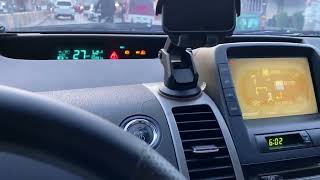
- Master Warning Light (red triangle of death) illuminated
- "Problem" message on the Multi-Function Display (MFD)
- Vehicle will not go into 'Ready' mode, sometimes making a single 'click' sound on power-up.
- Reduced power and poor acceleration ('limp mode')
- Whining or rattling noises from the front of the vehicle, especially when the gas engine tries to start.
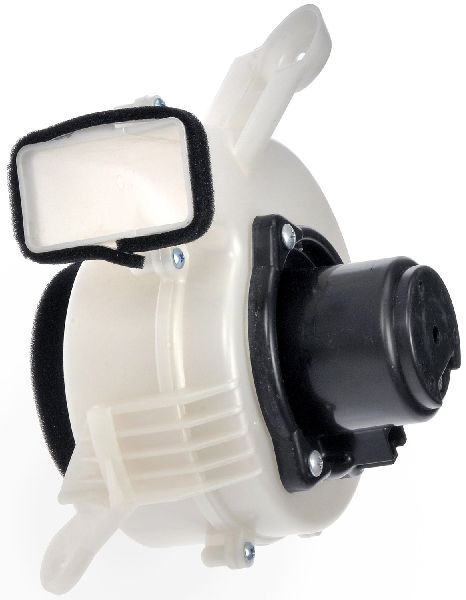
- Hybrid battery cooling fan (behind rear seat) running constantly at high speed
- Replacing transmission shift solenoids (Prius doesn't have them).
- Replacing the torque converter (Prius doesn't have one).
- Assuming the P0700 code itself points to a specific problem without reading the underlying hybrid system codes.
Most Likely Causes
- Failing High-Voltage (HV) Hybrid Battery 🔴 High Probability → Shop Vehicle Battery The NiMH battery packs in the Gen 2 Prius have a finite lifespan and are a common failure item as these vehicles age, typically showing issues after 10-12 years or over 150,000 miles.
How to confirm: Scan the Hybrid Vehicle Control ECU for codes P0A80 ('Replace Hybrid Battery Pack') or P3000-P3027, which indicate specific battery block failures. Specialized apps like Dr. Prius can show voltage differences between battery blocks, with a delta of >0.3V between blocks under load being a strong indicator of failure.
Typical fix: Replacement of the high-voltage battery pack. Reconditioning by replacing individual failed modules is a less reliable, temporary fix.
Est. part cost: $1500-$2500 for a new or professionally remanufactured battery pack. - High Voltage System Isolation Fault (HV Leak) 🟡 Medium Probability Deterioration of insulation in high-voltage components like the transaxle motor windings (MG1/MG2) or the A/C compressor can cause a voltage leak to the chassis. This can happen with age, mileage, or from moisture ingress.
How to confirm: Scan for code P0AA6 ('Hybrid Battery Voltage System Isolation Fault'). A high-quality scanner is needed to read the sub-codes (Info Codes). Sub-code 613 points to the transaxle (MG1/MG2), while 614 points to the A/C compressor. Final diagnosis requires an insulation tester (megohmmeter) to confirm the leak by disconnecting each HV component and testing its insulation resistance to ground.
Typical fix: Replacement of the faulty component (transaxle, inverter, or A/C compressor).
Est. part cost: $700-$2000+ depending on the failed component. - Degraded or Contaminated Transaxle Fluid ⚪ Low Probability The specialized Toyota ATF-WS fluid is hygroscopic, meaning it absorbs moisture over time. If the fluid becomes saturated with water, it can become conductive, potentially causing a high-voltage leak and triggering a P0AA6 fault, often with info code 613.
How to confirm: Check for a P0AA6 code. As a preliminary step, inspect the transaxle fluid. If it is dark, watery, or has a burnt smell, it is long overdue for a change. A fluid change is a relatively inexpensive diagnostic step before replacing the entire transaxle.
Typical fix: Drain and refill the transaxle with genuine Toyota ATF-WS fluid. If this resolves the code, the issue was the fluid itself. If not, the leak is likely in a hard component like the MG1/MG2 windings.
Est. part cost: $40-$80 for fluid. - Failing Inverter/Converter Assembly ⚪ Low Probability The inverter, which converts DC from the battery to AC for the motors, is a complex and high-stress electronic component that can fail with age and heat cycles. Failure of its internal cooling pump (code P0A93) can accelerate its demise.
How to confirm: Scan for codes like P0A94 ('DC/DC Converter Performance'), P0A78 ('Drive Motor 'A' Inverter Performance'), or P0A93 (Inverter Cooling System Performance). A P0AA6 with info code 612 can also point to the inverter.
Typical fix: Replacement of the inverter/converter assembly. Sometimes just replacing the inverter coolant pump (if code P0A93 is present) can resolve overheating issues.
Est. part cost: $500-$1500 for a used or remanufactured unit.
Rare But Worth Checking
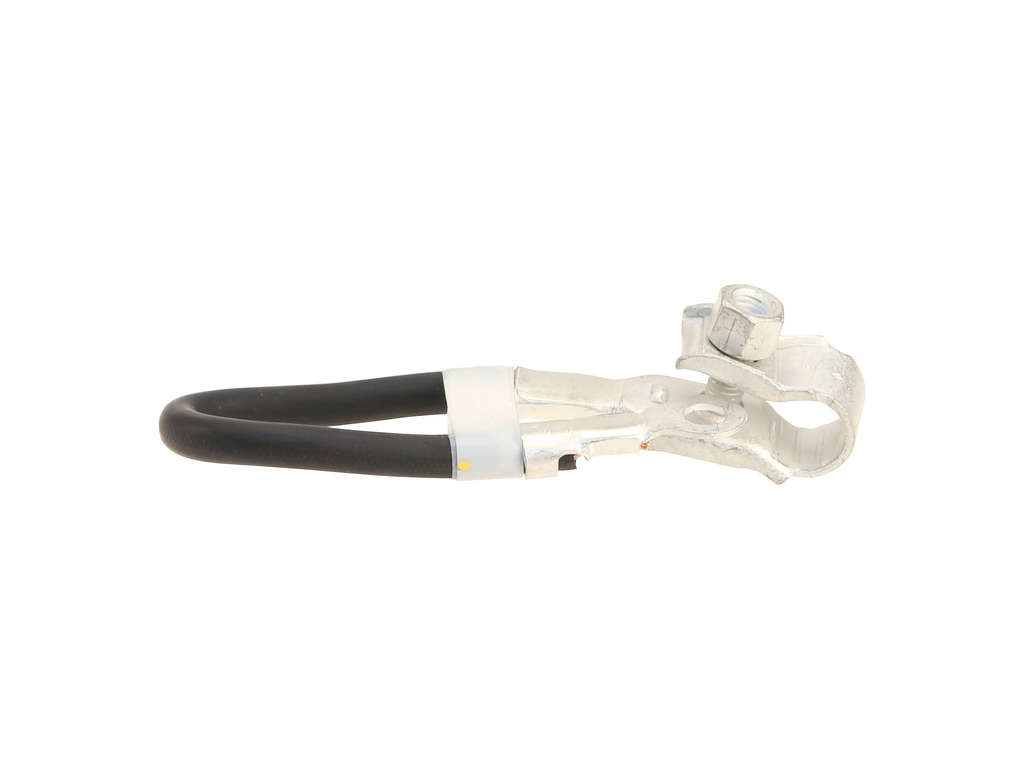
- Failing 12V Auxiliary Battery: → Shop Vehicle Battery A weak or failing 12V battery is a notorious cause of a cascade of seemingly unrelated electronic issues and fault codes in a Prius, including a P0700. Before beginning complex diagnostics, always ensure the 12V battery is in good health, holding a charge above 12.4V with the car off, and providing stable voltage.
Diagnosis Steps
- Connect a high-quality OBD-II scanner capable of reading Toyota-specific and hybrid system codes (e.g., Toyota Techstream, Autel, advanced BlueDriver/Carista).
- Read codes from ALL control modules, not just the ECM. Pay close attention to codes stored in the Hybrid Vehicle (HV) Control ECU.
- Ignore the P0700 code itself and focus on the other codes present, such as P0A80, P0AA6, or P30xx.
- If P0A80 or P30xx codes are present, the issue is with the high-voltage battery. Use a tool like the Dr. Prius app to analyze individual battery block voltages to confirm imbalance. A voltage difference greater than 0.3V between the highest and lowest block under load is a clear sign of failure.
- If P0AA6 is present, this indicates a high-voltage leak. Use your scanner to look for detailed sub-codes (e.g., 612 for Inverter, 613 for Transaxle, 614 for A/C). This is a serious condition that requires professional diagnosis with an insulation tester (megohmmeter) to isolate the faulty component.
- Check the health of the 12V auxiliary battery. A weak 12V battery is a known cause of bizarre electronic faults on the Prius. Voltage should be above 12.4V with the car off.
- If transaxle codes are suspected (P0AA6 with info code 613), check the level and condition of the Toyota ATF-WS fluid. Extremely old or contaminated fluid can cause electrical faults and is a cheap first step before condemning the transaxle.
Parts You'll Likely Need
- High-Voltage Hybrid Battery Pack
(OEM #G9510-47031 (superseded by other numbers))— This is the most common cause for hybrid system faults that trigger a P0700. The original battery packs have a finite service life.
Trusted brands: Toyota (OEM), Dorman, Green Bean Battery
OEM price range: $2000-$3000
Aftermarket price range: $1500-$2200 (Remanufactured) - Hybrid Transaxle Assembly
(OEM #30900-47040)— Required if a P0AA6 code is traced to an internal short in the MG1 or MG2 motor-generators within the transaxle.
Trusted brands: Toyota (OEM), Used/Salvage
OEM price range: $4000+
Aftermarket price range: $700-$1500 (Used) - Inverter with Converter Assembly
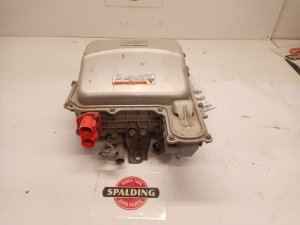
(OEM #G9200-47121 (replaces G9200-47100, G9200-47120))— Can fail and cause various hybrid system faults, including P0AA6 or P0A94.
Trusted brands: Toyota (OEM), Used/Salvage
OEM price range: $2000+
Aftermarket price range: $400-$1000 (Used) - Inverter Coolant Pump
(OEM #G9020-47031 (Toyota updated part is 04000-32528))— A frequent failure point that causes the inverter to overheat, triggering code P0A93 and potentially leading to inverter damage.
Trusted brands: Toyota (OEM), AISIN
OEM price range: $150-$200
Aftermarket price range: $80-$120
Related Codes That Often Appear With This One
- P0A80 — This is the primary code indicating the hybrid battery pack has degraded and needs replacement.
- P3000 — A high-level code for 'Battery Control System Malfunction,' often appearing with P0A80 and pointing to the need for further diagnosis of the battery system.
- P0AA6 — Indicates a dangerous high-voltage leak to the vehicle chassis, which can originate from the transaxle, inverter, or other HV components.
- P3011 - P3027 — These codes specify which block within the hybrid battery is failing, often accompanying a P0A80 code.
Technical Service Bulletins (TSBs) & Recalls
- T-SB-0032-16: Addresses brake, ABS, and VSC warning lights with codes C1391, C1252, C1253, or C1256 due to an internal leak in the brake actuator.
- T-SB-0172-09: Pertains to the combination meter (speedometer display) failing to illuminate, especially in cold weather.
- BR001-07: An earlier TSB for a squeaking noise from the brake actuator when the pedal is pressed while stationary. The fix was to bleed the brakes or replace the actuator.
- Warranty Enhancement Program ZG1: An expired program from Toyota that extended the warranty on the brake actuator assembly due to high failure rates.
- Warranty Enhancement Program ZTV: An expired program that extended the warranty for the combination meter failure.
Mechanic-Grade Diagnostic Values
- HV Battery Block Voltage Delta (P0A80 Diagnosis) — expected: Less than 0.3V difference between the highest and lowest block voltage under load.. Failure: A difference greater than 0.3V indicates an imbalanced and failing battery pack.
- HV System Insulation Resistance (P0AA6 Diagnosis) — expected: 10 MΩ (Megaohms) or higher for most components when tested against body ground with a megohmmeter.. Failure: A reading significantly below 10 MΩ indicates an isolation fault (leak). Some sources suggest a minimum of 2-3 MΩ for specific components like the transaxle windings.
- 12V Auxiliary Battery Voltage (Resting) — expected: 12.4V or higher with the car off.. Failure: A resting voltage below 12.4V, or dropping below 10.5V during power-on, indicates a weak battery that can cause numerous phantom electronic faults.
Hidden / Shadow Codes Worth Checking
- P0AA6 Information Codes (e.g., 526, 611, 612, 613, 614): These are sub-codes that specify the location of the high-voltage leak. 526 is a general fault, 611 points to the A/C system, 612 to the HV battery area, 613 to the transaxle/inverter, and 614 to the HV wiring or inverter. (see via A professional-level scanner like Toyota Techstream is required. On the DTC screen, there is often a 'snowflake' or detail icon next to the P0AA6 code that reveals these info codes.)
- P3009: On 2004-2005 models, this code was used for 'High Voltage Leak Detected' before being replaced by P0AA6 in 2006+ models at the request of the SAE. (see via Standard OBD-II scanner on 2004-2005 model year Prius.)
Scan Tool Commands That Help
- Toyota Techstream: DTC INFO / Freeze Frame Data — This is the primary function needed to view the critical 'Information Codes' (sub-codes) for P0AA6, which are essential for narrowing down the location of a high-voltage leak.
- Toyota Techstream: Data List (Hybrid Control) — Allows for live monitoring of all 14 HV battery block voltages, battery temperatures, and inverter temperatures. This is crucial for diagnosing a P0A80 by observing voltage differences under load and for checking for overheating issues related to the inverter.
- Dr. Prius / Carista / BlueDriver (Advanced Apps): Hybrid Battery Life Expectancy Test / Live Data Monitoring — These apps provide a user-friendly interface to perform automated battery health tests that apply a load and measure voltage drop across all blocks, providing a clear pass/fail result and identifying weak blocks.
Wiring & Ground Locations
- Hybrid Vehicle Control ECU — Located behind the right side of the dashboard.. This is the master controller for the hybrid system. It sets the codes that trigger the P0700. Checking its connections is a valid step in complex cases.
- Ground Points EC, ED, EE, EF — Located in the engine compartment, on or near the engine block and suspension towers.. These are the main ground points for the engine and transaxle-related wiring. A corroded or loose ground here could potentially cause communication or sensor reading issues, although it's a less common cause for P0700.
- Transaxle High-Voltage Connector — The large, typically orange, cable connector on the top or side of the transaxle assembly.. This is the connector that must be disconnected to perform an insulation resistance (megohmmeter) test on the MG1 and MG2 windings when diagnosing a P0AA6 with info code 613.
- Hybrid Battery ECU — Located inside the main HV battery pack assembly in the rear of the vehicle.. This ECU monitors the individual battery modules and reports faults like P0A80 and P30xx to the main Hybrid Control ECU.
Real Owner Repair Stories
- PriusChat Forum User (2006 Prius, 244k miles) — Red triangle warning light, code P0AA6 with sub-code 613, louder than normal engine noise.
❌ Tried (didn't work) The user suspected transaxle failure but performed a megohmmeter test which passed, showing high resistance on the motor windings.
✅ What actually fixed it The user drained the transaxle fluid and found it was very dark and appeared to be the wrong type. After refilling with correct Toyota ATF-WS fluid, the code went away for over 100 miles. The issue later returned, suggesting the fluid change was a temporary fix or a useful diagnostic step, but the underlying damage to the transaxle may have already been done. - PriusChat Forum User (2006 Prius) — Check engine light with codes P0AA6 and info codes 526 and 613.
❌ Tried (didn't work) Resetting the DTC would allow the car to drive normally, but the fault would return after shutting the car off.
✅ What actually fixed it The user diagnosed a fault in the MG2 motor-generator windings. The final fix was the replacement of the entire HV transaxle assembly.
OEM Part Supersession History
G9020-47030→G9020-47031— Improved design/materials for the inverter coolant pump, a very common failure item.N/A→04000-32528— This is a service kit from Toyota that includes the updated inverter coolant pump (G9020-47031) and sometimes associated hardware, representing the official field fix.
Model Year Variations Within This Range
- 2004-2005: These earlier Gen 2 models use fault code P3009 to indicate a high-voltage leak.
- 2006-2009: These later Gen 2 models use fault code P0AA6 for a high-voltage leak, per an SAE request to standardize the code. They also feature minor cosmetic updates like a higher-resolution MFD screen, tinted headlights, and a chrome grille.
- 2004-2008 (Before Production Change): Toyota issued a Technical Service Bulletin (TSB-0306-08) for vehicles exhibiting P0AA6 with info codes 526 and 613, indicating an internal transaxle fault. Improved transaxle assemblies were used in later production vehicles to address this.
Diagnostic Flowchart
Other Known Issues on This Vehicle
Issues unrelated to this code that are worth knowing about as an owner of this generation:
- Combination Meter Failure 🟠 Medium — Very common as vehicles age. The display for the speedometer, fuel gauge, and gear selector suddenly goes blank. (Ref: Toyota issued a warranty enhancement program (Customer Support Program ZTV) for this issue, but it has expired. TSB T-SB-0172-09 was also released for intermittent illumination issues in cold weather.)
- Brake Actuator Assembly Failure 🔴 High — A widespread failure item. Symptoms include a loud, frequent buzzing/honking noise from the engine bay, a trio of ABS, BRAKE, and VSC warning lights, and a hard brake pedal. (Ref: Toyota acknowledged this with Warranty Enhancement Program ZG1 (now expired) and TSBs like BR001-07 and T-SB-0032-16, which detail diagnosis for codes C1256, C1391, etc.)
- Excessive Oil Consumption 🟠 Medium — Typically begins after 100,000 miles due to stuck piston rings and/or hardened valve stem seals on the 1NZ-FXE engine.
- Inverter Coolant Pump Failure 🟠 Medium — A common failure that triggers the master warning light and code P0A93. If not addressed, it can lead to inverter overheating and failure. (Ref: A recall was issued for the electric water pump, which can fail and cause the hybrid system to stall.)
- HID Headlight Failure 🟡 Low — The original HID bulbs and ballasts are known to fail, causing flickering or complete loss of one or both headlights. (Ref: TSB T-SB-0374-09 addresses intermittent operation and flickering of HID bulbs.)
Used vs. New Parts: Buying Guide for This Vehicle
When a used part is the smart pick: For major, high-cost components like the Transaxle Assembly or the Inverter/Converter, a low-mileage used part from a reputable salvage yard is often a cost-effective choice, as new OEM units can be prohibitively expensive. A used HV battery can be a gamble but may be viable if its history and health can be verified.
Donor-vehicle mileage cap: roughly under 150000 miles for the part to have meaningful remaining life.
What to inspect on the donor part:
- For HV Battery: Ask for Dr. Prius app test results or individual module voltages. Check for corrosion on bus bars and terminals. Look for date codes on modules to ensure they are from a single, un-molested pack.
- For Inverter/Transaxle: Inspect all connectors for corrosion or damage. Look for signs of water intrusion or physical damage to the case.
- Verify the donor vehicle's mileage and check for a clean, dry climate history if possible to reduce the risk of corrosion.
OEM-only on this vehicle (don't cheap out):
- Transaxle Fluid (Toyota ATF-WS). Using non-specified fluid is known to cause issues, including HV leaks.
Aftermarket brands forum-validated for this vehicle:
- For HV Battery: Green Bean Battery, Dorman (Remanufactured packs with warranties).
- For Inverter Coolant Pump: AISIN (often the OEM supplier).
Brands owners have reported issues with on this vehicle:
- Unbranded, reconditioned HV battery modules from eBay or unknown sellers are a high risk. Rebuilding a pack with mismatched or poorly balanced cells often leads to premature failure.
Real Owner Stories
Aggregated from forums and TSBs cited above. Mileages and costs reflect what owners reported in those sources.
2005-2009 Toyota Prius 1.5L — ~165000 miles
Symptoms: The vehicle displayed the 'Red Triangle' and experienced transaxle failure or inverter problems. Noises were associated with internal bearing or motor-generator failure.
What fixed it: Replacement of the transaxle or inverter assembly, often triggered by a P0AA6 code with info code 613.
Source hint: PriusChat.com thread titled 'RED TRIANGLE Gen 2 2005-2009 Prius Transmission Failure, Inverter Problems'
2004-2009 Toyota Prius 1.5L — ~155000 miles
Symptoms: Check Engine Light and Master Warning Light illuminated; vehicle entered 'limp mode' with reduced power and poor acceleration. The hybrid battery cooling fan was running constantly at high speed.
What fixed it: Replacement of the high-voltage battery pack after confirming a voltage delta of >0.3V between blocks.
Cost: $1500-$2500
Source hint: Common causes and symptoms documented for failing High-Voltage (HV) Hybrid Battery in Gen 2 Prius
Related OBD-II Codes
Frequently Asked Questions
My 2005 Prius speedometer and gear selector display went blank. Is there a TSB for this?
I'm hearing a loud buzzing and honking noise from the engine bay of my Gen 2 Prius. Is this related to the P0700 code?
Can a bad 12V battery cause the 'Red Triangle of Death' and hybrid system codes?
Is there a way to check if my hybrid battery is failing without a dealer scanner?
My Prius won't enter 'Ready' mode and just clicks. Could this be the high-voltage battery?
Can old transmission fluid cause a high-voltage isolation fault (P0AA6)?
Helpful Videos
Used OEM Parts in Stock
New Aftermarket Parts Available

The information in this article is provided for general reference and educational purposes only. Vehicle specifications, procedures, and part compatibility can vary by production date, trim level, and region. Always consult your vehicle's factory service manual and verify part numbers before purchasing or performing repairs. Safety-critical components such as airbags, seat belts, and braking systems should be installed by a qualified professional.
- Toyota Prius:
- 🧭 Diagnostic Flowchart
- 🎬 Helpful Videos
- 🛍️ Shop This Part
- What's Unique About the 2004-2009 Toyota Prius
- Symptoms You May Notice
- Most Likely Causes
- Rare But Worth Checking
- Diagnosis Steps
- Parts You'll Likely Need
- Related Codes That Often Appear With This One
- Technical Service Bulletins (TSBs) & Recalls
- Mechanic-Grade Diagnostic Values
- Hidden / Shadow Codes Worth Checking
- Scan Tool Commands That Help
- Wiring & Ground Locations
- Real Owner Repair Stories
- OEM Part Supersession History
- Model Year Variations Within This Range
- Other Known Issues on This Vehicle
- Used vs. New Parts: Buying Guide for This Vehicle
- Real Owner Stories
- 2005-2009 Toyota Prius 1.5L — ~165000 miles
- 2004-2009 Toyota Prius 1.5L — ~155000 miles
- Related OBD-II Codes
- Frequently Asked Questions
- 🎟️ Get 5% Off