

P0701 on 2009-2010 GMC Sierra 2500: Transmission Control System Fault Guide
P0701 on your Sierra 2500 means the Transmission Control Module (TCM) has detected a fault and requested the check engine light. This code is a general alert; you must scan the TCM for more specific codes to find the root cause. Issues often stem from low fluid, internal component failure, or a faulty TEHCM (Transmission Electro-Hydraulic Control Module), a known high-failure part on this platform.
- P0701 is a general warning from your transmission; it is not the root problem.
- You MUST use a scan tool that can read codes from the Transmission Control Module (TCM) to find the actual fault.
- Always start diagnosis by checking the transmission fluid level and condition, as low fluid is a common and simple cause noted in GM service bulletins.
- On this specific truck, suspect issues with the integrated control module (TEHCM) or internal mechanical parts before assuming it's a simple sensor failure.
- Do not replace the TCM/TEHCM without confirming it is the point of failure through proper diagnosis of the specific TCM codes.
What's Unique About the 2009-2010 Gmc SIERRA 2500
For the 2009-2010 GMC Sierra 2500, which is part of the GMT900 platform, this code often points to known issues with the 6-speed automatic transmissions (like the 6L90). These transmissions integrate the TCM with the valve body and solenoids into a single unit called the TEHCM (Transmission Electro-Hydraulic Control Module). The provided NHTSA Technical Service Bulletin (PIP4379N) highlights a pattern of engagement issues and internal faults that trigger P0701 along with a host of other codes. The bulletin specifically warns that simply replacing the TCM is unlikely to fix the problem, pointing instead to underlying hydraulic or mechanical issues like low fluid causing a loss of pump prime.
Diagnostic Flowchart
Tap your situation to follow the diagnostic path that matches what you're seeing on this vehicle.
Symptoms You May Notice
- Check Engine Light is on
- Transmission may be stuck in one gear ("limp mode")
- Harsh, erratic, or delayed shifting
- Vehicle has no engagement in Drive or Reverse. 🎬 Watch: Troubleshooting a Silverado HD that won't move with code P0701
- Delayed engagement when shifting into gear.
- "Shift Inhibited Select Neutral to Reset" message on the driver information center.
- PRNDL indicator on the dash may flash or disappear.
- Sudden loss of power as the transmission slips or fails to shift.
- Replacing the Transmission Control Module (TCM/TEHCM) without a full diagnosis. The TSB PIP4379N explicitly states that replacing the TCM is unlikely to correct the issue on its own if a hydraulic or mechanical fault is present.
- Clearing the P0701 code without reading the specific codes from the TCM. The P0701 is only a messenger; the real fault lies with the other codes.
- Performing only a fluid and filter change when a mechanical or electronic fault (like a bad TEHCM or cracked separator plate) is the true cause.
Most Likely Causes
- Underlying Transmission Codes Stored in TCM 🔴 High Probability → Shop Transmission Assembly P0701 is an informational code by design. The actual fault is stored as a more specific code within the TCM. This is the standard operating procedure for this system.
How to confirm: Use a professional-grade scan tool capable of communicating with the Transmission Control Module to read for additional codes. Do not stop at the P0701 in the ECM.
Typical fix: Diagnose and repair the cause of the specific code(s) found in the TCM. The P0701 code will clear once the underlying issue is resolved.
Est. part cost: $0 - Faulty TEHCM (Transmission Electro-Hydraulic Control Module) 🔴 High Probability → Shop Transmission Valve Body The TEHCM combines the TCM, solenoids, and pressure switches into one unit located in the hot transmission pan. Early 'Gen 1' TEHCMs used in 2009-2010 trucks are known for failures of the internal pressure switch laminates (membranes), which crack and cause faults like P0877. Heat and vibration also lead to cracks in solder joints on the internal circuit board.
How to confirm: This is typically confirmed when specific pressure switch or solenoid codes (e.g., P0877, P0751) are stored in the TCM along with P0701. A diagnostic scan tool may show erratic or illogical readings from the pressure switches, sometimes changing state on their own while the vehicle is stationary, as documented in repair videos.
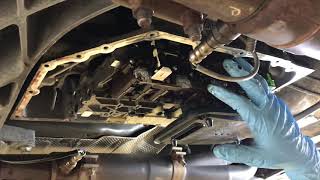
Typical fix: Replace the entire TEHCM unit, which is located inside the transmission oil pan and requires removing the valve body. The new module must be programmed to the vehicle's VIN using dealership software.
Est. part cost: $400-$700 - Low or Dirty Transmission Fluid 🟡 Medium Probability → Shop Transmission Assembly GM Technical Service Bulletin PIP4379N specifically identifies low fluid level as a primary cause for P0701 and related codes, as it can cause the transmission pump to lose its prime, especially during a cold start. This can happen after a fluid service if not refilled correctly or due to a leak.
How to confirm: Perform a 'Hot Check' of the transmission fluid level and condition according to the GM procedure. The fluid should be at the correct level, red in color, and not smell burnt.
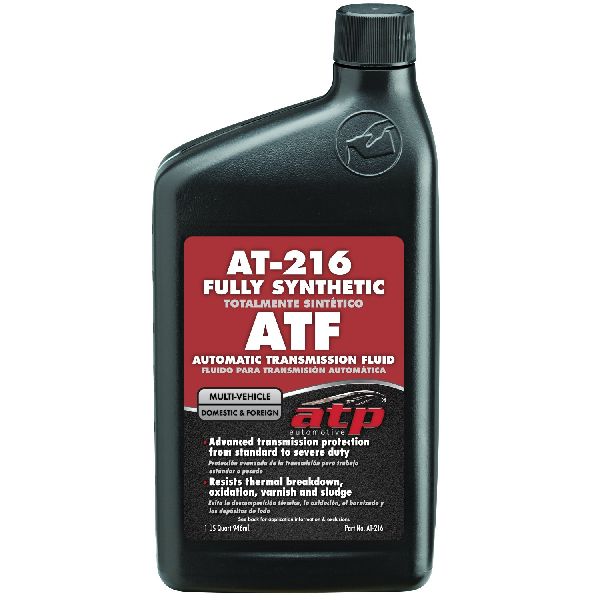
Typical fix: Top off the fluid to the correct level using DEXRON-VI automatic transmission fluid. If the fluid is dirty or burnt, a transmission fluid and filter service is required. Repair any leaks found.
Est. part cost: $50-$150 - Internal Mechanical/Hydraulic Failure 🟡 Medium Probability The TSB PIP4379N directly addresses symptoms like no engagement, which points to internal issues. A common failure on the 6L90 is a cracked valve body separator plate, which causes hydraulic cross-leaks and pressure loss. Other issues can include failing clutch packs or a faulty transmission pump.
How to confirm: Diagnosis involves a transmission pressure test and may require disassembly and inspection of the valve body or the entire transmission. A cracked separator plate is often found during a TEHCM replacement.
Typical fix: Repairs can range from replacing the valve body separator plate (OEM part #24245720 is an updated version) to a complete transmission rebuild or replacement.
Est. part cost: $50-$4500
Rare But Worth Checking
- Wiring Harness or Connector Issues: Damage to the wiring between the ECM, TCM, and transmission can cause communication errors or faulty sensor readings, triggering a P0701. Check for corrosion at the main 16-pin connector on the side of the transmission or physical damage to the harness from road debris.
- Failing Torque Converter: → Shop Automatic Transmission Torque Converter A failing torque converter clutch (TCC) can send a large amount of metallic debris ('glitter') through the transmission fluid. This debris can clog the filter, damage the pump, and destroy the sensitive solenoids and passages within the TEHCM, leading to a P0701 and other codes.
Diagnosis Steps
- Check and correct the transmission fluid level and condition using the proper 'Hot Check' procedure. Ensure the level is at the top of the hot band at 175°F.
- Use a professional-grade scan tool to read diagnostic trouble codes from BOTH the Engine Control Module (ECM) and the Transmission Control Module (TCM).
- Document all codes found in the TCM. Do not focus on the P0701 in the ECM. Per TSB PIP4379N, if P0701 is present with other codes, begin diagnosis with P0701 service information.
- Follow the manufacturer's specific diagnostic procedure for the codes retrieved from the TCM. For example, a P0877 code would lead to testing the pressure switch 'D' circuit.
- With the scan tool, monitor live data from the transmission pressure switches. Watch for erratic or illogical state changes while idling, which strongly suggests an internal TEHCM failure.
- If gear ratio error codes are present, perform a transmission line pressure test to check for hydraulic issues, which could point to a cracked separator plate or failing pump.
- If a TEHCM failure is suspected, drop the transmission pan and inspect the fluid for excessive metal debris. The TEHCM is bolted to the valve body and must be replaced as a unit and then programmed.
Parts You'll Likely Need
- Transmission Electro-Hydraulic Control Module (TEHCM)
(OEM #24256861 (Supersedes earlier failure-prone part numbers like 24241350 for 2009 models; verify by VIN))— This integrated unit contains the TCM, solenoids, and pressure switches, and is the most common failure point for electronic and hydraulic faults on this transmission.
Trusted brands: ACDelco (OEM/Remanufactured)
OEM price range: $450-$750
Aftermarket price range: $350-$600 - Transmission Fluid
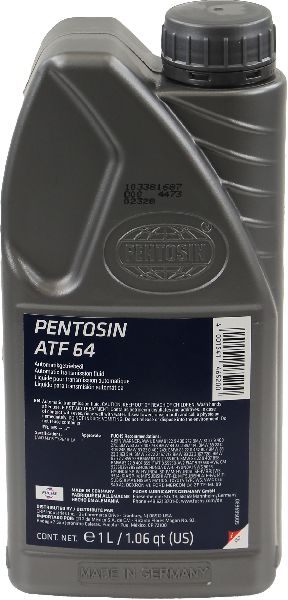
(OEM #ACDelco 10-9395 (DEXRON-VI))— Low or dirty fluid is a primary and simple-to-fix cause. Required for any internal transmission service.
Related Codes That Often Appear With This One
- U0101 — This code indicates 'Lost Communication with TCM'. It often appears with P0701 when the TEHCM is failing electronically, causing it to intermittently drop off the vehicle's communication network.
- P0843, P0848, P0873, P0877 — These codes relate to transmission fluid pressure sensor/switch circuits. A failing pressure switch inside the TEHCM is a known issue on this platform and a direct cause for the TCM to request the check engine light via P0701.
- P0751, P0756, P0761, P0776 — These codes indicate faults with specific shift solenoids (e.g., 'Stuck Off'). Since the solenoids are integrated into the TEHCM, these codes almost always point to a TEHCM failure on a 6L90 transmission.
- P0731-P0736 — These codes indicate incorrect gear ratios, pointing to slipping clutches or hydraulic pressure problems. These are common underlying causes mentioned in TSB PIP4379N, often resulting from low fluid or a cracked separator plate.
Technical Service Bulletins (TSBs) & Recalls
- PIP4379N: Delayed Or No Drive And Or Delayed Or No Reverse With DTCs Range Inhibit. This is the primary TSB that covers a wide range of GM trucks, including the 2009-2010 Sierra 2500. It lists P0701 along with many other codes and points to low fluid level (loss of pump prime) or internal hydraulic issues as the cause, explicitly warning that TCM replacement alone is unlikely to fix the problem.
Platform-Specific Known Issues
- Gen 1 TEHCM Failure: → Shop Transmission Valve Body The 2009-2010 models use a 'Gen 1' TEHCM which is highly susceptible to failure. The internal pressure switch laminates, which are thin film discs, are known to crack or rupture, causing pressure sensor codes like P0877 to appear alongside P0701. Heat and vibration fatigue the internal circuitry and solder joints over time, leading to intermittent communication loss or complete failure.
- Cracked Valve Body Separator Plate: → Shop Transmission Valve Body Another common failure on the 6L90 transmission is a cracked valve body separator plate. This allows hydraulic fluid to leak between circuits, causing pressure losses that lead to slipping, harsh shifts, and gear ratio error codes. This is a mechanical/hydraulic failure that the TEHCM reports by setting code P0701.
Mechanic-Grade Diagnostic Values
- Transmission Line Pressure — expected: 45-80 PSI at idle in Park/Neutral; up to 300 PSI at wide-open throttle in gear.. Failure: Significantly lower pressure than commanded by the scan tool, indicating a pump, regulator valve, or major leak issue.
- TCM/TEHCM Power Supply Voltage — expected: 12.0V to 14.5V, steady.. Failure: Voltage drops or spikes can indicate a poor connection, bad ground, or failing alternator stressing the module.
- TCM/TEHCM Ground Resistance — expected: Below 0.1 Ω.. Failure: Higher resistance indicates a poor ground connection, which can cause erratic module behavior.
- Transmission Fluid Pressure (TFP) Switch Voltage (e.g., for P0877) — expected: The switch should toggle between high (>0.5V) and low (<0.5V) states based on gear command.. Failure: Voltage is stuck low (below 0.5V) when it should be high, indicating a failed switch inside the TEHCM.
Hidden / Shadow Codes Worth Checking
- Manufacturer-Specific DTCs: P0701 is a generic request to turn on the check engine light. The actual, specific fault codes (e.g., P0751 for a solenoid, P0877 for a pressure switch) are stored only in the Transmission Control Module (TCM) and are not visible with basic OBD-II readers. (see via A professional-grade scan tool like a GM Tech 2, GM GDS2, or equivalent tool that can access the TCM's memory is required.)
Scan Tool Commands That Help
- GM Tech 2 / GDS2: Transmission Output Controls > Solenoid Controls — To individually command each shift solenoid on and off. This helps verify if a specific solenoid is mechanically stuck (no click) or has a circuit fault, helping to isolate a single failure within the TEHCM.
- GM Tech 2 / GDS2 / J2534 Pass-Thru: Service Programming System (SPS/SPS2) — This is a mandatory function required after installing a new TEHCM. It programs the module with the vehicle's specific VIN and software calibration, without which the vehicle will not start or shift correctly.
- GM GDS2: Transmission Service Fast Learn — After a repair or TEHCM replacement, this procedure resets and relearns the transmission's adaptive pressure values. It is a static procedure done in the service bay and is critical for ensuring smooth shift quality.
- GM Tech 2 / GDS2: Transmission Data Display — To monitor live data streams from transmission sensors, such as pressure switch states, commanded vs. actual gear, and fluid temperature. It is essential for diagnosing intermittent faults, like watching pressure switches go invalid after a minute of runtime.
Wiring & Ground Locations
- Main Transmission Connector (X214/X215 Type) — The large, circular 16-pin or 20-pin connector located on the passenger side of the transmission case.. This is the single point of electrical connection for the entire internal TEHCM. Corrosion from moisture, bent pins, or a damaged harness at this connector can cause intermittent or total loss of communication with the TCM, triggering P0701 and various U-codes.
Real Owner Repair Stories
- YouTube channel 'WeberAuto' (2009 Chevrolet Silverado 2500HD with 6.6L Duramax / Allison Transmission) — No engagement in Drive or Reverse, 'Shift Inhibited Select Neutral to Reset' message on DIC, PRNDL indicator flashes and then disappears, code P0701 stored.
❌ Tried (didn't work) The internal mode switch (IMS/NSBU switch) had been replaced four months prior for a similar issue, but the problem returned.
✅ What actually fixed it Live scan tool data showed that the four transmission pressure switches read correctly at key-on, but all changed to an invalid state simultaneously about 60 seconds after the engine started. This indicated a time-based internal failure of the transmission computer. Replacing the Transmission Control Module (TEHCM, GM Part #24256861) and programming it using GM's Service Programming System (SPS) resolved all symptoms.
"I Checked Everything" — The Actual Cause
- A common diagnostic trap with a failing TEHCM is that it may pass initial key-on-engine-off electrical tests. In a documented case, the pressure switches read correctly at startup but all became invalid after approximately one minute of engine run time. The root cause was an internal TEHCM failure that only manifested after a short period of operation, a detail that would be missed without monitoring live scan data over time.
OEM Part Supersession History
24241350 / 24252114→24256861 / 24256863— The original 'Gen 1' TEHCMs used in 2009 models were prone to frequent pressure switch failures. The updated part numbers for 2010+ models feature improved solenoids and an updated pressure manifold gasket for better durability.
Heads up: While they may physically connect, using the wrong generation of TEHCM will cause immediate limp mode or no-start conditions due to different internal logic and calibrations. Programming is always required.24246916→24245720— The original valve body separator plate was prone to cracking, especially causing a P0751 code. The updated part addresses this weakness.
Heads up: If using the updated plate (24245720) to replace the earliest design, a specific clutch select valve spring kit may also be required.
Model Year Variations Within This Range
- 2009 vs. 2010: The TEHCM (internal transmission computer) was updated for the 2010 model year. 2009 trucks used an earlier, more failure-prone TEHCM (e.g., 24241350), while 2010 models received an improved version (e.g., 24256861) with better solenoids and gaskets.
- 2010: There can be physical differences in the 6L90 transmission itself. At least two different tail shaft housing lengths (5-inch vs. 4-inch) exist for the transfer case adapter. This is a critical check for anyone swapping a used transmission, as it was not easily found information.
Helpful Videos

We Have This Part in Stock

The information in this article is provided for general reference and educational purposes only. Vehicle specifications, procedures, and part compatibility can vary by production date, trim level, and region. Always consult your vehicle's factory service manual and verify part numbers before purchasing or performing repairs. Safety-critical components such as airbags, seat belts, and braking systems should be installed by a qualified professional.
- Gmc SIERRA 2500:
- 🧭 Diagnostic Flowchart
- 🎬 Helpful Videos
- 🛍️ Shop This Part
- What's Unique About the 2009-2010 Gmc SIERRA 2500
- Symptoms You May Notice
- Most Likely Causes
- Rare But Worth Checking
- Diagnosis Steps
- Parts You'll Likely Need
- Related Codes That Often Appear With This One
- Technical Service Bulletins (TSBs) & Recalls
- Platform-Specific Known Issues
- Mechanic-Grade Diagnostic Values
- Hidden / Shadow Codes Worth Checking
- Scan Tool Commands That Help
- Wiring & Ground Locations
- Real Owner Repair Stories
- "I Checked Everything" — The Actual Cause
- OEM Part Supersession History
- Model Year Variations Within This Range
- 🎟️ Get 5% Off