

P0705 on 2011-2017 Hyundai Azera: Transmission Range Sensor Causes and Fixes
Code P0705 on a 2011-2017 Hyundai Azera almost always indicates a problem with the Transmission Range Sensor, which Hyundai often calls the Inhibitor Switch. The most common fix is replacing this sensor, a part that typically costs between $60 and $150. This is a well-documented issue, covered by multiple Hyundai Technical Service Bulletins (TSBs).
- P0705 on a 2011-2017 Azera is most often caused by a failed Transmission Range Sensor (Inhibitor Switch).
- Symptoms are serious and can include the car not starting or getting stuck in gear.
- Before replacing the sensor, check its electrical connector for corrosion and verify the switch's alignment, as adjustment can sometimes fix the issue.
- If replacing the sensor, proper alignment of the new part is critical to resolving the code.
- This is a known issue for this vehicle, with multiple TSBs issued by Hyundai.
What's Unique About the 2011-2017 Hyundai AZERA
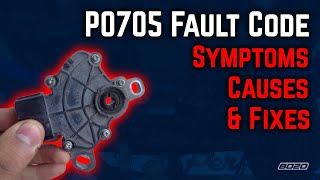
The Hyundai Azera platform is known for issues with the transmission range sensor, also called the inhibitor switch. Hyundai has issued multiple Technical Service Bulletins (TSBs) for this exact problem, including TSB 17-AT-005 and its successor 19-AT-024H, which specifically outline the diagnostic and replacement procedure for code P0705. This indicates a recognized pattern of failure for this component, making it the primary suspect when this code appears. 🎬 Watch: Understanding the causes and fixes for code P0705 The issue is so common that it affects a wide range of Hyundai and Kia vehicles that share the same 6-speed automatic transmission.
Diagnostic Flowchart
Tap your situation to follow the diagnostic path that matches what you're seeing on this vehicle.
Generation note: The 2011 model year is the final year of the fourth generation (TG) Azera, while 2012-2017 models belong to the fifth generation (HG). Both generations received updated engines and transmissions for their respective launches. While P0705 is common to both and covered under the same TSBs (like 17-AT-005), the specific part number for the inhibitor switch and its location may differ, so it is crucial to verify the correct part for your specific model year. For example, part number 42700-3B700 is listed for 2015-2016 Azera models.
Symptoms You May Notice
- Vehicle will not start, or only starts in Neutral.
- Check Engine Light is illuminated.
- Incorrect gear position shown on the instrument cluster, or the display is blank.
- Transmission is stuck in 'limp mode' (usually 3rd or 4th gear).
- Reverse lights do not turn on.
- Delayed or harsh shifting when moving the gear selector.
- Inability to shift out of Park.
- Replacing the transmission fluid, which will not fix an electrical circuit fault.
- Replacing the entire transmission valve body when the issue is an external sensor or wiring.
- Replacing the starter or battery when a no-start condition is caused by the inhibitor switch not sending the correct Park/Neutral signal.
Most Likely Causes
- Failed Transmission Range Sensor (Inhibitor Switch) 🔴 High Probability → Shop Transmission Assembly As documented in multiple manufacturer TSBs (e.g., #17-AT-005, #19-AT-024H), this component is a known failure point on this platform and many related Hyundai/Kia models. The sensor is exposed to the elements on the outside of the transmission, making it susceptible to internal corrosion and wear from moisture and debris.
How to confirm: Use a scan tool to monitor the sensor's output data while moving the shifter through all gears. If the data is erratic, doesn't change, or shows an invalid position, the sensor is likely faulty. A 'wiggle test' can also be telling; if jiggling the shifter allows the car to start, it points to a bad sensor or poor adjustment.
Typical fix: Replace the inhibitor switch. The new switch must be properly aligned during installation, often using a pin or 5mm drill bit in the alignment hole as described in TSB #17-AT-005. Accessing the switch requires removing the battery and battery tray.
Est. part cost: $60-$150 - Corroded or Damaged Wiring/Connector 🟡 Medium Probability The sensor is located on the exterior of the transmission, exposing its wiring and connector to moisture, heat, and road debris, which can lead to corrosion or physical damage over time. Some GM service bulletins for similar platforms note specific harness chafe points against brackets, the upper control arm, and the shock tower, which could be relevant inspection areas on the Azera.
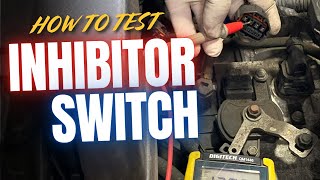
How to confirm: Visually inspect the inhibitor switch's electrical connector for signs of green or white corrosion, bent pins, or damaged wires. Perform a continuity and voltage drop test on the harness between the sensor and the control module as outlined in service manuals.
Typical fix: Clean the connector terminals with a specialized contact cleaner and apply dielectric grease to prevent future corrosion. If wires are damaged, they must be repaired or the harness section replaced.
Est. part cost: $10-$50 - Misadjusted Inhibitor Switch or Shifter Cable ⚪ Low Probability → Shop Transmission Park Inhibitor Switch
How to confirm: Verify that the gear position indicated on the dash matches the physical gear the transmission is in. Check the alignment of the inhibitor switch; Hyundai TSB 17-AT-005 notes that misalignment can cause this code and provides the adjustment procedure.
Typical fix: Loosen the switch mounting bolts and rotate it until the alignment marks are correct (often done in Neutral with a 5mm pin or bolt), or adjust the shifter cable at the transmission lever. This can sometimes resolve the code without needing a new part.
Est. part cost: $0
Rare But Worth Checking
- Faulty Powertrain Control Module (PCM) or Transmission Control Module (TCM): → Shop Transmission Assembly This is extremely uncommon and should only be considered after the sensor, wiring, and adjustments have been thoroughly tested and confirmed to be in good working order. TSBs instruct to replace the PCM/TCM only after all other steps, including wiring repair, have failed to resolve the code.
Diagnosis Steps
- Read the trouble codes with an OBD-II scanner and note any other codes present, such as P0706, P0707, or P0708.
- Check for basic symptoms: Does the car start? Does it start in Neutral but not Park? Do the reverse lights work? Does the dash indicator match the shifter position?
- Perform a 'wiggle test' by slightly moving the shifter while trying to start the car. If it starts, this strongly suggests a faulty or misaligned switch.
- Visually inspect the inhibitor switch connector and wiring harness for any obvious signs of damage, corrosion, or loose connections. The switch is located on top of the transmission, under the air cleaner and battery tray.
- With the key on, use a scan tool (like Hyundai GDS) to view live data for the 'Shift Lever Switch'. Slowly move the shifter through each gear (P, R, N, D) and verify the scanner displays the correct position for each one.
- If the signal is erratic or incorrect, check for proper adjustment of the switch and shifter cable first, as per TSB 17-AT-005.
- If the adjustment is correct, test the sensor's circuit. Check for reference voltage (typically 12V) going to the sensor and test the signal wires for proper output according to the service manual's chart for each gear position.
- If the wiring and voltages are correct but the signal is bad, the inhibitor switch itself has failed and needs to be replaced.
- After replacement, ensure the new switch is correctly aligned in the Neutral position before tightening it down. This is a critical step that often requires a 5mm pin or bolt.
- Clear the codes and perform two drive cycles (key-on to key-off) to confirm the repair.
Parts You'll Likely Need
- Transmission Range Sensor / Inhibitor Switch
(OEM #42700-3B700)— This is the component that fails most frequently, as confirmed by Hyundai's own service bulletins. It is responsible for sending the gear position signal that triggers code P0705.
Trusted brands: Hyundai (Genuine), Standard Motor Products, Dorman
OEM price range: $80-$120
Aftermarket price range: $60-$90
Related Codes That Often Appear With This One
- P0706 — This code indicates a 'Range/Performance' problem with the same sensor, often triggered by the same internal failures or adjustment issues.
- P0707 — This code for 'Range Sensor Circuit Low (Open Circuit)' points directly to a wiring break or a complete internal failure of the sensor.
- P0708 — This code for 'Range Sensor Circuit High (Short Circuit)' suggests a short in the wiring or an internal short within the sensor itself.
Technical Service Bulletins (TSBs) & Recalls
- 5NP-G7B2Q-02: Describes replacing the inhibitor switch as the service procedure for a P0705 code on a 2017 Azera.
- 19-AT-024H: Supersedes 17-AT-005, updating the procedure and applicable vehicles. Lists P0705 - 'Range switch sensor circuit' as a known diagnostic trouble code for the 2011-2017 Azera and details the diagnostic flow.
- 5NP-V3F8T-09: Also lists P0705 - 'Range switch sensor circuit' as a known DTC for the 2011 model.
- 17-AT-005: A broader TSB covering multiple Hyundai models, including the Azera, which details diagnosis for P0705 and emphasizes checking switch alignment.
Platform-Specific Known Issues
- Hyundai has issued multiple Technical Service Bulletins related to this code. TSB #5NP-G7B2Q-02 for the 2017 model directly states the procedure is to replace the inhibitor switch for code P0705.
- TSB #17-AT-005 provides detailed diagnostic steps for P0705-P0708 codes and highlights that proper alignment of the switch is critical for correct operation, sometimes resolving the issue without part replacement. This TSB covers a wide range of Hyundai models, including the Azera.
- Accessing the switch requires removing the air cleaner assembly, the battery, and the battery tray, which can make the job more time-consuming for a DIY repair.
Mechanic-Grade Diagnostic Values
- Inhibitor Switch Multi-Function Signal Voltage — expected: With the key on, back-probing the four signal wires at the switch connector should show 12V on specific pins depending on gear selection. For example, in Park, Signal 1 should have 12V while others are at 0V. In Reverse, Signal 2 has 12V, etc. A specific chart is needed from the service manual.. Failure: No voltage on any signal wire, voltage on multiple wires simultaneously, or voltage that doesn't match the gear selection indicates a faulty switch or wiring issue.
- Ground Voltage Drop at Rear Combination Lamp — expected: Less than 0.2V.. Failure: Voltage greater than 0.2V indicates a poor ground connection that should be cleaned and tightened. While not directly the inhibitor switch, TSB 17-AT-005 includes this as a preliminary check, suggesting electrical ground issues can contribute to transmission control problems.
Scan Tool Commands That Help
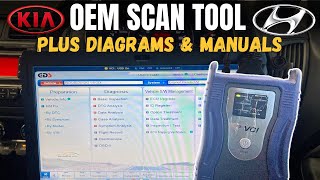
- Hyundai GDS (Global Diagnostic System): Live Data Analysis: 'Shift Lever Switch' — This is the primary diagnostic step after reading the initial code. It allows the technician to see in real-time what gear position the TCM is receiving from the inhibitor switch. As the shifter is moved through P-R-N-D, the display should match. If it's blank, incorrect, or jumps erratically, it confirms a fault in the sensor, wiring, or adjustment.
- Hyundai GDS (Global Diagnostic System): S/W Management: Resetting Adaptive Values — While not always required for a P0705 fix, resetting the transmission's adaptive learning values after a repair (like replacing the switch) can be beneficial. This forces the TCM to relearn shift points and clutch engagement with the new, correctly-reporting sensor, ensuring smooth operation.
Wiring & Ground Locations
- Inhibitor Switch Connector — On top of the transmission housing, underneath the battery and battery tray.. This is the primary connection point for all voltage and signal tests. It is exposed to heat and moisture, making it a common point for corrosion and pin damage that can directly cause a P0705 code.
- Engine Wire Harness Chafe Points — While not specific to Azera in the search results, similar GM platform bulletins suggest inspecting the harness for chafing against the ECM/TCM bracket, the driver's side upper control arm, and the shock tower.. A production issue on some vehicles left the engine harness improperly secured, leading to it rubbing against metal components. A short-to-ground in one of the signal wires from the inhibitor switch due to this chafing could trigger a P0705 or related codes.
- Main Transmission Ground — Typically a bolt from the transmission case to the vehicle's chassis/frame rail in the engine bay.. A loose or corroded main ground for the transmission can cause a host of erratic electrical issues, including incorrect sensor readings. A mechanic in a forum noted that checking system grounds is a critical first step for codes like P0705.
Real Owner Repair Stories
- 2CarPros Forum User (2013 Hyundai Azera, 3.0L V6, 60,000 miles) — Car starts but will not move in Drive or Reverse; engine shuts off when shifted. Codes P0705 and P0685 were present.
❌ Tried (didn't work) Initially, the owner replaced the Transmission Range Sensor, but the problem persisted. They also cleared the codes.
✅ What actually fixed it The owner discovered the new transmission they had installed was completely empty of fluid. After adding 4 liters of the correct fluid (Mobis SP-IV) and ensuring the CV axles were fully seated, the issue was resolved. This highlights that while P0705 points to an electrical fault, it can be triggered by severe mechanical/hydraulic issues or during a major repair like a transmission swap if steps are missed.
OEM Part Supersession History
42700-3B100→42700-3B700— Part revision and update by the manufacturer.
Heads up: Part listings show 42700-3B700 also supersedes 42700-3B500. Using the latest revision is recommended for compatibility and reliability.
Model Year Variations Within This Range
- 2011 (TG) vs 2012-2017 (HG): The 2011 Azera (TG) uses the A6LF2/3 transmission, while the 2012+ Azera (HG) uses the A6LF1. While they share the same fundamental design and inhibitor switch failure pattern as noted in TSBs, internal components and specific part numbers for related items could differ. TSB 17-AT-005 lists separate entries for the TG and HG Azera, implying potential procedural or part differences.
Helpful Videos




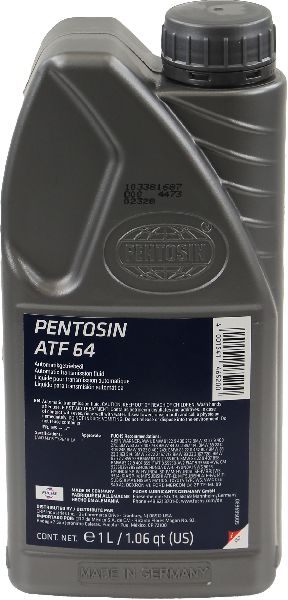
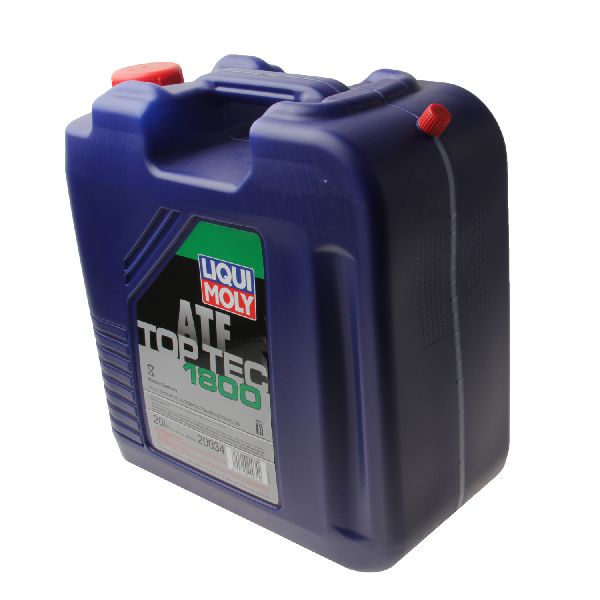
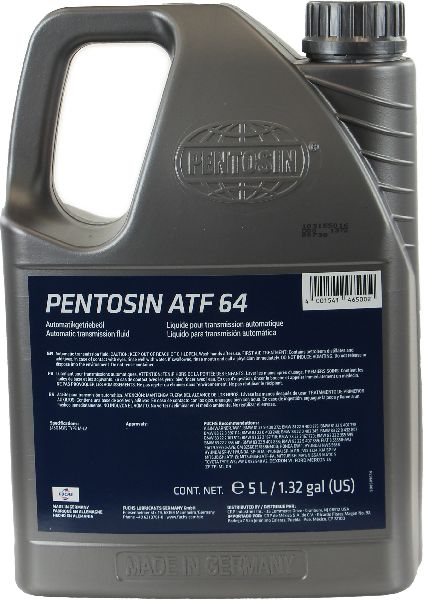
We Have This Part in Stock



The information in this article is provided for general reference and educational purposes only. Vehicle specifications, procedures, and part compatibility can vary by production date, trim level, and region. Always consult your vehicle's factory service manual and verify part numbers before purchasing or performing repairs. Safety-critical components such as airbags, seat belts, and braking systems should be installed by a qualified professional.
- Hyundai AZERA:
- 🧭 Diagnostic Flowchart
- 🎬 Helpful Videos
- 🛍️ Shop This Part
- What's Unique About the 2011-2017 Hyundai AZERA
- Symptoms You May Notice
- Most Likely Causes
- Rare But Worth Checking
- Diagnosis Steps
- Parts You'll Likely Need
- Related Codes That Often Appear With This One
- Technical Service Bulletins (TSBs) & Recalls
- Platform-Specific Known Issues
- Mechanic-Grade Diagnostic Values
- Scan Tool Commands That Help
- Wiring & Ground Locations
- Real Owner Repair Stories
- OEM Part Supersession History
- Model Year Variations Within This Range
- 🎟️ Get 5% Off