

P0705 on 2004-2006 Lexus RX330: Transmission Range Sensor Causes and Fixes
On a 2004-2006 Lexus RX330, code P0705 is almost always caused by a failed Transmission Range Sensor, also known as a Neutral Safety Switch. This can prevent the car from starting, cause harsh shifting, or make the engine stall when shifted to Neutral. Replacing the sensor (OEM Part #84540-0E010) is a common DIY fix, with the part costing around $155.
- P0705 on your RX330 almost certainly points to a bad Transmission Range Sensor (Neutral Safety Switch), OEM part #84540-0E010.
- Symptoms are serious and can include the car not starting, stalling when put in neutral, or harsh, jerky shifting, almost always accompanied by VSC and TRAC OFF lights.
- The most common fix is replacing the sensor, which is located on the outside of the transmission under the battery tray.
- This is a manageable DIY job for someone with basic tools, but careful alignment of the new sensor in Neutral is critical. Tighten bolts to 48 in-lbf.
- Do not mistake this for a major transmission failure; it's typically a much simpler and cheaper fix. The issue is also common on the Toyota Highlander, Sienna, and Lexus ES330.
What's Unique About the 2004-2006 Lexus RX330
The 2004-2006 Lexus RX330 uses an external Transmission Range Sensor mounted on the transmission case, making it accessible for replacement without major transmission disassembly. Unlike some vehicles with internal sensors, this is a DIY-friendly repair for those with moderate experience. The key challenge on this platform is gaining access, which requires removing the air filter housing and battery tray, and correctly aligning the new sensor during installation. The alignment torque for the two mounting bolts is critical and specified at 48 in-lbf (5.4 Nm).
Symptoms You May Notice
- Check Engine Light is on
- VSC and/or TRAC OFF lights are on (a very common accompanying symptom on this platform)
- Vehicle will not start, or only starts in Neutral
- Harsh jerk or clunk when shifting from Park into Drive or Reverse
- Gear indicator on the dashboard is blank, incorrect, or doesn't change with the shifter
- Reverse lights do not turn on when in Reverse
- Inability to use manual shifting mode ('S' mode)
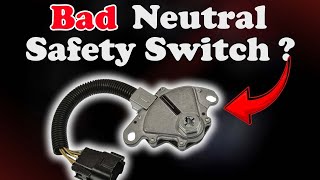
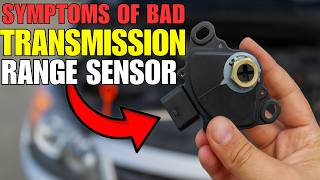
- Engine may stall when shifting into Neutral 🎬 See more signs and symptoms of a bad sensor
- Replacing the transmission. The symptoms can be alarming and mimic serious internal transmission problems, but the issue is almost always a simple external sensor.
- Replacing the ECM. The ECM is rarely the point of failure for this specific code and should be the last component considered.
- Replacing the battery. While a dying battery can cause various electrical issues and warning lights, it will not typically isolate to a P0705 code.
Most Likely Causes
- Failed Transmission Range Sensor (Neutral Safety Switch) 🔴 High Probability → Shop Transmission Assembly The sensor is an electromechanical part with internal contacts that wear out over time. Its location on the front of the transmission exposes it to significant heat, moisture, and road debris, which can accelerate failure of the internal seals and electronics. Water intrusion is a common failure mode.
How to confirm: After confirming no wiring issues, testing the sensor's output voltages or continuity at each gear position with a multimeter is the definitive test. However, given the extremely high failure rate on this platform, many owners and mechanics replace it based on the P0705 code and symptoms alone, especially if the car has over 100,000 miles.
Typical fix: Replace the Transmission Range Sensor and ensure the new part is correctly aligned in the Neutral position before tightening the bolts to 48 in-lbf (5.4 Nm). 🎬 Watch this walkthrough on how to replace the sensor
Est. part cost: $40-$170 - Corroded or Damaged Wiring/Connector 🟡 Medium Probability The wiring harness and connector for the sensor are located under the hood near the transmission, where they are exposed to heat, moisture, and vibration. Wires can become brittle and crack, and connector pins can corrode, leading to intermittent or lost signals.
How to confirm: Visually inspect the wiring harness and the electrical connector pins for any signs of green corrosion, frayed wires, or loose connections. Unplug the connector and check for moisture or damage inside. Tug gently on the wires to ensure they are secure in the connector.
Typical fix: Clean the connector terminals with an electrical contact cleaner or repair/replace the damaged section of the wiring harness. A dab of dielectric grease in the connector upon reassembly can help prevent future moisture intrusion.
Est. part cost: $5-$50 - Misadjusted or Loose Shift Linkage ⚪ Low Probability While less common, the cable connecting the gear shifter in the cabin to the lever on the transmission can stretch or become misaligned. This causes a mismatch between the shifter's position and the sensor's rotational position, leading the ECM to see an invalid gear state.
How to confirm: Check for excessive play in the shift lever. Ensure that when the shifter is in Neutral, the alignment marks on the Transmission Range Sensor line up correctly. If they do not, the linkage may be misadjusted.
Typical fix: Adjust the shift linkage cable at the transmission or shifter end. Loosen the retaining nut, have an assistant hold the shifter firmly in the correct gear (e.g., Neutral), and then retighten the nut.
Est. part cost: $0
Rare But Worth Checking
- Faulty Engine Control Module (ECM): This is extremely rare. Before condemning the ECM, all other possibilities, especially the sensor and its wiring, must be exhaustively ruled out. This is almost never the cause.
- Improperly Installed Aftermarket Remote Starter: If the vehicle has an aftermarket remote start, its wiring is often tapped into the neutral safety switch circuit. A faulty installation, failing remote start module, or corroded wire taps can cause a P0705 code.
Diagnosis Steps
- Read the code: Use an OBD-II scanner to confirm P0705 is the active code. Note any other codes.
- Check symptoms: Verify if symptoms like no-start, incorrect gear indicator, stalling in neutral, or harsh shifting are present.
- Inspect the wiring: Visually inspect the electrical connector and wiring going to the Transmission Range Sensor for corrosion, damage, or looseness. The sensor is located on the front of the transmission, under the battery and air filter housing.
- Check shift linkage: Ensure the shift cable is properly connected and not loose or damaged. A mushy or resistant feel in the shifter can indicate a linkage problem.
- Test the sensor: For a definitive diagnosis, back-probe the sensor's connector and use a multimeter to check for the correct voltage signals or continuity as an assistant moves the shifter through each gear. Refer to a service manual for the specific pinout and values.
- Check sensor alignment: Before removing the old sensor, shift to Neutral and check if the alignment marks (a groove and a line) on the sensor body and lever are lined up. If they are not, the linkage may be misadjusted.
- Replace the sensor: If the wiring is good and the sensor is the most likely culprit, replace it. Pay close attention to aligning the new sensor correctly in the Neutral position before tightening the two mounting bolts to 48 in-lbf (5.4 Nm). Over-tightening can crack the plastic housing.
Parts You'll Likely Need
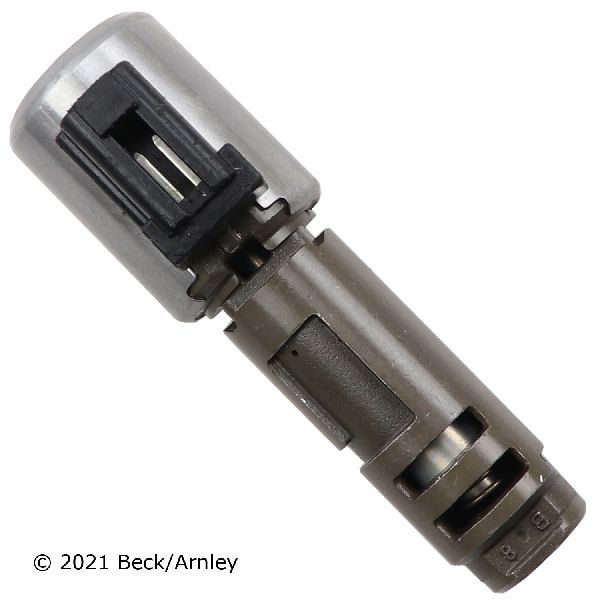
- Transmission Range Sensor / Neutral Safety Switch
(OEM #84540-0E010)— This is the most common point of failure for the P0705 code on this vehicle.
Trusted brands: Lexus/Toyota (Genuine), Standard Motor Products (NS379), SKP (SKNS379), Dorman (246-1004), Wells (NS379)
OEM price range: $155-$170
Aftermarket price range: $40-$140
Platform-Specific Known Issues
- VSC & TRAC OFF Lights: On the RX330 and many other Toyota/Lexus vehicles, a P0705 code will almost always trigger the VSC (Vehicle Stability Control) and TRAC OFF lights in addition to the Check Engine Light. This is a designed behavior; the stability control system is disabled when there is a critical powertrain fault.
- Intermittent Failure: Owners often report that the symptoms can be intermittent. The car might fail to start or shift harshly one day, then work perfectly fine the next after sitting overnight. This is typical of a sensor with failing internal contacts or moisture intrusion.
Mechanic-Grade Diagnostic Values
- Continuity check at Park/Neutral Position Switch connector (B26) — expected: With the connector disconnected, check for continuity between the specified terminals for each gear position as per the service manual. For example, in 'P' (Park), there should be continuity between terminals 5 (P) and 6 (NSW). In 'R' (Reverse), continuity should be between 1 (R) and 6 (NSW).. Failure: No continuity where there should be, or continuity in incorrect gear positions, indicates a failed switch.
- Voltage check at ECM connector (B30) — expected: With the ignition ON and the sensor connected, back-probing the ECM connector pins for the switch should show specific voltages depending on gear position. For example, the 'P' pin should show voltage when in Park, and 0V otherwise.. Failure: Incorrect voltage readings (e.g., 0V when voltage is expected, or voltage on multiple position pins simultaneously) points to a wiring or sensor fault.
Scan Tool Commands That Help
- Toyota Techstream: DATA LIST for Engine and ECT — This is a crucial first diagnostic step after reading the code. It allows a technician to view the gear position ('P', 'R', 'N', 'D', etc.) that the ECM is actually seeing in real-time as the shifter is moved. If the display on the scan tool doesn't match the physical shifter position, or shows multiple gears at once, it strongly confirms a fault in the sensor or its circuit without having to physically access the component first.
Wiring & Ground Locations
- Park/Neutral Position Switch Connector — On the front of the transaxle, mounted to the switch body. It is designated as connector B26 in some wiring diagrams.. This is the primary connector to inspect for corrosion, moisture, or damage, and the main point for performing electrical tests on the sensor itself.
- Engine Control Module (ECM) — Located behind the right side of the dashboard, accessible after removing the glove box.. This is where the signals from the range sensor terminate. Technicians may need to test for voltage at the ECM connector (B30) to determine if a wiring fault exists between the sensor and the computer.
- Ground Point 'E1' / 'E2' — Located in the engine wiring harness at the right rear of the engine compartment.. A poor engine or chassis ground can cause erratic behavior in various sensors, including the transmission range sensor. While not a primary cause, ensuring these main grounds are clean and tight is a good practice during diagnosis.
- Main Battery Ground — The main ground cable runs from the battery's negative terminal to the right inner fender (chassis), with a secondary ground line from the lower firewall to the back of the engine block.. The integrity of the entire vehicle's electrical system relies on this primary ground path. A loose or corroded connection here can cause a multitude of seemingly unrelated electrical issues.
Real Owner Repair Stories
- ClubLexus Forum Member (2004-2009 Lexus RX (2nd Gen)) — Dashboard indicator lights for 'R' and 'D' were lit up at the same time, regardless of shifter position. P0705 code was present. Occasional engine stalls when shifting into park.
❌ Tried (didn't work) The owner purchased a replacement sensor but did not install it immediately.
✅ What actually fixed it Another user advised that the issue is often caused by dried-up internal grease causing contacts to stick. The recommended fix was to open the Neutral Safety Switch, clean out the old grease, and apply new dielectric grease to the contacts. This is a known fix on other Toyota/Lexus vehicles for similar issues. The original poster's issue also went away on its own for a period, highlighting the intermittent nature of the failure.
OEM Part Supersession History
84540-48010→84540-0E010— Standard part revision and consolidation by the manufacturer.
Heads up: No incompatibility issues are known. The new part is a direct replacement for the old one.
Diagnostic Flowchart
Used vs. New Parts: Buying Guide for This Vehicle
When a used part is the smart pick: A used Transmission Range Sensor is a significant gamble. Given that the common failure mode is internal wear and dried grease, a used part may have a very short remaining life. It should only be considered as a temporary, budget-forced option from a verified low-mileage donor vehicle.
Donor-vehicle mileage cap: roughly under 80000 miles for the part to have meaningful remaining life.
What to inspect on the donor part:
- Inspect the electrical connector pins for any signs of green or white corrosion.
- Ensure the plastic housing is not cracked, especially around the bolt holes.
- Verify the selector arm moves smoothly without binding or excessive play.
- Ask the seller if they can guarantee it came from a vehicle that did not have a P0705 code.
OEM-only on this vehicle (don't cheap out):
- Transmission Range Sensor: While not as labor-intensive as other jobs, its failure can leave you stranded. For peace of mind and to avoid doing the job twice, the OEM part is strongly recommended for reliability.
- Valve Cover Gaskets: On the 3MZ-FE engine, the rear valve cover gasket is a high-labor job. Using an OEM gasket is highly recommended to ensure a perfect seal and avoid a costly repeat repair.
Aftermarket brands forum-validated for this vehicle:
- While several brands like Standard Motor Products (SMP) and Dorman are available, there is limited forum data specifically validating their long-term reliability for this part on this vehicle. OEM (Toyota/Lexus) remains the most trusted choice.
Brands owners have reported issues with on this vehicle:
- No specific brands are consistently reported as problematic for this part, but be wary of unbranded, deeply discounted parts from online marketplaces, as their quality control can be poor.
Related OBD-II Codes
Frequently Asked Questions
Why are my VSC and TRAC OFF lights on along with the Check Engine light for code P0705 on my RX330?
My RX330 sometimes won't start, or shifts very harshly, but then it works perfectly the next day. Is this related to P0705?
I have a P0705 code on my high-mileage RX330. Is it safe to just replace the Transmission Range Sensor without extensive testing?
What is the correct torque specification for the Transmission Range Sensor mounting bolts on the RX330?
My reverse lights have stopped working. Could this be caused by the same issue setting the P0705 code?
Is there a special alignment procedure when replacing the Transmission Range Sensor on my 2005 Lexus RX330?
My gear selector on the dashboard is blank or showing the wrong gear. Is this a P0705 symptom?
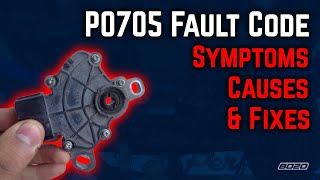
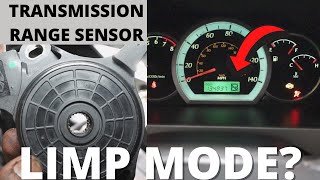
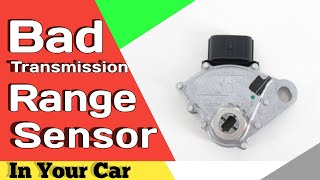
Helpful Videos
We Have This Part in Stock

The information in this article is provided for general reference and educational purposes only. Vehicle specifications, procedures, and part compatibility can vary by production date, trim level, and region. Always consult your vehicle's factory service manual and verify part numbers before purchasing or performing repairs. Safety-critical components such as airbags, seat belts, and braking systems should be installed by a qualified professional.
- Lexus RX330:
- 🧭 Diagnostic Flowchart
- 🎬 Helpful Videos
- 🛍️ Shop This Part
- What's Unique About the 2004-2006 Lexus RX330
- Symptoms You May Notice
- Most Likely Causes
- Rare But Worth Checking
- Diagnosis Steps
- Parts You'll Likely Need
- Platform-Specific Known Issues
- Mechanic-Grade Diagnostic Values
- Scan Tool Commands That Help
- Wiring & Ground Locations
- Real Owner Repair Stories
- OEM Part Supersession History
- Used vs. New Parts: Buying Guide for This Vehicle
- Related OBD-II Codes
- Frequently Asked Questions
- 🎟️ Get 5% Off