

P0705 on 2010-2016 Mercedes-Benz E-Class: Transmission Range Sensor Fault Guide
On a 2010-2016 E-Class, P0705 almost always points to a faulty transmission conductor plate inside the 7G-Tronic (722.9) transmission. This is a complex repair requiring specialized tools and VIN-specific programming, with shop costs typically ranging from $1,000 to $2,000. It is a well-documented failure point.
- P0705 on a 2010-2016 E-Class is not a simple sensor swap; it almost always indicates a failure of the internal transmission conductor plate.
- This is not a DIY-friendly repair. It requires opening the transmission, handling sensitive electronics, and using specialized tools for programming the new part.
- Expect a repair bill of $1,000 to $2,000. Get a diagnosis with a Mercedes-specific scan tool to confirm the fault before authorizing repairs.
- Do not continue driving the vehicle. You risk being stranded or causing further damage to the transmission.
What's Unique About the 2010-2016 Mercedes-Benz E-Class
On the 2010-2016 Mercedes-Benz E-Class with the 7G-Tronic (722.9) transmission, the transmission range sensor is not a simple, separate part. Instead, it is integrated directly into a complex electronic component called the conductor plate (also known as the Transmission Control Module or TCM), which sits inside the transmission on top of the valve body. This design means that fixing a P0705 code is a much more involved and expensive job than on many other vehicles, as it requires opening the transmission and programming the new part, which is considered a 'theft-relevant part' by Mercedes-Benz.
Generation note: This guide covers the W212 (Sedan/Wagon, 2010-2016) and the C207/A207 (Coupe/Cabriolet, 2010-2017) generations of the E-Class. Both primarily use the 7G-Tronic (722.9) transmission where this fault is common. The conductor plates came in different versions (VGS1, VGS2, VGS3), which can affect the replacement procedure, but the root cause and symptoms are consistent. The 7G-TRONIC Plus, introduced around 2010, used a different fluid (blue MB 236.15) but shared the same fundamental conductor plate design and failure modes.
Symptoms You May Notice
- Vehicle will not start or is stuck in Park.
- Transmission goes into 'limp mode', often stuck in a single gear.
- Harsh, jerky, or delayed shifting, sometimes described as a 'kick' or 'thump'.
- The gear indicator on the dashboard (PRND) does not match the actual gear selected or does not display correctly.
- Check Engine Light is illuminated.
- Fault appears intermittently, often only after the vehicle has warmed up.
- Unable to shift out of Drive to Park without shutting the engine off first.
- Replacing the center console gear shifter assembly (Electronic Shifter Module - ESM). While it can fail, the P0705 code more commonly originates from components on or inside the transmission itself, like the conductor plate or ISM.
Most Likely Causes
- Faulty Transmission Conductor Plate (TCM) 🔴 High Probability → Shop Transmission Assembly The conductor plate in the 722.9 transmission is a known failure point. Heat and vibrations cause the internal electronic circuits, particularly the molded plastic speed sensors, to degrade and fail over time. This is the most common cause for P0705 and related speed sensor codes.
How to confirm: A Mercedes-specific scan tool (like XENTRY/STAR) is needed to read transmission-specific fault codes. Codes like 0717, 0718, 0721, 0722, or 2767/2768 often accompany P0705 🎬 See: Diagnosing these common speed sensor fault codes and point directly to a conductor plate failure. Watching live data for the gear position sensor (Y3/8s1) while shifting will show erratic or unavailable readings.
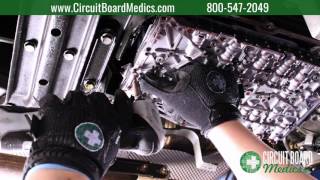
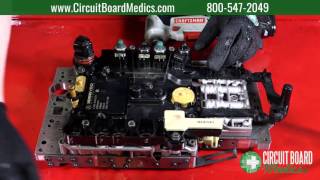
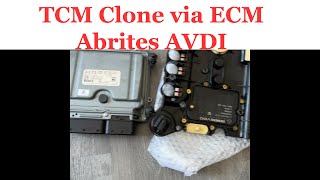
Typical fix: The transmission pan is removed, the valve body is dropped, and the conductor plate is replaced. 🎬 Watch: How to remove the 722.9 conductor plate The new part must be SCN coded to the vehicle's VIN. Depending on the conductor plate version (VGS1, VGS2, or VGS3), the entire valve body may need to be replaced as well. Many specialists offer a repair/rebuild service for the original plate, which can be a cost-effective alternative that avoids programming. 🎬 Watch: How to clone a 722.9 transmission control module
Est. part cost: $300-$600 for a new plate, $150-$300 for a rebuild service. - Faulty Intelligent Servo Module (ISM) 🟡 Medium Probability The ISM, also called the gear selector module (A80), is the external electronic unit that physically moves the transmission into gear. Its internal motor or electronics can fail, causing communication errors that can log a P0705 code. Symptoms often include being unable to shift out of Park, the car not starting, or a dashboard message to 'Visit Workshop without shifting gears'.
How to confirm: A Mercedes-specific scan tool is required. Look for fault codes specifically related to the ISM (A80), such as 'The actuator motor in the component A80 is faulty' or communication errors with the module. A code like P2805 may also be present, indicating a plausibility error between the range sensor and the ISM.
Typical fix: The ISM is located on the side of the transmission and can be replaced without opening the transmission. However, a new ISM is a theft-relevant part and MUST be programmed online by a dealer or a specialist. Used modules can be 'virginized' (reset to factory state) and reprogrammed by specialized services.
Est. part cost: $400-$700 for a new module, plus programming. - Leaking Transmission Electrical Connector Plug ⚪ Low Probability → Shop Transmission Assembly The O-rings on the 13-pin electrical connector for the transmission can fail, allowing transmission fluid to leak. This fluid can then 'wick' up the wiring harness and contaminate the Transmission Control Module (TCM) or other electronics, causing various faults.
How to confirm: Visually inspect the round electrical connector on the transmission for any signs of red ATF fluid. Disconnect it and check for oil inside the pins and harness. This is a very common leak point on Mercedes transmissions.
Typical fix: Replace the connector plug and its O-rings (Part No. A2035400253 is a common replacement). If fluid has contaminated the harness or TCM, they must be thoroughly cleaned with electrical contact cleaner or, in severe cases, replaced.
Est. part cost: $15-$40
Rare But Worth Checking
- Weak or failing main battery. Low system voltage during startup can cause spurious communication errors between modules, including the ISM and TCM, potentially logging a P0705 code. Before extensive transmission work, ensure the battery and charging system are healthy.
- Corroded wiring or connectors between the ISM, gear shifter (ESM), and the conductor plate (TCM).
- Corroded main ground points for the engine and transmission control units.
Diagnosis Steps
- Scan for Codes: Use a Mercedes-Benz specific scanner (like XENTRY or a high-end Autel/Launch) to read all fault codes from the transmission control unit (TCU). Generic OBD-II scanners may only show P0705 without the crucial manufacturer-specific sub-codes that pinpoint the exact sensor or module.
- Check Live Data: Monitor the live data for the 'Gear Range Sensor' or 'PRNDL Signal' while moving the shifter through all positions. If the reading is erratic, incorrect, or doesn't change, it points towards the range sensor circuit. Also monitor the turbine, internal, and output speed sensors (Y3/8n1, Y3/8n2, Y3/8n3); if any read 'implausible' or '0' when they shouldn't, the conductor plate is faulty.
- Inspect the Transmission Electrical Connector: Check the 13-pin connector on the transmission for fluid leaks. If ATF is present, the connector plug needs replacement, and the harness must be inspected for contamination.
- Check Battery and Voltage: Perform a battery and charging system test. Low voltage can cause communication faults between the transmission modules. This is a simple but crucial step before condemning expensive components.
- Diagnose Conductor Plate vs. ISM: Based on the specific codes found in step 1, determine the likely culprit. Speed sensor codes (0717, 0718, 2767, etc.) point to the conductor plate. Communication or internal module faults related to component 'A80' point to the ISM.
- Confirm Part Failure: Before ordering expensive parts, a technician may perform electrical tests on the CAN bus wiring between the modules to rule out a simple harness issue, though this is less common than component failure.
Parts You'll Likely Need
- Transmission Conductor Plate (TCM/VGS)
(OEM #A0002702600 (supercedes many, check VIN))— This is the most common failure part for a P0705 code on the 722.9 transmission. It contains the transmission range sensor and speed sensors that trigger the fault.
Trusted brands: Genuine Mercedes-Benz, VDO (often the OEM supplier), Rebuild services (e.g., Circuit Board Medics, Xemodex, ECU Pro)
OEM price range: $350-$600
Aftermarket price range: $250-$400 (New), $150-$300 (Rebuild) - Intelligent Servo Module (ISM/A80)
(OEM #A0002701852 (check VIN for exact fit))— A less common but significant cause. The ISM is the electronic actuator for the transmission and can fail internally, causing communication faults that trigger P0705.
Trusted brands: Genuine Mercedes-Benz
OEM price range: $500-$700
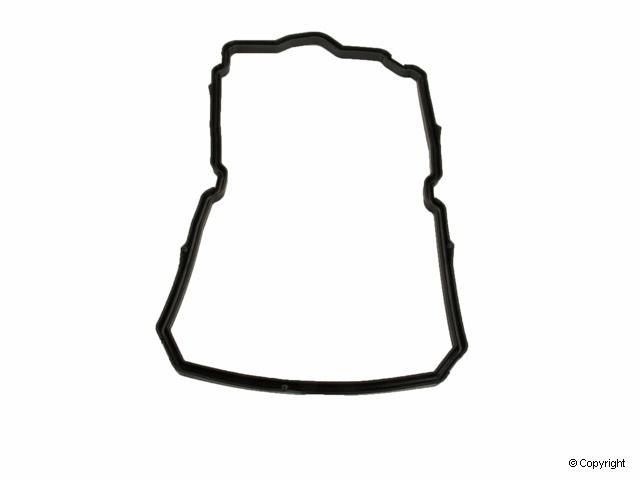
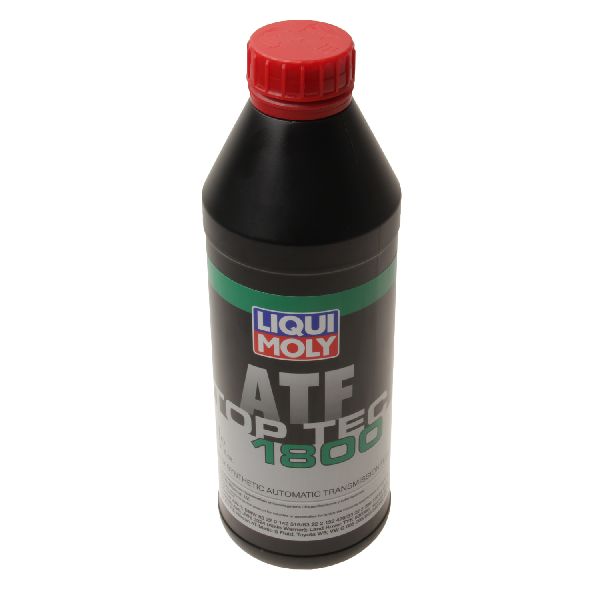
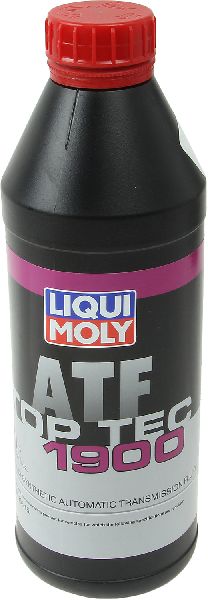
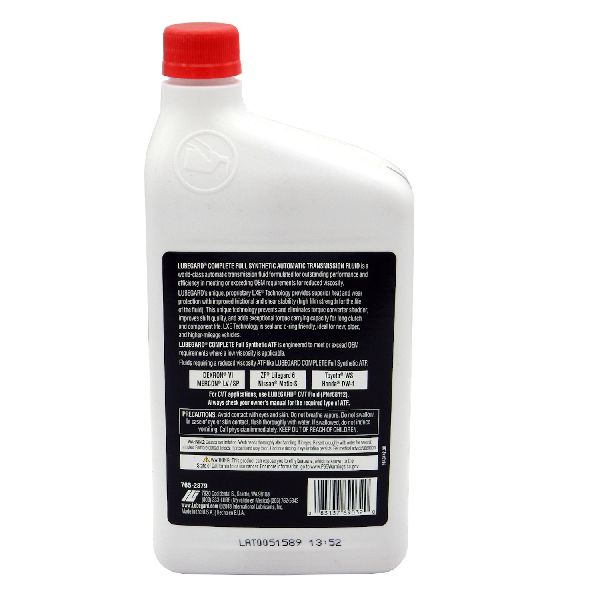
Aftermarket price range: N/A (New), $300+ (Used/Renewed) - Transmission Service Kit (Fluid, Filter, Gasket, Bolts, Plug) — Required for any repair that involves opening the transmission, such as replacing the conductor plate. Use the correct fluid (MB 236.14 for 7G-Tronic or 236.15 for 7G-Tronic Plus).
Trusted brands: Genuine Mercedes-Benz, FCP Euro Kit, Vaico
Related Codes That Often Appear With This One
- 0717 / P0717 — This code for 'The signal from component Y3/8n1 (Turbine Speed Sensor (VGS)) is not available' points to a sensor integrated into the conductor plate, strongly indicating the plate is the root cause.
- 0718 / P0718 — Similar to 0717, this code for a defective Turbine Speed Sensor (Y3/8n1) also strongly suggests the conductor plate has failed.
- 2767 / 2768 — These codes relate to the Internal Speed Sensor (Y3/8n2) signal being unavailable or defective. This sensor is also part of the conductor plate.
- 0721 / 0722 — These codes for the Output Speed Sensor (Y3/8n3) being implausible or unavailable also point directly to the conductor plate, as all three speed sensors are a single unit.
Technical Service Bulletins (TSBs) & Recalls
- TSB LI27.19-P-052333: Addresses fault codes for speed sensors (Y3/8n1, Y3/8n2, Y3/8n3) stored in the transmission control module, which are symptoms of a failing conductor plate.
Platform-Specific Known Issues
- The 7G-Tronic (722.9) conductor plate is a well-documented, common failure item across many Mercedes-Benz models from this era, not just the E-Class. The failure is so common that a robust industry for rebuilding the original plates exists.
- There are three main versions of the conductor plate: VGS1, VGS2, and VGS3. Early VGS1 units often required the entire valve body to be replaced along with the plate, significantly increasing cost. Later VGS2 and VGS3 plates can be replaced independently of the valve body.
Mechanic-Grade Diagnostic Values
- ATF Temperature Sensor / Inhibitor Switch Resistance — expected: 800-1200Ω at 20°C (68°F). Failure: A reading outside this range indicates a fault in the sensor, which is part of the conductor plate.
- Shift Solenoid Resistance (e.g., 2-3 or 3-4 shift solenoid) — expected: 4.5Ω. Failure: A significantly different reading points to a failed solenoid within the valve body assembly.
- Line Pressure Modulating Solenoid Resistance — expected: 5.5Ω. Failure: A reading outside this value suggests a fault in the pressure control solenoid on the valve body.
Hidden / Shadow Codes Worth Checking
- 0717 / 0718: The signal from component Y3/8n1 (Turbine Speed Sensor VGS) is not available / is defective. This sensor is physically part of the conductor plate. (see via Mercedes-Benz XENTRY/STAR or equivalent advanced diagnostic tool.)
- 2767 / 2768: The signal from component Y3/8n2 (Internal Speed Sensor VGS) is not available / is defective. This also points directly to conductor plate failure. (see via Mercedes-Benz XENTRY/STAR or equivalent advanced diagnostic tool.)
- 0721 / 0722: The transmission output speed signal from Y3/8n3 is implausible or not available. This is the third speed sensor integrated into the conductor plate. (see via Mercedes-Benz XENTRY/STAR or equivalent advanced diagnostic tool.)
- P2805: The signal from component Y3/8s1 (selection range sensor) and/or A80 (intelligent servo module) for Direct Select is not plausible. This code specifically indicates a conflict between the conductor plate and the ISM. (see via Mercedes-Benz XENTRY/STAR or equivalent advanced diagnostic tool.)
Scan Tool Commands That Help
- XENTRY / DAS: Initial startup with manual settings adjustment of control module N15/5 (Electronic transmission control (ETC) control unit) — This is the official procedure required after installing a new conductor plate (TCM). It involves online SCN (Software Calibration Number) coding to personalize the new, theft-relevant part to the vehicle's VIN.
- XENTRY / DAS, Autel MaxiSYS, Launch X431: Virginize / Renew Module — This function is used on a *used* conductor plate or ISM to wipe its previous vehicle data, returning it to a factory state. After being virginized, the module can then be programmed (personalized) to the new vehicle.
- XENTRY / DAS, Autel MaxiSYS, Launch X431: Personalize / Activate Module — After a new or virginized ISM or conductor plate is installed, this function writes the vehicle's VIN and security data to the module, 'marrying' it to the car. For the ISM, this is often a two-step process of 'Personalization' and then 'Activation'.
- Various (CGDI MB, FVDI, Yanhua Mini ACDP): TCU Cloning — This advanced function reads all data (VIN, SCN coding, adaptations) from the original faulty conductor plate and writes it to a donor (used) plate. This creates a plug-and-play replacement that does not require online SCN coding, bypassing the 'theft-relevant part' restrictions.
Wiring & Ground Locations
- W10 — Main battery ground cable connection point at the top of the front strut tower in the engine bay.. A poor main ground can cause low voltage and communication errors across all modules, potentially mimicking electronic failures in the transmission system.
- W11 — Ground point for the Engine Control Module (ECM/ECU) wiring assembly, often located in the engine bay.. A bad ground here can disrupt communication between the engine computer and the transmission control modules (TCM and ISM), leading to plausibility faults like P0705.
- Un-designated Transmission Ground — A large ground cable running from the chassis to the engine/transmission bell housing interface, near the starter motor.. This is a critical ground path for the transmission and starter. Corrosion or looseness here can cause significant electrical issues, including starting problems and module communication faults that may trigger P0705.
Real Owner Repair Stories
- MBWorld.org Forums user (W212 E-Class, 57,000 miles) — P0705 code appeared intermittently, especially when the transmission was hot. The car drove fine otherwise.
❌ Tried (didn't work) Clearing the code with a scanner (code returned after a few days).
✅ What actually fixed it Replacing the conductor plate on the valve body resolved the issue permanently.
OEM Part Supersession History
VGS1 Conductor Plate→VGS2 / VGS3 Plates— VGS1 plates were early designs and are no longer produced. They had a high failure rate.
Heads up: If a vehicle has a VGS1 conductor plate, a new replacement requires replacing the entire valve body as well, as the newer VGS2/VGS3 plates are not physically compatible with the VGS1 valve body. This significantly increases repair cost.VGS2 Conductor Plate→VGS3 Conductor Plate— VGS3 is an updated, more reliable design.
Heads up: Software for VGS2 and VGS3 is not directly compatible. While a VGS3 can often replace a VGS2, it requires correct online SCN coding to flash the proper software. Attempting to clone a VGS2 to a VGS3 (or vice-versa) may fail.A0002701752 (ISM)→A0002701852 (ISM)— Internal design improvements and revisions by the manufacturer.
Heads up: Multiple part numbers exist for the ISM (e.g., A0002701652, A0044460310). Always verify the correct part number for the specific vehicle VIN. While physically similar, internal software may differ.
Model Year Variations Within This Range
- 2010-onward: Around 2010, Mercedes introduced the '7G-Tronic Plus' transmission. This updated version uses a different, low-viscosity blue ATF (MB 236.15) instead of the previous red ATF (MB 236.14). While the P0705 fault is the same, using the correct fluid during a conductor plate replacement is critical.
- 2010-2016: Throughout the production run, vehicles could have been equipped with either a VGS2 or VGS3 conductor plate from the factory. VGS3 is considered more reliable. The specific version must be identified by removing the transmission pan to determine the correct replacement or repair path.
Diagnostic Flowchart
Other Known Issues on This Vehicle
Issues unrelated to this code that are worth knowing about as an owner of this generation:
- M272/M273 Engine Balance Shaft/Idler Gear Wear 🔴 High — Common on early production M272 (V6) and M273 (V8) engines, typically before the 2009 model year. Failure can occur from 60,000-100,000 miles. (Ref: A class-action lawsuit settlement provided extended coverage for some vehicles, but this has since expired. The issue was addressed with updated, harder gear material in later engines.)
- OM642 Diesel Engine Oil Cooler Seal Leak 🔴 High — Extremely common on the 3.0L V6 diesel engine. The original orange seals degrade, causing a significant oil leak into the engine valley. The repair is labor-intensive (8-10+ hours). Updated purple Viton seals are the fix.
- Airmatic Suspension Failure 🟠 Medium — Common on vehicles equipped with Airmatic suspension, especially after 5-7 years. Failures include leaking air struts/springs (causing sagging, often overnight), and burnt-out compressors.
- Direct Injection Petrol Engine Issues (Carbon Buildup, Injector/HPFP Failure) 🟠 Medium — Direct injection engines like the M276 and M278 can suffer from carbon buildup on intake valves, and failures of high-pressure fuel pumps or injectors.
- Water Pump Failure (Petrol and Diesel) 🟠 Medium — Water pumps can fail around 100,000 km (62,000 miles), leading to coolant leaks and potential overheating.
Used vs. New Parts: Buying Guide for This Vehicle
When a used part is the smart pick: A used part is a viable option for the Intelligent Servo Module (ISM) or the Conductor Plate (TCM) ONLY if you have access to specialized services. Because these are theft-relevant parts, a used module cannot be simply installed. It must first be 'virginized' (reset to factory state) and then programmed to your car's VIN, or the data from your old module must be 'cloned' to the used one.
Donor-vehicle mileage cap: roughly under 60000 miles for the part to have meaningful remaining life.
What to inspect on the donor part:
- For a Conductor Plate (TCM), verify the VGS version (VGS2 or VGS3) matches what your car requires.
- Ensure the seller guarantees the part is functional and not from a flood-damaged vehicle.
- Check for any physical damage to the plastic housing or electrical connector pins.
- Ask for the VIN of the donor car to cross-reference its original equipment and service history if possible.
OEM-only on this vehicle (don't cheap out):
- Transmission Conductor Plate (TCM)
- Intelligent Servo Module (ISM)
Aftermarket brands forum-validated for this vehicle:
- VDO (often the Original Equipment Manufacturer for the conductor plate)
- Reputable rebuild services for your original part (e.g., ECU Pro, Circuit Board Medics, Xemodex) are a strong alternative to buying a used part, as this avoids the need for reprogramming.
Brands owners have reported issues with on this vehicle:
- Unknown, no-name brands from online marketplaces for new conductor plates or ISMs. These are complex electronic modules and cheap copies are highly likely to fail or be incompatible, wasting significant time and labor.
Real Owner Stories
Aggregated from forums and TSBs cited above. Mileages and costs reflect what owners reported in those sources.
2012 Mercedes-Benz C250 — 57000 miles
Symptoms: The P0705 code appeared only when the car was hot and restarted shortly after being turned off.
What fixed it: Replacing the conductor plate on the valve body.
Source hint: MBWorld.org Forums: P0705 Transmission Range sensor
Mercedes-Benz W212 E-Class
Symptoms: Vehicle experienced limp mode and a P0705 fault code.
What fixed it: Replacement of the transmission conductor plate.
Source hint: MBWorld.org Forums: Transmission problems, P0705
Related OBD-II Codes
Frequently Asked Questions
My 2012 E-Class is throwing speed sensor codes; does TSB LI27.19-P-052333 apply to my 7G-Tronic transmission?
Can I replace the conductor plate on my W212 E-Class myself, or does it require dealer programming?
Is there a difference between the VGS1, VGS2, and VGS3 conductor plates in the E-Class?
My dashboard says 'Visit Workshop without shifting gears' and I can't get out of Park. Is this the conductor plate?
Could a simple leak be causing my P0705 transmission range sensor code?
Helpful Videos

We Have This Part in Stock
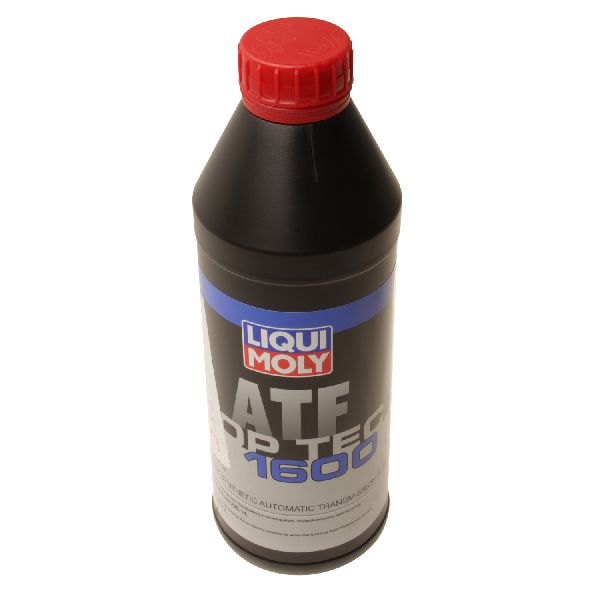

The information in this article is provided for general reference and educational purposes only. Vehicle specifications, procedures, and part compatibility can vary by production date, trim level, and region. Always consult your vehicle's factory service manual and verify part numbers before purchasing or performing repairs. Safety-critical components such as airbags, seat belts, and braking systems should be installed by a qualified professional.
- Mercedes-Benz E-Class:
- 🧭 Diagnostic Flowchart
- 🎬 Helpful Videos
- 🛍️ Shop This Part
- What's Unique About the 2010-2016 Mercedes-Benz E-Class
- Symptoms You May Notice
- Most Likely Causes
- Rare But Worth Checking
- Diagnosis Steps
- Parts You'll Likely Need
- Related Codes That Often Appear With This One
- Technical Service Bulletins (TSBs) & Recalls
- Platform-Specific Known Issues
- Mechanic-Grade Diagnostic Values
- Hidden / Shadow Codes Worth Checking
- Scan Tool Commands That Help
- Wiring & Ground Locations
- Real Owner Repair Stories
- OEM Part Supersession History
- Model Year Variations Within This Range
- Other Known Issues on This Vehicle
- Used vs. New Parts: Buying Guide for This Vehicle
- Real Owner Stories
- 2012 Mercedes-Benz C250 — 57000 miles
- Mercedes-Benz W212 E-Class
- Related OBD-II Codes
- Frequently Asked Questions
- 🎟️ Get 5% Off