

P0705 on 2001-2007 Toyota Highlander V6: Transmission Range Sensor Causes and Fixes
P0705 on a first-generation Toyota Highlander almost always means the Neutral Safety Switch (also called Transmission Range Sensor) has failed. This can cause a no-start condition or erratic shifting. Expect to pay around $150 for an OEM replacement part, with DIY replacement being moderately difficult due to the need for precise adjustment.
- P0705 on a 2001-2007 Highlander points directly to a problem in the Neutral Safety Switch circuit, most often the switch itself.
- Symptoms are serious and can prevent the car from starting, cause it to stall, or lead to dangerous shifting behavior.
- The most likely fix is replacing the Neutral Safety Switch. Verify the correct part number for your year: 84540-07010 for 2001-2003 models and 84540-48010 for 2004-2007 models.
- Before replacing the part, check its adjustment and inspect the wiring for damage, as these are less costly fixes.
- Due to the risk of the vehicle starting in gear if misaligned, professional installation is recommended for those not comfortable with the precise adjustment procedure.
What's Unique About the 2001-2007 Toyota Highlander
For the first-generation Highlander, the P0705 code is a straightforward and common issue. The vehicle used two primary V6 transmissions: the 4-speed U140E/F (2001-2003) and the 5-speed U151E/F (2004-2007). On both, the Neutral Safety Switch is mounted externally on the transmission case, making it accessible without major disassembly. Unlike some vehicles where the sensor is internal, this is a repair that doesn't require dropping the transmission pan. However, the switch's adjustment is critical for proper function and safety, a key detail for this platform.
Symptoms You May Notice
- Check Engine Light is on
- VSC and TRAC OFF lights may also illuminate
- Engine will not start, or only starts in Neutral
- Engine cranks but does not start
- Engine stalls immediately when shifting from Park into Reverse or Drive
- Vehicle may start in any gear (dangerous)
- Gear indicator on the dashboard is incorrect, does not display, or shows multiple gears at once
- Reverse lights do not turn on when in Reverse
- Harsh or delayed shifting between gears
- Transmission may be stuck in a single gear (limp mode)
- Replacing the transmission solenoid without checking the Neutral Safety Switch first.
- Assuming an internal transmission failure when it is an external, and much cheaper, sensor issue.
- Replacing the starter motor for a no-start condition without first checking for a P0705 code.
Most Likely Causes
- Faulty Neutral Safety Switch (Transmission Range Sensor) 🔴 High Probability The switch is mounted on the exterior of the transmission, exposing it to heat, moisture, and road debris over time, which can lead to internal corrosion and failure of the electrical contacts.
How to confirm: Use a scan tool to monitor the switch's output data while moving the shifter; the displayed gear should match the actual gear. You can also test the electrical resistance across the switch's pins for each gear position to see if they match the specifications in the service manual. 🎬 See how to test and replace the inhibitor switch
Typical fix: Replace the Neutral Safety Switch. This involves disconnecting the wiring and shift linkage, unbolting the old switch, and installing and carefully aligning the new one.
Est. part cost: $120-$180 - Misadjusted Neutral Safety Switch or Shift Cable 🟡 Medium Probability Vibrations or previous work on the transmission or shifter can cause the switch or the cable connecting to it to become misaligned.
How to confirm: Visually inspect the alignment marks on the switch. When the transmission is in Neutral, a line on the shaft should align perfectly with a mark on the switch body. A scan tool may also show a gear position that is one step off from the actual position.
Typical fix: Loosen the switch mounting bolts and rotate it until the alignment marks are correct. Then, retighten the bolts and verify the correct gear is displayed on the dash and scan tool for all positions.
Est. part cost: $0 - Damaged Wiring or Corroded Connector ⚪ Low Probability The wiring harness leading to the switch is located under the vehicle and can be damaged by road debris, heat from the exhaust, or corrosion from water and salt.
How to confirm: Visually inspect the entire wiring harness from the switch to the main loom for any breaks, chafing, or melted sections. Unplug the connector and check for green or white corrosion on the pins.
Typical fix: Repair the broken wire section or clean the connector terminals with an electrical contact cleaner. If the connector itself is damaged, it may need to be replaced.
Est. part cost: $5-$50
Rare But Worth Checking
- Faulty Engine Control Module (ECM): This is extremely rare. Before suspecting the ECM, all other possibilities (switch, wiring, adjustment) must be exhaustively ruled out. This would typically be accompanied by other trouble codes and not just P0705 in isolation.
Diagnosis Steps
- Connect an OBD-II scanner to confirm the P0705 code and check for any other related codes.
- Use the scanner's live data function to view the gear position being reported by the Transmission Range Sensor.
- Shift the lever through all positions (P, R, N, D, 2, L) and verify that the data on the scanner matches the shifter's actual position.
- If the data is incorrect or erratic, disconnect the battery. Raise the vehicle safely and locate the Neutral Safety Switch on the driver's side of the transmission, where the shift cable connects.
- Inspect the wiring harness and connector for any visible damage, corrosion, or loose connections.
- If the wiring looks good, check the adjustment of the switch. Shift the transmission into Neutral and check if the alignment marks on the switch and its body are aligned.
- If adjustment and wiring are correct, the switch itself is likely faulty. Test the switch's internal resistance at the connector pins for each gear position using a multimeter and compare the readings to the vehicle's service manual specifications.
- If the resistance values are out of spec, the switch needs to be replaced. Ensure the new switch is properly aligned during installation. 🎬 Watch: How to replace the range sensor without special tools
Parts You'll Likely Need
- Neutral Safety Switch / Transmission Range Sensor
(OEM #84540-48010 (for 2004-2007 U151E) or 84540-07010 (for 2001-2003 U140E))— This is the most common point of failure for the P0705 code. The internal contacts wear out or get corroded, sending incorrect signals to the computer. The part number varies by transmission type.
Trusted brands: Toyota (OEM), Aisin (Often the OEM manufacturer, highly recommended), Duralast, Beck/Arnley
OEM price range: $140-$180
Aftermarket price range: $40-$90
Platform-Specific Known Issues
- A user on the ClubLexus forum with a 2004 RX330 (a platform mate) described the classic P0705 symptoms: the engine would die immediately when shifting from Park into Reverse or Drive. After attempting to force it into gear, the transmission would shift fine. This points directly to a faulty range sensor sending conflicting signals during the initial gear selection.
Mechanic-Grade Diagnostic Values
- Resistance of Park/Neutral Position Switch contacts — expected: Continuity (Below 1 Ω) between specific terminal pairs for the selected gear. 10 kΩ or higher (open) for all other gear position terminals.. Failure: No continuity on the correct pins for a selected gear, or continuity between pins for multiple gears at the same time, indicates a failed switch.
- Voltage at ECM terminal 'NSW' — expected: Approximately 0V when the shifter is in Park or Neutral. Approximately 10-14V (battery voltage) when in R, D, 2, or L.. Failure: Voltage that does not change when shifting, or is always 0V or always at battery voltage, points to a fault in the switch or its wiring.
Scan Tool Commands That Help
- Toyota Techstream: Navigate to: DIAGNOSIS / ENHANCED OBD II / DATA LIST / A/T. Monitor the item 'PNP SW (NSW)'. — This is the first diagnostic step after reading the P0705 code. It allows you to see the ON/OFF status of the switch as the ECM sees it in real-time. If the status on the screen does not match the physical gear lever position, it confirms a fault in the switch, its adjustment, or the wiring, saving significant diagnostic time.
Wiring & Ground Locations
- Park/Neutral Position Switch Connector (B26) — On the exterior of the transmission case (driver's side), where the manual shift linkage connects.. This is the main connector for the sensor and a common point for corrosion and damage due to its exposed location. All resistance tests of the switch are performed at this connector's pins.
- ECM Terminals (P, R, N, D, 2, L, NSW) — At the Engine Control Module (ECM) connectors, often designated E5, E6, E7 in wiring diagrams.. These are the final destination points for the signals from the range sensor. Checking for voltage here can confirm if the signal is making it all the way from the switch through the harness, helping to isolate a wiring break from a switch failure.
- Transmission Circuit Ground — Typically on the chassis near the transmission or on the engine block itself.. The switch circuit relies on a solid ground connection to provide accurate signals. A corroded or loose ground can cause erratic voltage and mimic a sensor failure, triggering a P0705 code.
OEM Part Supersession History
84540-48010→84540-0E010— Standard part number update by Toyota. The new part is a direct replacement.
Heads up: This applies to the 2004-2007 Highlander with the U151E/F transmission. Ordering 84540-48010 from a dealer will now yield part 84540-0E010.84540-07010→84540-33010— Standard part number update by Toyota.
Heads up: This applies to the 2001-2003 Highlander with the U140E/F transmission. Both part numbers may be referenced, but 84540-33010 is the later revision.
Diagnostic Flowchart
Other Known Issues on This Vehicle
Issues unrelated to this code that are worth knowing about as an owner of this generation:
- Ruptured VVT-i Oil Hose (2GR-FE, 2007+) 🔴 High — Common on 2007 models with the 2GR-FE V6 using the original rubber hose. Failure can cause catastrophic oil loss and engine seizure. (Ref: Toyota issued a Limited Service Campaign (LSC) to replace the rubber hose with an all-metal line (Part #15772-31030).)
- Engine Oil Sludging (1MZ-FE, 2001-2003) 🔴 High — Widespread issue on the 1MZ-FE engine, often due to a combination of short-trip driving, extended oil change intervals, and a PCV system design flaw. Can lead to blocked oil passages and engine failure. (Ref: Part of a major class-action lawsuit settlement covering Toyota/Lexus vehicles from 1997-2002.)
- Stripped Cylinder Head Bolts (1MZ-FE & 2GR-FE) 🔴 High — Threads for the rear cylinder head bolts can pull out of the aluminum block, especially after an overheat event, causing head gasket failure. Less common but a very expensive repair.
- Solenoid Failure in U151E Transmission (2004-2007) 🟠 Medium → Shop Transmission Assembly — Linear solenoids (SL1, SL2, SL3) in the U151E transmission are a known failure point, typically emerging after 80,000 miles and causing harsh shifting, delayed engagement, or flares between shifts.
- Faulty Climate Control Knobs 🟡 Low — Loose solder joints on the circuit board behind the temperature control knobs can cause the HVAC system to change temperature settings randomly.
Used vs. New Parts: Buying Guide for This Vehicle
When a used part is the smart pick: A used Neutral Safety Switch is NOT recommended for this repair. The part fails due to internal mechanical wear and electrical contact corrosion over time. A used part from a junkyard has unknown remaining life and carries a high risk of premature failure.
What to inspect on the donor part:
- Not applicable as a used part is not advised. The cost of a new, quality aftermarket part is low enough to justify avoiding the risk and labor of installing a used component.
OEM-only on this vehicle (don't cheap out):
- While not strictly 'OEM-only', using a high-quality replacement is critical. The OEM part is manufactured by Aisin.
Aftermarket brands forum-validated for this vehicle:
- Aisin (OEM manufacturer, best choice)
- Beck/Arnley
Brands owners have reported issues with on this vehicle:
- Generic, unbranded parts from online marketplaces should be avoided. The potential for incorrect alignment, premature failure, and safety issues (like starting in gear) is not worth the small cost savings.
Real Owner Stories
Aggregated from forums and TSBs cited above. Mileages and costs reflect what owners reported in those sources.
2004 Lexus RX330 (3MZ-FE V6)
Symptoms: The engine would die immediately when shifting from Park into Reverse or Drive. After attempting to force it into gear, the transmission would shift fine.
What fixed it: Replacement of the faulty range sensor (Neutral Safety Switch) which was sending conflicting signals.
Source hint: ClubLexus - 'P0705 Transmission Range Censor' thread
Toyota Tacoma (Cross-Model Reference)
Symptoms: An owner reported that moving the shifter into positions such as R, D, 3, 2, or 1 required significant physical strength. Additionally, the P0705 code would intermittently appear and disappear on the dashboard display (NHTSA ODI #11195754).
What fixed it: While the owner noted multiple dealership trips failed to resolve the issue, these symptoms typically point to mechanical binding in the linkage or internal switch failure.
Related OBD-II Codes
Frequently Asked Questions
Why does my 2001-2007 Highlander stall immediately when I shift from Park into Drive or Reverse?
Can I just adjust the Neutral Safety Switch on my Highlander instead of replacing it?
Where is the Transmission Range Sensor located on the 2001-2007 Highlander V6?
My 2007 Highlander has a P0705 code; should I also be worried about the VVT-i oil hose issue?
Why are my VSC and TRAC OFF lights on along with the P0705 Check Engine Light?
How can I verify if the Neutral Safety Switch is failing using a scan tool?
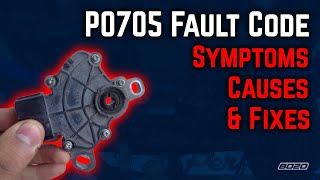
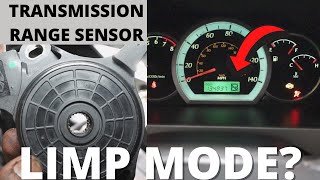
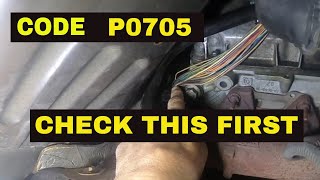
Helpful Videos

We Have This Part in Stock

The information in this article is provided for general reference and educational purposes only. Vehicle specifications, procedures, and part compatibility can vary by production date, trim level, and region. Always consult your vehicle's factory service manual and verify part numbers before purchasing or performing repairs. Safety-critical components such as airbags, seat belts, and braking systems should be installed by a qualified professional.
- Toyota Highlander:
- 🧭 Diagnostic Flowchart
- 🎬 Helpful Videos
- 🛍️ Shop This Part
- What's Unique About the 2001-2007 Toyota Highlander
- Symptoms You May Notice
- Most Likely Causes
- Rare But Worth Checking
- Diagnosis Steps
- Parts You'll Likely Need
- Platform-Specific Known Issues
- Mechanic-Grade Diagnostic Values
- Scan Tool Commands That Help
- Wiring & Ground Locations
- OEM Part Supersession History
- Other Known Issues on This Vehicle
- Used vs. New Parts: Buying Guide for This Vehicle
- Real Owner Stories
- 2004 Lexus RX330 (3MZ-FE V6)
- Toyota Tacoma (Cross-Model Reference)
- Related OBD-II Codes
- Frequently Asked Questions
- 🎟️ Get 5% Off