

P0706 on 2012-2014 Audi A5 Cabriolet: Transmission Range Sensor Fault Causes & Fixes
On a 2012-2014 Audi A5 with either the S-Tronic (DL501) or Multitronic (VL381) automatic transmission, the P0706 code almost always points to a fault within the transmission's mechatronics unit, not a simple external sensor. The common fix is installing a mechatronics repair kit, a job for a professional costing $900-$1700, which is much cheaper than replacing the entire unit for over $4000.
- P0706 on a 2012-2014 A5 is a serious code indicating an internal transmission fault.
- The problem is almost always the circuit board inside the mechatronics unit, not an external sensor.
- Do not let a shop replace the entire transmission; the most common fix is a mechatronics repair kit, which is significantly cheaper.
- This is not a DIY-friendly repair and should be handled by a qualified shop specializing in European vehicles.
- Symptoms include a 'Gearbox Malfunction' warning, harsh shifting, and potentially a no-start condition.
What's Unique About the 2012-2014 Audi A5 CABRIOLET
On most vehicles, the Transmission Range Sensor is a relatively simple, inexpensive switch bolted to the outside of the transmission. On the 2012-2014 Audi A5's S-Tronic (also known as DL501 or 0B5) and Multitronic (VL381 or 0AW) automatic transmissions, this is not the case. The sensor (F125) and its circuitry are integrated into the complex mechatronics unit, which also contains the TCM, located inside the transmission housing. This design means a simple sensor fault often requires a much more involved and expensive repair of the entire mechatronics module, as the sensor itself is not a standalone, externally replaceable part.
Diagnostic Flowchart
Tap your situation to follow the diagnostic path that matches what you're seeing on this vehicle.
Symptoms You May Notice
- "Gearbox malfunction: you can continue driving" message on the instrument cluster.
- PRNDS gear indicator on the dashboard flashing or lit up solid red.
- Harsh clunk or jolt when shifting from Park into Reverse or Drive.
- Vehicle enters "limp mode," staying in a single gear (often 2nd or 3rd) with reduced power.
- Engine will not start because the vehicle cannot confirm it is in Park or Neutral. This can be intermittent and may resolve temporarily after the car cools down.
- Reverse lights do not turn on when in Reverse.
- Cruise control is disabled.
- Delayed gear engagement, with a noticeable lag between moving the shifter and the gear change.
- Replacing the entire transmission. While the fault is inside the transmission, it's usually limited to the serviceable mechatronics unit, not the mechanical gears.
- Looking for an external Transmission Range Sensor to replace. On these models, the sensor is internal, and mechanics unfamiliar with this platform may waste time searching for a part that doesn't exist in the traditional sense.
- Condemning the TCM without checking the positioner magnets first (on Multitronic models). A cracked magnet can produce the exact same symptoms as a failed circuit board.
Most Likely Causes
- Internal Mechatronics Unit Circuit Board Failure 🔴 High Probability → Shop Transmission Valve Body The circuit board and integrated sensors inside the S-Tronic (DL501) and Multitronic (VL381F) mechatronics units are a known failure point due to heat and vibration over time. TSBs confirm a reaction between the ATF and the TCM can occur, leading to this fault.
How to confirm: A professional scan tool (like VCDS) will show DTC P0706 (and VAG code 17090). Live data for the F125 sensor may show erratic, missing, or illogical readings when the gear selector is moved.
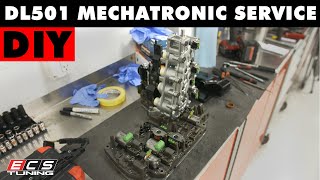
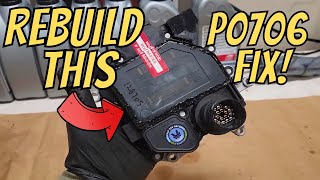
Typical fix: Install a mechatronics repair kit, which includes a new circuit board/wiring harness and sensors, into the existing mechatronics unit. 🎬 See how to install the mechatronic repair kit yourself. This avoids the higher cost of a full unit replacement. Some specialists also offer a rebuild service for the original module.
Est. part cost: $400-$700 - Worn or Contaminated Transmission Fluid 🟡 Medium Probability → Shop Transmission Assembly Fluid breakdown can lead to poor hydraulic performance and may contribute to the overheating and failure of electronic components within the mechatronics unit. An Audi TSB explicitly mentions flushing and replacing the ATF as a required step when replacing the mechatronics unit to resolve a P0706 code.
How to confirm: Check fluid level and condition. If the fluid is dark, burnt-smelling, or contains debris, it needs replacement. This is usually checked during the mechatronics repair.
Typical fix: Perform a complete transmission fluid and filter change. This is always done when the mechatronics unit is serviced. Using the correct OEM-spec fluid (e.g., G 052516A2) is critical.
Est. part cost: $150-$300 - Cracked or Chipped Positioner Magnets (Multitronic) ⚪ Low Probability On the Multitronic VL381 transmission, the F125 sensor works by reading two magnets on a plate. These magnets can develop micro-cracks or chips from heat and vibration. When the gearbox warms up, the crack can expand and cause an implausible signal.
How to confirm: This is difficult to confirm without removing the mechatronics unit. A technician may attempt a visual inspection using a small mirror and strong light to check the magnet surfaces for damage before removing the unit.
Typical fix: Replace the positioner plate with the magnets. This is often done as part of the larger mechatronics repair.
Est. part cost: $50-$150 - Damaged External Wiring or Connector ⚪ Low Probability While the primary failure is internal, the main transmission harness connector is still susceptible to corrosion from moisture intrusion, or physical damage like any other vehicle.
How to confirm: Visually inspect the main electrical connector at the transmission for corrosion (green tinge), bent pins, or loose connections. Perform a continuity test on the wiring harness if damage is suspected.
Typical fix: Repair the damaged section of the wiring harness or clean/replace the connector. Applying dielectric grease can prevent future moisture issues.
Est. part cost: $20-$100
Diagnosis Steps
- Scan the Transmission Control Module (TCM) with an Audi-compatible scan tool (like VCDS or Autel) to confirm P0706 (VAG code 17090) and any other related codes are present.
- View live data from the Transmission Range Sensor (F125). With VCDS, check Measuring Value Block (MVB) group 002 for plausibility while moving the gear selector. Erratic or missing values point to a fault.
- Inspect the main transmission wiring harness connector (a large, round connector, often designated T46) for any signs of corrosion, water intrusion, or physical damage.
- Check the transmission fluid level and condition. While not a direct cause, low or burnt fluid indicates a larger transmission health problem and must be corrected during the repair.
- If external wiring and fluid level are good, the fault is almost certainly internal to the mechatronics unit.
- For Multitronic (VL381) models, if possible, inspect the positioner magnets for cracks or chips before condemning the entire unit. This can be done with a small mirror and light after removing the transmission pan. 🎬 Watch: How to remove and repair the Multitronic control module.
- Confirm with the customer to authorize the removal of the mechatronics unit for repair or replacement.
Parts You'll Likely Need
- Mechatronics Repair Kit
(OEM #0B5398009F)— This is the most common and cost-effective solution, addressing the known internal circuit board failure without replacing the entire expensive mechatronics unit. It specifically targets the fault that causes P0706. This part number has several previous revisions (ending in A, B, C, D, E), so ensure you are getting the latest version.
Trusted brands: Audi Genuine, Hamburg Technic, Vemo
OEM price range: $400-$700
Aftermarket price range: $300-$500 - Automatic Transmission Fluid (ATF)
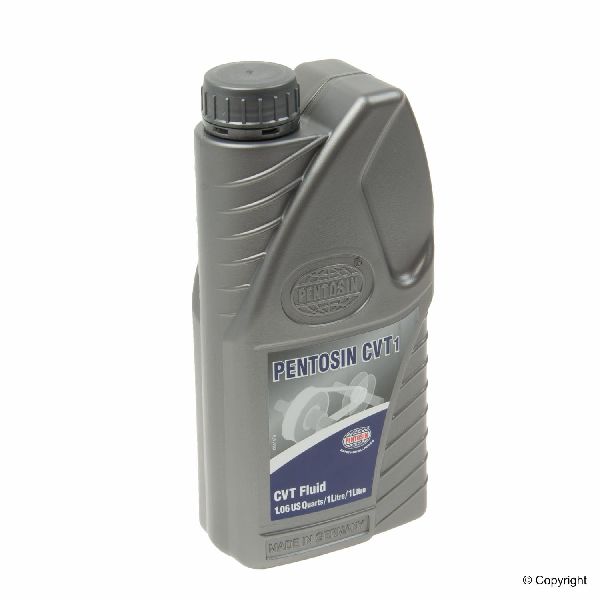
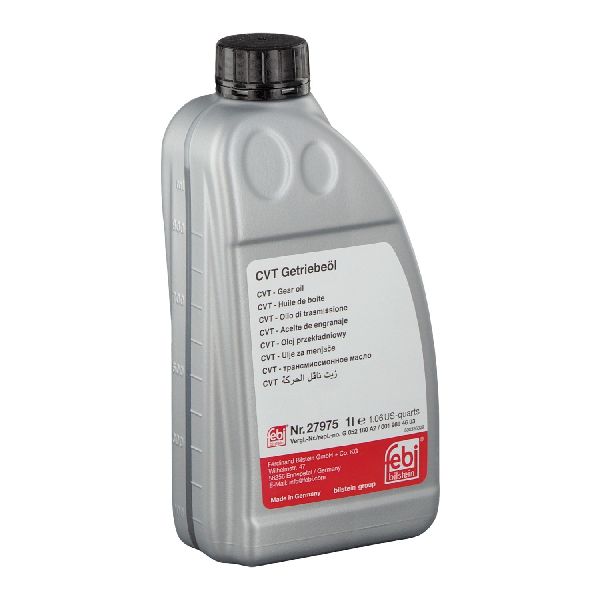
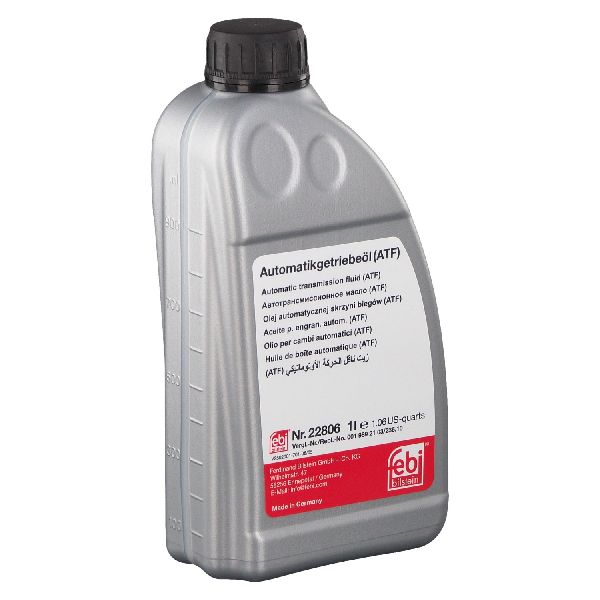
(OEM #G052516A2 (for Multitronic), G052529A2 (for S-Tronic))— Fluid must be replaced when the mechatronics unit is removed and reinstalled. Using the correct OEM-spec fluid is critical for transmission longevity. TSBs require a fluid flush and replacement as part of the repair procedure.
Trusted brands: Audi Genuine, Liqui Moly, Pentosin, Febi Bilstein
OEM price range: $25-$40 per liter
Aftermarket price range: $15-$25 per liter - Mechatronics Unit (Complete Assembly) — This is only needed if the mechatronics unit has damage beyond what the repair kit can fix, such as a cracked housing or failed solenoids not included in the kit. It is significantly more expensive and requires programming.
Trusted brands: Audi Genuine
OEM price range: $2500-$4500
Related Codes That Often Appear With This One
- 17090 — This is the VAG-specific (Volkswagen Auto Group) equivalent of the generic P0706 code, pointing to the same 'Transmission Range Sensor Implausible Signal' fault.
- P179C — This code for 'Main pressure valve, electric fault' can appear alongside P0706 as it relates to another electrical failure within the same mechatronics circuit board.
Technical Service Bulletins (TSBs) & Recalls
- A971550 2034863-: Notes that DTC P0706 (driving mode sensor, implausible signal) is stored in the TCM and mentions a reaction within the module.
- A371664 20348634: Describes the procedure to flush the ATF before replacing the TCM to resolve a DTC P0706.
- 37131020348631: Links DTC P0706 directly to a 'Gearbox malfunction message in cluster' and notes a reaction between the TCM and ATF in certain vehicles.
- 3713182032: Supersedes a previous TSB and mandates that the TCM must be replaced and the ATF flushed to correct the P0706 fault.
Platform-Specific Known Issues
- A known issue with the Multitronic (VL381) and S-Tronic (DL501) transmissions in this era is the failure of the internal mechatronics circuit board, which directly causes the P0706 code. Audi has issued multiple Technical Service Bulletins (TSBs) related to this problem, often recommending replacement of the TCM and a full fluid flush.
Mechanic-Grade Diagnostic Values
- Transmission Fluid Temperature for Basic Settings/Adaptation — expected: 40°C - 100°C (some sources recommend a narrower 40°C - 60°C). Failure: Procedures may fail to run if the temperature is outside this range.
- VCDS Transmission Measuring Value Block (MVB) for F125 Sensor — expected: Group 002 should show plausible and distinct readings for each gear position (P, R, N, D).. Failure: Readings are blank, do not change, or show an error/implausible state.
- Live Clutch Adaptation Pressure (S-Tronic) — expected: During the 'kiss point' adaptation, VCDS will show clutch pressure slowly rising from ~2 bar until it engages, then dropping off.. Failure: The adaptation process fails to complete or pressure values do not respond as expected.
Hidden / Shadow Codes Worth Checking
- 001798: This is an additional VAG-specific identifier for the same 'Transmission Range Sensor (F125): Implausible Signal' fault, often displayed alongside P0706 and 17090. (see via Appears in Audi-specific scan tools like VCDS or ODIS.)
Scan Tool Commands That Help
- VCDS (Ross-Tech), ODIS, or equivalent (e.g., G-Scan, OBDeleven): Basic Settings / Adaptation for 0B5 S-Tronic Gearbox — This procedure is mandatory after replacing the mechatronics unit or repair kit to calibrate the new components. It calibrates clutch pressures, sensor positions, and engagement points.
- VCDS (Ross-Tech): Step 1: Erase counter for start and stop processes — Performed first, with Key On, Engine Off. This clears old adaptation values.
- VCDS (Ross-Tech): Step 2: Clutch valve calibration — Performed second, with Engine On. Calibrates the hydraulic valves that control the clutches.
- VCDS (Ross-Tech): Step 3: Distance sensor calibration — Performed third, with Engine On. Calibrates the sensors that determine the position of the gear selectors. Clunking noises are normal during this step.
- VCDS (Ross-Tech): Step 4: Clutch Engagement Point Adaptation (Kiss Point) — This final step involves a specific driving cycle where the TCM learns the exact engagement point of each clutch for smooth takeoffs. The status can be monitored in Advanced Measuring Values.
Wiring & Ground Locations
- J743 Main Connector — The large, round multi-pin electrical connector on the side of the transmission housing that connects the main vehicle harness to the mechatronics unit.. This is the primary electrical interface for the mechatronics unit. Corrosion or damage here can interrupt the signal from the internal F125 sensor, causing a P0706 code before it's even processed by the TCM.
- Ground Point on Left Lower Front Long Member — A primary chassis ground point located on the frame rail in the front left of the engine bay.. A poor ground connection for the transmission or its control module can introduce electrical noise or voltage offsets, leading to implausible sensor readings.
- Earth Point 639 / 602 — Located on the left A-pillar, near the driver's side kick panel or in the front left footwell.. This is a common grounding point for various interior and dash-related modules. While less direct, a fault here can affect the CAN bus communication that the TCM relies on.
Real Owner Repair Stories
- MHH AUTO forum user (Audi A6 C6 with Multitronic transmission) — Persistent P0706 error code.
❌ Tried (didn't work) Replacing the Transmission Control Module (TCM) with a used unit., Sending the original TCM to a repair company, who tested it and reported it was fine.
✅ What actually fixed it The problem was ultimately resolved by installing a third, different TCM. The final post confirmed 'Problem was TCM,' suggesting that the fault can be elusive and not all replacement or 'tested good' units are truly functional.
OEM Part Supersession History
0B5398009A→0B5398009B -> 0B5398009C -> 0B5398009D -> 0B5398009E -> 0B5398009F— Progressive updates by the manufacturer to improve the reliability of the mechatronics circuit board and sensors to address the known failure points that cause P0706 and other related codes.
Heads up: Always use the latest available revision (currently 'F') for the most durable repair. While older revisions may fit, they are more prone to the original failure.
Model Year Variations Within This Range
- 2012-2014: While the S-Tronic DL501 transmission was used throughout this period, Audi made running changes to improve reliability. A later model year vehicle may have a slightly more robust mechatronics unit from the factory compared to an earlier one. However, the failure mode and the P0706 code are common to all years in this range, and the fix (mechatronics repair kit) is the same.
Helpful Videos

We Have This Part in Stock




The information in this article is provided for general reference and educational purposes only. Vehicle specifications, procedures, and part compatibility can vary by production date, trim level, and region. Always consult your vehicle's factory service manual and verify part numbers before purchasing or performing repairs. Safety-critical components such as airbags, seat belts, and braking systems should be installed by a qualified professional.
- Audi A5 CABRIOLET:
- 🧭 Diagnostic Flowchart
- 🎬 Helpful Videos
- 🛍️ Shop This Part
- What's Unique About the 2012-2014 Audi A5 CABRIOLET
- Symptoms You May Notice
- Most Likely Causes
- Diagnosis Steps
- Parts You'll Likely Need
- Related Codes That Often Appear With This One
- Technical Service Bulletins (TSBs) & Recalls
- Platform-Specific Known Issues
- Mechanic-Grade Diagnostic Values
- Hidden / Shadow Codes Worth Checking
- Scan Tool Commands That Help
- Wiring & Ground Locations
- Real Owner Repair Stories
- OEM Part Supersession History
- Model Year Variations Within This Range
- 🎟️ Get 5% Off