

P0706 on 2013-2019 Ford Escape: Transmission Range Sensor Causes and Fixes
P0706 on your Ford Escape most likely means the Transmission Range Sensor (TRS) is failing. This can cause shifting problems or prevent the car from starting. The repair cost varies significantly based on the sensor's location, which can be either external (~$200-$450) or internal to the transmission (~$450-$800+). For the 6F35 transmission in this Escape, the sensor is internal, making the repair more complex and costly.
- P0706 on a 2013-2019 Escape points directly to a problem with the Transmission Range Sensor or its circuit.
- Symptoms are serious and can leave you stranded, such as the vehicle failing to start or shifting erratically.
- The biggest factor in repair cost and difficulty is the sensor's location, which is not consistently documented and may be internal to the transmission.
- Due to the uncertain location and the need for special tools if internal, professional diagnosis is strongly recommended.
- Always use the specified Motorcraft MERCON LV transmission fluid if any fluid service is performed.
What's Unique About the 2013-2019 Ford Escape
The 2013-2019 Ford Escape uses the 6F35 automatic transmission, a gearbox that is the subject of numerous owner complaints and even a class-action lawsuit for issues like harsh shifting, shuddering, and premature failure. A former Ford transmission technician noted that the fluid in these units breaks down quickly, leading to a cascade of problems including torque converter shudder and pump failure if not serviced frequently (e.g., every 30,000-50,000 miles), far more often than Ford's official 150,000-mile recommendation. While code P0706 is a specific sensor circuit fault, it's critical for owners to understand it exists within a system known for widespread issues, making accurate diagnosis essential to avoid unnecessary, expensive transmission work.
Symptoms You May Notice
- Check Engine Light is on
- Vehicle will not start, or only starts in Neutral
- No crank, no start condition 🎬 See how to diagnose an intermittent no-start issue
- Incorrect or no gear selection displayed on the dashboard
- Harsh or delayed gear engagement
- Transmission may enter 'limp mode' (stuck in one gear)
- Inability to shift out of Park
- Replacing the entire transmission when only the internal range sensor is at fault.
- Replacing the shift linkage cable when the issue is electronic.
- Replacing the PCM/TCM before thoroughly testing the sensor and wiring.
- Assuming the sensor is external when on the 6F35 it is internal, leading to incorrect repair estimates and procedures.
Most Likely Causes
- Faulty Transmission Range Sensor (TRS) 🔴 High Probability → Shop Transmission Assembly The sensor is internal to the 6F35 transmission, where it is exposed to heat and potentially contaminated fluid, which is a known issue with these transmissions. The sensor itself is electronic and can fail over time. Repair procedures confirm it is located inside the main control cover, requiring significant labor to access.
How to confirm: Use a diagnostic scan tool to monitor the live data from the TRS. The gear position PID (Parameter ID) should match the physical position of the gear selector lever as you move it. If the reading is erratic, stuck, or incorrect, the sensor is likely faulty. This is the primary diagnostic step before attempting physical repairs.
Typical fix: Replace the Transmission Range Sensor. This involves draining the transmission fluid, removing the main control cover, disconnecting the shift linkage, and carefully removing and replacing the sensor and its associated components. The transmission fluid should be replaced with the correct spec (Motorcraft MERCON LV).
Est. part cost: $75-$185 - Damaged Wiring or Connector 🟡 Medium Probability The main transmission connector on the outside of the case can be exposed to moisture and road debris. However, since the sensor itself is internal, the internal wiring harness is less susceptible to external damage but can still fail from heat and fluid degradation.
How to confirm: Visually inspect the main external wiring harness and connector going to the transmission for any signs of corrosion, frayed wires, or loose pins. A continuity test on the wiring between the external connector and the Transmission Control Module (TCM) can help rule out external wiring issues before opening the transmission.
Typical fix: Repair the damaged section of the external wiring harness or replace the connector pigtail. Clean any corrosion from the connector pins using an electrical contact cleaner. Internal harness issues would be addressed during a sensor replacement.
Est. part cost: $10-$50 - Low or Dirty Transmission Fluid ⚪ Low Probability → Shop Transmission Assembly This is not a direct cause of a P0706 circuit code, but it is a major contributing factor to overall 6F35 transmission failure. Degraded fluid can cause erratic shifting and component wear that could potentially affect internal electronics over time. A former Ford tech strongly advises fluid changes every 30-50k miles to prevent widespread issues.
How to confirm: Check the transmission fluid level and condition according to the manufacturer's procedure. On the 6F35, this is done via a check plug on the side of the transmission case and can be difficult without a vehicle lift. Fluid should be red and clear, not dark brown or black.
Typical fix: Perform a transmission fluid drain-and-fill using the correct specification fluid (Motorcraft MERCON LV). A full flush is sometimes debated, with some mechanics preferring multiple drain-and-fills. 🎬 Watch: Step-by-step 6F35 transmission fluid change procedure
Est. part cost: $60-$150
Rare But Worth Checking
- Faulty Powertrain or Transmission Control Module (PCM/TCM): → Shop Transmission Assembly This is rare and should only be considered after the sensor and its wiring have been definitively ruled out as the cause.
- Misaligned or Damaged Shift Linkage: A problem with the physical linkage from the shifter to the transmission could cause a mismatch between the selected gear and what the sensor reports. This is more common after related service, like an engine swap.
Diagnosis Steps
- Scan for Codes: Use an OBD-II scanner to confirm P0706 is present and check for any other related transmission codes like P0705, P0707, or P0708.
- Check Transmission Fluid: Verify the transmission fluid level and condition. Dark, burnt, or low fluid indicates a need for service and could point to broader transmission health issues.
- Inspect External Wiring: Visually inspect the main transmission wiring harness and connector for obvious signs of damage, corrosion, or loose connections.
- Monitor Sensor Data: Use a scan tool with live data capability. Watch the Transmission Range Sensor PID as you move the shifter through all gears (P, R, N, D, L). The display on the scanner should instantly and correctly match the shifter position. If it is erratic, delayed, or incorrect, the internal sensor is the primary suspect.
- Confirm Sensor Location: Confirm the vehicle has the 6F35 transmission. For this transmission, the sensor is internal. This confirms that an external replacement is not possible.
- Test the Circuit at the TCM: For advanced diagnosis, a technician can test the circuit's continuity and voltage from the Transmission Control Module (TCM) connector pins to rule out a wiring issue between the module and the transmission case connector.
- Replace the Internal Sensor: If the sensor is confirmed faulty, it must be replaced. This is an involved job that requires draining the fluid, dropping the main control cover (side pan), and carefully following the service manual procedure to R&R the sensor.
- Clear Codes and Test Drive: After the repair, fill with fresh MERCON LV fluid to the correct level, clear the codes, and perform a test drive to ensure shifting is normal and the code does not return.
Parts You'll Likely Need
- Transmission Range Sensor
(OEM #GN1Z-7H557-B)— This sensor is the most common point of failure for the P0706 code. This part number supersedes older versions like 9L8Z-7H557-A, 9L8Z-7H557-C, and GN1Z-7H557-A.
Trusted brands: Motorcraft (Ford), Standard Motor Products (SMP)
OEM price range: $115-$185
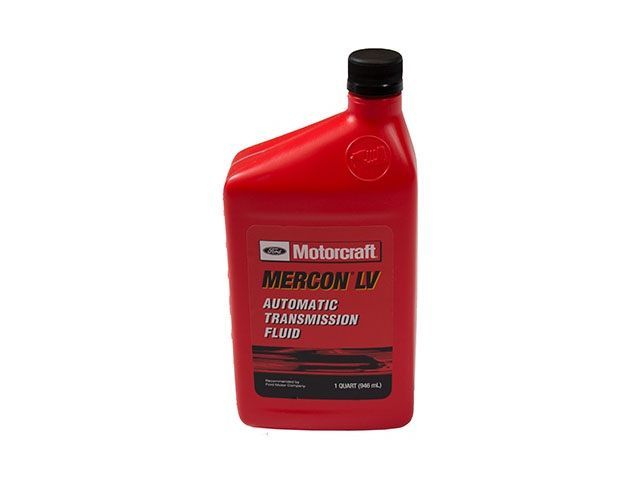
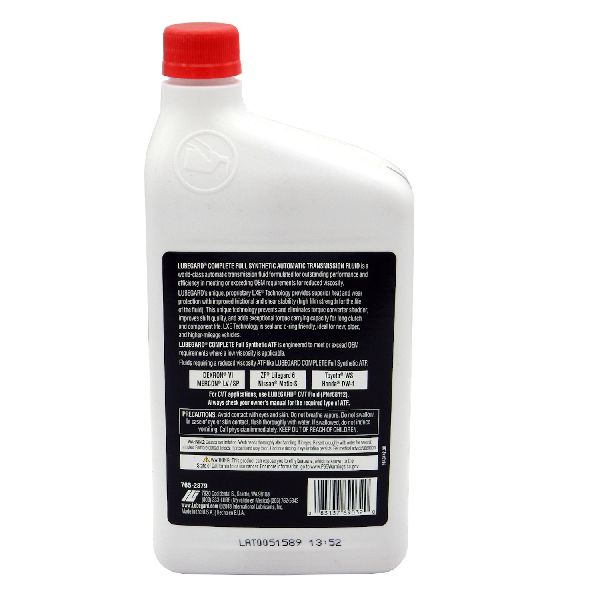
Aftermarket price range: $75-$125 - Motorcraft MERCON LV Automatic Transmission Fluid
(OEM #XT-10-QLVC)— The transmission fluid must be drained to access the internal sensor and should be replaced with the correct OEM-specified fluid.
Trusted brands: Motorcraft
OEM price range: $8-$12 per quart
Related Codes That Often Appear With This One
- P0705 — This code indicates a malfunction in the same Transmission Range Sensor circuit, and often appears with P0706.
- P0707 — This code indicates 'Transmission Range Sensor Circuit Low Input', pointing to a specific electrical fault within the same sensor's circuit. A forum post on 2CarPros shows a 2014 Escape with both P0706 and P0707 that would not start.
- P0708 — This code indicates 'Transmission Range Sensor Circuit High Input', pointing to a specific electrical fault within the same sensor's circuit.
Platform-Specific Known Issues
- The 6F35 transmission in this generation of Escape is subject to a class-action lawsuit alleging numerous defects, including shuddering, hesitation, and premature failure. While P0706 is a specific sensor code, it exists within a system with a reputation for problems.
Scan Tool Commands That Help
- FORScan / Ford IDS: Reset Transmission Adaptive Tables / Update Solenoid Strategy — This is a required step after replacing the entire transmission assembly to ensure the PCM/TCM uses the correct shift logic for the new or replacement unit's specific solenoid characteristics. While not for diagnosing P0706, it's a critical procedure if the transmission is replaced during a larger repair.
Wiring & Ground Locations
- G104 — Top rear of the transmission case.. A poor ground connection at this primary transmission ground point can cause erratic behavior and incorrect voltage readings from any sensor on the transmission, including the internal range sensor, leading to a P0706 code.
- Starter Motor Ground Strap — Located under the bottom starter motor mounting bolt.. During a transmission or starter replacement, this ground strap can be easily forgotten or improperly secured. A bad connection here can cause a variety of electrical issues, including no-start conditions that may be misdiagnosed as a P0706-related fault.
- Bell Housing Ground — A ground wire with an eyelet that typically connects to one of the bell housing bolts that joins the engine and transmission.. This is a crucial engine-to-chassis or engine-to-transmission ground. If left disconnected after major work like a transmission or engine swap, it can cause a no-crank condition and various electronic faults, mimicking a failed range sensor.
Real Owner Repair Stories
- 2CarPros Forum User 'BRADY15071' (2014 Ford Escape) — No crank, no start condition with codes P0706 and P0707 present.
❌ Tried (didn't work) The user went straight for the likely cause based on the codes.
✅ What actually fixed it The user replaced the internal Transmission Range Sensor. After installation, they confirmed, 'I got the new part installed and it is working good now.' The user also noted difficulty removing a pin without a special tool and that a shaft came out with the old sensor, highlighting the complexity of the job.
Model Year Variations Within This Range
- 2016-2019: While the P0706 fault is specific to the range sensor, owners should be aware that forum and owner data suggest 6F35 transmissions in later model years (approx. 2016-2019) were more prone to premature failure, particularly related to the torque converter. This reinforces the importance of proper fluid maintenance and accurate diagnosis to distinguish a sensor fault from a more severe internal transmission problem.
- 2017-2019: The Ford Escape received a significant facelift for the 2017 model year. This included updated styling and potentially revised electronics and software for the powertrain and transmission control modules. While the core 6F35 transmission and internal TRS remained, wiring harnesses, connector locations, or TCM software logic could differ from the 2013-2016 models, which may alter diagnostic steps slightly.
Diagnostic Flowchart
Other Known Issues on This Vehicle
Issues unrelated to this code that are worth knowing about as an owner of this generation:
- EcoBoost Engine Coolant Intrusion 🔴 High — Common on 1.5L & 1.6L EcoBoost engines. A design flaw in the engine block can allow coolant to leak into the cylinders, leading to misfires, white smoke, and eventual engine failure. Can occur at mileages ranging from 60,000 to over 100,000. (Ref: TSB 22-2229, Customer Satisfaction Program 21N12)
- 6F35 Transmission Harsh Shifting, Shuddering, and Premature Failure 🔴 High → Shop Transmission Assembly — Widespread complaints across the generation, particularly in 2013-2014 models. Issues like shuddering, hesitation, and complete failure can occur, sometimes before 100,000 miles. Subject of a class-action lawsuit.
- Faulty Door Latches 🟠 Medium — A component in the door latch can break, preventing the door from closing properly or causing it to open while driving. Affects 2013-2015 models primarily. (Ref: Ford Recall 16S30)
- Power Steering System Failure 🔴 High — Owners report spontaneous failure of the power steering system, making the vehicle difficult to control. Mainly affects 2013-2014 models. (Ref: A recall was issued but some owners report issues on vehicles outside the recall's VIN range.)
- Degrading Shifter Cable Bushing 🟠 Medium — The bushing that attaches the shifter cable to the transmission can degrade or detach, preventing the vehicle from being placed in the intended gear or starting. Affects 2015 models with the 2.0L engine. (Ref: Ford Recall 22V413000)
Used vs. New Parts: Buying Guide for This Vehicle
When a used part is the smart pick: For this specific repair, using a used part is strongly discouraged. The Transmission Range Sensor is an internal electronic component that is subjected to constant heat cycles and is bathed in transmission fluid. A used sensor from a salvage yard carries an unknown history and a high risk of premature failure. Given the significant labor cost (3.5-5.5 hours) to access the sensor, the savings on a used part are not worth the risk of having to do the job twice.
What to inspect on the donor part:
- Not applicable, as a used sensor is not recommended.
OEM-only on this vehicle (don't cheap out):
- Transmission Range Sensor (Motorcraft)
- Transmission Fluid (Motorcraft MERCON LV)
Aftermarket brands forum-validated for this vehicle:
- Standard Motor Products (SMP) for the sensor.
- Valvoline Maxlife ATF is widely cited by owners as a suitable and high-quality alternative to Motorcraft MERCON LV fluid.
Brands owners have reported issues with on this vehicle:
- Unknown or unbranded electronic sensors from online marketplaces should be avoided due to high failure rates and the intensive labor required for replacement.
Real Owner Stories
Aggregated from forums and TSBs cited above. Mileages and costs reflect what owners reported in those sources.
2014 Ford Escape
Symptoms: The vehicle experienced a no-crank, no-start condition with the Check Engine Light on. Diagnostic scans showed codes P0707 and P0706.
What fixed it: Replacing the internal Transmission Range Sensor (TRS) resolved the issue.
Source hint: 2CarPros - '2014 Ford Escape Codes P0707 and P0706, Does Not Start'
Related OBD-II Codes
Frequently Asked Questions
Can I replace the Transmission Range Sensor on my 2013-2019 Ford Escape from the outside of the transmission?
My 2014 Escape won't crank and has a P0706 code; is this a known issue?
What type of transmission fluid should I use when fixing a P0706 code on my Ford Escape?
Is there a recall for the 6F35 transmission issues like P0706?
How often should I change the fluid in my Escape's 6F35 transmission to prevent electronic sensor issues?
Helpful Videos
We Have This Part in Stock



The information in this article is provided for general reference and educational purposes only. Vehicle specifications, procedures, and part compatibility can vary by production date, trim level, and region. Always consult your vehicle's factory service manual and verify part numbers before purchasing or performing repairs. Safety-critical components such as airbags, seat belts, and braking systems should be installed by a qualified professional.
- Ford Escape:
- 🧭 Diagnostic Flowchart
- 🎬 Helpful Videos
- 🛍️ Shop This Part
- What's Unique About the 2013-2019 Ford Escape
- Symptoms You May Notice
- Most Likely Causes
- Rare But Worth Checking
- Diagnosis Steps
- Parts You'll Likely Need
- Related Codes That Often Appear With This One
- Platform-Specific Known Issues
- Scan Tool Commands That Help
- Wiring & Ground Locations
- Real Owner Repair Stories
- Model Year Variations Within This Range
- Other Known Issues on This Vehicle
- Used vs. New Parts: Buying Guide for This Vehicle
- Real Owner Stories
- 2014 Ford Escape
- Related OBD-II Codes
- Frequently Asked Questions
- 🎟️ Get 5% Off