

P0706 on 2010-2017 Hyundai Tucson: Transmission Range Sensor Causes and Fixes
On a 2010-2017 Hyundai Tucson, code P0706 almost always points to a faulty Transmission Range Sensor, also known as an Inhibitor Switch. This part tells the car what gear you're in, and replacing it is the most common fix. Symptoms often include the engine not starting or the transmission entering a fail-safe mode.
- P0706 on your Tucson is a strong indicator that the Transmission Range Sensor (Inhibitor Switch) has failed.
- Symptoms can be severe, including the car not starting or shifting properly, so it should be addressed promptly.
- The most common fix is replacing the sensor, which is a moderately difficult DIY job due to its location under the battery tray.
- Verify the correct OEM part number for your specific model year, as it differs between the 2nd (LM) and 3rd (TL) generations.
What's Unique About the 2010-2017 Hyundai TUCSON
For this generation of Hyundai Tucson, the Transmission Range Sensor (Inhibitor Switch) is a well-documented failure point. Hyundai has issued Technical Service Bulletins (TSBs), such as 19-AT-024H, that directly address this code and related symptoms across a wide range of its vehicles, including the Tucson, confirming it as a known issue. The repair is consistent across many Hyundai and Kia models of this era, with the sensor typically located on top of the transmission, requiring the removal of the battery and its tray for access. The issue is common enough that it is specifically mentioned in Kia service actions for platform mates like the Sportage.
Diagnostic Flowchart
Tap your situation to follow the diagnostic path that matches what you're seeing on this vehicle.
Generation note: The 2010-2017 year range covers two Tucson generations: the second (LM, 2010-2015) and the early third (TL, 2016-2017). The P0706 code and its primary cause, the inhibitor switch, are well-documented for both. However, they use different part numbers. The LM generation typically uses part number 42700-26500 (superseded by 42700-26700), while the TL generation uses a different part. The repair process remains similar for both.
Symptoms You May Notice
- Check Engine Light is on
- Vehicle will not start or crank (most common symptom)
- Starts in Neutral, but not in Park (or vice-versa)
- Inability to shift the gear lever out of Park
- Harsh or delayed gear engagement.
- Transmission enters 'limp mode' (stuck in one gear, often 4th).
- Incorrect gear position displayed on the instrument panel.
- Reverse lights do not work.
- Engine may start in any gear (severe safety hazard).
- Replacing the transmission itself when only the sensor is bad.
- Replacing the starter motor for a no-crank symptom without first checking for transmission-related codes like P0705 or P0706.
- Replacing the battery or alternator for a no-start condition when dashboard lights still work.
Most Likely Causes
- Faulty Transmission Range Sensor (Inhibitor Switch) 🔴 High Probability → Shop Transmission Assembly Internal components of the switch, including copper contacts and plastic sliders, wear out or become contaminated from dirt and moisture over time, leading to incorrect voltage signals. A coolant leak from a nearby hose, particularly a cracked plastic radiator hose connector common on these models, can drip onto the switch and cause it to fail prematurely.
How to confirm: Use a scan tool to monitor the sensor's live data; the displayed gear should match the shifter position. A multimeter can be used to test the sensor's output signals for each gear position against specifications in a service manual. Often, the failure is intermittent and may only occur when the engine bay is hot after a long drive.
Typical fix: Replace the inhibitor switch. The switch is located on top of the transmission, under the battery and battery tray. The new switch must be properly aligned in the Neutral position before tightening.
Est. part cost: $40-$150 - Damaged Wiring or Corroded Connector 🟡 Medium Probability The wiring harness leading to the sensor is exposed to engine bay heat and weather, which can cause wires to become brittle, frayed, or corroded over time. The connector pins themselves can also become corroded or bent.
How to confirm: Visually inspect the wiring harness and connector for any signs of damage, corrosion, moisture intrusion, or loose pins. Perform a continuity test on the wires between the sensor and the TCM.
Typical fix: Repair the damaged section of wire or replace the connector pigtail. Clean corroded terminals carefully.
Est. part cost: $10-$50 - Misaligned Transmission Range Sensor ⚪ Low Probability → Shop Transmission Assembly This usually happens after an incorrect replacement or if the mounting bolts have loosened. It is not a common spontaneous failure but is a critical step during installation.
How to confirm: Check the alignment marks on the sensor and transmission body. The standard procedure is to place the shifter in Neutral and insert a 5mm bolt or guide pin through the alignment hole on the switch to lock it in position before tightening.
Typical fix: Loosen the sensor's mounting bolts, adjust its position until the alignment marks line up correctly in Neutral, and retighten the bolts to specification.
Est. part cost: $0
Rare But Worth Checking
- Faulty Transmission Control Module (TCM): → Shop Transmission Assembly This is very rare and should only be considered after the sensor, wiring, and alignment have been thoroughly checked and confirmed to be good. TSBs instruct to replace the TCM/ECU only if the code returns after verifying the wiring and replacing the switch.
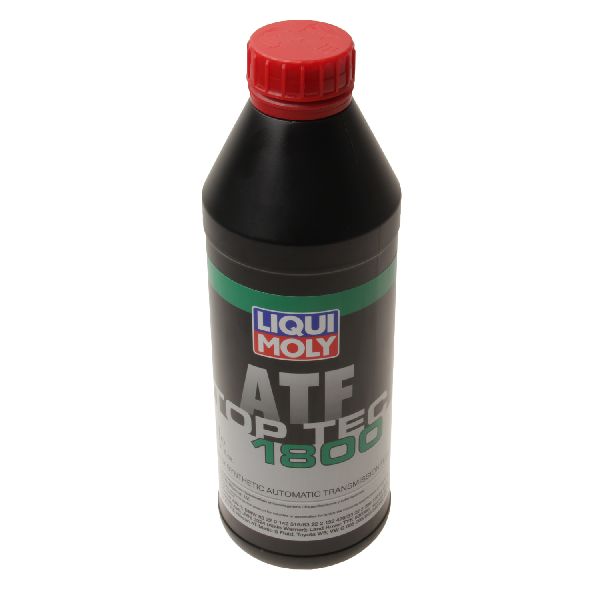
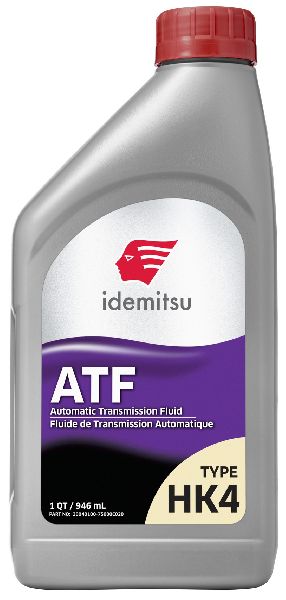
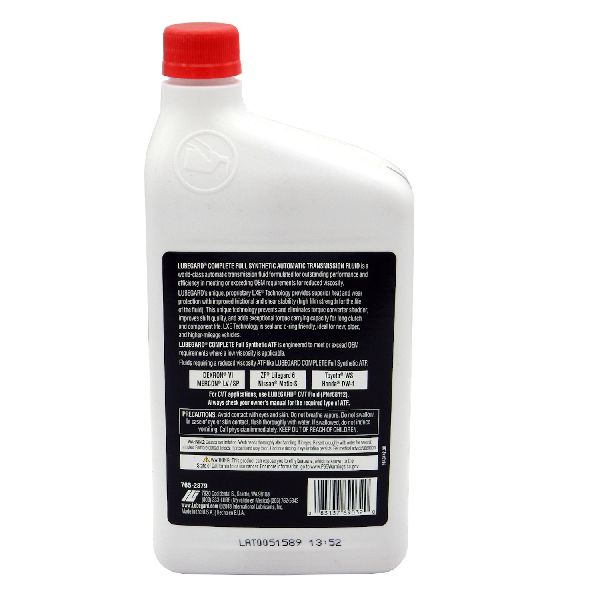
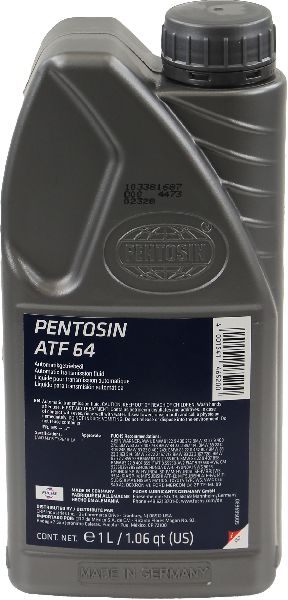
- Low or Contaminated Transmission Fluid: → Shop Transmission Assembly While less common for this specific code, very low, dirty, or contaminated ATF can cause erratic transmission behavior and trigger various codes. It's a good practice to check the fluid condition and level as part of a comprehensive diagnosis.
Diagnosis Steps
- Connect an OBD-II scanner and confirm P0706 is present. Note any other codes, especially P0705, P0707, or P0708.
- Check the battery and charging system. Low voltage can cause false codes.
- Use a scan tool with live data capability. Monitor the transmission range sensor parameter while moving the shifter through each gear (P, R, N, D). Verify that the computer's reading matches the shifter's actual position.
- If the data is incorrect or erratic, locate the sensor on top of the transmission. It will be under the air intake, battery, and battery tray.
- Visually inspect the sensor's connector and wiring for corrosion, damage, or loose connections. Also inspect the area for signs of coolant leaks from radiator hoses above.
- If the wiring looks good, test the sensor. Disconnect the connector and use a multimeter to check for correct voltage/resistance at the sensor's pins for each gear position, as specified by a repair manual.
- If the sensor fails the test, it needs to be replaced. Ensure the new part is correctly aligned in Neutral during installation.
- If the sensor tests good, the problem is likely in the wiring harness or, rarely, the TCM. TSBs suggest checking grounds, particularly the rear combination lamp ground, as it can be related.
Parts You'll Likely Need
- Transmission Range Sensor / Inhibitor Switch
(OEM #42700-26700 (replaces 42700-26500, 42700-26000 for 2010-2015 LM generation))— This is the component that fails most frequently, causing the P0706 code and associated symptoms. The part number for the 2016-2017 TL generation is different.
Trusted brands: Hyundai (OEM), Kia (OEM, interchangeable), Dorman, Beck/Arnley, Standard Motor Products
OEM price range: $90-$150
Aftermarket price range: $40-$80
Related Codes That Often Appear With This One
- P0705 — P0705 indicates a general circuit malfunction for the same sensor. These codes often appear together as they both relate to the performance of the transmission range sensor.
- P0707 — This code indicates the sensor circuit input is low, pointing to a potential open circuit or faulty sensor, which is part of the same system.
- P0708 — This code indicates the sensor circuit input is high, pointing to a potential short circuit or faulty sensor within the same component.
Technical Service Bulletins (TSBs) & Recalls
- 19-AT-024H - Provides diagnostic steps for P0705-P0708 codes, listing symptoms like MIL on, 4th gear fail-safe, and intermittent no-start for a wide range of Hyundai vehicles including the Tucson.
- 5NP-V3F8T-09 - Also lists P0706 as a trouble code related to range switch performance.
- TRA 055 (Kia) - Details diagnostic flowchart for inhibitor switch issues, noting that problems are more common after heat soak or in high ambient temperatures.
- SA317A (Kia) - A service action for platform-mate vehicles like the Kia Sportage to replace the inhibitor switch for symptoms including P0705, no-crank, and harsh shifting.
Platform-Specific Known Issues
- Hyundai TSB 19-AT-024H provides diagnostic procedures for P0705, P0706, P0707, and P0708 across many models, including the Tucson. It details checking for symptoms like MIL on, 4th gear fail-safe, no gear indication, and intermittent no-start.
- A common point of failure on related Hyundai/Kia engines is a plastic coolant hose connector that can crack and leak antifreeze directly onto the transmission casing and inhibitor switch, accelerating its failure.
- Owner forums like hyundai-forums.com are filled with threads from Tucson and Santa Fe owners detailing the no-start issue, which is almost always resolved by replacing the inhibitor switch.
Mechanic-Grade Diagnostic Values
- Inhibitor Switch Power Supply Voltage — expected: Battery Voltage (~12V). Failure: 0V or significantly low voltage indicates a problem with the fuse or wiring before the switch.
- Inhibitor Switch Signal Voltage (Multi-Signal Type) — expected: When a gear is selected, the corresponding signal pin should show ~12V while the others show 0V. (e.g., In Park, Signal 1 is ~12V; in Reverse, Signal 2 is ~12V).. Failure: No voltage on any signal pin, voltage on multiple pins at once, or voltage that doesn't correspond to the selected gear.
- Inhibitor Switch Continuity Test (Simple Type) — expected: Continuity (near 0 ohms) should be present between the start signal terminals only when the shifter is in Park or Neutral.. Failure: No continuity in Park/Neutral, or continuity present in Reverse/Drive.
- Rear Combination Lamp Ground Voltage Drop — expected: Less than 0.2 V. Failure: Voltage greater than 0.2V indicates a poor ground connection that needs to be cleaned and tightened.
Scan Tool Commands That Help
- Hyundai GDS (or equivalent advanced scanner): Data Analysis -> A/T -> Shift Lever Switch — This is the primary method for diagnosing a P0706. It allows you to watch the gear position signal (often displayed as multiple switch states like C1, C2, C3, C4) in real-time as you move the shifter. An incorrect or unchanging signal points to a fault in the sensor, wiring, or TCM.
Wiring & Ground Locations
- Inhibitor Switch Connector (C100-A on some diagrams) — On the inhibitor switch itself, located on top of the transmission under the battery and air intake assembly.. This is the main connector to test power, ground, and signal outputs from the sensor. A partial wiring diagram shows pin 3 as power, with pins 2, 8, 9, and 10 being the various signals (Signal 2, 3, 4, 1 respectively).
- Rear Combination Lamp Ground — In the rear of the vehicle, near the tail light assemblies.. A Hyundai TSB specifically identifies a poor ground at this location as a potential cause for inhibitor switch-related DTCs. A bad ground here can cause electrical noise or voltage issues that the TCM misinterprets as a sensor fault.
- Transmission Ground Wire — A dedicated ground strap or wire assembly connecting the transmission case to the vehicle's chassis.. While not specific to the sensor circuit, a poor main transmission ground can cause a host of erratic electronic behaviors and codes, including P0706. Ensuring this connection is clean and tight is a fundamental step.
Real Owner Repair Stories
- YouTube channel 'Pine Hollow Auto Diagnostics' (Hyundai vehicle (specific model not named, but diagnosis is applicable)) — P0706 code, all gear position indicators on the dash were lit up simultaneously, transmission in fail-safe mode.
❌ Tried (didn't work) Replacing the Intelligent Power Module, Replacing the Transmission Range Sensor (Inhibitor Switch)
✅ What actually fixed it Replacing the Powertrain Control Module (PCM). Diagnosis with a scan tool revealed that one of the four signal inputs from the range sensor (the 'C3 switch' signal) was stuck 'closed' and would not change state when shifting gears, even with a new sensor. This indicated the fault was internal to the PCM, which was not reading the signal correctly. - YouTube channel 'DIY Reid' (2012 Hyundai Tucson) — No crank, no start. All fuses were good.
❌ Tried (didn't work) Initial diagnosis pointed towards starter, but further investigation led to the inhibitor switch.
✅ What actually fixed it Replacing the inhibitor switch (neutral safety switch) on top of the transmission resolved the no-start condition.
When the Usual Fixes Don't Work
- While the vast majority of P0706 codes on a Tucson are fixed by replacing the inhibitor switch, there are documented cases where this does not solve the problem. In one instance, after two shops failed to fix the code by replacing parts including the switch, the root cause was identified as a faulty Powertrain Control Module (PCM). The PCM was not correctly interpreting the signal from the brand new sensor. This highlights the importance of using a scan tool to verify the computer is receiving and interpreting the sensor's signal correctly before and after parts replacement.
OEM Part Supersession History
42700-26000, 42700-26500→42700-26700— Part revision and consolidation by the manufacturer.
Heads up: These part numbers apply to the 2010-2015 (LM) generation Tucson. While physically similar, they should not be used on 2016+ models.Multiple (e.g., 42700-2D000, 42700-3B500)→Multiple (e.g., 42700-2D010, 42700-3B710)— Part revision for different transmissions used in the newer generation.
Heads up: The 2016-2017 (TL) generation uses different inhibitor switches, such as 42700-23000 or 42700-3B500, depending on the specific transmission. It is critical to verify the correct part number by VIN for these model years.
Model Year Variations Within This Range
- 2010-2015 (LM Generation): This generation primarily uses inhibitor switch part number 42700-26700 (and its predecessors). The diagnostic procedure is well-established for this part.
- 2016-2017 (TL Generation): This generation introduced different transmissions and, consequently, different inhibitor switches. Part numbers like 42700-23000 and 42700-3B500 are listed for these years. While the P0706 code and symptoms are the same, the replacement part is not interchangeable with the earlier generation.
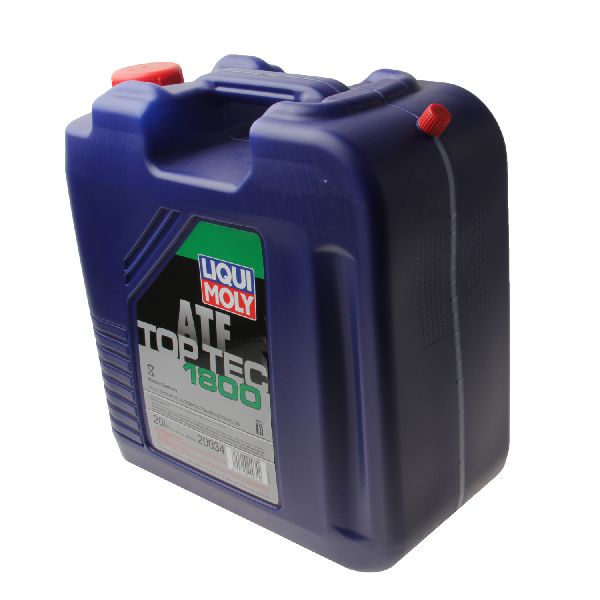
We Have This Part in Stock


The information in this article is provided for general reference and educational purposes only. Vehicle specifications, procedures, and part compatibility can vary by production date, trim level, and region. Always consult your vehicle's factory service manual and verify part numbers before purchasing or performing repairs. Safety-critical components such as airbags, seat belts, and braking systems should be installed by a qualified professional.
- Hyundai TUCSON:
- 🧭 Diagnostic Flowchart
- 🛍️ Shop This Part
- What's Unique About the 2010-2017 Hyundai TUCSON
- Symptoms You May Notice
- Most Likely Causes
- Rare But Worth Checking
- Diagnosis Steps
- Parts You'll Likely Need
- Related Codes That Often Appear With This One
- Technical Service Bulletins (TSBs) & Recalls
- Platform-Specific Known Issues
- Mechanic-Grade Diagnostic Values
- Scan Tool Commands That Help
- Wiring & Ground Locations
- Real Owner Repair Stories
- When the Usual Fixes Don't Work
- OEM Part Supersession History
- Model Year Variations Within This Range
- 🎟️ Get 5% Off