

P0706 on 2016-2020 Kia Sorento: Transmission Range Sensor Problems and Fixes
On a 2016-2020 Kia Sorento, code P0706 is almost always caused by a faulty transmission range sensor, also known as an inhibitor switch. This part failure is so common that Kia issued a service action (SA317A) for it. Replacing this sensor is the most common fix, with the part costing around $50-$85. Symptoms often include a no-start condition and erratic shifting.
- P0706 on a 2016-2020 Sorento points directly to a problem with the transmission range sensor (inhibitor switch).
- The most probable cause is a failed sensor, a known issue for this vehicle generation acknowledged by Kia Service Action SA317A.
- Symptoms often include the car not starting in Park (but starting in Neutral) or having shifting problems.
- Before replacing any parts, check the sensor's wiring and connector for corrosion or damage, as this is a simple and cheaper fix.
- The correct OEM part number for the inhibitor switch is 42700-3B700, which has been superseded by part number 42700-26700.
What's Unique About the 2016-2020 Kia Sorento
The 2016-2020 Kia Sorento (third generation) is known for issues with its inhibitor switch, particularly on models with the 6-speed automatic transmission. Kia issued a Service Action (SA317A) for some 2017 models to replace this exact part due to a high failure rate, which can cause this code. This service action also covered other models like the Optima, Sportage, and Sedona, indicating a widespread component issue across the brand's lineup for those years. This makes a faulty sensor a much higher probability on this specific vehicle compared to general diagnostic possibilities. For the 2019 model year refresh, Sorento models with the V6 engine were updated to a new 8-speed automatic transmission, which may have a different sensor design and failure pattern.
Symptoms You May Notice
- Check Engine Light is on
- Vehicle will not start, or only starts in Neutral
- Gear indicator on the dashboard is incorrect or does not light up for 'P' (Park)
- Harsh, delayed, or erratic shifting
- Transmission may be stuck in 'limp mode' (often 3rd or 4th gear)
- Inability to shift out of Park
- EPB (Electric Parking Brake) and Auto Hold lights illuminate intermittently
- No “Key OFF” indicated on the dash after pressing the Start/Stop button
- Replacing the entire transmission valve body when only the external sensor is faulty.
- Replacing the gear shifter assembly inside the vehicle when the issue is at the transmission.
- Assuming a bad starter when the vehicle has a no-crank, no-start condition, without checking if it starts in Neutral. 🎬 Watch: Crucial tips before replacing the inhibitor switch
Most Likely Causes
- Faulty Transmission Range Sensor (Inhibitor Switch) 🔴 High Probability → Shop Transmission Assembly Kia issued a service action (SA317A) for this part on some 2017 models, indicating a known weakness with the original component. The issue is common across many Kia and Hyundai models from this era that use the same 6-speed transmission.
How to confirm: A mechanic can use a scan tool to monitor the sensor's output voltage while shifting through the gears. If the voltage is erratic, incorrect, or doesn't change, the sensor is likely bad. Often, the car will start in Neutral but not in Park, which is a classic symptom of this failure.
Typical fix: Replace the inhibitor switch located on the exterior of the transmission, under the battery tray.
Est. part cost: $45-$85 - Damaged Wiring or Connector 🟡 Medium Probability The sensor and wiring are located under the battery tray, exposing them to potential corrosion from battery leaks or road debris. The harness connector itself can also develop loose pins or corrosion.
How to confirm: Visually inspect the wiring harness and connector for the inhibitor switch for any signs of corrosion, frayed wires, or loose pins. Perform a continuity and resistance test on the wiring between the sensor and the TCM.
Typical fix: Repair the damaged section of the wiring harness or clean/replace the connector. Applying dielectric grease to the new connector can help prevent future corrosion.
Est. part cost: $10-$50 - Misadjusted Inhibitor Switch or Shift Linkage ⚪ Low Probability → Shop Transmission Park Inhibitor Switch
How to confirm: Verify that the physical position of the gear shifter aligns with the position being read by the sensor on a scan tool. Check that the shift cable and linkage are not loose or damaged.
Typical fix: Loosen the sensor mounting bolts and adjust its position until the gear readings are correct, then retighten. An alignment pin or a 5mm bolt can be used to set the correct position in Neutral before tightening.
Est. part cost: $0
Rare But Worth Checking
- Faulty Transmission Control Module (TCM): → Shop Transmission Assembly This is very rare. All other possibilities, especially the sensor and wiring, should be exhaustively ruled out before considering the TCM as the cause.
Diagnosis Steps
- Read the trouble codes with an OBD-II scanner and note any other codes present, especially P0705, P0707, or P0708.
- Attempt to start the vehicle in Park, then in Neutral. If it starts in Neutral but not Park, this strongly points to the inhibitor switch or its adjustment.
- Check the transmission fluid level and condition. Burnt or dirty fluid can indicate larger transmission problems, though it's not a direct cause of P0706.
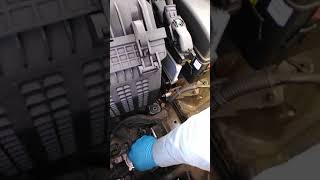
- To access the switch, disconnect the battery, remove the air intake duct, remove the battery, and then remove the battery tray (typically held by several 12mm bolts).
- Visually inspect the inhibitor switch and its electrical connector on the transmission for obvious damage, corrosion, or loose connections.
- Use a scan tool to observe the live data from the transmission range sensor. As you move the shifter through each gear (P, R, N, D), the sensor's reported position should match.
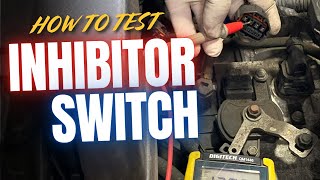
- If the data is erratic or incorrect, test the sensor's circuit. Using a multimeter, check for the correct reference voltage (typically 5V or 12V) and ground at the sensor's connector.
- If wiring is confirmed to be good, the inhibitor switch is the culprit. Replace it.
- When installing the new switch, place the transmission and the new switch in the Neutral position. Use a 5mm bolt or alignment tool to align the switch correctly before tightening the mounting bolts.
- Reassemble all components, clear the trouble codes, and test drive the vehicle to ensure the problem is resolved.
Parts You'll Likely Need
- Inhibitor Switch (Transmission Range Sensor)
(OEM #42700-3B700)— This is the most common failure point for code P0706 on this vehicle, as acknowledged by Kia service action SA317A. This part has been superseded by part number 42700-26700.
Trusted brands: Kia (OEM), Hyundai (OEM), Dorman, Standard Motor Products
OEM price range: $60-$85
Aftermarket price range: $45-$70
Related Codes That Often Appear With This One
- P0705 — P0705 indicates a general malfunction in the same Transmission Range Sensor circuit. Kia's service action SA317A explicitly lists P0705 as a primary trigger for the inhibitor switch replacement.
- P0707 — This code indicates the sensor circuit input is low, which can be caused by a short or an internal failure in the sensor, directly related to P0706.
- P0708 — This code indicates the sensor circuit input is high, which can be caused by a short or an internal failure in the sensor, directly related to P0706.
Technical Service Bulletins (TSBs) & Recalls
- SA317A: Voluntary Service Campaign to replace the inhibitor switch on some 2017 Sorento, Optima, Sportage, Forte, and Sedona models due to incorrect gear position signals.
- SA126: An older service action for 2011 Sorento models that experienced similar no-start and shifting issues related to the inhibitor switch, showing a history of issues with this component design.
- Hyundai TSB 17-AT-005: A diagnostic guide for Hyundai vehicles (including the Santa Fe platform mate) for codes P0705, P0706, P0707, and P0708, pointing directly to the inhibitor switch.
Platform-Specific Known Issues
- Kia issued Service Action SA317A to replace the inhibitor switch on certain 2017 Sorento models due to a high rate of failure causing symptoms related to code P0706. The bulletin lists symptoms including MIL on with P0705, intermittent no-start, erratic shifting, and illuminated EPB/Hold lights.
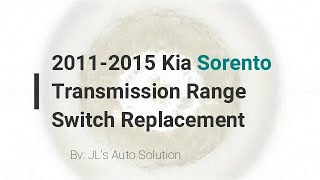
- A user on Kia-Forums.com with a 2016 Sorento V6 experienced the classic no-start in Park but start in Neutral symptom with code P0706. They successfully performed a DIY replacement of the inhibitor switch (42700-3B700) in their driveway, confirming the location under the battery tray and resolving the issue. 🎬 See this step-by-step inhibitor switch replacement walkthrough
Mechanic-Grade Diagnostic Values
- Transmission Range Sensor 'A' Circuit Voltage — expected: Varies by gear, for example: Park ≈ 0V, Reverse ≈ 5V, Neutral ≈ 2.5V, Drive ≈ 4V. A different source suggests a high input fault (P0708) is triggered above 4.12V.. Failure: Voltage is outside the expected range for a given gear by more than ~0.5V, is stuck at one value, or is erratic when moving the shifter.
- Inhibitor Switch Power Supply Voltage — expected: 12V or 5V at the power supply pin (Pin 3, often a pink wire) with the key in the ON position.. Failure: No voltage or significantly low voltage indicates a problem with the power supply from the fuse block, not the sensor itself.
Scan Tool Commands That Help
- Professional OBD-II Scanner / Kia GDS: Reset TCM / Clear Adaptive Memory — After replacing the inhibitor switch or other transmission components, resetting the TCM clears old learned values and forces it to relearn shift patterns with the new part, which can resolve lingering harsh shifting issues.
Wiring & Ground Locations
- Fuse F4 (15A) — In the engine room junction block (main fuse box under the hood).. This 15A fuse provides power to the Transaxle Range Switch. If this fuse is blown, the switch will have no power, leading to a P0706 or related code.
- Inhibitor Switch Connector — On the front or top of the transmission housing, underneath the battery and battery tray.. This is the primary connection point for all testing. It is exposed to potential corrosion from battery acid leaks or road spray, making it a common point of failure for this circuit.
- Pin 3 (Power Supply) — On the inhibitor switch connector, often a pink wire.. This pin delivers the operating voltage to the switch. A multimeter test here confirms if the circuit is receiving power from the fuse block.
OEM Part Supersession History
42700-3B700→42700-26700— The original part had a high failure rate, leading to Service Campaign SA317A. The new part is an updated design for improved reliability.
Heads up: Part number 42700-26700 is the correct, current replacement for a wide range of previous part numbers including 42700-3B700, 42700-3B100, 42700-26000, and others. Always use the latest revision.
Model Year Variations Within This Range
- 2016-2018 (All Engines) & 2019-2020 (2.4L I4 Engine): These models primarily use the 6-speed automatic transmission, which is the unit commonly affected by the P0706 inhibitor switch failure covered in TSB SA317A.
- 2019-2020 (3.3L V6 Engine): For the 2019 model year refresh, the V6 Sorento was upgraded to a new 8-speed automatic transmission. This transmission may use a different range sensor part number and is not explicitly covered under the SA317A campaign, which focused on the 6-speed. Diagnostics may differ for these models.
Diagnostic Flowchart
Other Known Issues on This Vehicle
Issues unrelated to this code that are worth knowing about as an owner of this generation:
- Theta II GDI Engine Failure 🔴 High — Widespread across multiple model years, including 2016-2019. Failures can occur from 60,000 miles onward, often starting with knocking noises or excessive oil consumption. (Ref: Subject of multiple recalls (e.g., SC153 for 2017 3.3L crankshafts), a major class-action lawsuit resulting in a lifetime warranty for the engine short block for certain failures, and the KSDS (Knock Sensor Detection System) software update campaign.)
- Tow Hitch Harness Fire Risk 🔴 High — Affects 2016-2022 models with an OEM or dealer-installed tow hitch harness. Moisture and debris can short the module's circuit board. (Ref: NHTSA Recall 22V-626. Owners are advised to park outside and away from structures until the repair is completed.)
- Faulty Accelerator Pedal Assembly 🔴 High — A known issue on 2016 models where the accelerator pedal position sensor can malfunction, causing the vehicle to enter limp mode with a loss of acceleration. (Ref: Recall issued for 2016 models to address this specific failure.)
- Sticking Electric Steering Gear 🟠 Medium — Some 2016-2018 models can develop a condition where the steering wheel sticks in the straight-ahead position, requiring extra force to initiate a turn. (Ref: No recall found, but the common fix is replacing the electric steering gear within the steering column.)
- High-Pressure Fuel Pipe Leak 🔴 High — Affects 2016-2017 models with GDI engines. (Ref: A recall was issued because the fuel pipe connecting to the high-pressure fuel pump could develop leaks, creating a fire risk.)
Used vs. New Parts: Buying Guide for This Vehicle
When a used part is the smart pick: Buying a used inhibitor switch is not recommended due to the high failure rate of the original part. A used part is likely to fail soon, if it hasn't already. The only scenario where a used part makes sense is to salvage the connector pigtail if the vehicle's wiring harness is damaged.
Donor-vehicle mileage cap: roughly under 30000 miles for the part to have meaningful remaining life.
What to inspect on the donor part:
- Verify the donor vehicle is from a later model year (2018+), as it's more likely to have the revised part.
- Inspect the connector pins for any signs of green or white corrosion.
- Check the plastic housing for cracks or heat damage.
OEM-only on this vehicle (don't cheap out):
- Inhibitor Switch (Transmission Range Sensor)
Brands owners have reported issues with on this vehicle:
- Unbranded, no-name parts from online marketplaces. Given the known OEM part defect and subsequent revision, sticking with the genuine Kia/Hyundai superseded part (42700-26700) is the most reliable repair strategy.
Real Owner Stories
Aggregated from forums and TSBs cited above. Mileages and costs reflect what owners reported in those sources.
2016 Kia Sorento V6
Symptoms: The vehicle experienced a no-start condition while in Park, but would successfully start when shifted into Neutral. Code P0706 was present.
What fixed it: DIY replacement of the inhibitor switch (Part No. 42700-3B700) located under the battery tray.
Source hint: Kia-Forums.com thread titled '2016 Sorento V6 No Start - P0706 Code'
Related OBD-II Codes
Frequently Asked Questions
Does Service Action SA317A apply to my 2017 Kia Sorento?
Why does my Sorento start in Neutral but not in Park?
Where is the inhibitor switch located on a 2016-2020 Sorento?
Can I use a specific tool to align the new inhibitor switch?
Are there other Kia models that share this P0706 issue?
What is the part number for the replacement inhibitor switch?
Why are my EPB and Auto Hold lights on along with the Check Engine light?
Helpful Videos

We Have This Part in Stock


The information in this article is provided for general reference and educational purposes only. Vehicle specifications, procedures, and part compatibility can vary by production date, trim level, and region. Always consult your vehicle's factory service manual and verify part numbers before purchasing or performing repairs. Safety-critical components such as airbags, seat belts, and braking systems should be installed by a qualified professional.
- Kia Sorento:
- 🧭 Diagnostic Flowchart
- 🎬 Helpful Videos
- 🛍️ Shop This Part
- What's Unique About the 2016-2020 Kia Sorento
- Symptoms You May Notice
- Most Likely Causes
- Rare But Worth Checking
- Diagnosis Steps
- Parts You'll Likely Need
- Related Codes That Often Appear With This One
- Technical Service Bulletins (TSBs) & Recalls
- Platform-Specific Known Issues
- Mechanic-Grade Diagnostic Values
- Scan Tool Commands That Help
- Wiring & Ground Locations
- OEM Part Supersession History
- Model Year Variations Within This Range
- Other Known Issues on This Vehicle
- Used vs. New Parts: Buying Guide for This Vehicle
- Real Owner Stories
- 2016 Kia Sorento V6
- Related OBD-II Codes
- Frequently Asked Questions
- 🎟️ Get 5% Off