

P0706 on 2013-2018 Toyota RAV4: Transmission Range Sensor Causes and Fixes
On a 2013-2018 RAV4, code P0706 is almost always caused by a faulty Transmission Range Sensor (Neutral Safety Switch). This can cause a no-start condition or erratic shifting. Expect to pay between $130-$170 for an OEM sensor and around $40-$90 for an aftermarket replacement. Misalignment of this sensor after a transmission service is also a very common trigger for this specific code.
- P0706 on your RAV4 points directly to a problem with the Transmission Range Sensor circuit, most often the sensor itself.
- Key symptoms are a no-start condition, erratic shifting, or an incorrect gear display.
- If you've had recent transmission work done, the sensor may simply be misaligned and may not need replacement.
- This repair is critical for safety, as a faulty sensor can allow the vehicle to start in gear.
- The most likely fix is replacing the Neutral Safety Switch located on the outside of the transmission.
What's Unique About the 2013-2018 Toyota RAV4
The 2013-2018 RAV4 (XA40 generation) uses a U760E automatic transmission. For this specific vehicle, a known quirk is the P0706 code appearing after a transmission service or repair. This is often due to the Transmission Range Sensor being improperly aligned during reassembly, which is a critical installation step. Unlike some vehicles where the sensor is inside the transmission, on the RAV4 it is an external component, making it more susceptible to damage but also easier to access for replacement or adjustment.
Symptoms You May Notice
- Check Engine Light is on
- Vehicle will not start, or only starts in Neutral
- Incorrect gear position displayed on the instrument panel
- Harsh or delayed gear engagement
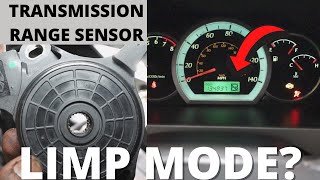
- Vehicle enters 'limp mode' (stuck in one gear)
- Reverse lights do not work
- Shifter is stuck in Park or Neutral
- Replacing the transmission valve body when the issue is just an inexpensive external sensor.
- Assuming the entire transmission has failed without first diagnosing the inexpensive external range sensor and its wiring.
- Replacing the starter for a no-start condition without checking for transmission-related codes like P0706 first.
Most Likely Causes
- Faulty Transmission Range Sensor (Neutral Safety Switch) 🔴 High Probability → Shop Transmission Assembly The sensor is an external component on the transmission case, exposed to heat, vibration, and moisture, which leads to internal wear and electrical failure over time. It is a printed circuit board that can corrode or wear out with age and mileage.
How to confirm: With a scan tool, monitor the sensor's live data while moving the gear shifter. If the displayed gear position does not match the physical shifter position or the voltage readings are erratic, the sensor is likely bad. You can also test the sensor's continuity and resistance at the electrical connector pins according to the factory service manual. A faulty sensor may show no voltage change when tested.
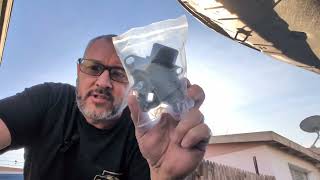
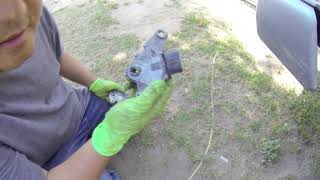
Typical fix: Replace the Transmission Range Sensor. On this RAV4, this involves removing the air filter box assembly to access the sensor on top of the transmission, disconnecting it, removing two 10mm bolts, and prying the old sensor off. 🎬 Watch: This step-by-step guide shows you how to replace the sensor. The new sensor must be carefully aligned before tightening.
Est. part cost: $130-$170 (OEM), $40-$90 (Aftermarket) - Misaligned Transmission Range Sensor 🟡 Medium Probability → Shop Transmission Assembly This is a known issue on this platform, often occurring after a transmission fluid change, repair, or replacement where the sensor was disturbed and not correctly realigned. A case study of a 2015 RAV4 specifically highlighted this issue post-repair.
How to confirm: Review the vehicle's recent service history. If transmission work was recently performed, this is a strong possibility. The alignment procedure involves setting the shifter to Neutral, then adjusting the sensor's position until specific alignment marks on the sensor and its housing line up before tightening the mounting bolts.
Typical fix: Re-adjust the existing sensor. This does not require a new part but does require accessing the sensor on the transmission and performing the alignment procedure correctly.
Est. part cost: $0 - Damaged Wiring or Corroded Connector ⚪ Low Probability The wiring harness leading to the sensor is located under the vehicle and can be damaged by road debris or corrosion from water and road salt. Flood damage is a significant risk factor for this type of failure.
How to confirm: Visually inspect the wiring harness and the electrical connector that plugs into the Transmission Range Sensor. Look for any frayed or broken wires, green corrosion on the pins, or melted plastic. Perform a continuity test on the wires between the sensor and the TCM if no visible damage is found. Wiggling the harness while monitoring sensor voltage can reveal intermittent connections.
Typical fix: Repair the damaged section of wire or replace the connector pigtail. Clean any corrosion from the connector pins using an electrical contact cleaner and a plastic bristle brush.
Est. part cost: $10-$50
Rare But Worth Checking
- Worn or Damaged Shift Linkage: The mechanical cable or linkage between the shifter inside the car and the transmission can stretch or wear, causing a mismatch between the selected gear and what the sensor reports. This is less common than sensor failure but worth checking if the sensor and wiring are good.
- Faulty Transmission Control Module (TCM) or Powertrain Control Module (PCM): → Shop Transmission Assembly This is very rare. The module itself can fail, but all other possibilities should be exhausted before condemning the computer. This is a last-resort diagnosis.
- Dirty or Low Transmission Fluid: → Shop Transmission Assembly Contaminated or low automatic transmission fluid can cause issues within the valve body, which can indirectly trigger a P0706 code. While not a direct cause of the circuit error, it can be a contributing factor to erratic transmission behavior.
Diagnosis Steps
- Scan the vehicle for all stored trouble codes. Confirm P0706 is present and note any other codes, such as P0705.
- Using a capable scan tool (like Toyota Techstream), view the live data for the Transmission Range Sensor. Observe the gear position reading as you slowly move the shifter through all positions (P, R, N, D, etc.).
- If the scan tool data does not match the shifter's actual position, or shows invalid/erratic readings, proceed with a physical inspection.
- Access the sensor by removing the air filter housing. Visually inspect the Transmission Range Sensor, its electrical connector, and the wiring harness for any obvious signs of damage, corrosion, or loose connections.
- If the vehicle has had recent transmission service, check the sensor's alignment. Ensure the shifter is in Neutral and verify the alignment marks on the sensor body and transmission case are correctly lined up.
- If alignment is good and wiring appears intact, test the sensor's internal circuits with a digital multimeter according to the vehicle's service manual specifications. Check for correct voltage (typically a 5V or 12V reference) at the connector with the key on.
- If the sensor fails the electrical tests, replace it. Ensure the new sensor is properly aligned upon installation. 🎬 Watch: How to replace and align the sensor without special tools. Some owners report that only OEM or Aisin sensors resolve the issue permanently.
- If the sensor and wiring test good, but the scan tool shows a problem, the issue may be mechanical with the shift linkage or, in rare cases, the TCM/PCM itself.
Parts You'll Likely Need
- Transmission Range Sensor / Neutral Safety Switch
(OEM #84540-42010)— This is the most common failure point for code P0706. It is an electronic switch that wears out over time. The part number 84540-42010 is widely confirmed for this specific RAV4 generation.
Trusted brands: Toyota (Genuine OEM), Aisin, Standard Motor Products (SMP), Beck Arnley
OEM price range: $130-$170
Aftermarket price range: $40-$90
Related Codes That Often Appear With This One
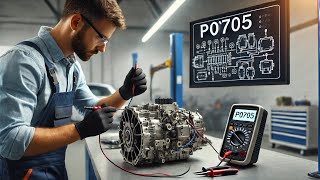
- P0705 — P0705 indicates a general malfunction in the same sensor circuit, and can appear alongside P0706 which specifies a range/performance problem. A video of a RAV4 repair showed a P0705 code with similar symptoms and the same fix. 🎬 See a real-world diagnosis of the P0705 code on this RAV4.
Technical Service Bulletins (TSBs) & Recalls
- T-SB-0023-16: This TSB is for a Power Back Door issue on 2014-2015 Highlanders and is NOT relevant to P0706 on a RAV4.
- Warranty Enhancement Program (ZE8): Covers torque converter shudder on 2013-2015 RAV4 models. This is a known issue with the U760E transmission but is separate from the P0706 fault.
Platform-Specific Known Issues
- A Warranty Enhancement Program (ZE8) was issued for some 2013-2015 RAV4 models for a torque converter shudder. While this does not directly cause P0706, it is a known issue with the U760E transmission in this generation and may be relevant if other transmission symptoms are present.
- A recall (NHTSA 23V-723) was issued for 2013-2018 RAV4s concerning a fire risk from improperly fitting replacement 12V batteries shorting out. While unrelated to P0706, a major electrical short or subsequent power loss could potentially trigger various electrical fault codes.
Mechanic-Grade Diagnostic Values
- Transmission Range Sensor Voltage (at the sensor signal wire) — expected: Park: ~0V, Reverse: ~5V, Neutral: ~2.5V, Drive: ~4V. Readings should be within approximately +/- 0.5V of these values.. Failure: Voltage that is stuck at one value, is erratic, or does not correspond to the selected gear.
- Transmission Range Sensor Resistance — expected: Varies by gear position. Must be compared to the manufacturer's specific resistance table in the service manual.. Failure: Readings that are infinite (open circuit) or zero (short circuit) where not expected, or readings that do not change when the gear is changed.
Scan Tool Commands That Help
- Toyota Techstream: Data List Navigation: Powertrain / Engine and ECT / Data List — This is the primary function used to monitor the live data from the transmission range sensor. The technician can watch the reported gear position on the screen while moving the physical shifter to confirm if the sensor is reporting correctly to the ECM.
Wiring & Ground Locations
- Transmission Range Sensor Connector — On the top of the U760E transmission case, underneath the air filter box assembly.. This is the primary connection point for all diagnostic electrical tests of the sensor and its harness. It is susceptible to corrosion and physical damage.
- Wiring Harness Location Code — Toyota wiring diagrams use a letter code to denote general location: 'E' for Engine Compartment, 'I' for Instrument Panel, 'B' for Body.. When tracing the wires from the sensor back to the ECM, understanding these codes on a factory wiring diagram is necessary to locate connectors and splice points.
Real Owner Repair Stories
- YouTube channel 'MrPaulVoline1978' (2015 Toyota RAV4 2.5L) — Implied no-start or shifting issue, as the repair focuses on replacing the 'Neutral Safety Switch'.
❌ Tried (didn't work) The video proceeds directly to replacement, suggesting this was the primary diagnosis.
✅ What actually fixed it The Transmission Range Sensor (Neutral Safety Switch) was replaced. The video details removing the airbox, disconnecting the shift cable and 12mm nut, removing two 10mm bolts holding the sensor, prying the old sensor off, and installing the new one. - YouTube channel 'Profesor Motor' (Toyota RAV4 (year not specified, but similar generation)) — Check Engine Light with code P0705 (related to P0706), gear indicator on dash showing incorrect gear (e.g., 'R' when in 'D').
❌ Tried (didn't work) The video directly diagnoses the sensor as the cause due to the conflicting gear readings.
✅ What actually fixed it Replacing the Transmission Range Sensor resolved the incorrect gear display and cleared the check engine light.
OEM Part Supersession History
Unknown/Older PNs→84540-42010— Standard part evolution and consolidation across models.
Heads up: Part number 84540-42010 is the widely confirmed correct part for the 2013-2018 RAV4. While other numbers may exist for other Toyota models, using this specific number is critical for ensuring compatibility.
Model Year Variations Within This Range
- 2013-2018: No significant variations related to the P0706 code are documented within this generation, including the 2016 model year facelift. The 2AR-FE engine and U760E transmission were used consistently in non-hybrid models.
Diagnostic Flowchart
Other Known Issues on This Vehicle
Issues unrelated to this code that are worth knowing about as an owner of this generation:
- Torque Converter Shudder 🟠 Medium — Common enough that Toyota issued a Warranty Enhancement Program (ZE8) for 2013-2015 models. Often occurs under light acceleration. (Ref: WEP ZE8)
- Excessive Oil Consumption 🟡 Low — Some 2AR-FE engines may consume oil due to low-tension piston rings. It's often not severe enough to cause engine failure but requires monitoring oil levels.
- VVT Gear Rattle on Cold Start 🟡 Low — A brief rattling or knocking sound may occur for a few seconds on cold starts, related to the VVT cam phasers. Toyota issued a TSB for earlier models, but the sound is generally considered an annoyance rather than a critical failure risk. (Ref: TSB for earlier 2AR-FE engines)
- EVAP Canister Failure 🟠 Medium — Can fail around 100,000-110,000 miles, leading to EVAP-related check engine codes (e.g., P0441, P0446).
- Melting/Sticky Dashboard 🟡 Low — While more common on other Toyota models of the era, some RAV4s can experience this due to heat and humidity. Toyota issued a Warranty Enhancement Program for many affected vehicles. (Ref: Warranty Enhancement Program ZLD)
- Battery Fire Risk from Replacement Battery 🔴 High — A recall was issued because certain replacement 12-volt batteries could shift and short against the hold-down bracket, increasing fire risk. (Ref: NHTSA Recall 23V-723)
Used vs. New Parts: Buying Guide for This Vehicle
When a used part is the smart pick: A used part could be a cost-effective diagnostic tool. If installing a cheap used sensor resolves the code, it confirms the original sensor was the failure point. However, given the relatively low cost of new aftermarket parts and the labor involved, starting with a new part is often more time-efficient.
Donor-vehicle mileage cap: roughly under 80000 miles for the part to have meaningful remaining life.
What to inspect on the donor part:
- Inspect the plastic housing for any cracks or signs of extreme heat stress.
- Check electrical pins for any signs of corrosion (green or white powder) or being bent.
- Ensure the manual shaft splines inside the sensor are not stripped or worn.
- Verify the sensor comes from a vehicle that was not involved in a flood.
OEM-only on this vehicle (don't cheap out):
- Powertrain Control Module (PCM) / Transmission Control Module (TCM)
Aftermarket brands forum-validated for this vehicle:
- Aisin (often the original equipment manufacturer for Toyota)
- Standard Motor Products (SMP)
- Beck Arnley
Real Owner Stories
Aggregated from forums and TSBs cited above. Mileages and costs reflect what owners reported in those sources.
2015 Toyota RAV4 2.5L
Symptoms: The vehicle had incorrect gear position displayed on the instrument panel following a recent repair.
What fixed it: The Transmission Range Sensor was found to be misaligned. The fix involved setting the shifter to Neutral and adjusting the sensor until the alignment marks lined up.
Source hint: Article Context Case Study
2018 Toyota RAV4 2.5L
Symptoms: No-start condition with a 'Shift to P' message displayed on the dashboard.
What fixed it: Diagnosis of the transmission sensor (Neutral Safety Switch) as the failure point.
Source hint: Reddit r/MechanicAdvice
Related OBD-II Codes
Frequently Asked Questions
Does TSB-0023-16 apply to my 2014 RAV4's transmission range sensor issue?
Is there a warranty program for transmission issues on my 2013-2015 RAV4?
Can I use an aftermarket sensor to fix P0706 on my RAV4?
Why did my RAV4 stop starting after I changed the transmission fluid?
Could a battery issue cause my RAV4 to throw electrical codes like P0706?
Where is the Transmission Range Sensor located on the 2.5L 2AR-FE engine?
Helpful Videos
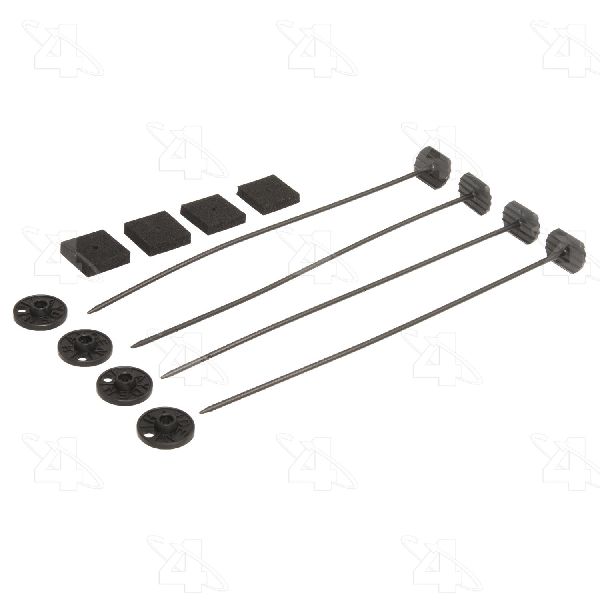
We Have This Part in Stock
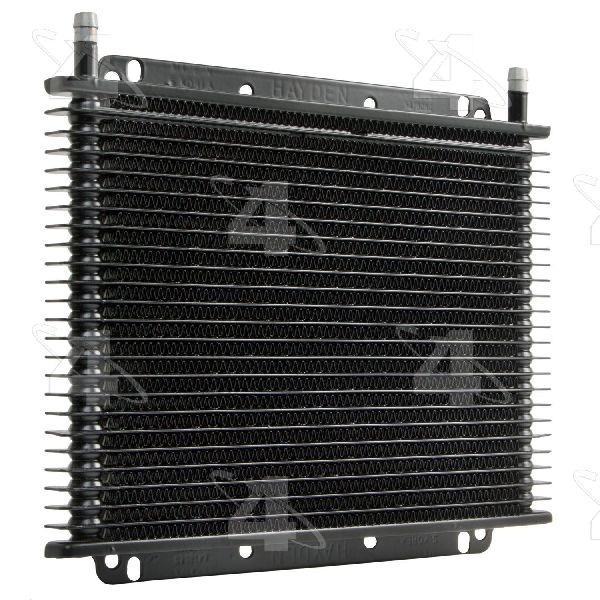
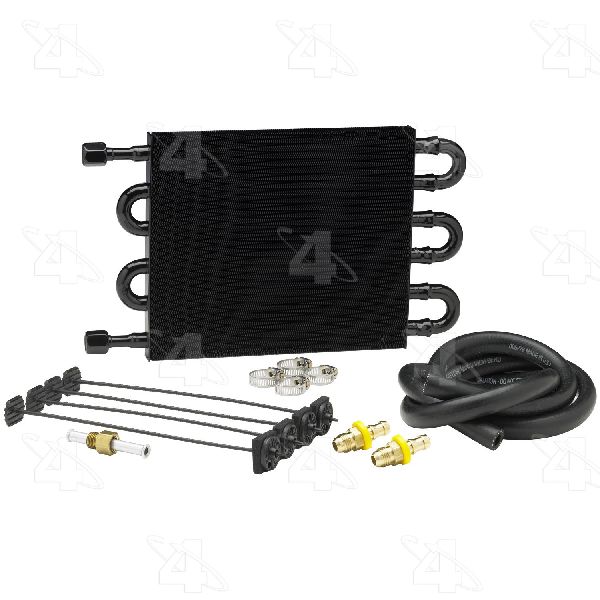

The information in this article is provided for general reference and educational purposes only. Vehicle specifications, procedures, and part compatibility can vary by production date, trim level, and region. Always consult your vehicle's factory service manual and verify part numbers before purchasing or performing repairs. Safety-critical components such as airbags, seat belts, and braking systems should be installed by a qualified professional.
- Toyota RAV4:
- 🧭 Diagnostic Flowchart
- 🎬 Helpful Videos
- 🛍️ Shop This Part
- What's Unique About the 2013-2018 Toyota RAV4
- Symptoms You May Notice
- Most Likely Causes
- Rare But Worth Checking
- Diagnosis Steps
- Parts You'll Likely Need
- Related Codes That Often Appear With This One
- Technical Service Bulletins (TSBs) & Recalls
- Platform-Specific Known Issues
- Mechanic-Grade Diagnostic Values
- Scan Tool Commands That Help
- Wiring & Ground Locations
- Real Owner Repair Stories
- OEM Part Supersession History
- Model Year Variations Within This Range
- Other Known Issues on This Vehicle
- Used vs. New Parts: Buying Guide for This Vehicle
- Real Owner Stories
- 2015 Toyota RAV4 2.5L
- 2018 Toyota RAV4 2.5L
- Related OBD-II Codes
- Frequently Asked Questions
- 🎟️ Get 5% Off